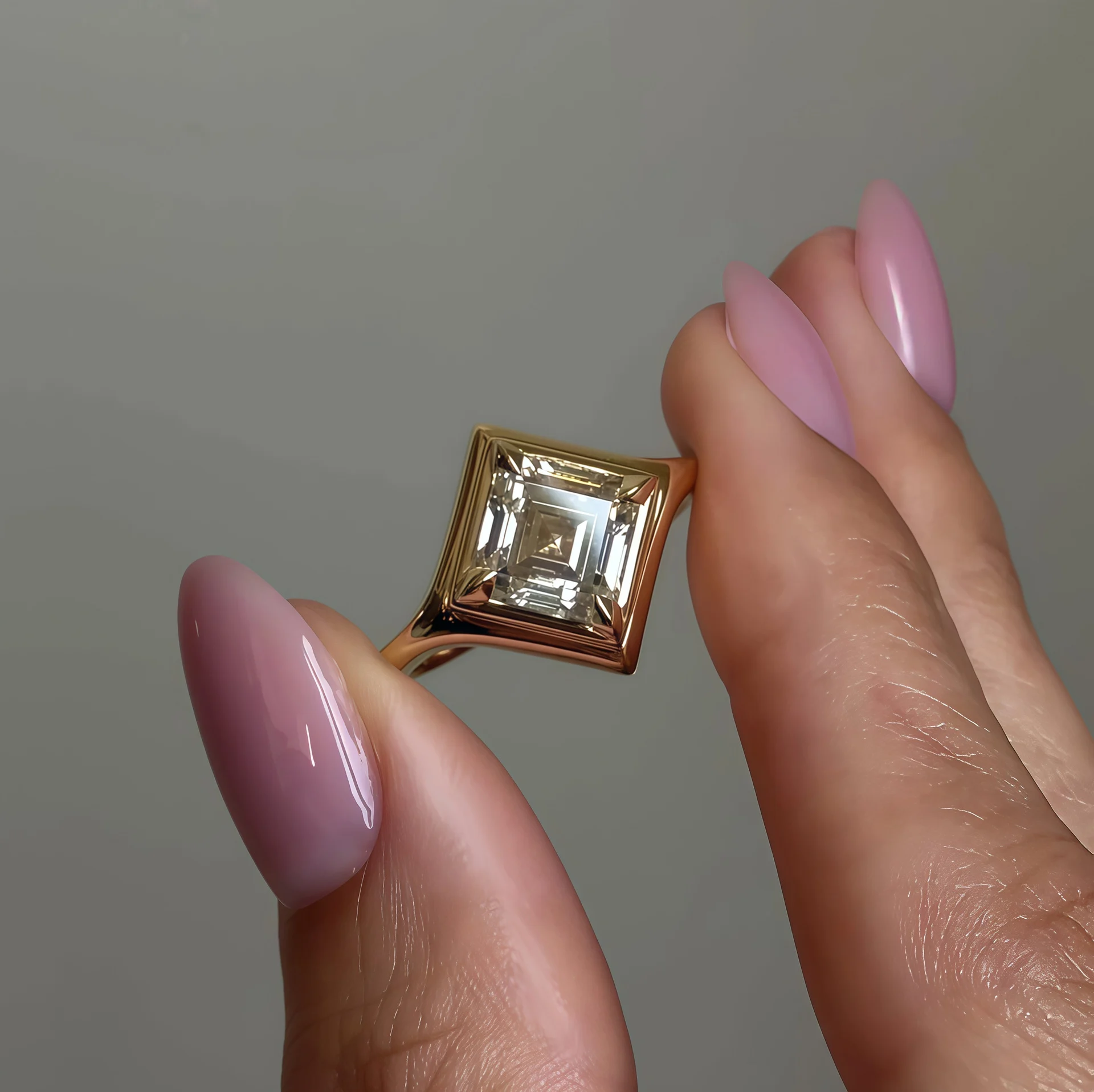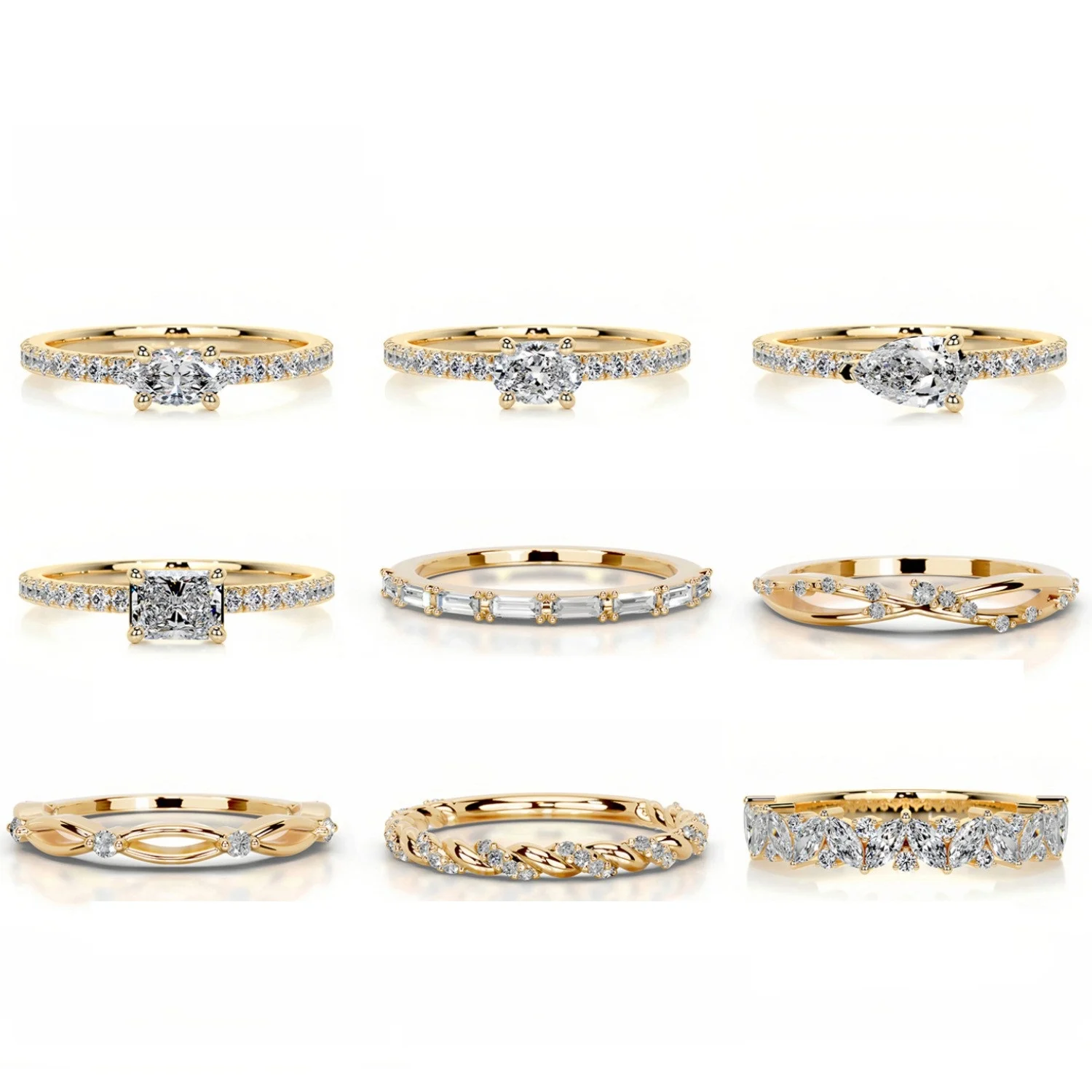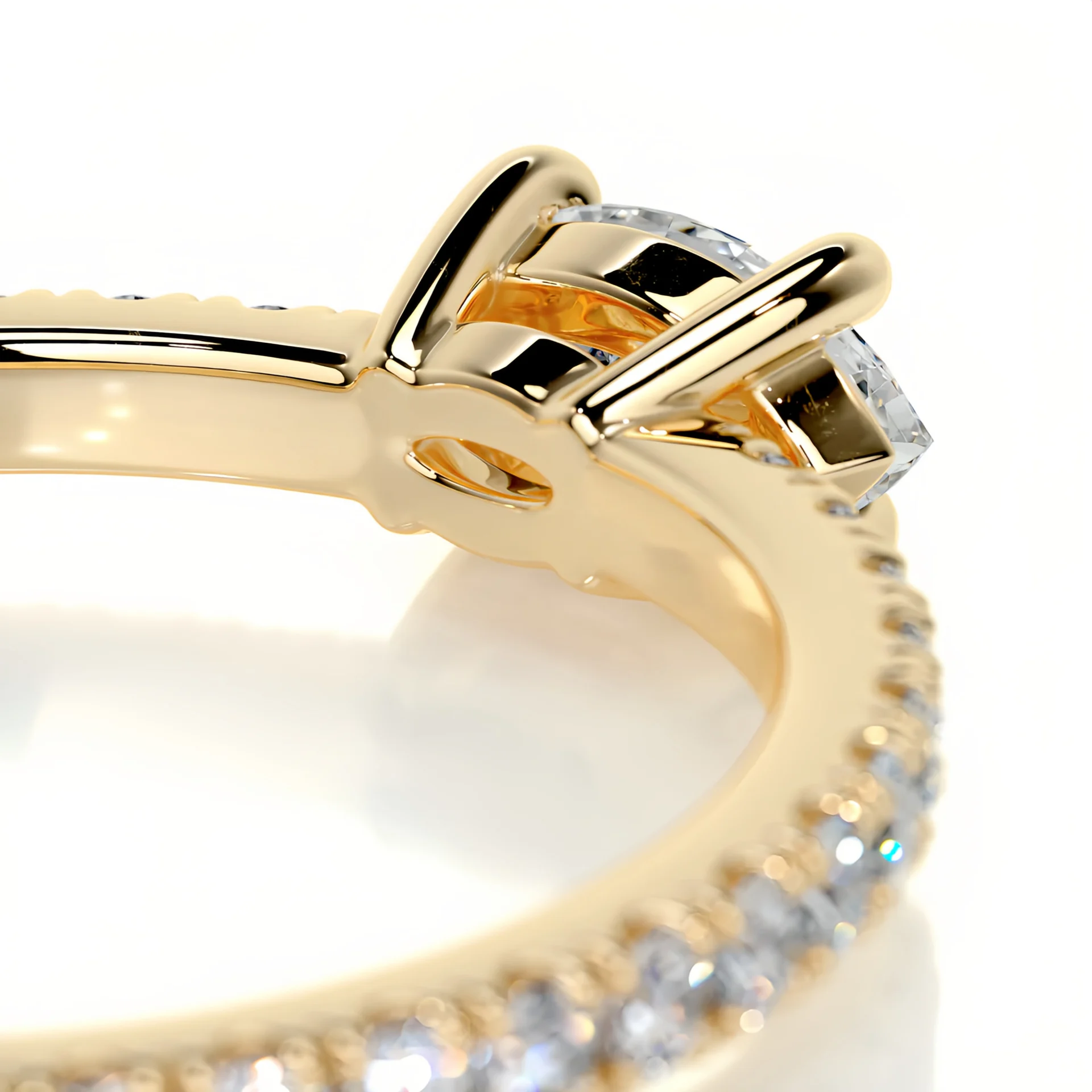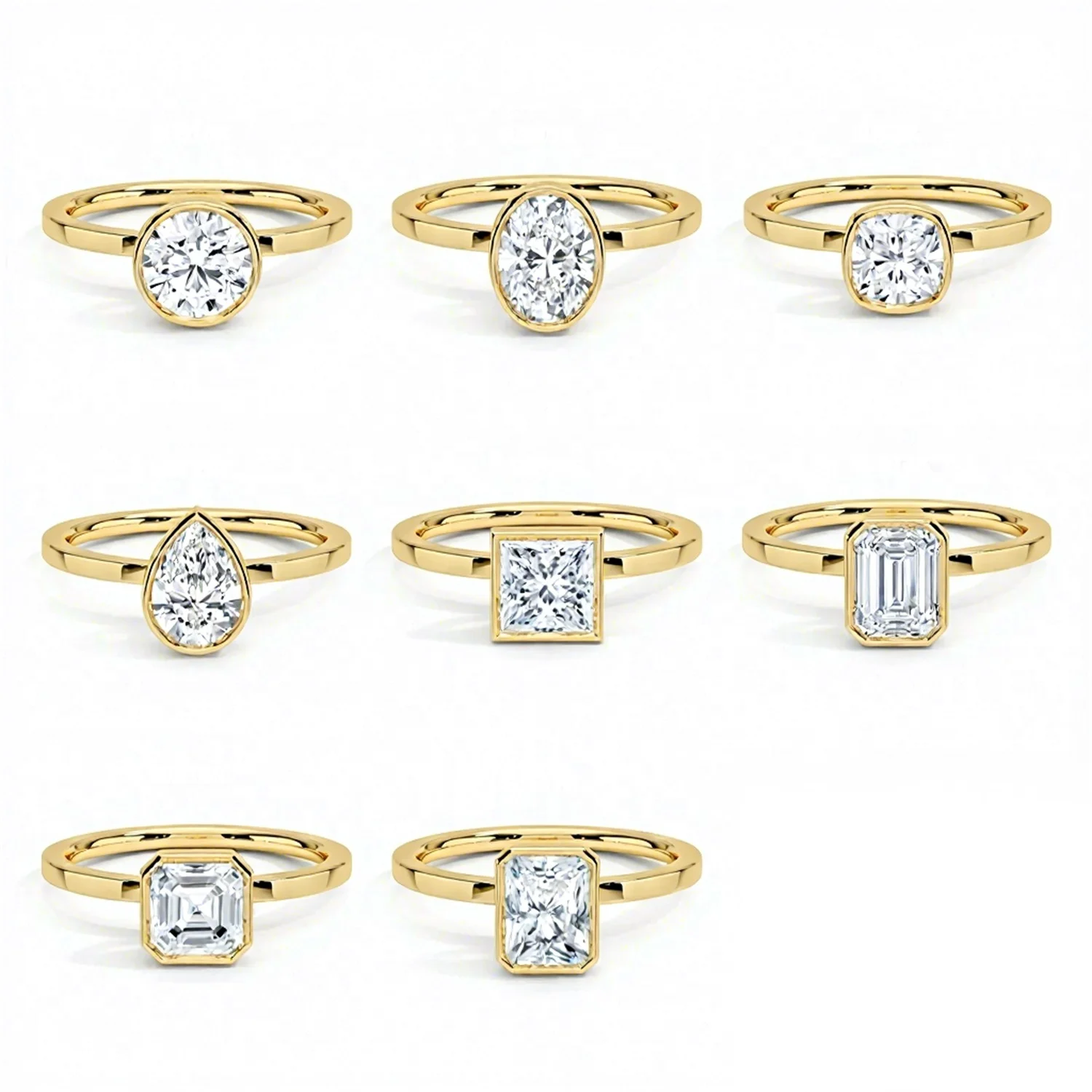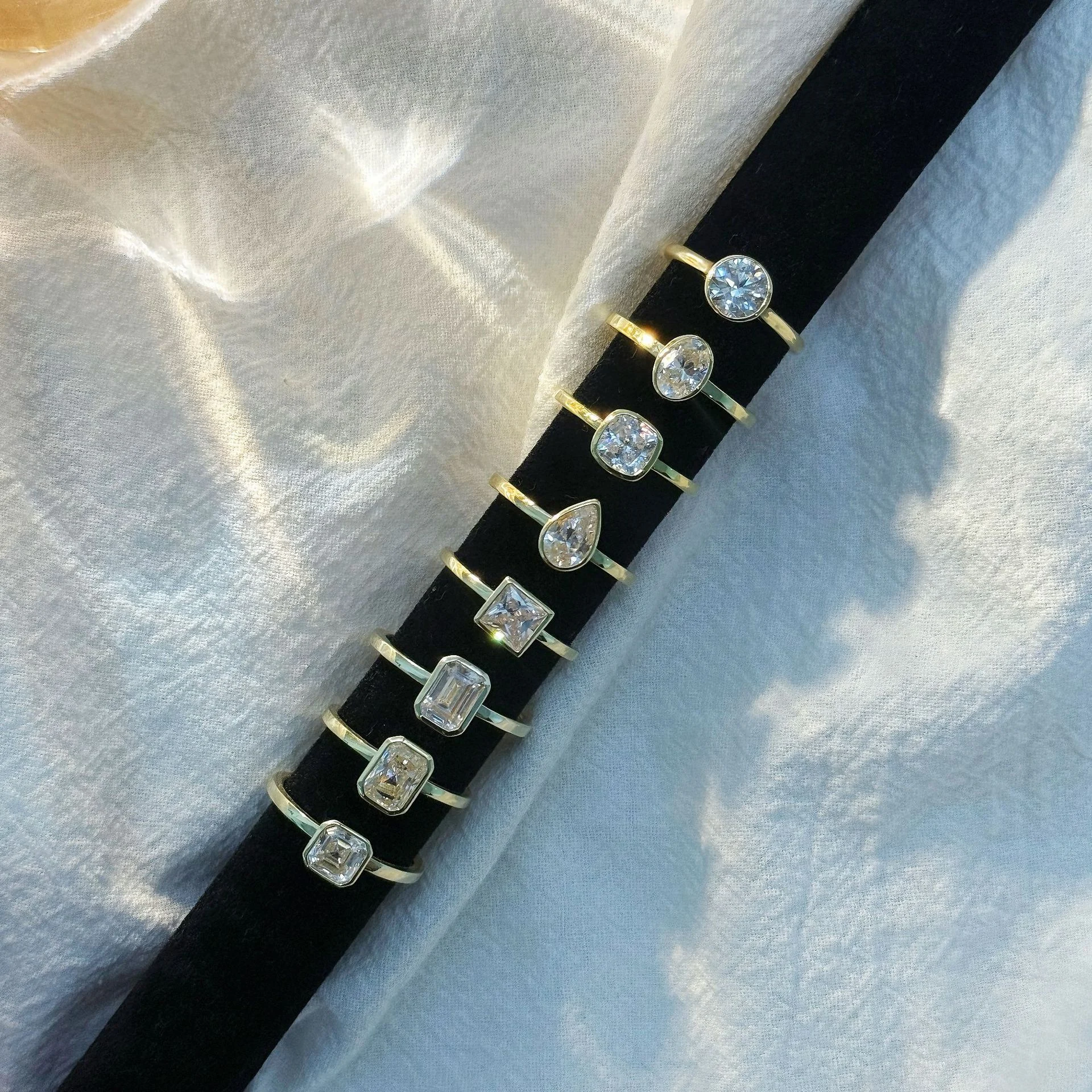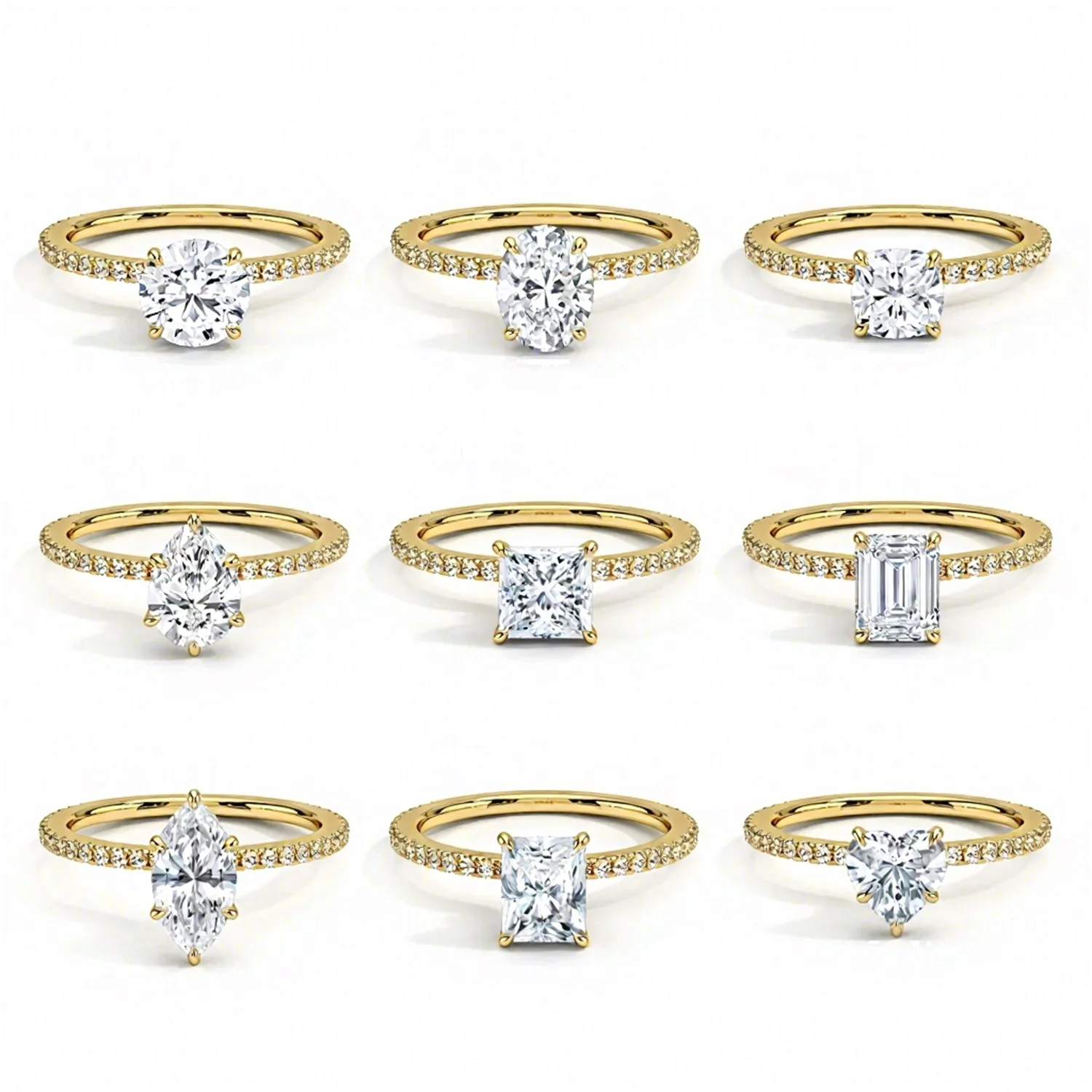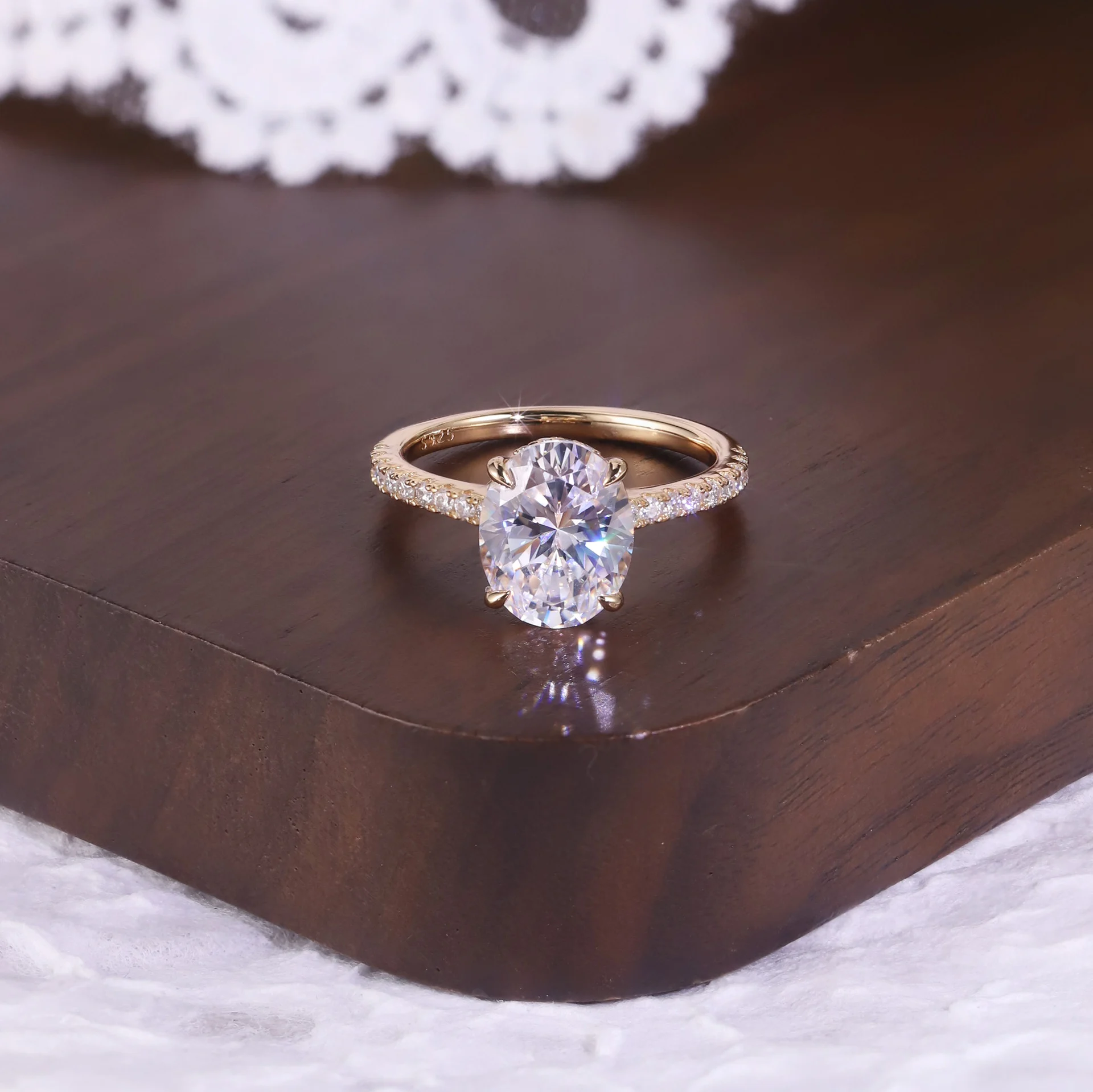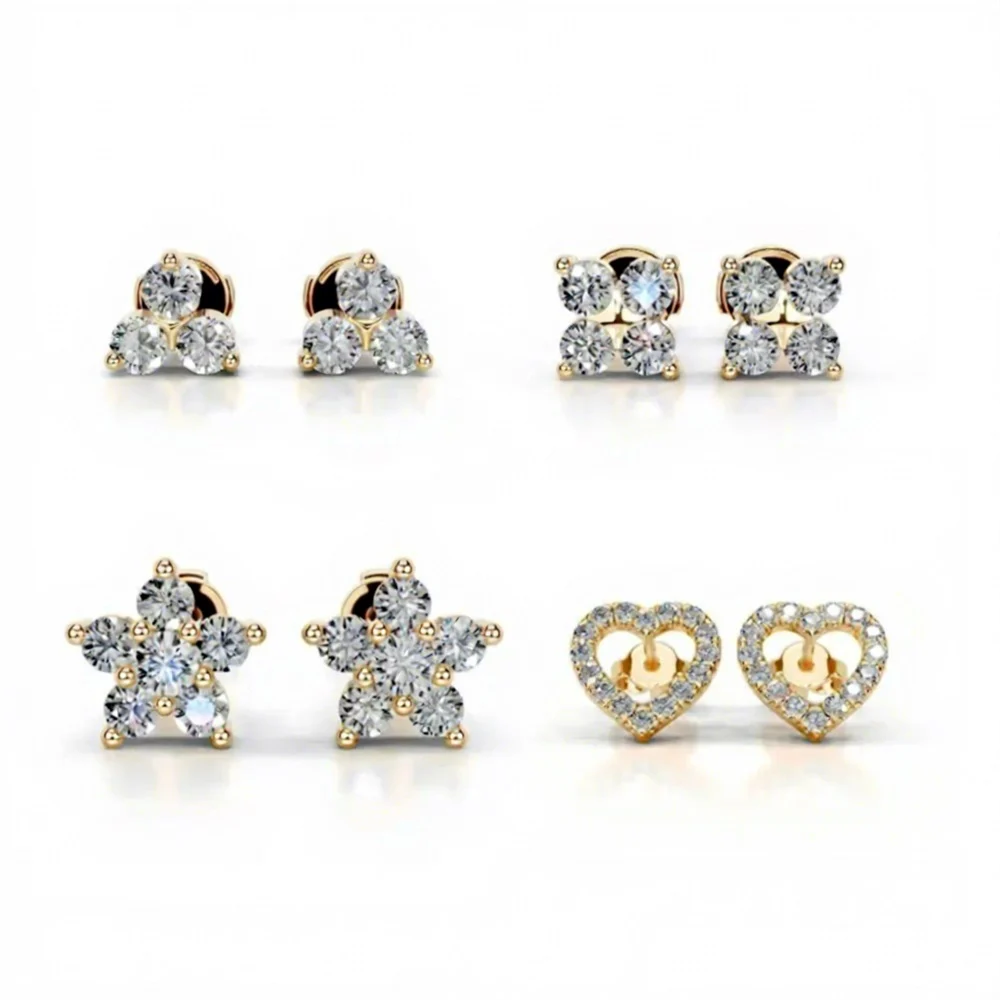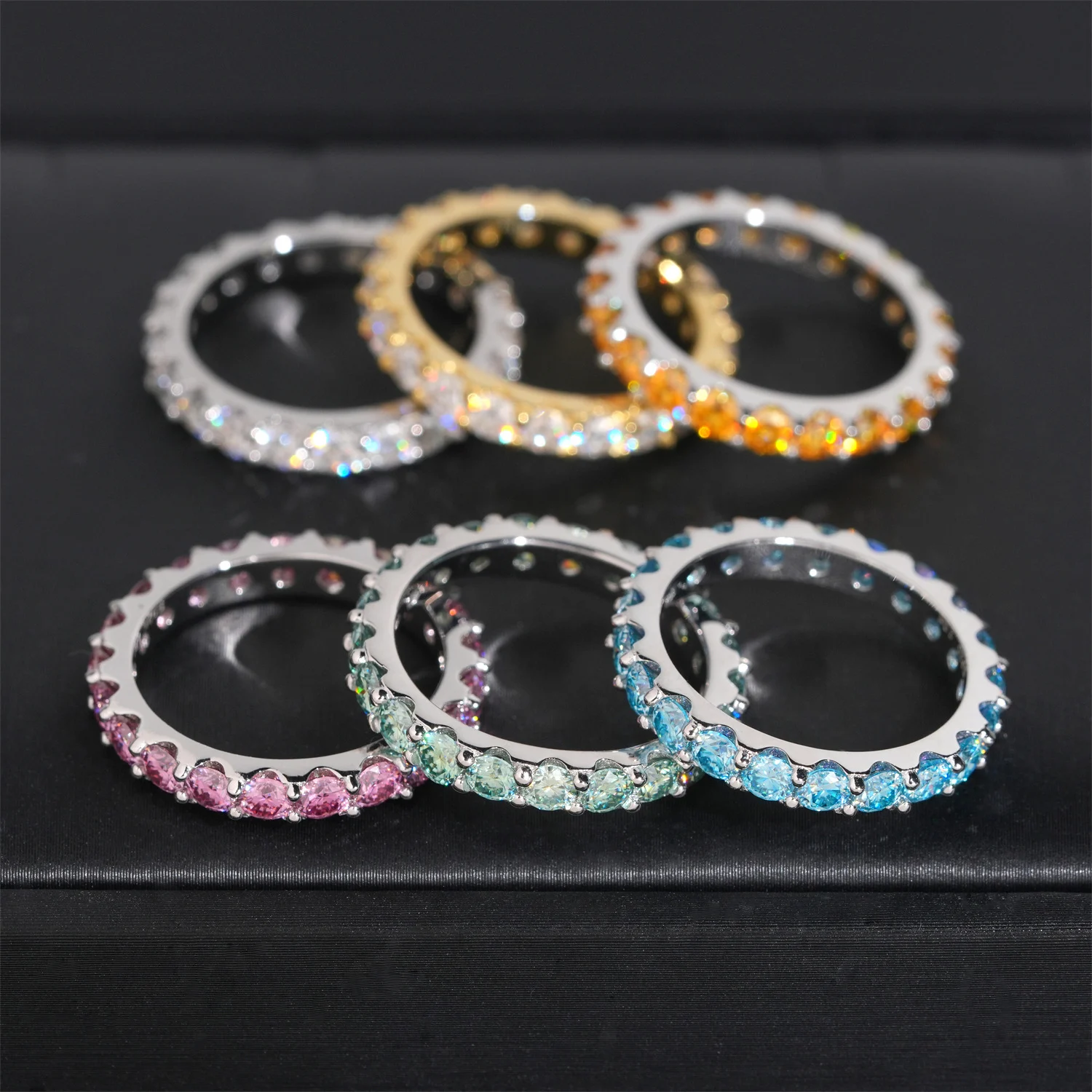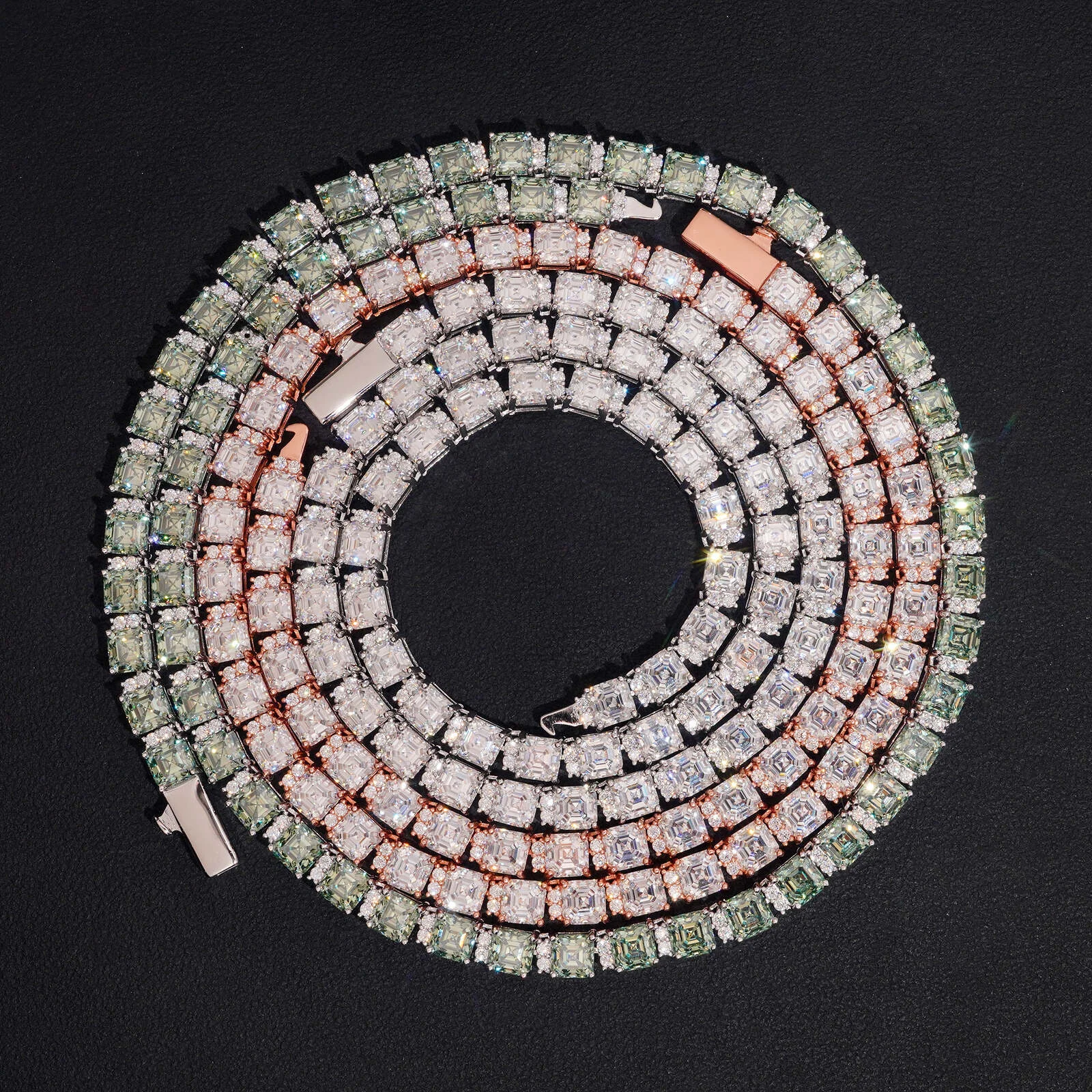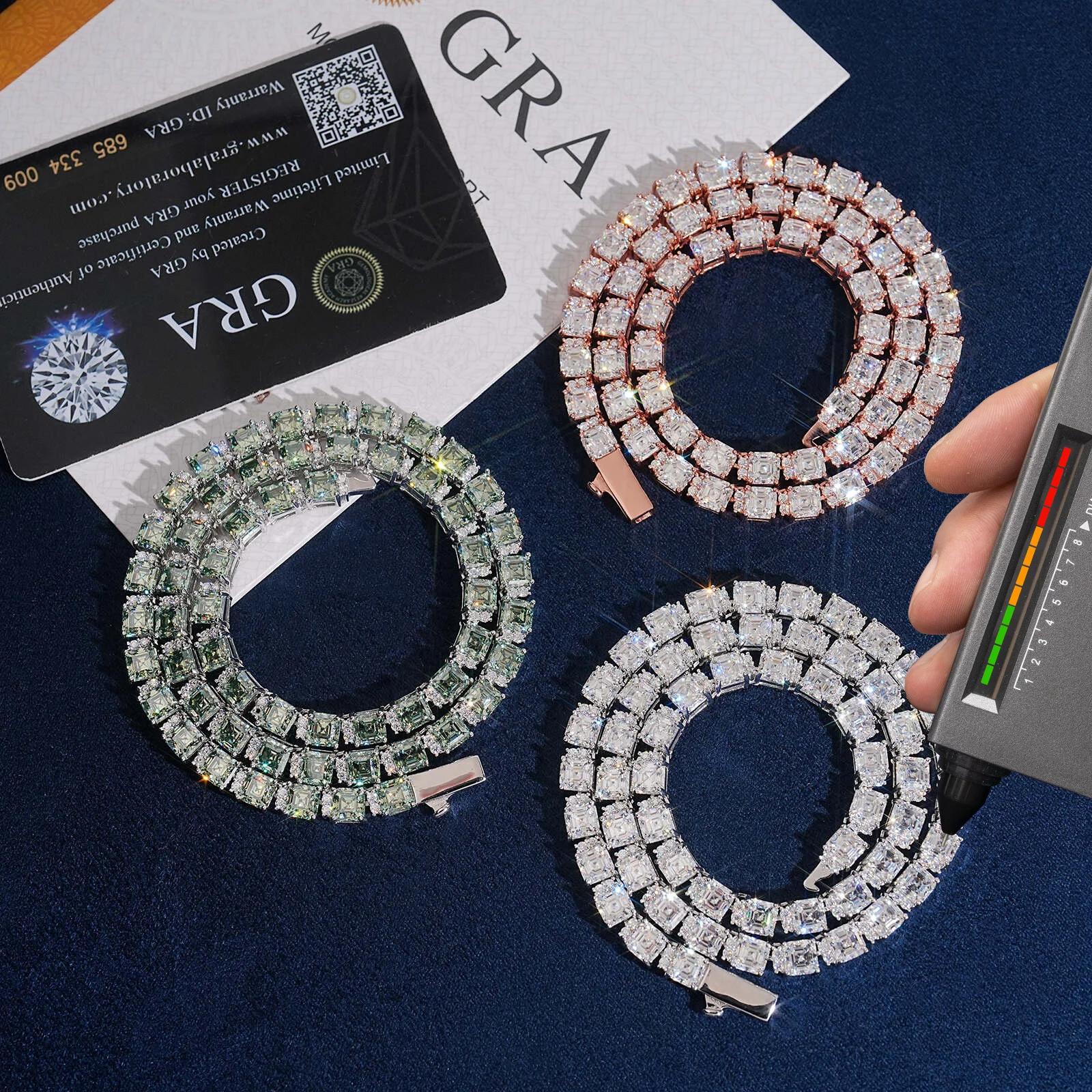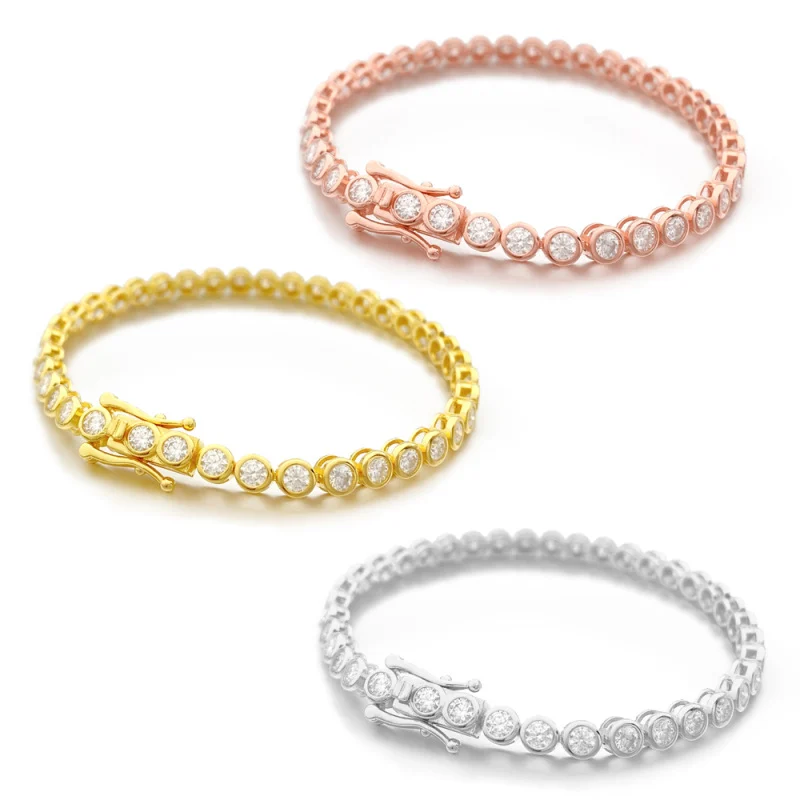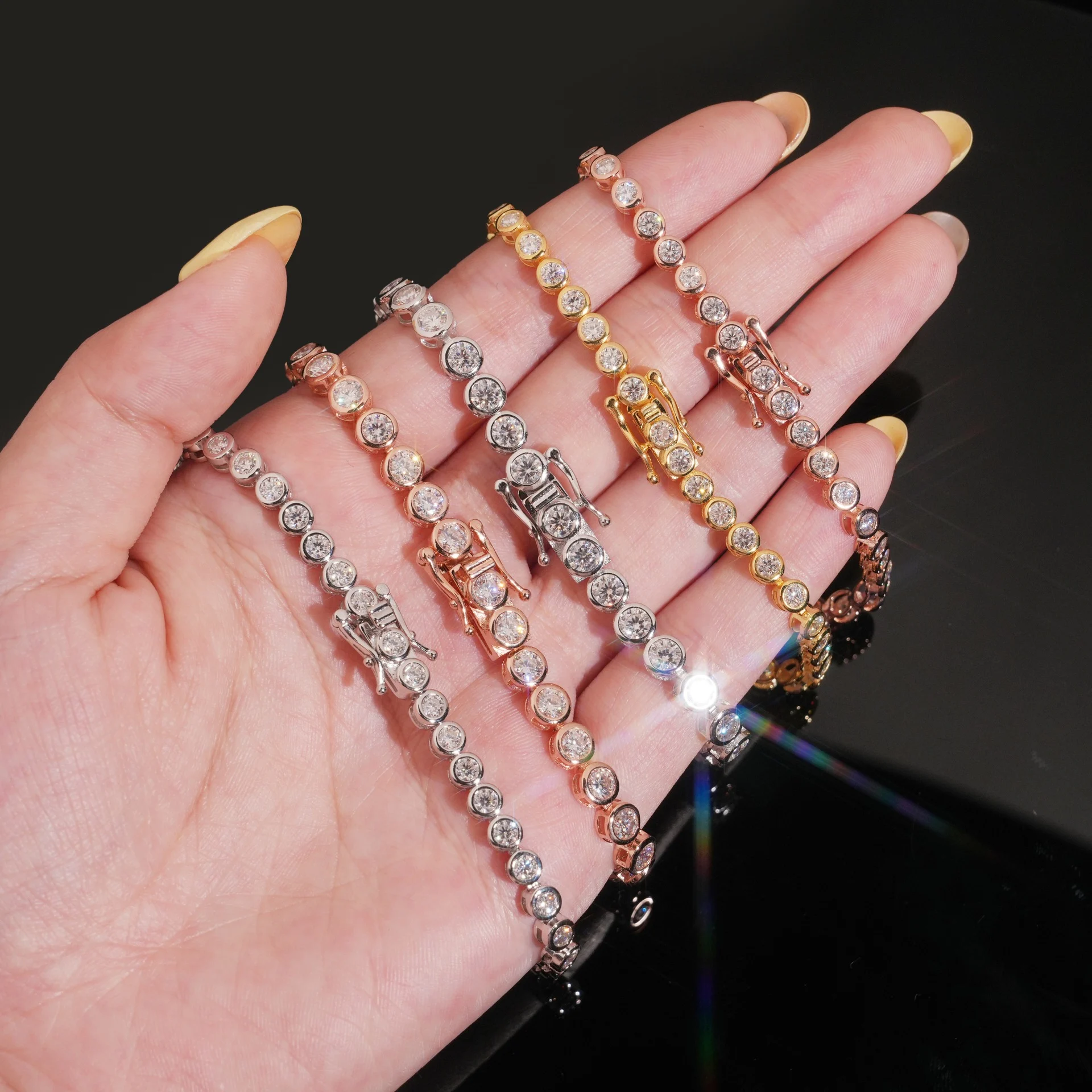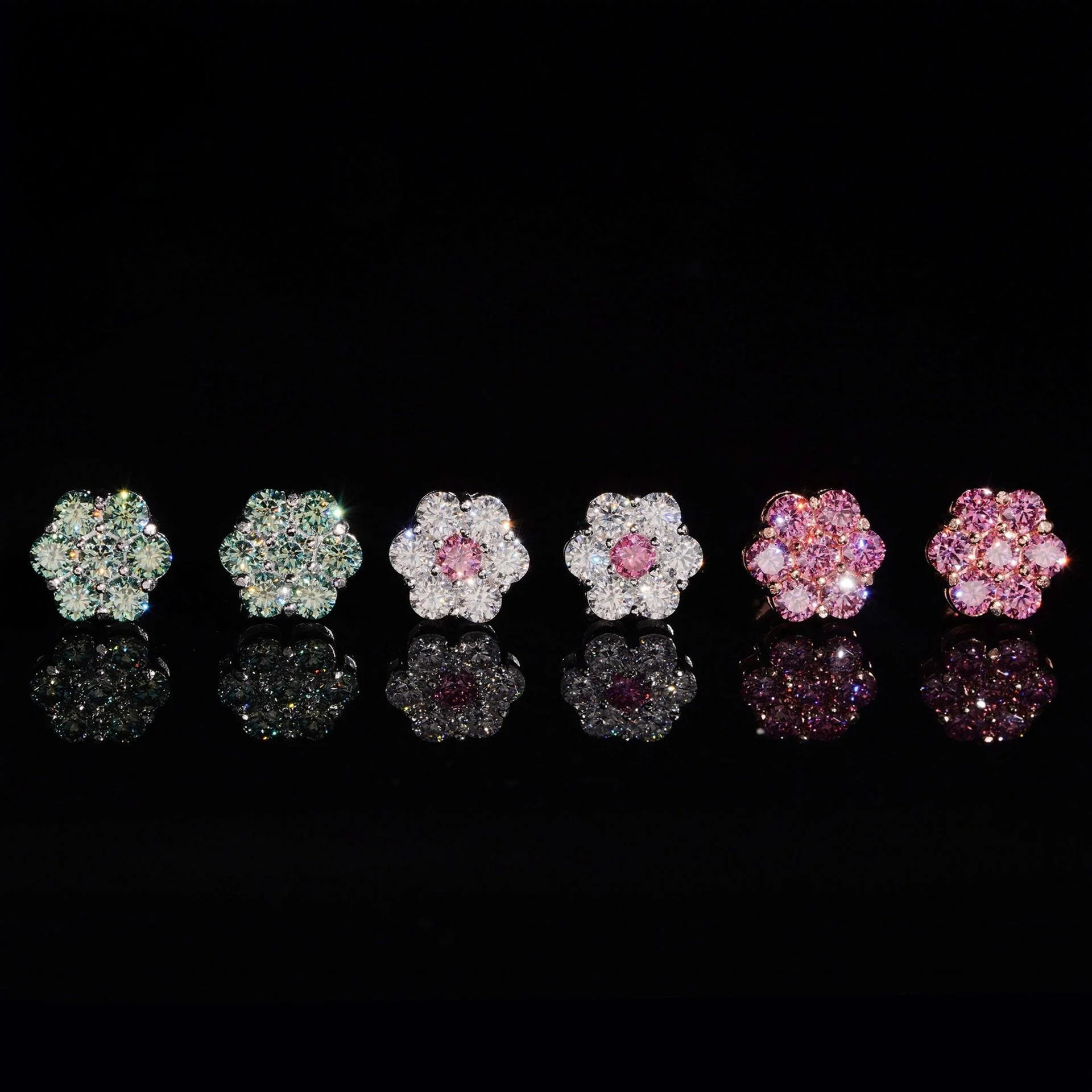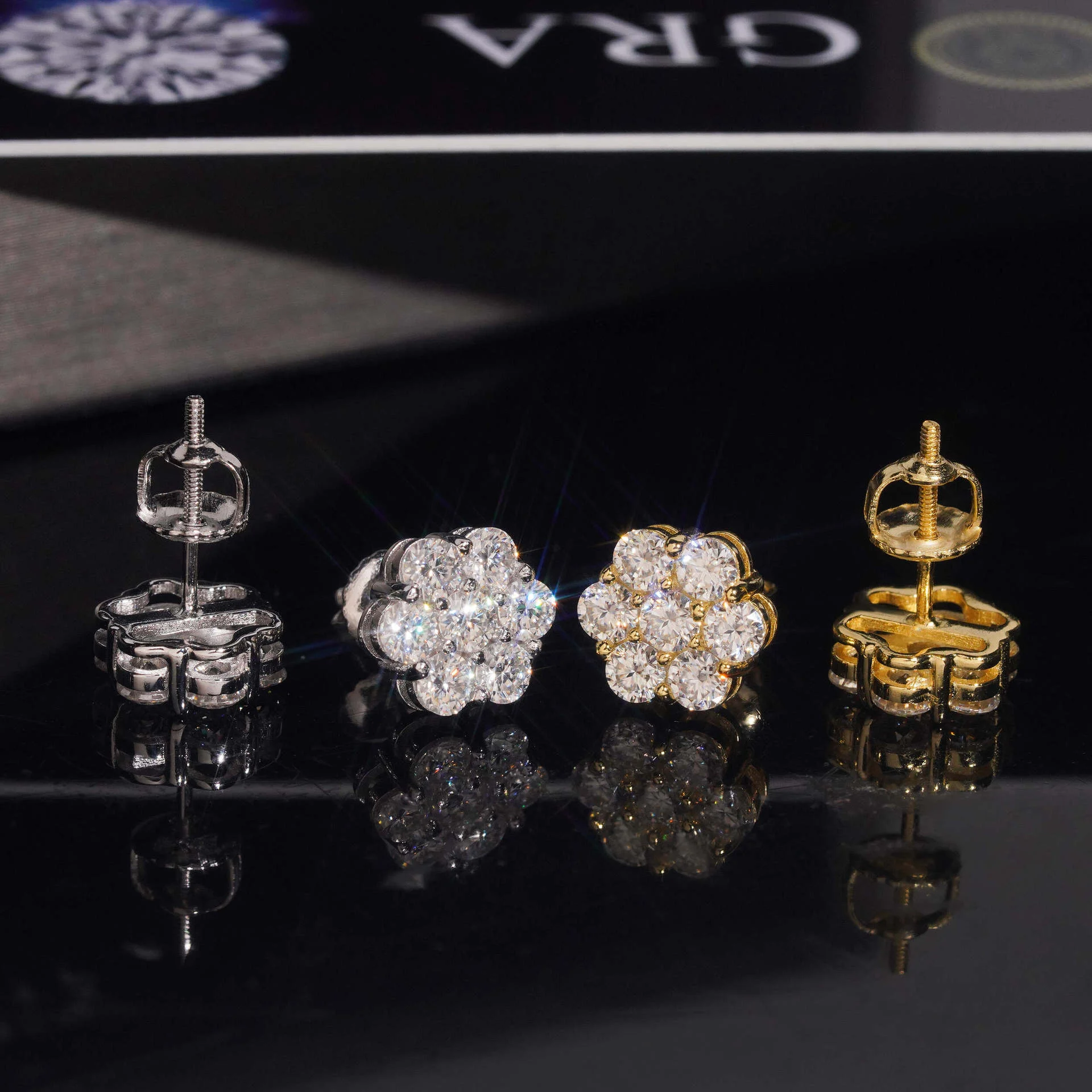


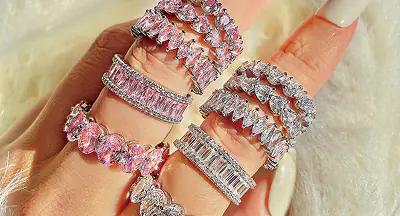


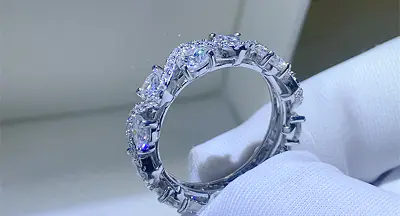


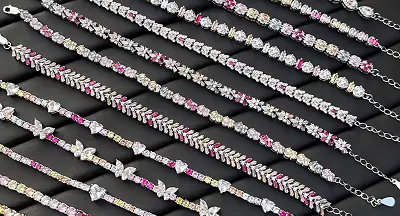


The wholesale jewelry market stands at a pivotal juncture in 2025, poised for transformative growth driven by technological advancements, evolving consumer preferences, and a renewed focus on sustainability. As the industry navigates post-pandemic recovery, wholesale jewelry manufacturers, retailers, and distributors are capitalizing on emerging trends to stay competitive in a rapidly evolving landscape. This blog explores the key trends, opportunities, and strategies shaping the future of the wholesale jewelry market.
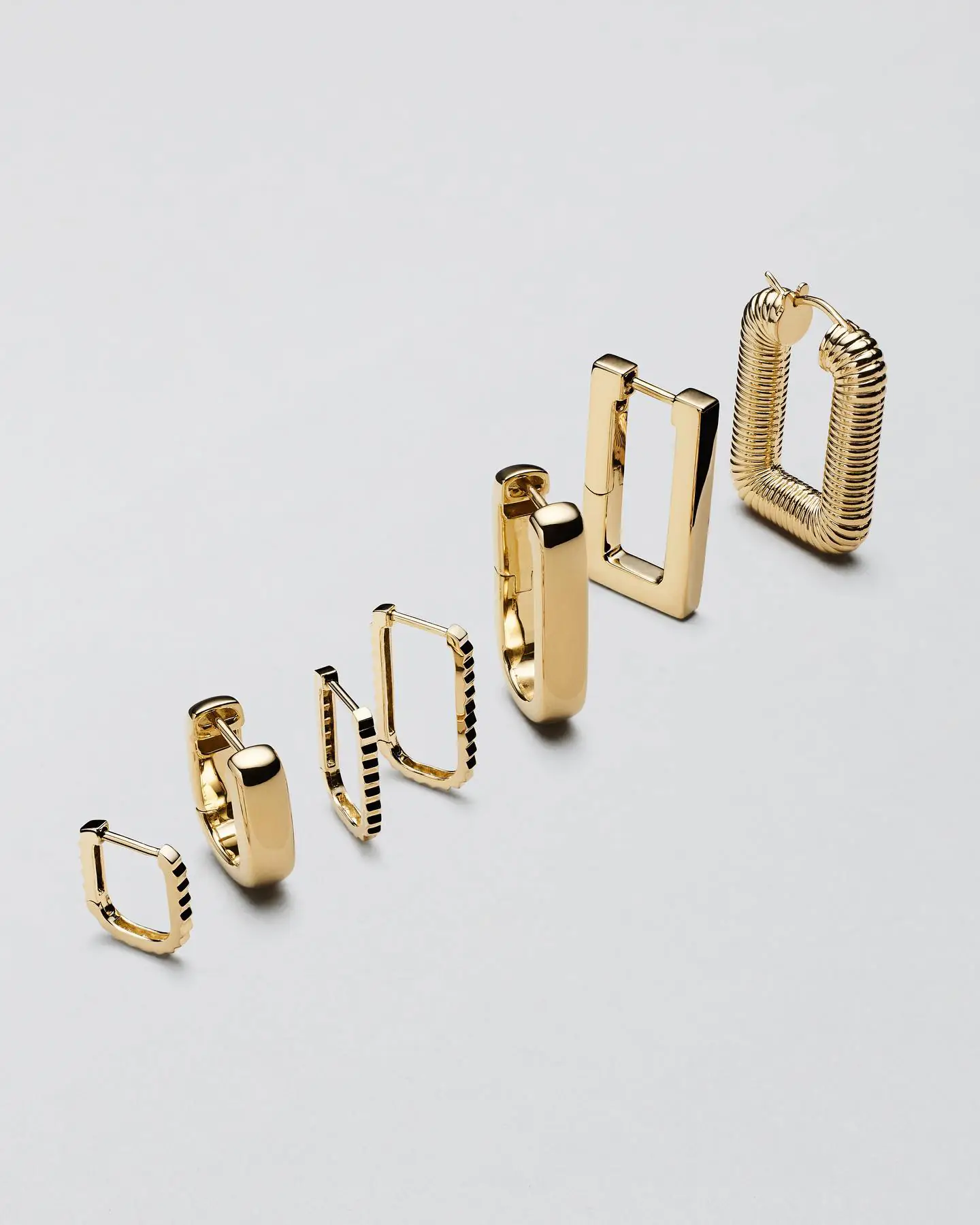
1. Digital Transformation Accelerates E-Commerce Dominance
The rise of wholesale jewelry online platforms has redefined how businesses source, distribute, and market products. In 2025, digital marketplaces account for over 60% of wholesale jewelry transactions, with B2B platforms like Alibaba, Joor, and TradeGecko enabling seamless global trade.
1.1 Key Drivers:
AI-Powered Personalization: Manufacturers are leveraging AI algorithms to curate product recommendations, optimize inventory, and predict demand trends. For instance, tools like Stitch Labs and Zoho Inventory integrate with e-commerce platforms to streamline order management and fulfillment.
Virtual Showrooms & AR Experiences: Augmented reality (AR) and 3D modeling allow buyers to visualize jewelry in real-time, reducing returns and enhancing confidence in online purchases. Platforms such as Snapchat Lens Studio and Vertebrae are pioneering immersive shopping experiences.
Blockchain for Transparency: Trusted supply chains are critical in the jewelry industry, and blockchain technology ensures authenticity, ethical sourcing, and traceability. Brands like Everledger and De Beers’ Tracr use blockchain to verify diamonds and gemstones, a trend now extending to wholesale markets.
1.2 Opportunities for Manufacturers:
- Expand into direct-to-retailer (D2R) models via online platforms.
- Offer subscription-based services for recurring orders.
- Collaborate with influencers and micro-brands to drive e-commerce sales.
2. Sustainability & Ethical Sourcing as Competitive Edge
Consumers increasingly demand transparency in the supply chain, with 75% of millennials willing to pay a premium for ethically sourced jewelry. Wholesale jewelry manufacturers are responding by adopting eco-friendly practices, from recycled metals to conflict-free diamonds.
2.1 Key Initiatives:
- Green Certifications: Certifications like the Responsible Jewellery Council (RJC) Code of Practices and Fairtrade Gold are becoming standard for manufacturers.
- Circular Economy Models: Brands are experimenting with upcycling vintage jewelry and offering repair services to extend product lifecycles.
- Carbon-Neutral Production: Innovations in lab-grown diamonds and recycled gold (e.g., Clean Origin and Pandora’s recycled silver) are reducing environmental footprints.
2.2 Actionable Steps for Businesses to Foster Sustainability and Ethical Practices:
- Highlight Sustainability Stories in Marketing Campaigns: Businesses should actively incorporate sustainability narratives into their marketing strategies. By sharing stories about their eco-friendly initiatives, such as waste reduction programs or carbon footprint reduction efforts, companies can connect with environmentally conscious consumers. These stories can be communicated through social media, blog posts, and advertising campaigns to build brand loyalty and attract customers who prioritize sustainability.
- Partner with NGOs to Promote Responsible Mining Practices: Collaborating with non-governmental organizations (NGOs) allows businesses to advocate for ethical mining practices. This partnership can involve joint initiatives to ensure fair labor conditions, minimize environmental damage, and support local communities affected by mining activities.
- Invest in Renewable Energy for Manufacturing Facilities: Transitioning to renewable energy sources like solar or wind power for manufacturing operations reduces reliance on fossil fuels, cutting operational costs and carbon emissions, and enhancing long-term sustainability.
3. Personalization & Customization at Scale
The demand for unique, one-of-a-kind pieces is reshaping the wholesale jewelry market. Wholesale jewelry manufacturers are adopting 3D printing, laser engraving, and CNC machining to offer custom designs at affordable prices.
3.1 Examples of Success:
- Zales’ Custom Studio: Allows retailers to offer personalized engravings and stone settings.
- Small-Batch Manufacturing: Tools like Protolabs enable rapid prototyping and low-volume production, catering to niche markets.
- AI-Generated Designs: Platforms like Nifti use AI to generate bespoke jewelry concepts based on customer preferences.
3.2 Strategic Implications:
- Leverage user-generated content (UGC) for design inspiration.
- Offer “build-your-own” kits for retailers to assemble in-store.
- Collaborate with local artists for exclusive capsule collections.
4. Emerging Markets & Cross-Border Trade Expansion
Asia-Pacific (APAC) and Latin America are emerging as high-growth regions for the wholesale jewelry market. In 2025, APAC accounts for 40% of global demand, driven by India’s wedding jewelry market and China’s luxury consumer base.
4.1 Key Trends:
- Affordable Luxury: Brands like Pandora and Swarovski are expanding in tier-2 cities with mid-range price points.
- Digital-First Strategies: Localized e-commerce platforms (e.g., Mercado Libre in Latin America) are facilitating cross-border trade.
- Gold Investment Demand: Geopolitical uncertainties have fueled a 20% increase in gold jewelry purchases in countries like Turkey and India.
4.2 Expansion Tips:
- Partner with regional distributors for logistical support.
- Offer mobile-friendly payment options (e.g., UPI in India, Pix in Brazil).
- Adapt designs to cultural preferences (e.g., intricate filigree in the Middle East).
5. Resilience Through Supply Chain Diversification
The COVID-19 pandemic exposed vulnerabilities in centralized supply chains. In 2025, wholesale jewelry manufacturers are adopting a “China+1” strategy, diversifying production across Southeast Asia, India, and Eastern Europe.
5.1 Benefits of Diversification:
- Reduced dependency on single-source suppliers.
- Access to emerging manufacturing hubs with competitive labor costs.
- Mitigation of trade tariffs and geopolitical risks.
5.2 Recommended Actions:
- Audit suppliers for compliance with ethical and environmental standards.
- Invest in digital twins of supply chains for real-time visibility.
- Build strategic partnerships with local governments for incentives.
6. Gen Z & Millennial Preferences Reshape Product Mix
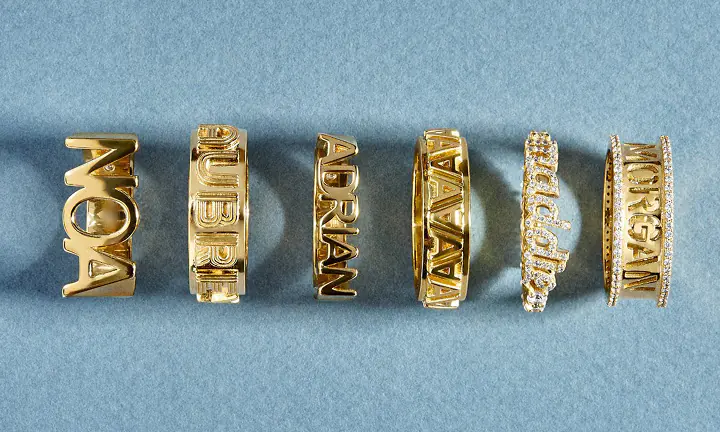
Younger consumers are driving demand for minimalist, stackable jewelry and gender-neutral designs. Wholesale jewelry manufacturers are responding with:
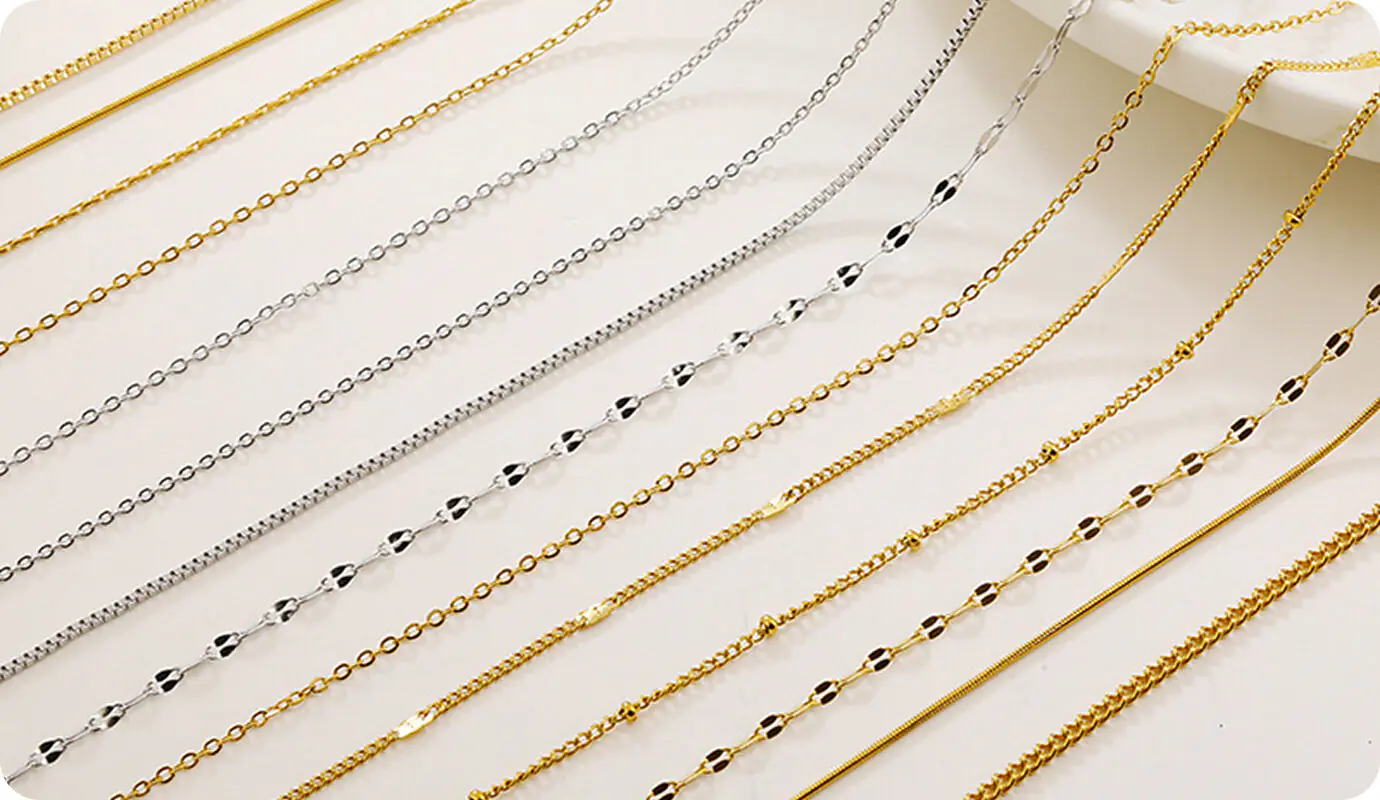
The jewelry market is experiencing a dynamic shift, with several innovative trends emerging that cater to evolving consumer preferences. One of the most prominent trends is the rise of layering pieces. Delicate necklaces, rings, and bracelets designed specifically for stacking have become highly sought after. This trend allows individuals to express their personal style by mixing and matching various pieces to create unique, layered looks. Layering not only adds depth and dimension to an outfit but also enables wearers to showcase their creativity and individuality.
Another significant development in the jewelry market is the introduction of unisex collections. Brands are embracing gender-fluid designs that appeal to a broader audience, breaking away from traditional gender-specific jewelry. This shift reflects a more inclusive and progressive approach to fashion, where jewelry is no longer confined to binary gender norms. Unisex collections offer versatile pieces that can be worn by anyone, regardless of their gender identity, fostering a sense of freedom and self-expression.
Furthermore, the affordable fine jewelry segment is gaining traction. Brands like Mejuri and Aurate are making 14K gold more accessible by offering it at competitive price points. This trend democratizes fine jewelry, allowing more people to enjoy the luxury and sophistication of high-quality pieces without breaking the bank. As the jewelry market continues to evolve, these trends are reshaping the industry, offering consumers more diverse and accessible options to express their style and individuality through jewelry.
6.1 Marketing Strategies in the Jewelry Market:
- Collaborate with Gen Z Influencers on TikTok and Instagram Reels: In the jewelry market, reaching out to Gen Z consumers is crucial for long-term growth. Collaborating with influencers on TikTok and Instagram Reels allows brands to tap into this demographic’s preferred social media platforms. These influencers can showcase jewelry in creative, engaging ways, aligning products with the latest trends and styles that resonate with Gen Z. By leveraging their large and engaged followings, brands can increase brand awareness, drive traffic to their websites, and ultimately boost sales.
- Launch “Rent-to-Own” Programs for High-Ticket Items: High-ticket jewelry items can be a significant investment for many consumers. Launching “rent-to-own” programs in the jewelry market provides a flexible and accessible way for customers to own luxury pieces. This strategy can attract new customers who might be hesitant to make a large upfront purchase.
- Highlight Versatility in Product Descriptions: In the competitive jewelry market, emphasizing product versatility is key. Descriptions like “wearable from day to night” can appeal to a broader audience, as customers seek jewelry that can be worn for various occasions.
7. Data-Driven Decision-Making for Competitive Advantage
In 2025, data analytics is no longer optional—it’s a necessity. Wholesale jewelry manufacturers are using tools like Google Analytics 360 and Tableau to track:
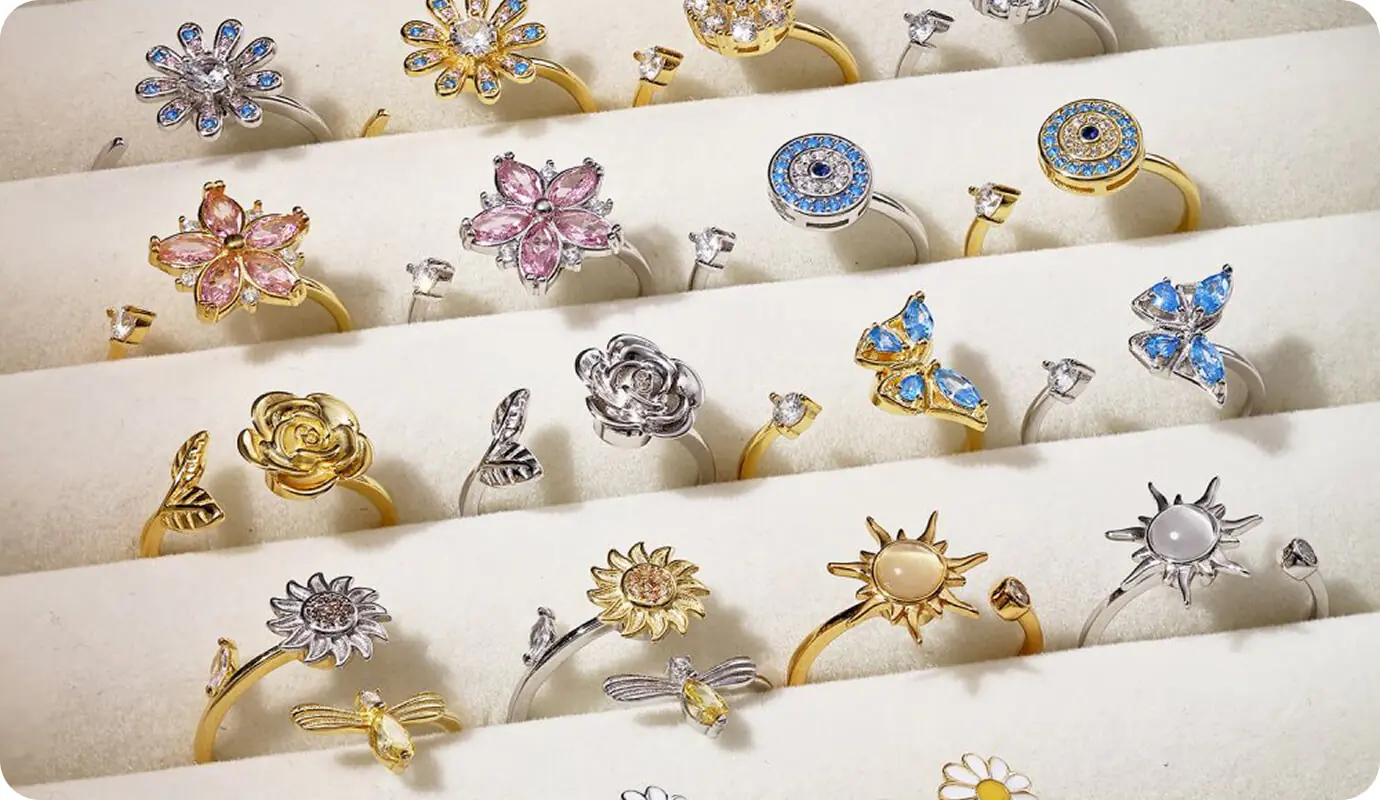
The jewelry market is increasingly influenced by digital transformation, with customer behavior on e-commerce platforms playing a pivotal role in shaping sales strategies. As consumers become more tech-savvy, their purchasing habits have shifted significantly towards online shopping. Jewelry buyers now expect seamless browsing experiences, detailed product information, and secure payment options. Retailers must adapt by optimizing their websites for mobile devices, offering high-resolution images, and providing virtual try-on features to enhance the online shopping journey. Additionally, personalized recommendations and user-generated content, such as customer reviews and social media posts, are vital in building trust and driving conversions.
Sales trends in the jewelry market also vary by region and product category, necessitating a nuanced approach to inventory management. Regions like North America and Europe continue to drive high-end jewelry sales, driven by affluent consumers seeking luxury and craftsmanship. Meanwhile, emerging markets such as Asia-Pacific are witnessing a surge in demand for affordable yet stylish jewelry, particularly among younger demographics. By category, fine jewelry, including engagement rings and wedding bands, remains a staple, but there is growing interest in fashion jewelry and sustainable pieces made from recycled materials.
To maintain profitability and avoid overstocking, jewelry retailers must closely monitor inventory turnover rates. Efficient inventory management ensures that popular items are always in stock while minimizing excess inventory that ties up capital. Implementing advanced analytics tools can help retailers forecast demand accurately, identify slow-moving products, and adjust procurement strategies accordingly. By aligning inventory levels with market trends and consumer preferences, jewelry businesses can thrive in a competitive digital landscape.
7.1 Key Metrics to Monitor:
- Conversion rates on product pages.
- Average order value (AOV) by channel.
- Customer lifetime value (CLV) for loyalty programs.
7.2 Implementation Steps:
- Integrate CRM systems (e.g., Salesforce) with e-commerce platforms.
- Conduct A/B testing on product images and descriptions.
- Use predictive analytics to forecast demand during peak seasons.
Conclusion: Embracing Innovation in a Dynamic Market
The wholesale jewelry market in 2025 is a tale of two worlds: traditional craftsmanship meets cutting-edge technology. Wholesale jewelry manufacturers that embrace digital transformation, sustainability, and customer-centricity will thrive in this competitive landscape.
Final Recommendations:
- Invest in Hybrid Models Combining Online and Offline Experiences: In the jewelry market, consumers often seek both the convenience of online shopping and the tactile experience of in-store browsing. By investing in hybrid models that blend these two channels, brands can offer a seamless and engaging customer journey. For instance, customers could explore jewelry collections online, then visit a physical store for personalized consultations and try-ons. This approach not only enhances customer satisfaction but also drives sales by catering to diverse shopping preferences.
- Foster Partnerships with Tech Startups for Co-Innovation: The jewelry market is increasingly influenced by technological advancements. Collaborating with tech startups can provide brands with access to cutting-edge innovations, such as augmented reality try-ons or blockchain-based authentication systems. These partnerships can help brands stay ahead of the curve, differentiate their offerings, and create unique value propositions for customers.
- Stay Agile by Monitoring Macroeconomic Trends and Regulatory Changes: The jewelry market is subject to various external factors, including macroeconomic trends and regulatory changes. By staying agile and closely monitoring these factors, brands can adapt their strategies in real-time to mitigate risks and capitalize on opportunities.
By seizing these opportunities, businesses can unlock new revenue streams, build brand loyalty, and position themselves as leaders in the global jewelry ecosystem. The future is bright—and it’s digital, ethical, and personal.