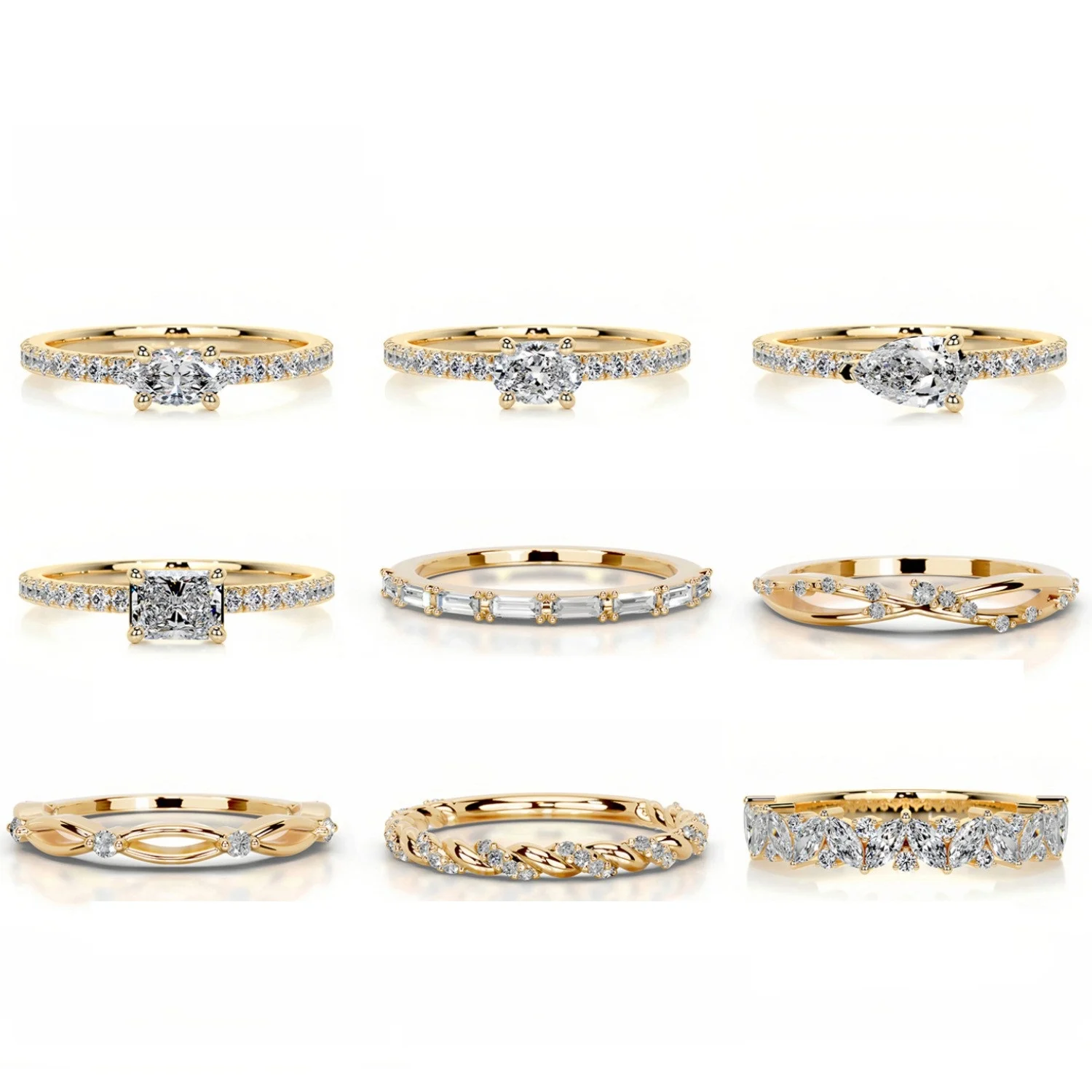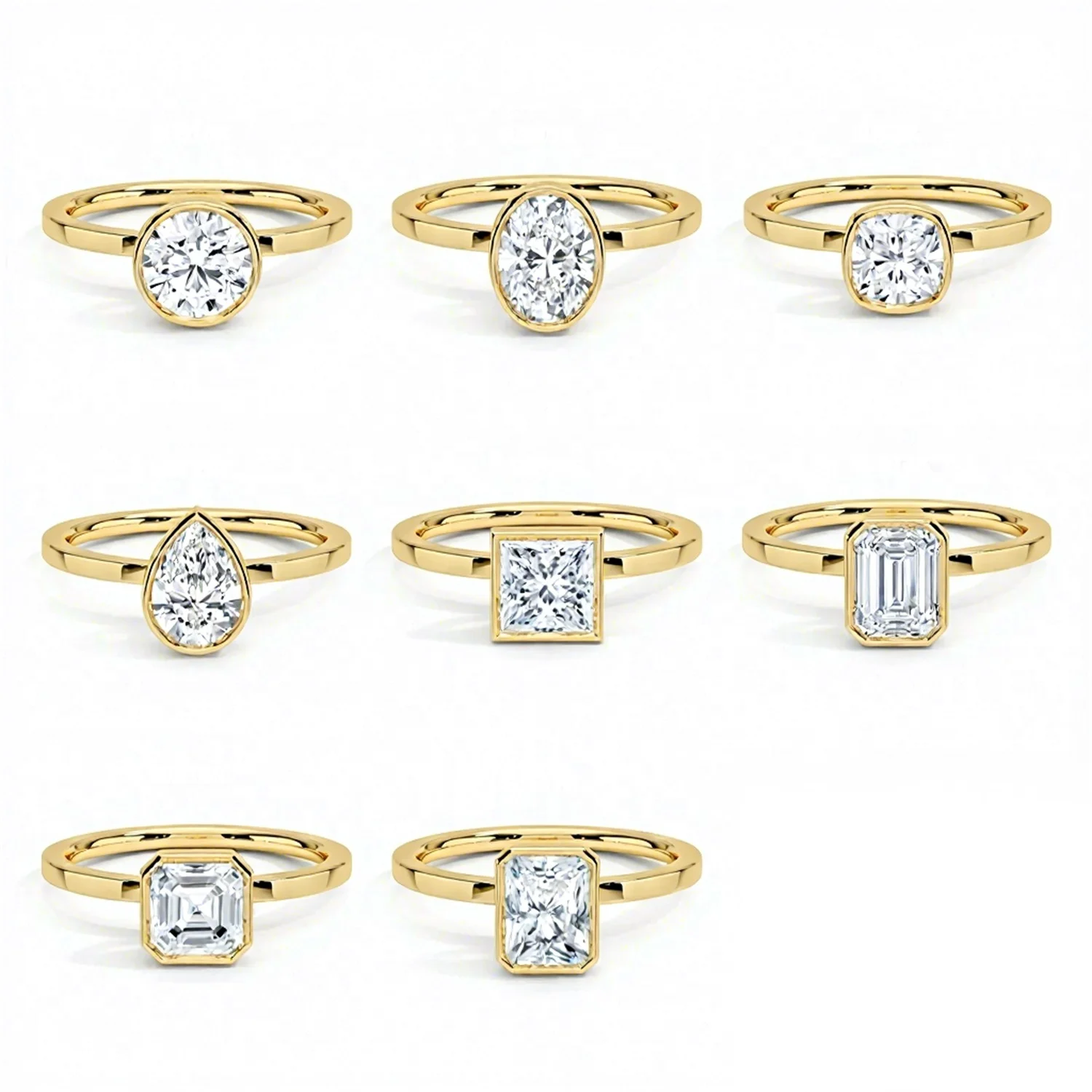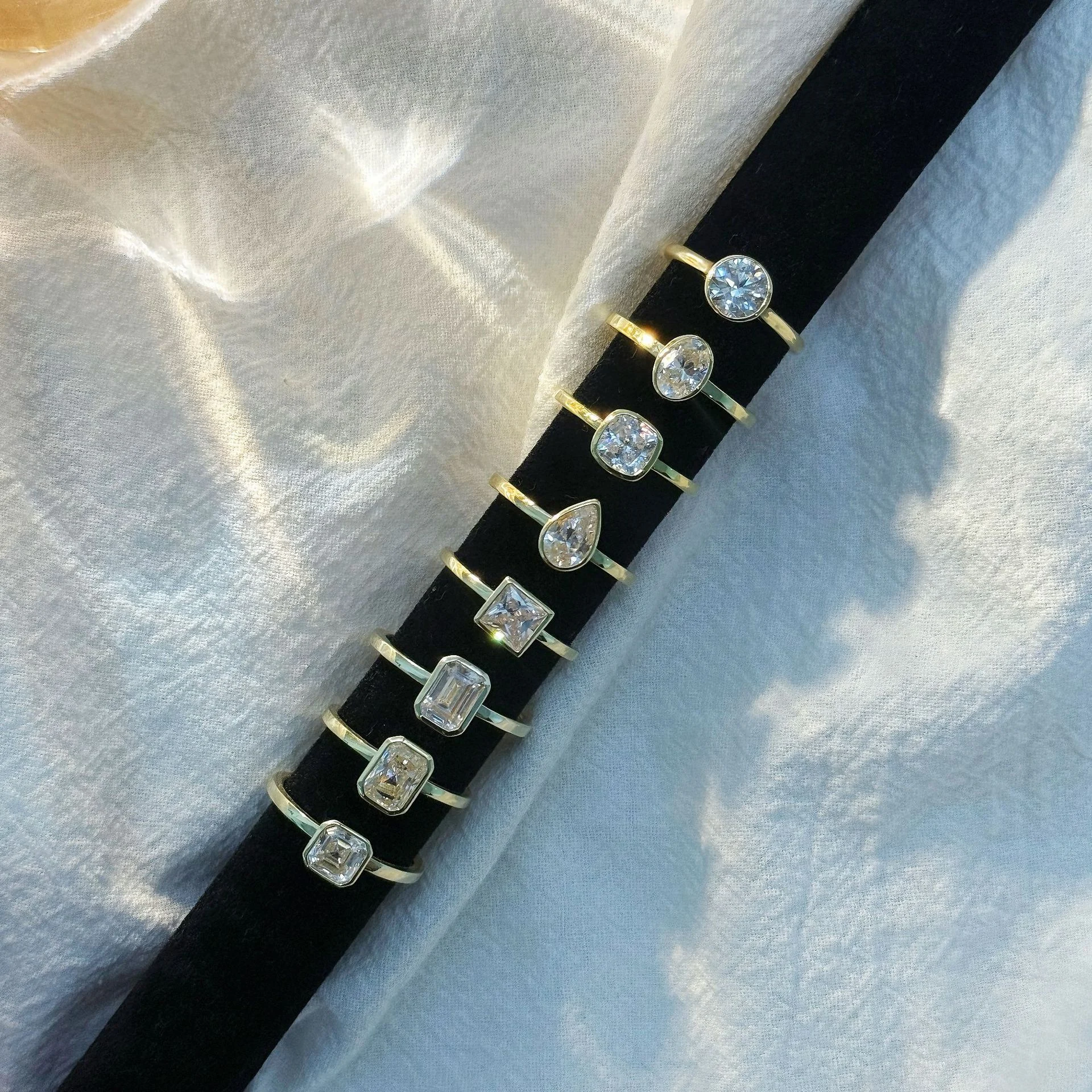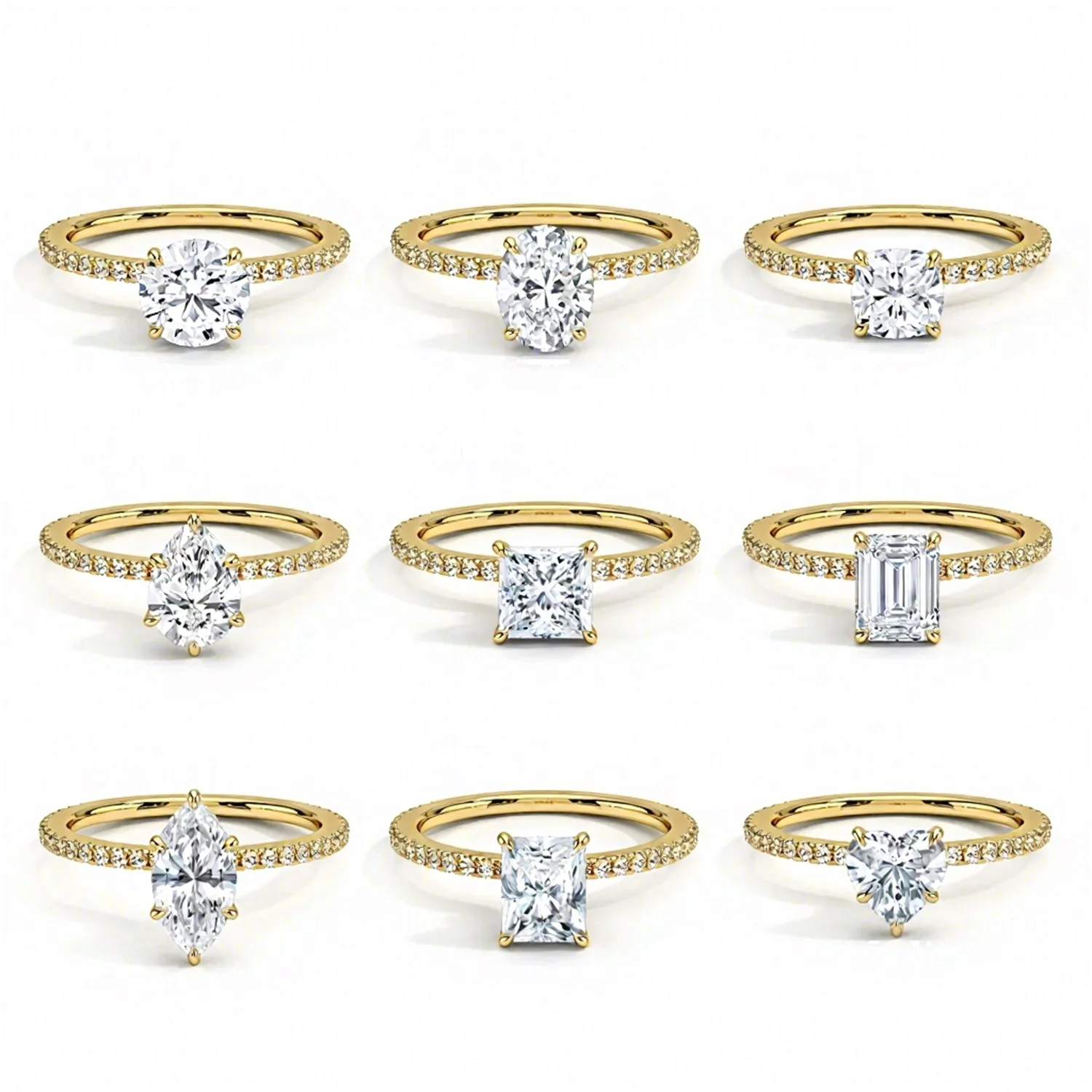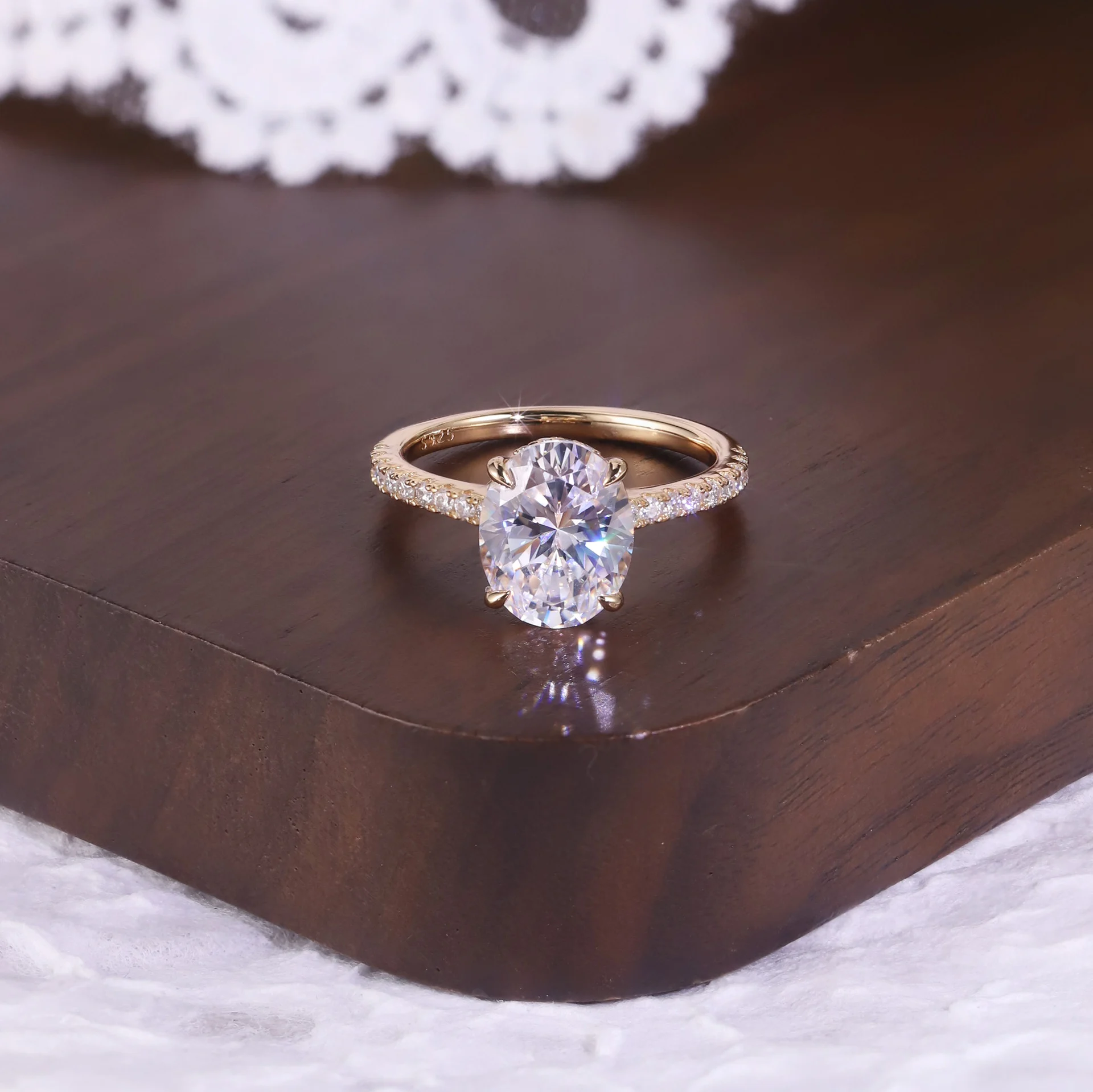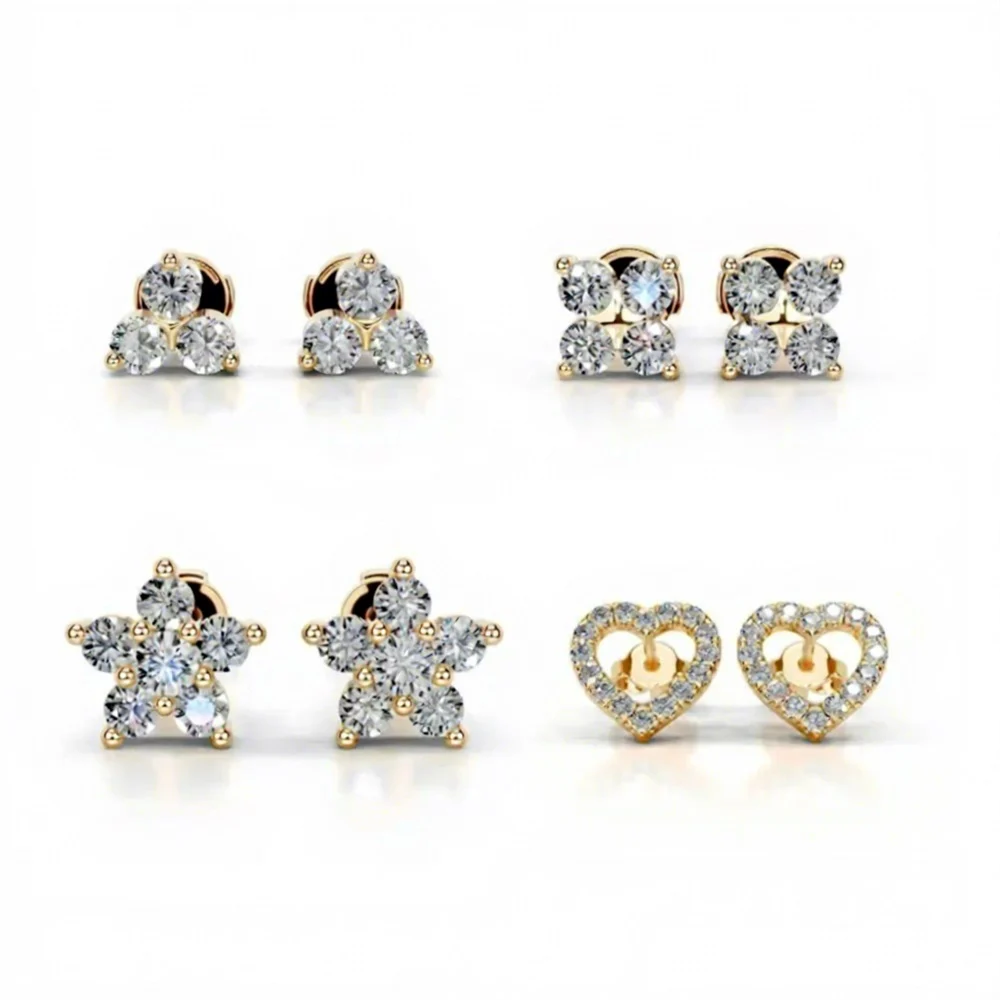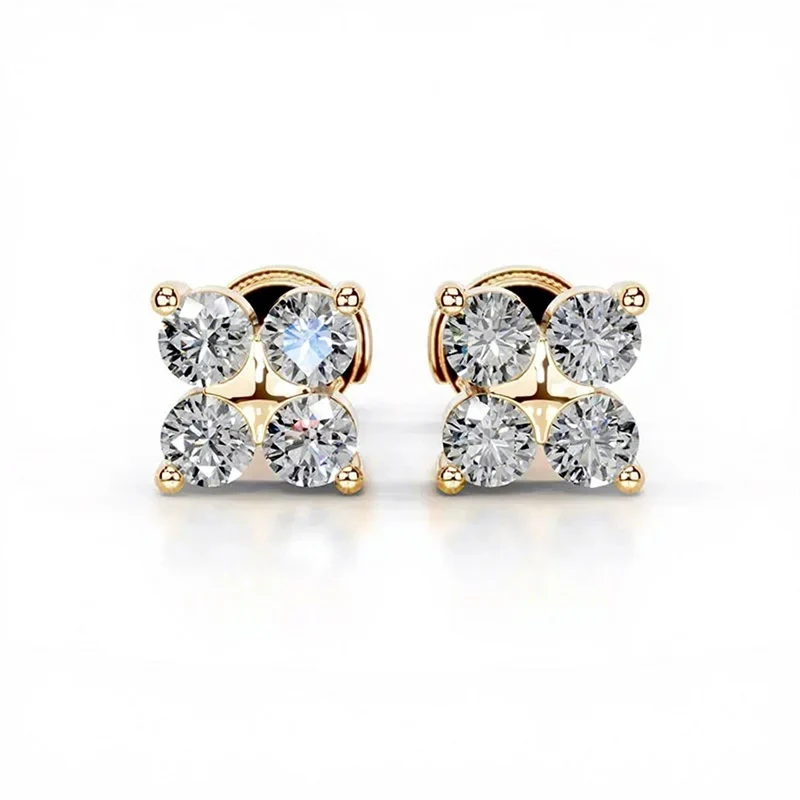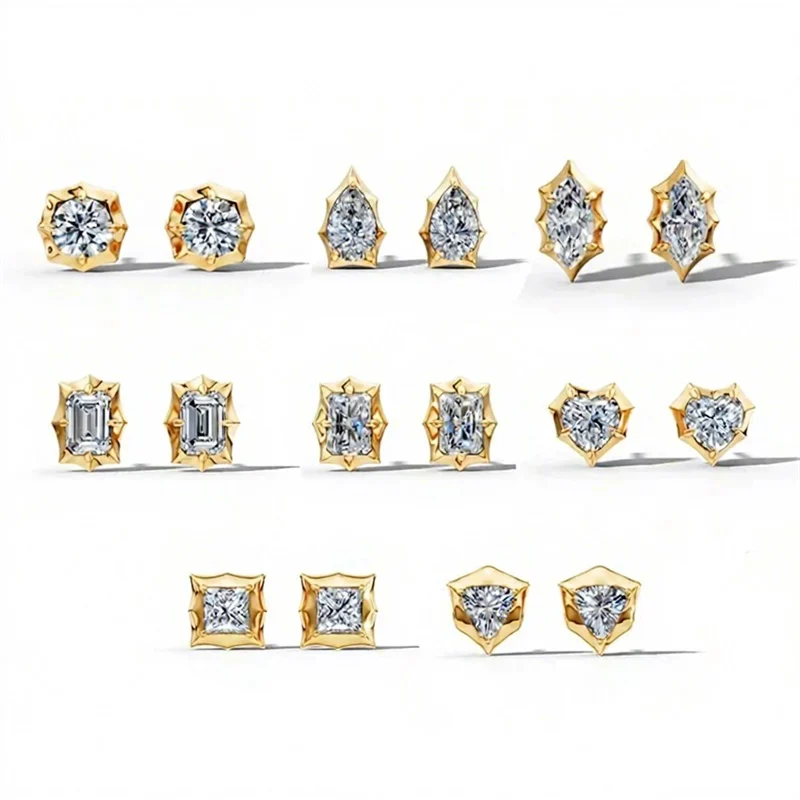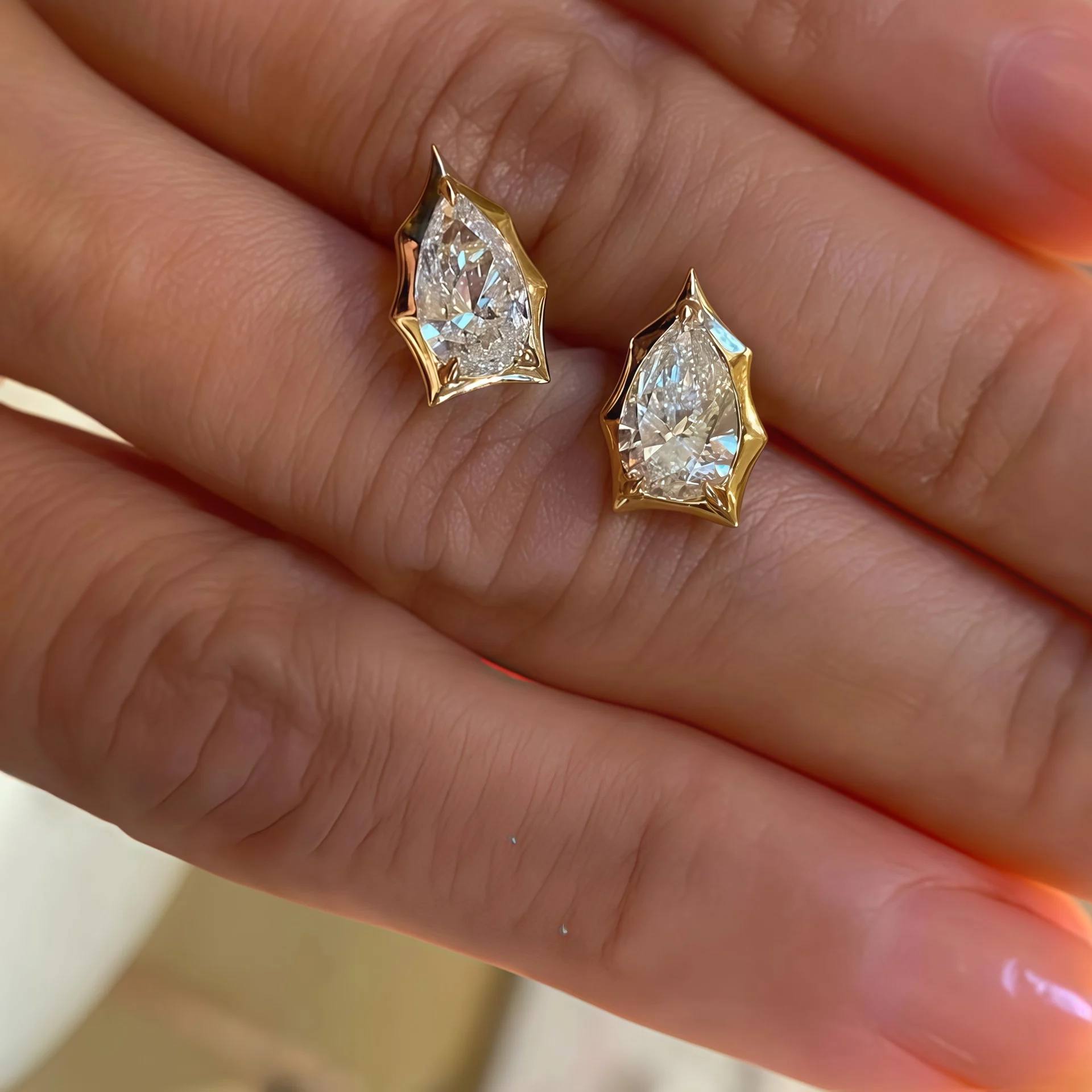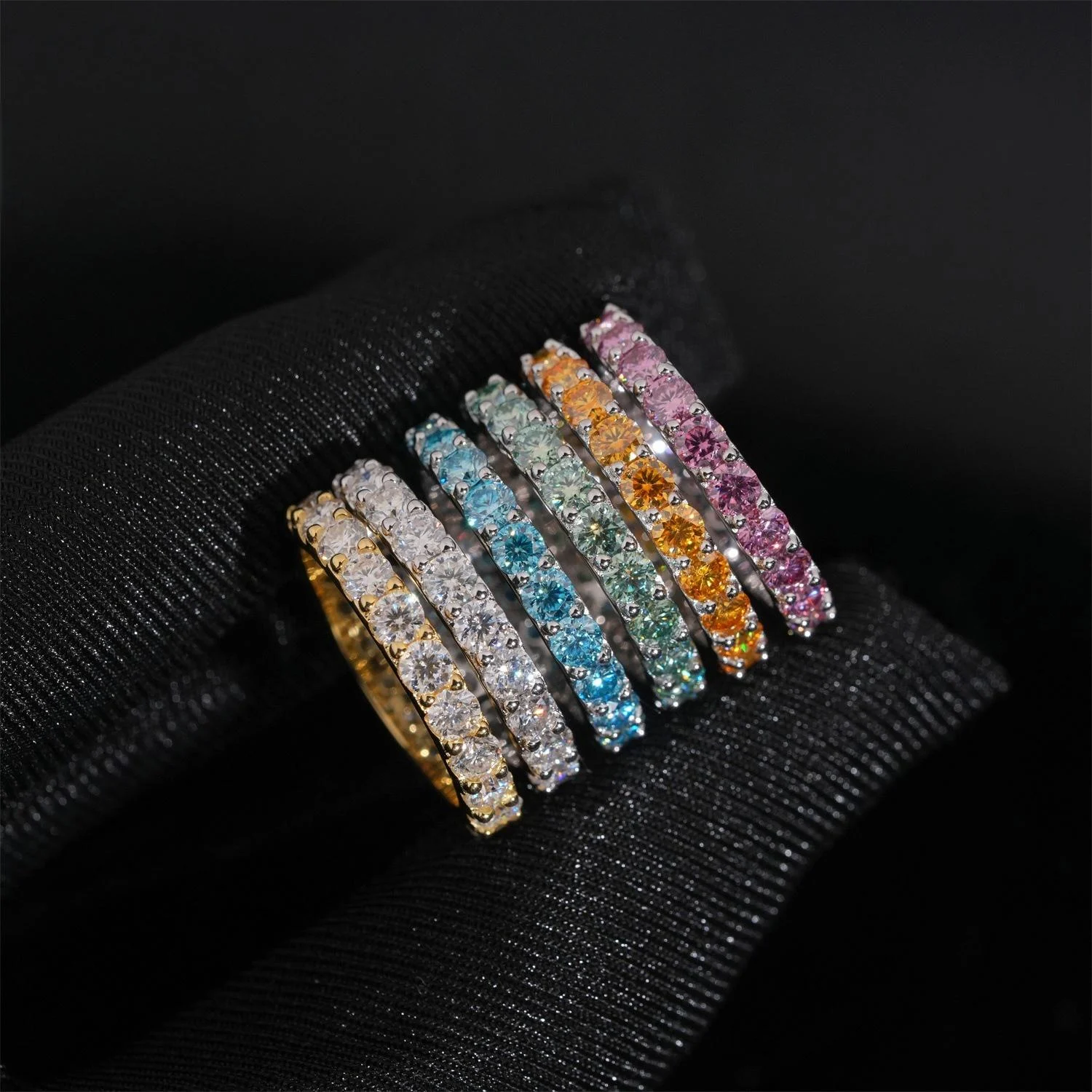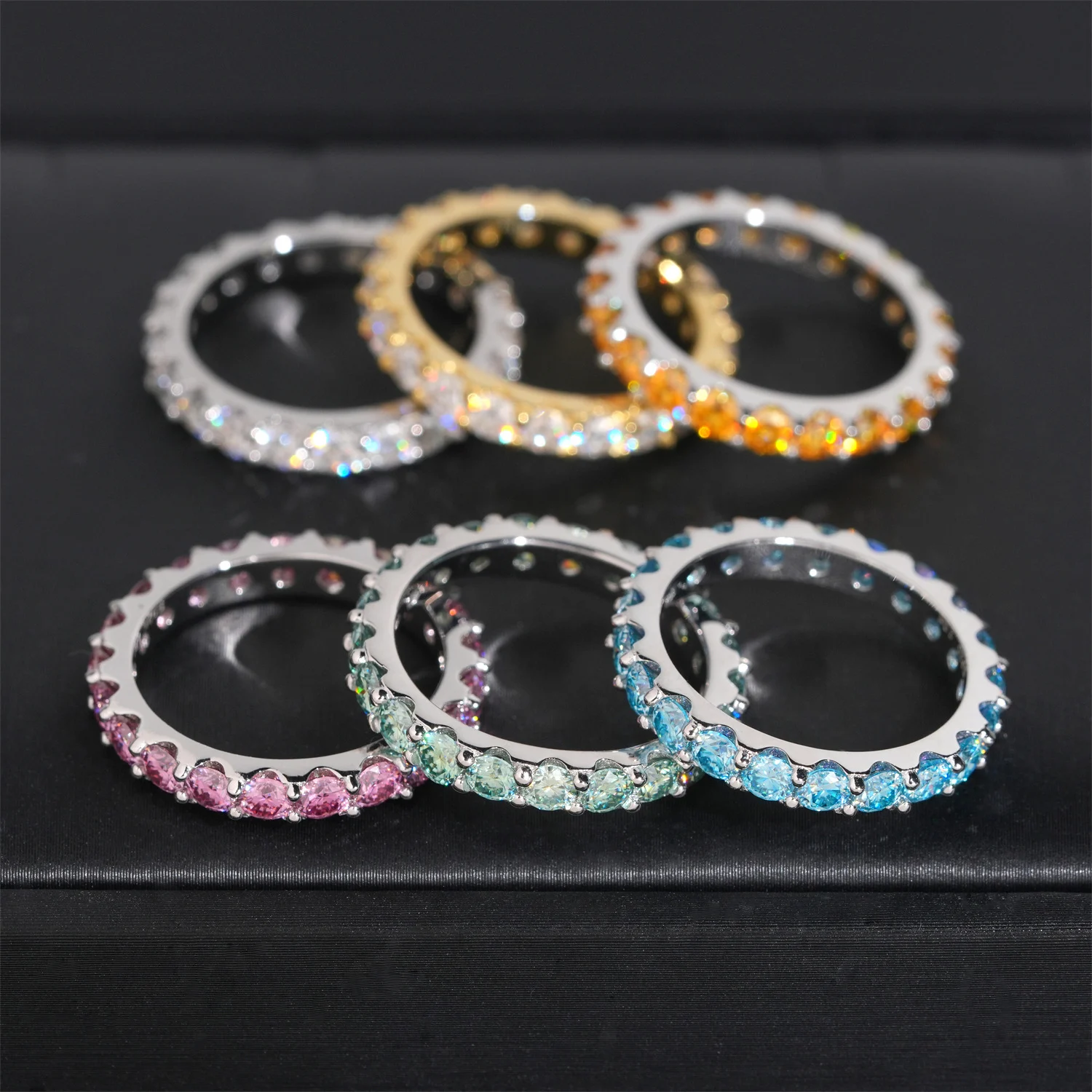








Buying wholesale stainless steel earrings is a specification exercise, not a catalog vote. Two pairs can look identical in photographs yet use different posts, backs, closures, or surface finishes. Those differences determine what you can confidently describe on a product page and what your receiving team can actually inspect.
This guide is for boutique buyers, online sellers, and jewelry brands comparing studs and small hoops. It walks through assortment planning, component-level questions, sampling, quality control, and quote comparison. Keep the checklist beside each supplier quotation; ask for evidence on the exact SKU rather than accepting a category-wide claim. For related guidance, see component-level factory checks.
Key takeaways
- Specify the front, post, backing, and closure separately. “Stainless steel” alone does not identify every component.
- Approve a reference sample with dimensions, finish, packaging, and a defect standard before committing to bulk production.
- Compare landed cost and reorder terms, not just the quoted price per pair.
- Treat “hypoallergenic,” “waterproof,” and similar claims as evidence questions for the finished product.
Which earrings belong in your first wholesale range?
Start with the customer and sales channel. A boutique gift assortment may favor restrained studs and compact hoops in a few repeatable finishes. A marketplace seller needs especially clear dimensions, variant names, consistent product photography, and packaging that protects pairs in transit. A private-label brand may need room for a recognizable shape or packaging system. The right initial range is the one you can describe, inspect, and reorder consistently. For related guidance, see OEM manufacturer vetting checklist.
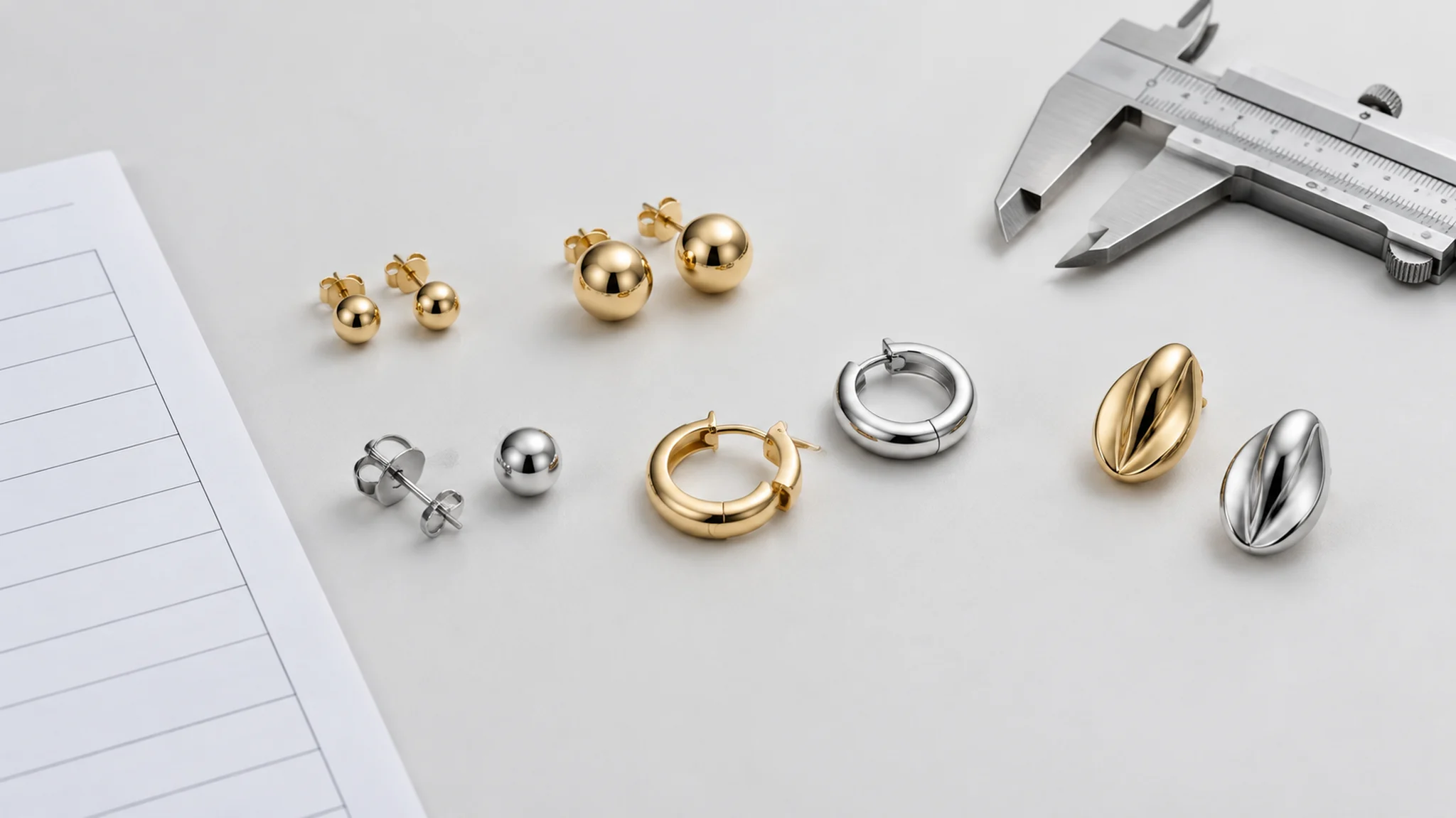
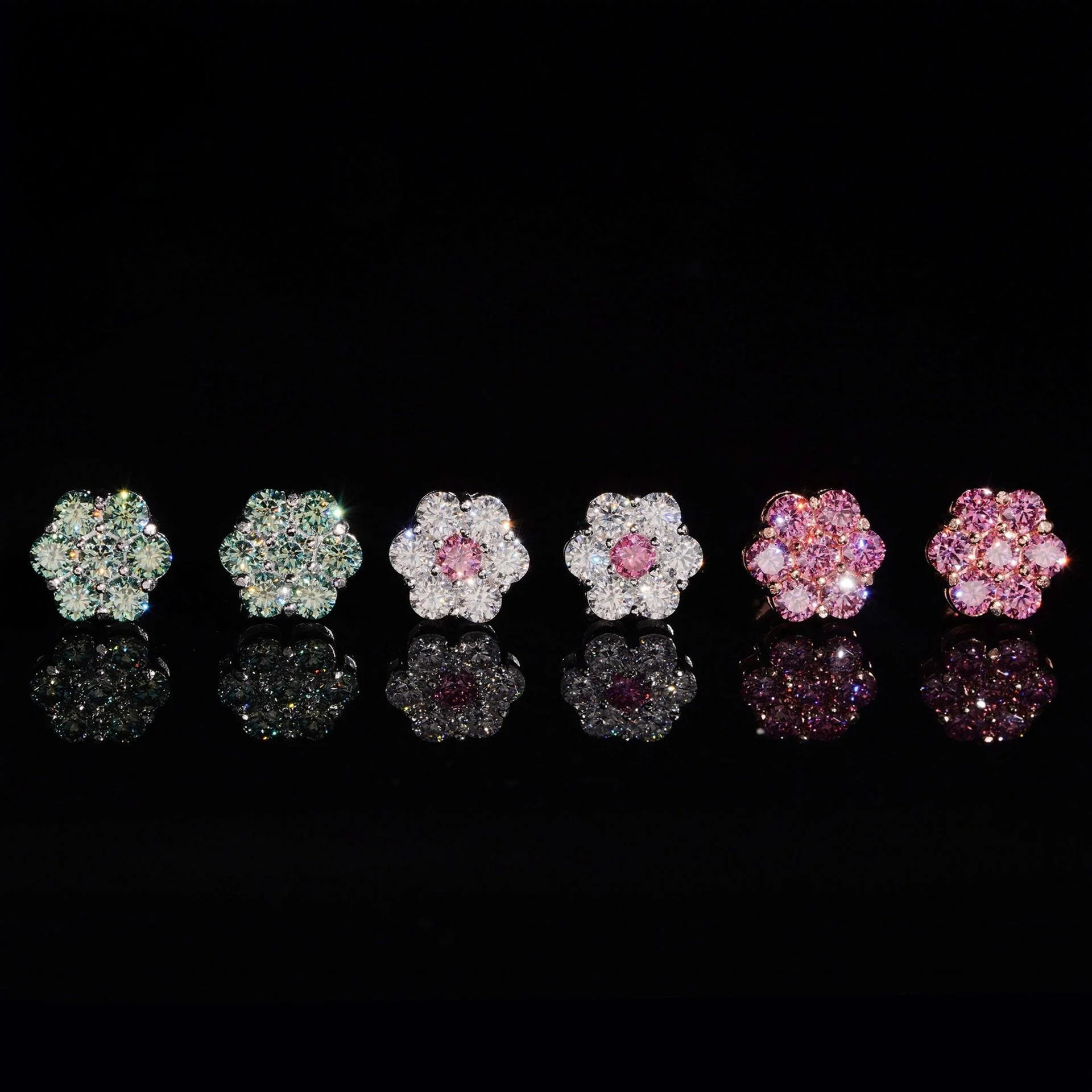
For an initial comparison, request samples in four functions: a small everyday stud, a more visible stud, a compact hoop, and one statement design. That is a sampling framework, not a claim that four styles are optimal for every retailer. Use your own sell-through data to decide the final mix. Note which colors, shapes, and price bands your audience already buys before expanding the selection.
If you are new to the category, read Leejory’s broader stainless steel jewelry wholesale guide first. It covers the general sourcing process; this article focuses on earrings and studs.
What should a stainless steel earring specification include?
A usable specification identifies the material of each component, not just the visible ornament. Ask the supplier for the front, ear post, backing, hoop body, hinge, and closure materials. A product name such as “316L stainless steel stud” is not enough to establish that every finding uses the same grade. Ask for a bill of materials or written component specification for the exact SKU and sample. For related guidance, see jewelry material guide.
Separate material grade from performance. A steel designation does not by itself prove skin compatibility, corrosion resistance in every environment, or conformity with a particular market’s rules for the finished earring. Where a customer-facing material or nickel-release claim matters, ask for the finished-item test report and confirm that the tested model, coating, and components match the item you will sell. The buyer, supplier, and any compliance adviser should agree on the applicable market requirement before a listing goes live.
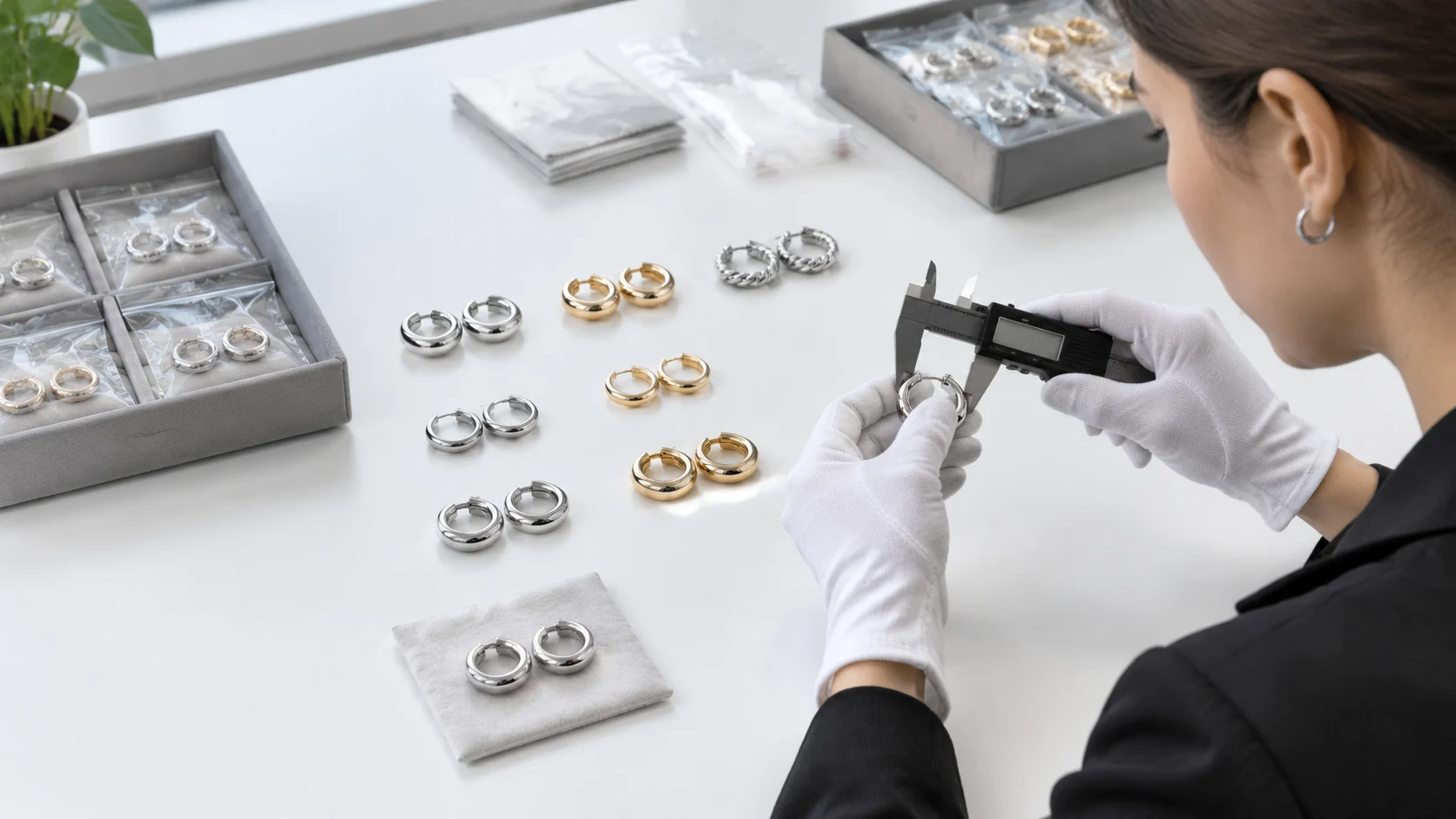
Also record dimensions in millimeters: front diameter or height, post length and thickness, hoop inner and outer diameter, and approximate pair weight. Request the supplier’s production tolerance and confirm it on samples. “Small hoop” and “lightweight” mean different things to different customers; measured dimensions are more useful than adjectives.
How do you evaluate studs, posts, and backs?
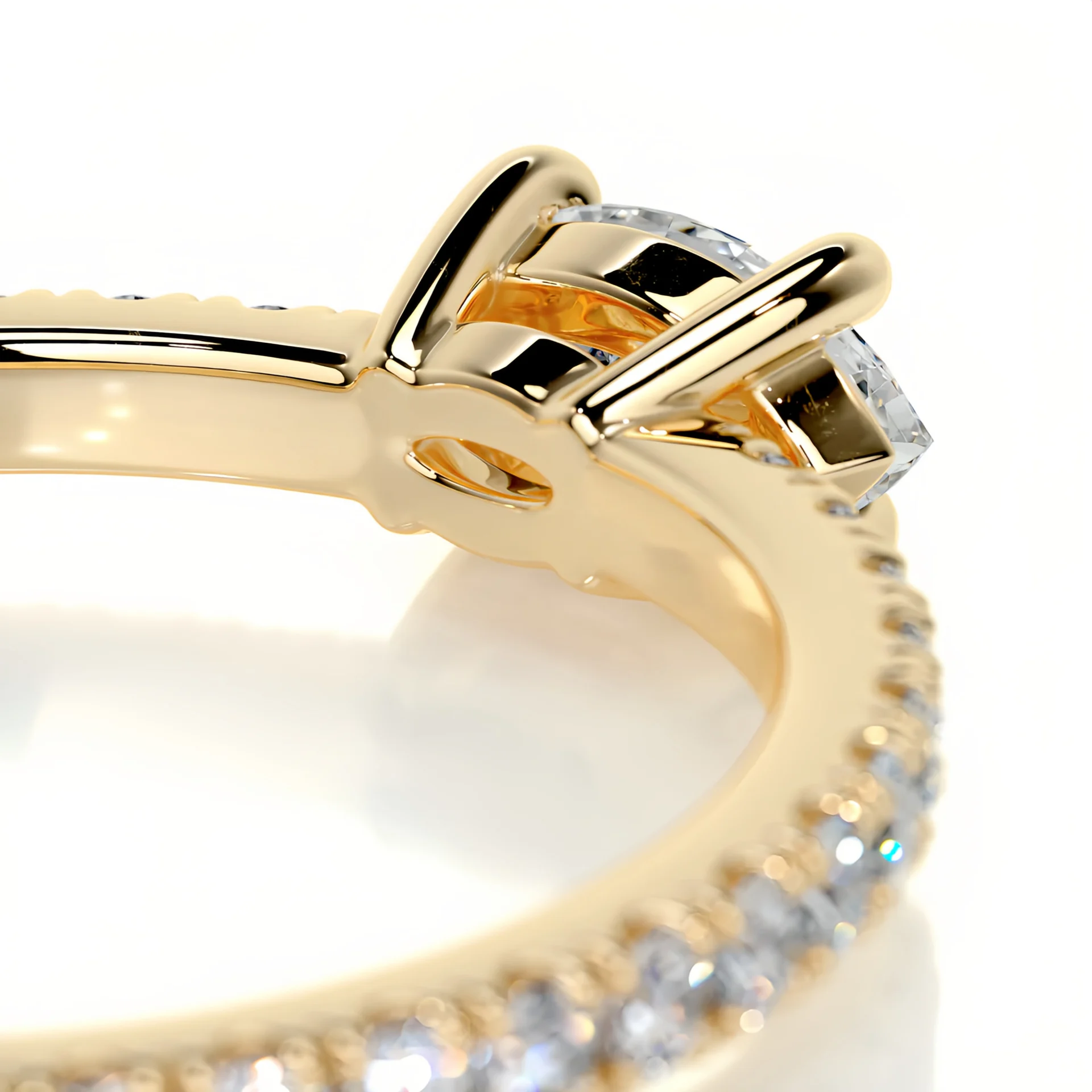
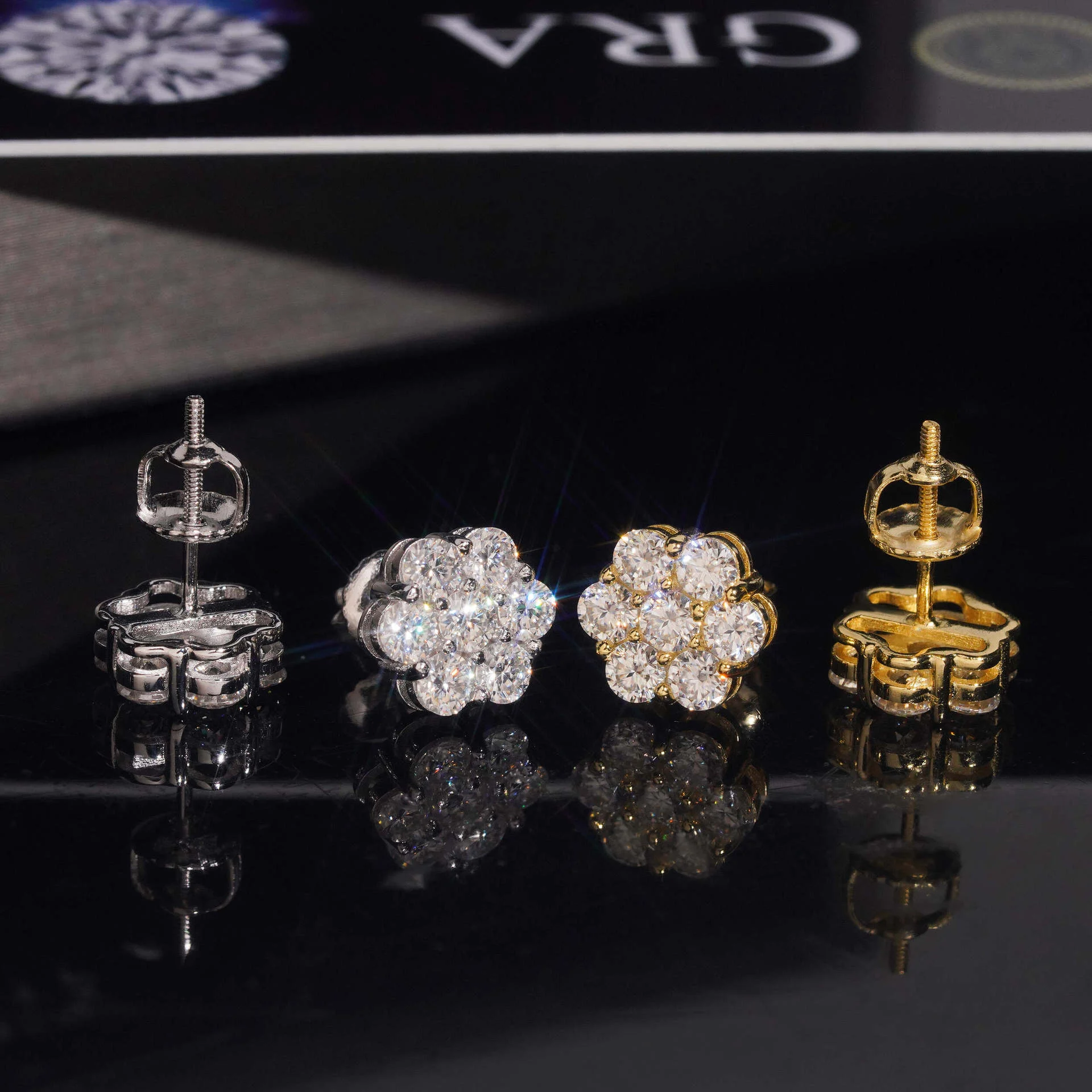
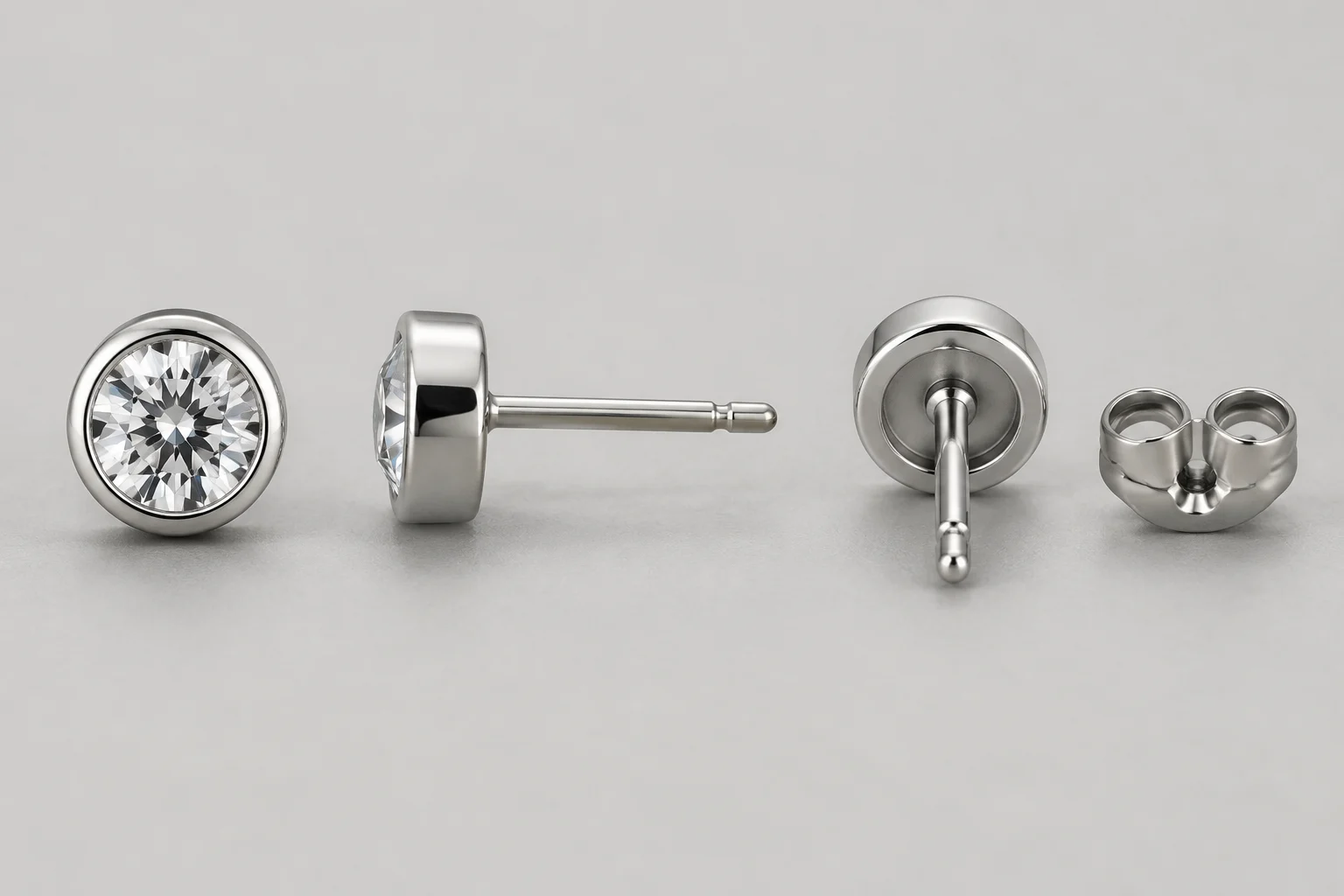
For a stud, the post joint deserves as much attention as the decorative front. Inspect whether the post is straight and centered, whether the joint looks clean, and whether the backing holds securely without excessive force. Ask if replacement backs are available in the same finish and whether backing fit is checked during production.
Photograph the sample from the front, side, and rear. The rear view can reveal a rough joint, unfinished edge, or inconsistent backing that a polished front-on catalog image hides. Record the exact sample code and color. On receipt of a bulk order, compare a selection from different cartons with this approved sample rather than judging the shipment from memory.
Do not claim that an earring is suitable for sensitive ears just because the post is described as stainless steel. That claim may depend on the entire finished item and the rules of the market where you sell it. Ask for appropriate documentation before adding it to packaging or product listings.
What makes a hoop closure reliable?
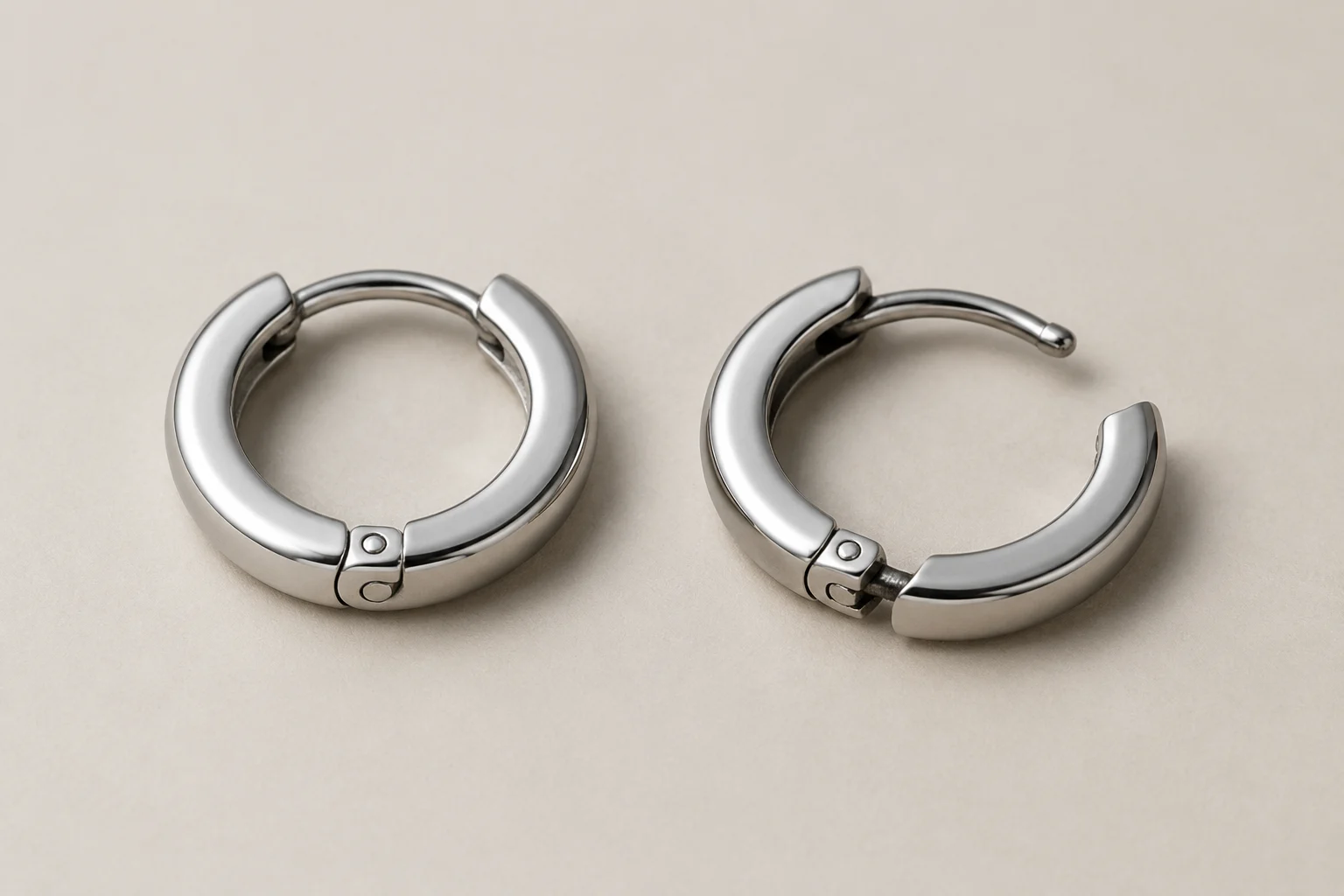
A hoop should open and close predictably, align at the joint, and stay closed under ordinary handling. Test the sample several times, then check whether the click or hinge feel changes. Inspect the join for gaps, sharp points, or visible distortion. For a hinged hoop, ask which component is replaceable if the mechanism fails and how the supplier defines an acceptable closure.
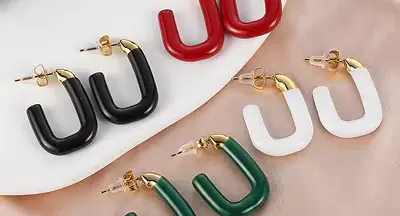
Record hoop measurements and closure type in the product record. If a seller offers several hoop sizes, label each variant with actual dimensions and separate images; a customer should not have to infer scale from a model photo. Check that decorative charms or drops do not interfere with closing the hoop.
How should you compare gold-tone and silver-tone finishes?
Compare each finish against an approved physical or clearly documented reference. Ask which components receive the finish, how it is applied, what color range is acceptable, and what care instructions should accompany the product. If a supplier describes a gold-tone item as PVD-coated, request the specific coating and test information for that SKU. The process name alone does not establish a universal service life or justify a “waterproof” claim.
View samples under consistent lighting and against a neutral background. Check pair-to-pair color, edges, post joints, and the inside of hoops. If you plan to sell matching necklaces or bracelets, compare their finish samples at the same time. A near match that seems harmless in separate catalog images can look inconsistent in a coordinated retail set.
Ask the supplier to document the finish used in future replenishment orders. A repeatable finish reference is a more useful commercial control than an open-ended promise that future batches will “look the same.”
What should you inspect before approving a bulk order?
Turn the sample review into a written acceptance checklist. The list below can be adapted to your product and market, but it should be agreed with the supplier before production. If the order contains multiple variants, approve each relevant size and finish rather than assuming one sample represents all of them.
- Pair consistency: compare both earrings for size, visible symmetry, color, and decorative placement.
- Skin-contact surfaces: check edges, posts, and backs for burrs or rough finishing.
- Assembly: inspect post alignment, joint finish, backing fit, and hoop mechanism.
- Finish: compare the samples against the accepted color and surface reference, including less visible areas.
- Dimensions: measure the features that appear in your product listing and purchase order.
- Packaging: confirm pair protection, SKU labeling, barcode requirements, and any local information rules.
- Documentation: connect material statements and any required testing to the exact finished SKU.
Write down how defects will be counted, documented, and resolved. Ask who bears the cost of replacements and whether the supplier can supply matching components for repairs. A practical defect procedure is more valuable than an undefined promise of “premium quality.”
How do you compare quotes without missing hidden costs?
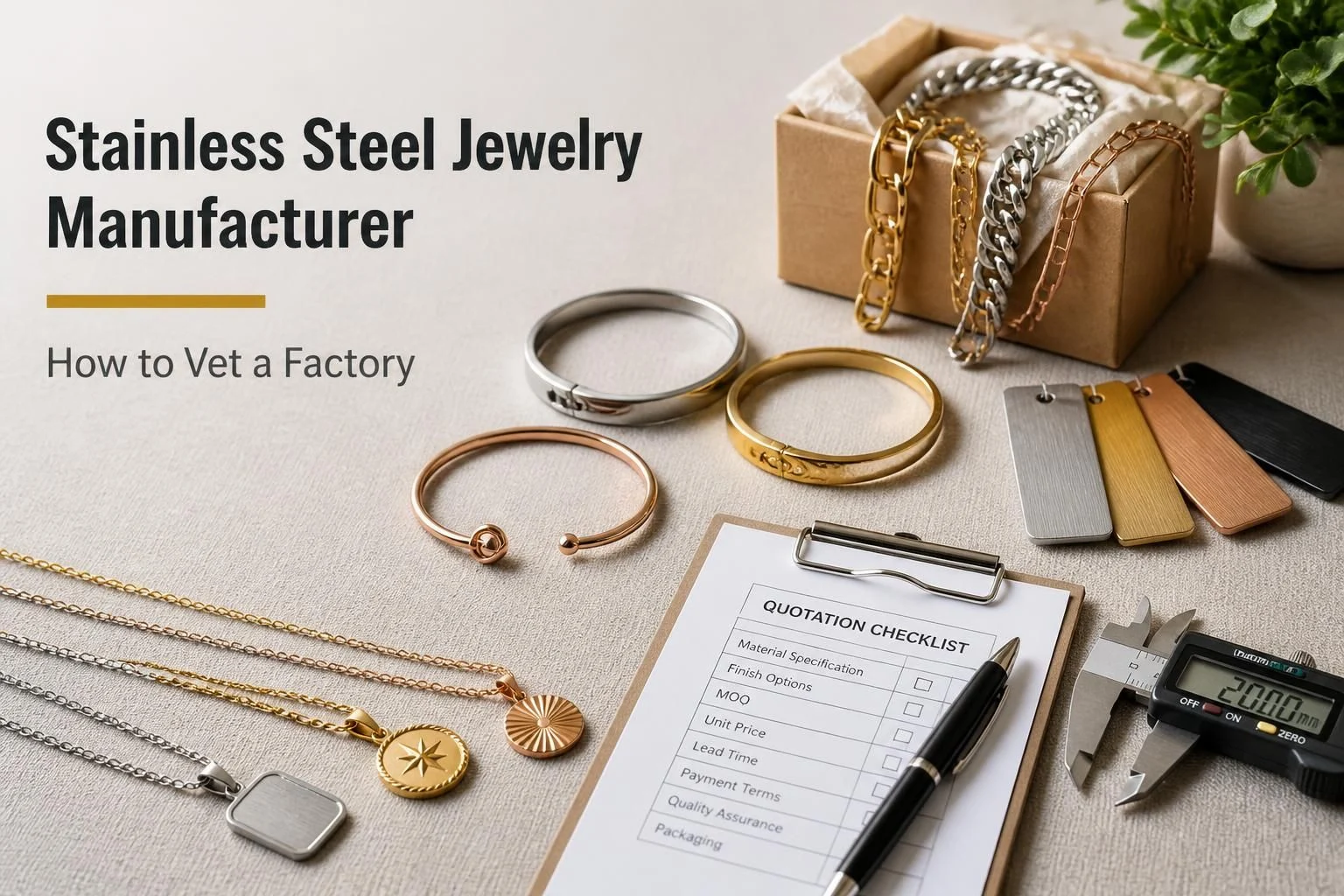
Send each supplier the same specification. Compare unit price alongside sample charges, custom tooling, packaging, minimum order quantity, lead time, shipping terms, duties, and the agreed defect remedy. Confirm whether quotes refer to a pair or an individual earring. Also ask whether an initial order and a repeat order use the same pricing and finish specification.
| Quote field | What to confirm | Why it matters |
|---|---|---|
| Materials | Front, post, backing, hinge, finish | Prevents an incomplete product description |
| Order quantity | MOQ per design, color, size, or total order | Changes assortment and inventory risk |
| Packaging | Pair card, pouch, label, protective packing | Affects delivered cost and customer experience |
| Production | Sample approval, lead time, repeat-order method | Supports replenishment planning |
| After-sales | Defect evidence and replacement terms | Clarifies the real cost of quality problems |
A cheaper pair is not necessarily the cheaper purchase if its packaging, finish variation, or replacement terms differ. Build a landed-cost worksheet using your actual shipping and tax assumptions. Keep those assumptions separate from the supplier’s quotation so a change in freight does not get mistaken for a product price change.
When does custom development make sense?
Consider custom development when the shape, finish, logo, or packaging is important to your brand and a stock sample cannot meet the brief. Before requesting a quote, prepare a dimensioned sketch or reference, materials and finish requirements, expected order range, target market, and acceptance criteria. Ask what tooling or sampling will be charged and who owns the resulting design files.
Leejory describes its OEM and ODM process on the site. Use that page to start a conversation, then ask for an item-specific proposal. For stock options, browse the stainless steel jewelry collection and the stainless steel earrings category. Confirm current availability and specifications directly rather than assuming every pictured design is ready for your target order.
Frequently asked questions
Are all stainless steel earring posts made from the same material?
No. A category label does not identify every component. Request the material specification for the front, post, backing, and closure of the exact SKU. If you need to make a market-specific safety or nickel-release claim, request documentation for the finished item.
Should a first order contain studs or hoops?
Choose according to your existing customers and channel. Sampling both gives you a way to compare style response and mechanical performance before buying deeply. For each style, keep dimensions, finish, closure type, and reorder code in the product record.
Does a gold-tone PVD description prove an earring is waterproof?
No. A process label is not a finished-product guarantee. Ask for the coating specification, care instructions, and relevant test information. Describe the item to customers using claims that the supplier can support for that exact design and finish.
What should be approved before production begins?
Approve the reference sample, component materials, dimensions and tolerances, finish, packaging, price terms, inspection criteria, and defect remedy in writing. Repeat the approval for variants where materials or finishes differ.
Send a specification, not only a product photo
A useful inquiry includes the styles you want, the intended sales market, requested component materials, dimensions, finish references, packaging, estimated order range, and any claims that require documentation. This gives the supplier enough detail to answer with a comparable quote and a meaningful sample plan. When you are ready, contact Leejory with your shortlist and checklist.