







This guest post is written by Emily Johnson, a U.S.-based jewelry sourcing consultant with years of experience in wholesale markets. In this article, she offers practical guidance on finding reliable suppliers, pricing wholesale charm bracelets, and spotting market trends.
When I first started looking into the jewelry business, I was overwhelmed by options: necklaces, earrings, rings, and countless materials. But one category kept popping up everywhere — wholesale charm bracelets.
Why charm bracelets? They’re timeless, customizable, and surprisingly affordable to buy in bulk. More importantly, they tap into emotion: each charm tells a story, whether it’s a milestone, a memory, or a gift. For retailers, that emotional connection translates directly into repeat customers and higher sales.
In this guide, I’ll share not just theory but my own journey. From testing small batches of charms wholesale, to finding suppliers, and to scaling up with wholesale charms for jewelry — I’ve learned lessons (sometimes the hard way) that will help beginners avoid common pitfalls. Along the way, I’ll include market data and a few practical strategies you can implement right away.
1. Understanding Wholesale Charm Bracelets
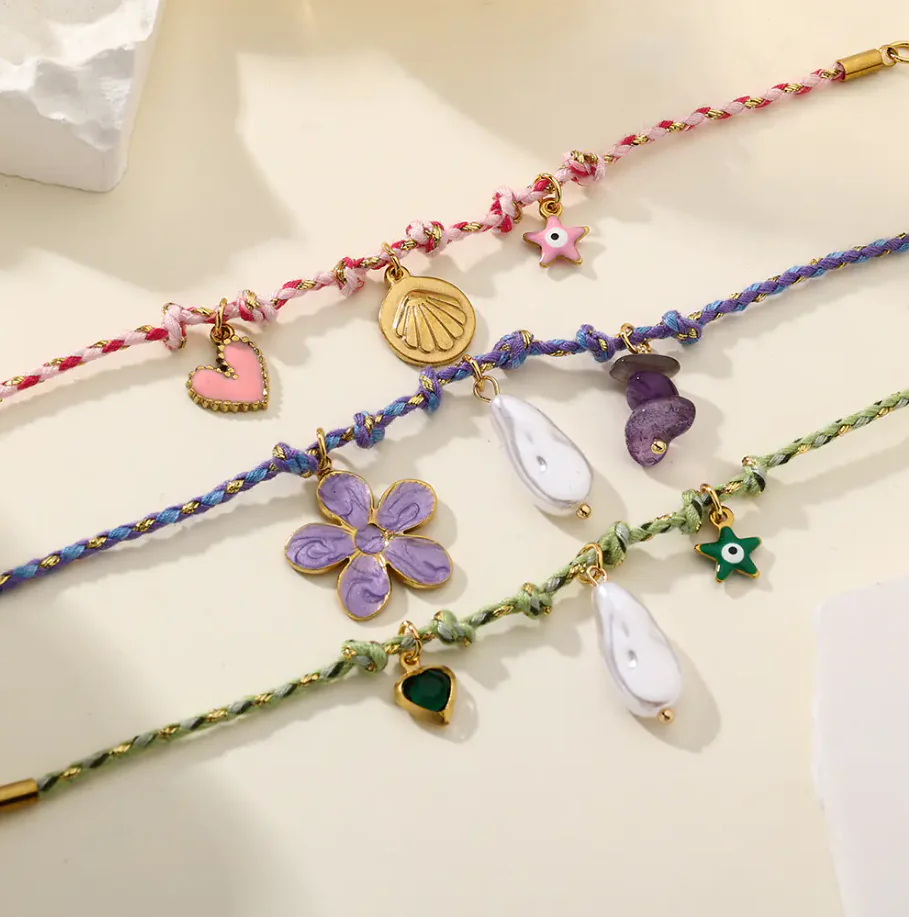
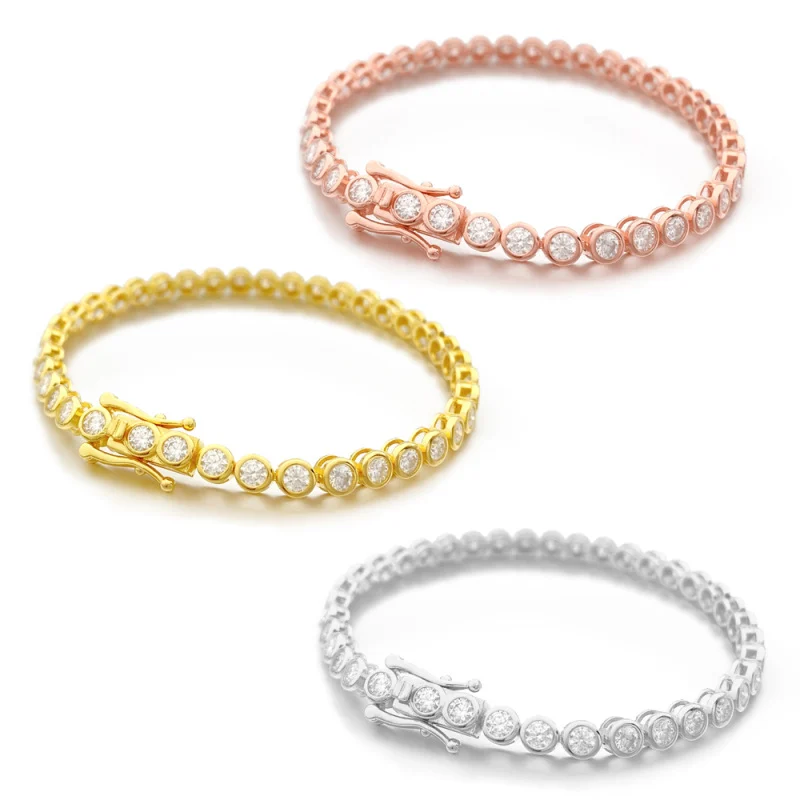
So, what exactly are wholesale charm bracelets? Put simply, they are bracelets designed to hold interchangeable charms, purchased in bulk directly from suppliers. Buying wholesale allows you to secure lower costs per piece while having access to more styles.
Why are charm bracelets attractive for retailers?
- Affordable entry point: Even with $300–$500, you can test dozens of bracelet and charm variations.
- Scalability: If one design works, it’s easy to reorder from your supplier.
- Customer engagement: People love building collections. One satisfied customer can return repeatedly to buy new charms.
A Personal Example
When I placed my first charm bracelet wholesale order at Leejory, I bought 50 bracelets with starter charms. To my surprise, within three weeks, 70% of my stock had sold — and many customers came back asking for new charms to expand their collection. That repeat demand convinced me I was on the right track.
Market Snapshot for bracelet
- Global bracelet market was valued at $2.3 billion in 2023, growing at about 5% CAGR (Cognitive Market Research).
- Beads and charms market surpassed $23 billion worldwide (Accio).
For beginners, this means you’re stepping into a healthy, expanding market where both affordability and personalization are driving demand.
2. Where to Source Wholesale Charms for Jewelry
The first real challenge I faced wasn’t selling charm bracelets — it was sourcing them. With so many wholesale charms and bracelets suppliers out there, the choices can be overwhelming.
Common Sourcing Channels of Charms Wholesale
Local distributors
These are ideal if you want fast shipping, lower minimum order quantities (MOQs), and the ability to see samples in person. However, their collections may be more limited compared to global suppliers.
Online marketplaces
Platforms like Alibaba, Faire, and charms wholesale sites give you access to thousands of suppliers worldwide. The variety and competitive pricing are attractive, but you’ll need to carefully vet suppliers for reliability, quality consistency, and customer service.
Better variety and pricing, but you must vet suppliers carefully.
Specialized workshops
Some suppliers focus on wholesale charms for charm bar collections or customizable jewelry kits. These are especially popular for boutique owners, gift shops, or DIY workshops that want to offer unique customer experiences.
Trade shows and exhibitions
Events like JCK Las Vegas or Hong Kong Jewellery & Gem Fair are excellent for discovering new charm bracelet wholesale suppliers. You can see the latest trends, negotiate directly with manufacturers, and build long-term partnerships.
Details in Top Jewelry Trade Shows You Can’t Miss as a B2B Buyer
Regional wholesale markets
In places like Guangzhou (China), Bangkok (Thailand), or Istanbul (Turkey), entire districts are dedicated to jewelry wholesale. Buying in bulk directly from these hubs can drastically reduce costs, though it often requires travel and larger MOQs.
My First Mistake
I ordered 1,000 wholesale charms for jewelry from a new supplier, tempted by the low price. When the shipment arrived, nearly 30% of charms were tarnished or poorly made. Customers returned items, and I lost weeks of profit. Lesson learned: always test small before scaling.
Supplier Vetting Checklist
- Samples: Always order 10–20 charms first.
- Reviews & Ratings: Cross-check feedback on multiple platforms.
- MOQs & Pricing: Start small to protect your budget.
- After-Sales Support: Do they replace defective items?
3. Choosing the Right Styles and Trends
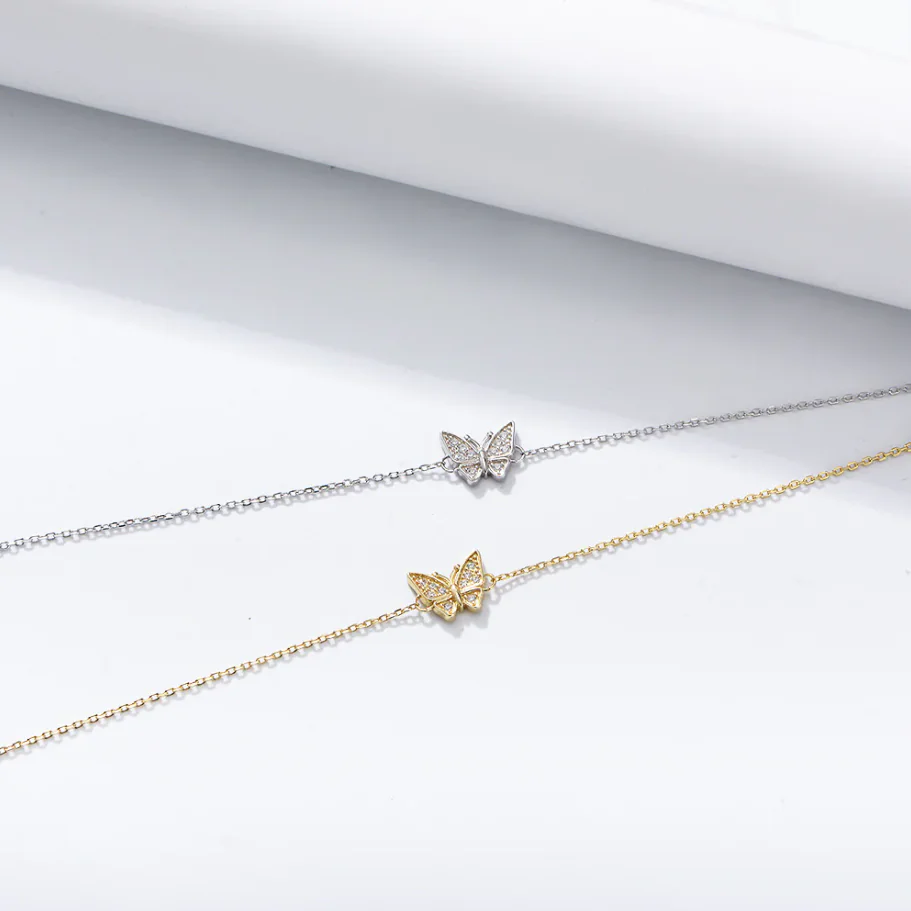
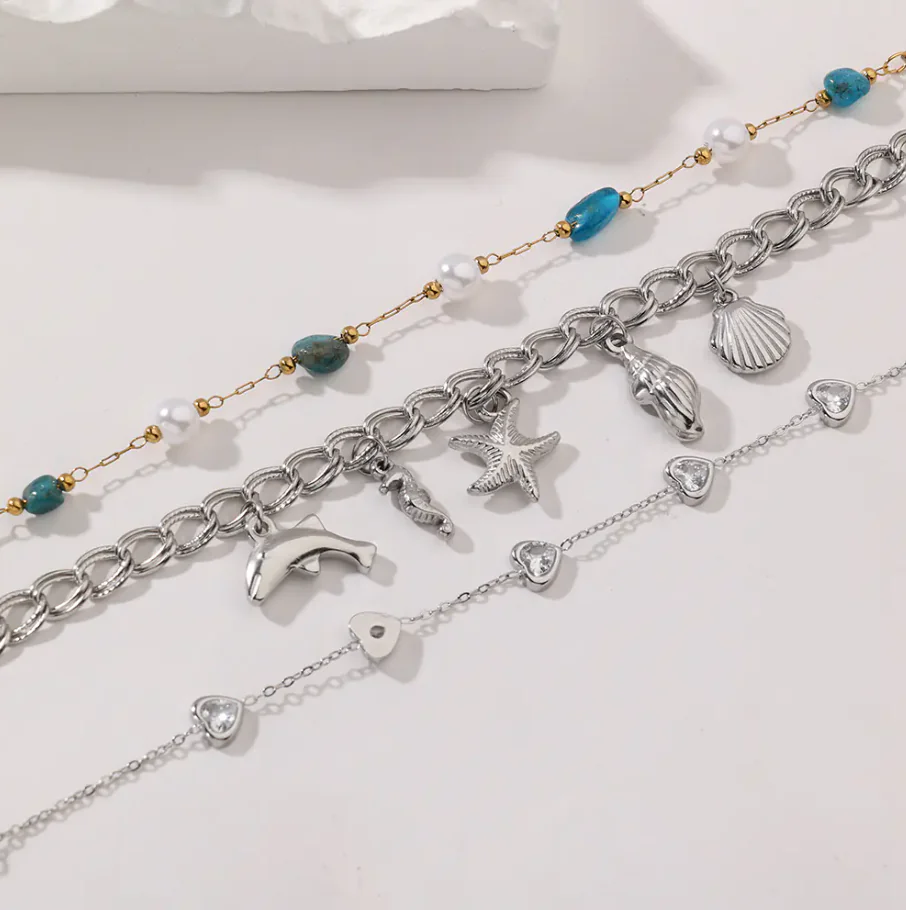
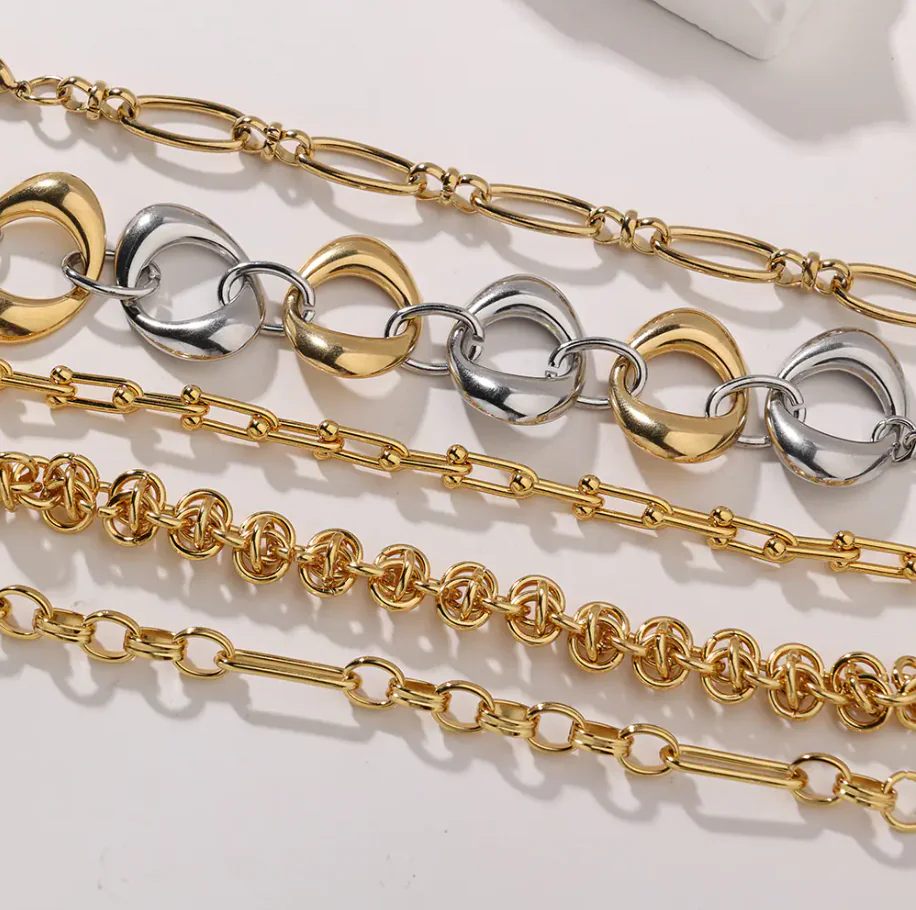
Sourcing is one thing, but stocking the right styles is what will keep your store alive. The charm bracelet category is versatile — which is both a blessing and a challenge.
Styles That Sell Well (from my own tests)
Minimalist charm bracelets
Clean lines, subtle accents, appeal to a wide age range.
Personalized charms
Names, initials, or zodiac signs — these accounted for 40% of my repeat sales last year.
Luxury-inspired
Crystal or gold-plated charms with premium packaging.
Bohemian-inspired
Natural stones, shells, wooden charms — great for younger buyers.
Tracking Trends
One thing I learned early: don’t guess. Use tools like Google Trends or marketplaces’ “best-sellers” pages to check what customers are actively buying. According to Boss Magazine, personalized jewelry is one of the fastest-growing segments heading into 2025.
Pro Tip: When testing new designs, don’t buy 500 units. Buy 20–50, track which designs sell fastest, and then reorder from your supplier.
4. Pricing and Selling Strategies for Beginners
The second-biggest question after sourcing is: How do I set prices?
My Pricing Formula
Wholesale price x 2.2 = Retail price
Adjust slightly based on competition and shipping costs
Example:
I bought wholesale charm bracelets at about $4 each
Sold them at $12
After fees and packaging, profit per bracelet was about $6
That may sound small, but remember: customers rarely stop at just one bracelet. Upselling additional charms wholesale boosted my average order value by 40%.
Sales Channels to Explore
- Online stores: Shopify or Etsy, perfect for beginners.
- Boutiques: Small local shops often want ready-made displays.
- DIY workshops: Selling wholesale charms for charm bar events where customers design their own.
- Marketplaces: Amazon Handmade, eBay, or local equivalents.
Upselling Strategies
- Bundles: Bracelet + 1 starter charm = higher perceived value.
- Charm Packs: “Buy 5 charms, get 1 free.”
- Customization: Offer engraving services for an extra fee.
Market Data Table
| Segment | Value (USD) | Source |
| Beads & Charms Market | $23+ billion | Accio |
| Bracelet Market (2023) | $2.3 billion | Cognitive Market Research |
| CAGR (Bracelets) | ~5% | Cognitive Market Research |
| Jewelry Market Growth 2025–2032 | $24.28B → $34.39B | Fortune Business Insights |
Conclusion
If I had to sum up my experience: wholesale charm bracelets are one of the best entry points into jewelry retail.
Here’s the roadmap for beginners:
- Understand what makes charm bracelet wholesale attractive
- Source carefully from trusted wholesale charms and bracelets suppliers
- Focus on trending wholesale charms for jewelry styles that customers actually want
- Price smart and use upselling to maximize profits
The biggest lesson? Start small. With just a few hundred dollars, you can test different products and find your best-sellers without heavy risk. Once you discover what works, scaling is straightforward.
For me, charm bracelets became not just a product line but a foundation for my entire jewelry business. With the market still growing and customers always looking for something personal, there’s never been a better time to explore wholesale charm bracelets.