







In the jewelry wholesale business, sales volume alone is rarely the best indicator of success. Many online sellers and distributors discover—sometimes too late—that products with strong demand can still produce disappointing results once costs, returns, and inventory risks are factored in. This is why experienced B2B buyers focus on profit margin structure, not just popularity.
This article is written specifically for jewelry wholesalers, online store owners, and private-label brands. Instead of consumer trends or styling advice, it examines which jewelry categories consistently deliver higher wholesale profit margins, why they work, and what risks buyers should be aware of when scaling.
Why Profit Margin Is the Key Metric in Jewelry Wholesale
In wholesale jewelry, profitability is shaped by a combination of factors that go far beyond the initial unit cost. While high sales volume can look impressive on the surface, it often hides problems such as high return rates, quality disputes, and cash flow pressure caused by slow inventory turnover.
For wholesale buyers, true margin performance depends on several interconnected elements. Manufacturing cost is only the starting point. Logistics, packaging, defect rates, customer expectations, and the ability to reorder or customize all influence how much profit remains after a product is sold.
Another critical factor is predictability. Jewelry categories with stable demand and consistent quality standards allow sellers to forecast revenue, plan inventory, and negotiate better supplier terms. In contrast, trend-driven or overly complex products may offer short-term spikes but often erode margins over time.
This is why professional buyers evaluate jewelry categories not by how fashionable they appear, but by how well they perform across the entire supply chain.
How We Evaluate High-Margin Jewelry Categories
To identify jewelry categories with strong wholesale profit potential, this article uses a B2B-focused evaluation framework rather than consumer-facing metrics. Each category is assessed based on the following criteria:
- Manufacturing cost versus retail price range, which determines markup flexibility
- Stability of margins across different markets and seasons
- Repeat purchase potential, especially for restocking and collection expansion
- Return and defect risk, including sizing, durability, and material sensitivity
- Scalability, such as the ability to add variations, sets, or private-label customization
Categories that perform well across most of these dimensions tend to generate sustainable profits, even in competitive markets. Those that fail in one or more areas may still be profitable, but usually require tighter quality control or more experienced management.
Top 10 Jewelry Categories with the Highest Wholesale Profit Margins
Below are ten jewelry categories that consistently show strong margin performance in wholesale environments. Each category is analyzed from a cost, risk, and scalability perspective.
1.Moissanite Jewelry
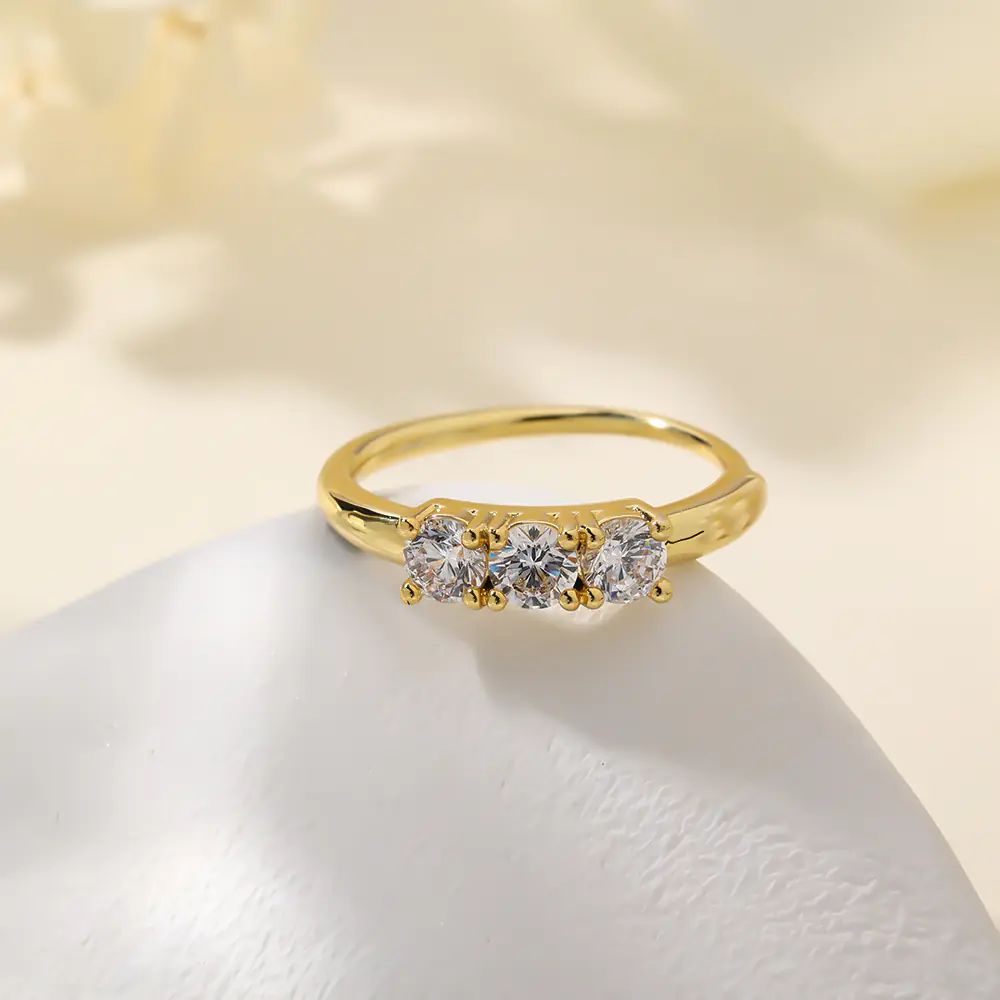
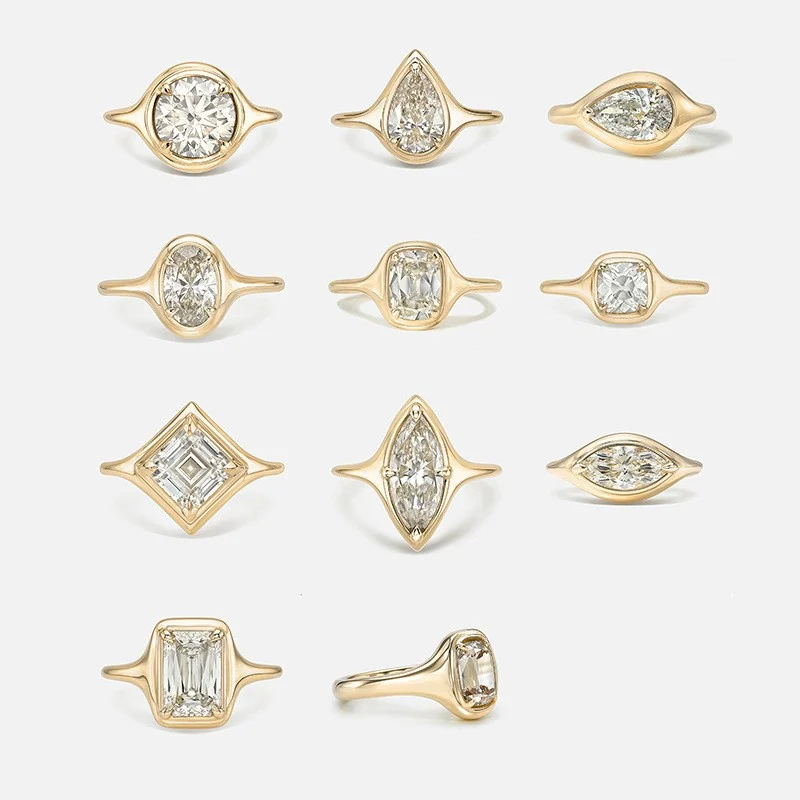
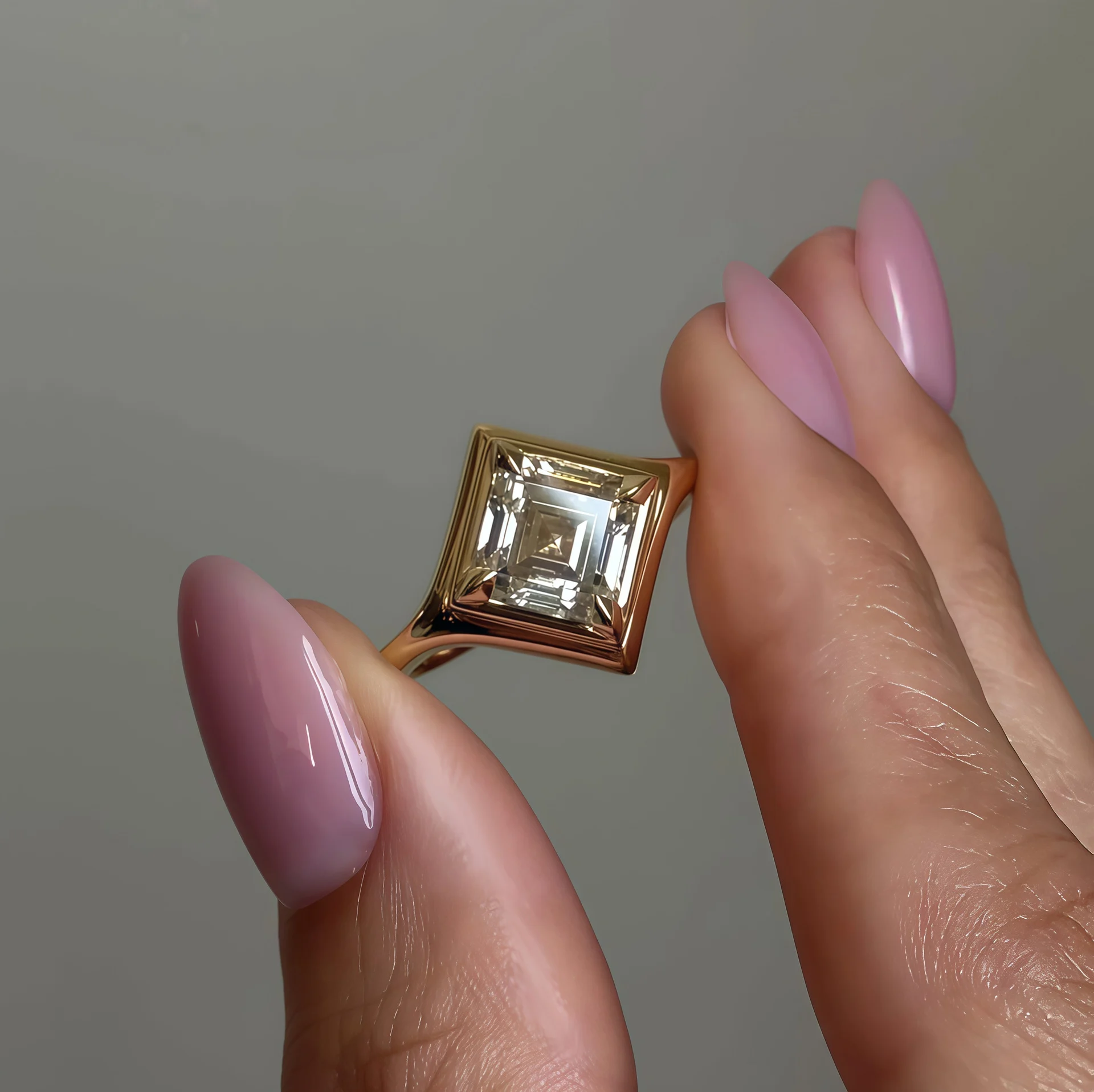
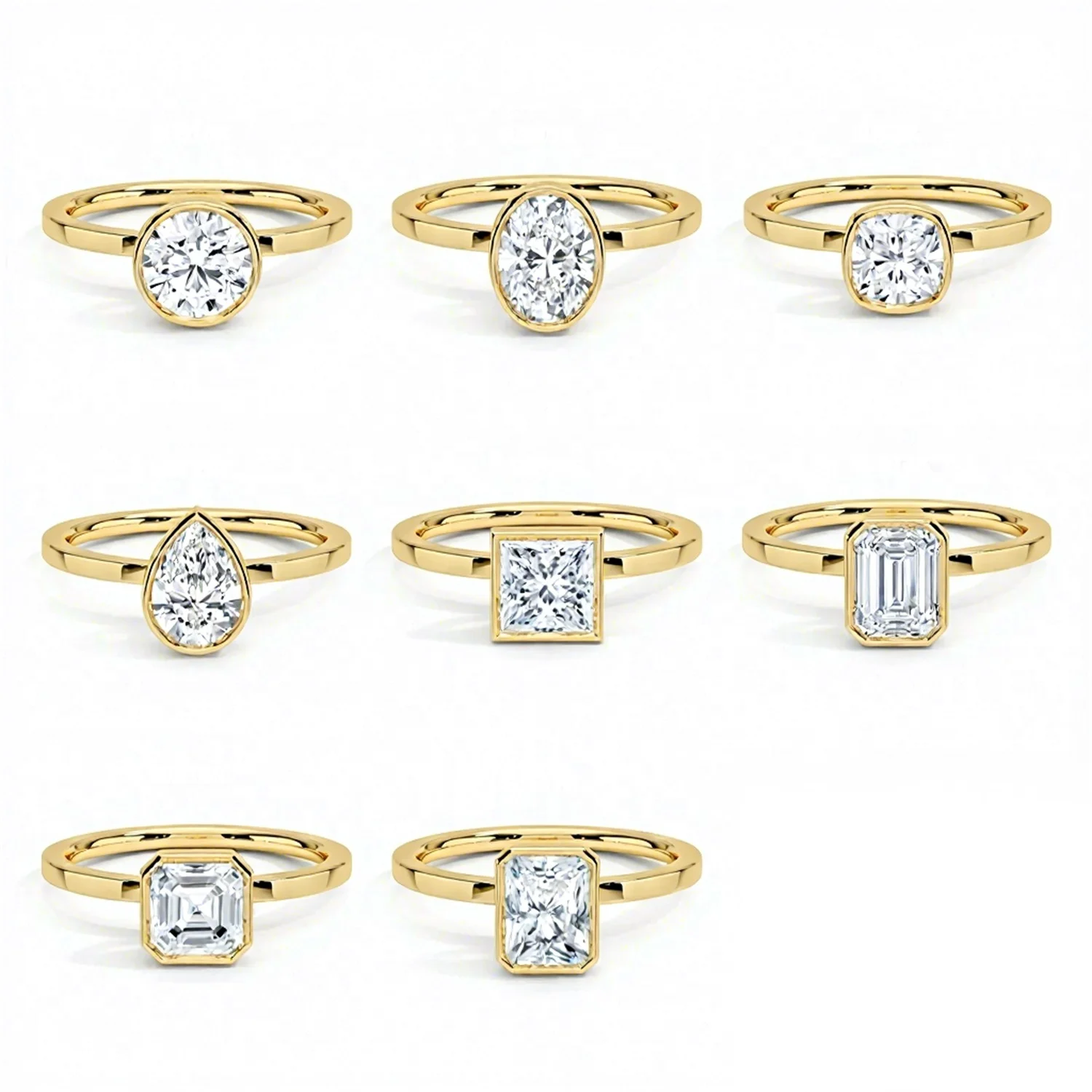
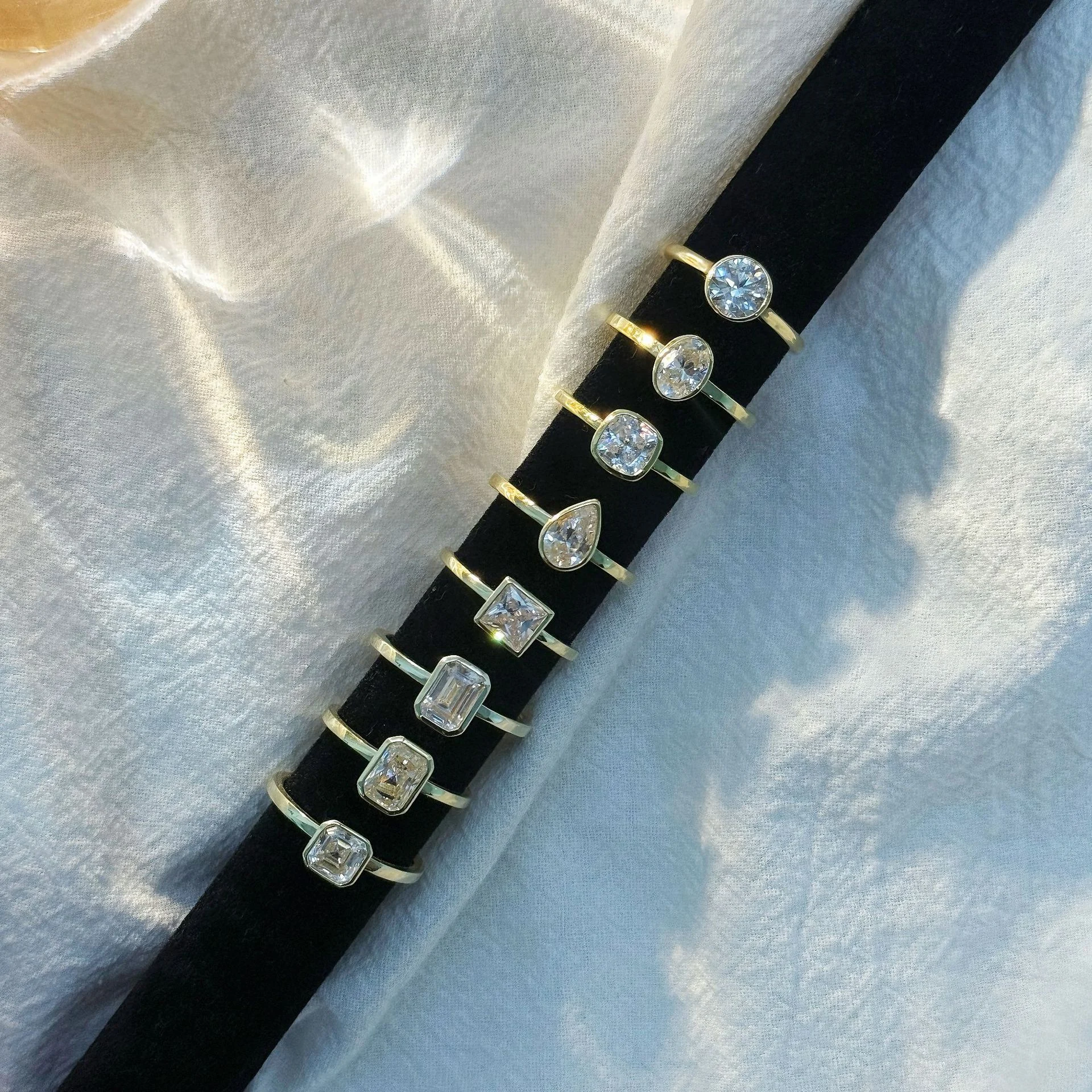
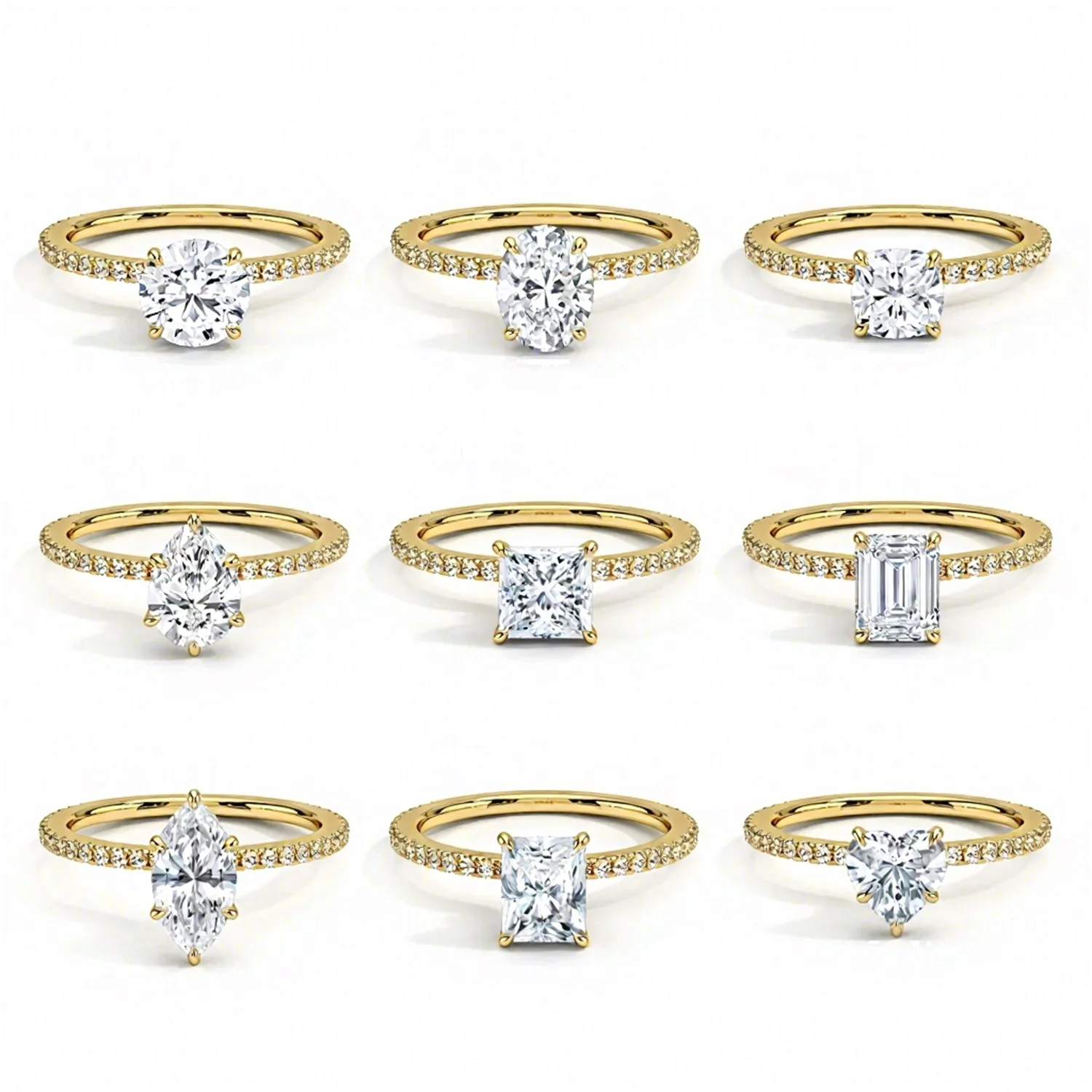
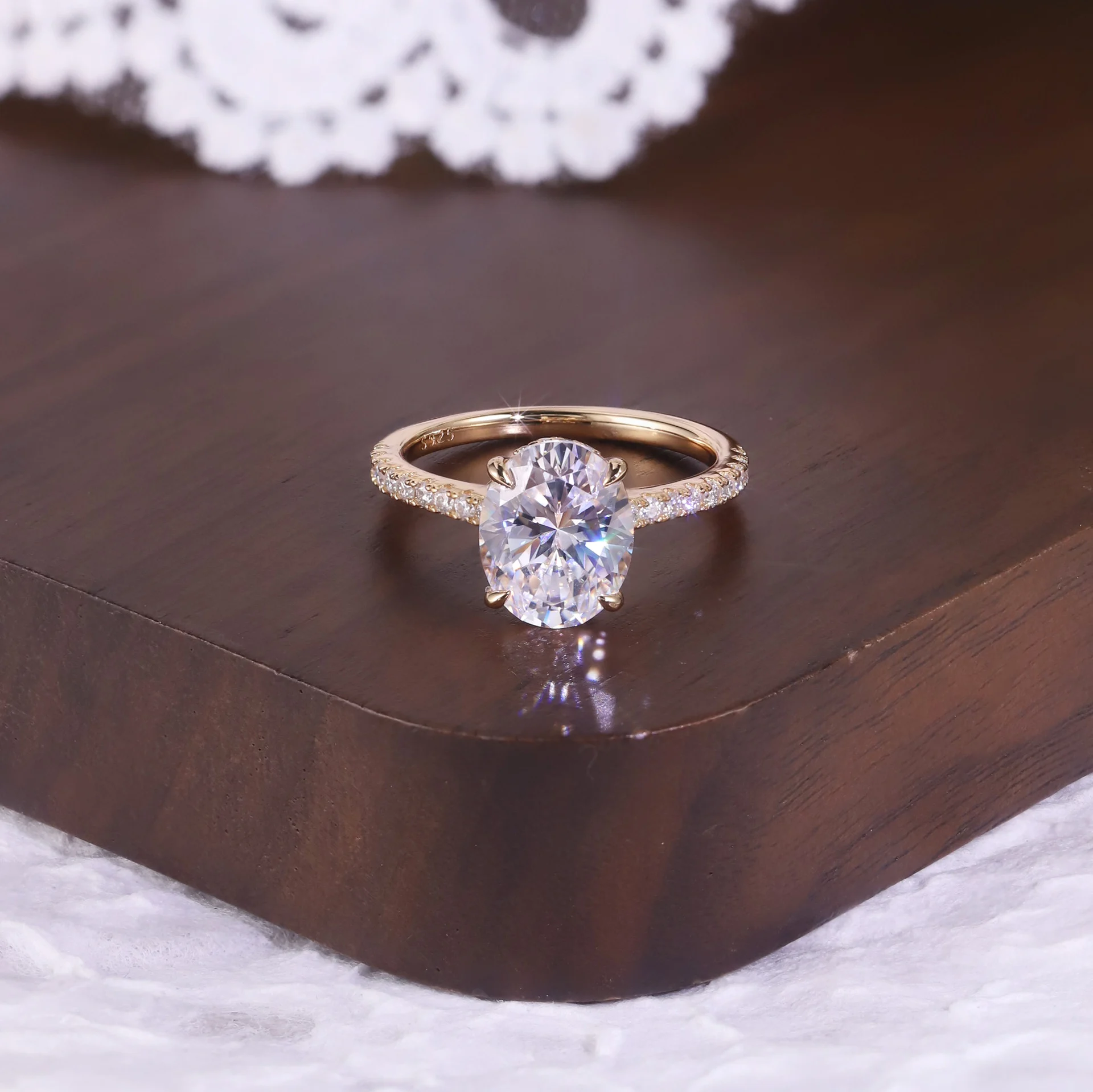
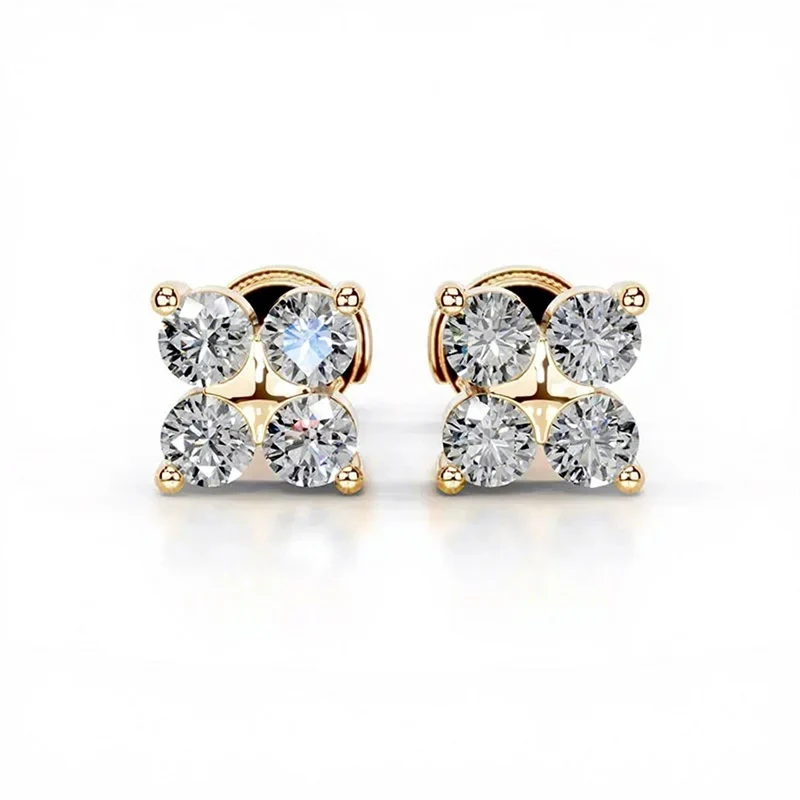
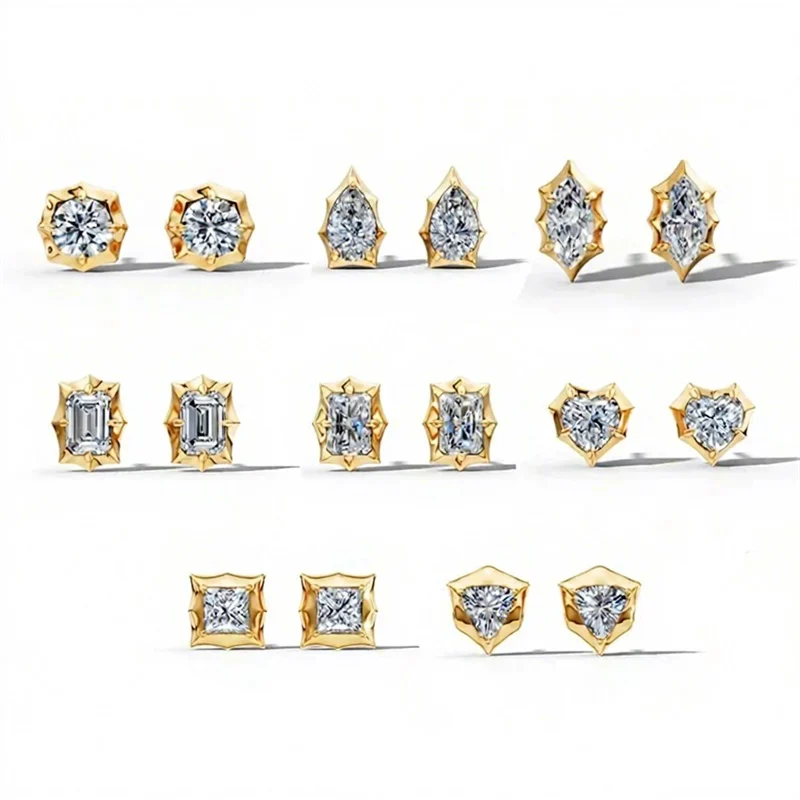
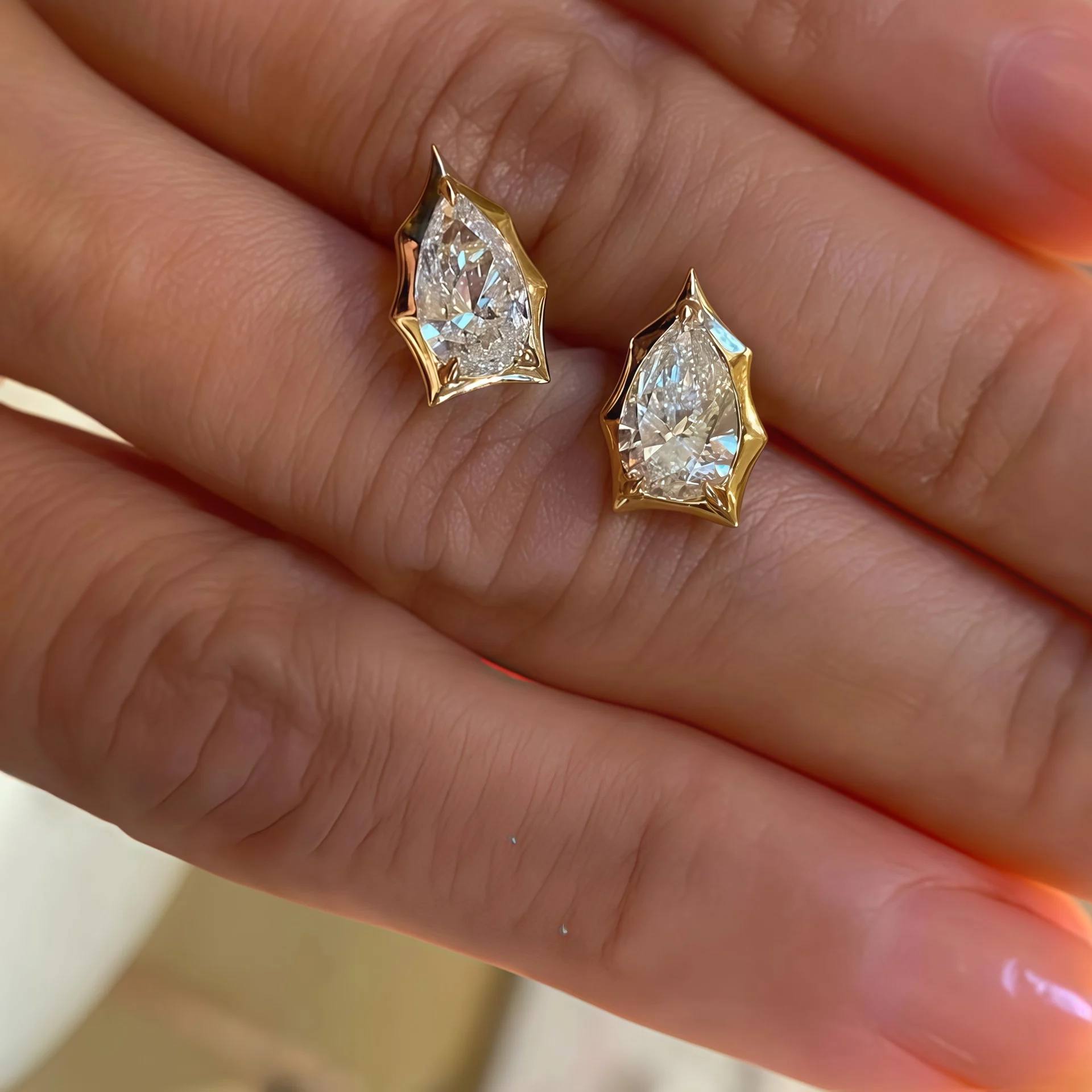
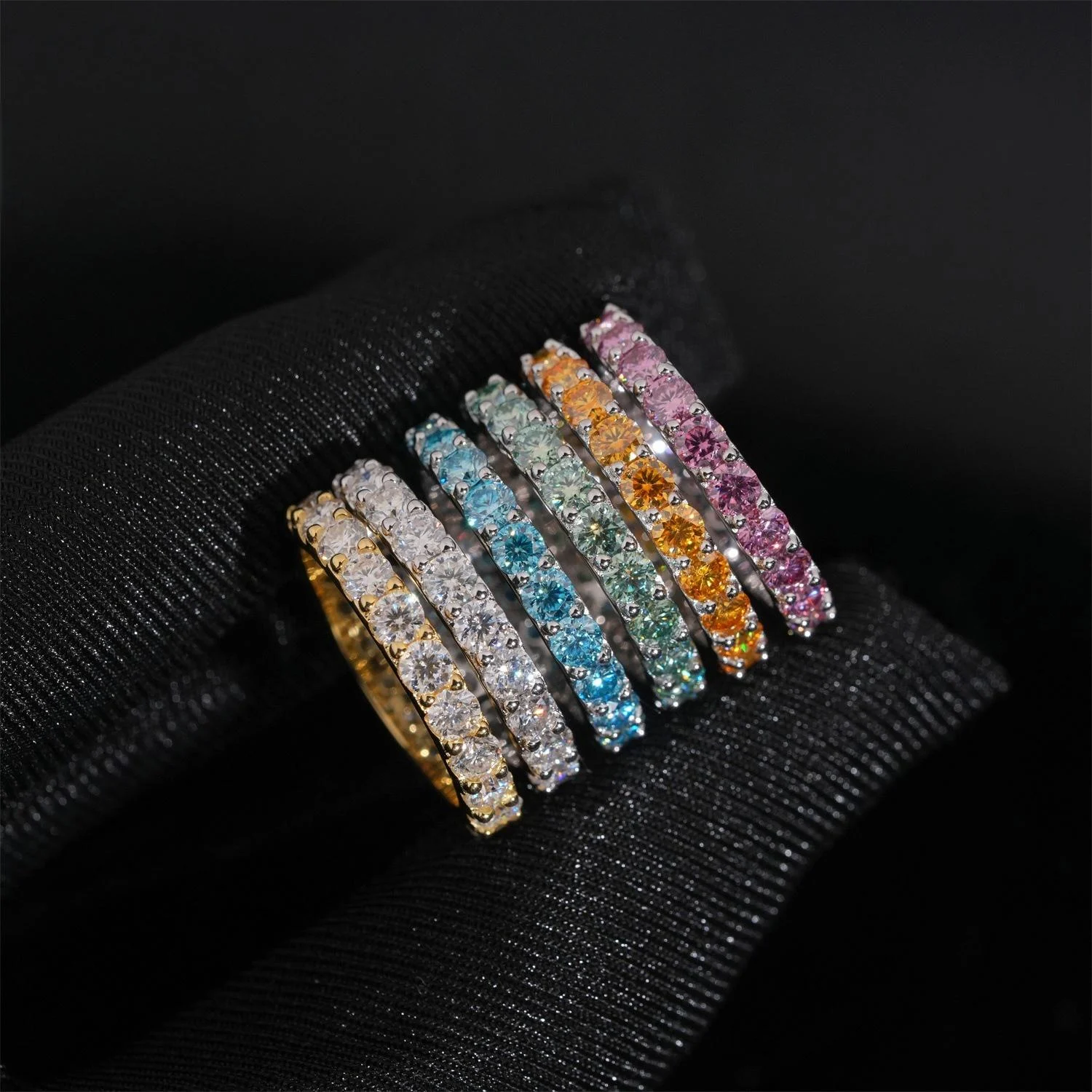
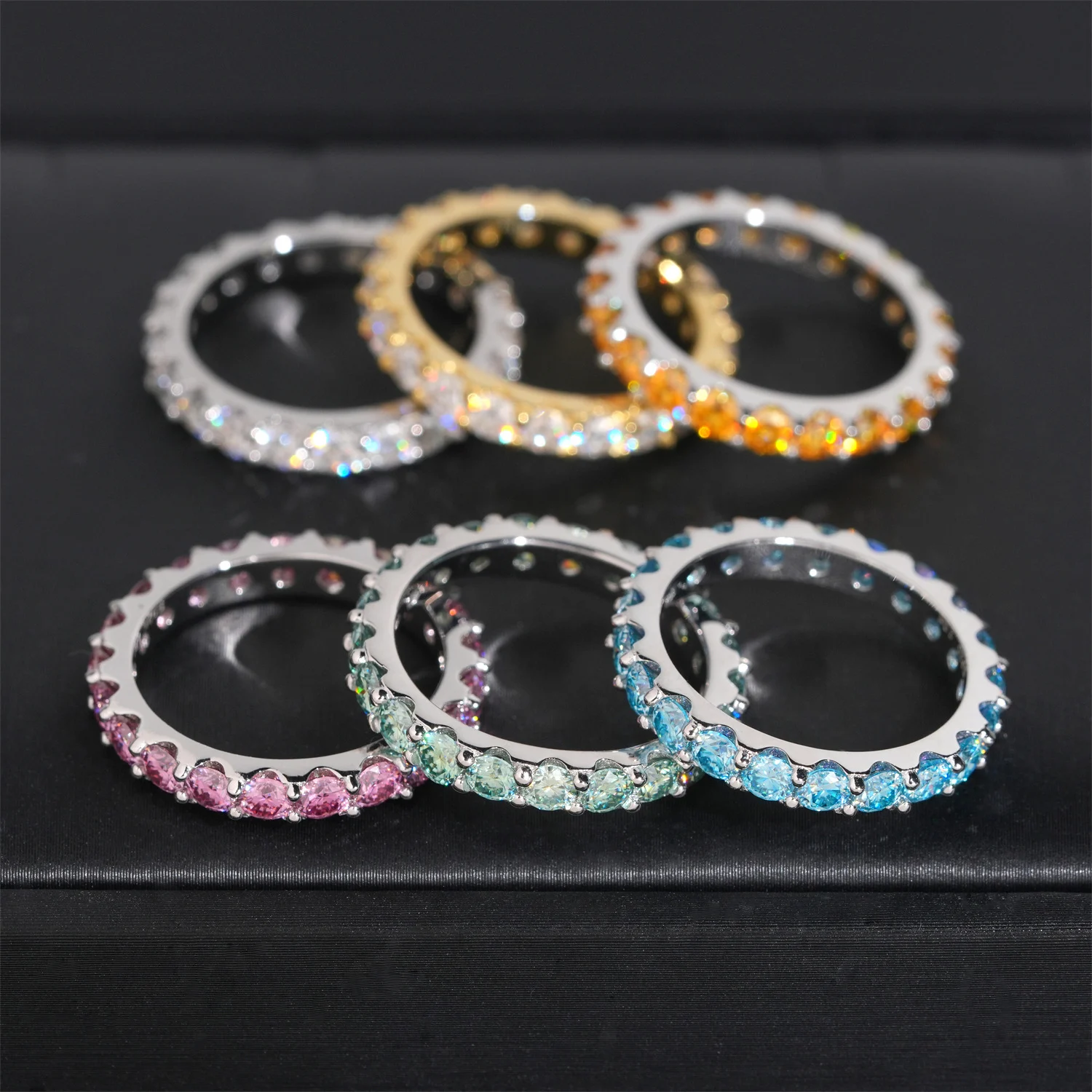
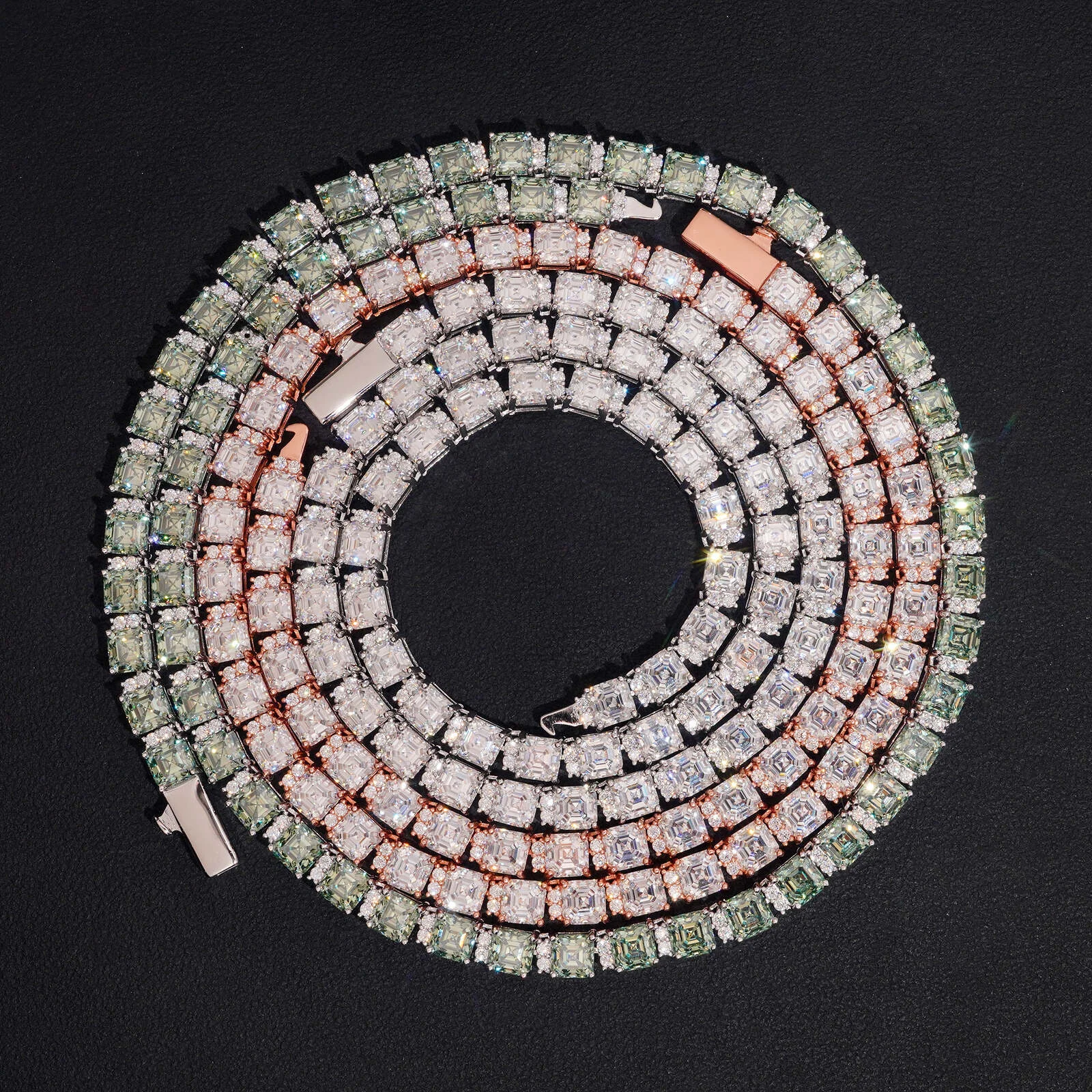
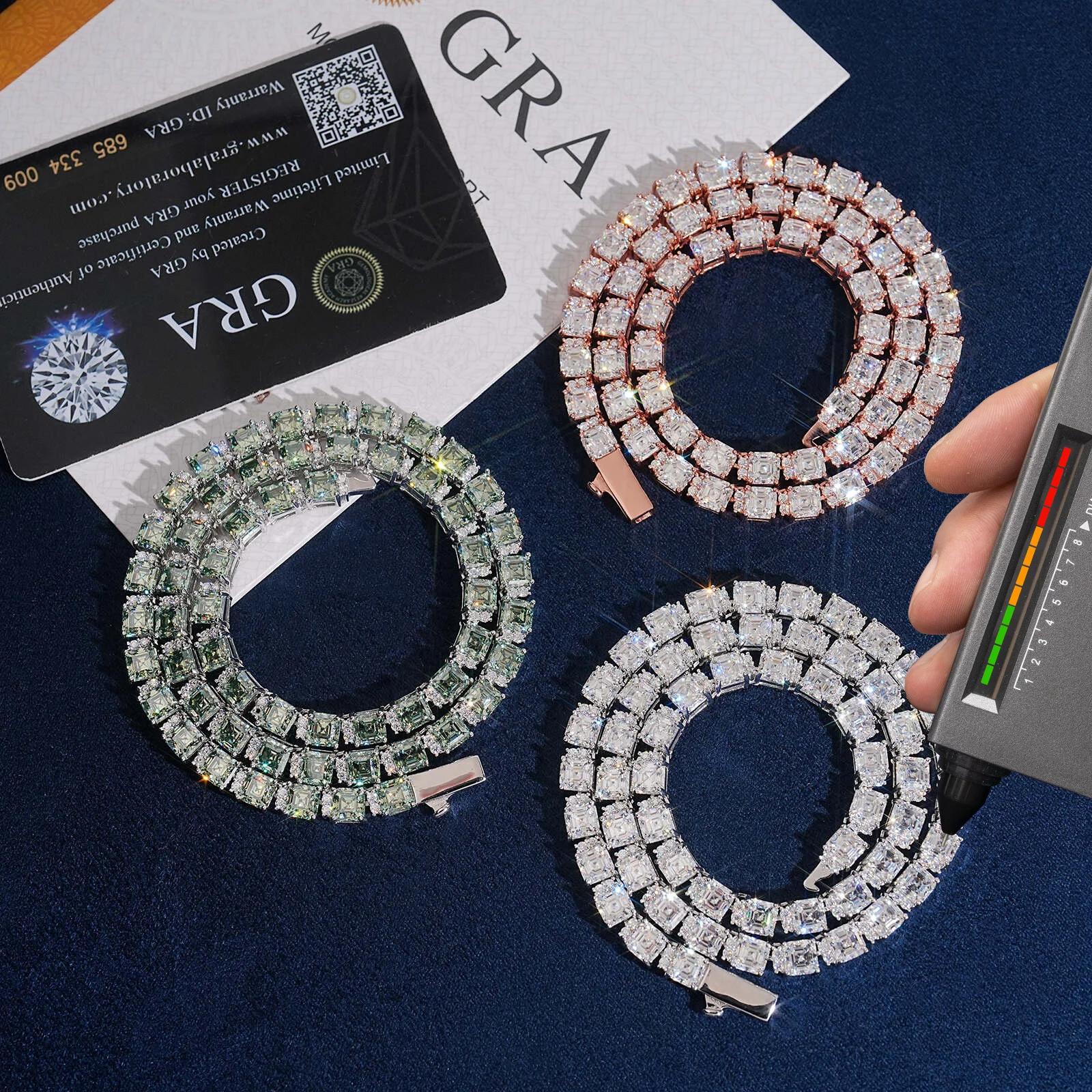
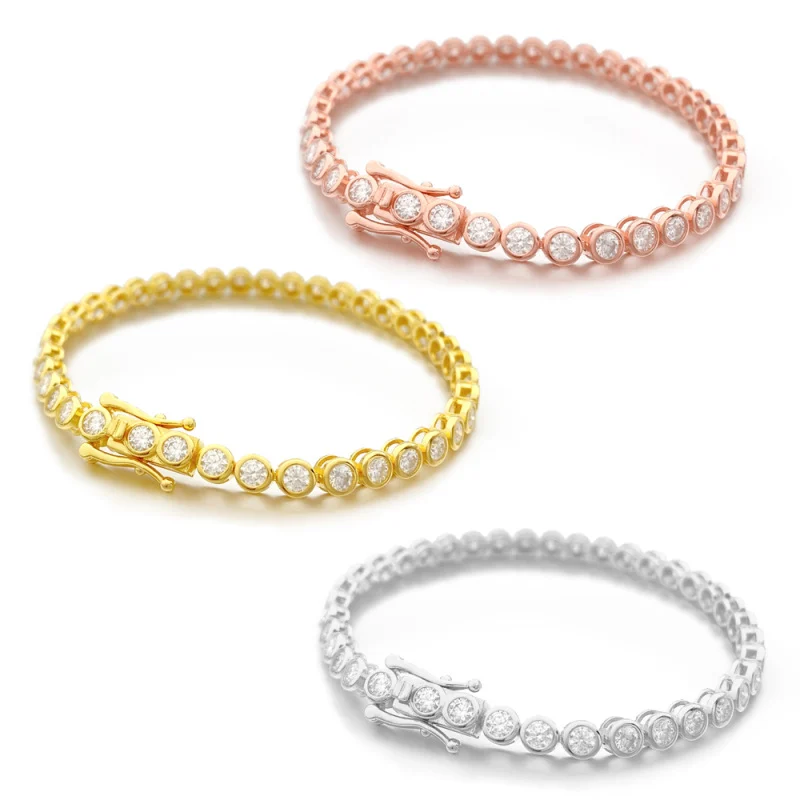
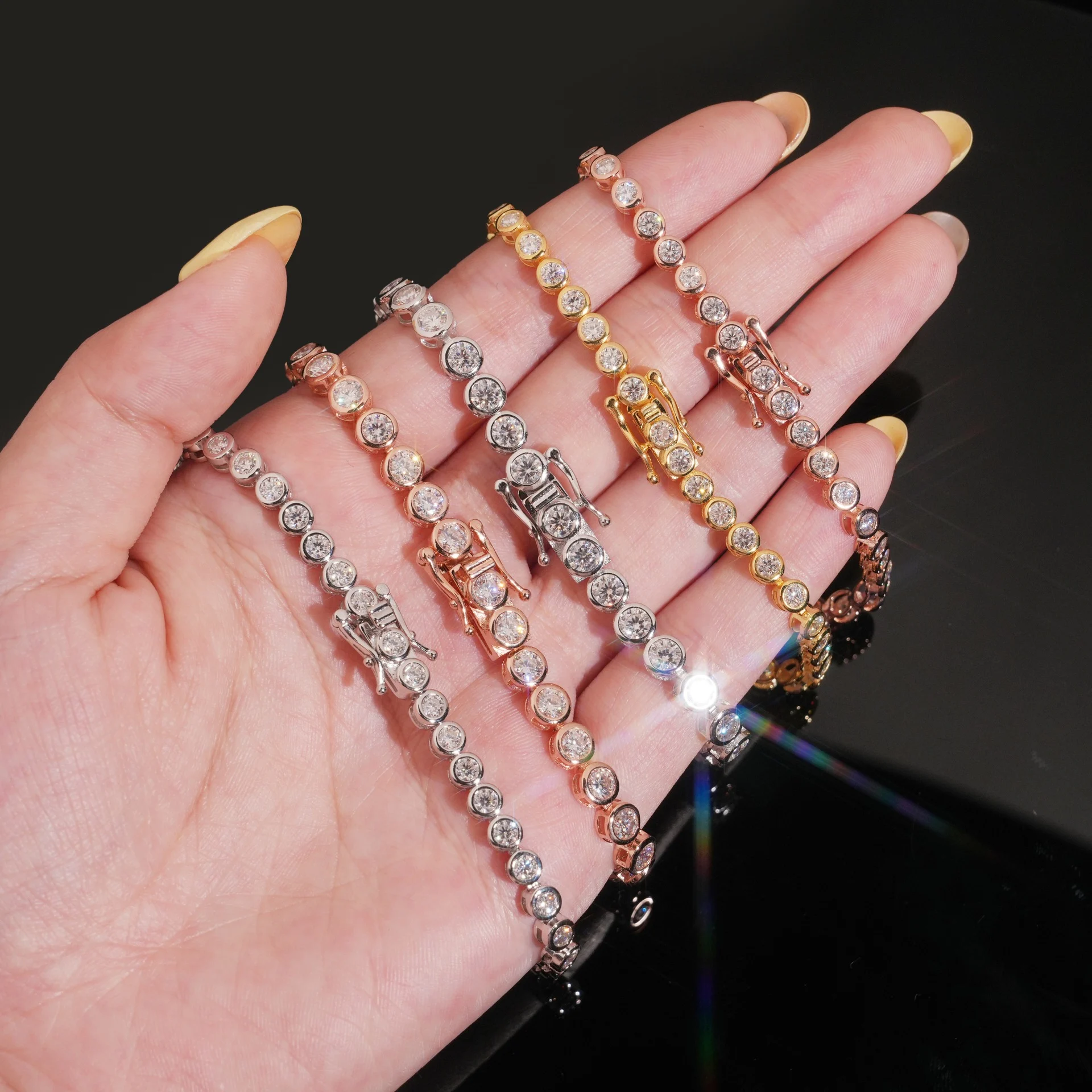
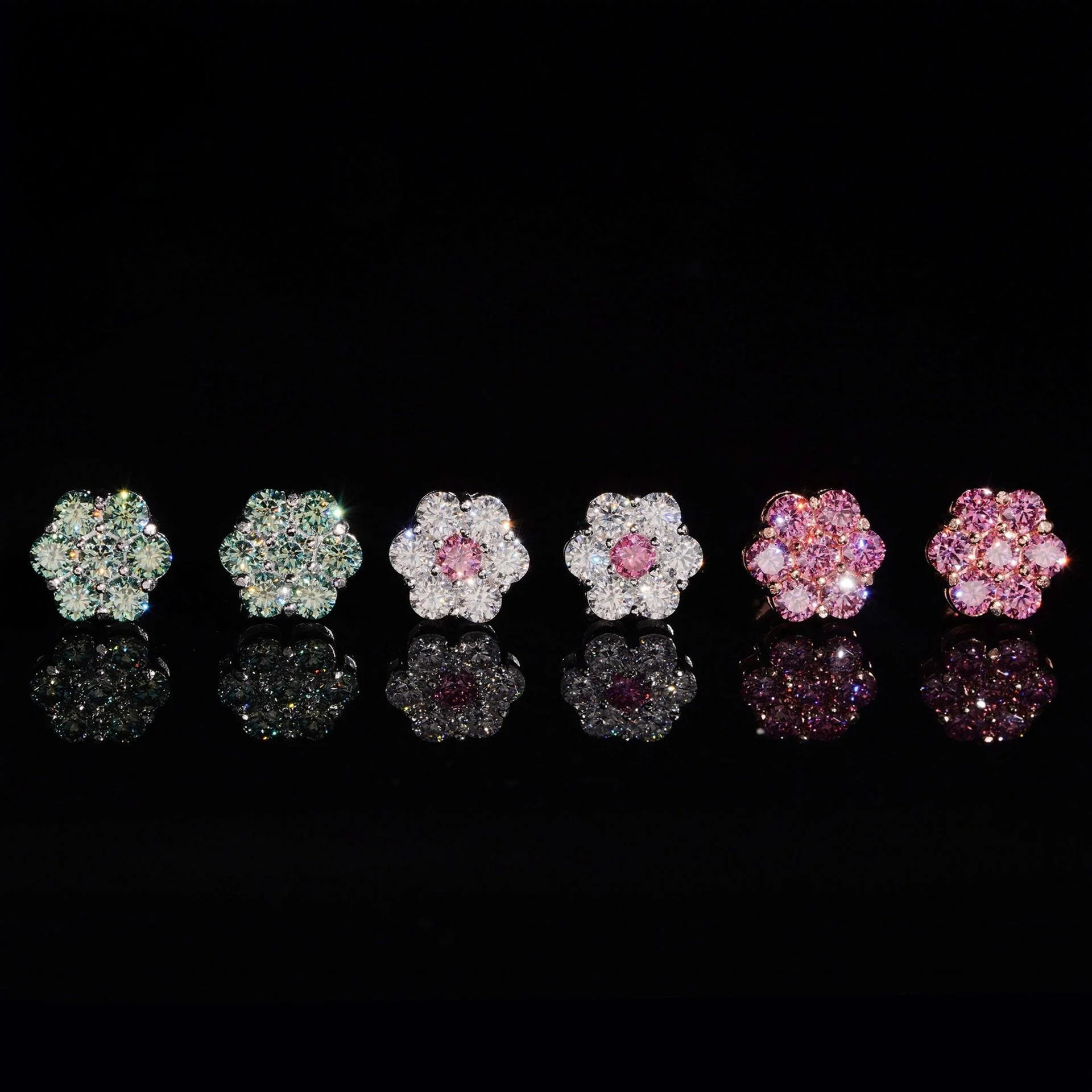
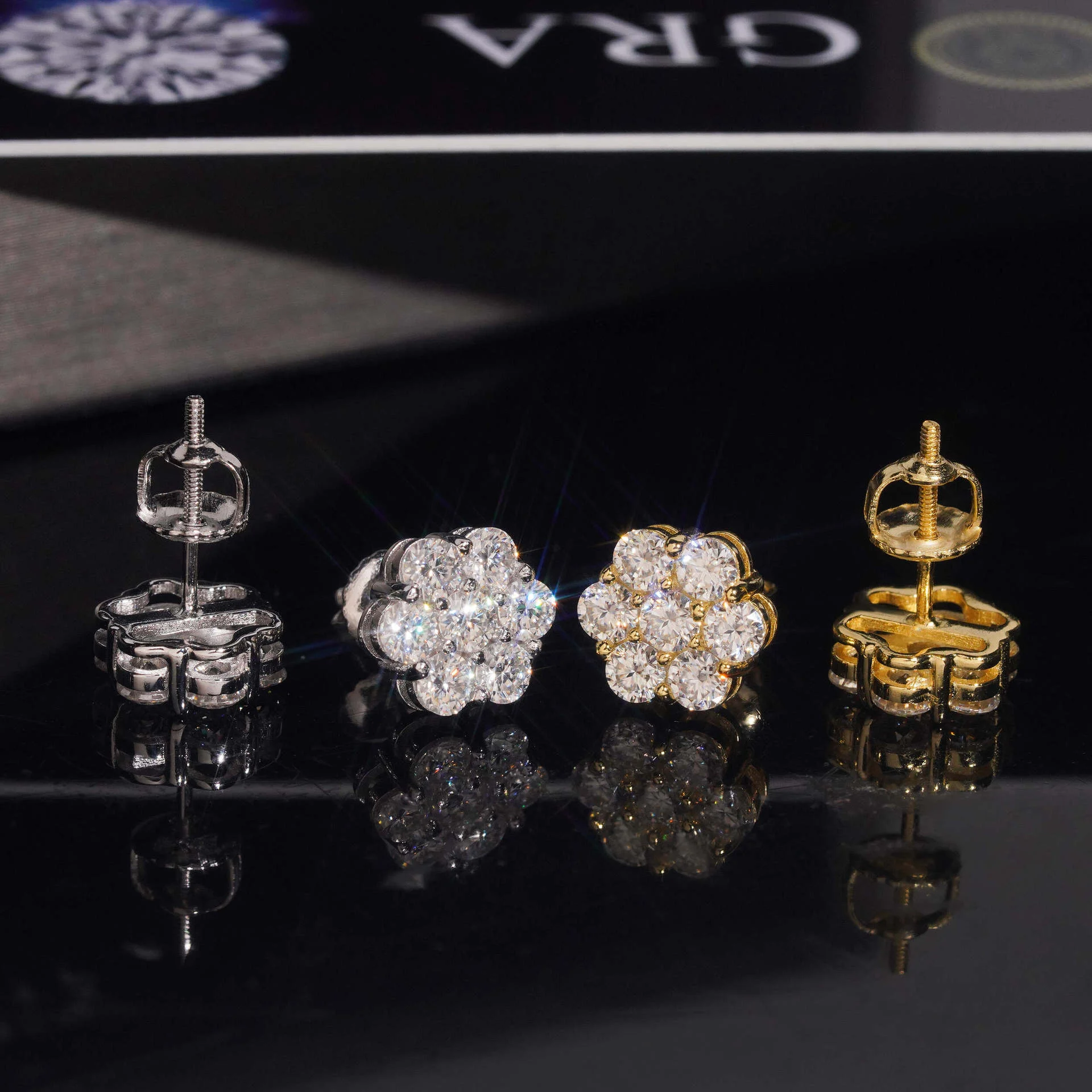
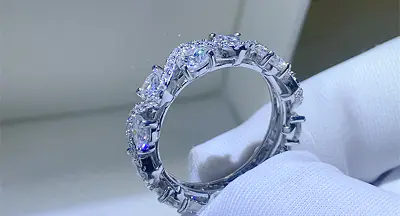
Moissanite jewelry has become one of the most attractive high-margin categories in recent years. While the material cost is higher than cubic zirconia, it remains far below that of natural diamonds, creating significant room for markup.
From a wholesale perspective, moissanite offers a strong balance between perceived value and controllable cost. Customers associate it with luxury, durability, and brilliance, yet pricing remains accessible. This allows sellers to position products confidently without facing the intense scrutiny applied to natural diamonds.
Repeat purchase potential is also strong. Moissanite collections can easily expand into different cuts, sizes, and settings, encouraging customers to return. Return rates tend to be low, as sizing issues are limited and material durability is high.
2. Sterling Silver Minimalist Jewelry
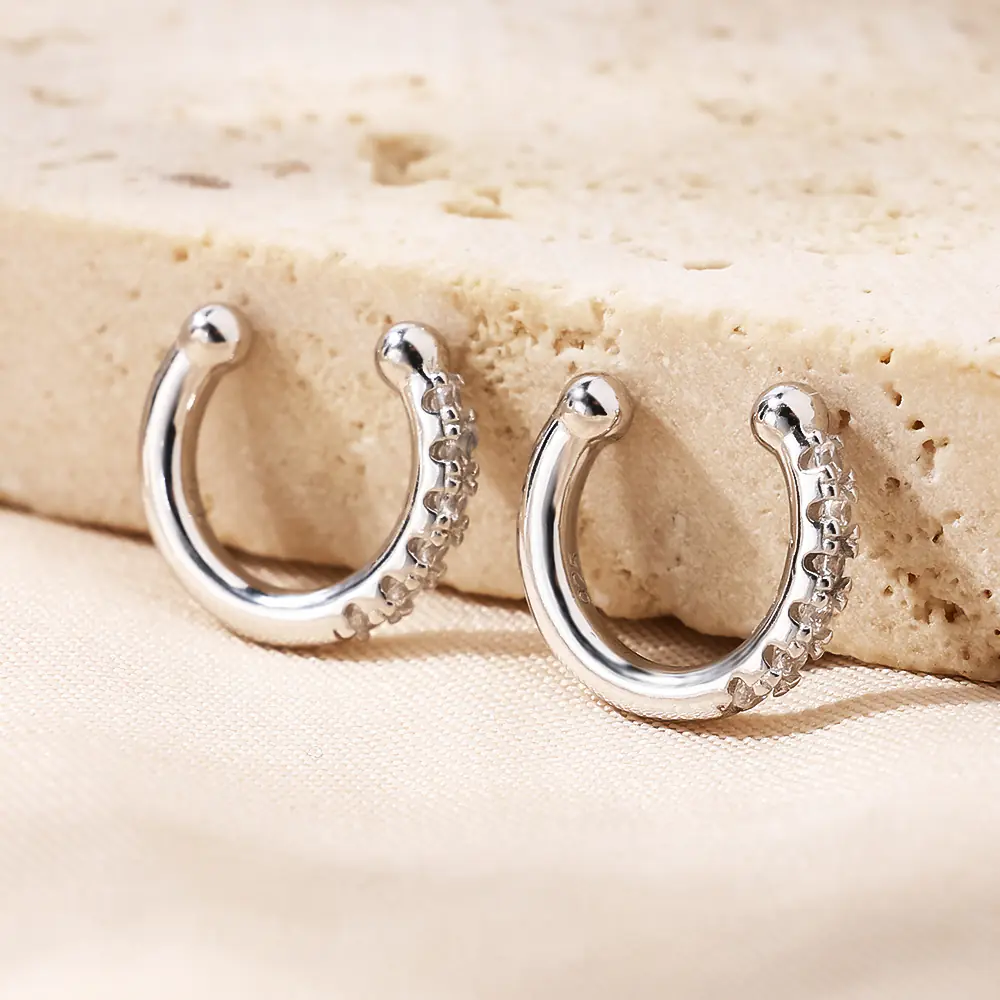
Sterling silver remains a cornerstone of profitable wholesale jewelry, particularly when paired with minimalist design. The material is widely accepted, production processes are standardized, and quality expectations are clearly defined.
Minimalist silver jewelry benefits from lower design complexity, which reduces defect rates and speeds up manufacturing. At the same time, retail pricing often reflects design aesthetics rather than material weight alone, supporting healthy margins.
This category performs exceptionally well in repeat orders. Simple designs allow sellers to introduce new variations regularly, such as different finishes or small stone accents, without retooling the entire production process.
3. Gold-Plated Brass Jewelry
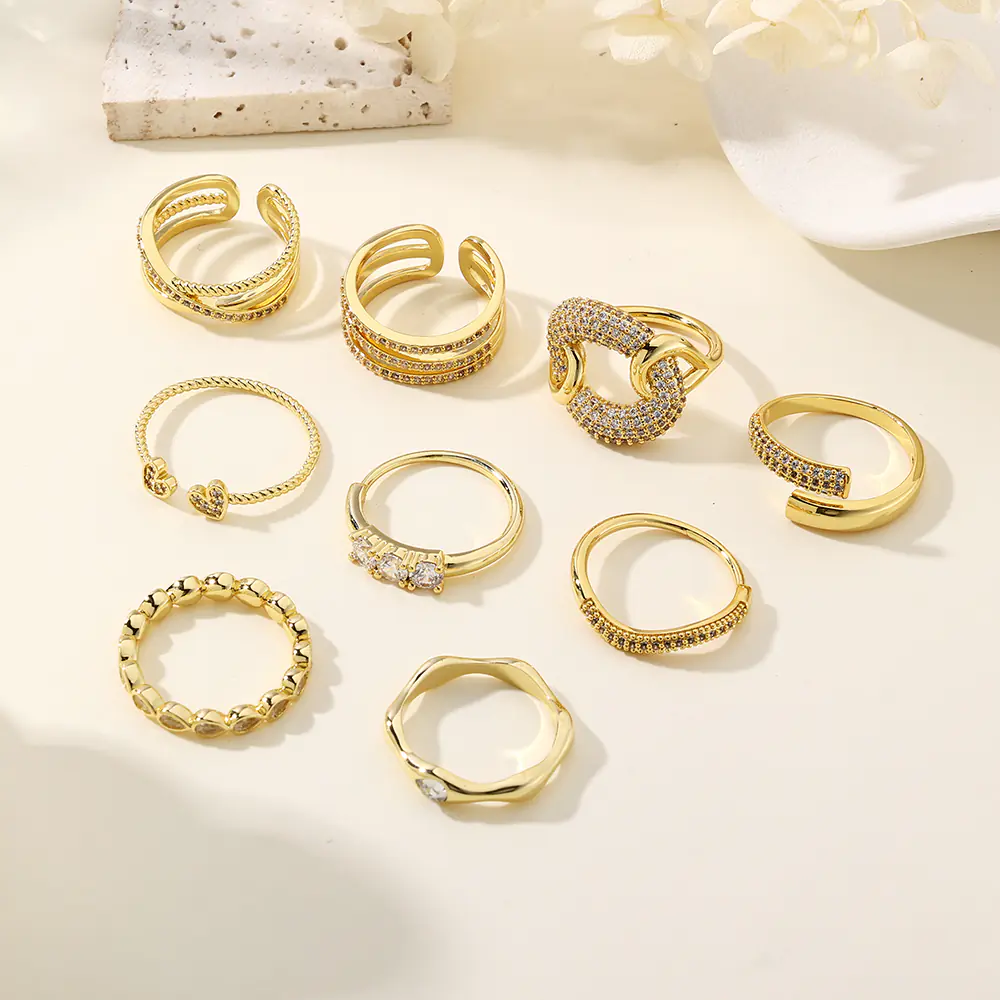
Gold-plated brass jewelry is a classic example of high perceived value paired with low material cost. Brass is inexpensive and easy to work with, while modern plating techniques create a finish that meets consumer expectations when quality standards are maintained.
Wholesale margins in this category are driven by design and branding rather than raw materials. Sellers can achieve strong markups, especially when products are positioned as fashion-forward or luxury-inspired pieces.
However, quality control is essential. Inconsistent plating thickness or poor finishing can increase return rates. When sourced responsibly, gold-plated brass remains one of the most scalable and profitable categories for online sellers.
4. Luxury-Inspired Jewelry (Non-Branded)
Luxury-inspired jewelry occupies a unique position in the wholesale market. By drawing on recognizable design language without using brand names or trademarks, sellers benefit from strong consumer familiarity while avoiding licensing costs.
Production costs in this category are generally moderate, but perceived value can be high. Customers are often purchasing the look and symbolism rather than the brand itself, which supports attractive margins.
Repeat purchase rates are strong, particularly when collections are updated with new colors or materials. The main risk lies in design similarity, which must be managed carefully to avoid platform or legal issues.
5. Cubic Zirconia Fashion Jewelry
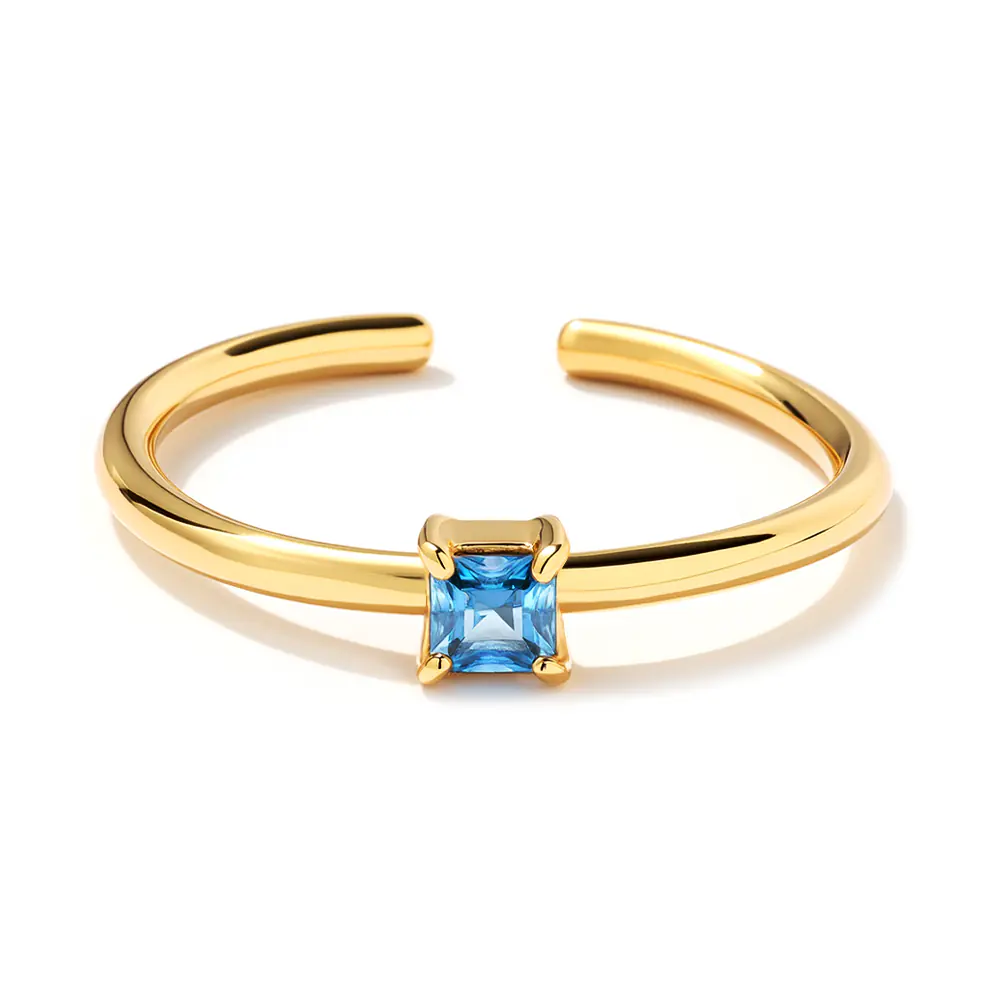
Cubic zirconia continues to be one of the most margin-friendly materials in fashion jewelry. Its low cost and consistent quality allow wholesalers to maintain predictable pricing while offering visually appealing products.
This category benefits from fast production cycles and flexible design options. Retail pricing is influenced more by style and setting than by stone cost, enabling healthy markups even at competitive price points.
Return rates are generally manageable, though durability expectations should be clearly communicated. CZ jewelry works best in fashion-driven collections rather than long-term investment positioning.
6. Personalized and Engraved Jewelry
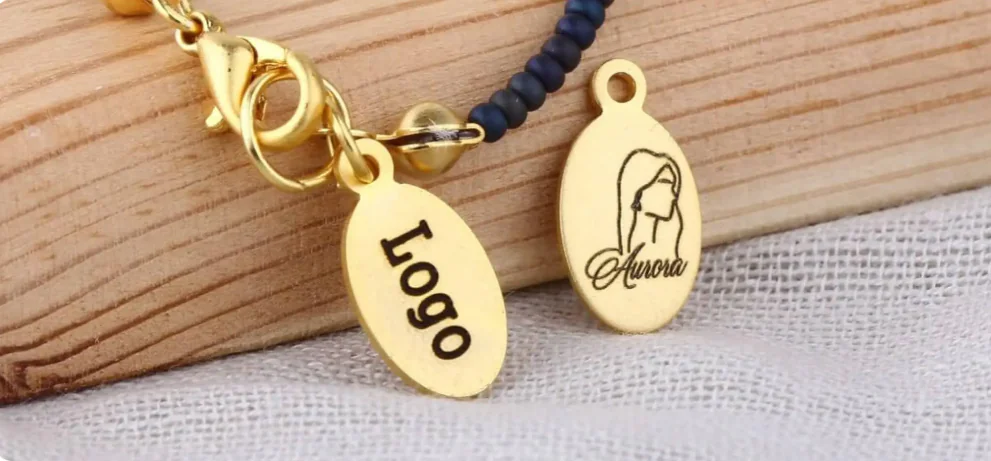
Personalized jewelry offers a margin advantage driven by customization rather than materials. Engraving, initials, and symbolic dates add emotional value at relatively low additional cost.
Wholesale buyers benefit from reduced price sensitivity, as personalized products are less directly comparable across sellers. This often results in higher margins and lower competition.
The primary consideration is production workflow. Customization requires efficient order handling and clear quality standards, but return rates are typically low due to the personalized nature of the products.
7. Stainless Steel Jewelry
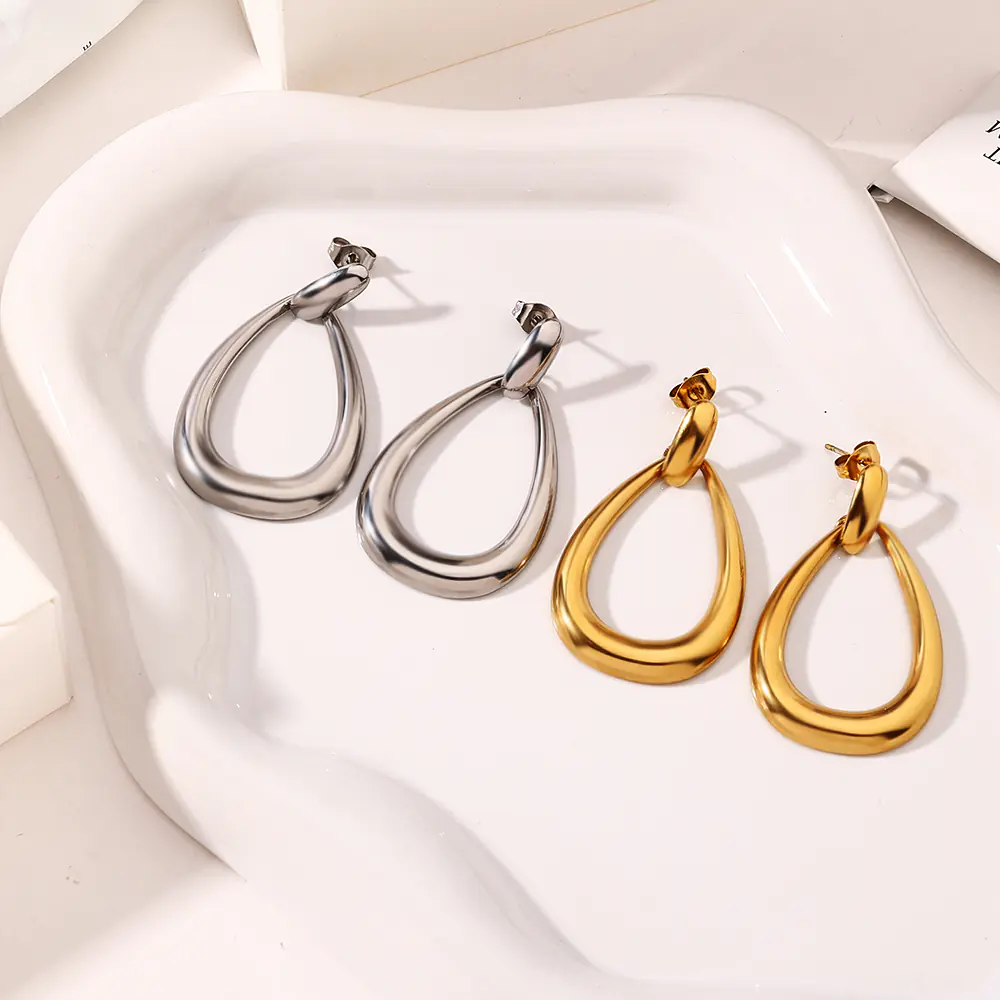
Stainless steel jewelry is known for its durability, low cost, and minimal maintenance requirements. These qualities translate into extremely low return rates and stable wholesale margins.
While individual item markups may be lower than precious metal categories, the strength of stainless steel lies in volume and repeat orders. Customers frequently reorder due to wear resistance and consistent quality.
This category is especially popular in men’s jewelry and everyday wear collections, where durability is prioritized over luxury positioning.
8. Dainty Everyday Jewelry Sets
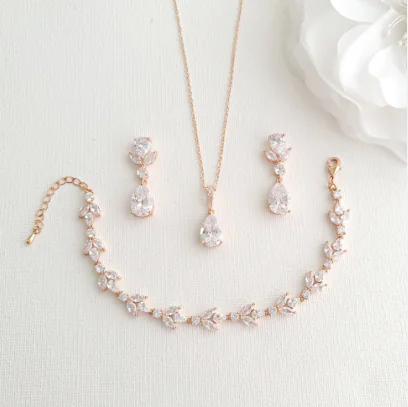
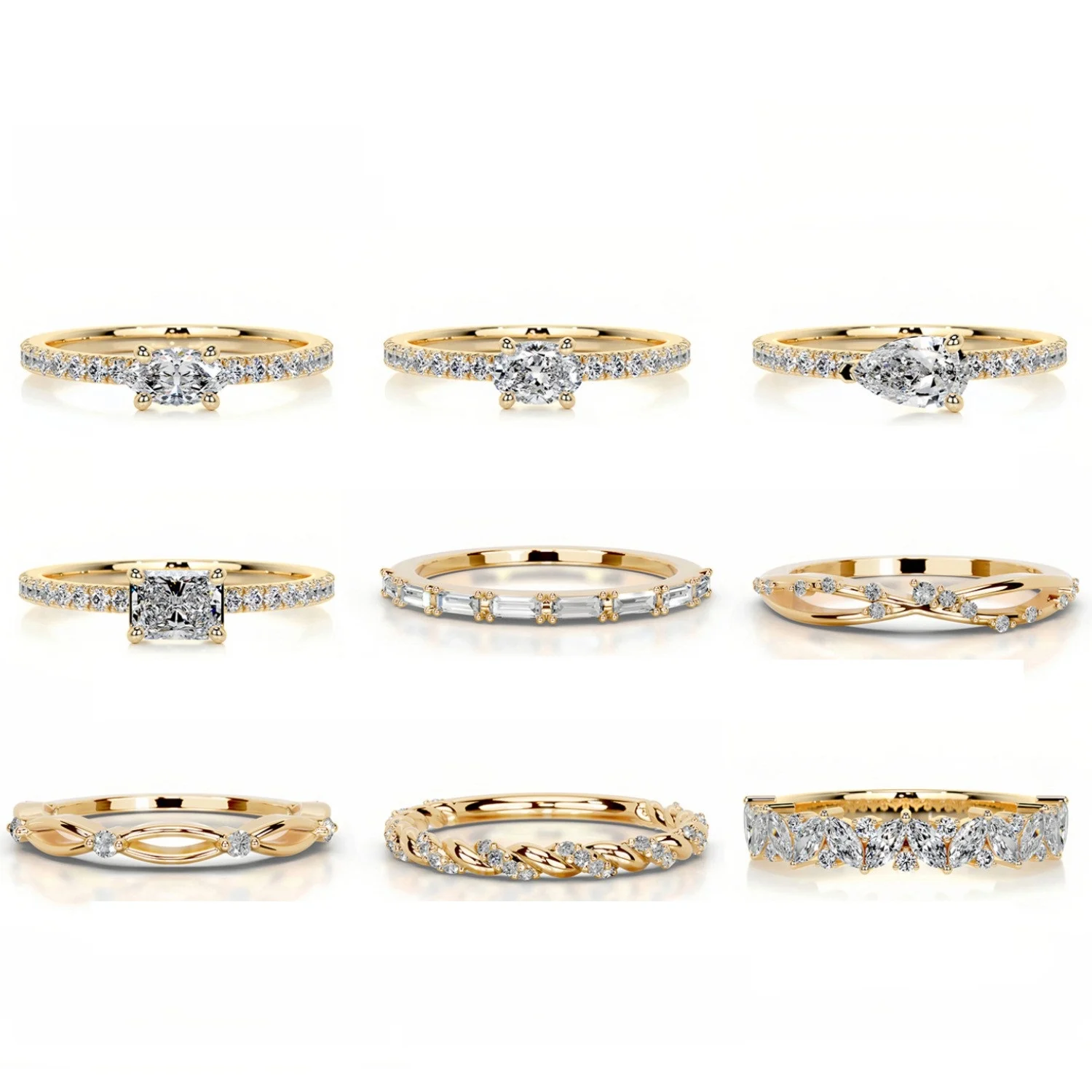
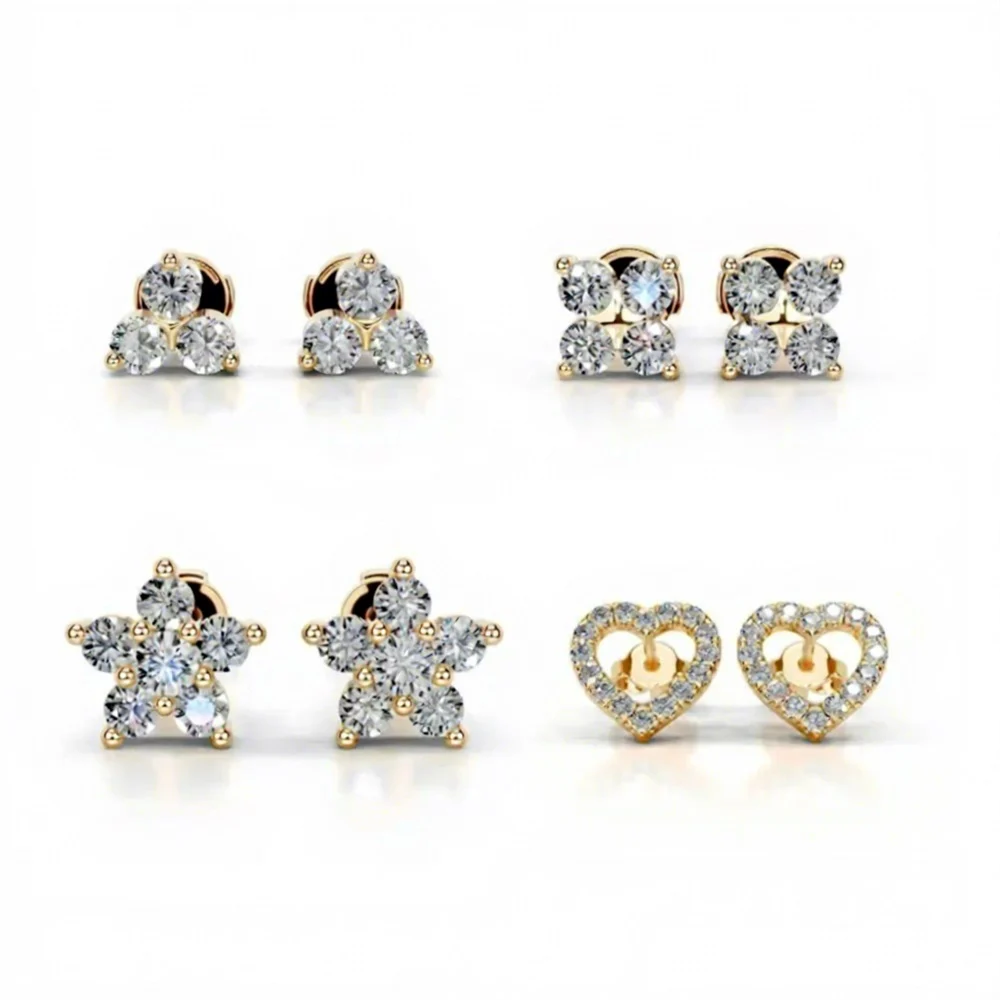
Dainty jewelry sets—typically including necklaces, earrings, or bracelets—offer built-in margin advantages through bundling. Production costs are spread across multiple items, while retail pricing reflects the perceived completeness of the set.
These products encourage higher average order values and are often purchased as gifts. Because designs are lightweight and simple, defect rates remain relatively low.
For wholesalers, sets also reduce SKU complexity by grouping coordinated designs under a single product concept.
9. Birthstone Jewelry
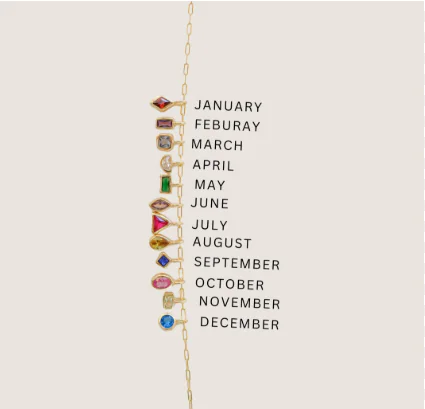
Birthstone jewelry benefits from emotional relevance and consistent year-round demand. Material costs vary depending on stone type, but many birthstone categories allow for controlled sourcing and predictable pricing.
Repeat purchase potential is strong, particularly around gifting seasons. Customers may return to purchase different months or variations, supporting long-term margin performance.
Clear communication about stone type and quality is essential to manage expectations and minimize returns.
10. Statement Earrings
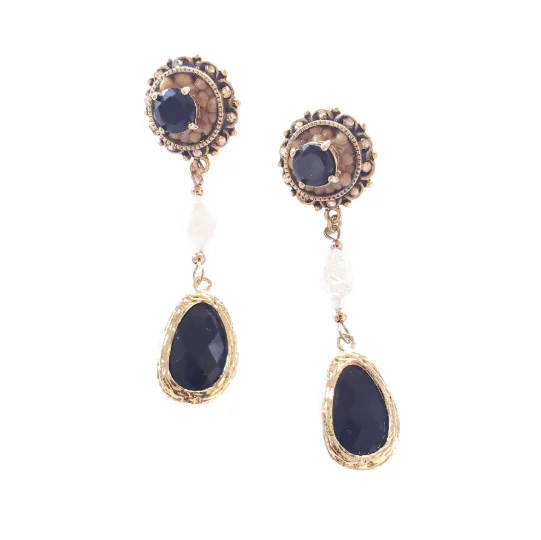
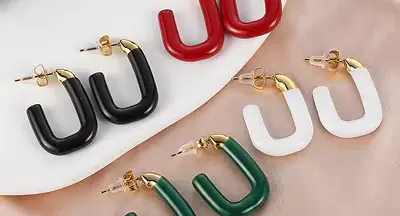
Statement earrings are a high-margin fashion category driven primarily by design rather than materials. Production costs are often modest, while retail prices reflect bold aesthetics and trend appeal.
This category performs well in social commerce and seasonal campaigns. However, trend cycles can be short, requiring careful inventory planning to avoid overstock.
When managed correctly, statement earrings can deliver strong margins in limited production runs.
Wholesale Profit Margin Comparison Table
| Category | Cost Level | Markup Potential | Repeat Rate | Return Risk |
| Moissanite Jewelry | Medium | Very High | High | Low |
| Sterling Silver Minimalist | Medium | High | High | Medium |
| Gold-Plated Brass | Low | High | Medium | Medium |
| Luxury-Inspired Jewelry | Low–Medium | High | High | Medium |
| Cubic Zirconia Fashion Jewelry | Low | Medium–High | Medium | Medium |
| Personalized / Engraved Jewelry | Low–Medium | High | Medium | Low |
| Stainless Steel Jewelry | Low | Medium | Very High | Very Low |
| Dainty Everyday Jewelry Sets | Low | Medium–High | High | Low |
| Birthstone Jewelry | Low–Medium | Medium–High | High | Medium |
| Statement Earrings | Low | High | Medium | Medium |
High-Margin Categories with Hidden Risks
Not all high-margin categories are suitable for every wholesale buyer. Some products require advanced quality control, while others depend heavily on trend timing or customization accuracy.
For example, categories with natural stones may introduce variability in color and clarity, increasing customer disputes. Highly trend-driven items can generate impressive short-term margins but lose value quickly if demand shifts.
Understanding these risks allows buyers to balance their product mix and avoid overreliance on any single category.
How Wholesale Buyers Can Maximize Margins Across Categories
Successful wholesale buyers rarely rely on a single product type. Instead, they combine categories strategically to balance risk and profitability.
Common margin-optimization strategies include:
- Pairing high-repeat, low-risk items with higher-margin statement pieces
- Expanding winning designs into sets or collections
- Using private-label or OEM options to differentiate without increasing material cost
- Maintaining consistent quality standards to reduce returns and negative feedback
These approaches help stabilize cash flow and support long-term growth.
Final Thoughts: Choosing Jewelry Categories for Long-Term Wholesale Success
High wholesale profit margins are rarely accidental. They result from thoughtful category selection, disciplined sourcing, and a clear understanding of how cost, risk, and demand interact.
The categories outlined in this article demonstrate that the most profitable jewelry products are not always the most expensive or the most fashionable. Instead, they are the ones that combine scalability, repeat demand, and controlled risk.
For wholesale buyers and online sellers, using this framework to evaluate new categories can lead to more sustainable and predictable business growth.