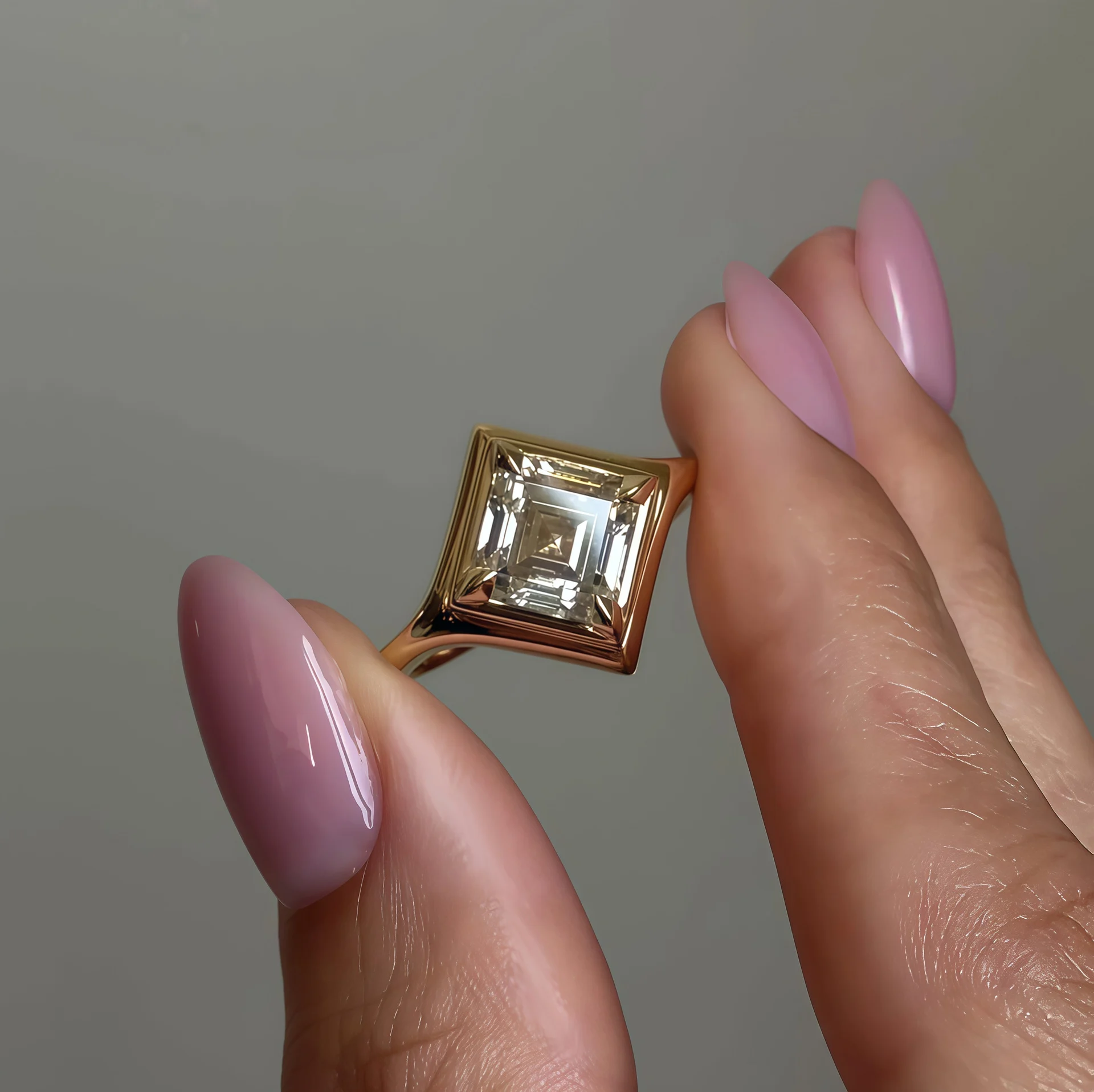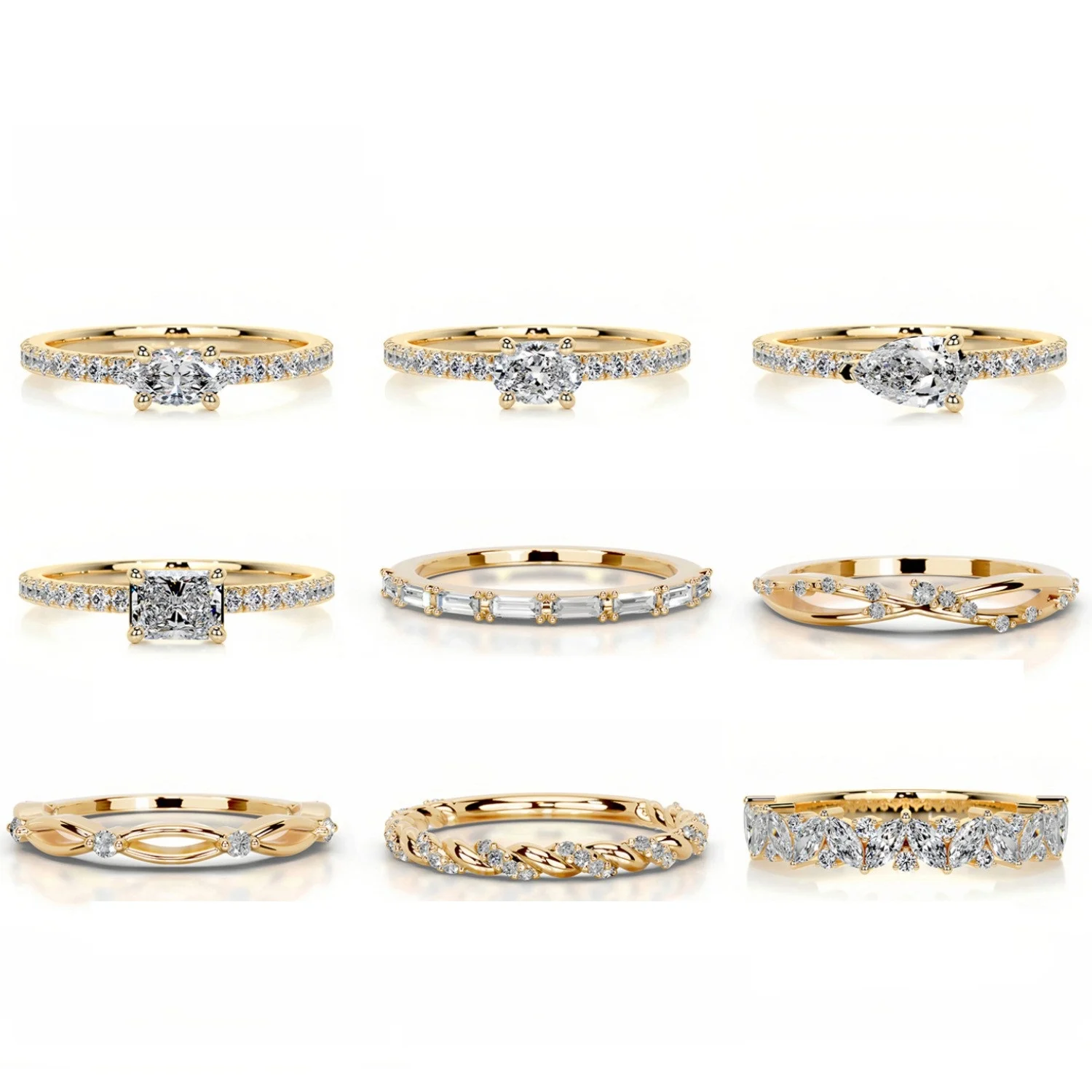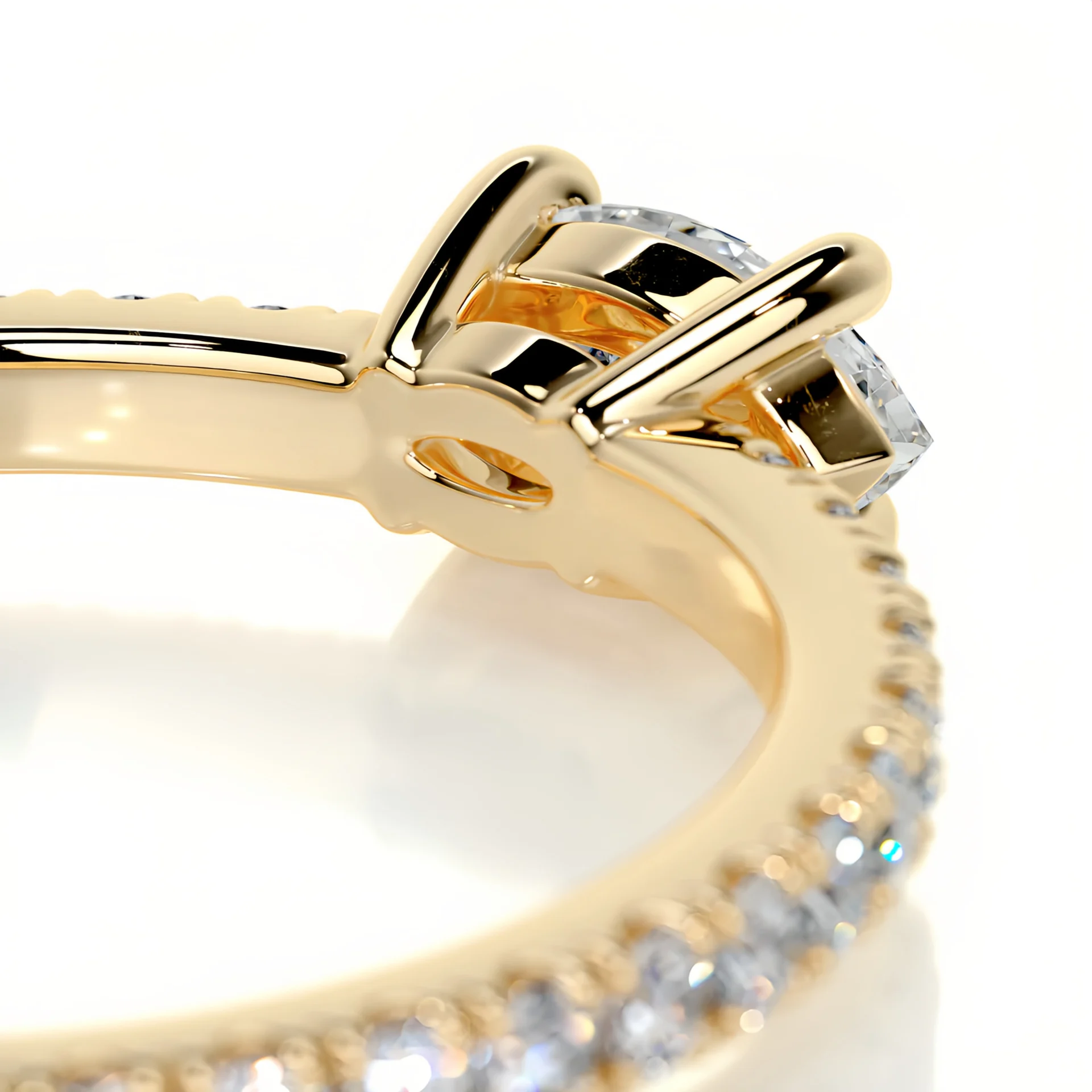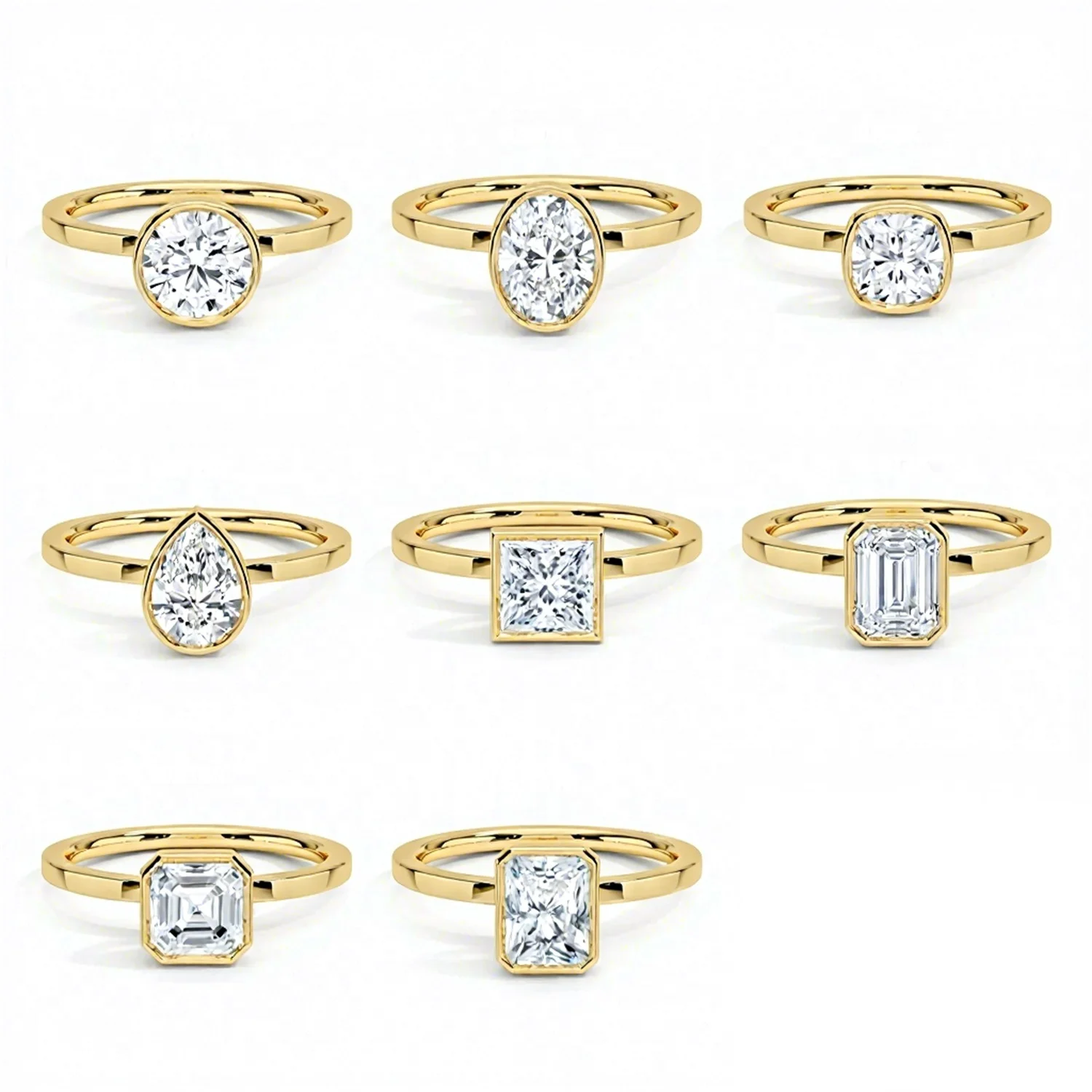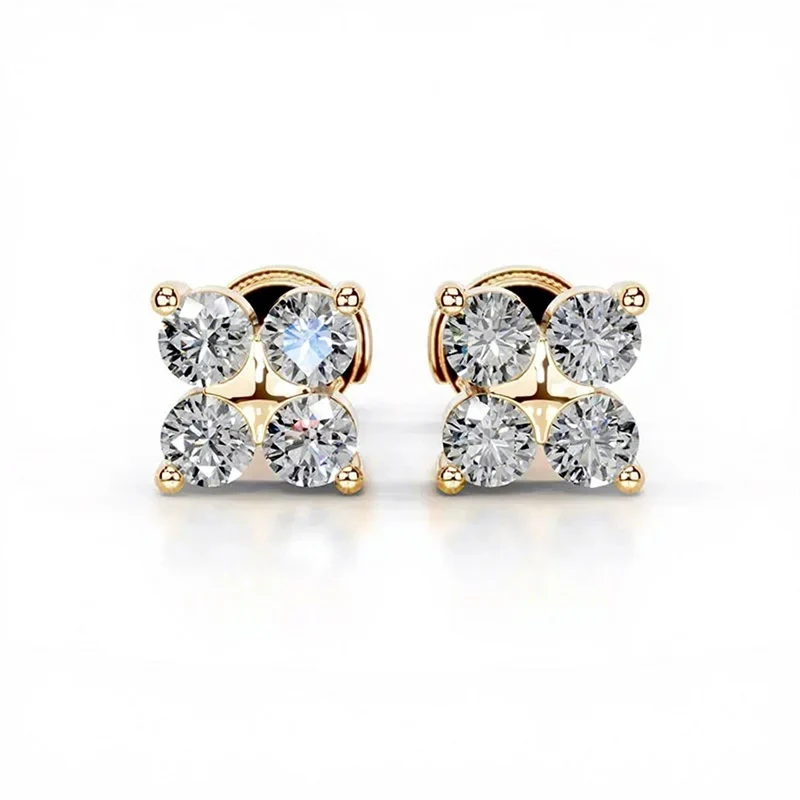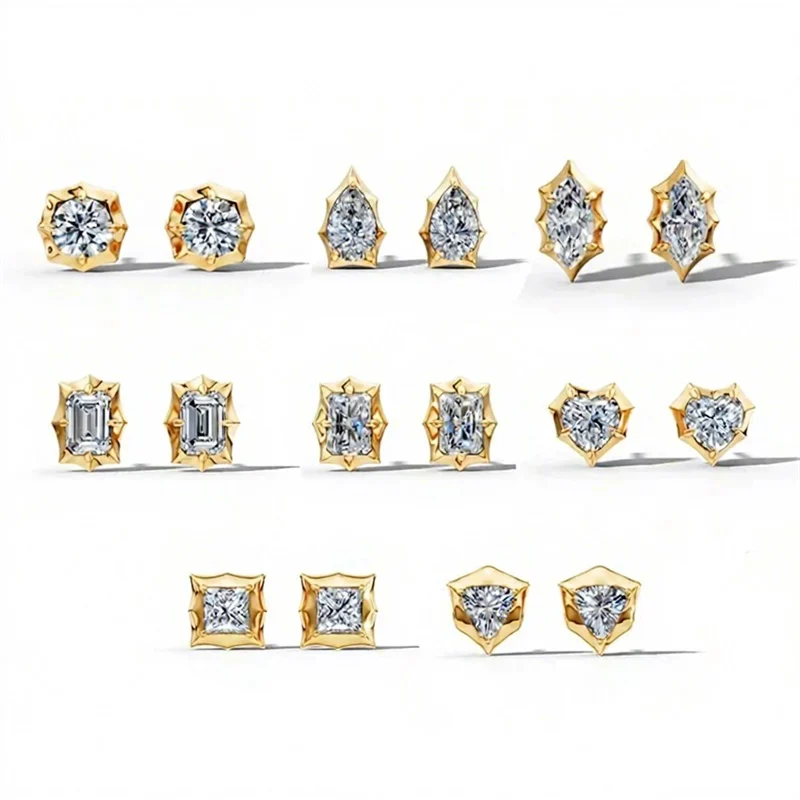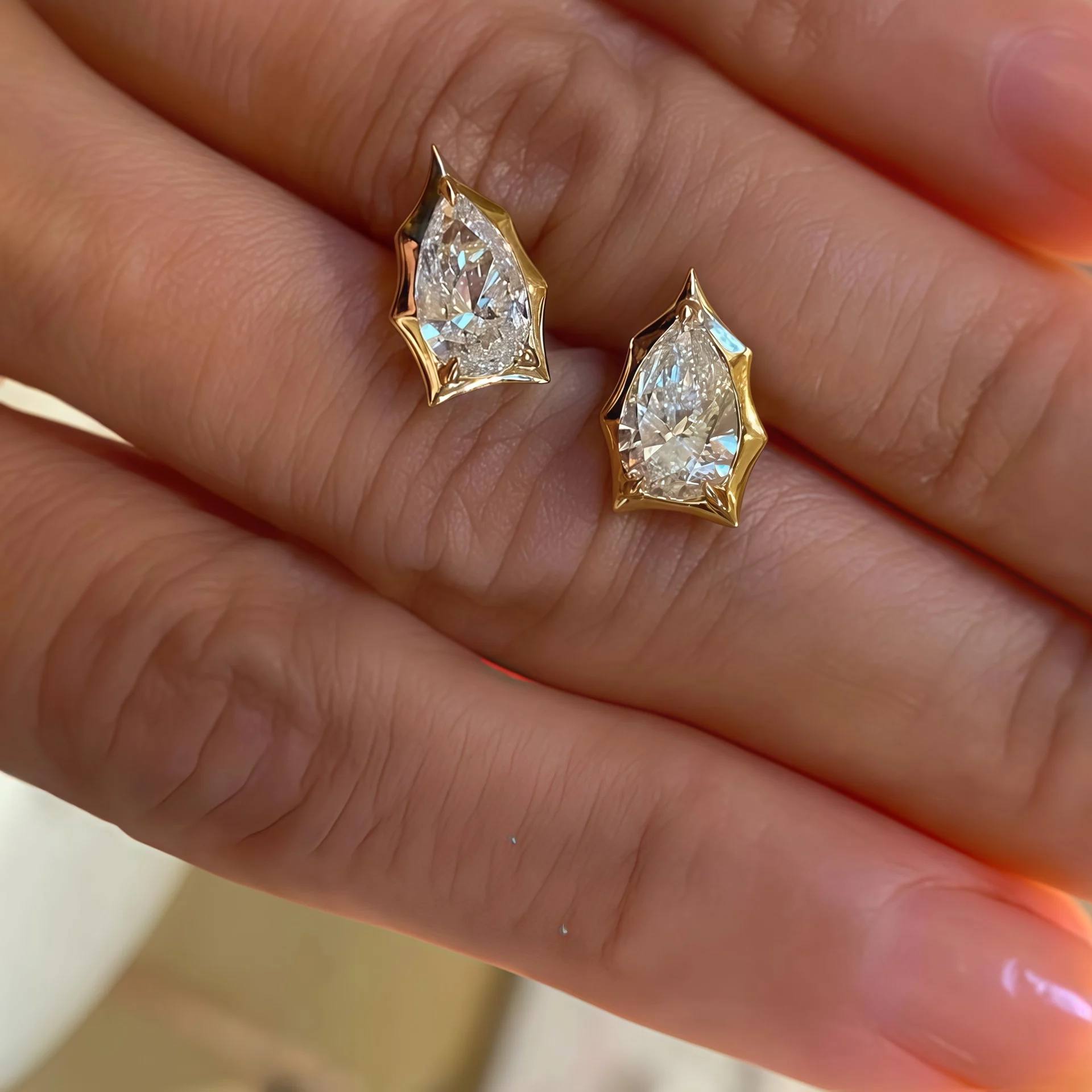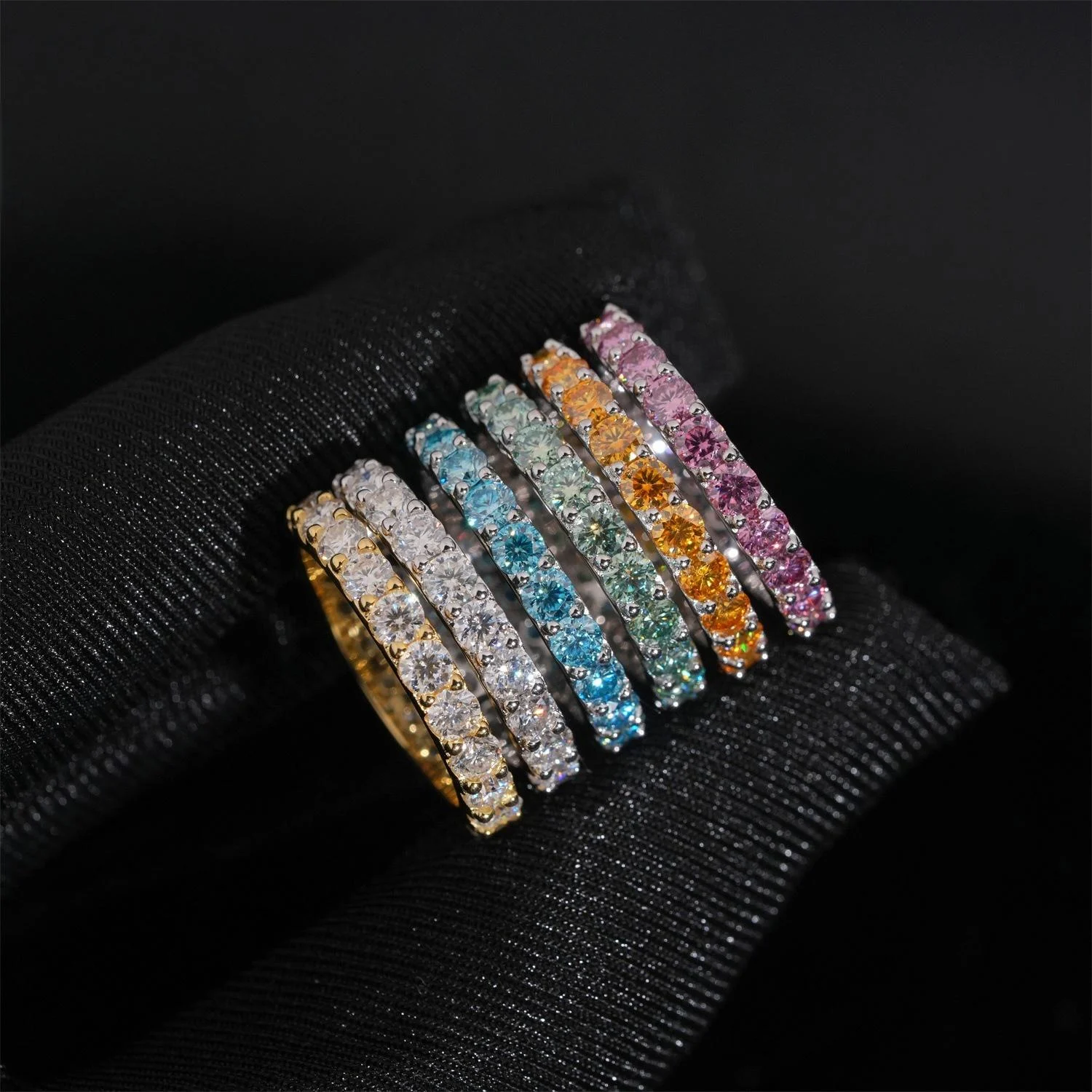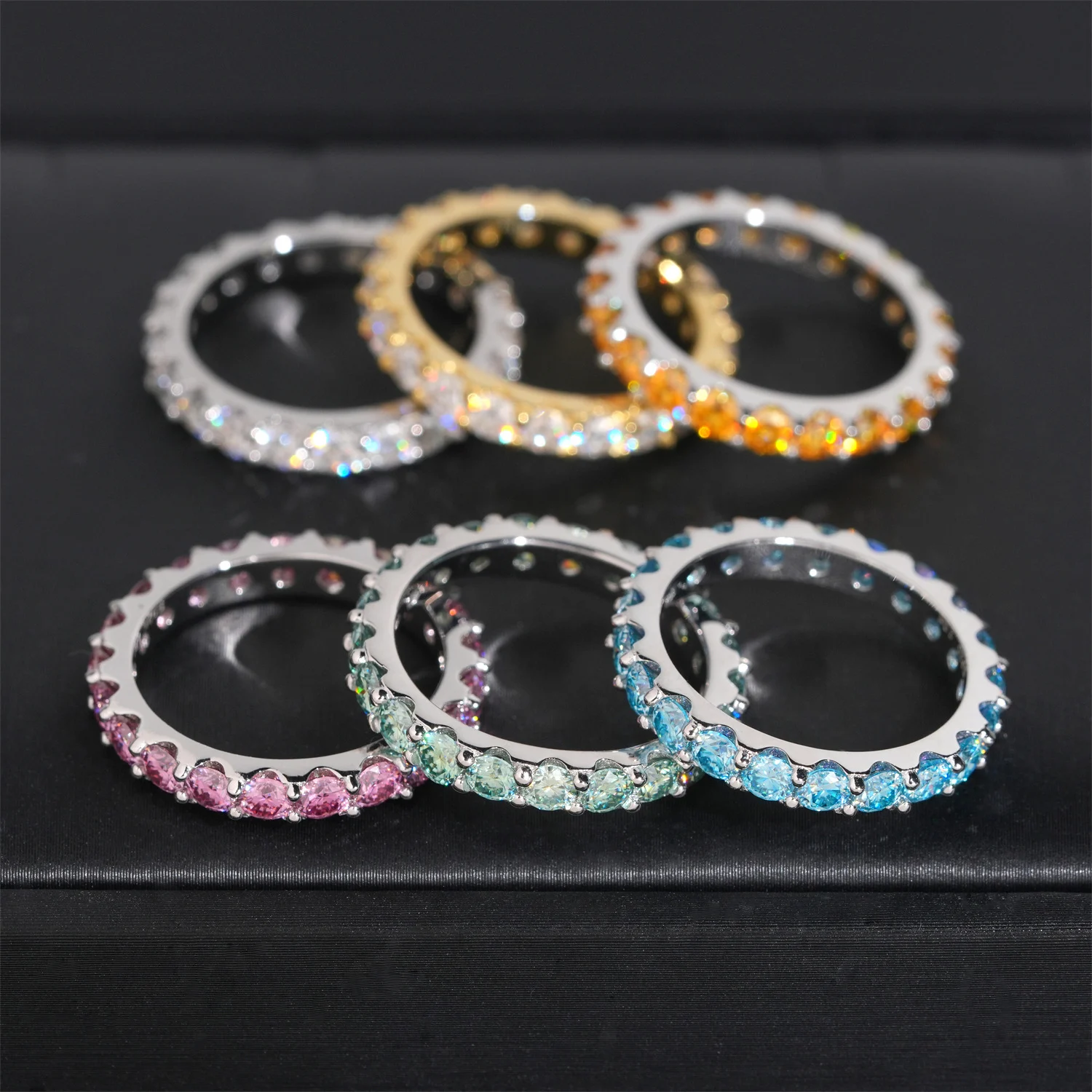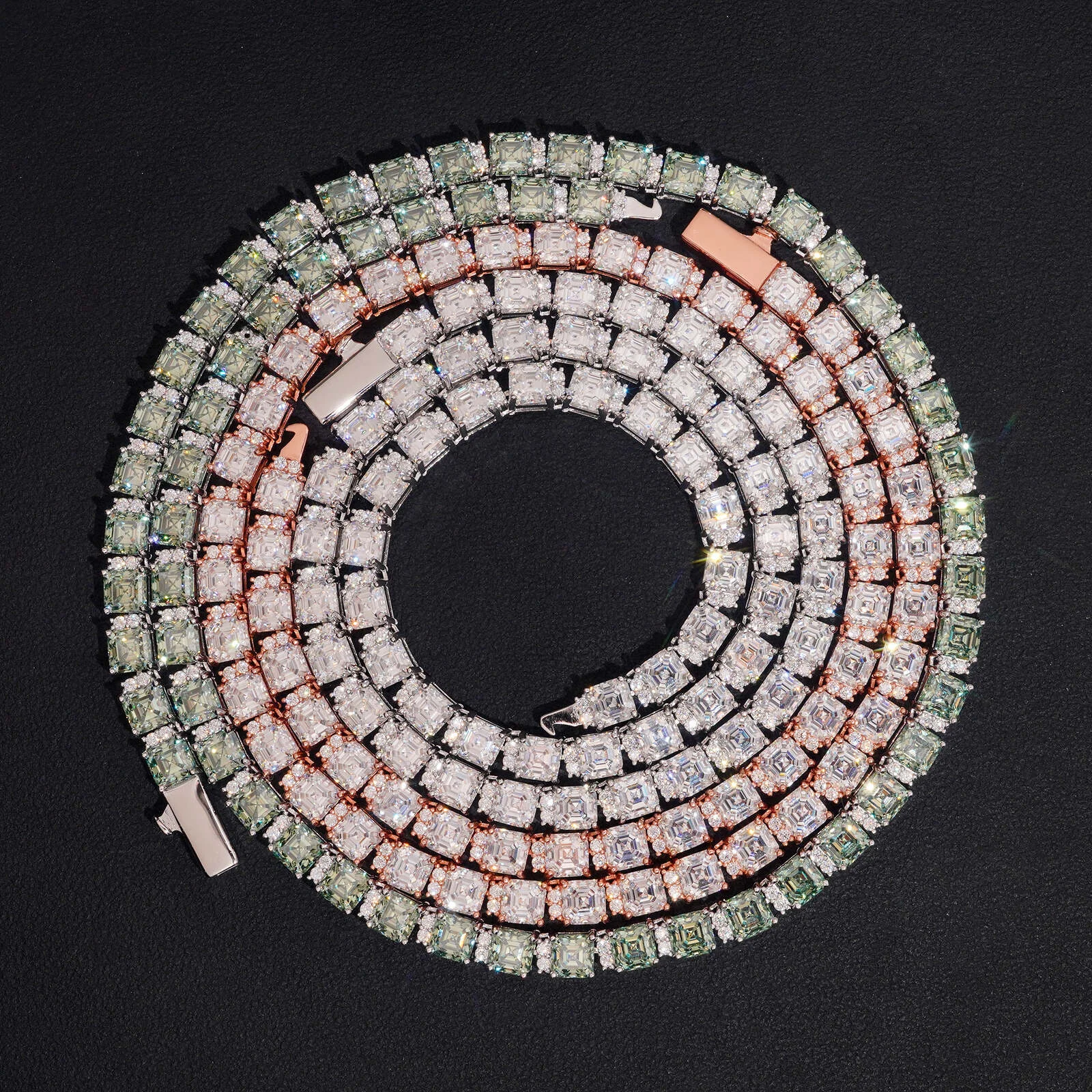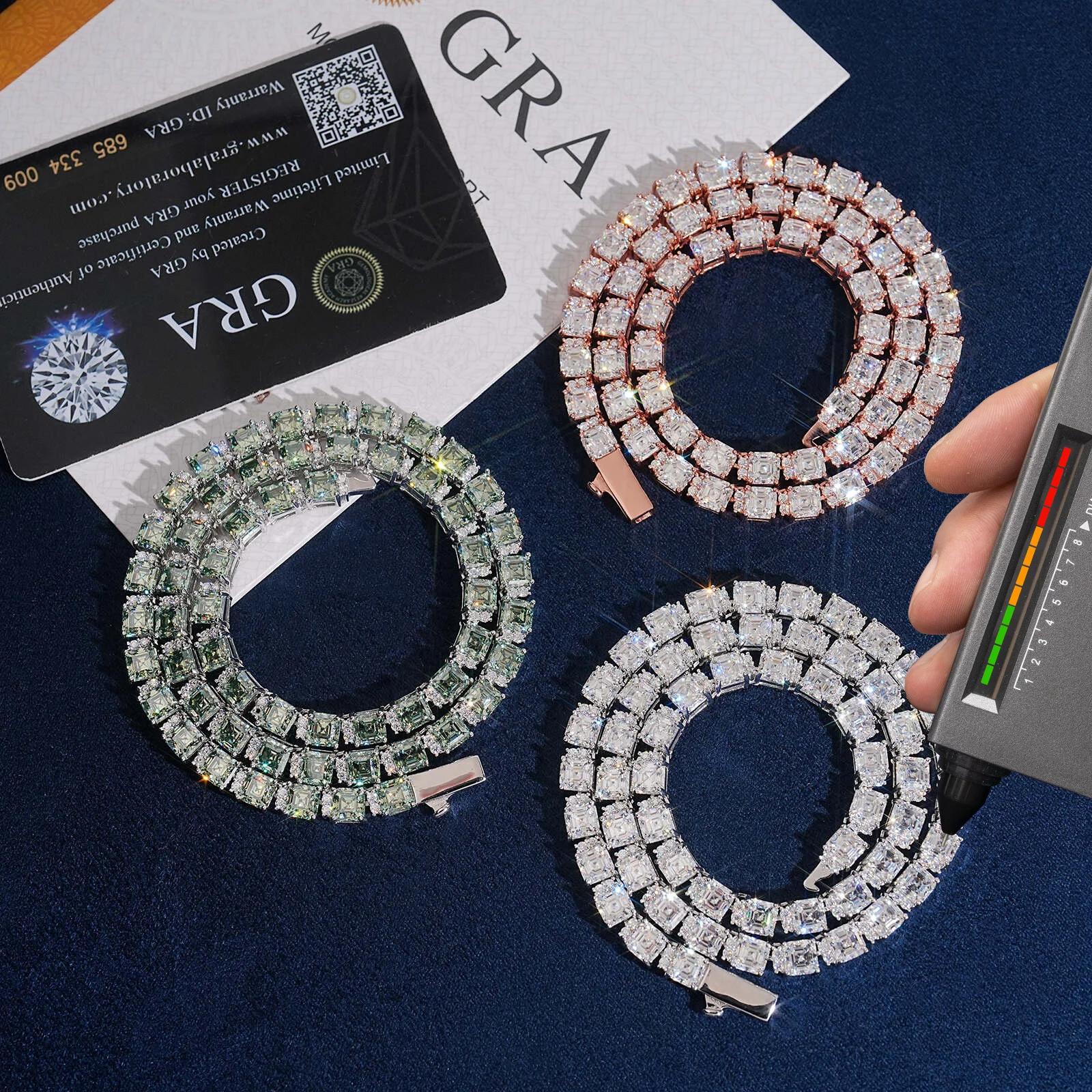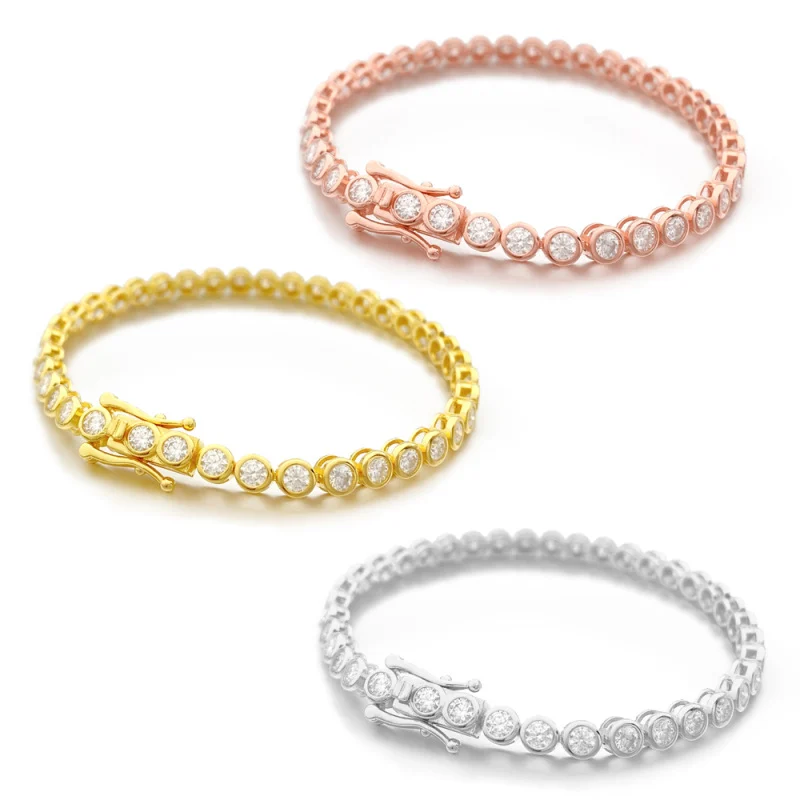








Jewelry design has traditionally been a slow, experience-driven process. Designers rely on hand sketches, CAD modeling, repeated revisions, and physical samples before a single piece is ready for production. While this approach ensures craftsmanship, it also limits speed, scalability, and flexibility—especially in today’s market where trends change quickly and customization is becoming the norm.
This is where AI Jewelry Design enters the picture.
AI is no longer just a conceptual experiment in the jewelry industry. It is increasingly used as a practical design assistant—helping brands generate ideas faster, explore more styles, and shorten the path from concept to production. For brands offering custom jewelry, low MOQ collections, or private-label services, AI-powered workflows can significantly improve efficiency without sacrificing creative control.
In this guide, you’ll learn how to use AI Jewelry Design step by step, from early concept generation to production-ready designs, with a clear focus on real-world usability rather than theory.
What Is AI Jewelry Design? (And What It Is Not)
AI Jewelry Design refers to the use of artificial intelligence tools to assist, not replace, the jewelry design process. These tools can generate visual concepts, expand design variations, optimize proportions, and support decision-making during early and mid-stage design development.
At its core, AI Jewelry Design combines:
- Generative AI (text-to-image or image-to-image tools)
- AI-assisted 3D modeling and CAD workflows
- Data-driven optimization for materials, structure, and cost
However, it is important to clarify what AI Jewelry Design is not.
AI does not independently design production-ready jewelry. It does not understand stone-setting tolerances, casting shrinkage, or metal behavior the way an experienced jeweler does. Instead, AI functions best as a creative accelerator—one that enhances human expertise rather than replacing it.
When used correctly, AI Jewelry Design allows designers and brands to move faster, explore more ideas, and make better-informed decisions earlier in the workflow.
How to Use AI Jewelry Design: A Step-by-Step Workflow
This section forms the backbone of an effective AI Jewelry Design strategy. Rather than treating AI as a single tool, successful brands integrate it into a structured workflow that aligns creativity with manufacturing realities.
Step 1: Define Jewelry Design Requirements Clearly
AI-generated results are only as good as the inputs behind them. Before opening any AI tool, the first and most critical step is defining your design requirements with clarity.
This does not require technical documents, but it does require strategic thinking. At minimum, you should have a clear understanding of the jewelry category, target customer, and intended production method.
For example, designing a minimalist gold ring for daily wear requires a very different approach than creating a statement moissanite necklace for special occasions. AI needs context to generate relevant outputs.
At this stage, focus on:
- Jewelry type (ring, pendant, earrings, bracelet)
- Target market (luxury, fashion, wholesale, DTC)
- Core materials (gold, silver, platinum, moissanite, lab-grown diamonds)
- Style direction (minimalist, vintage, bold, geometric)
Clear constraints help AI generate designs that are not only visually appealing but also commercially viable.
Step 2: Generate AI Jewelry Design Concepts
Once the design framework is defined, AI can be introduced to generate early-stage concepts. This is where AI Jewelry Design delivers its most immediate value.
Using text-to-image or image-to-image tools, designers can translate abstract ideas into visual concepts within minutes. Instead of sketching dozens of variations by hand, AI can produce multiple stylistic interpretations from a single prompt.
A well-structured prompt often includes:
- Jewelry type and material
- Stone shape and setting style
- Mood or aesthetic reference
- Target audience or usage scenario
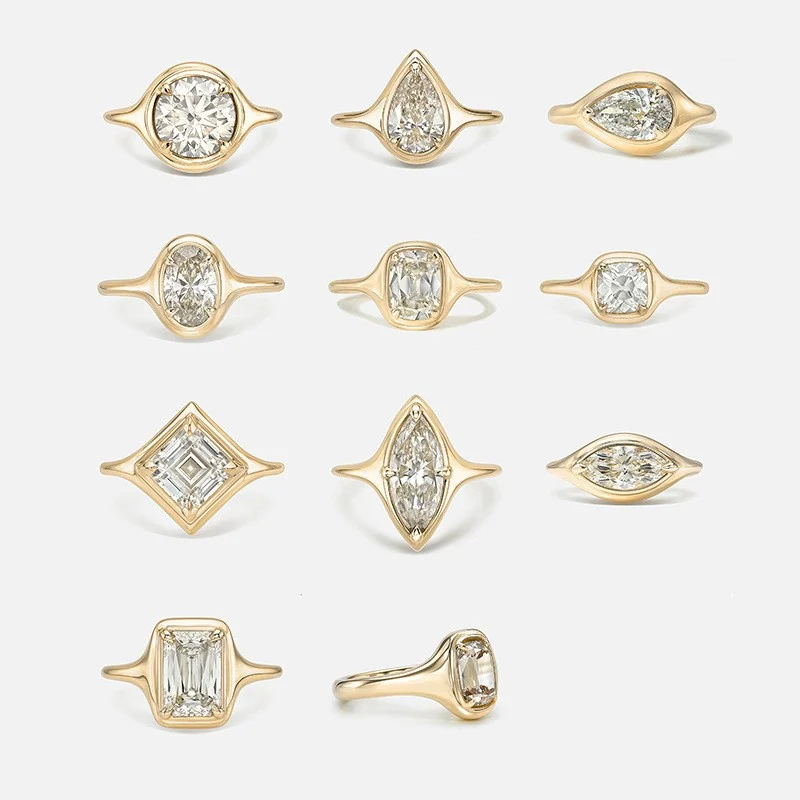
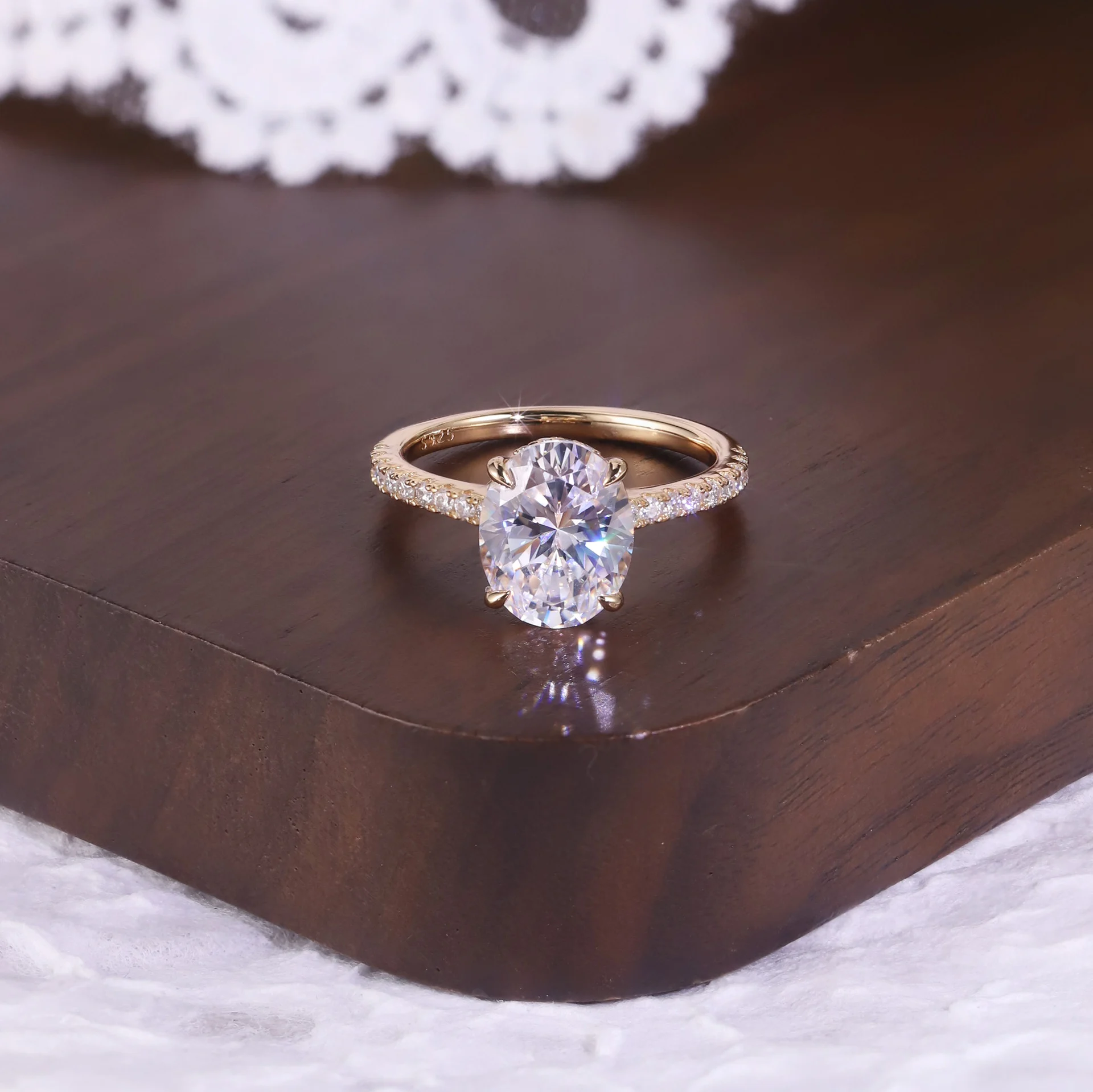
For example, a prompt like “Minimalist 14K gold engagement ring with oval moissanite, thin band, modern setting, soft lighting, luxury jewelry style” provides far more actionable guidance than a generic description.
At this stage, AI designs should be treated as conceptual inspiration, not final designs. The goal is breadth—exploring styles, proportions, and visual directions efficiently.
Step 3: Expand and Compare Design Variations
One of the most overlooked advantages of AI Jewelry Design is its ability to generate controlled variations.
Instead of creating entirely new designs from scratch, AI can iterate on a strong concept by adjusting:
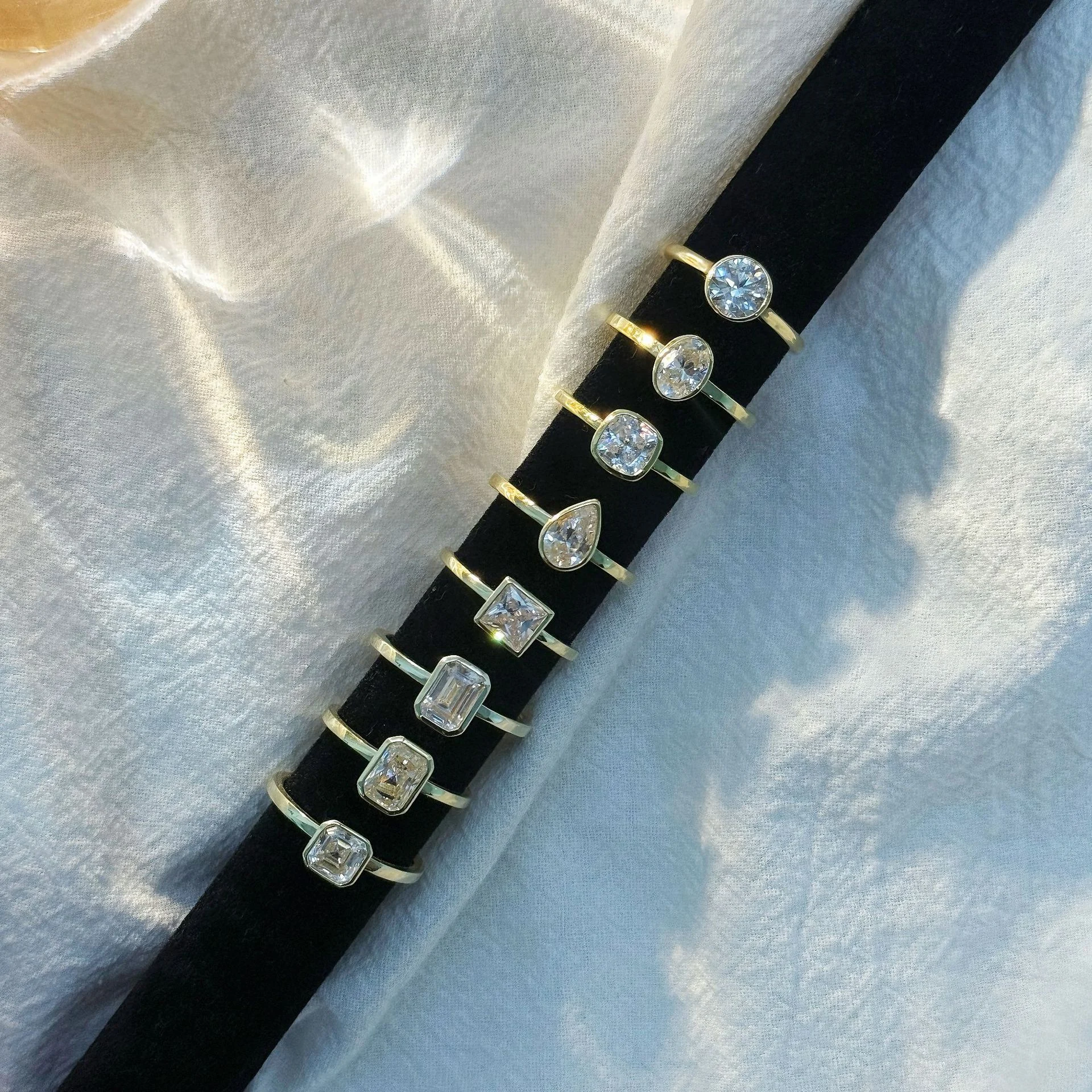
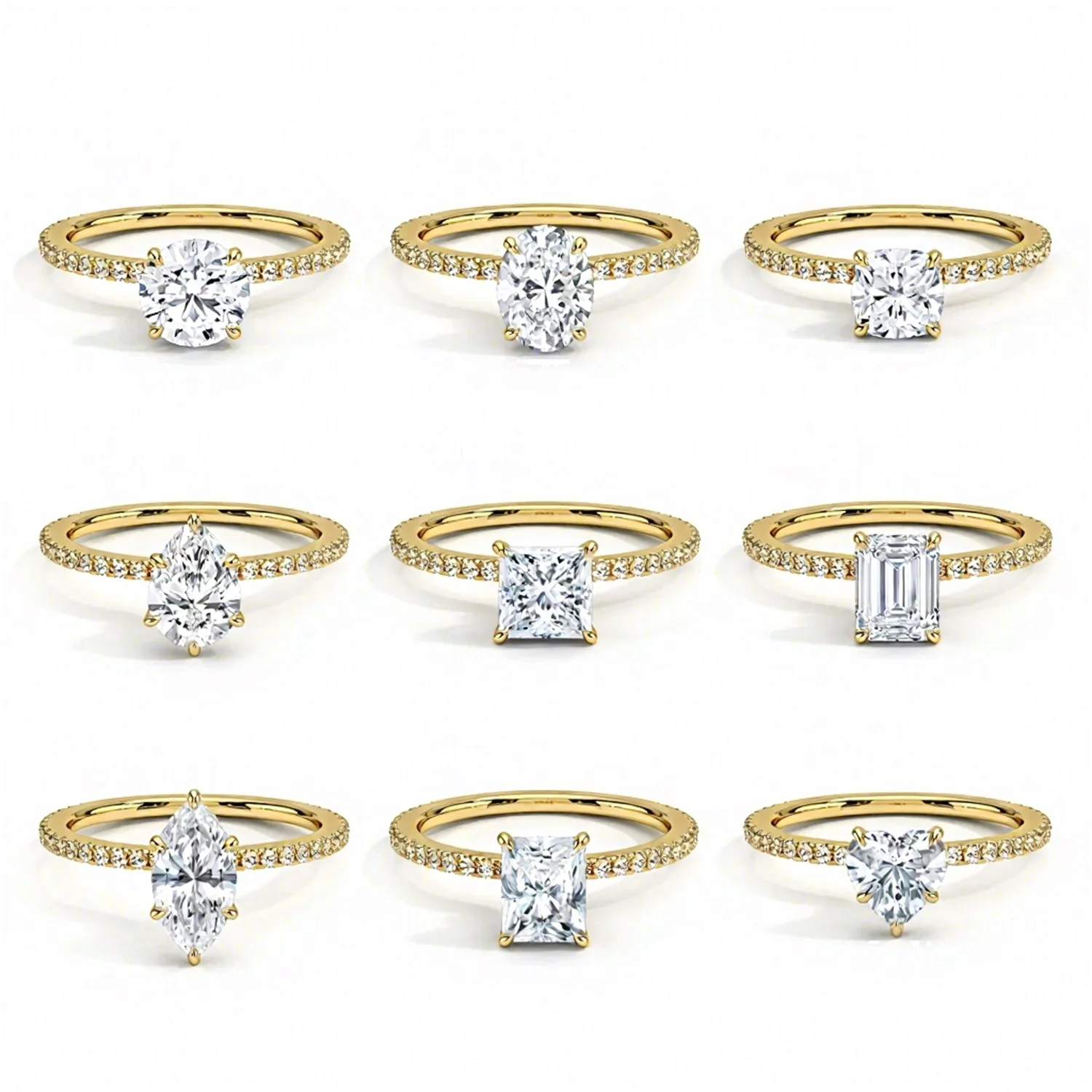
- Stone size or shape
- Band width or profile
- Setting height
- Decorative elements
This allows brands to quickly evaluate multiple design directions side by side. For custom jewelry businesses, this step is particularly valuable, as it enables fast client-facing visualization without immediate CAD investment.
At this point, teams can narrow down designs based on:
- Brand consistency
- Market suitability
- Estimated production cost
- Wearability and practicality
Designs that fail these criteria can be filtered out early, saving time and resources downstream.
Step 4: Evaluate AI Jewelry Designs for Manufacturability
AI-generated visuals often look perfect—but perfection in images does not guarantee feasibility in real-world production.
Before moving into CAD modeling, each shortlisted design must be reviewed through a manufacturing lens. This step bridges the gap between creative exploration and technical execution.
Key considerations include:
- Stone setting feasibility (prong spacing, seat depth)
- Structural strength (thin bands, unsupported elements)
- Metal weight and balance
- Comfort for daily wear
Experienced designers or production teams play a crucial role here. AI may suggest ultra-thin structures or floating stones that are visually striking but impractical to manufacture reliably.
By addressing these issues early, brands avoid costly redesigns later in the workflow.
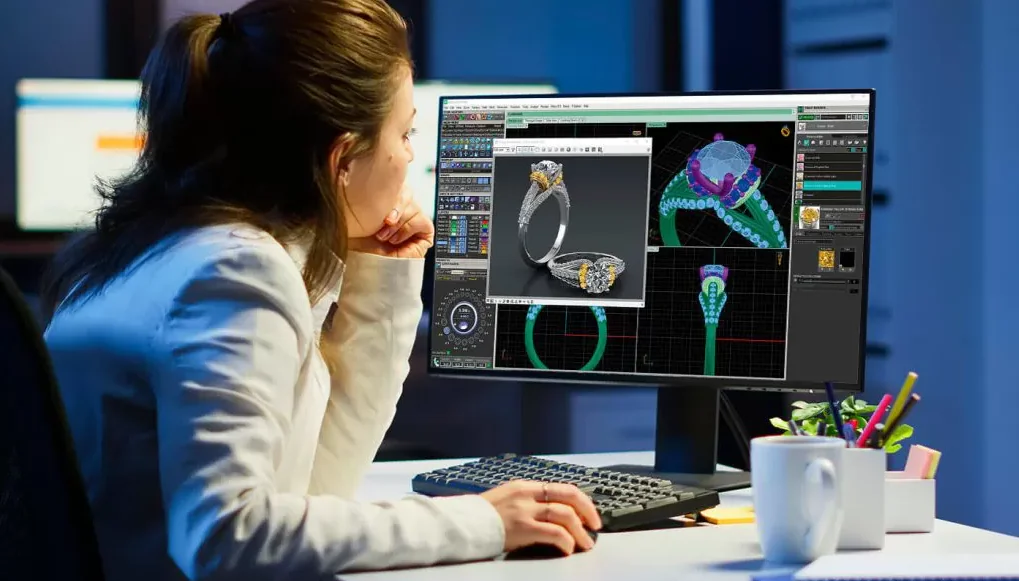
Step 5: Convert AI Concepts into CAD-Ready Jewelry Models
After concept validation, AI Jewelry Design transitions from visual ideation to technical development.
At this stage, AI does not replace CAD software but supports the modeling process. Designers use AI-generated visuals as references while building precise geometry in tools such as Rhino, MatrixGold, or Blender.
AI can assist in this phase by:
- Providing multiple angle references
- Suggesting proportional adjustments
- Accelerating repetitive modeling tasks through plugins or scripts
The key is alignment. The final CAD model must faithfully represent the approved AI concept while meeting all technical requirements for casting, stone setting, and finishing.
This hybrid approach—AI for ideation, CAD for execution—offers the best balance between creativity and precision.
Step 6: Optimize Jewelry Designs for Cost and Production
Once a CAD model is created, further optimization is essential. This is where AI Jewelry Design indirectly contributes to profitability.
Design optimization focuses on refining:
- Metal weight without compromising strength
- Stone placement efficiency
- Structural symmetry
- Assembly simplicity
AI-assisted analysis tools can help simulate changes and predict outcomes, allowing designers to make informed adjustments before prototyping.
For brands offering low MOQ or custom jewelry, this step is critical. Small design changes can significantly impact unit cost, especially when scaled across multiple orders.
Step 7: From AI Jewelry Design to Prototyping
With a finalized CAD model, the design moves into physical prototyping. This step remains largely unchanged by AI, but the overall timeline is significantly shorter thanks to earlier efficiency gains.
3D printing, casting, and sample finishing follow standard industry processes. However, because AI-assisted workflows reduce iteration cycles, fewer prototypes are usually required.
This leads to:
- Faster time-to-market
- Lower sampling costs
- More predictable production outcomes
By the time a physical sample is produced, the design has already passed multiple validation layers—creative, technical, and commercial.
Common Mistakes in AI Jewelry Design
Despite its advantages, AI Jewelry Design can be misused if expectations are unrealistic.
Common pitfalls include relying too heavily on AI visuals without technical review, overlooking production constraints, or treating AI output as final artwork rather than a starting point.
Successful brands treat AI as a collaborative tool, integrating it into a structured process rather than using it in isolation.

Future Trends in AI Jewelry Design
As AI technology evolves, jewelry design workflows will become increasingly data-driven. Parametric design, consumer preference analysis, and on-demand customization will play larger roles.
However, craftsmanship and human judgment will remain central. AI will continue to support creativity—not replace it.
Conclusion: How to Start Using AI Jewelry Design Effectively
AI Jewelry Design is not about abandoning traditional methods. It is about working smarter, reducing friction, and unlocking new creative possibilities.
By integrating AI into a clear, step-by-step workflow, jewelry brands can design faster, customize more efficiently, and scale with confidence.
For brands ready to experiment, the best starting point is simple: define your process, choose the right tools, and let AI enhance—not dictate—your creative vision.