







Introduction
The jewelry industry thrives and evolves with consumer tastes, economic shifts, and tech progress. Lately, the B2B jewelry market has grown notably, as retailers, boutiques, and e – commerce platforms look for top – quality, affordable, and stylish jewelry. This blog explores the latest trends in the wholesale jewelry scene. It spotlights best – selling categories, new brands, and key decision – influencing factors for buyers. If you’re a retailer, distributor, or manufacturer, grasping these trends is essential for competing in the ever – changing jewelry market.
Chapter 1: The Rise of B2B Wholesale Jewelry Platform
The digital revolution has swept through the jewelry industry, fundamentally altering the landscape of B2B transactions. Online platforms such as Alibaba, DHgate, and specialized jewelry – specific B2B marketplaces have emerged as global hubs, seamlessly connecting manufacturers, distributors, and retailers. These platforms are virtual treasure troves, offering an extensive and diverse range of jewelry products. From intricately designed necklaces to delicate earrings, the variety is staggering.
One of the most significant advantages of these platforms is the competitive pricing they offer. Manufacturers can directly list their products, cutting out middlemen in many cases, which allows retailers to access jewelry at more affordable rates. Additionally, the logistics on these platforms have been optimized to a great extent. With features like real – time tracking of shipments, retailers can plan their inventory more effectively.
1.1 Efficiency
B2B platforms have streamlined the procurement process to an unprecedented degree. In the past, retailers had to engage in a complex web of communication with multiple suppliers, often resulting in long lead times. Now, with just a few clicks, retailers can browse through thousands of products, compare prices, and place orders. This not only reduces the time taken from order placement to product receipt but also slashes operational costs. For example, a small – scale jewelry retailer in a rural area can now source products from a manufacturer in Asia within a matter of days, rather than weeks or months as was the case before the advent of these platforms.
1.2 Transparency
Trust is the cornerstone of any business relationship, and B2B platforms have recognized this. They provide detailed product descriptions, often accompanied by high – resolution images from multiple angles. Reviews from other buyers are also prominently displayed, giving potential purchasers an insight into the quality and reliability of the products. Moreover, many platforms require sellers to provide certifications for their products, especially when it comes to precious metals and gemstones. This transparency builds a strong foundation of trust between buyers and sellers, ensuring that transactions are smooth and satisfactory for both parties.
1.3 Global Reach
The world has become a global village, and B2B jewelry platforms have capitalized on this. Retailers are no longer restricted to sourcing jewelry from local manufacturers. They can now explore and connect with manufacturers from all corners of the globe. A retailer in Europe can easily source unique, hand – crafted jewelry from artisans in South America, adding a touch of exoticism to their product offerings. This global reach not only diversifies the product range available to retailers but also allows them to tap into different design aesthetics and cultural influences, which can be a major draw for their customers.
Chapter 2: Best-Selling Categories in Wholesale Jewelry
Understanding the ebb and flow of consumer demand for different jewelry categories is of utmost importance for manufacturers and distributors. The following categories are currently at the forefront of the wholesale market, driving sales and setting trends.
2.1 Fine Jewelry
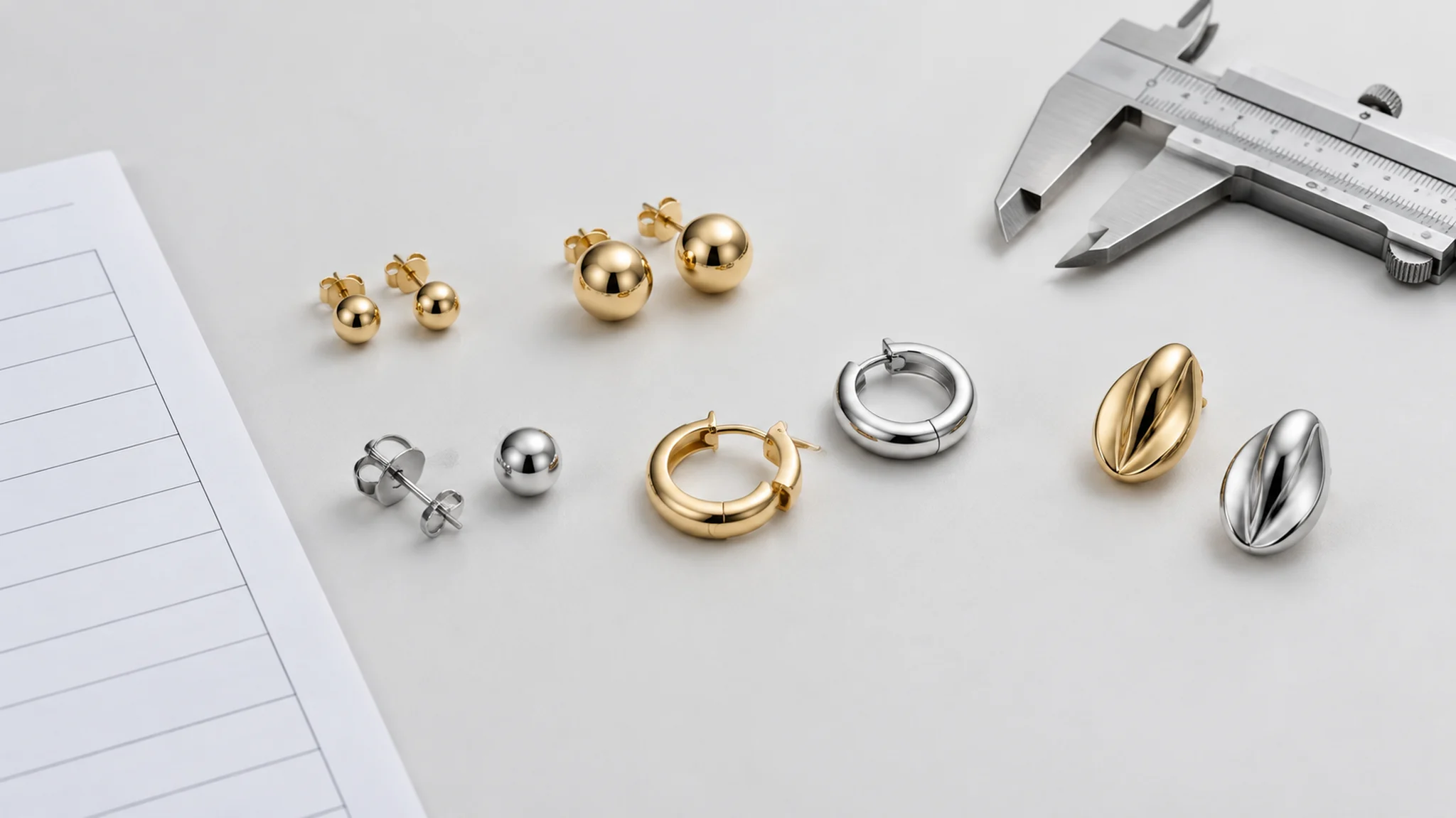
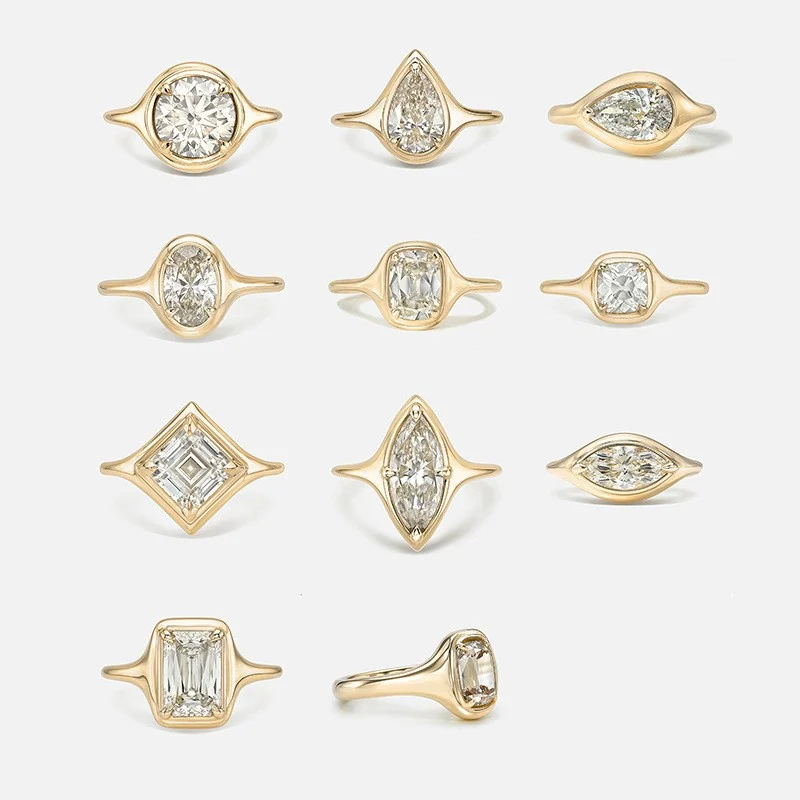
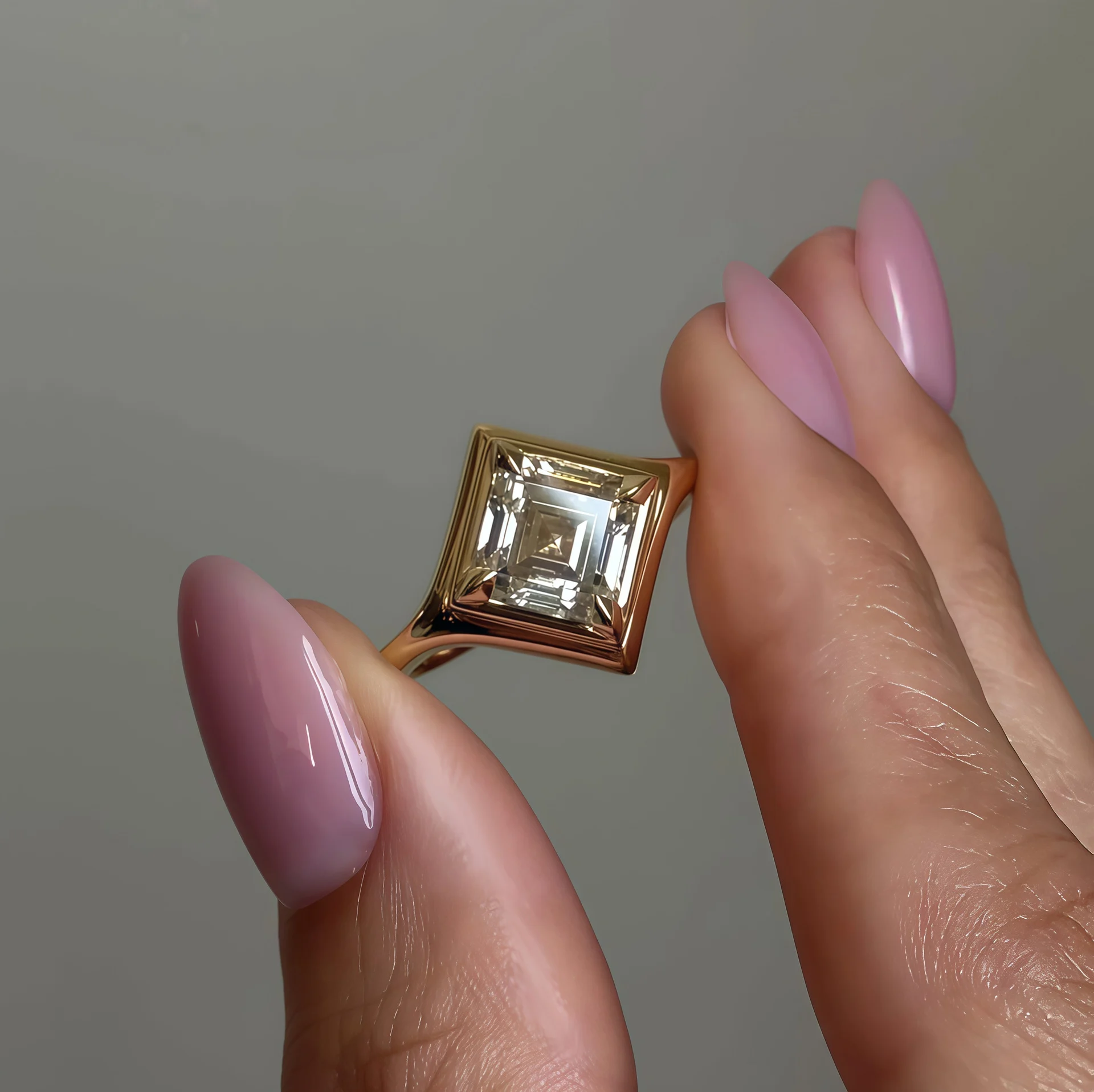
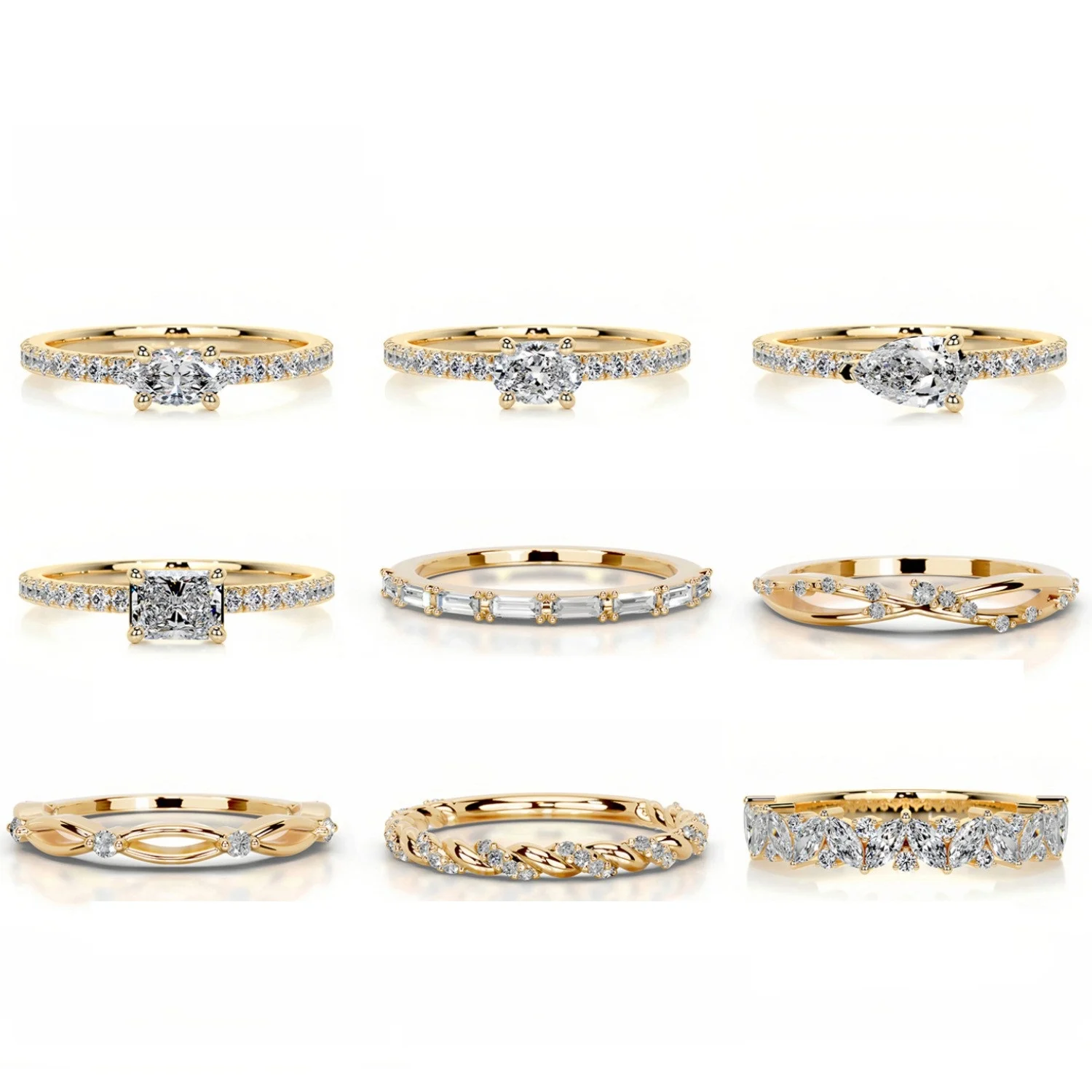
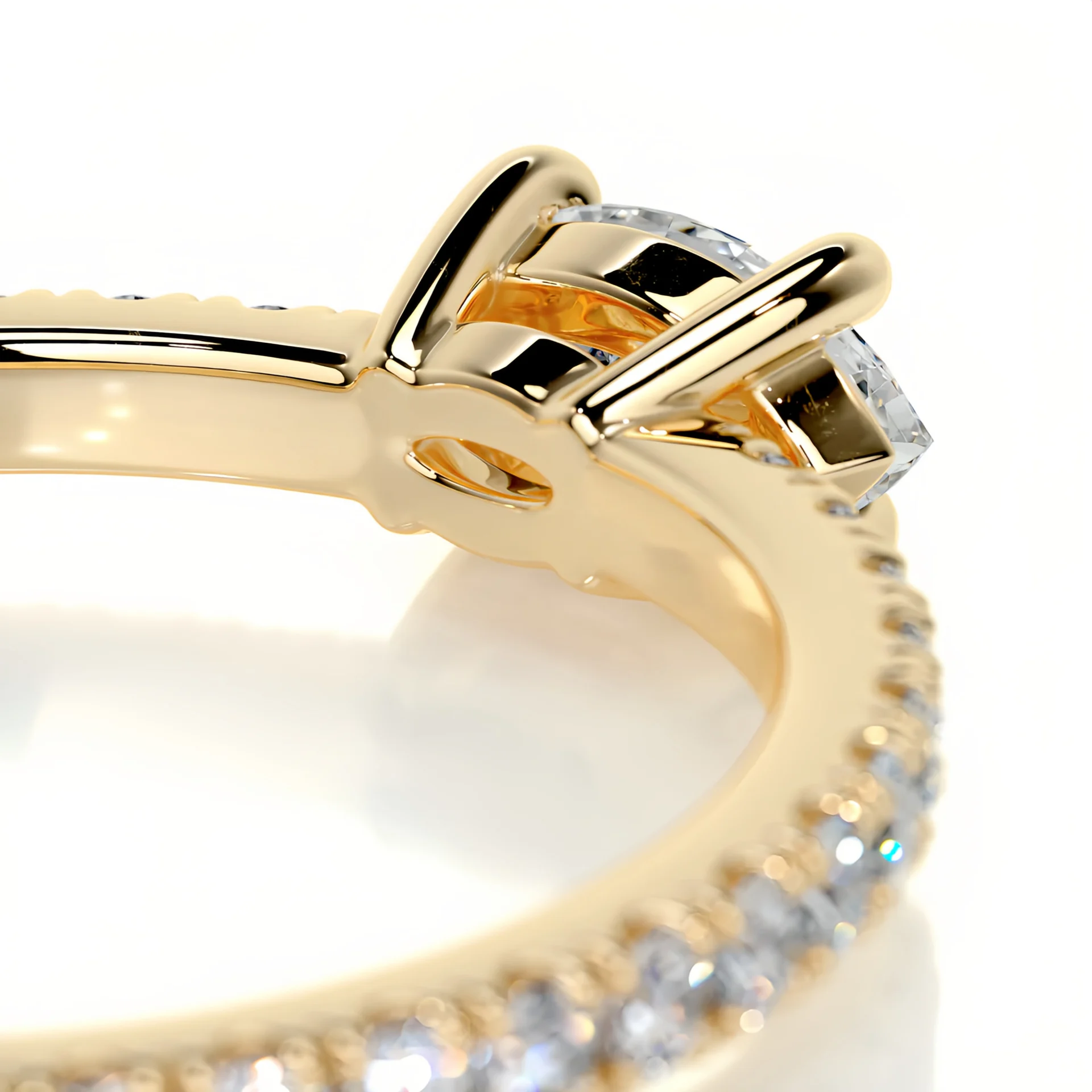
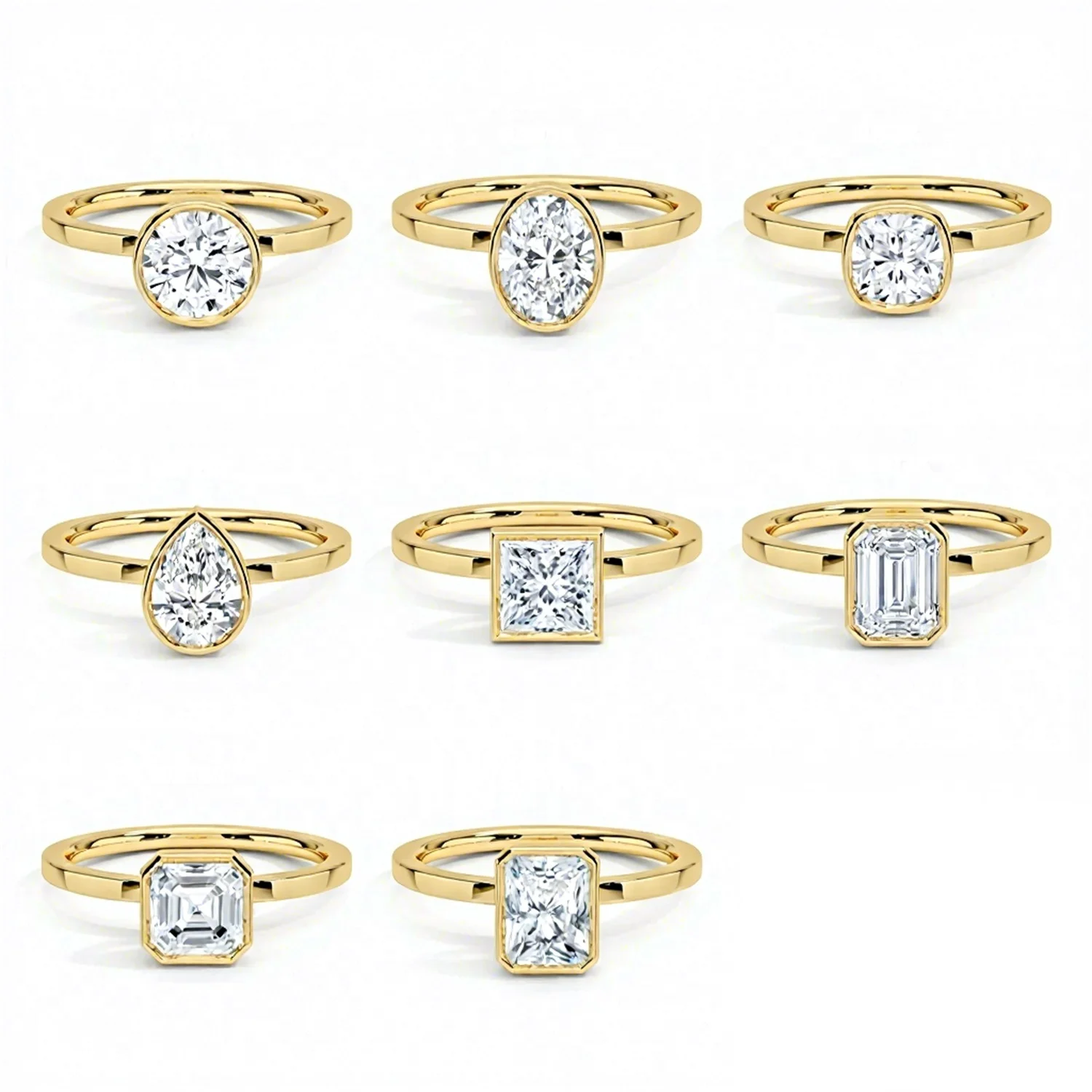
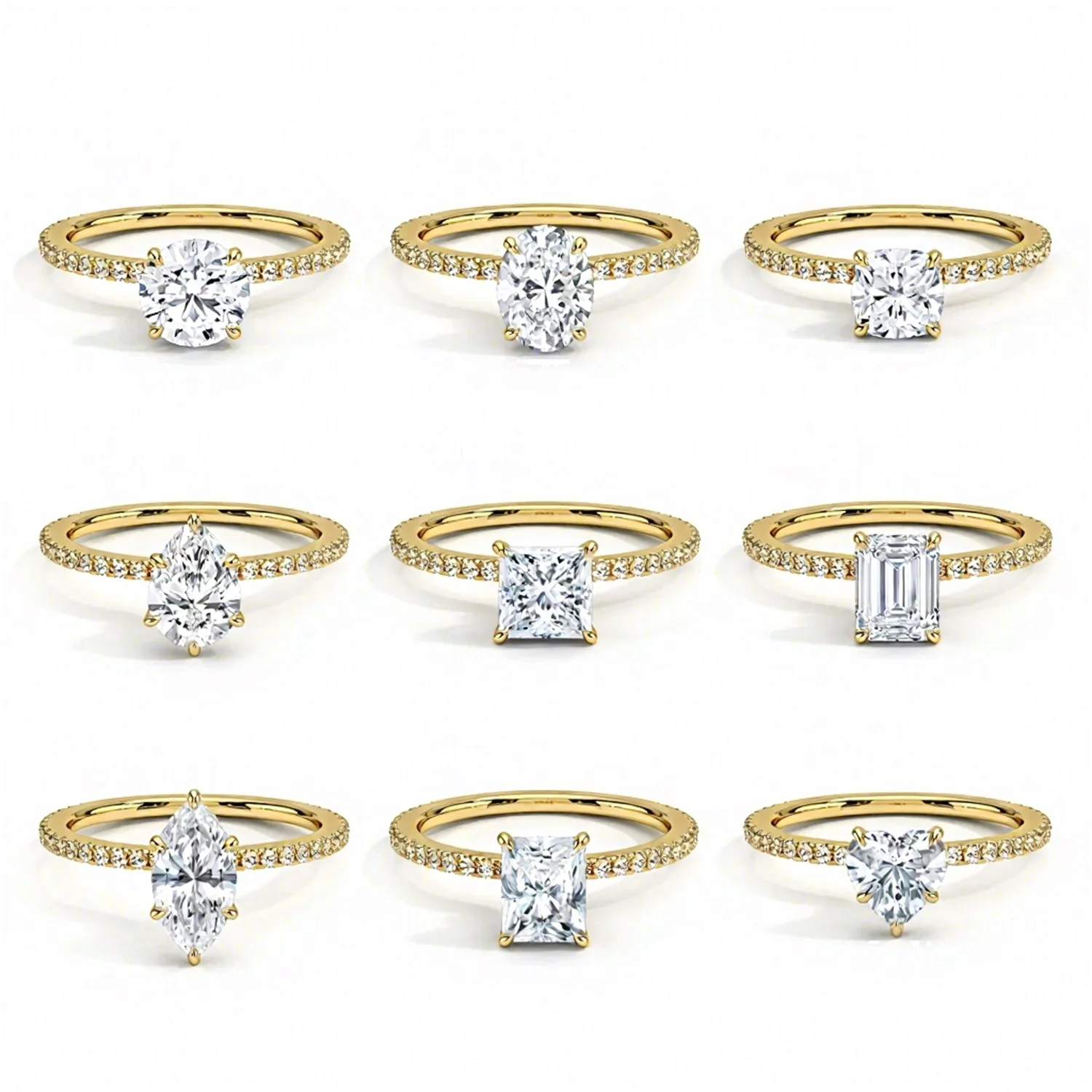
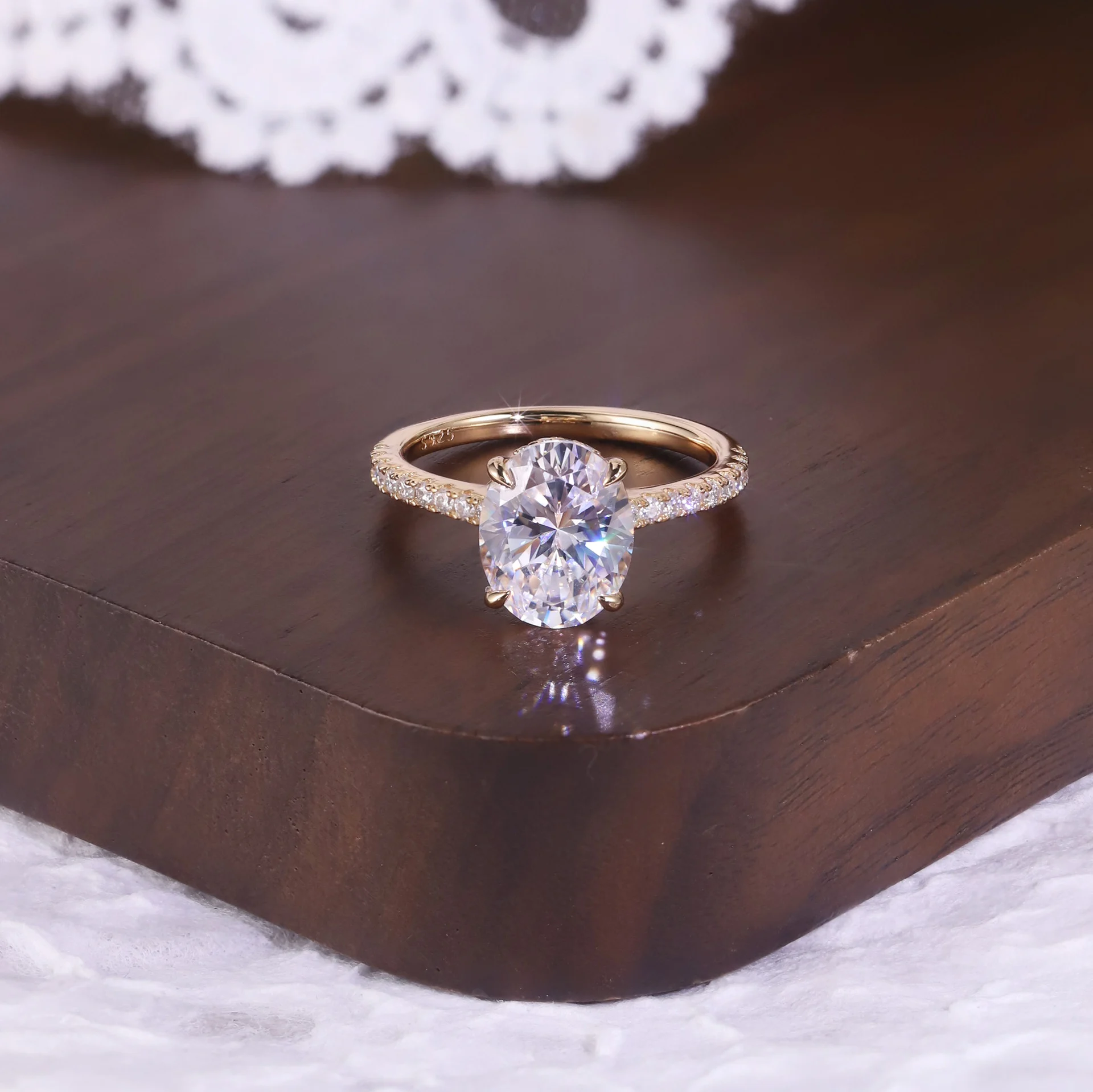
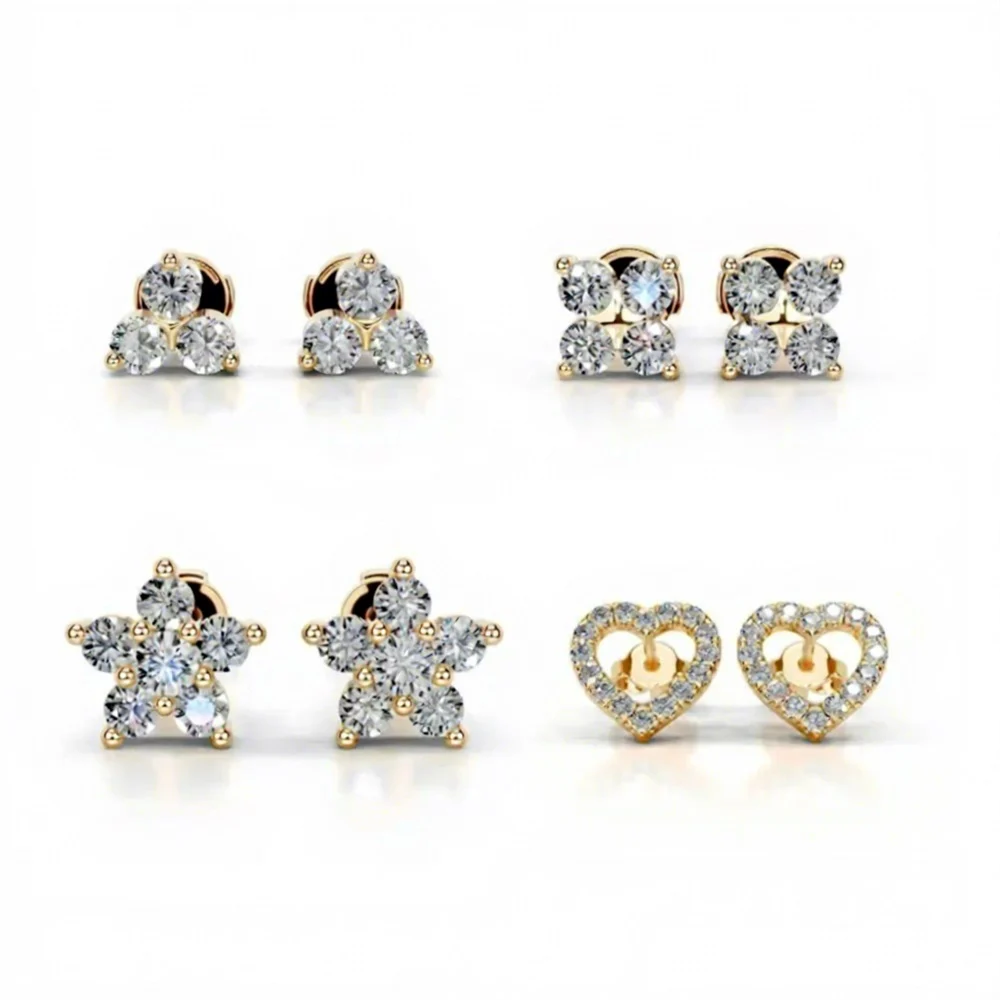
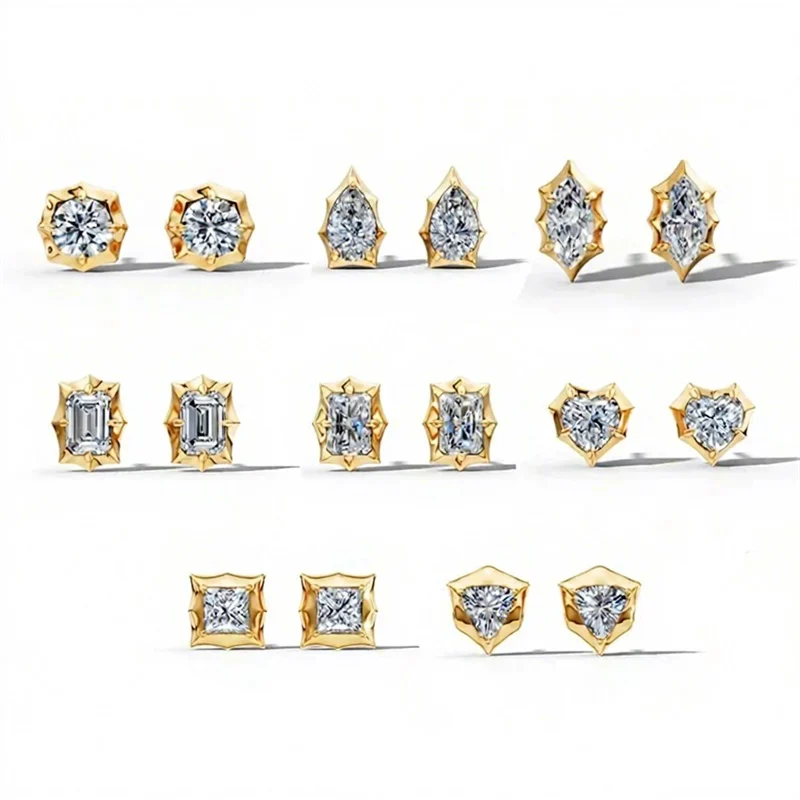
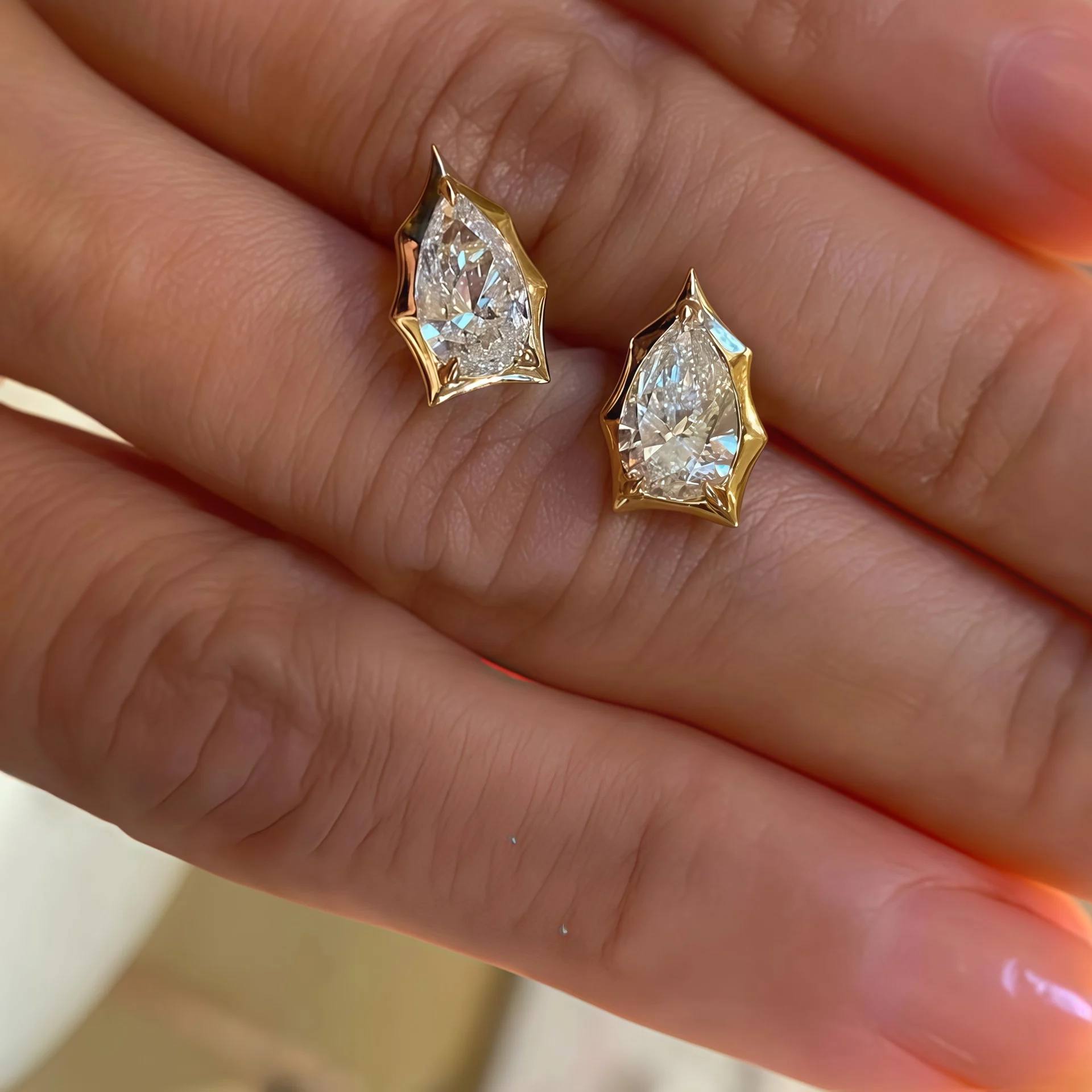
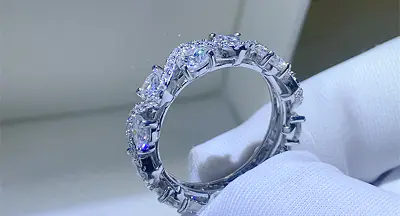
Fine jewelry, meticulously crafted from precious metals like gold, platinum, and silver, remains a cherished segment in the wholesale jewelry market. It holds a special place in consumers’ hearts. In the wholesale jewelry realm, diamond engagement rings, with their timeless charm, are constantly sought – after by retailers. Their diamonds’ cut, clarity, color, and carat are carefully chosen to meet discerning customers’ high – end standards. Gold necklaces, ranging from simple elegant chains to gem – adorned elaborate pieces, are highly demanded in the wholesale jewelry market. They’re suitable for formal and semi – formal events, adding versatility to jewelry collections. Silver bracelets, valued for their affordability and versatility in the wholesale jewelry space, appeal to a broad customer base, from budget – conscious buyers to those who love the simplicity of silver jewelry.
2.2 Fashion Jewelry
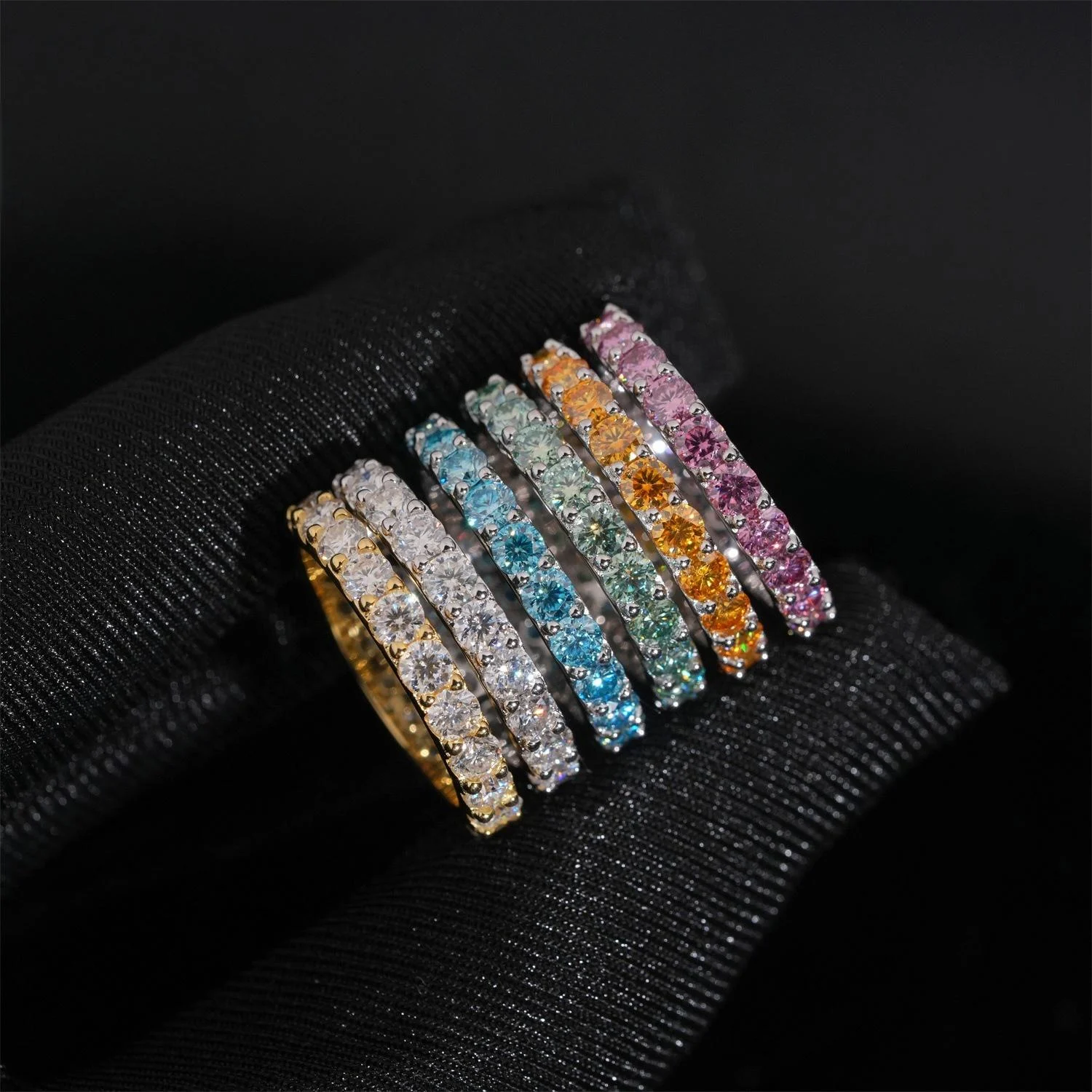
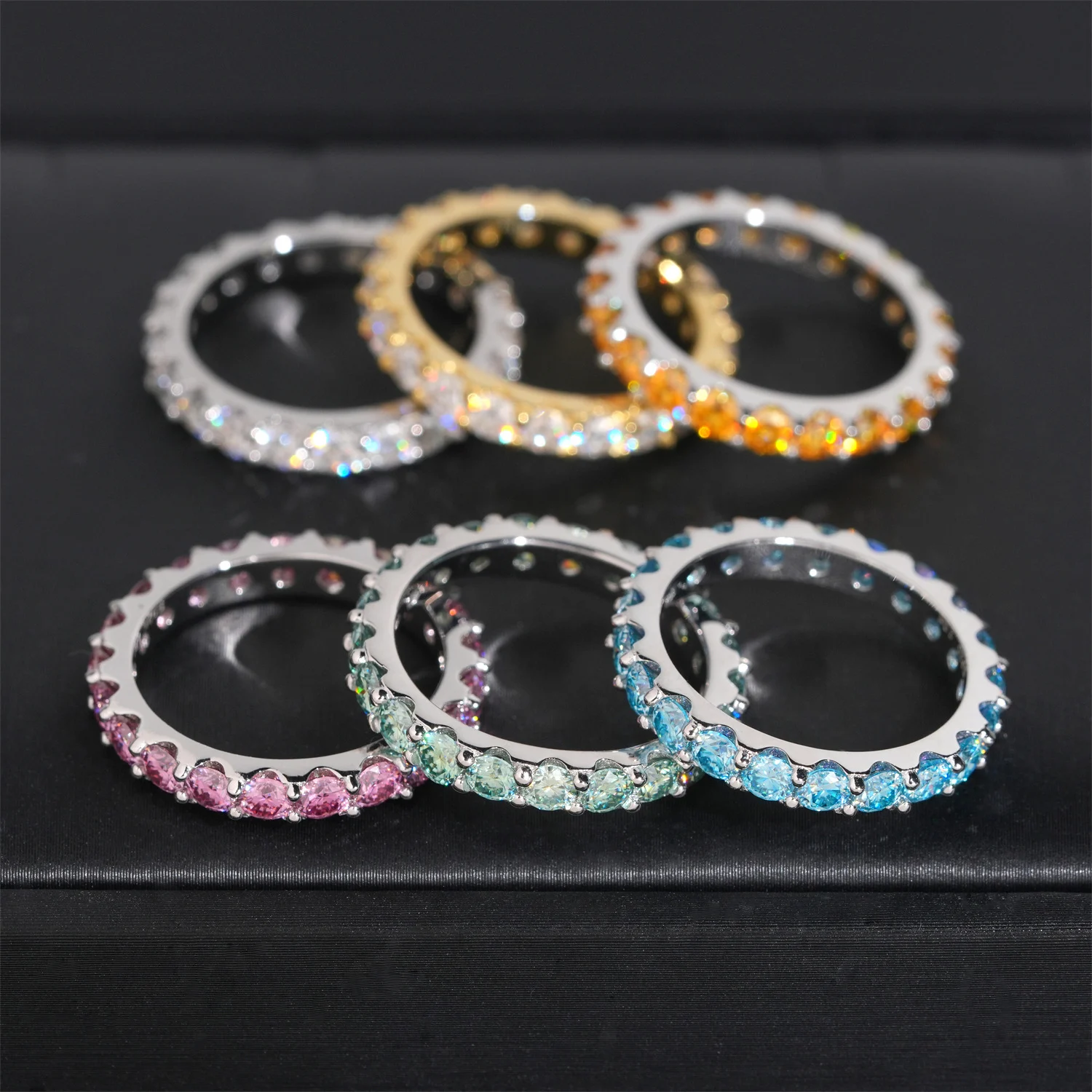
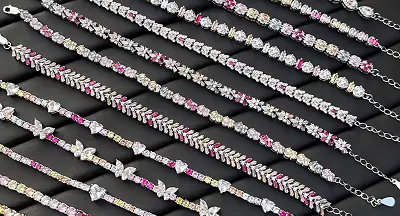
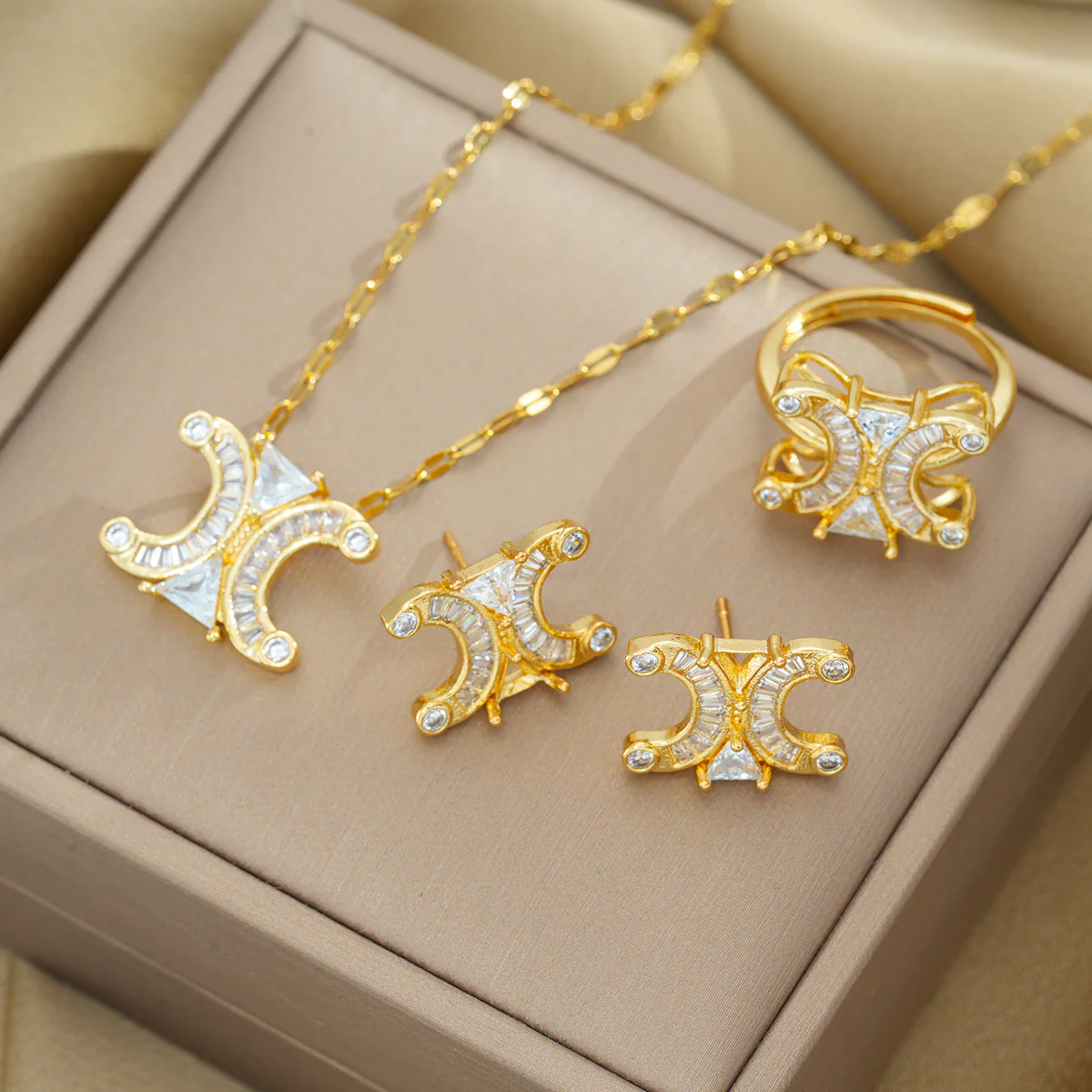
Fashion jewelry is a booming segment in the wholesale jewelry market, known for trendy designs and affordable prices. Social media influencers and celebrity endorsements fuel its popularity. Statement necklaces, with bold designs, are highly favored as they can elevate a plain outfit. Layered bracelets, offering a personalized look, are also trendy. Oversized earrings, like colorful tassel or geometric ones, add drama to any attire. Given the rapid fashion trends, fashion jewelry must be regularly updated. Manufacturers keep creating new designs to stay in line with the latest styles.
2.3 Customizable Jewelry
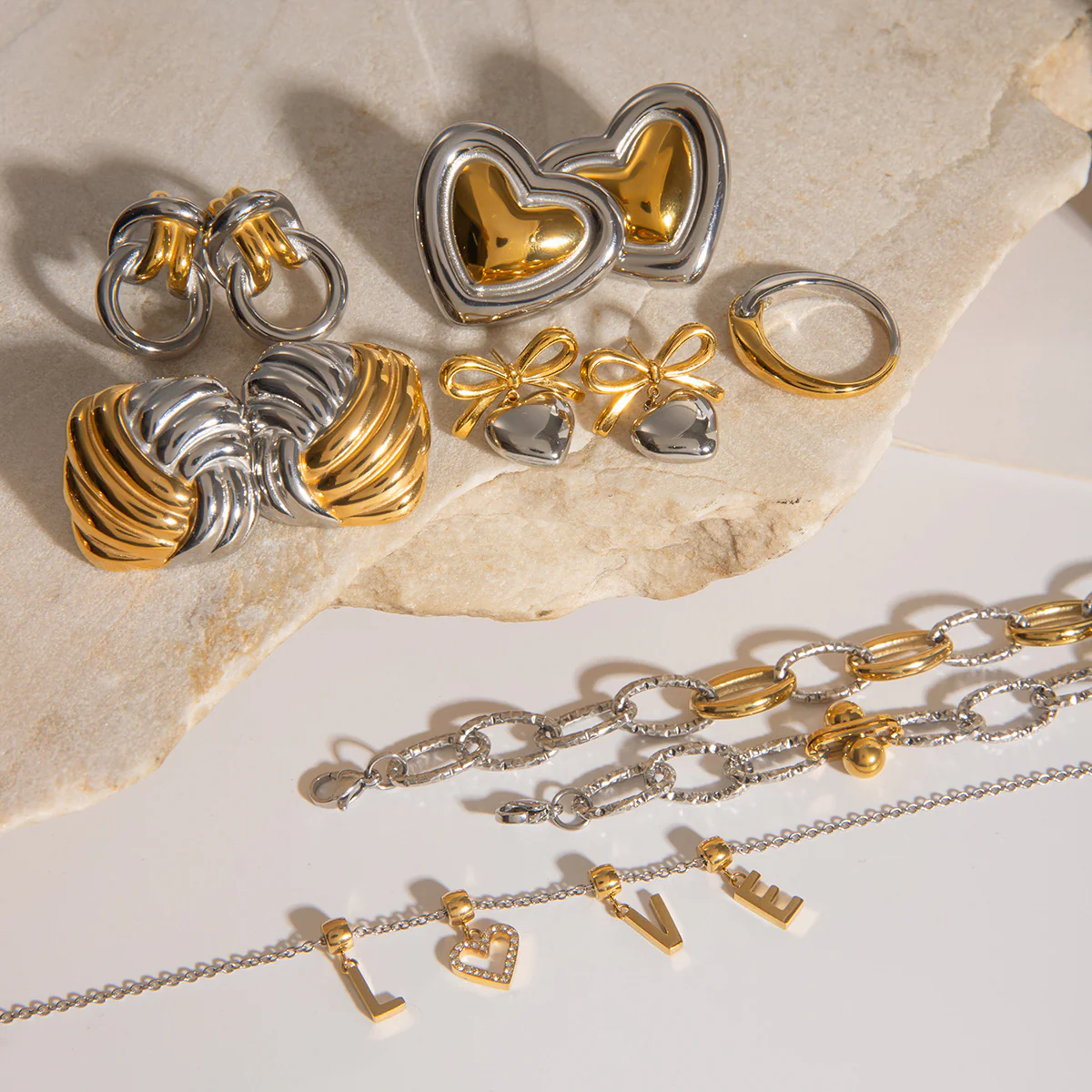
Personalization has become a dominant trend in the jewelry industry, and retailers are taking notice. Customizable jewelry, such as name necklaces, has seen a surge in popularity. Customers love the idea of wearing a piece of jewelry that has their name or the name of a loved one inscribed on it. Birthstone rings are another popular customizable option. Each month has a corresponding birthstone, and customers can choose a ring with their birthstone or the birthstone of someone special to them. Engraved bracelets, with personalized messages or symbols, also offer a unique and sentimental touch. Retailers are increasingly sourcing these customizable jewelry items to offer their customers a one – of – a – kind product that cannot be found off – the – shelf.
Chapter 3: Emerging Brands in Wholesale Jewelry
Several brands have gained traction in the wholesale jewelry market, offering innovative designs, sustainable materials, and competitive pricing. Here are some of the best jewelry brands for women that are making waves:
3.1 Swarovski
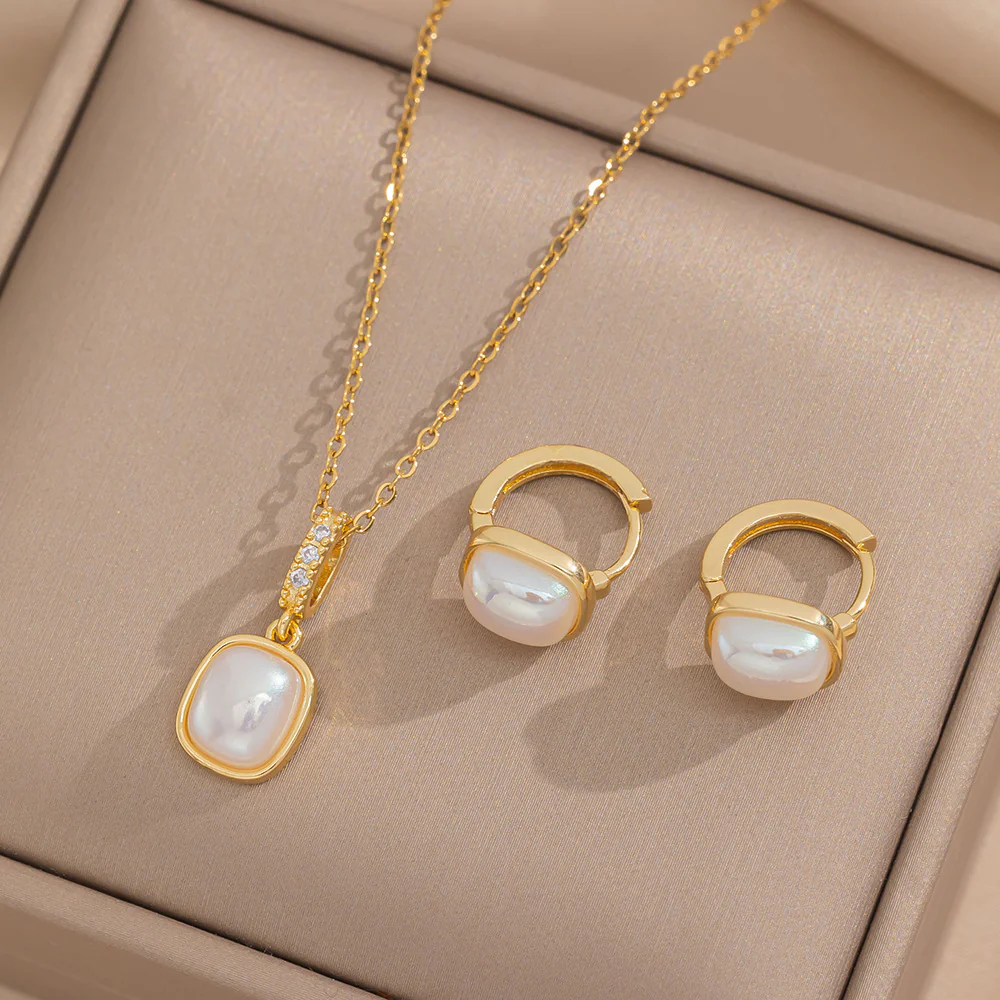
Known for its crystal-embellished jewelry, Swarovski is a favorite among retailers seeking elegant and timeless pieces. The brand’s wholesale offerings include necklaces, earrings, and bracelets that appeal to a wide range of customers.
3.2 Kendra Scott
Kendra Scott is renowned for its vibrant, colorful jewelry designs. The brand’s wholesale line features bold statement pieces, making it a popular choice for retailers targeting younger, fashion-conscious consumers.
3.3 PANDORA
PANDORA’s charm bracelets and personalized jewelry have captured the hearts of millions worldwide. The brand’s wholesale distribution network ensures that retailers can access its latest collections quickly and efficiently.
Chapter 4: Sustainability and Ethical Sourcing in Wholesale Jewelry
In today’s socially and environmentally conscious world, consumers are increasingly mindful of the impact of the products they purchase. This growing awareness has led to a significant rise in the demand for sustainable and ethically sourced jewelry in the wholesale market.
4.1 Recycled Materials
Jewelry made from recycled gold, silver, and diamonds is no longer a niche product. It has gained significant popularity among consumers who are looking to make a more sustainable choice. Manufacturers are now investing in technologies and processes to recycle precious metals and gemstones. Recycled gold, for example, can be melted down and re – crafted into beautiful jewelry pieces without any loss of quality. The use of recycled materials not only reduces the environmental impact associated with mining but also gives consumers the option to wear jewelry that has a lower carbon footprint.
4.2 Fair Trade Practices
Retailers are increasingly seeking jewelry from manufacturers that adhere to fair labor standards and environmental regulations. Fair trade practices ensure that the workers involved in the production of jewelry are paid fair wages, work in safe conditions, and are not exploited. Additionally, manufacturers that follow environmental regulations minimize their impact on the environment, whether it’s through reducing waste, using eco – friendly packaging, or implementing sustainable mining practices. Brands that can demonstrate their commitment to fair trade are more likely to attract retailers and consumers who value ethical business practices.
4.3 Certifications
Ethical consumers in the jewelry market, including those involved in wholesale jewelry, highly prefer products with certifications like the Responsible Jewellery Council (RJC). In the wholesale jewelry supply chain, the RJC certification guarantees that from raw material sourcing to the finished product, strict environmental, social, and ethical standards are met. Retailers dealing with wholesale jewelry can leverage these certifications as a selling point. They can assure customers that the jewelry they buy is not only aesthetically pleasing but also responsibly produced. Other certifications, such as the Kimberley Process Certification Scheme for diamonds in the wholesale jewelry space, which aims to stop the trade of conflict diamonds, are vital for building trust between consumers and the jewelry.
Chapter 5: The Role of Wholesale Jewelry Manufacturers and Distributors
Wholesale jewelry manufacturers and distributors play a crucial role in the supply chain, ensuring that retailers have access to a diverse range of products at competitive prices.
5.1 Manufacturers:
- Innovation: Manufacturers are constantly developing new designs and materials to meet market demands.
- Quality Control: Ensuring that products meet high standards of craftsmanship and durability is essential for building trust with retailers.
- Scalability: Manufacturers must be able to scale production to meet the demands of both small and large retailers.
5.2 Distributors:
Chapter 6: Navigating the Jewelry Market: Challenges and Opportunities
The jewelry market is a complex ecosystem that presents both formidable challenges and exciting opportunities for manufacturers, distributors, and retailers. A clear understanding of these dynamics is essential for achieving success in this highly competitive industry.
6.1 Challenges
Price Competition
The jewelry market is saturated with players, all vying for a share of the market. This intense competition has led to price wars in many segments. Manufacturers and distributors often find themselves under pressure to reduce prices to attract retailers. Retailers, in turn, face the challenge of offering competitive prices to their customers while still maintaining a profit margin. With the rise of online platforms, it has become easier for customers to compare prices, putting even more pressure on businesses to keep their prices low. This price competition can sometimes lead to a compromise in quality, as some manufacturers may cut corners to reduce costs.
Counterfeit Products
Counterfeit jewelry is rife, threatening the industry’s integrity. Counterfeiters copy top – brand designs with low – quality materials. These fakes deceive consumers and taint legitimate brands’ reputations. Retailers may unknowingly buy such items from dishonest suppliers, leading to customer discontent and loss of trust. Combating this requires cooperation among manufacturers, distributors, retailers, and law enforcement. Brands should use anti – counterfeiting measures like holographic tags and unique product IDs to safeguard their IP.
Economic Uncertainty
Economic downturns can have a profound impact on the jewelry market. Jewelry is often considered a non – essential item, and during tough economic times, consumers tend to cut back on their spending. This can lead to a decrease in demand for both fine and fashion jewelry. Manufacturers and distributors may experience a slowdown in orders, while retailers may see a decline in foot traffic and online sales. For example, during a recession, consumers may prioritize spending on necessities like food and housing over purchasing a new piece of jewelry. Businesses in the jewelry industry need to be prepared to weather these economic storms by having contingency plans, such as diversifying their product lines or targeting different customer segments.
6.2 Opportunities
E – commerce Growth
E – commerce has revolutionized the jewelry industry, especially wholesale. Online shopping, popular among tech – savvy younger consumers, lets customers buy jewelry from home. Wholesale jewelry retailers can now reach a global clientele without a physical store, benefiting small and medium – sized jewelry businesses. For example, local retailers can sell worldwide via online stores. Also, e – commerce platforms offer data analytics. These help wholesale jewelry retailers understand customer behavior and preferences, enabling tailored marketing and product assortments.
Personalization
The demand for personalized and customizable jewelry keeps growing. Consumers today are eager for jewelry that represents their individuality. Retailers can meet this demand by providing various customization options, such as different metal finishes, gemstone choices, and engraving. Personalization helps retailers stand out and deepens the emotional bond between customers and products. For example, a customer getting a necklace engraved with their child’s name will likely have a more satisfying and memorable shopping experience, leading to greater loyalty.
Sustainability
As consumers become more environmentally and socially conscious, there is a growing demand for sustainable and ethically sourced jewelry. Businesses that can demonstrate their commitment to sustainability can attract a new segment of customers who are willing to pay a premium for products that are produced in an environmentally friendly and ethical manner. This presents an opportunity for manufacturers to invest in sustainable production methods, such as using recycled materials and implementing fair labor practices. Retailers can also market their sustainable product offerings to appeal to these environmentally conscious consumers, differentiating themselves in the market.
Chapter 7: Strategies for Success in the Wholesale Jewelry Market
To thrive in the competitive wholesale jewelry market, manufacturers, distributors, and retailers must adopt effective strategies.
7.1 For Manufacturers:
- Invest in Technology: Use advanced manufacturing techniques to improve efficiency and product quality.
- Diversify Product Lines: Offer a wide range of products to cater to different customer segments.
- Build Strong Relationships: Collaborate with distributors and retailers to understand market needs and provide tailored solutions.
7.2 For Distributors:
- Optimize Logistics: Ensure timely and cost-effective delivery of products to retailers.
- Provide Market Insights: Share data on market trends and consumer preferences to help retailers make informed decisions.
- Enhance Customer Experience: Offer exceptional service, including after-sales support and flexible return policies.
7.3 For Retailers:
- Curate Unique Collections: Source jewelry from a variety of brands and manufacturers to offer a diverse product range.
- Leverage Digital Marketing: Use social media, influencer partnerships, and e-commerce platforms to reach a wider audience.
- Focus on Customer Experience: Provide personalized shopping experiences and excellent customer service to build loyalty.
Conclusion
The wholesale jewelry market is a dynamic and ever-evolving sector, offering both challenges and opportunities for manufacturers, distributors, and retailers. By staying informed about market trends, embracing sustainability, and adopting effective strategies, businesses can thrive in this competitive landscape. Whether you’re a best jewelry brand for women, a bulk jewelry supplier, or a wholesale jewelry distributor, understanding the needs of your customers and delivering high-quality products is key to success.
As the jewelry market continues to grow, it’s essential for all stakeholders to collaborate and innovate. By leveraging technology, embracing sustainability, and focusing on customer experience, the wholesale jewelry industry is poised for continued success in the years to come.
This blog provides a comprehensive overview of the latest trends in the wholesale jewelry market, highlighting best-selling categories, emerging brands, and key strategies for success. By staying informed and adaptable, businesses can navigate the challenges and capitalize on the opportunities presented by this vibrant industry.
This blog post is designed to provide valuable insights into the wholesale jewelry market, offering actionable strategies for manufacturers, distributors, and retailers. By focusing on innovation, sustainability, and customer experience, businesses can thrive in this competitive sector.