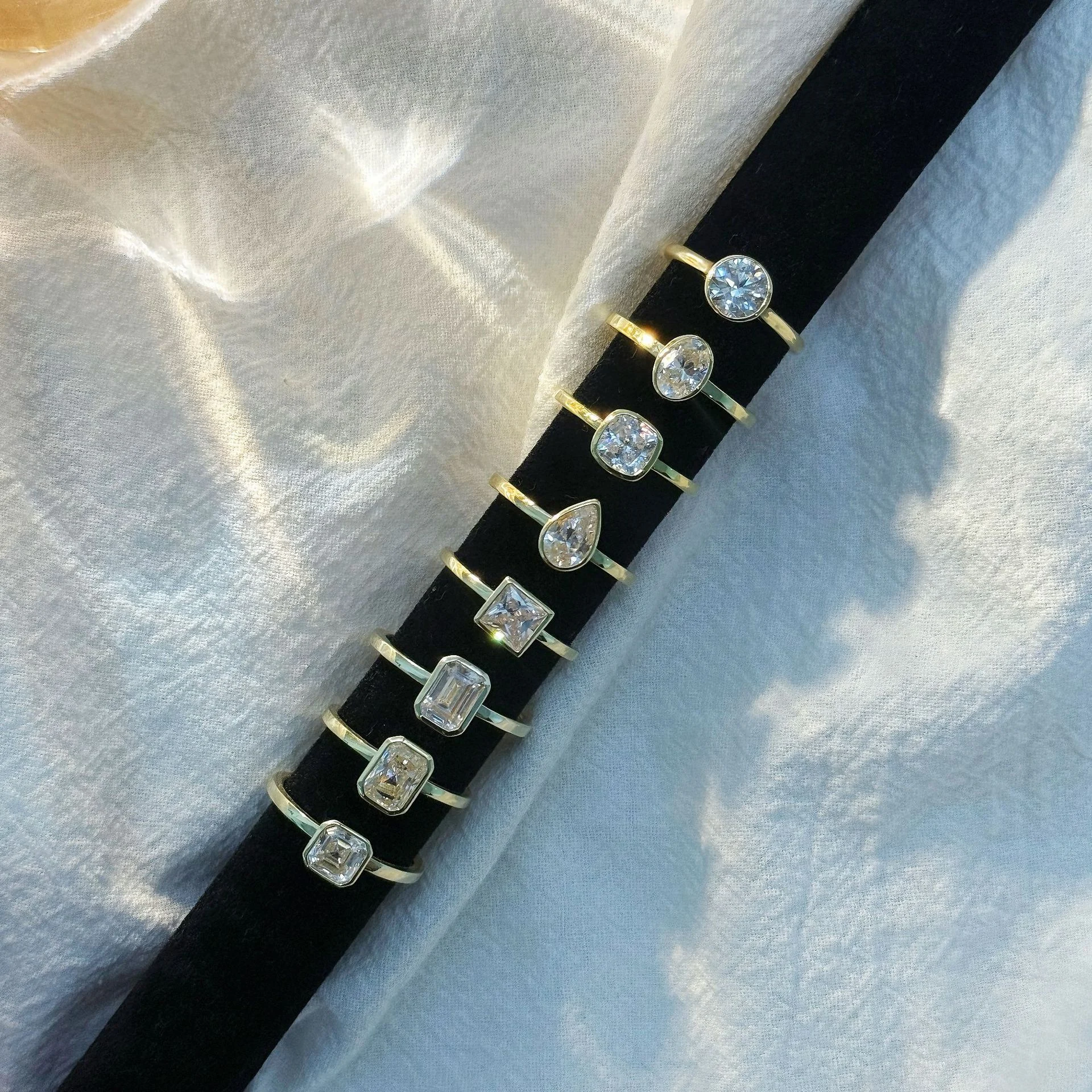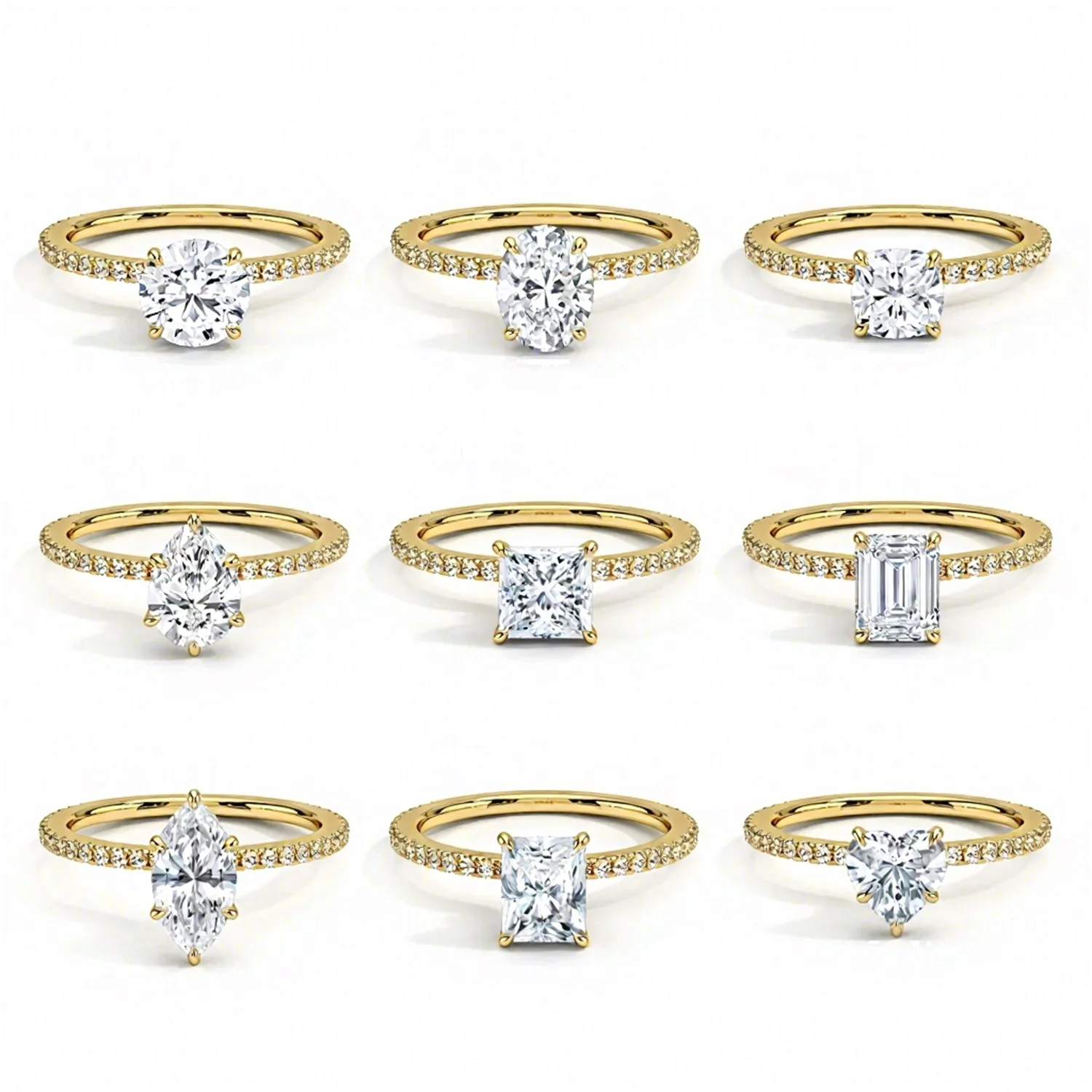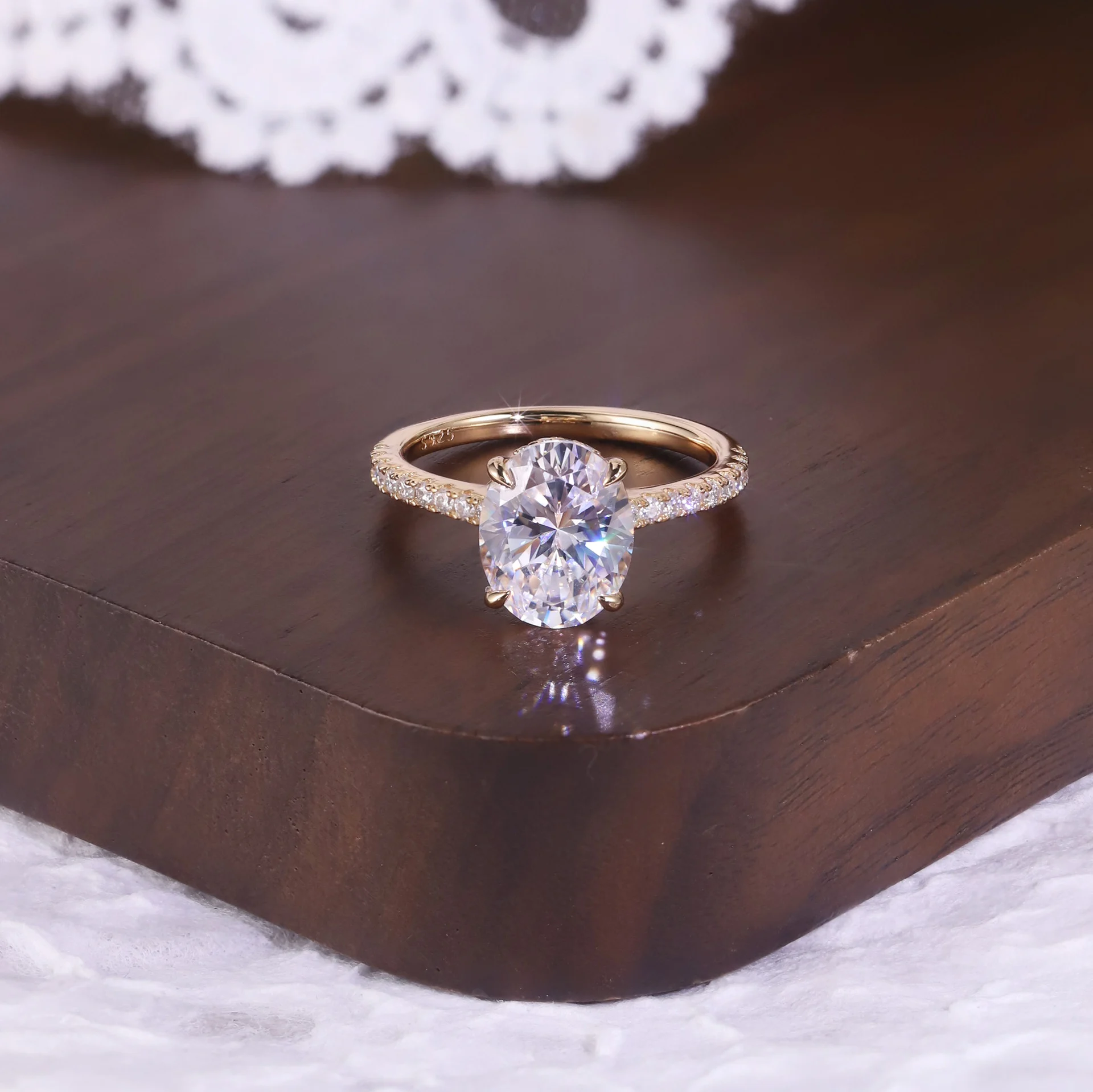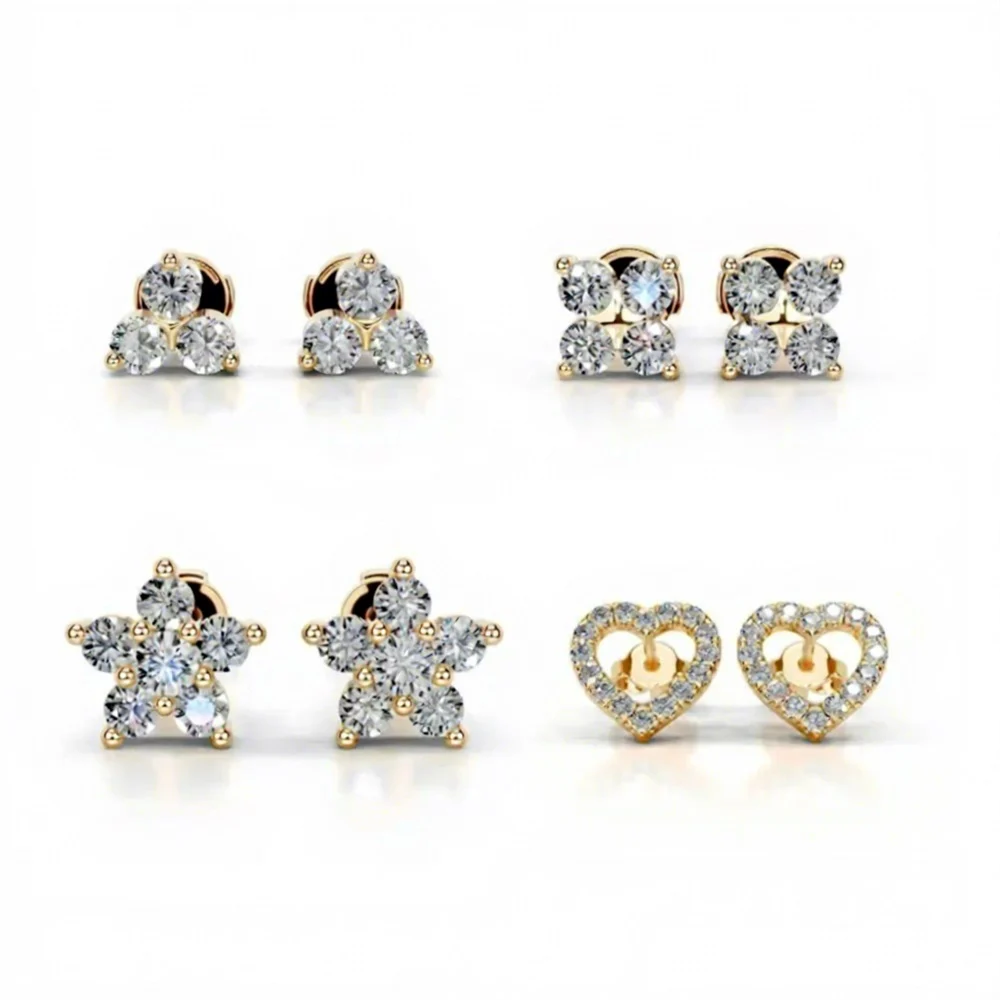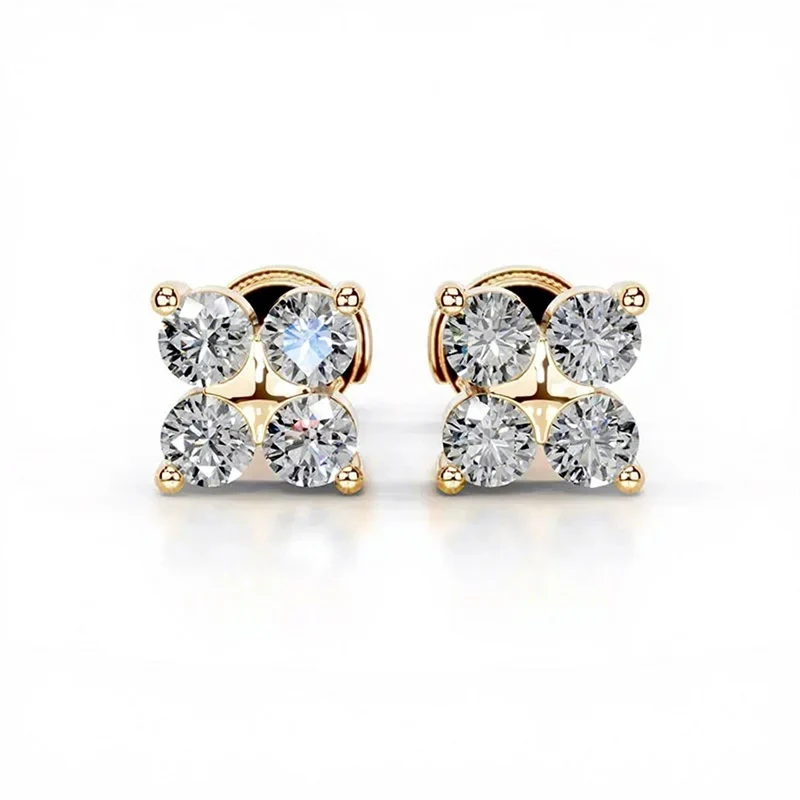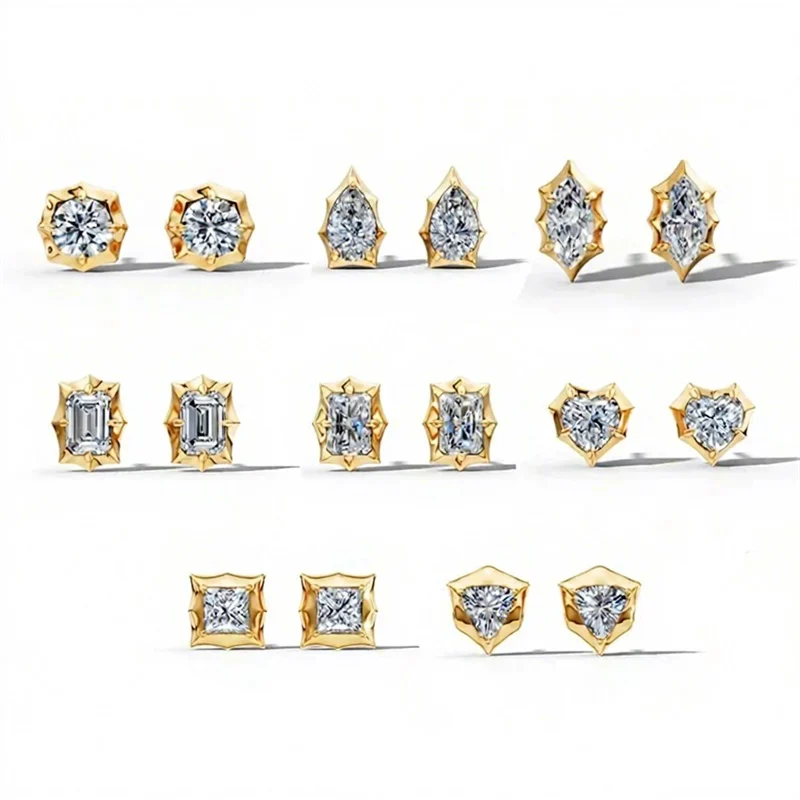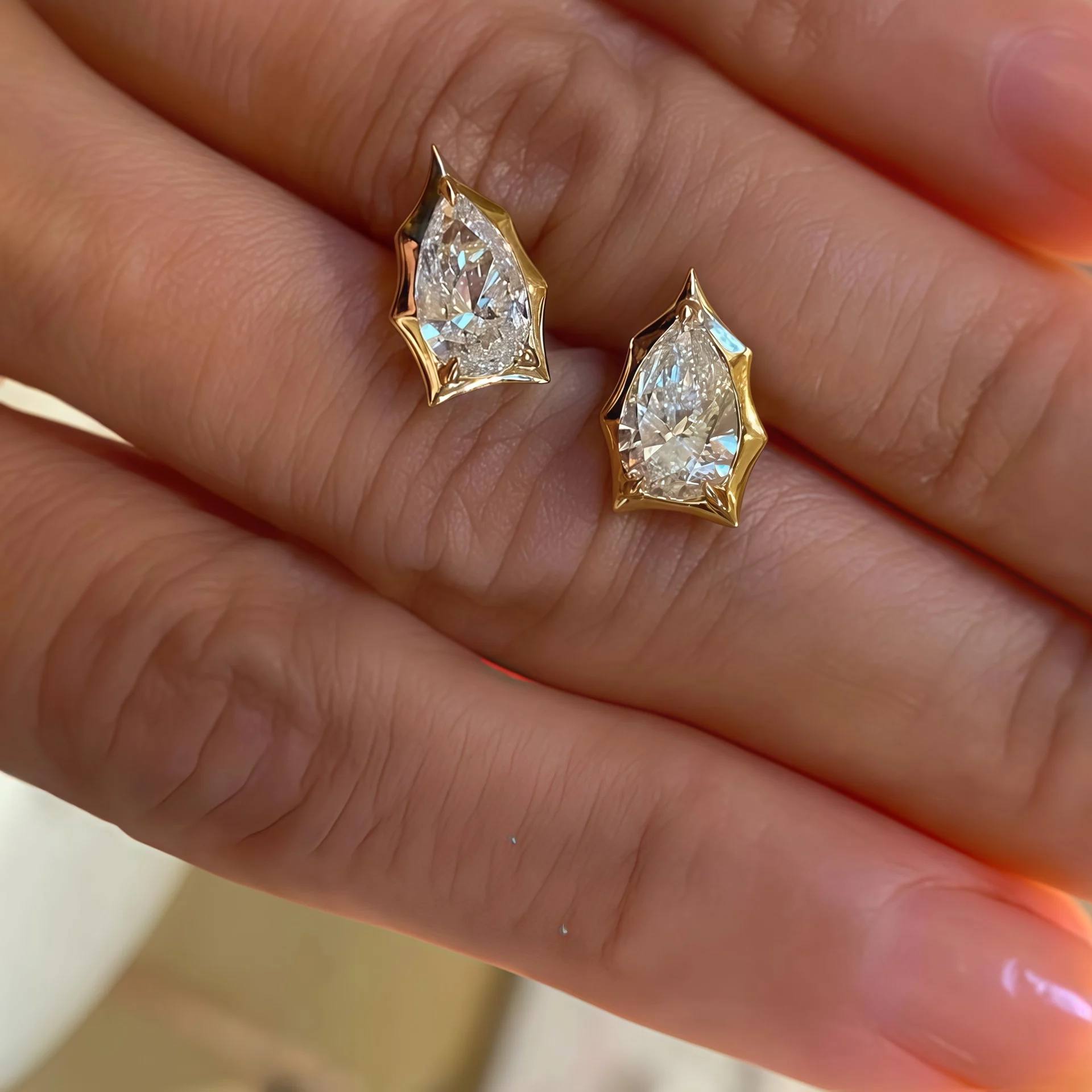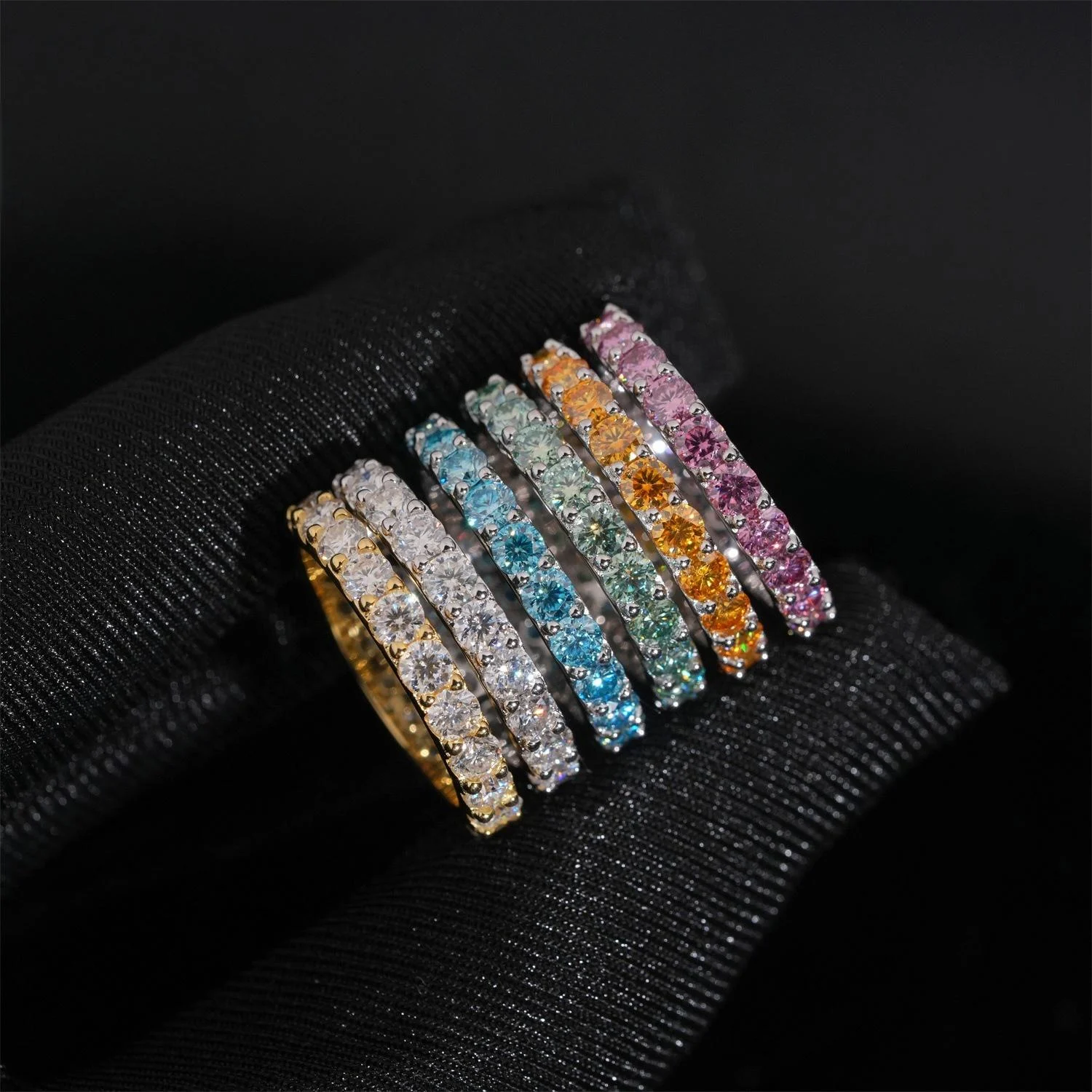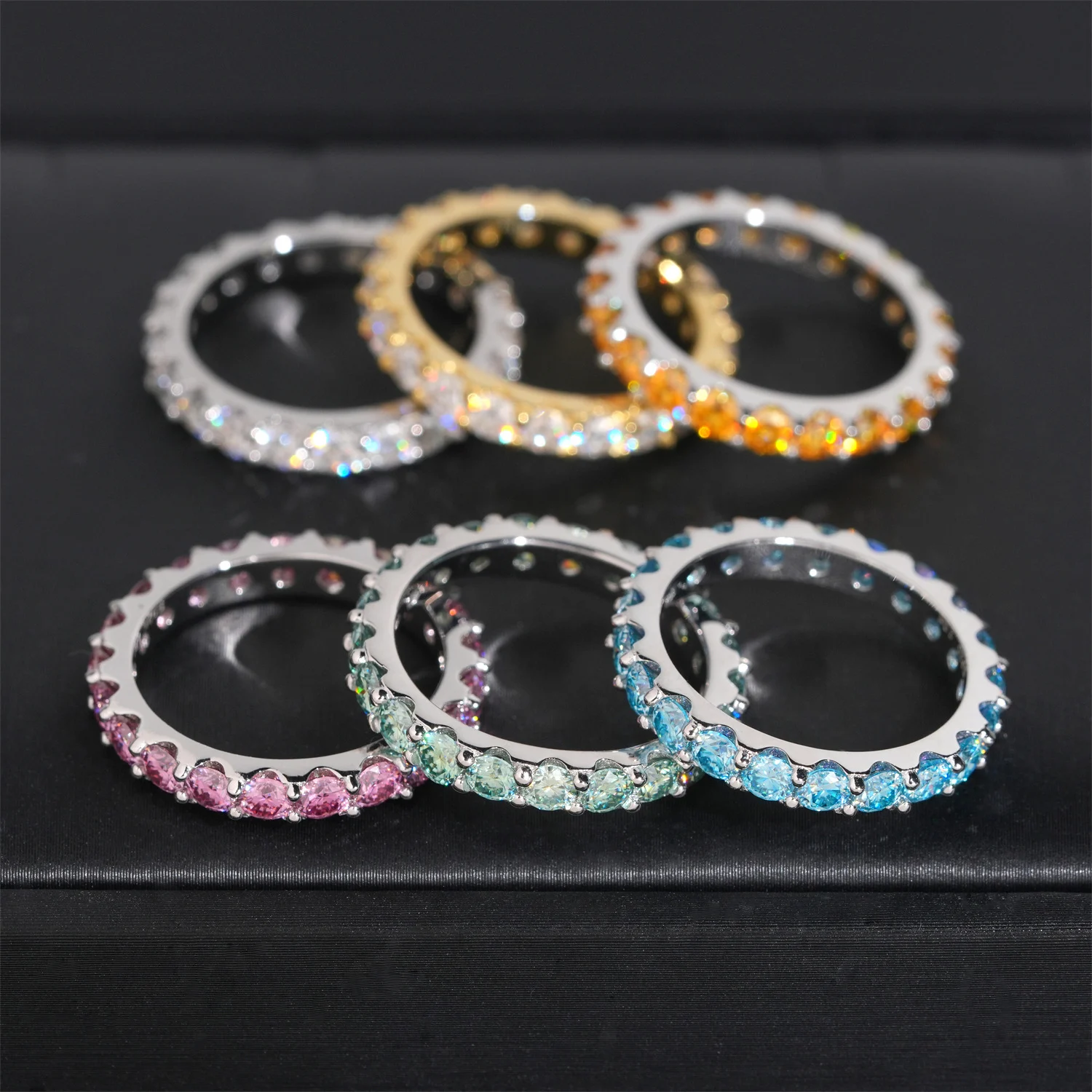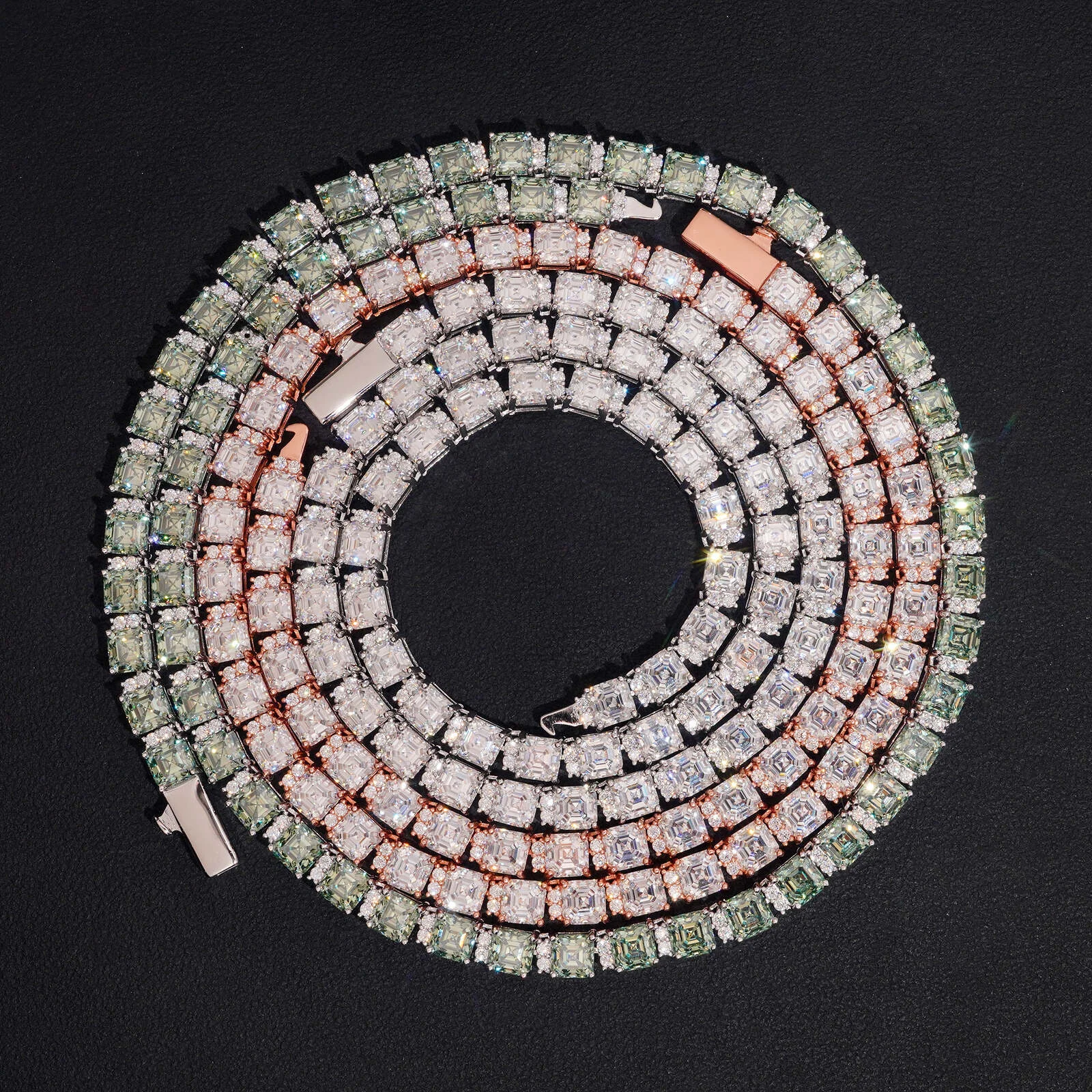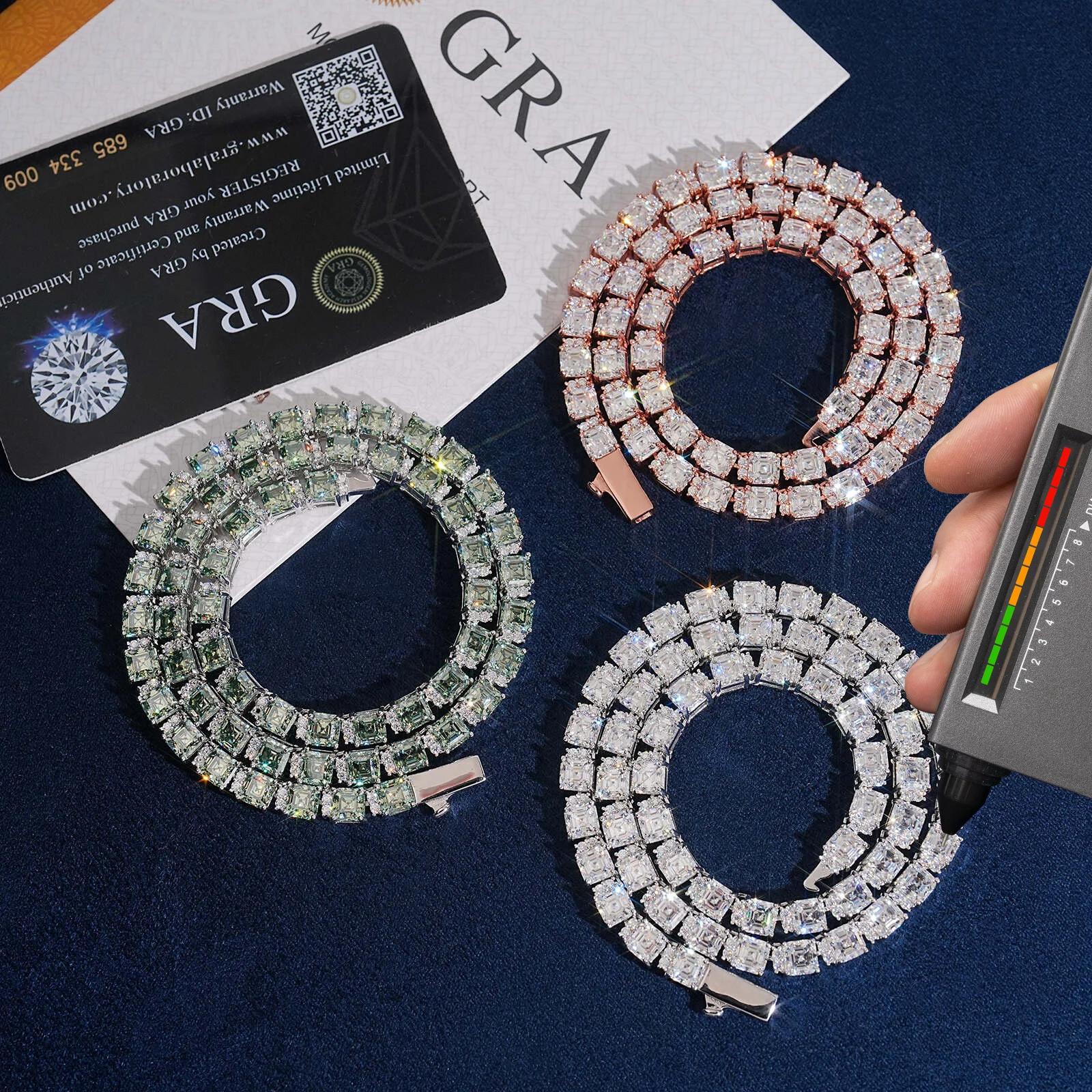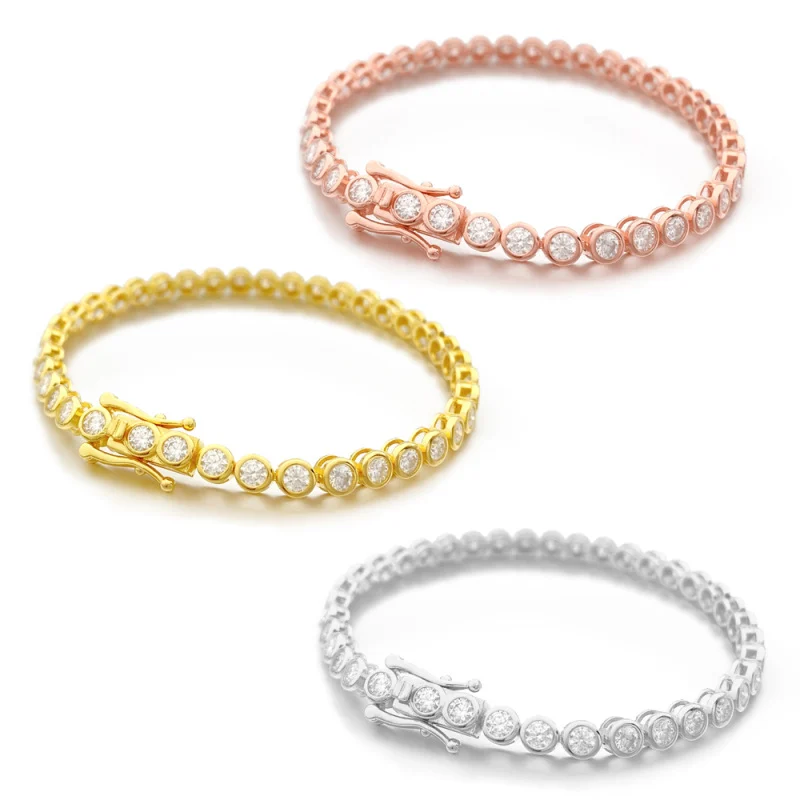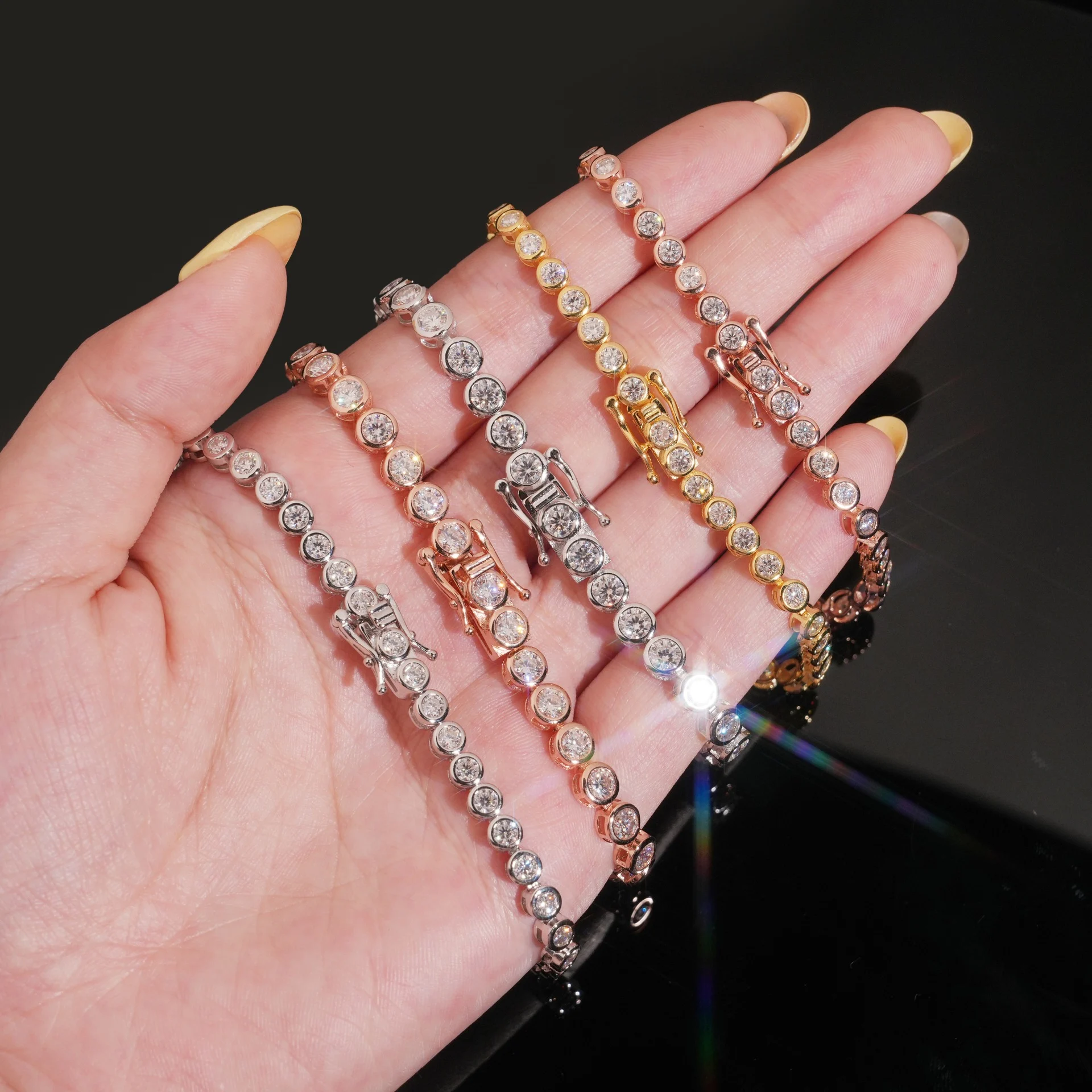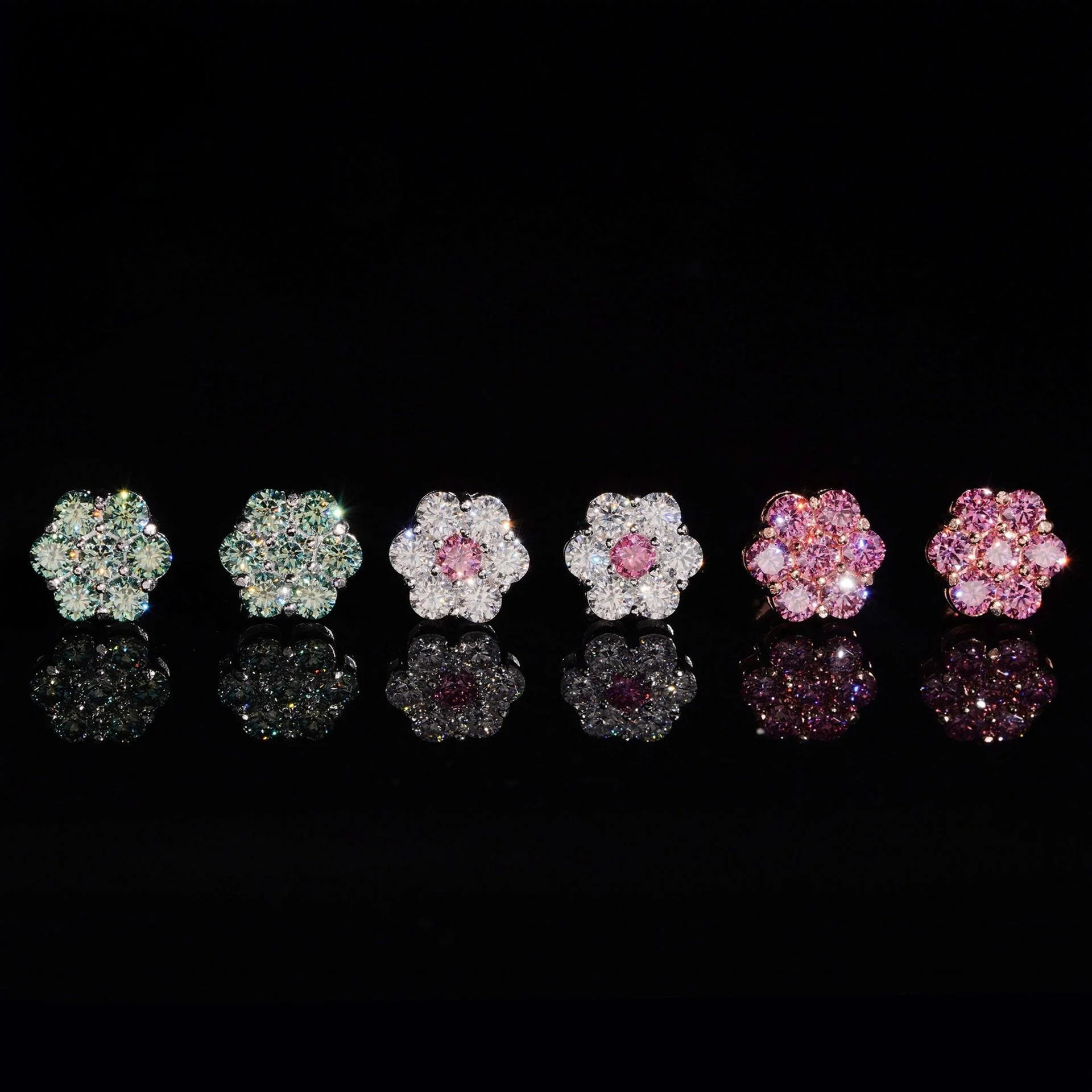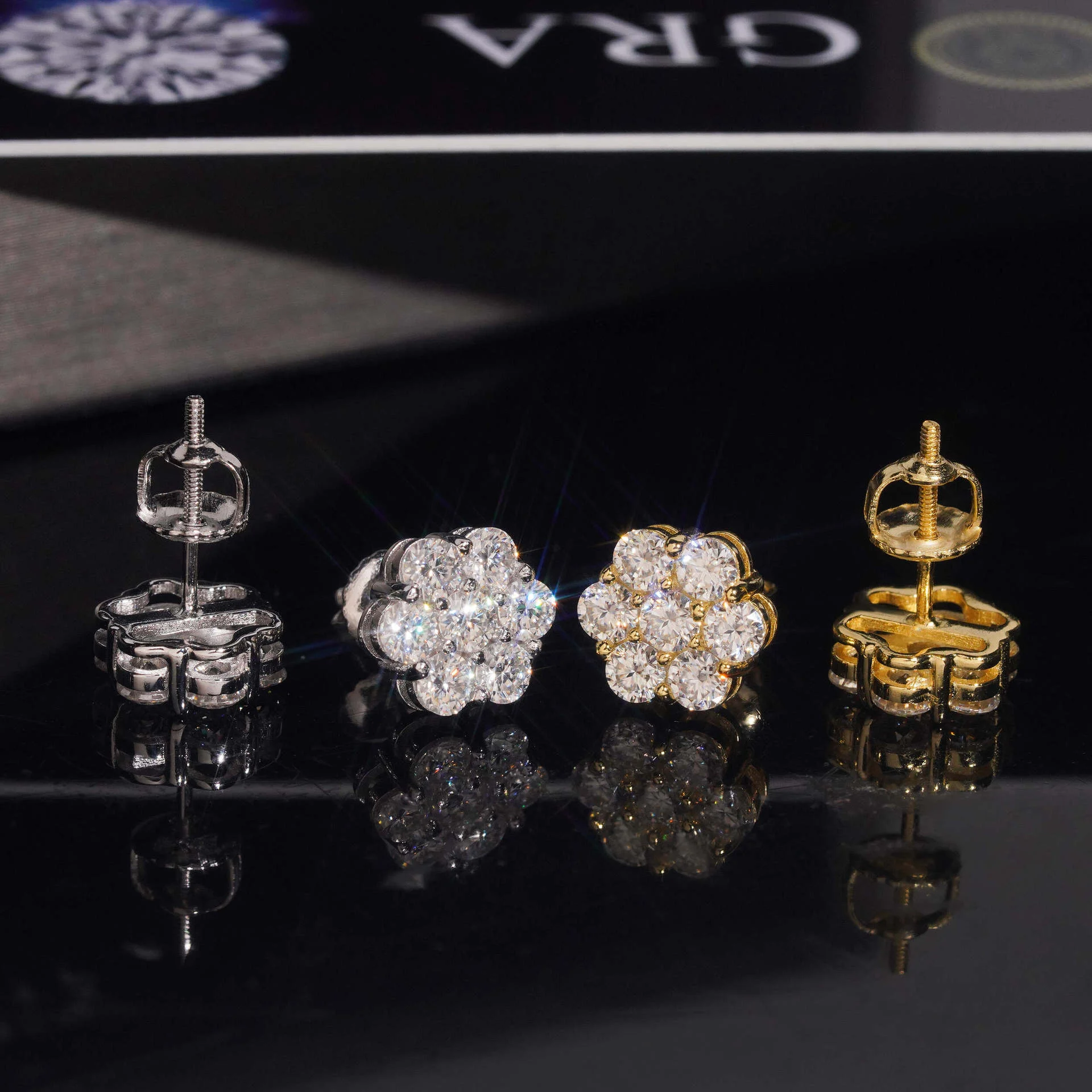


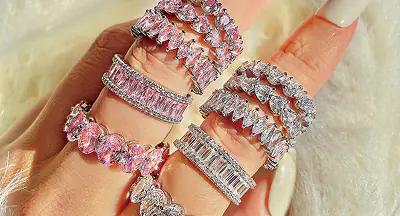






Sustainable jewelry wholesale starts with specific, verifiable product and supplier information. Before placing a bulk order, retailers should confirm what each piece is made from, what a supplier means by “ethical” or “recycled,” which records support those claims, and how the terms apply to the products being purchased. This guide provides a practical checklist for evaluating wholesale jewelry suppliers without relying on broad environmental promises.
For a wider view of styles and wholesale options, explore Leejory fashion jewelry. Use the questions below to assess any supplier and request documentation before using sustainability claims in product listings or marketing.
What sustainable jewelry means in wholesale buying
“Sustainable jewelry” is not a single material specification or a universal certification. It can refer to different parts of a product’s supply chain, such as material inputs, manufacturing controls, worker protections, packaging, or traceability. A claim about one part does not automatically establish the impact or origin of the entire piece.
For wholesale buyers, the useful question is therefore not simply whether a supplier calls a collection sustainable. Ask which product, material, facility, or process the claim covers, what evidence supports it, and whether that evidence is current. Record the answer by SKU or collection so your purchasing, product pages, and customer communications stay aligned.
Materials and claims to check
Recycled metals
Ask whether “recycled” refers to pre-consumer scrap, post-consumer material, or a blend, and whether the claim applies to all metal in the item or only selected components. Request the supplier’s material specification and any available chain-of-custody or transaction records. Also confirm the alloy, plating, and base metal: a recycled component does not by itself describe the full composition of a finished piece.
Lab-grown stones and alternative materials
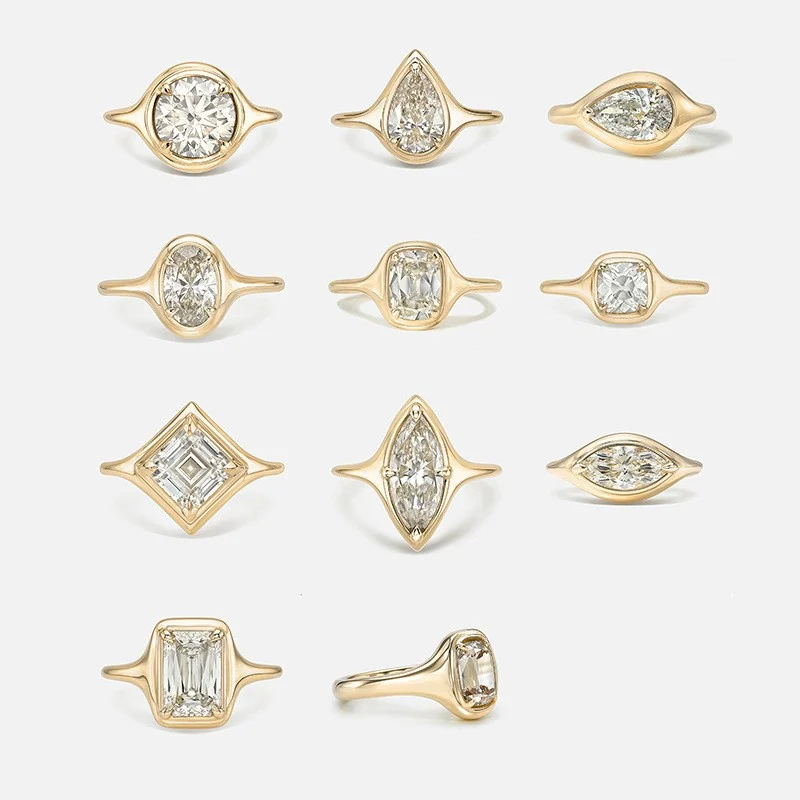
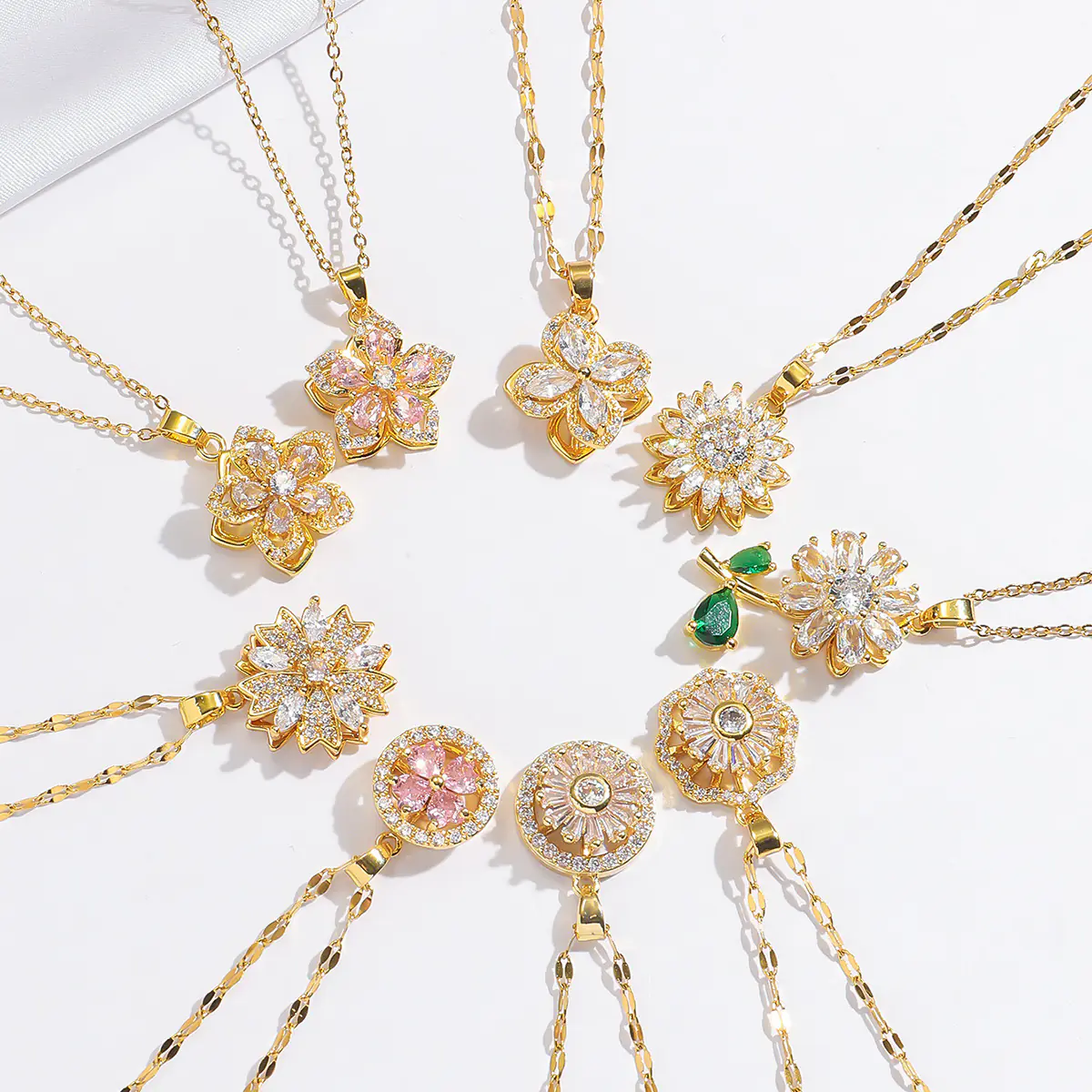
Lab-grown stones, bio-based materials, reclaimed components, and recycled plastics have different production routes and limitations. Do not assume that a material is impact-free or automatically has a lower footprint. Ask for the material name, composition, origin information the supplier can substantiate, care requirements, and any relevant test or product documentation. For gemstone claims, distinguish clearly between lab-grown and mined stones in invoices and product descriptions.
Labor, sourcing, and certifications
Ask who makes the product, which facilities are involved, and what policies or checks address worker safety and labor conditions. If a supplier cites a certification or industry standard, verify the certificate holder, covered site or activity, validity period, and product relevance. The Responsible Jewellery Council Code of Practices is one reference for responsible business practices in the jewelry supply chain; a standard or membership claim should not be presented as proof that every material in a particular SKU is fully traceable.
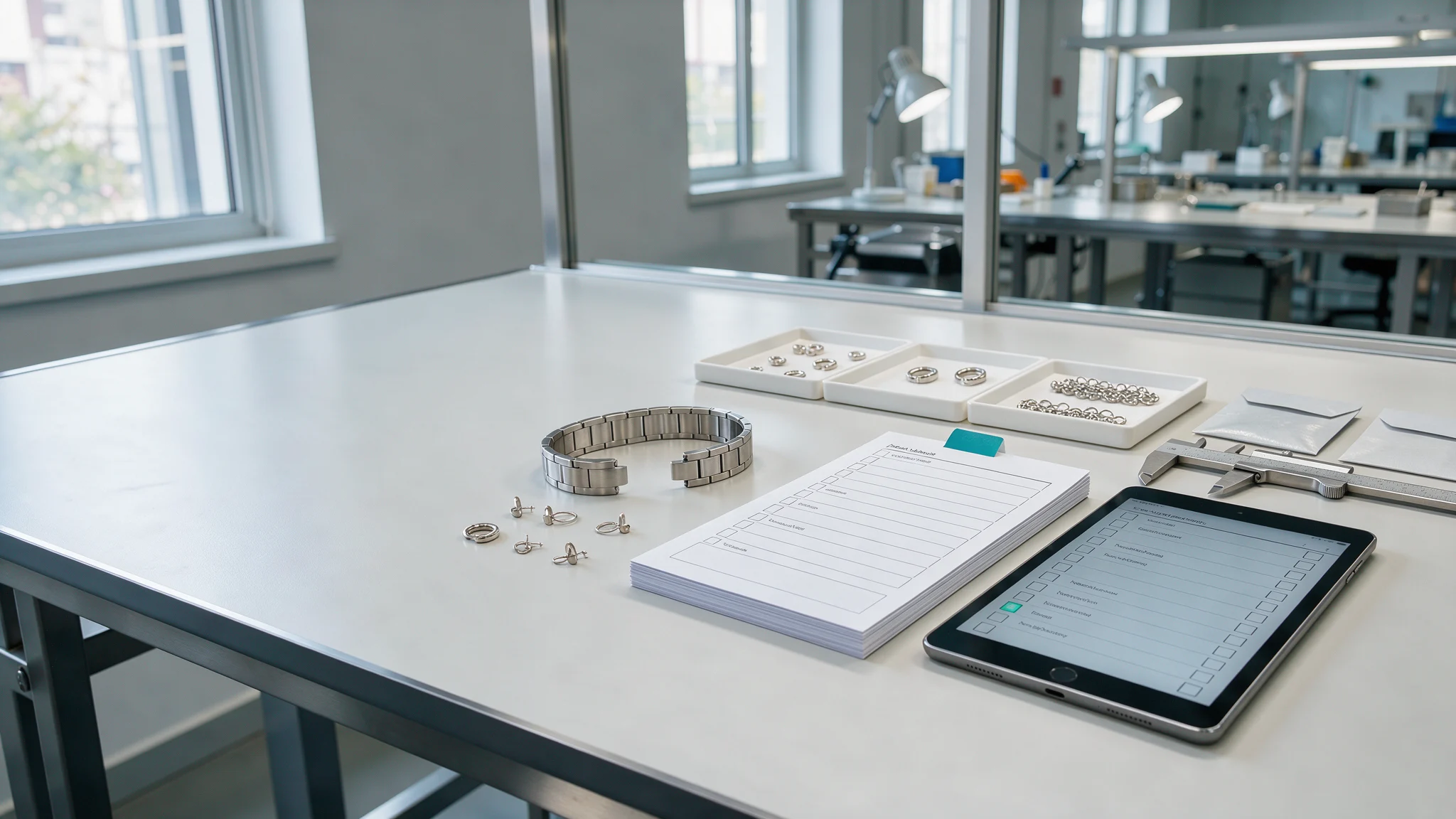
A supplier verification checklist
Use the same questions with each prospective sustainable jewelry wholesale supplier. Comparable answers make it easier to evaluate offers and reduce the risk of repeating claims that cannot be substantiated.
- Product scope: Which SKUs or components are covered by each sustainability claim?
- Material details: What are the base metals, alloys, plating materials, stones, and other components?
- Evidence: Can the supplier provide specifications, declarations, certificates, test reports, or transaction records relevant to the claim?
- Traceability: Which stages and locations can be documented, and where does the available chain-of-custody information end?
- Labor practices: What supplier standards, facility checks, or corrective processes apply to production?
- Certificate scope: Who issued the certificate, which entity or facility does it cover, and when does it expire?
- Change control: Will the supplier notify you if a material, subcontractor, or production site changes?
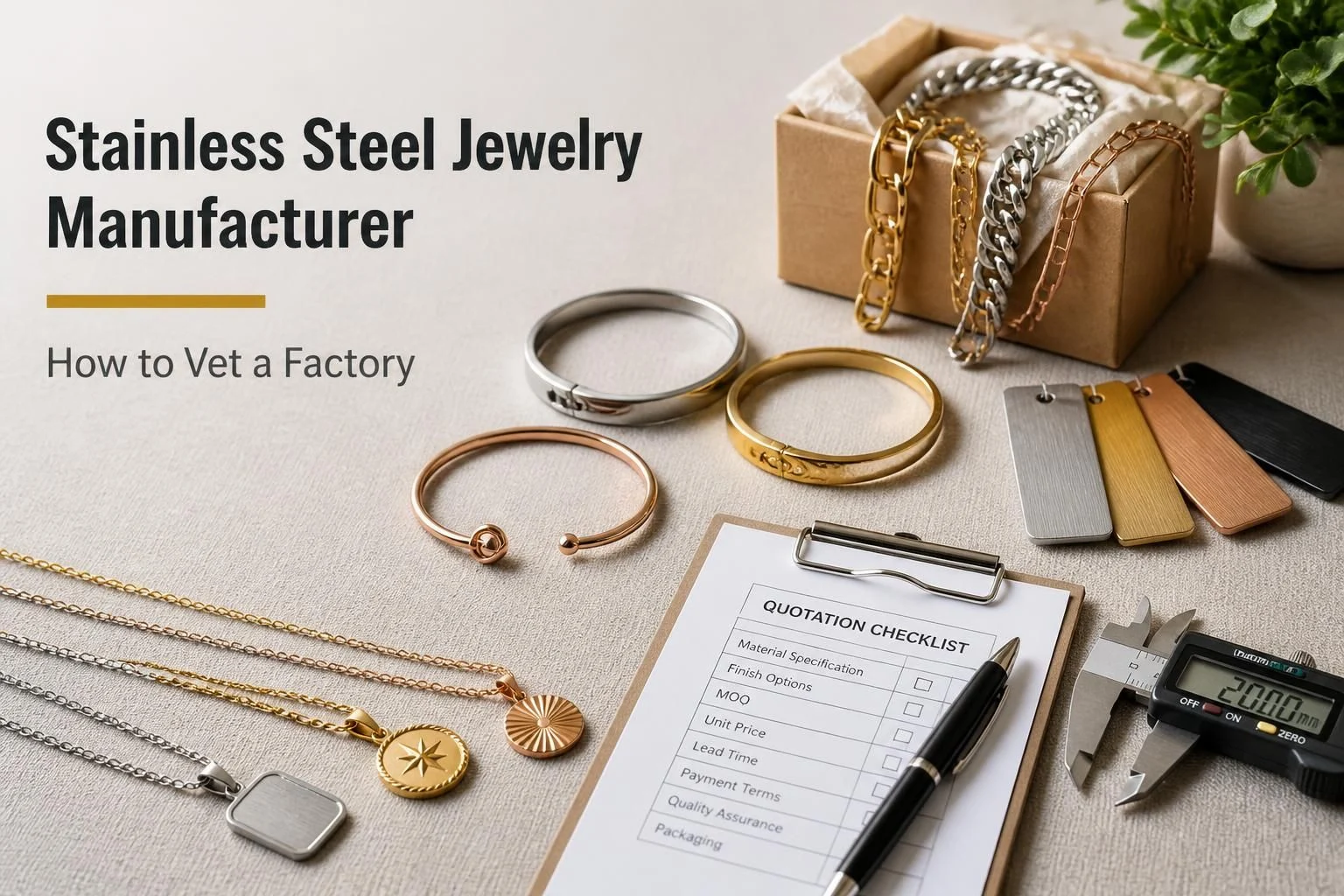
- Commercial terms: What are the MOQ, sample cost, production lead time, packaging options, defect policy, and reorder terms?
Compare wholesale quotes on equal terms
A lower unit price may reflect a different alloy, plating thickness, stone grade, packaging choice, or level of documentation. When requesting quotes, send suppliers the same product brief and ask them to identify assumptions and exclusions. Compare landed cost, sample quality, minimum quantities, lead time, shipping terms, and the evidence supplied for any material or labor claim.
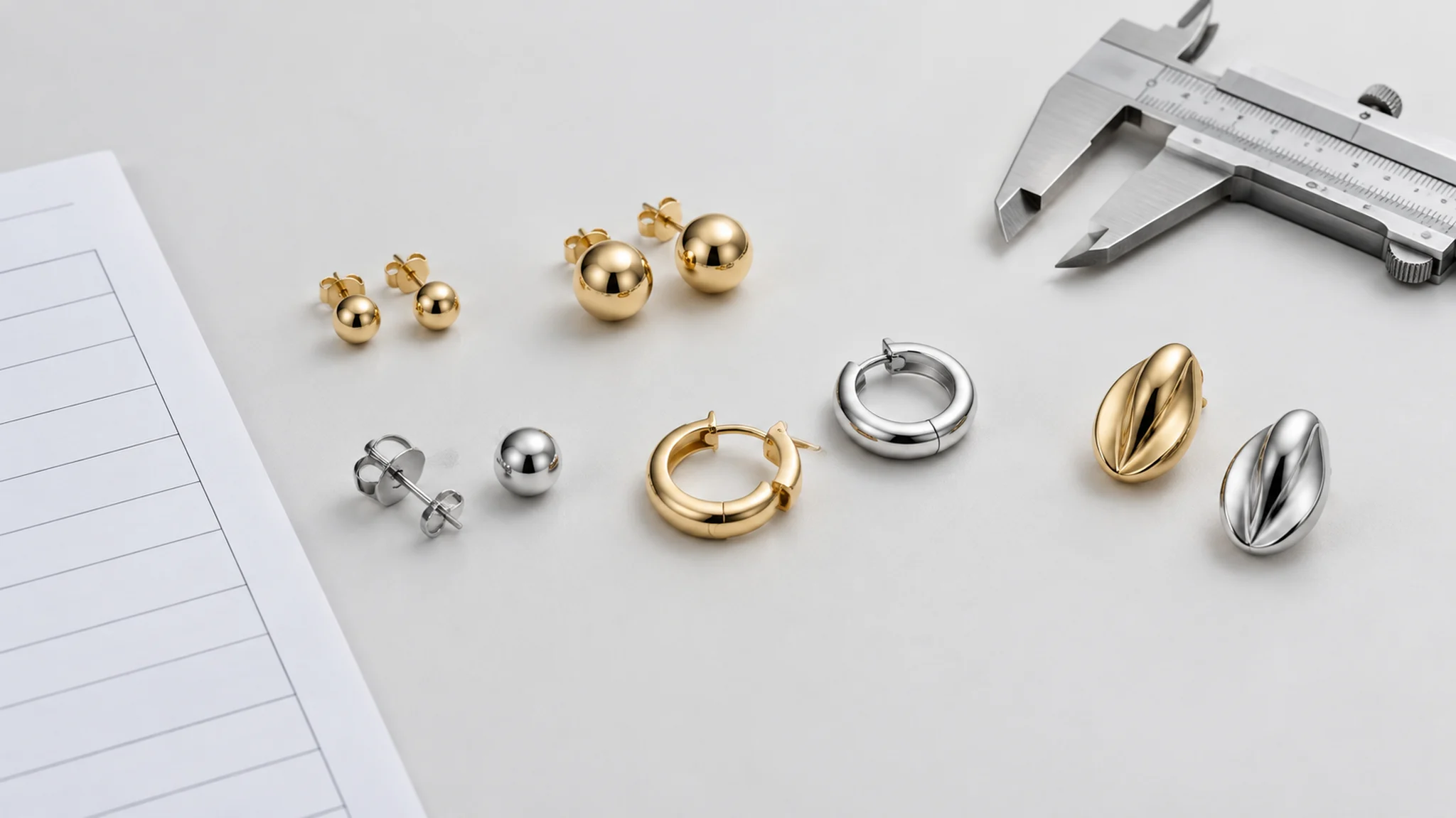
Order and inspect samples before committing to a large run. Check finish consistency, clasp and setting quality, wear and care instructions, packaging, and whether the delivered item matches the written specification. Keep approved samples and supplier documents with the purchase order so future reorders can be checked against the same requirements.
Use precise sustainability language
Marketing descriptions should match the evidence you hold. Prefer a specific statement such as “made with recycled silver in the pendant component,” when that is documented, over an unqualified claim that a whole collection is “100% sustainable.” Keep supporting records, identify the scope of certifications accurately, and avoid numerical environmental comparisons unless a credible, comparable assessment supports them.
This approach also gives customers clearer information about materials and care. If documentation only covers a supplier, facility, or input material, describe that scope plainly rather than implying full product traceability or a guaranteed environmental outcome.
Questions retailers often ask
Is recycled jewelry always more sustainable?
Not automatically. The answer depends on the material, what proportion is recycled, the rest of the product, and how the claim is verified. Request product-specific evidence and avoid assuming that one recycled component describes the full item.
What documents should a wholesale supplier provide?
Depending on the product and claim, ask for material specifications, test reports, supplier declarations, valid certificates, and records that support origin or chain-of-custody statements. Confirm the documents identify the relevant product, entity, facility, and date.
Does a certification prove every product is ethical?
No single certificate should be assumed to cover every product, material, supplier, or stage. Check the issuing body and the certificate’s scope, validity, and limitations, then ask for any product-level documentation needed for your own claims.
Build a documented sourcing process
Reliable sustainable jewelry wholesale sourcing depends on clear specifications, supplier transparency, and claims that match the available evidence. Define requirements before requesting quotes, compare suppliers against the same checklist, inspect samples, and retain the records that support each product description. This gives retailers a practical basis for choosing collections and communicating material and sourcing details accurately.
Browse Leejory’s fashion jewelry range to review available styles, then confirm product specifications, minimum order quantities, samples, and documentation with the sales team before placing an order.