







Introduction
Starting your own jewelry brand is an exciting venture, but figuring out how to create beautiful pieces without the complex logistics of manufacturing can be challenging. Enter private label jewelry, a business model that allows entrepreneurs to sell high-quality jewelry under their own brand name. With this model, you can focus on growing your brand while partnering with skilled manufacturers to handle the production process.
In this article, we’ll guide you through everything you need to know about private label jewelry—from understanding what it is, to finding the right suppliers, and how to make it a profitable venture. Whether you’re a seasoned entrepreneur or just starting out, we’ll cover key questions and insights to help you successfully navigate the world of private label jewelry.
Are you considering starting your own jewelry brand? Or perhaps you’re exploring options to expand your current jewelry business? If so, private label jewelry could be the perfect solution. This business model allows you to create and sell jewelry under your own brand, without the need to manufacture the pieces yourself. Private label jewelry offers flexibility, customization, and the opportunity to stand out in the competitive jewelry market.
1. What is Private Label Jewelry?
1.1 Definition and Concept
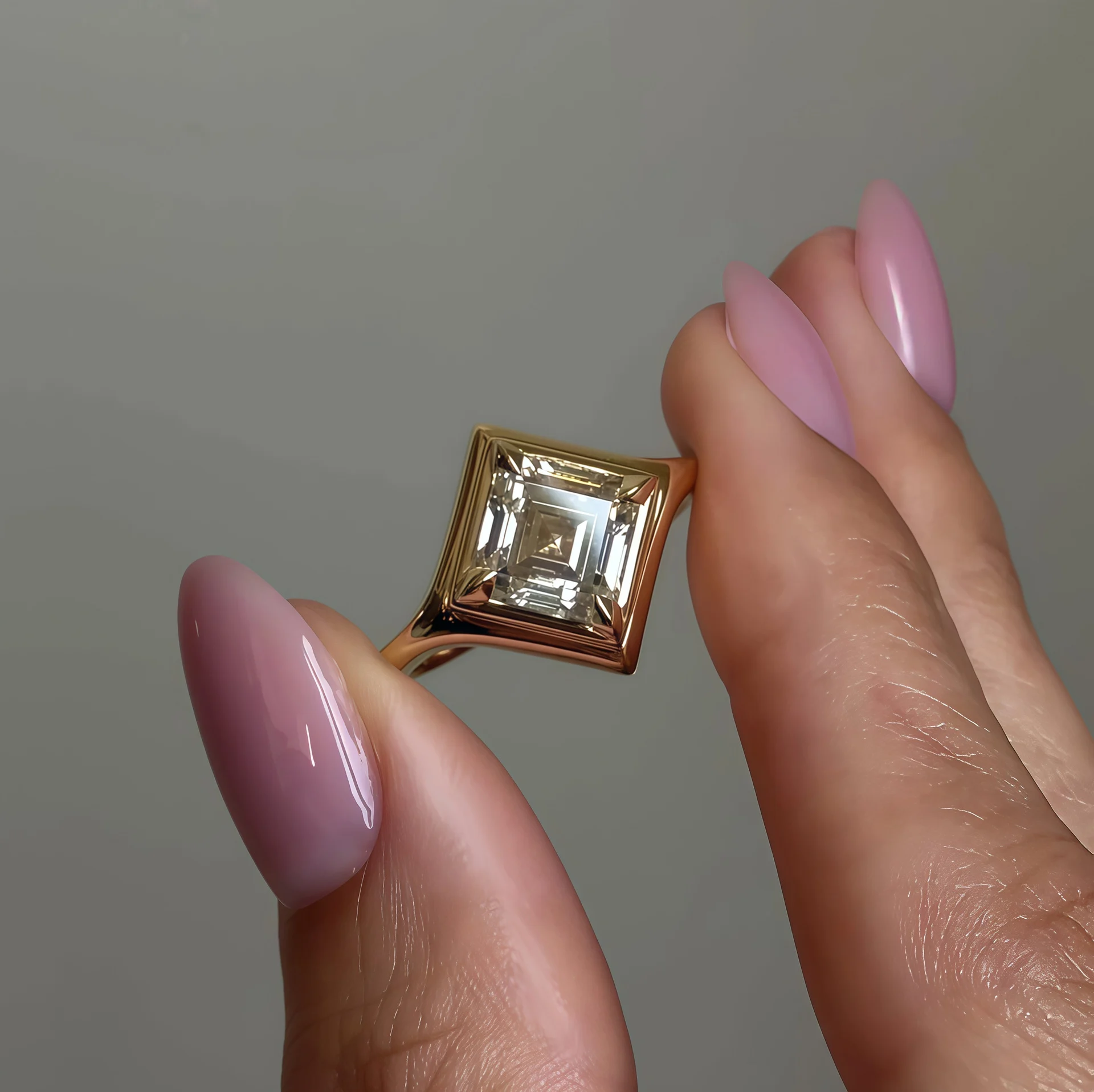
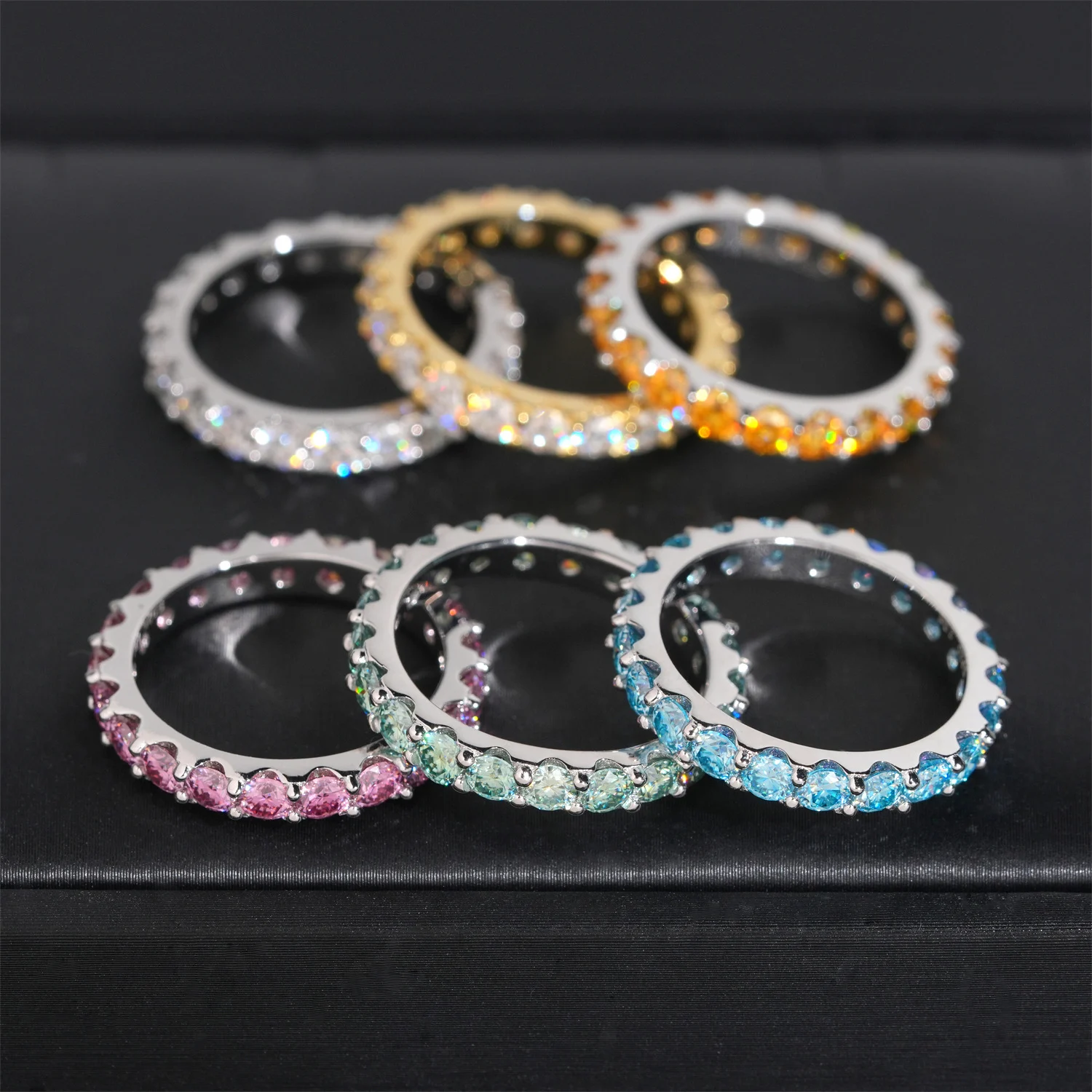
Private label jewelry refers to jewelry that is manufactured by a third-party supplier but is sold under your brand name. Unlike branded jewelry that carries the manufacturer’s name, private label jewelry is created for businesses to put their own brand identity on. The jewelry may be designed according to your specifications or be pre-made, with customization options for branding, packaging, or even material choices.
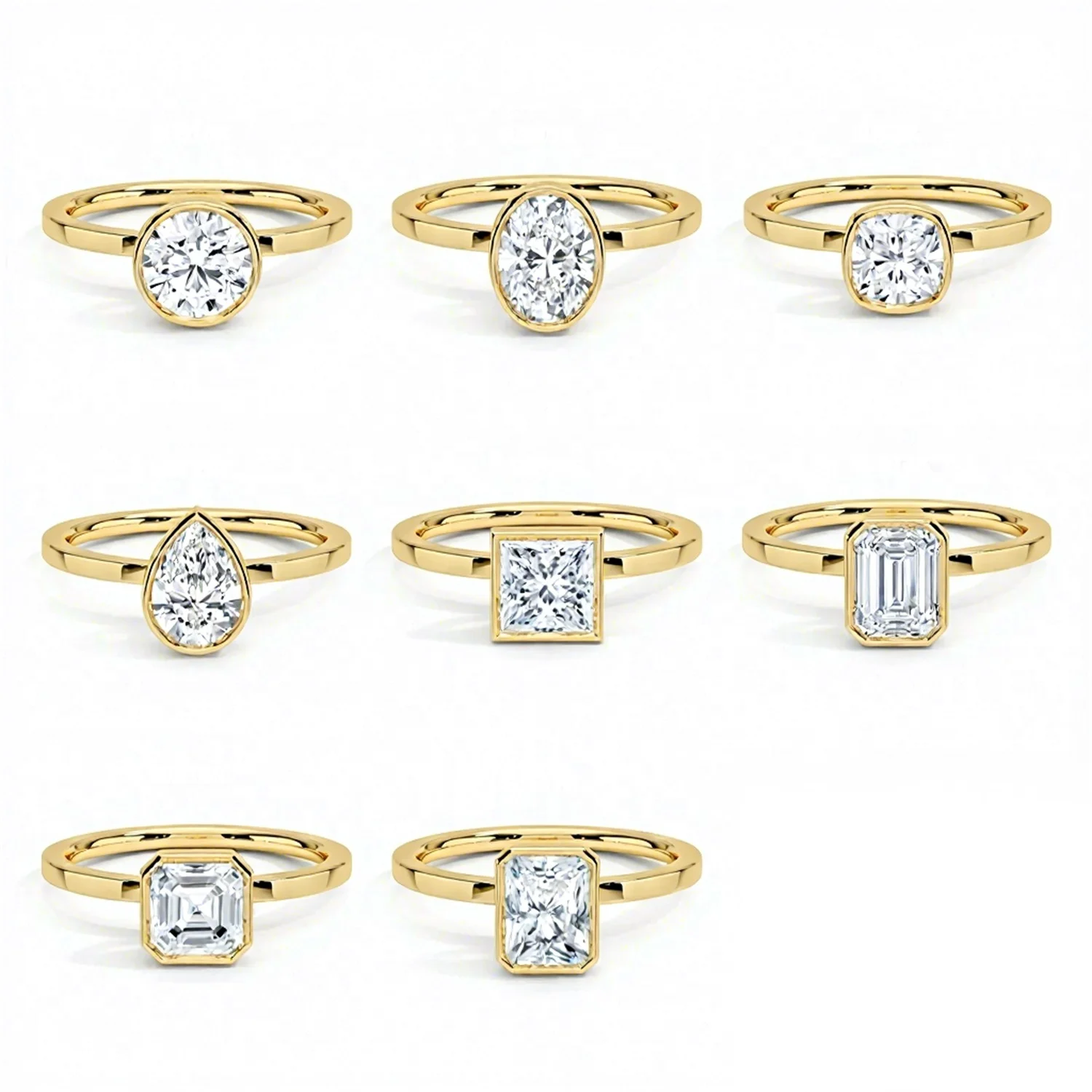
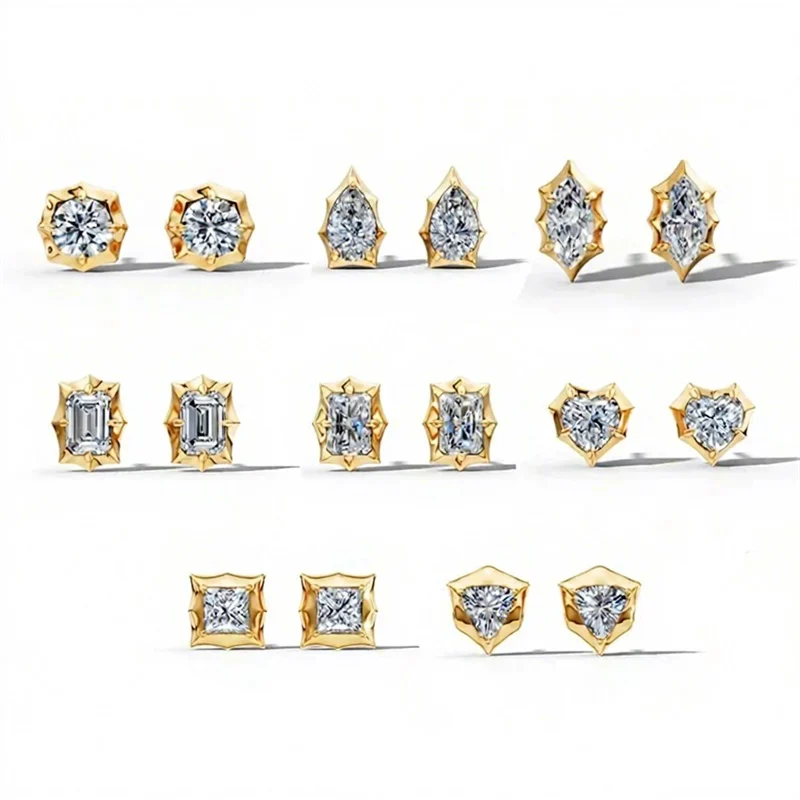
Private label jewelry gives brands the freedom to curate their own collections without the significant investment required for manufacturing. For example, you might work with a supplier to create unique designs or pick pre-designed items and add your brand’s touch. This flexibility is one of the key reasons why many new jewelry brands opt for the private label route.
1.2 How Private Label Jewelry Differs from Branded Jewelry
While branded jewelry often reflects the designer or manufacturer’s name and ethos, private label jewelry is all about the retailer’s brand. You own the rights to market the pieces under your name, creating a distinct image for your customers. For example, you can work with custom jewelry manufacturers to create exclusive designs or use stock designs to build your own unique brand.
1.3 Advantages of Private Label Jewelry for Brands
Private label jewelry offers several benefits for brands looking to enter the jewelry market. One of the biggest advantages is the ability to control the branding and pricing. Since the jewelry is produced by another manufacturer, it eliminates the need for heavy investment in production and allows you to focus on marketing, sales, and brand development. Additionally, private label jewelry provides more flexibility in choosing the types of products you want to offer, which is crucial when targeting specific customer segments.
2. Is Private Label Jewelry Still Profitable in 2025?
2.1 Market Trends and Growth in Private Label Jewelry
Private Label Jewelry Market: Trends, Profitability, and Maximizing Returns
The jewelry industry is evolving rapidly, with private label jewelry growing in popularity. In 2025, this trend will likely continue, driven by consumers’ demand for personalized pieces. As self – expression is valued, they reject mass – produced items, seeking unique designs. This shift benefits private label jewelry brands.
White label jewelry manufacturers see rising interest, especially in online marketplaces. E – commerce growth lowers entry barriers, allowing more entrepreneurs to start private label jewelry brands. Online platforms enable easy access to a global customer base.
Factors Impacting Profitability
Profitability in private label jewelry depends on several factors. Identifying the target audience is crucial. High – end consumers prefer quality, exclusive designs using fine materials and expert craftsmanship, willing to pay more. Budget – conscious customers need stylish, affordable jewelry, often made with cost – effective materials.
Design and quality are equally important. Reputable manufacturers must produce high – standard jewelry. Any quality issue can damage a brand’s reputation, leading to negative reviews, loss of trust, and lower sales.
Maximizing Profit
To maximize profit, carefully choose designs and suppliers. Follow trends relevant to your target market. For example, young, fashion – forward consumers might like geometric shapes or sustainable materials. Partner with reliable suppliers for quality products at a reasonable cost.
Efficient inventory management is key. Avoid overstocking by using data analytics to predict demand. Offer exclusive, limited – quantity collections to create scarcity.
Invest in high – quality packaging. A nice box or pouch enhances product presentation, justifying a higher price and increasing perceived value.
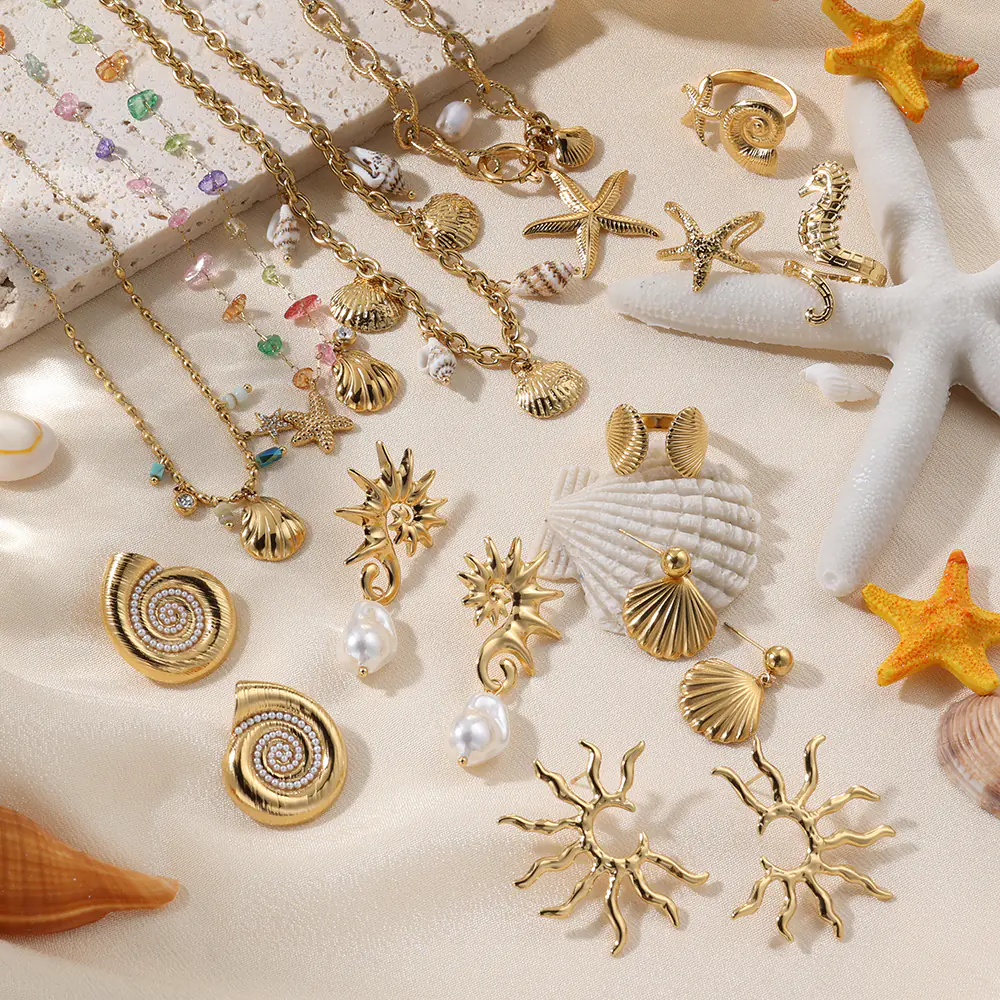
3. Who Are the Best Jewelry Wholesale Suppliers for Private Label Products?
3.1 Top Wholesale Jewelry Suppliers for Private Label
The first step to finding the best jewelry wholesale suppliers for private label products is research. Look for suppliers with a strong reputation for quality, timely delivery, and good customer service. Suppliers like white label jewelry manufacturers offer a variety of customizable options and are well-suited for businesses looking to launch private label products.
Some of the best suppliers are based in countries known for their jewelry craftsmanship, such as Italy, India, and Thailand. These countries have a long-standing tradition of jewelry manufacturing and are home to many suppliers that specialize in both wholesale and private label jewelry.
3.2 How to Identify Reliable Jewelry Suppliers
When choosing a jewelry supplier, checking credentials is essential. Go beyond a quick look; examine their business registration to ensure legal status in their jurisdiction. Also, look for industry – specific certifications, like those for ethical gemstone sourcing or proper metal handling, which show high – standard practices.
To gauge reliability, seek reviews from other businesses. Positive reviews may highlight timely deliveries with top – quality materials and great customer service. Negative reviews act as red flags, signaling issues like inconsistent quality, shipping delays, or poor responsiveness.
3.3 Evaluating Supplier Capabilities and Services
In the competitive jewelry industry, picking a supplier with quality and flexibility is key. Quality involves high – clarity gemstones, pure metals, and good craftsmanship, with strict in – house quality control from raw materials to final check.
Flexibility varies among suppliers. Some are great at large – scale bulk orders, using resources and expertise to handle high – volume production cost – effectively for high – demand businesses. Others shine in small, customized batches, bringing unique designs like special engagement rings or themed necklaces to life by closely working with clients.
The top suppliers help with quality control, inspecting gemstone settings, metalwork, and design at each production stage. This ensures all products meet high standards, safeguarding your brand’s reputation and customer satisfaction.
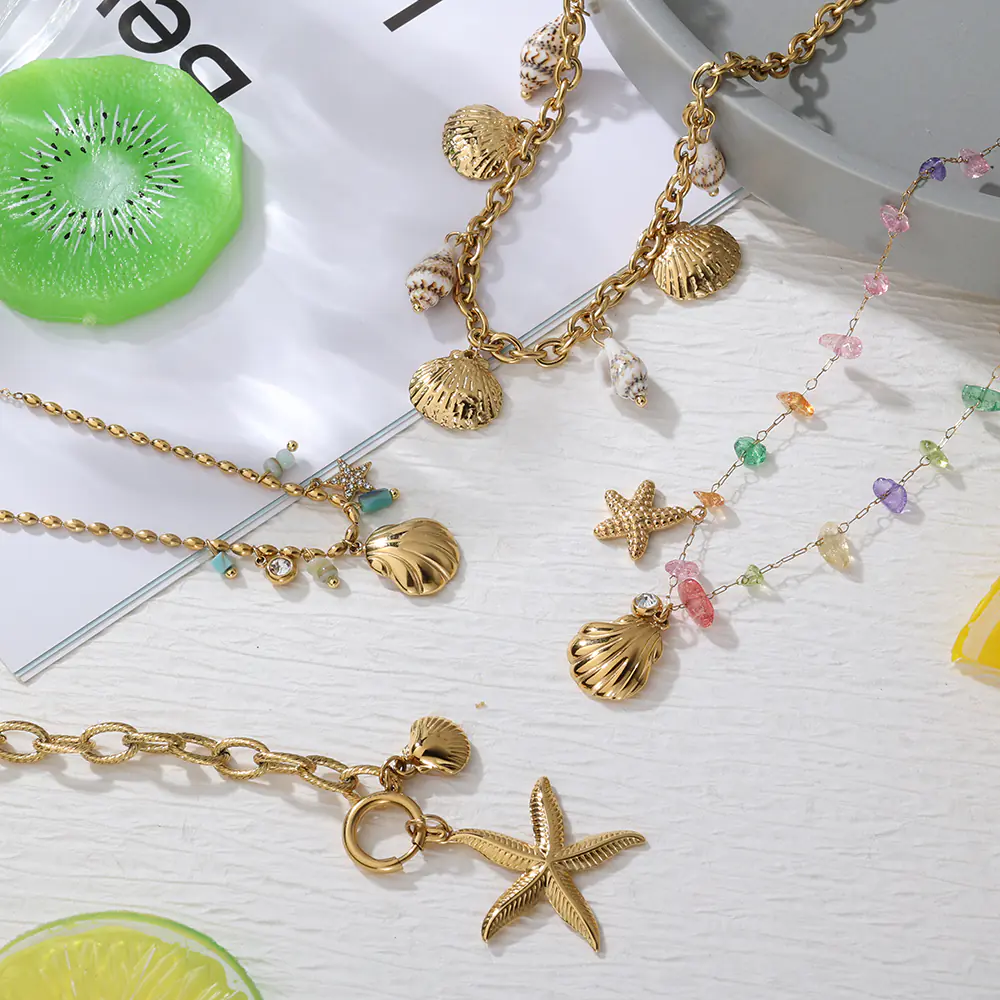
4. What Types of Jewelry Are Currently in High Demand for Private Label Brands?
4.1 Popular Jewelry Trends in 2025
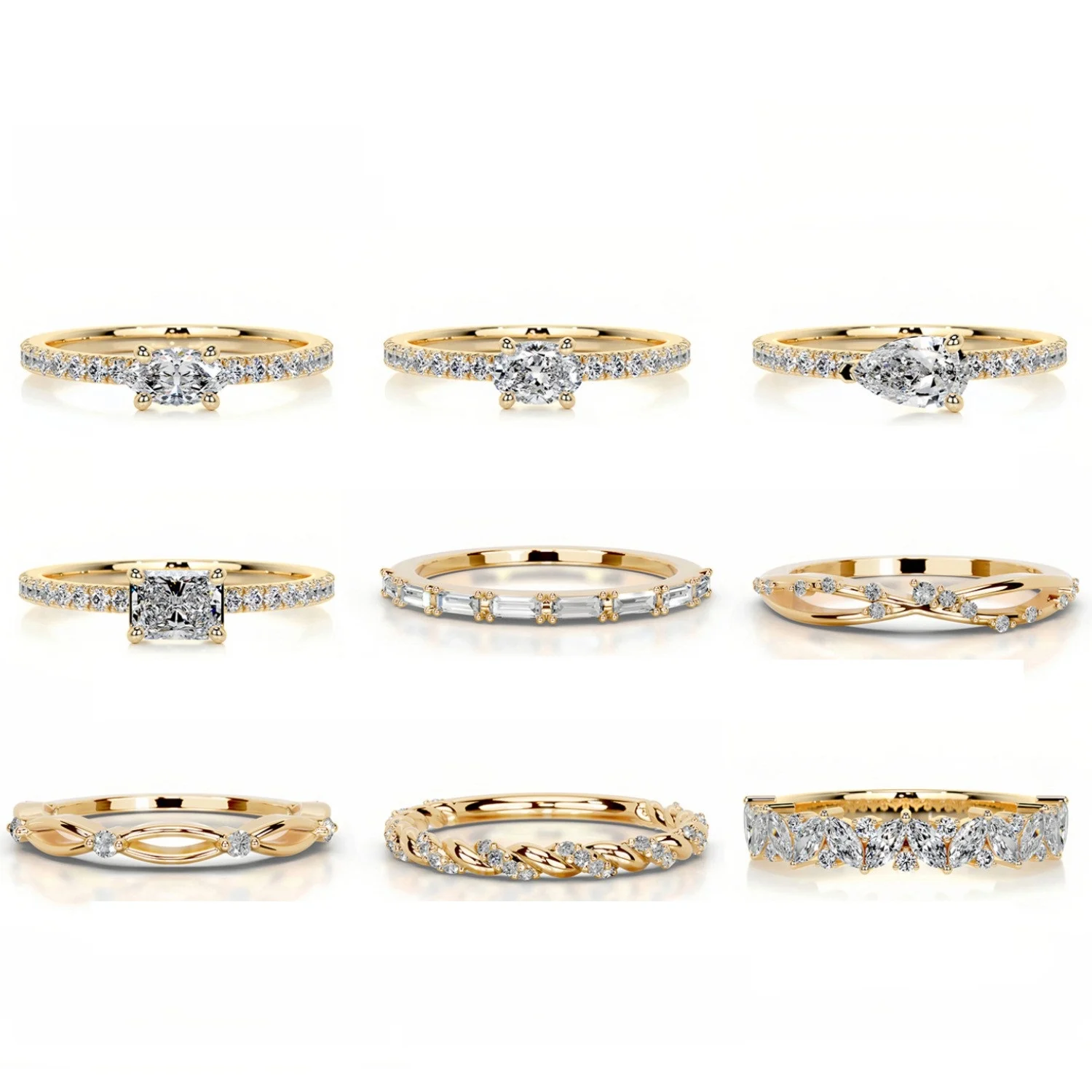
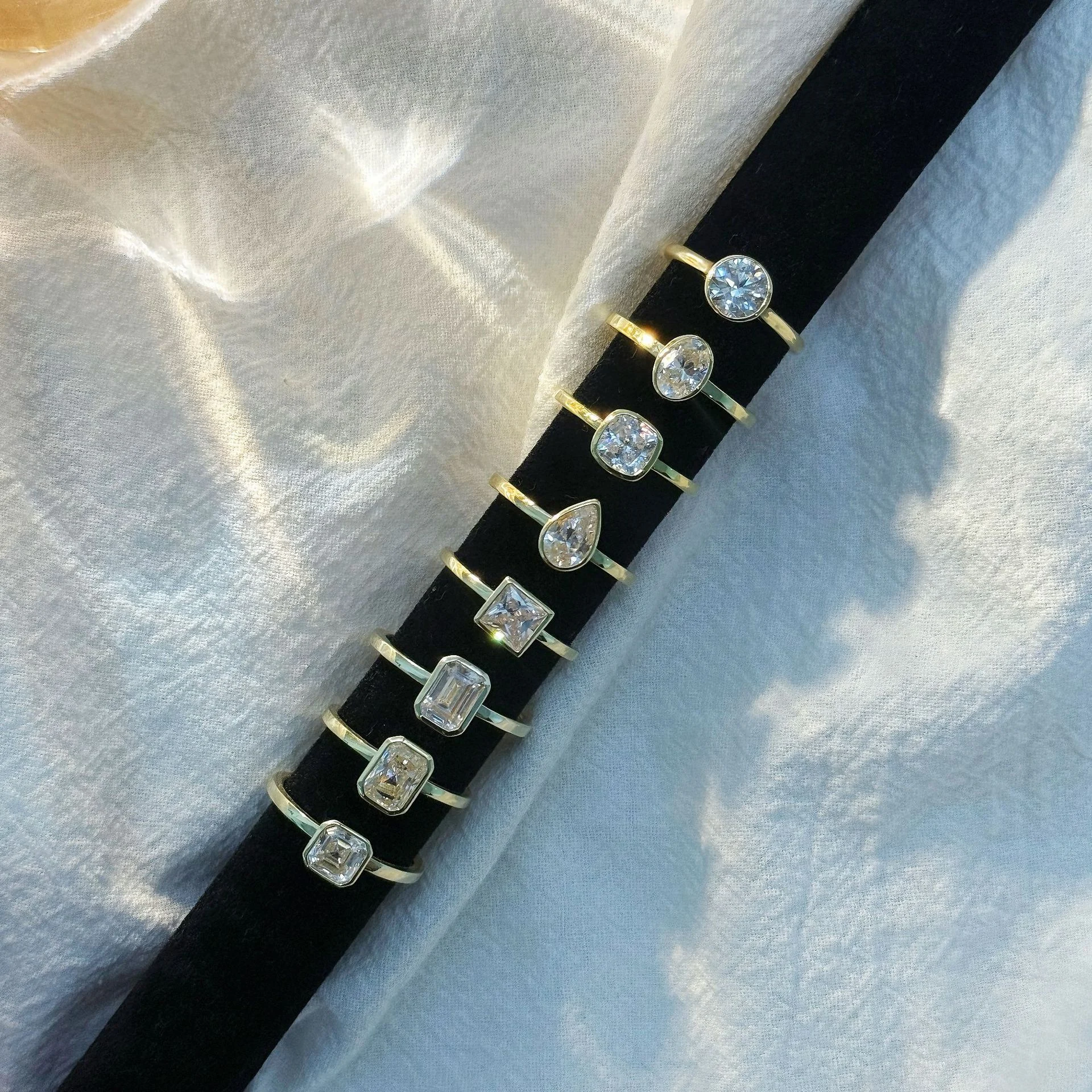
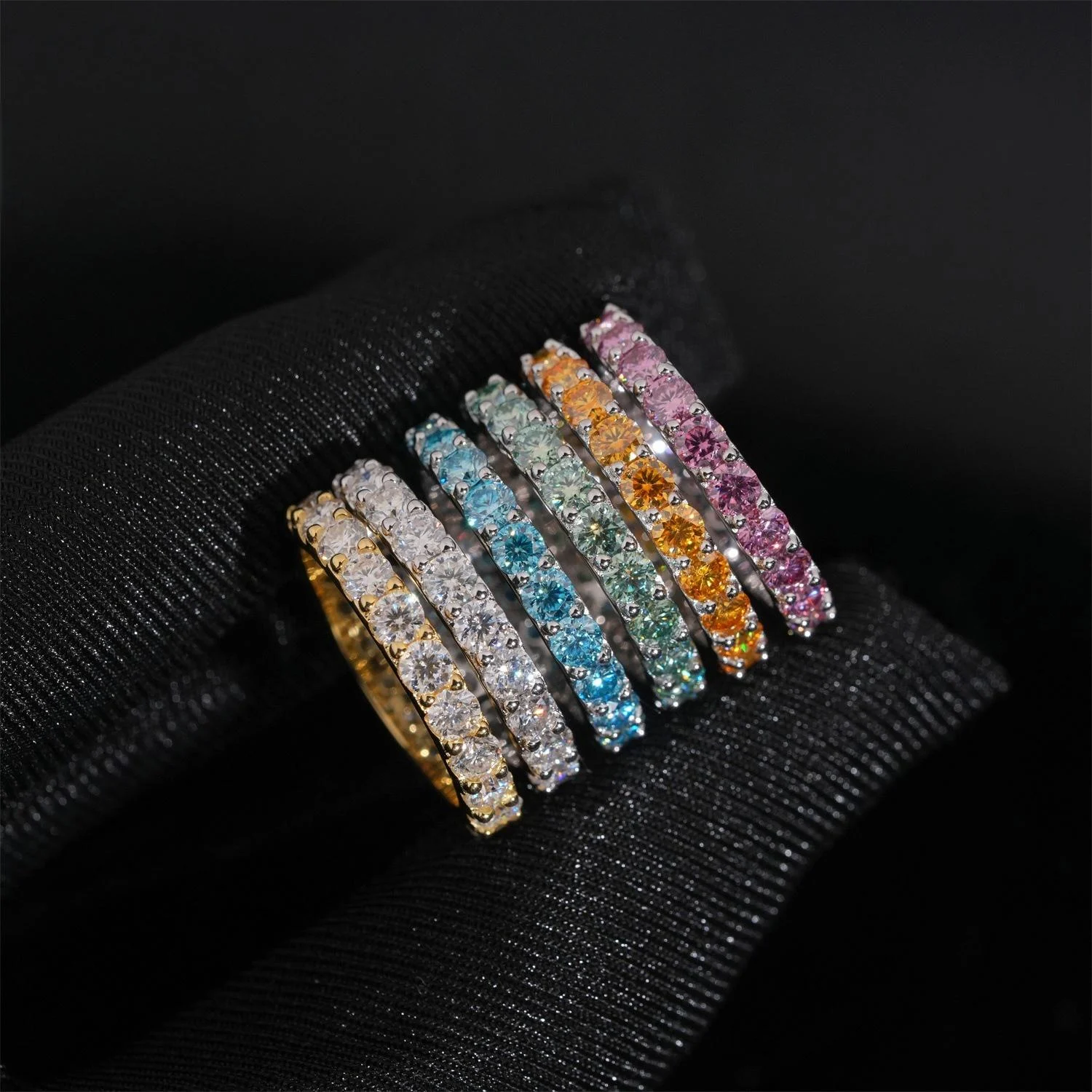
In 2025, trends are shifting towards minimalistic yet elegant designs, as well as personalization options. Items such as stacked rings, layered necklaces, and personalized charms are expected to see continued popularity. Sustainable and ethically sourced materials are also becoming increasingly important to consumers, which could be an opportunity for private label jewelry brands to differentiate themselves.
4.2 Best-Selling Categories (e.g., Engagement Rings, Earrings, Necklaces)
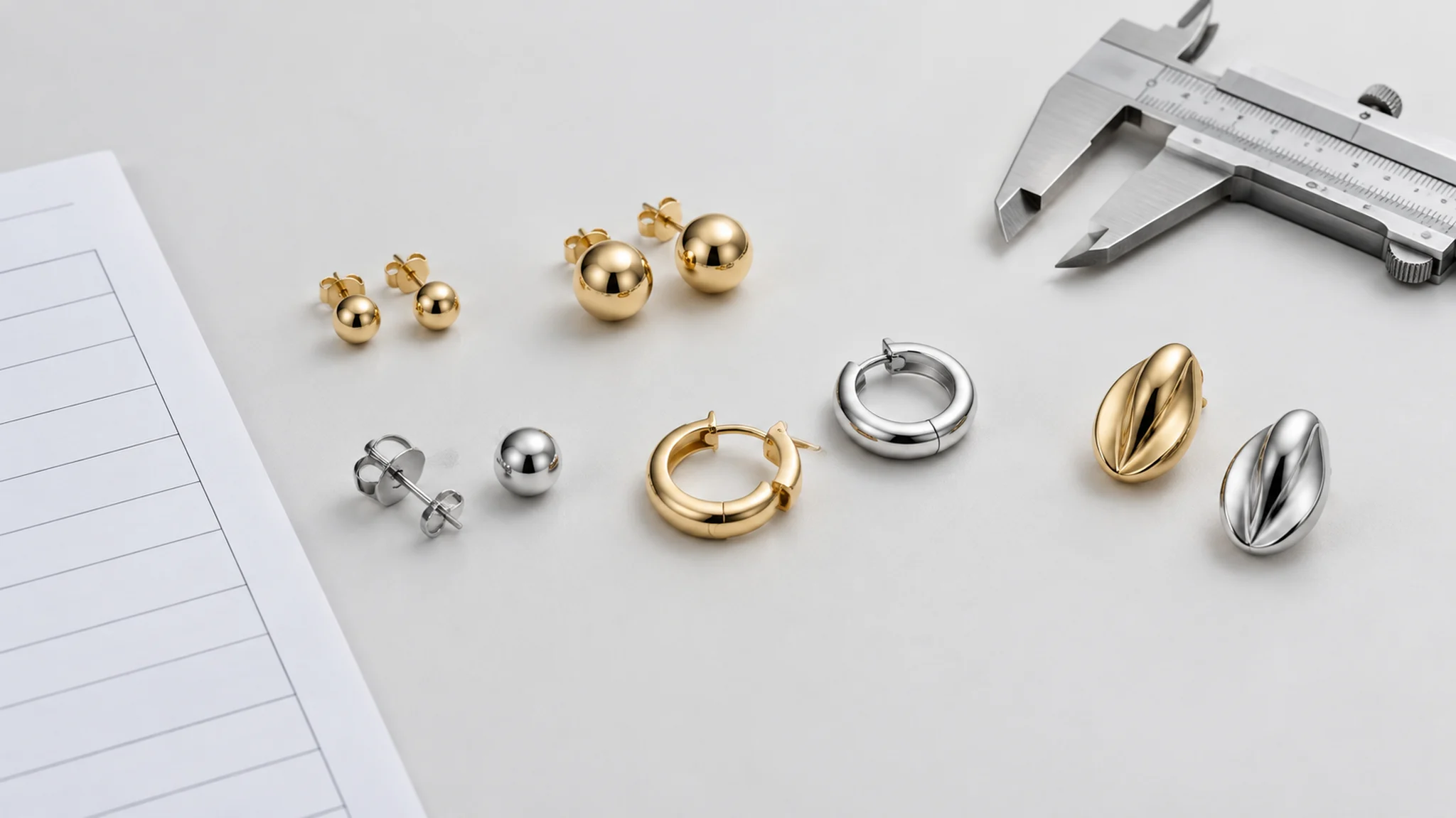
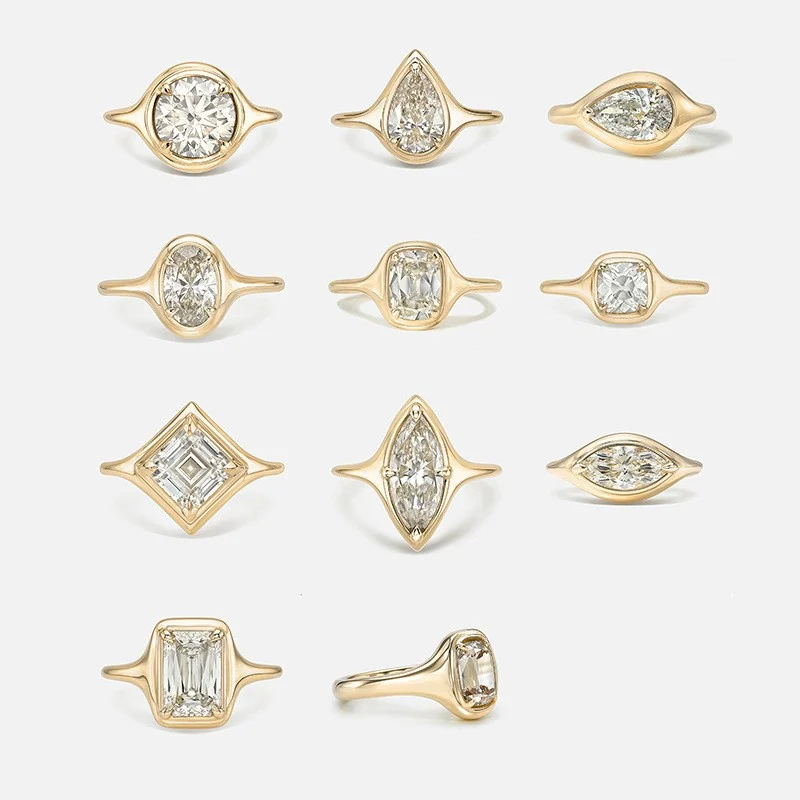
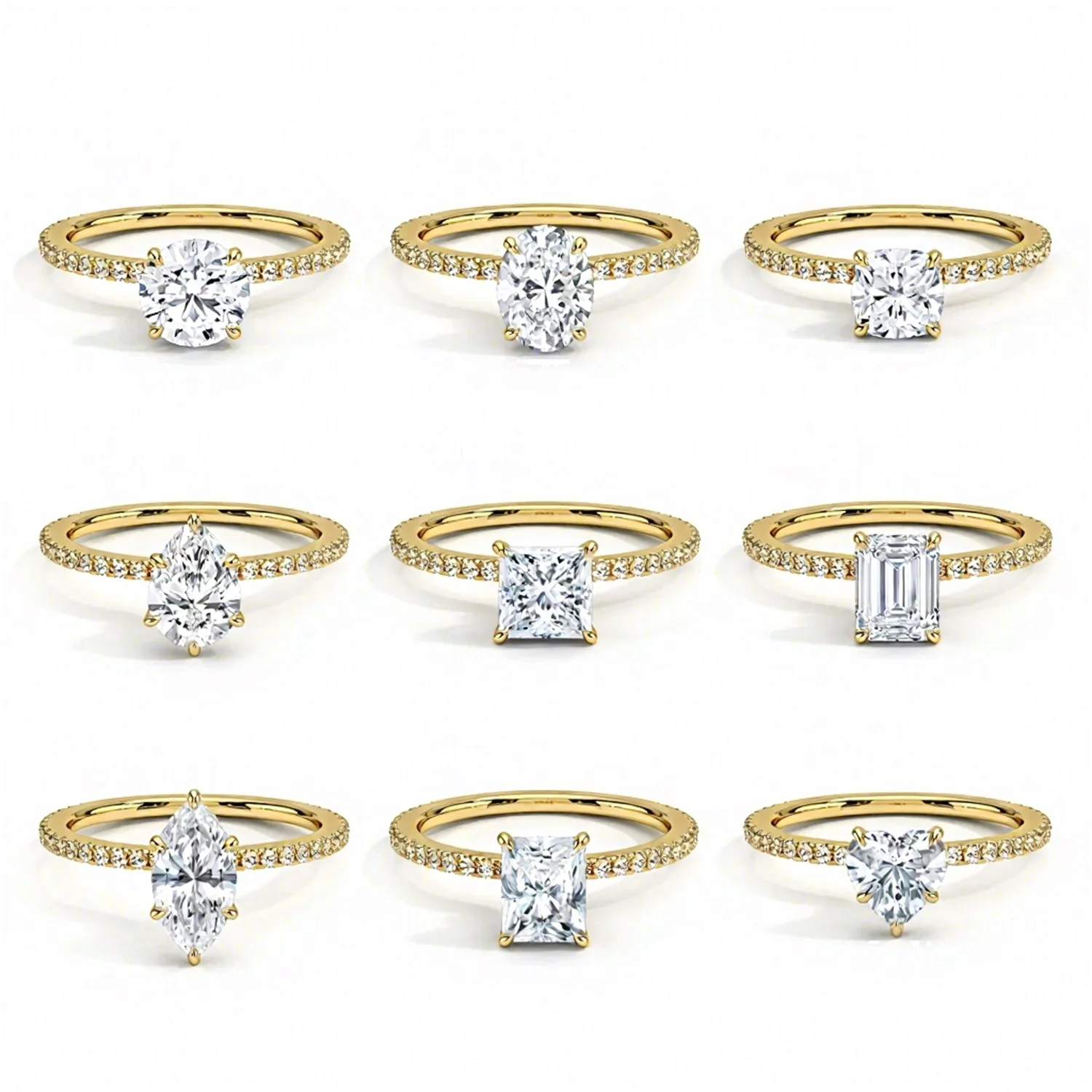
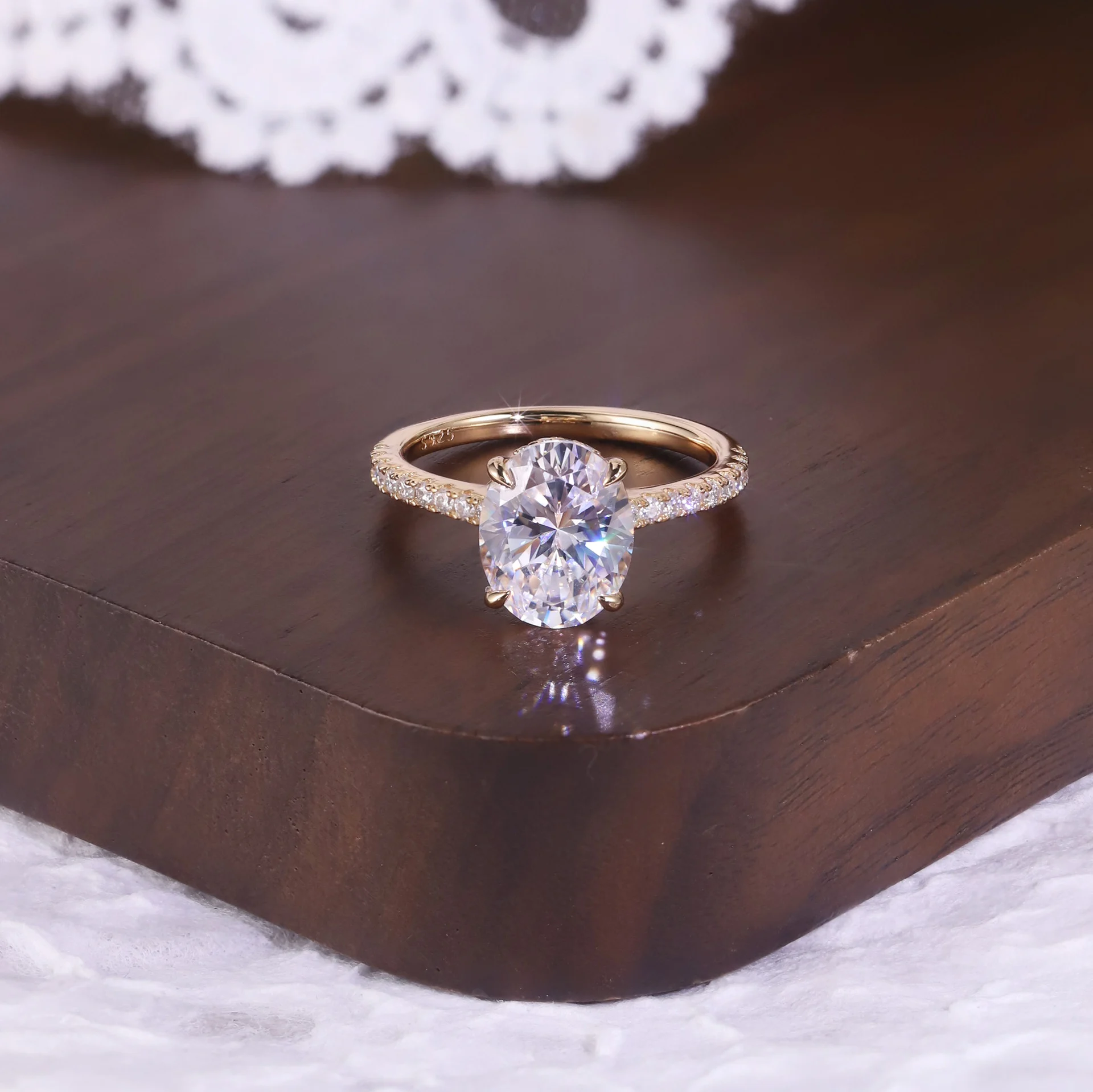
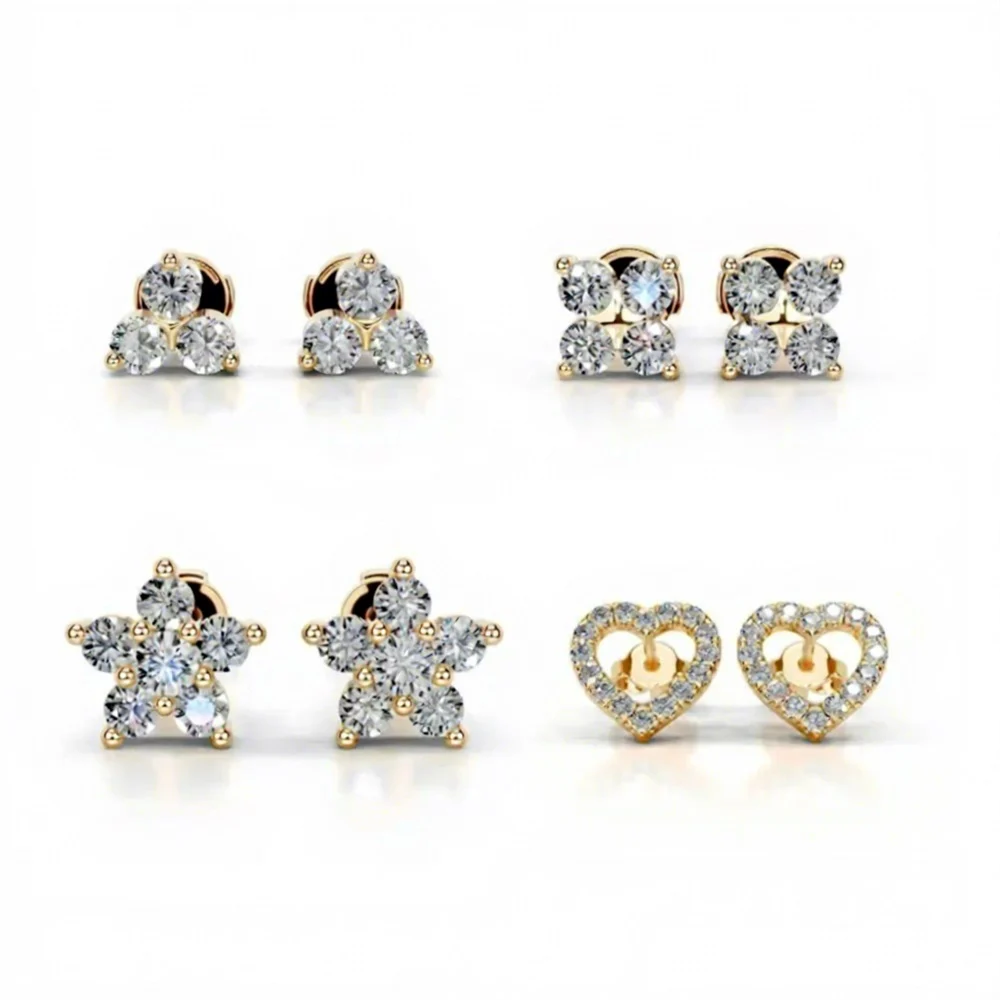
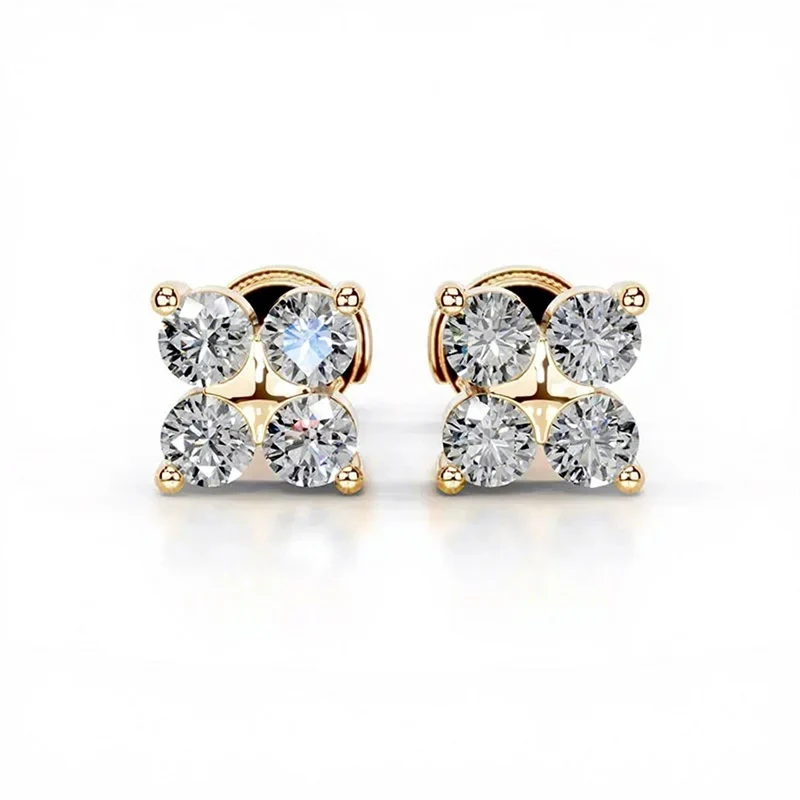
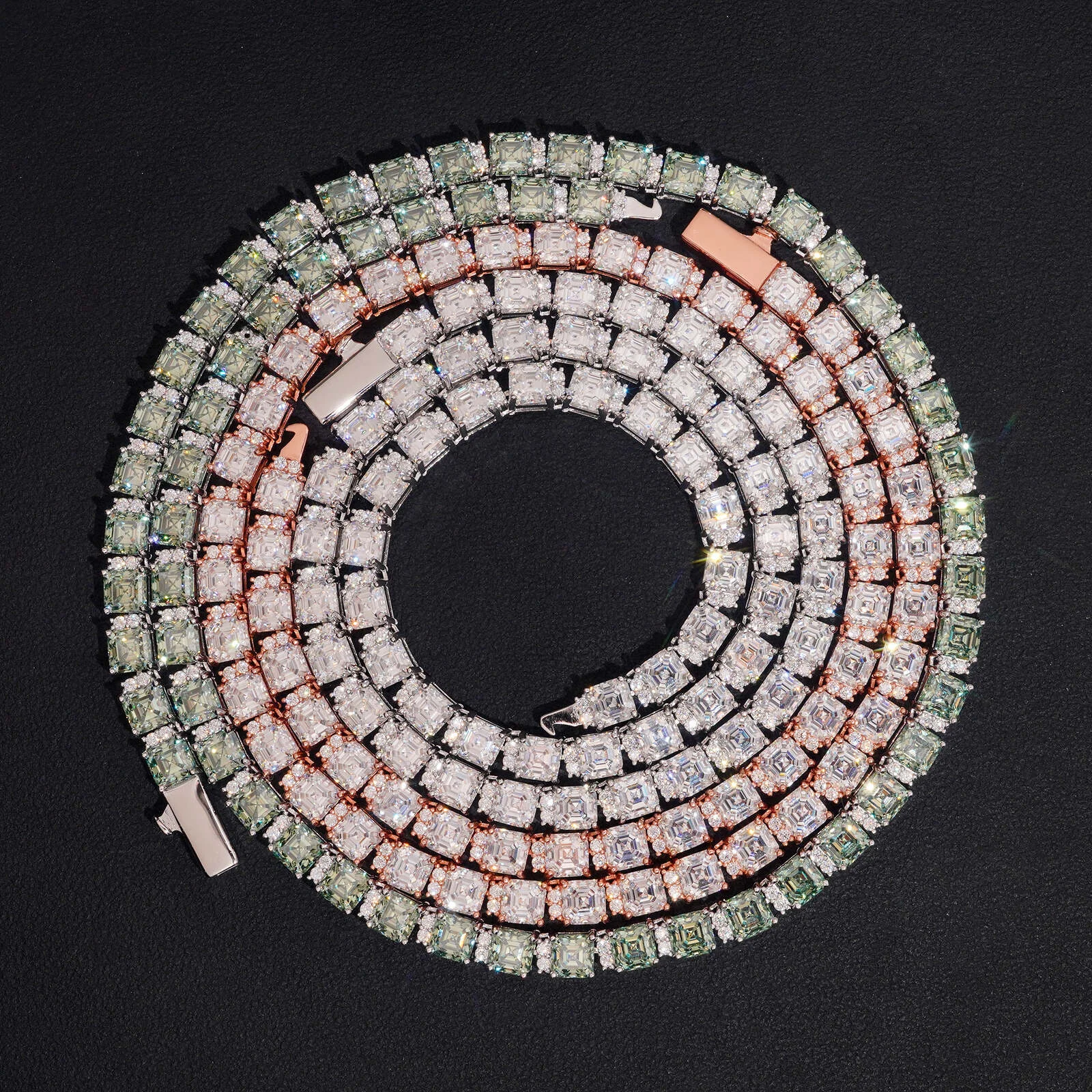
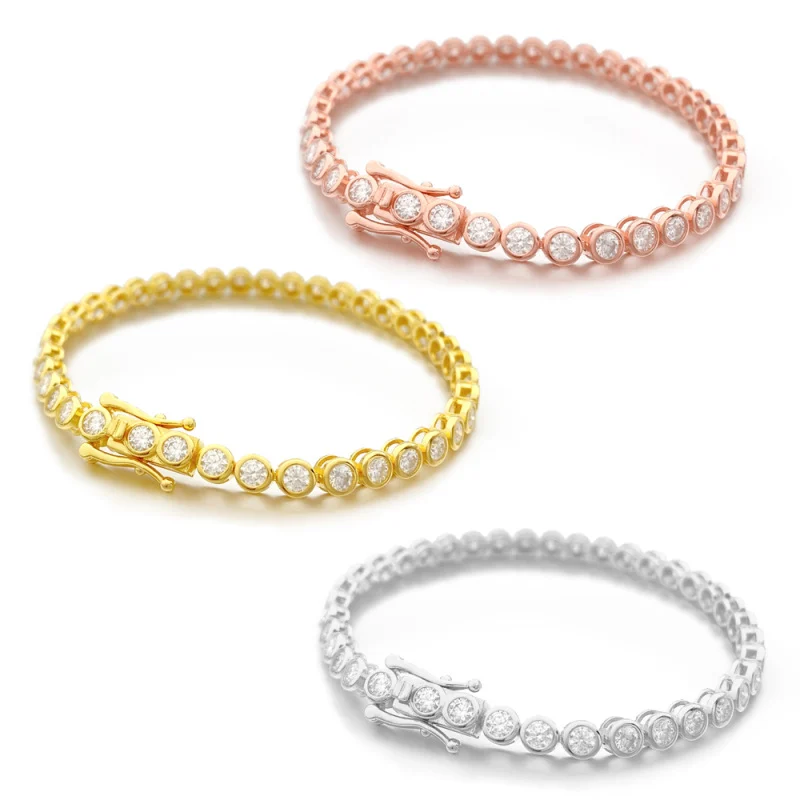
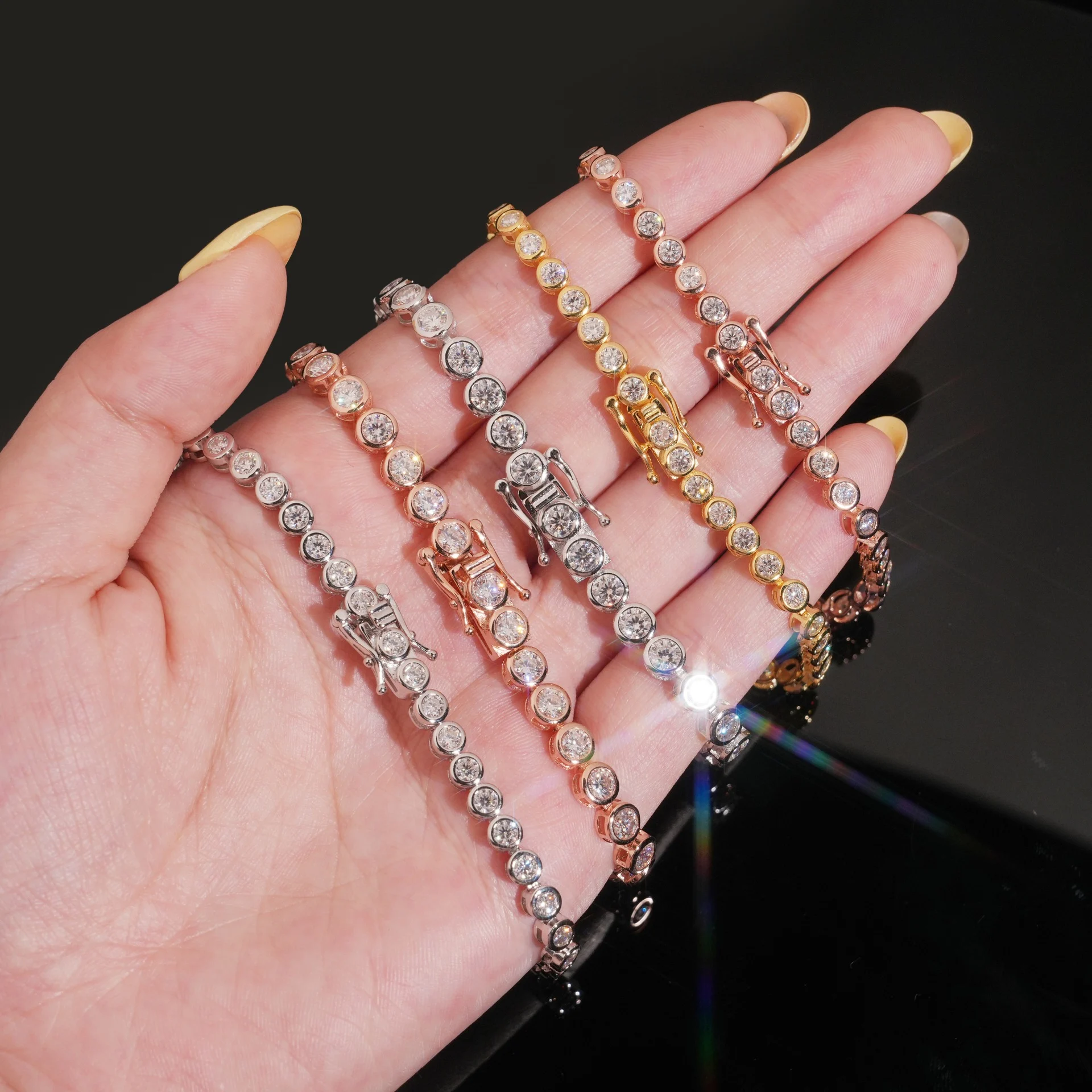
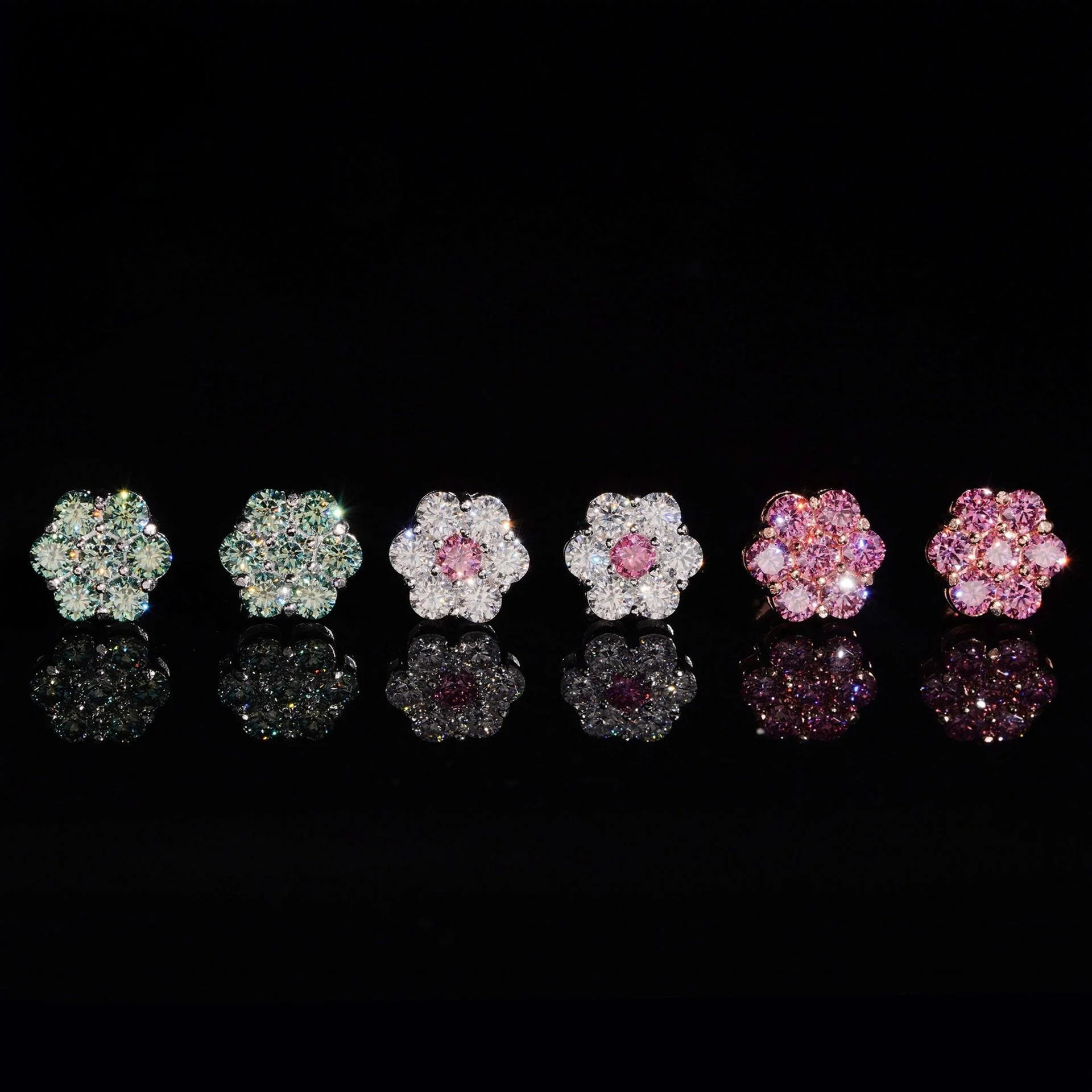
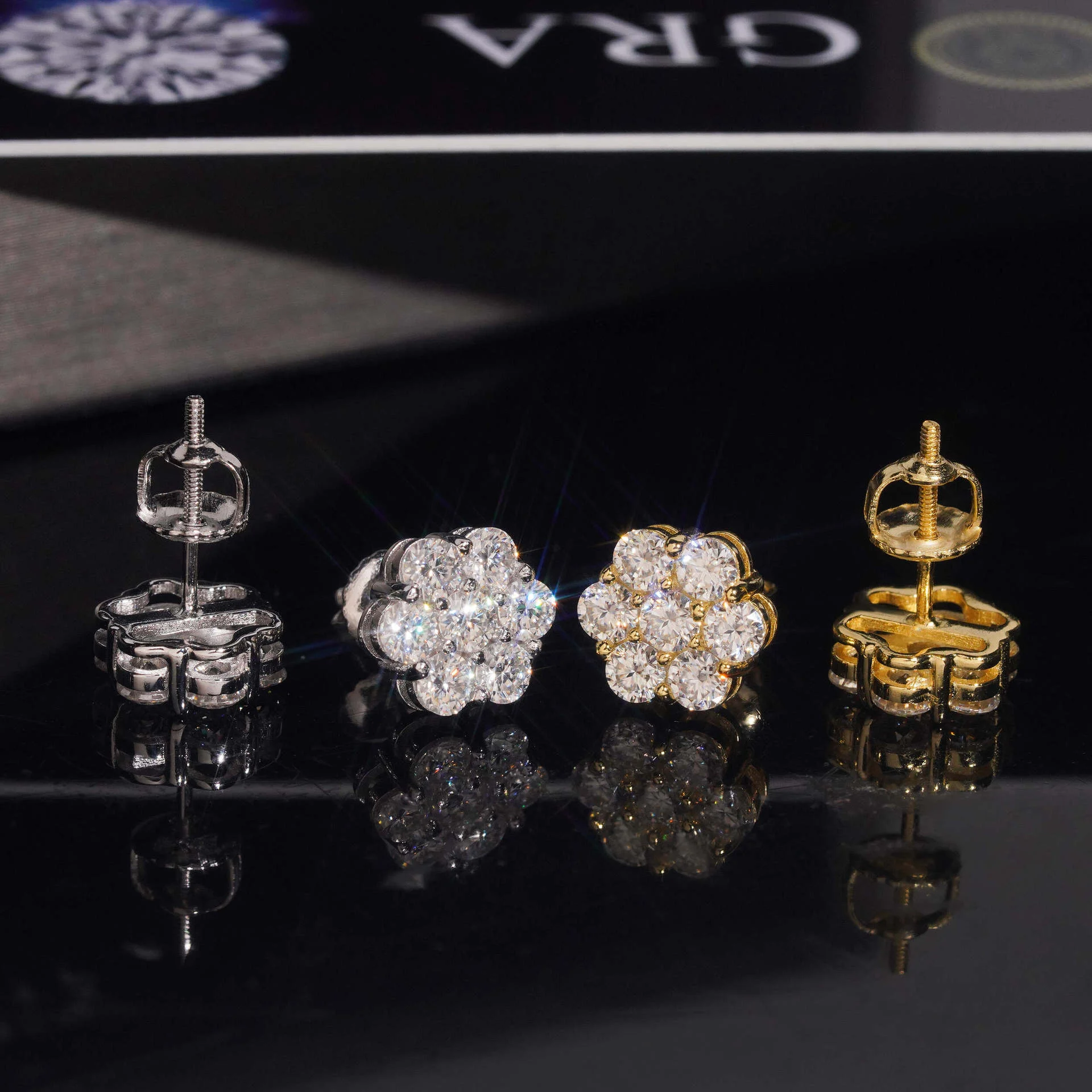
The most in-demand categories for private label jewelry include engagement rings, bracelets, and necklaces. Engagement rings, in particular, offer high-profit margins, and consumers are increasingly seeking personalized options, which gives private label brands an edge. Earrings, especially simple stud designs, are another favorite, while bracelets and necklaces with customizable elements (like initials or birthstones) continue to sell well.
4.3 How to Align Your Private Label Jewelry with Current Market Trends
To stay relevant, keep an eye on evolving trends and incorporate them into your jewelry designs. You can use custom jewelry manufacturers to offer personalized designs that cater to specific customer needs. Aligning your product offerings with current market demands will help ensure the success of your private label jewelry brand.
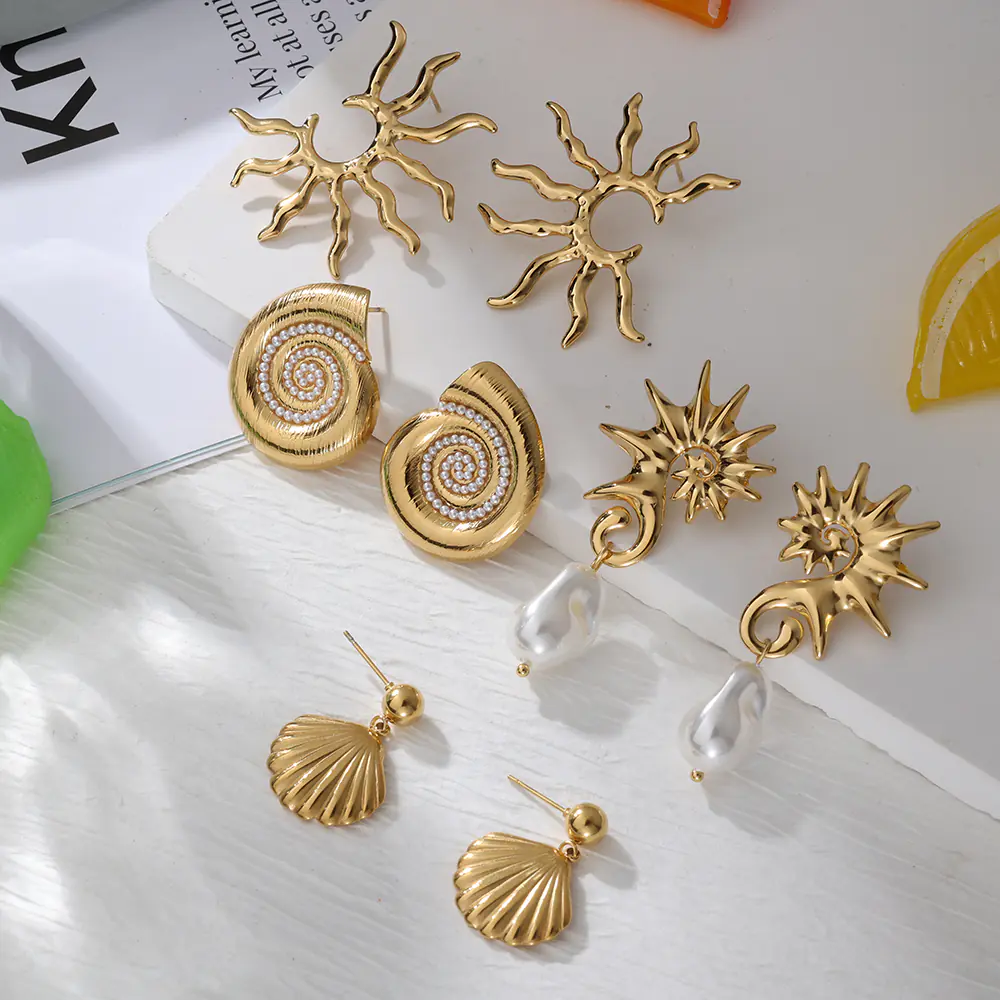
5. How to Buy Wholesale Jewelry for Your Brand?
5.1 Step-by-Step Guide to Purchasing Wholesale Jewelry
Buying wholesale jewelry requires careful planning. First, determine the types of jewelry you want to sell. Consider style, like minimalist or elaborate designs, based on current fashion trends and customer preferences. Factor in material, such as precious metals and gemstones, with different allure and price points, and conduct market research to understand demand.
Next, research suppliers online. Look for those with good reputations, positive reviews, and diverse product lines. Request samples to assess quality, checking craftsmanship, gemstone settings, and metalwork.
Once satisfied with the sample, place a bulk order. Negotiate terms like price, delivery time, and after – sales services, and document everything in a purchase agreement.
5.2 Factors to Consider When Ordering Wholesale (MOQ, Design Customization, etc.)
When buying wholesale jewelry, focus on Minimum Order Quantity (MOQ) and design customization.
MOQ varies by manufacturer. Large – scale ones set high MOQs, often in the hundreds or thousands for economies of scale. Smaller, niche suppliers offer lower MOQs, suitable for new or budget – strapped businesses. Assess MOQ based on your budget and sales forecast. New businesses with tight funds should avoid high MOQs to dodge inventory problems, while established firms with strong sales prospects can manage higher ones. Analyze past sales, market trends, and upcoming events to forecast accurately and pick a proper MOQ.
For private label jewelry, design customization matters. The supplier must meet your branding and design demands. They should have in – house designers or cooperate with yours. Whether you prefer a modern – minimalist or vintage – inspired style, the supplier should create the desired items. They need to provide a wide array of materials to meet quality standards. Branding elements like custom – engraved logos, unique packaging, and special finishing touches should be achievable. Meeting these customization needs helps create a unique product line for target customers.
5.3 How to Negotiate Pricing and Terms with Suppliers
Negotiation is vital when buying wholesale jewelry as it can greatly influence business success.
First, request quotes from multiple suppliers. Online platforms make this easy. Different suppliers, based on regions or product types, offer diverse price points. Comparing quotes helps spot trends and assess value.
For bulk orders, ask for discounts or better payment terms. Suppliers can cut per – unit costs with large orders, so buyers can negotiate lower prices, like a tiered discount system. Extended payment periods, say from 30 to 60 or 90 days, also help cash flow.
Building a strong relationship with suppliers pays off. Trust, communication, and respect are key. Loyal customers may get better pricing, and during peak seasons, priority in order fulfillment. This gives a market edge, allowing for quicker customer service and a better business reputation.
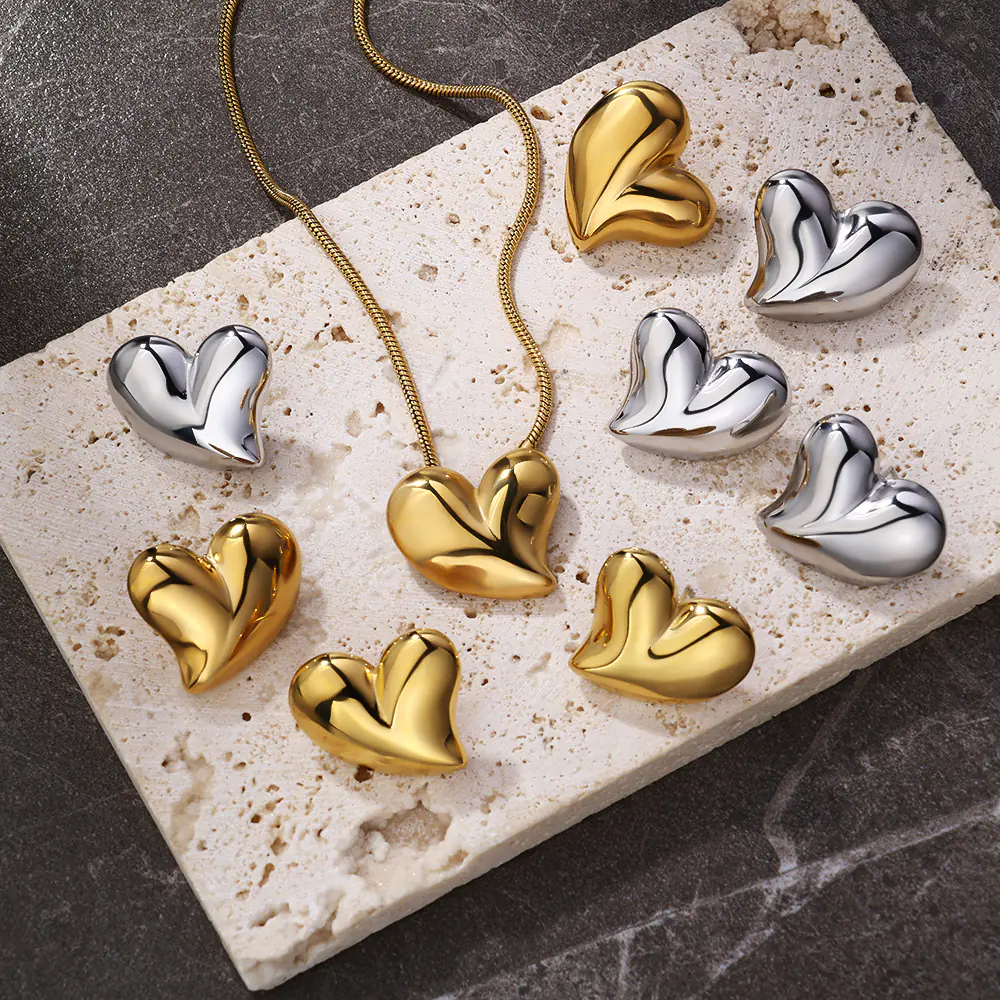
6. How to Find Reliable Jewelry Suppliers for Private Label?
6.1 Where to Look for Trusted Jewelry Manufacturers
There are several platforms and marketplaces where you can find white label jewelry manufacturers. Websites like Alibaba, Etsy Wholesale, and IndiaMart provide a wide range of jewelry suppliers. Additionally, attending trade shows and jewelry expos can give you direct access to manufacturers and a chance to build personal relationships.
6.2 How to Verify the Credibility of Jewelry Suppliers
Verifying Supplier Credibility
A multi – faceted approach is key to assessing a supplier’s credibility.
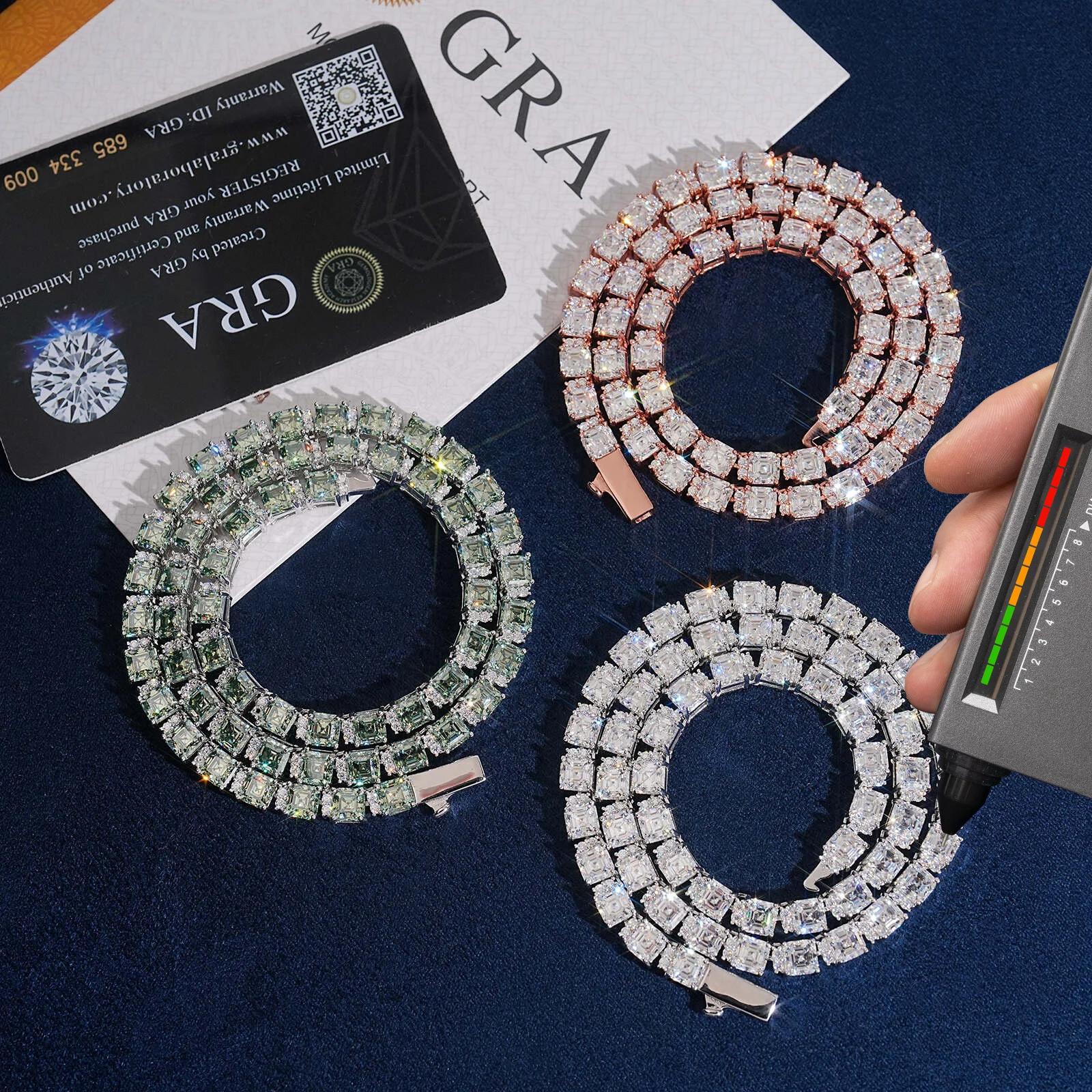
Begin by checking their business certifications and licenses. ISO certifications signal compliance with global quality management norms. In the jewelry sector, an RJC membership demonstrates a commitment to ethical material sourcing, a crucial aspect for today’s consumers. Licenses, including those for business operations and handling precious materials, confirm legal compliance.
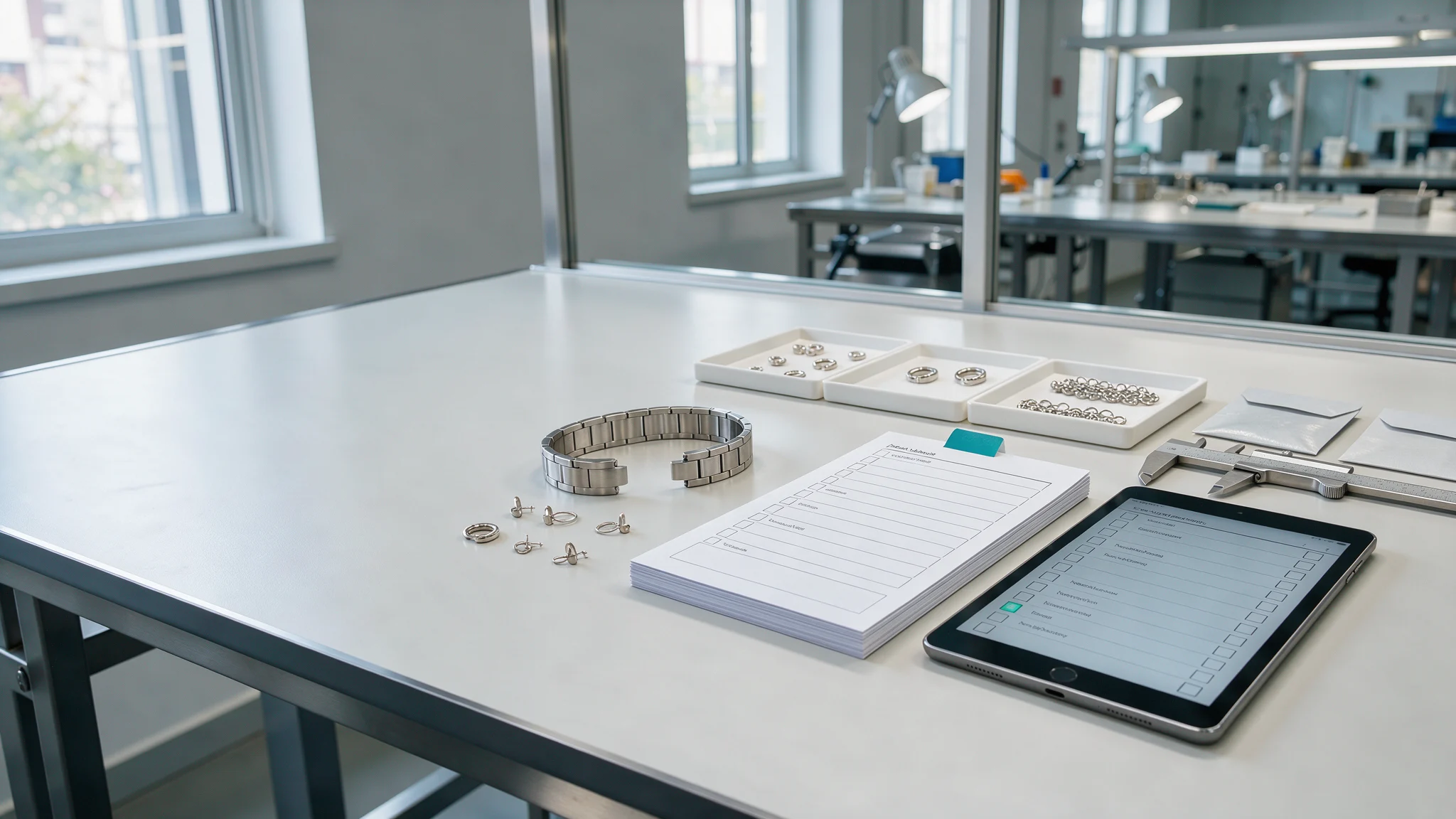
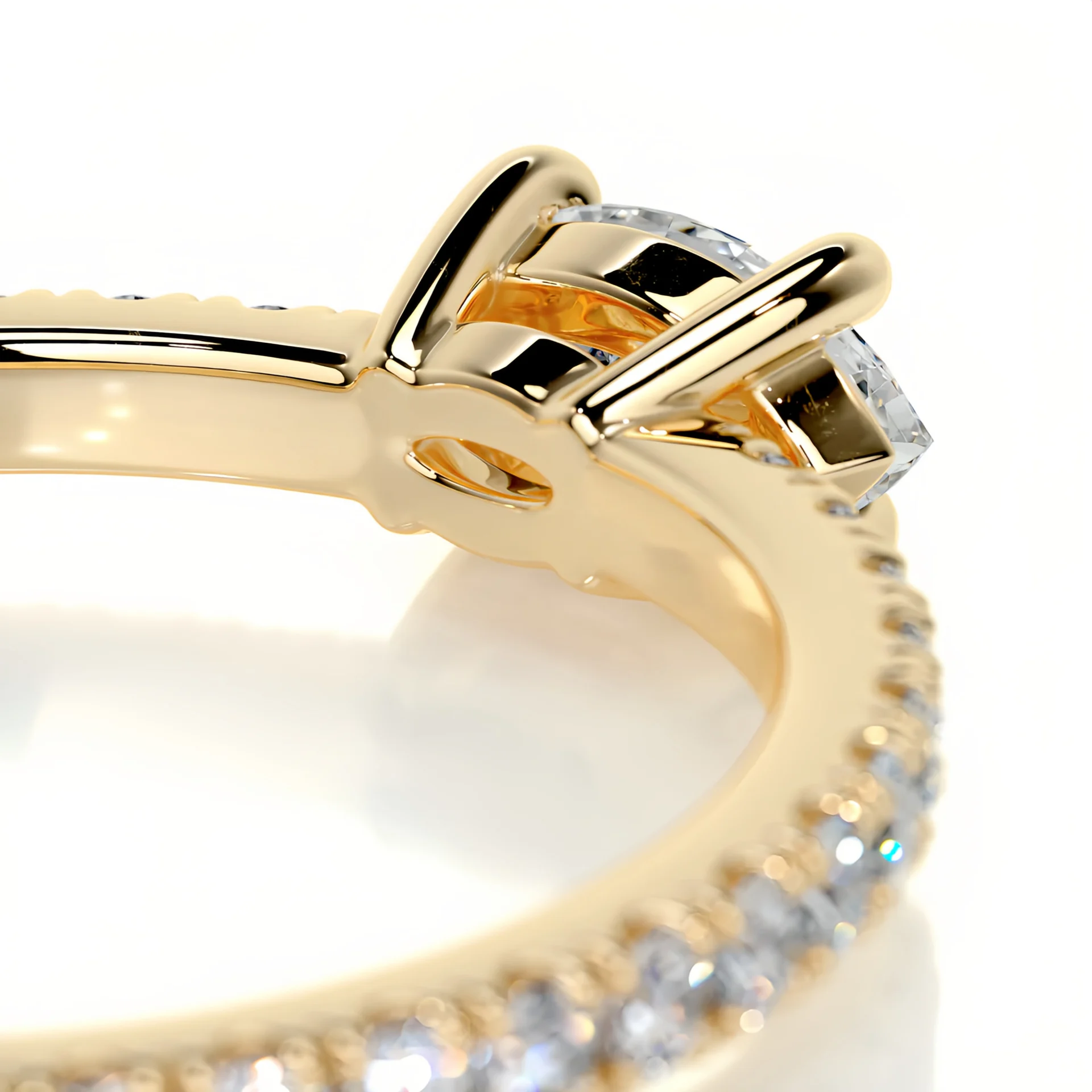
Requesting product samples is also crucial. For jewelry, closely inspect the metalwork’s finish for smoothness and seamlessness. Ensure gemstone settings are secure and the stones are defect – free. The sample’s overall craftsmanship gives a preview of large – scale production quality.
Lastly, look for suppliers with clear communication and transparency. They should respond promptly to questions about production timelines, order minimums, and pricing. Transparency extends to material sourcing, manufacturing quality control, and potential environmental and social impacts. Clear terms on payment, returns, and warranties further indicate a reliable partner.
6.3 Best Platforms and Trade Shows to Connect with Jewelry Suppliers
Some of the best platforms to connect with jewelry suppliers are online directories like the Wholesale Jewelry Suppliers Directory and specialized B2B websites. Jewelry trade shows, such as the Hong Kong Jewelry Show and JCK Las Vegas, offer a great opportunity to meet suppliers in person and assess their products firsthand.
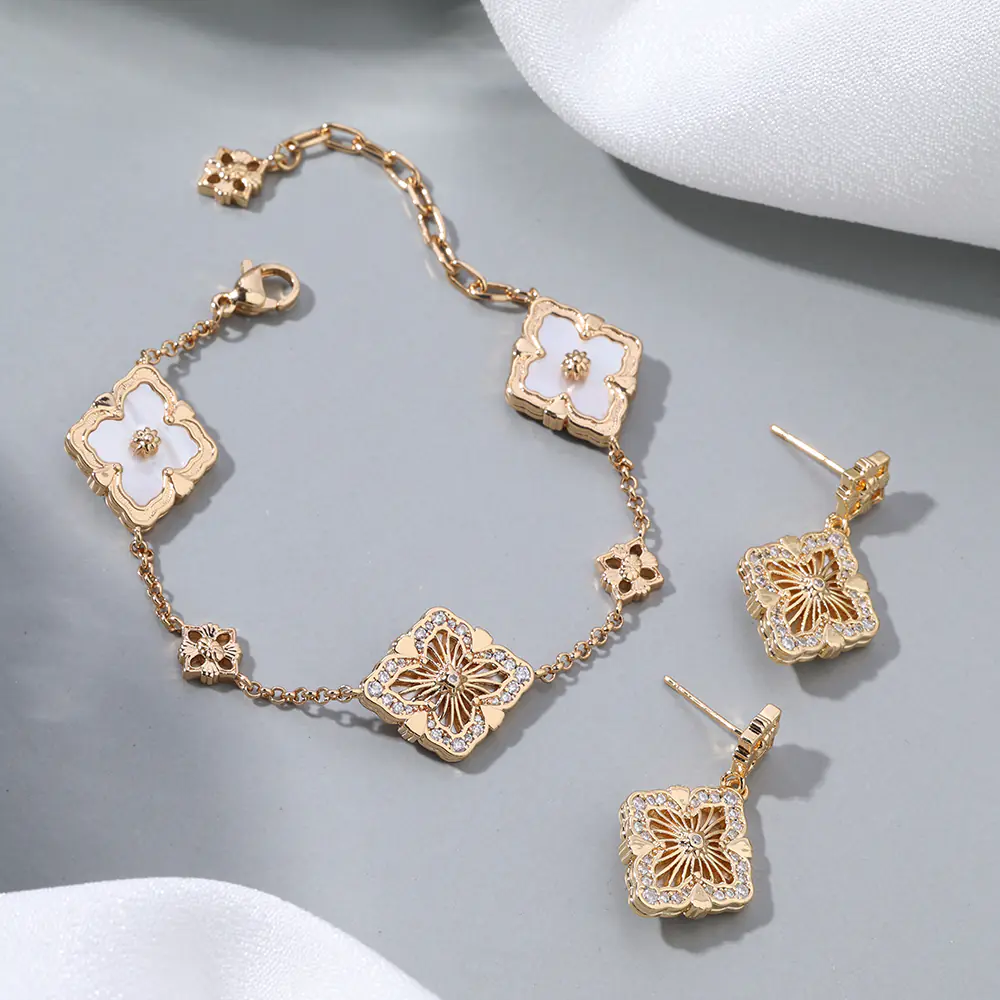
7. How to Start Your Own Private Label Jewelry Brand
7.1 Essential Steps to Launch Your Brand (Branding, Product Selection, Marketing)
Steps to Launch a Private Label Jewelry Brand
For a private label jewelry brand, online marketing is key. Optimize your e – commerce website for mobile use since many consumers shop via smartphones. Implement SEO strategies, using jewelry – related keywords like “handmade necklaces” or “ethical gemstone rings” to boost your site’s search visibility. Run retargeting ad campaigns on Google Ads and social media to reach users interested in your products before. By focusing on these online marketing efforts and adapting to customer feedback and market trends, you can set your brand on the path to success.
7.2Challenges to Expect and How to Overcome Them
Launching a private label jewelry brand requires navigating intense competition. Focus on these crucial aspects for success:
Brand Presence: Leverage social media platforms like Instagram and Pinterest to showcase jewelry, share design tales, and engage with potential customers. Collaborate with influencers and participate in trade shows to widen your reach and gain industry standing.
Inventory & Cash Flow: Analyze historical data, seasonal trends, and current market demands to monitor sales. Use inventory software to track stock. Adjust production to avoid overstocking and set reorder points for popular items. Negotiate favorable payment terms with suppliers and closely monitor expenses to optimize cash flow.
7.3 Building a Strong Relationship with Your Private Label Supplier
A successful private label jewelry brand is highly dependent on forging a robust connection with suppliers. Crucially, you must communicate your needs and expectations clearly.
When specifying jewelry details, be extremely precise. For a necklace, determine its length, the type of chain—such as delicate sterling silver or chunky gold – plated—and the pendant design, whether it’s a simple geometric shape or an elaborate floral motif. Moreover, clearly state your quality requirements. High – clarity gemstones devoid of visible inclusions and blemish – free, durable metalwork are essential. Set definite production and delivery schedules, especially when launching new collections in tandem with marketing campaigns.
This clear communication helps both you and your supplier align, working towards the shared objective of delivering top – notch products that surpass customer expectations. Satisfied customers are more likely to return, recommend your brand, and thus drive the growth and profitability of your private label jewelry business.
Conclusion
Starting your own private label jewelry brand can be an exciting and profitable journey. By understanding the fundamentals of private label jewelry, identifying the right suppliers, and staying on top of current trends, you can build a brand that resonates with your customers and stands out in the market. Remember, the key to success is not just in selling beautiful jewelry but also in delivering a unique, quality product that speaks to your audience’s desires.
Are you ready to take the next step in launching your private label jewelry brand? Contact us today to learn more about how we can help you find the perfect jewelry manufacturer and bring your designs to life. Let’s work together to create a brand that shines!