







1. The Big Question: Can Real Silver Tarnish? Understanding the Science
If you’re in the jewelry business, you’ve faced the question a hundred times. A customer picks up a beautiful sterling silver bracelet, their eyes light up, and then they ask with a hint of concern, “Is this going to tarnish?” Let’s tackle this head-on and turn that question into your sales advantage. The first thing to understand is the simple answer to the big question, can silver tarnish?
1.1 The Direct Answer: Yes, Authentic Sterling Silver Can and Will Tarnish.
And here’s the crucial part: that’s how you know it’s real. Tarnish isn’t a flaw; it’s a sign of authenticity. Think of it as a natural, scientific process, not a defect in quality. When customers or retail partners ask this, your confident “Yes, and here’s why that’s a good thing” can build immediate trust. It shows you are an expert who is transparent about your product. It’s a natural property of the precious metal they’re about to invest in.
1.2 The Chemistry Behind the Color Change: Why Tarnishing is a Natural Reaction, Not a Quality Flaw.
So what is happening when silver changes color? It’s simple chemistry. Sterling silver is an alloy, typically 92.5% pure silver and 7.5% other metals like copper. This blend gives it the strength needed for jewelry. Tarnish occurs when the silver and copper particles react with sulfur compounds in the air. This creates a thin layer of silver sulfide on the surface, which appears as a dark, discolored patina.
You might be asked, will sterling silver necklace tarnish just like a bracelet? Absolutely. The same goes for the question, does sterling silver earrings tarnish? The science is the same for any genuine sterling silver item. It’s a reaction to its environment—humidity, certain chemicals, and even the air we breathe. It’s important to clarify another common misconception: does sterling silver rust? No, it does not. Rust is iron oxide, a destructive form of corrosion that eats away at the metal. Tarnish is simply a surface layer that can be easily removed, which is great news. The good news is, tarnish is reversible. We’ll even cover how to clean silver bracelets back to their original glory later in this guide.

1.3 Differentiating Tarnish from Poor Quality: How to Reassure Your Clients and Identify Genuine Sterling Silver (925).
Here’s where you become an invaluable partner to your retailers. Teach them to see tarnish as a hallmark of genuine silver. In fact, cheap, silver-colored costume jewelry made from metals like nickel or cadmium often won’t tarnish because it lacks real silver. The most basic identifier for quality is the “925” or “Sterling” stamp, which certifies its silver content. But the ultimate proof is the metal’s natural behavior. By explaining that the potential to tarnish is proof of the product’s value, you shift the conversation from a negative to a positive, empowering your retailers to sell with confidence.
2. Sourcing for Success: How to Identify High-Quality Sterling Silver for Your Retail Business
Now that we’ve established that the answer to “can silver tarnish” is yes, the next logical step is to ensure you’re sourcing the best possible sterling silver for your business. Not all 925 silver is created equal. Proactive sourcing is your first line of defense against rapid tarnishing and customer complaints. It’s about looking beyond the stamp and understanding the nuances of craftsmanship and material science.
2.1 Beyond the 925 Stamp: Key Indicators of Quality Craftsmanship and Materials.
While the 925 stamp is the legal standard, a trained eye can spot superior quality instantly. First, feel the weight of the piece. High-quality sterling silver has a satisfying heft to it; it doesn’t feel flimsy or hollow. Next, inspect the finish. Is the surface polished to a high shine? Are the solder joints (where parts are connected) clean and seamless? Poorly finished jewelry not only looks cheap but often has more surface-level impurities that can accelerate tarnishing. Look for smooth clasps, detailed engraving, and an overall sense of solid construction. These are the details that separate premium stock from the rest.
2.2 Questions Every Wholesaler Must Ask Their Supplier: Inquiring About Alloys and Anti-Tarnish Treatments.
To protect your investment, you need to become an expert interrogator. Your supplier should be a partner, not just a vendor. Here are key questions to ask:
- “What is the specific 7.5% alloy you use with your silver? Is it nickel-free?” (This is crucial for customers with allergies).
- “Do you use any anti-tarnish alloys in your sterling silver mix?”
- “What is your quality control process for verifying the 92.5% silver purity?”
A very common and important question also relates to plated items: does gold plated sterling silver tarnish? The answer is nuanced. A thick, high-quality gold plating provides an excellent protective barrier. However, if the plating is thin, it can wear away, exposing the sterling silver underneath to the elements, which will then tarnish. Asking your supplier about their plating thickness (measured in microns) is essential.
2.3 The Value of Protective Coatings: Understanding Rhodium Plating and E-Coating.
The best suppliers offer solutions. Two of the most effective are rhodium plating and e-coating. Rhodium, a member of the platinum family, gives silver a brilliant, white, reflective finish that is highly resistant to tarnish and scratches. It’s the secret behind the ultra-bright look of high-end silver jewelry. E-coating (electro-coating) involves applying a clear, durable polymer layer over the silver. This seals the metal from the air, providing a powerful shield against tarnishing while remaining invisible. When you source silver bracelets with these protective coatings, you’re not just buying jewelry; you’re investing in longer shelf life, greater customer satisfaction, and a stronger brand reputation.
3. The Wholesaler’s Vault: How Do I Stop Silver from Tarnishing in Storage?
You’ve sourced beautiful silver bracelets, and now they’re sitting in your stockroom. This is where your profit is stored, and protecting it is paramount. We’ve established that the answer to can silver tarnish is a definite yes, so your next mission is to control the environment and slow that natural process to a crawl. Think of your storage area not as a simple room, but as a vault designed to preserve value. Proper storage is the single most effective way to protect your inventory and ensure every piece you ship is as brilliant as the day you received it.
3.1 Mastering Your Storage Environment: Controlling Humidity, Air Exposure, and Light.
Tarnish has three best friends: humidity, air, and light. Your job is to break up that party. The most aggressive culprit is humidity, which accelerates the chemical reaction with sulfur in the air. Aim to keep your storage area cool, dark, and dry. A simple dehumidifier can be one of the best investments you make for your business. Keep jewelry away from exterior walls that can be prone to temperature fluctuations and condensation. And while it seems obvious, direct sunlight is a major no-go; its UV rays can speed up discoloration and even damage certain gemstones if your pieces feature them.
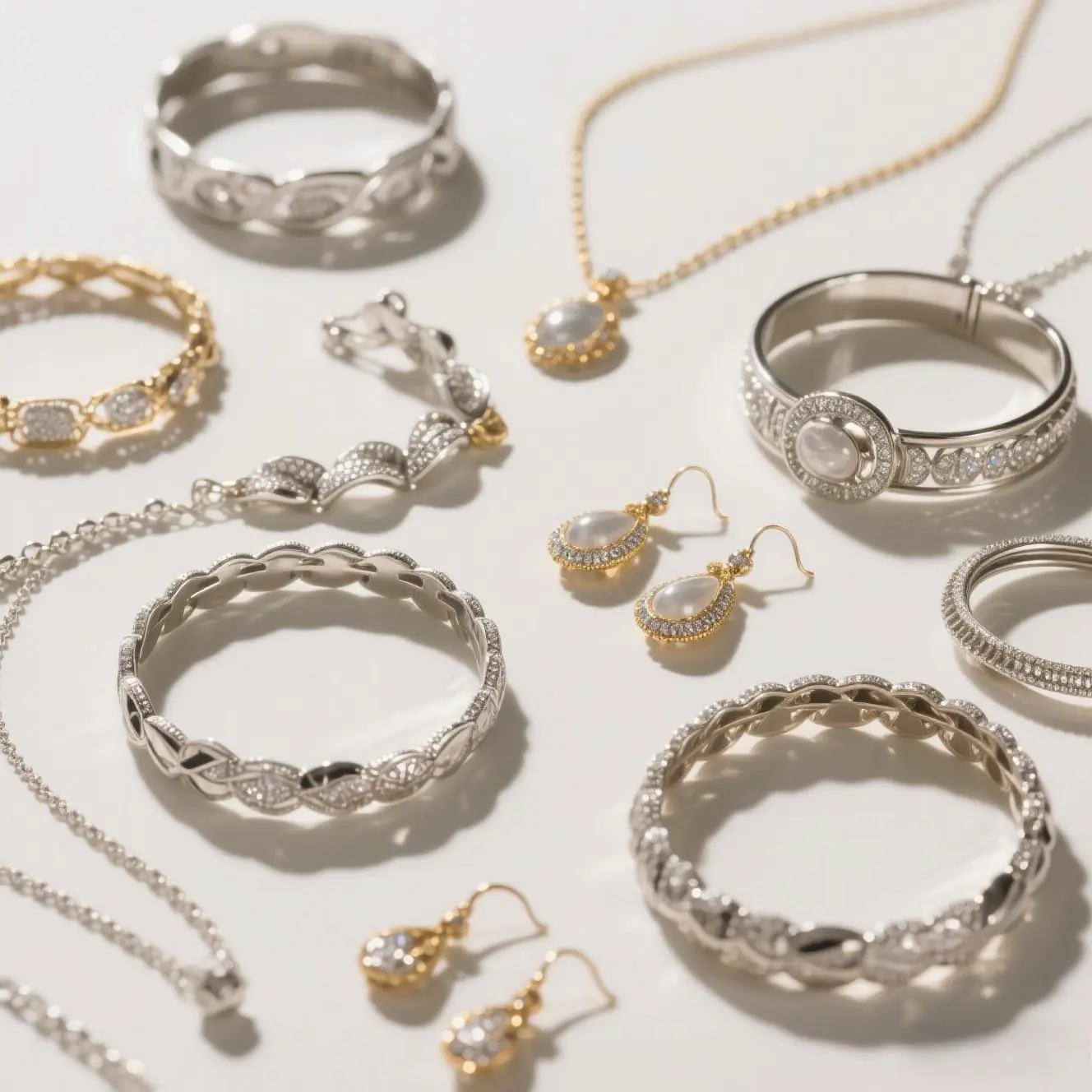
3.2 Essential Packaging Supplies: The Role of Anti-Tarnish Strips, Intercept® Technology, and Sealed Poly Bags.
Your next layer of defense is individual packaging. Simply leaving silver bracelets out in open-air trays is an invitation for tarnish. The solution is simple and cost-effective. Store each bracelet in its own small, sealed plastic poly bag. This creates a micro-environment, drastically limiting air exposure. For an extra boost of protection, add a small anti-tarnish paper tab or strip to each bag. These affordable little squares work by absorbing airborne sulfur and other pollutants before they can react with the silver. For high-value inventory, consider investing in packaging that uses Intercept® Technology, which actively neutralizes corrosive gases. This proactive approach is your secret weapon, because even in a perfect room, we know can silver tarnish eventually if left exposed.
3.3 Inventory Management Protocols: Implementing a “First-In, First-Out” (FIFO) System.
Finally, let’s talk business process. A smart inventory system is a key part of stock protection. Implement a strict “First-In, First-Out” (FIFO) protocol. This means the oldest stock is always shipped out first. This prevents certain bracelets from sitting in your warehouse for extended periods, minimizing their long-term exposure. By organizing your shelves and bins so that new shipments go to the back and orders are pulled from the front, you ensure a constant rotation. This system is the backbone of smart inventory management and your best defense against the inevitable fact that can silver tarnish over time.
4. From Tarnished to Treasure: How Do You Clean Tarnished Silver Bracelets?
Even with the best storage practices, you may occasionally find a piece that needs a little touch-up before being shipped to a retailer. It happens. This isn’t a crisis; it’s a simple restoration task that, when done correctly, brings the piece back to its full glory. Knowing how to clean silver safely and efficiently is a crucial operational skill. In fact, seeing the proof that can silver tarnish and then witnessing how easily it can be restored can actually boost your confidence in the product’s quality and longevity.
4.1 Pre-Sale Restoration: Safe and Efficient Methods for Cleaning Stock.
When you need to clean a piece, your goal is to remove the tarnish without damaging the silver itself. The gentlest and most effective method for light to moderate tarnish is a professional silver polishing cloth. These are typically two-part cloths; one side is treated with a micro-abrasive cleaning agent to remove tarnish, and the other is for buffing to a high shine. For heavier tarnish, a high-quality silver polish cream or dip can be used, but with caution. Dips are fast but can be harsh, and they will strip the dark patina from “antiqued” designs, so they should only be used on high-polish pieces. Always follow the product’s instructions precisely. Let’s cover exactly how to clean silver bracelets with a cloth: use gentle, long strokes, not harsh circular motions, to avoid creating fine scratches.
4.2 Creating a “Cleaning & Care” Protocol for Your Team.
To ensure consistency and prevent accidental damage, create a simple cleaning protocol for your staff. Your protocol should clearly state which cleaning method to use for different types of silver jewelry. For example:
- High-Polish Bracelets: Use polishing cloth first. If tarnish is heavy, use silver cream with a soft applicator.
- Bracelets with Gemstones: Use polishing cloth only, carefully avoiding the stones.
- Antiqued or Oxidized Designs: Lightly buff with the “shine” side of the polishing cloth only to enhance contrast, not remove the intended dark areas.
This simple guide empowers your team to handle pre-sale cleaning confidently and correctly every time.
4.3 What to Avoid: Cleaning Methods That Can Damage Silver Bracelets and Your Reputation.
The internet is full of DIY cleaning “hacks” that can permanently damage your inventory. Instruct your team to never use these methods. Avoid toothpaste and baking soda pastes; they are abrasive and will leave microscopic scratches on the silver’s surface, dulling its finish over time. Also, steer clear of acidic solutions like lemon juice or vinegar, as they can be too harsh and cause pitting on the metal’s surface. Using improper methods can turn a valuable piece into unsellable stock. By mastering the right techniques, the fact that can silver tarnish becomes a manageable part of the business, not a threat to your bottom line.

5. Empowering Your Partners: How Can I Educate My Customers on Silver Jewelry Care?
You’ve protected your inventory and know how to keep it looking pristine. Now comes the most important part: transferring that knowledge to your retail partners. This is how you move from being a simple supplier to an indispensable business partner. When you empower your retailers to confidently answer the question “can silver tarnish?”, you help them close more sales. And when they sell more, they order more from you. This isn’t just customer service; it’s a core sales tactic.
5.1 A Key Sales Tactic: Providing Retailers with “Silver Care Cards” for Their Customers.
One of the simplest and most effective tools you can provide is a small, professionally designed “Silver Care Card.” Include one with every bracelet you ship. This small piece of cardstock adds immense perceived value and serves as a silent salesperson. It should contain simple, bullet-pointed instructions:
- Store your silver in a cool, dry place, preferably in a pouch or sealed bag.
- Avoid contact with lotions, perfumes, and harsh chemicals.
- Remove jewelry before swimming or showering.
- Clean gently with a soft silver polishing cloth to restore shine.
This proactive step shows you care about the product’s longevity and provides the end customer with the confidence to purchase. It takes the burden of explanation off the retail staff and institutionalizes good care practices right from the point of sale.
5.2 Content is King: Creating Digital Assets Your Retailers Can Use.
In today’s digital world, your support can extend beyond the physical product. Create simple digital assets that your retailers can share on their social media or in their newsletters. Think of a simple, elegant infographic explaining why genuine silver tarnishes or a short, 15-second video showing how easily a polishing cloth restores a bracelet’s shine. By providing this content, you save your retailers time and money on marketing, strengthening your partnership. This reinforces the message that the answer to can silver tarnish is a mark of quality, a story they can now easily share with their audience.
5.3 Training Retail Staff: Turning the “Will this tarnish?” Question into a Sales Opportunity.
Finally, teach your retail partners to embrace the tarnish question. It’s a buying signal! A customer asking about tarnish is already picturing themselves owning the piece. Coach your retailers to reframe the conversation. When a customer asks, “will sterling silver necklace tarnish?” or about any other silver piece, the response shouldn’t be a hesitant “maybe.” It should be a confident: “Yes, it can, and that’s how you know it’s high-quality sterling silver. It’s a natural process, unlike cheap plated metals. And the best part is, it’s incredibly easy to care for.” By turning this potential negative into a positive talking point about authenticity, you arm your retailers with a powerful sales tool. It’s the ultimate answer to the question “can silver tarnish?”
6. Conclusion: Turn Knowledge into Profit by Partnering with an Expert
So, let’s return to our starting point: can silver tarnish? We’ve journeyed from a simple “yes” to a sophisticated understanding of chemistry, logistics, and sales strategy. By now, it should be clear that the potential for tarnish is not a flaw to be feared but a characteristic to be managed. More than that, it’s a powerful tool. When you can explain the science with confidence, you build trust. When you implement systems to protect your stock, you protect your profits. The crucial takeaway is this: success in the silver jewelry business isn’t about finding a mythical silver that never changes—it’s about building a robust system to manage it and, most importantly, choosing a partner who makes that process seamless.
6.1 Your Definitive Checklist for a Tarnish-Resistant Business
Your path to mastering the silver market and confidently handling every facet of the question “can silver tarnish?” can be distilled into four critical pillars of action. This is more than a list; it’s a blueprint for operational excellence.
- Source with Intelligence: Look beyond the 925 stamp. Inquire about alloys, demand transparency, and prioritize suppliers who invest in protective coatings like rhodium. This proactive step is your first line of defense, ensuring the silver you stock is inherently more resistant to the very factors that cause tarnish.
- Store with Precision: Treat your stockroom like a vault. Control humidity, limit air exposure with proper packaging, and implement a strict FIFO system. This operational discipline directly combats environmental triggers, dramatically extending the pristine shelf life of your inventory and reducing the need for pre-sale cleaning.
- Clean with Expertise: Know the difference between a safe polishing cloth and a damaging abrasive. Establish a clear cleaning protocol for your team. This knowledge ensures that even if a piece shows signs of tarnish, you can restore its full value instantly, without risk to the product or your reputation.
- Educate for Empowerment: Provide your retail partners with care cards, digital assets, and sales training. This transforms them from simple clients into brand ambassadors who can expertly handle the question “can silver tarnish?” and turn it into a compelling sales point about authenticity and value.
6.2 Your Supplier is Your First and Best Defense
Ultimately, your ability to execute this strategy effectively hinges on the quality of your supply chain. Let’s be perfectly clear: any supplier who claims their authentic sterling silver will never tarnish is not being truthful. As we have definitively established, can silver tarnish is a scientific fact for genuine sterling silver. The mark of a superior partner isn’t a magical promise, but a tangible, strategic investment in tarnish-resistance.
What does that mean for you? It means your supplier is already fighting the battle on your behalf. They achieve this by:
- Using superior, purer alloys that are less reactive.
- Applying high-quality rhodium plating or e-coatings that create a durable, protective barrier against the elements.
- Maintaining impeccable quality control to ensure every piece is perfectly finished, leaving fewer surface impurities to react with the air.
Think of it this way: a budget supplier sells you a problem to solve later. A premium partner delivers a solution from the start. This proactive quality control reduces your labor costs, minimizes customer complaints and returns, and safeguards your brand’s reputation for excellence. Your business is too valuable to be undermined by a supplier who cuts corners. Choosing the right partner isn’t an expense; it’s an investment in a more resilient, profitable future.
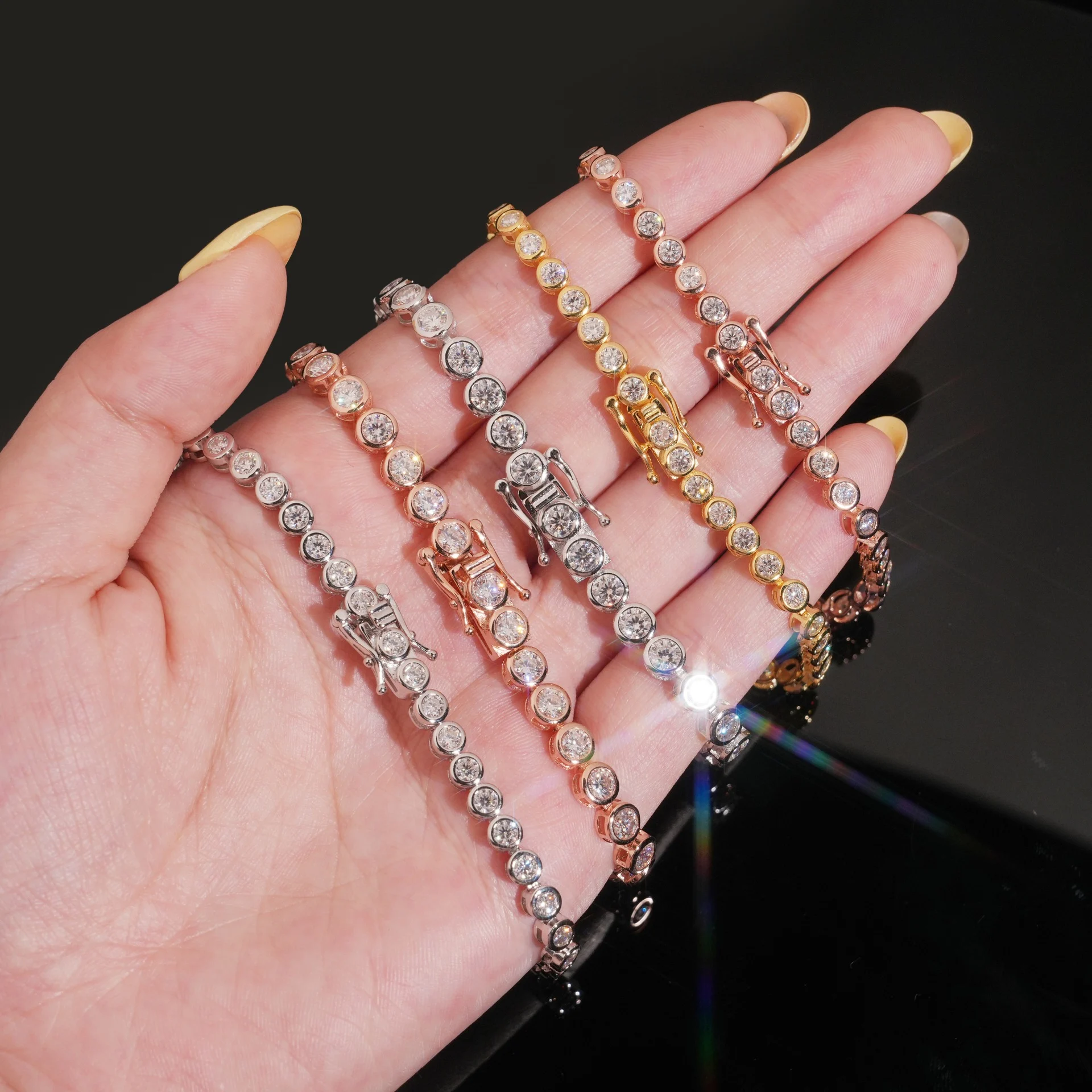
Ready to protect your investment and elevate your brand? Explore our collection of premium, tarnish-resistant sterling silver bracelets today and partner with an expert committed to your success.6. Conclusion: Partner with an Expert to Protect Your Profits and Grow Your Brand