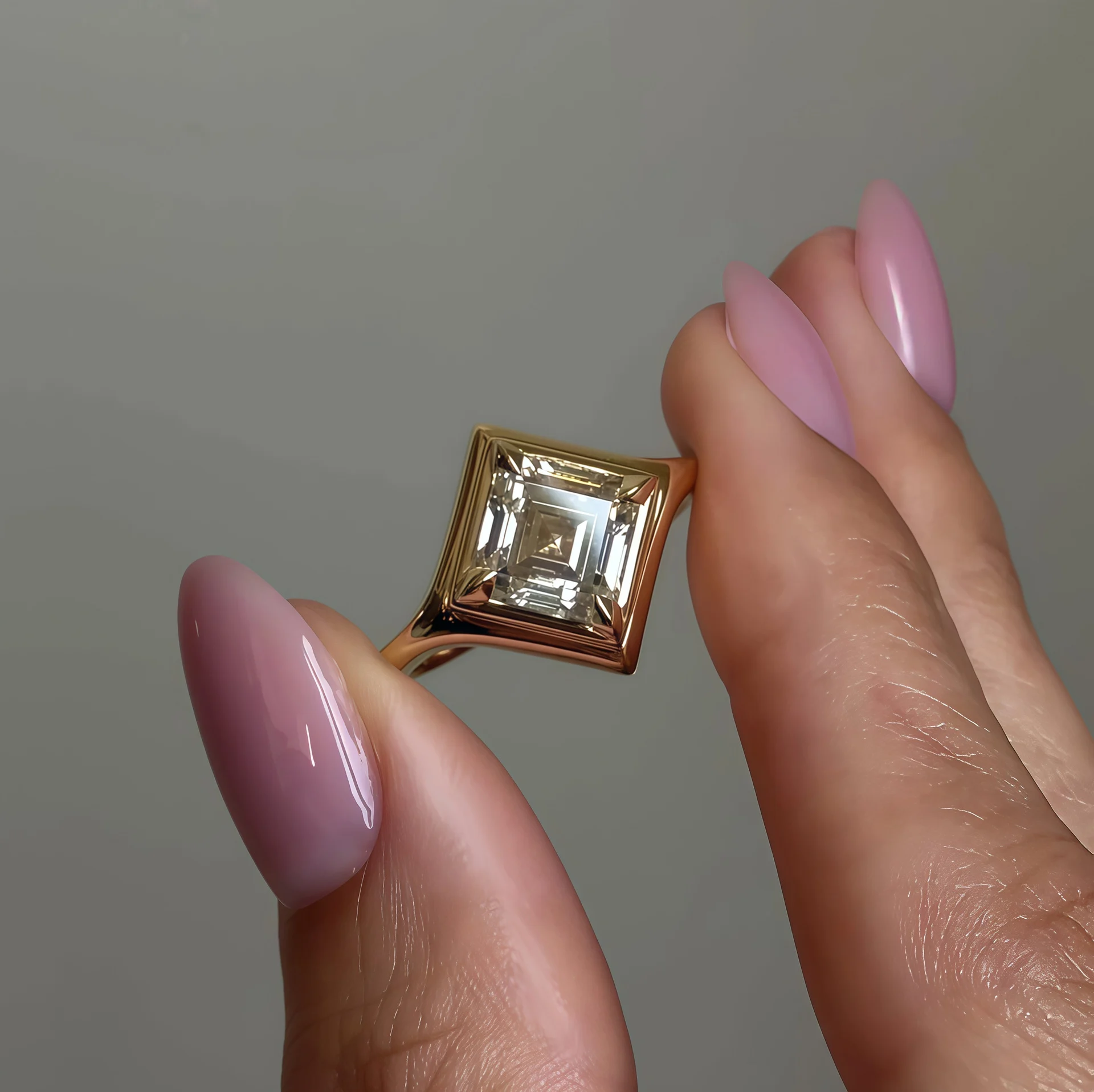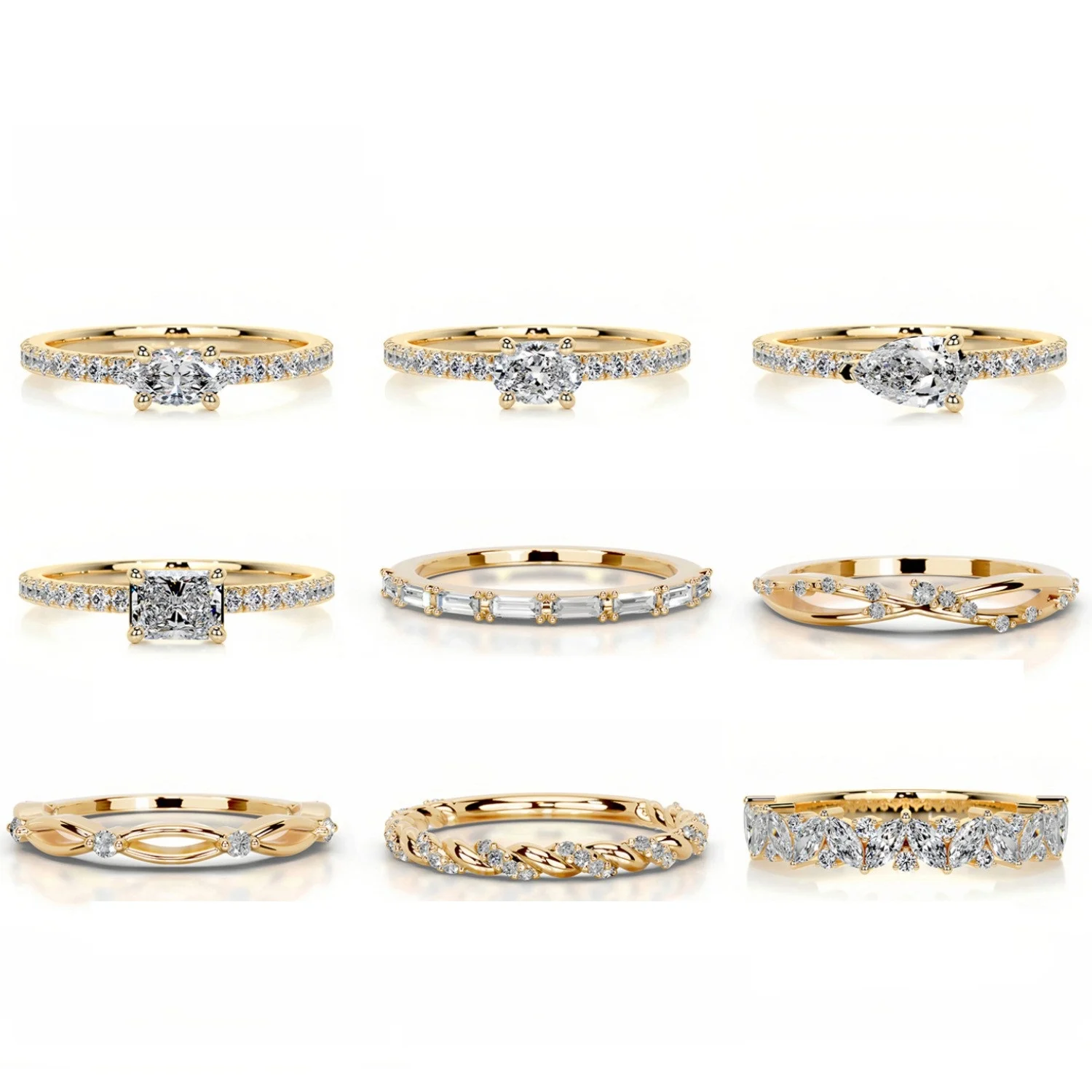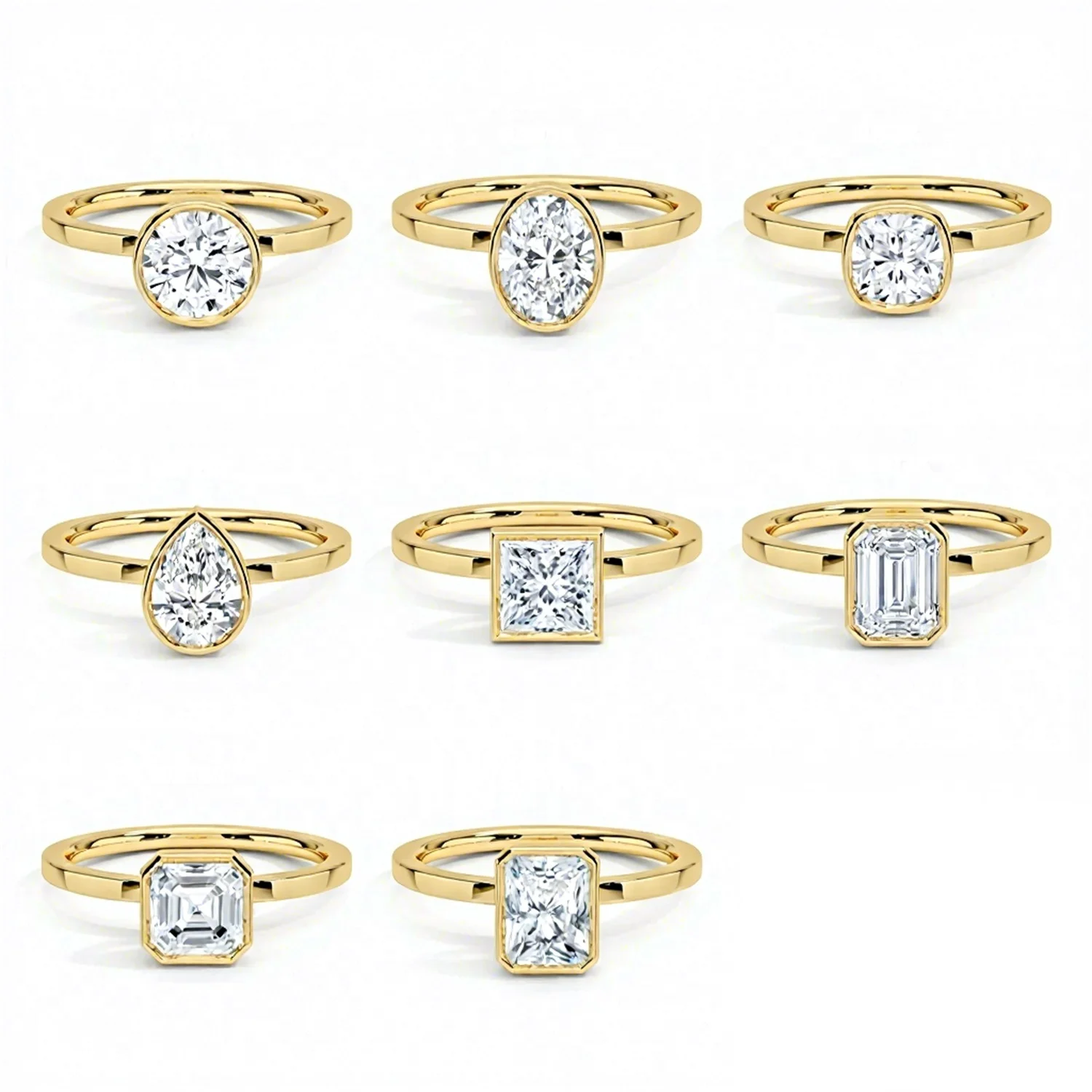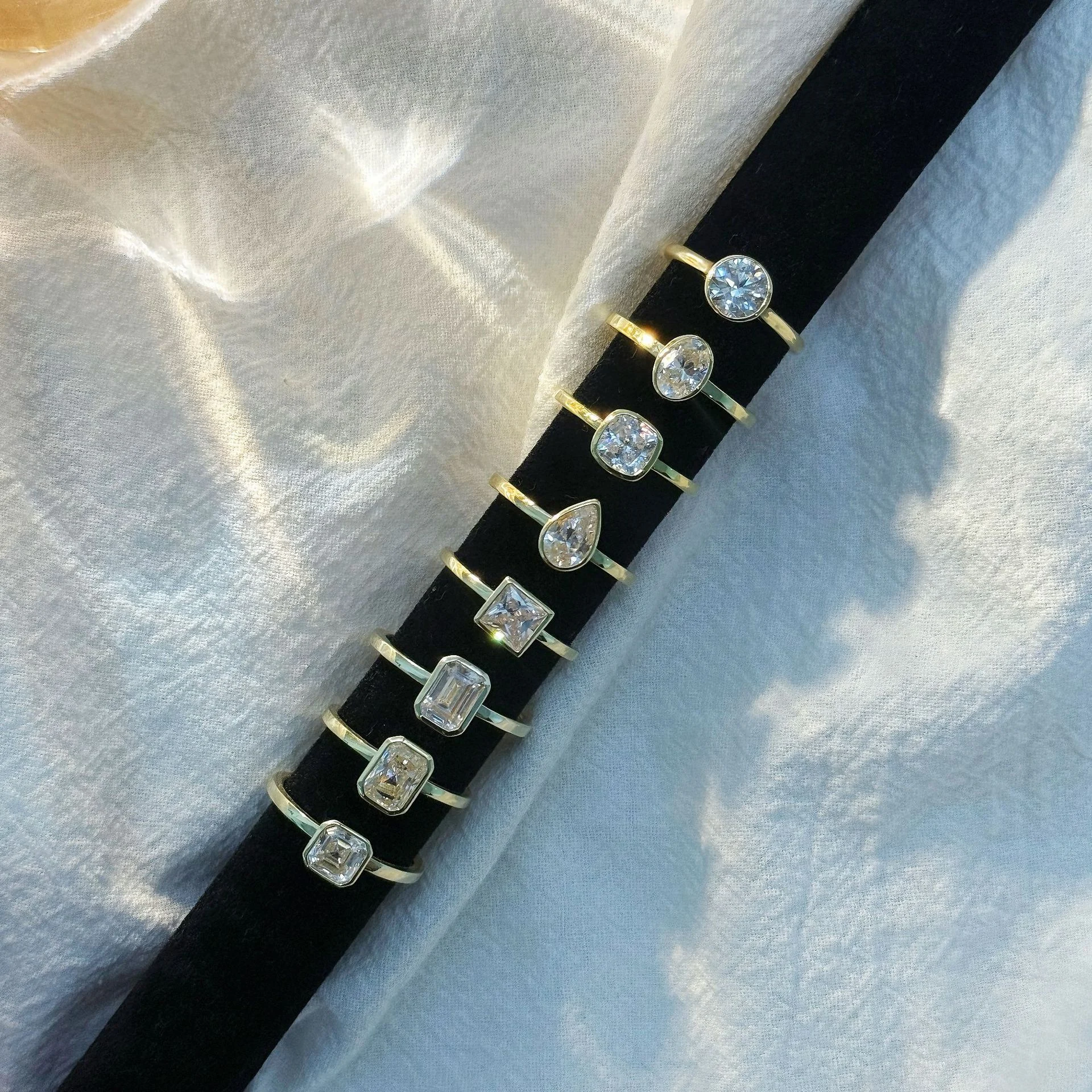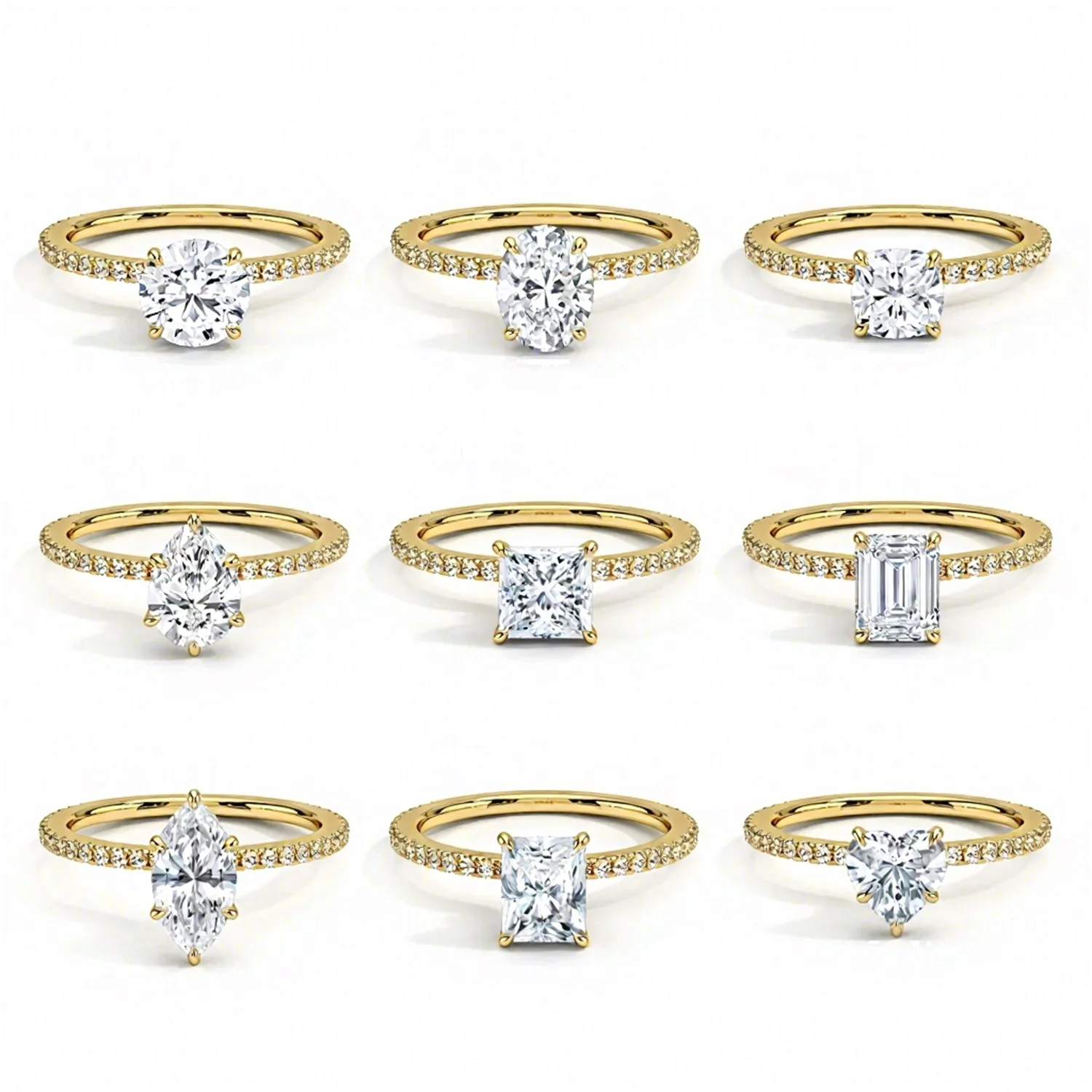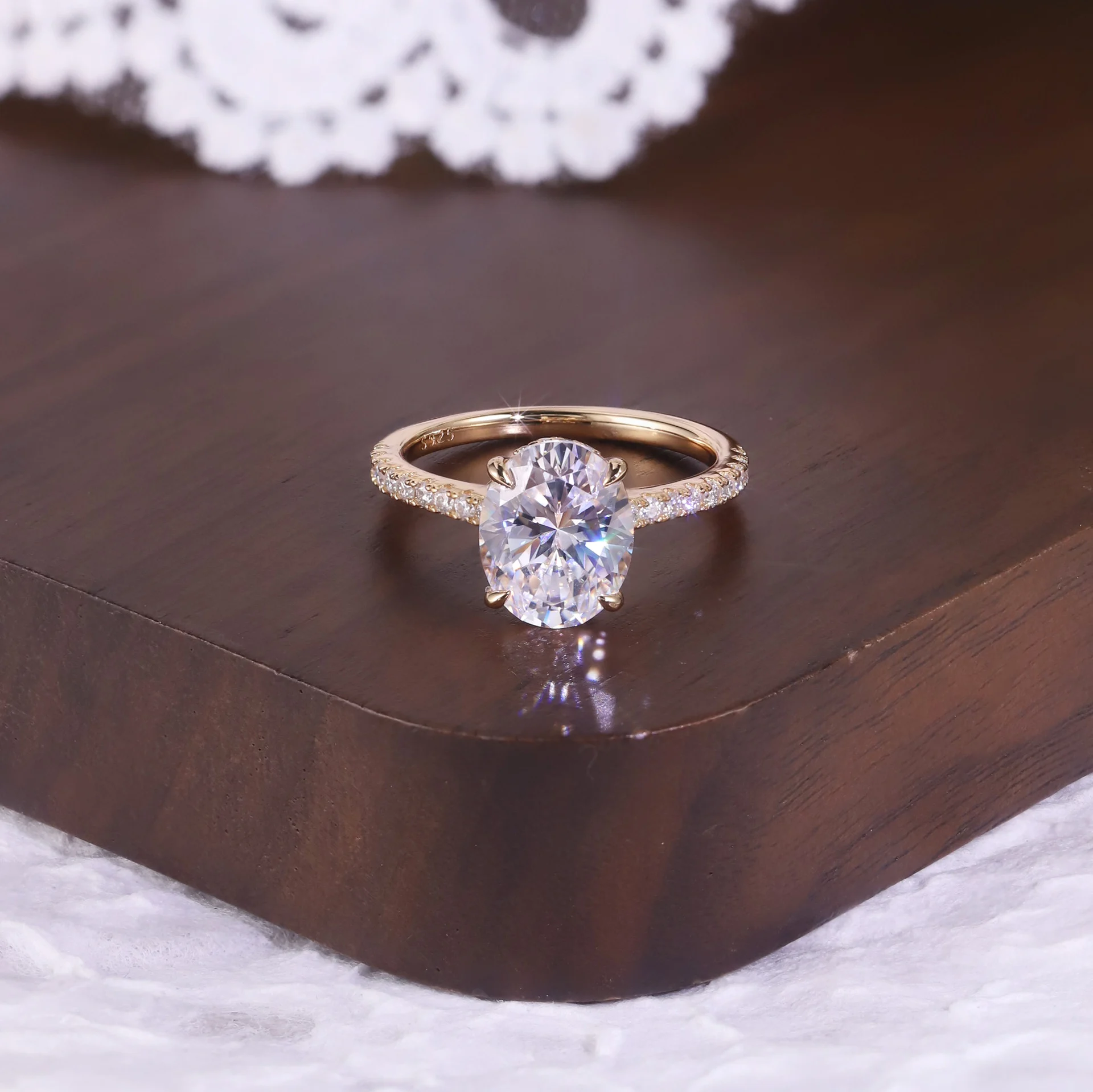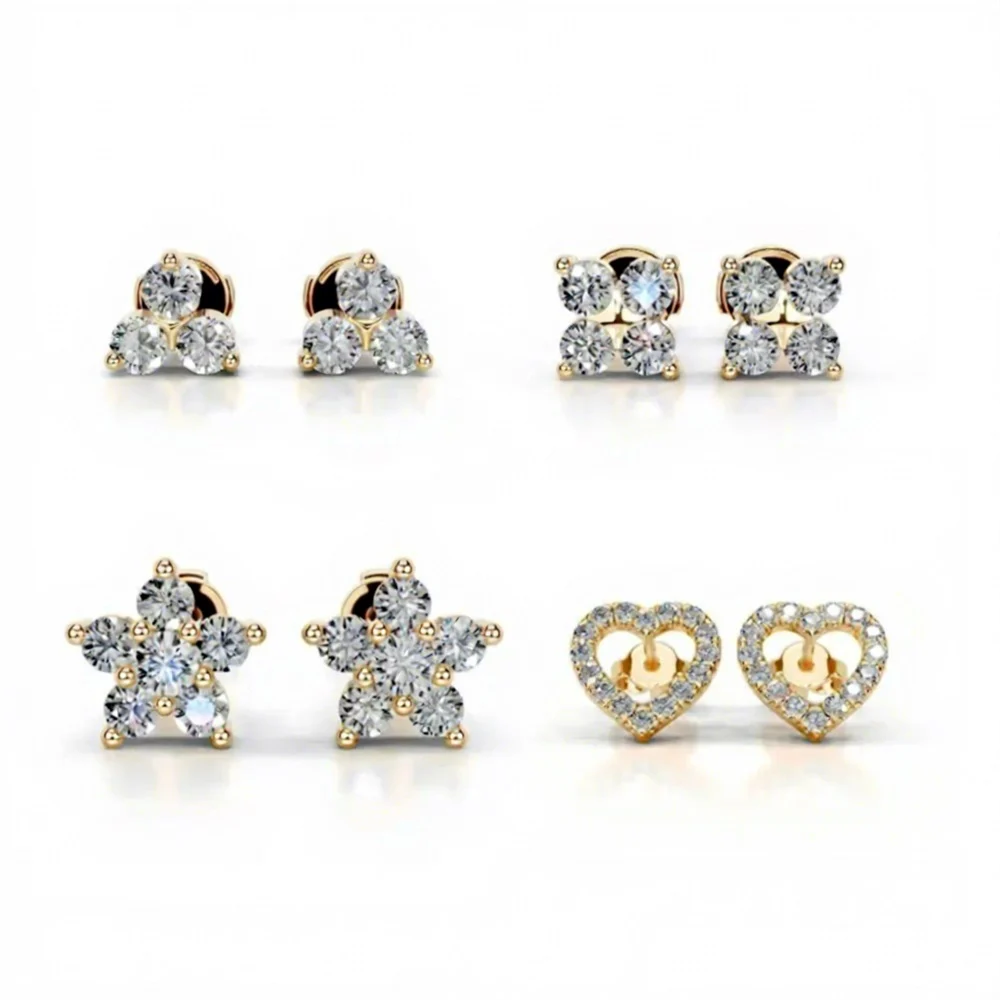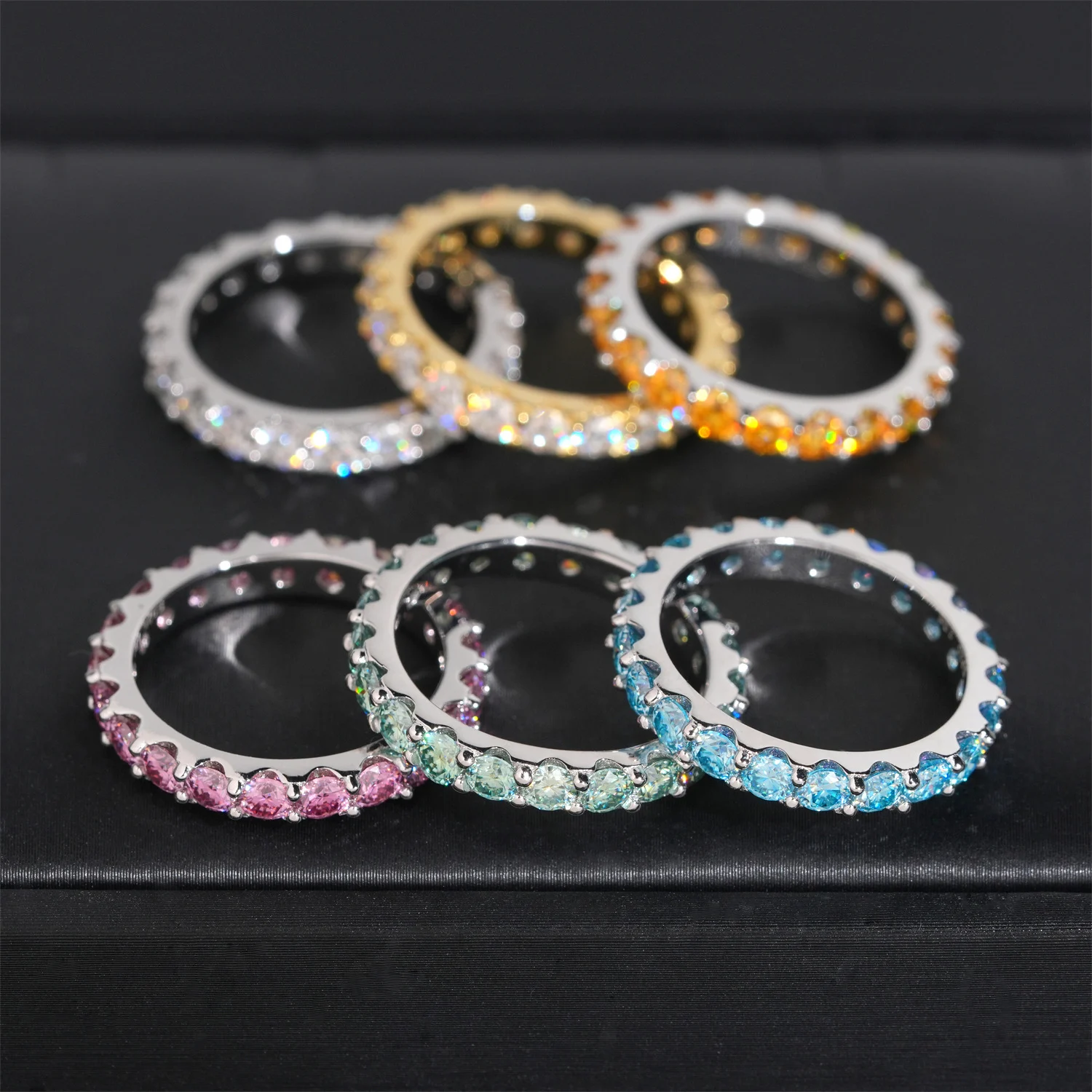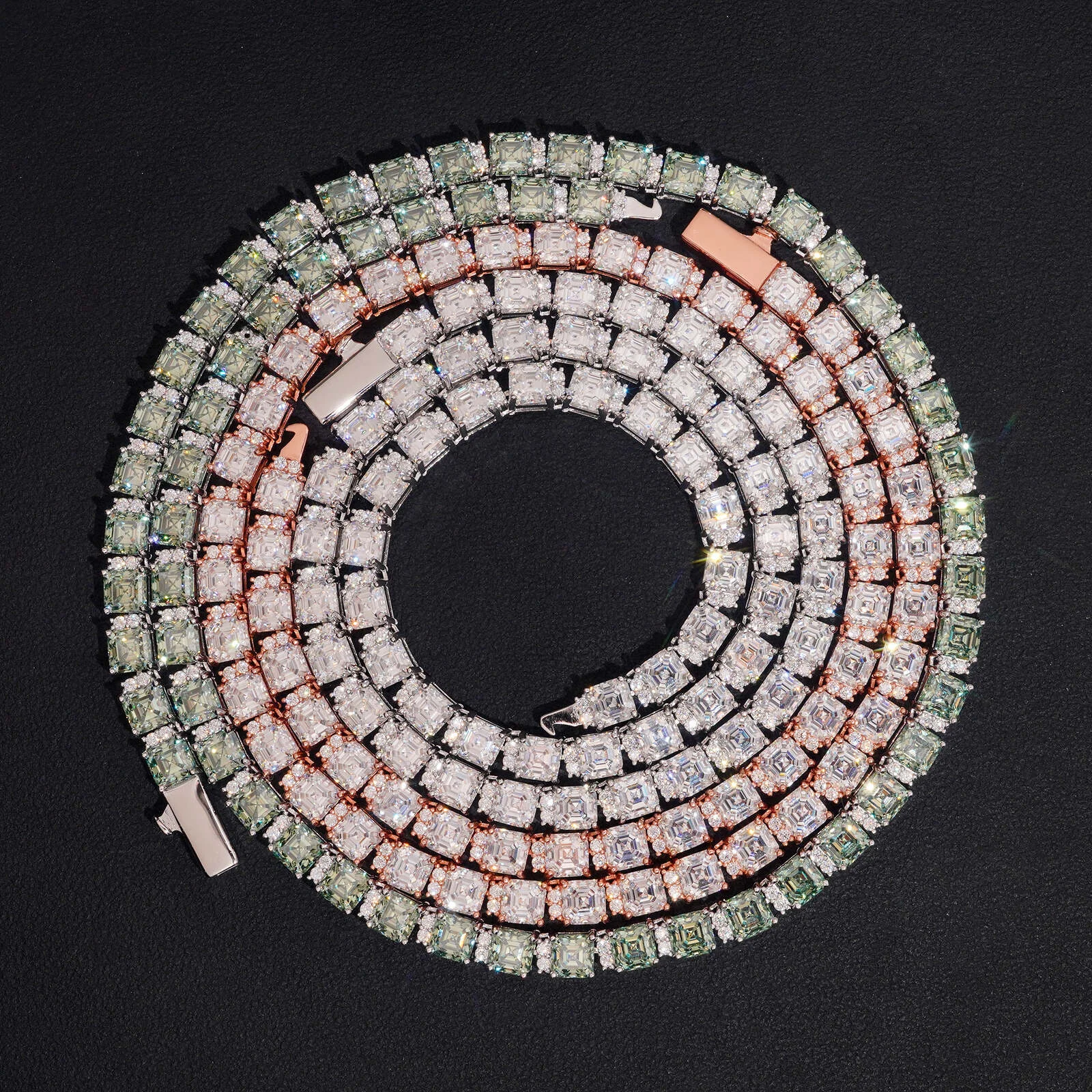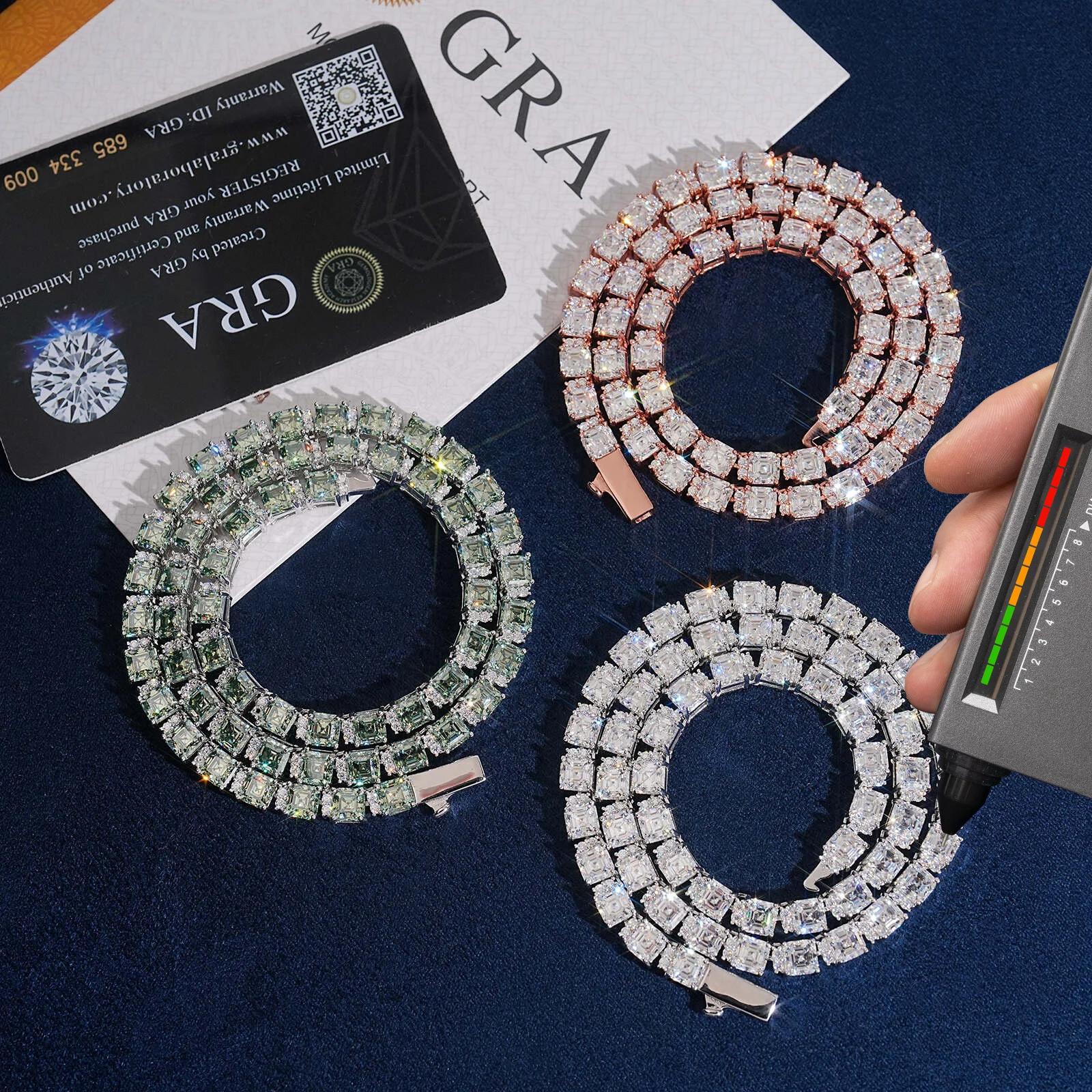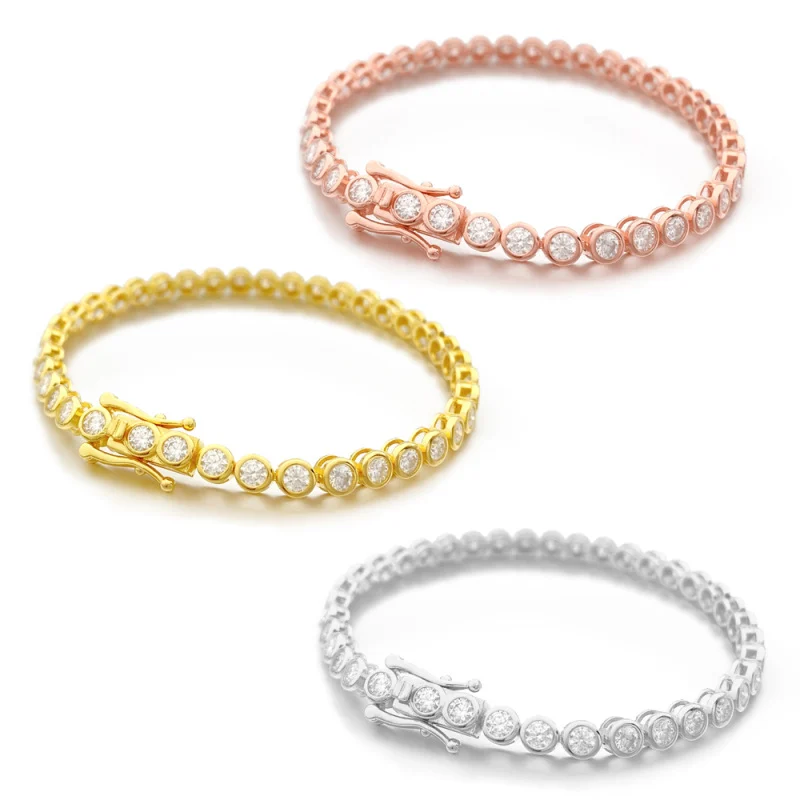








1. Introduction: Understanding Plated Jewelry
Plated jewelry has become a popular choice for consumers and businesses alike, especially in the wholesale market. But what exactly is plated jewelry? And why should you consider it for your next wholesale purchase? Let’s explore.
1.1 What Is Plated Jewelry?
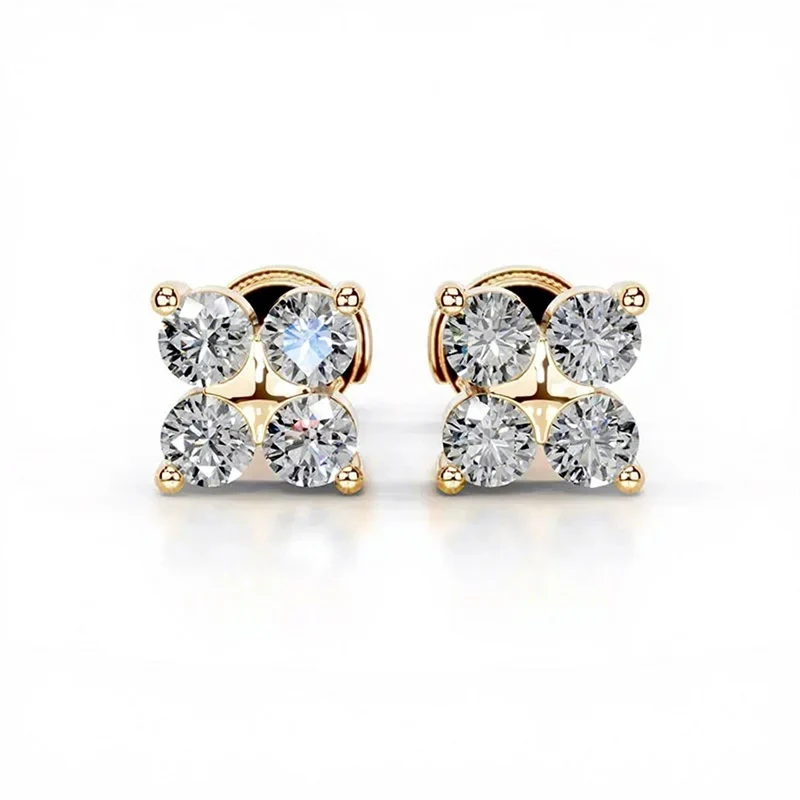
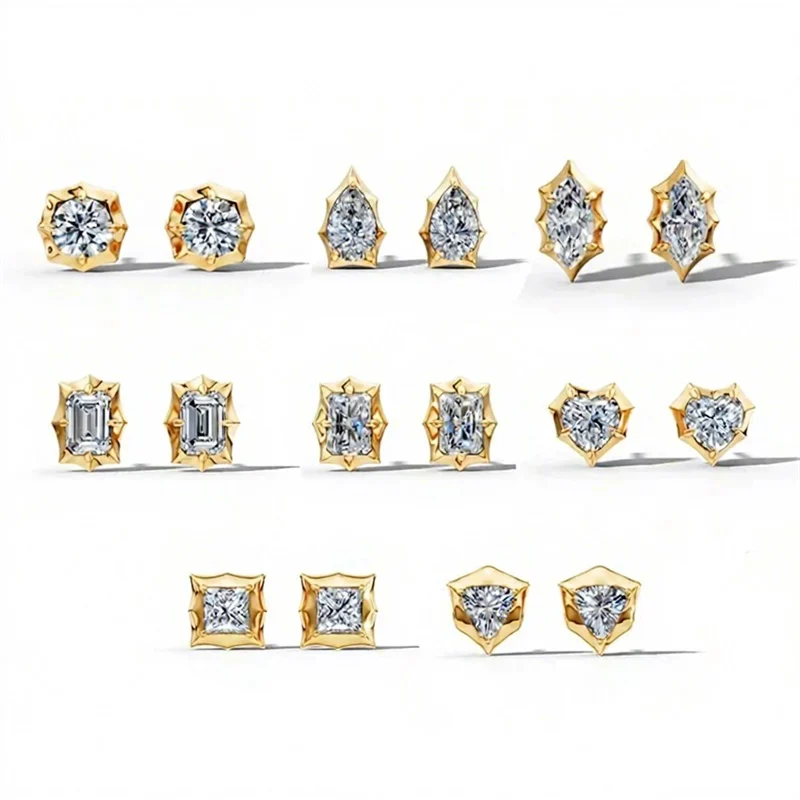
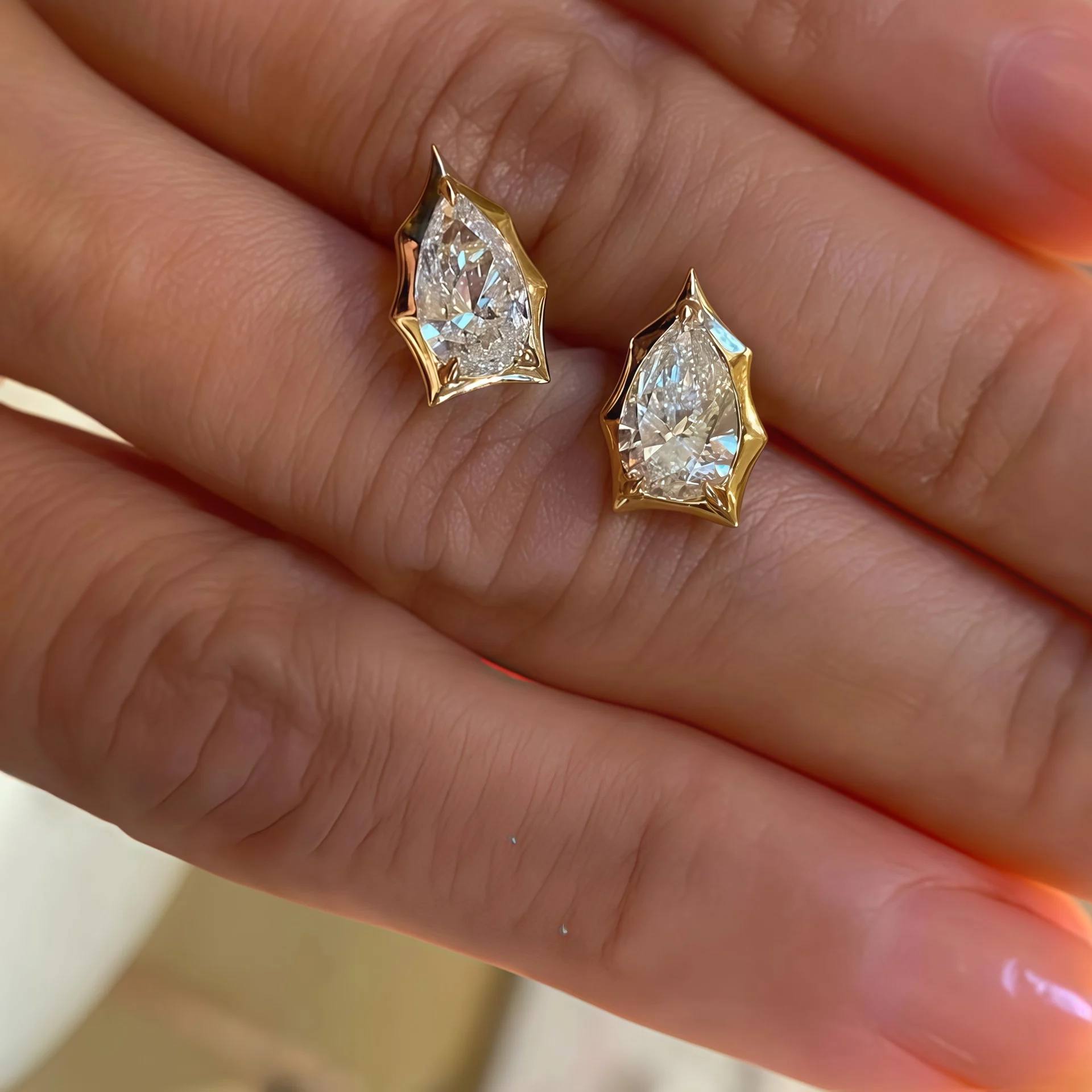
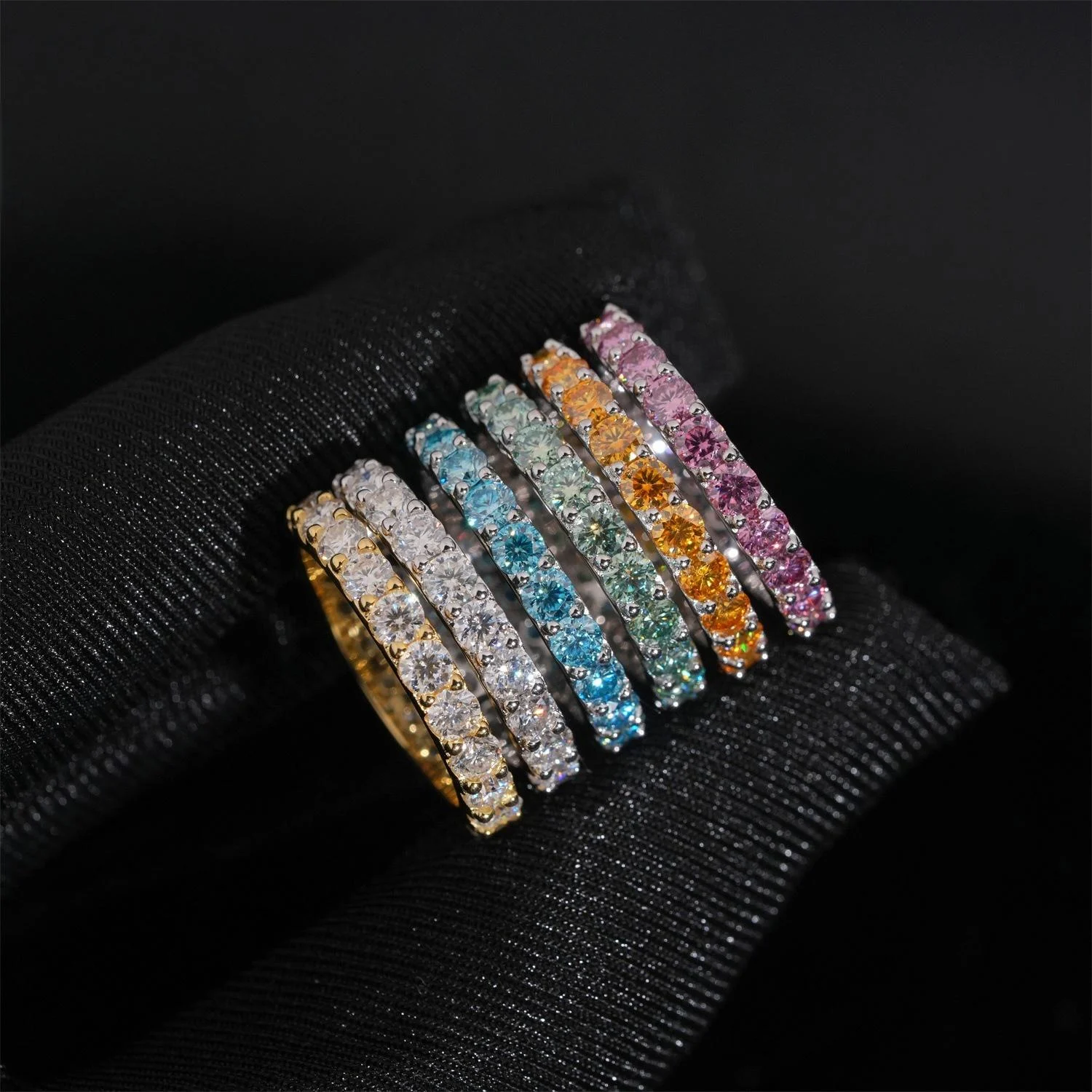
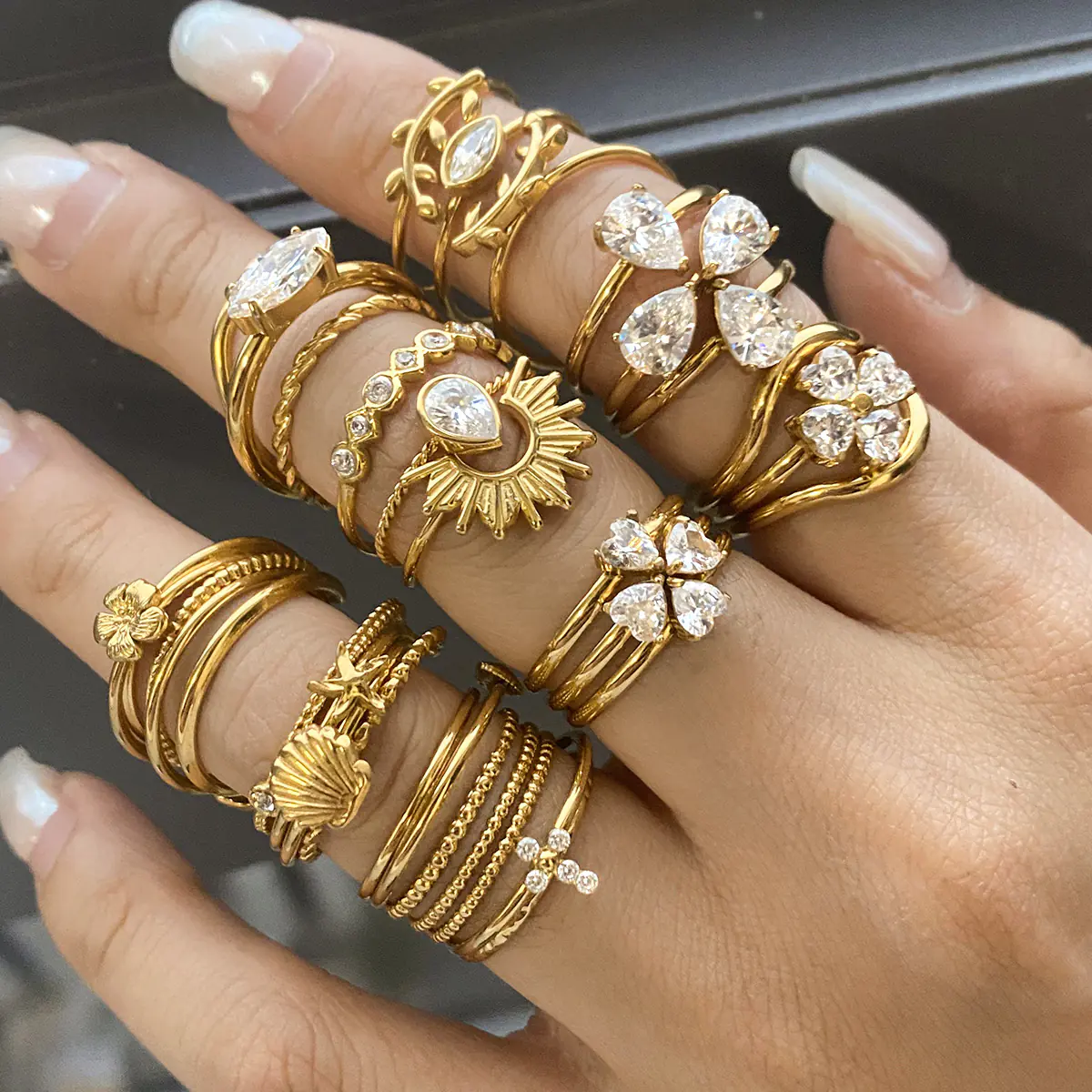
Plated jewelry refers to pieces made from a base metal, such as brass or stainless steel, coated with a thin layer of a precious metal like gold, silver, or rhodium. This coating is applied through various methods, most commonly electroplating, where the metal is deposited onto the surface of the base metal using electrical currents. The result is a piece of jewelry that looks luxurious without the hefty price tag of solid metals.
However, it’s important to note that plated jewelry isn’t solid gold or silver. The thin layer of precious metal doesn’t have the same durability or longevity as the solid counterpart. But with proper care, plated jewelry can still offer beautiful, affordable alternatives for fashion-conscious customers.
1.2 Why Choose Plated Jewelry for Wholesale?
Plated jewelry is an excellent choice for wholesalers looking to meet the needs of a wide range of customers. For one, it offers the look and feel of more expensive pieces at a fraction of the cost. This makes it especially appealing to price-sensitive buyers, particularly in markets where fashion trends shift rapidly and consumers want to stay on top of the latest styles without spending a fortune.
Another reason to consider plated jewelry wholesale is the variety of materials available. From gold-plated brass to silver-plated brass and even rhodium-plated jewelry, the options are nearly endless. Wholesalers can cater to different customer preferences and trends, making it easier to diversify their product offerings and attract a wider audience.
Furthermore, because plated jewelry is much lighter and easier to produce compared to solid metal jewelry, it often comes with lower shipping and production costs, making it a more affordable option for bulk orders. If you’re running a jewelry business or planning to enter the wholesale market, plated jewelry can provide a solid profit margin without the financial risk associated with high-end solid metal pieces.
2. The Basics of Plating: Materials and Techniques
Understanding the materials and techniques used in plating will help you make informed decisions when sourcing plated jewelry for wholesale. This section will break down the key elements of plating and how they impact the final product.
2.1 What is the Difference Between Silver-Plated, Gold-Plated, and Other Plated Jewelry?
When you’re dealing with plated jewelry wholesale, it’s important to distinguish between the different types of plating available. Let’s take a closer look at silver-plated, gold-plated, and other popular options.
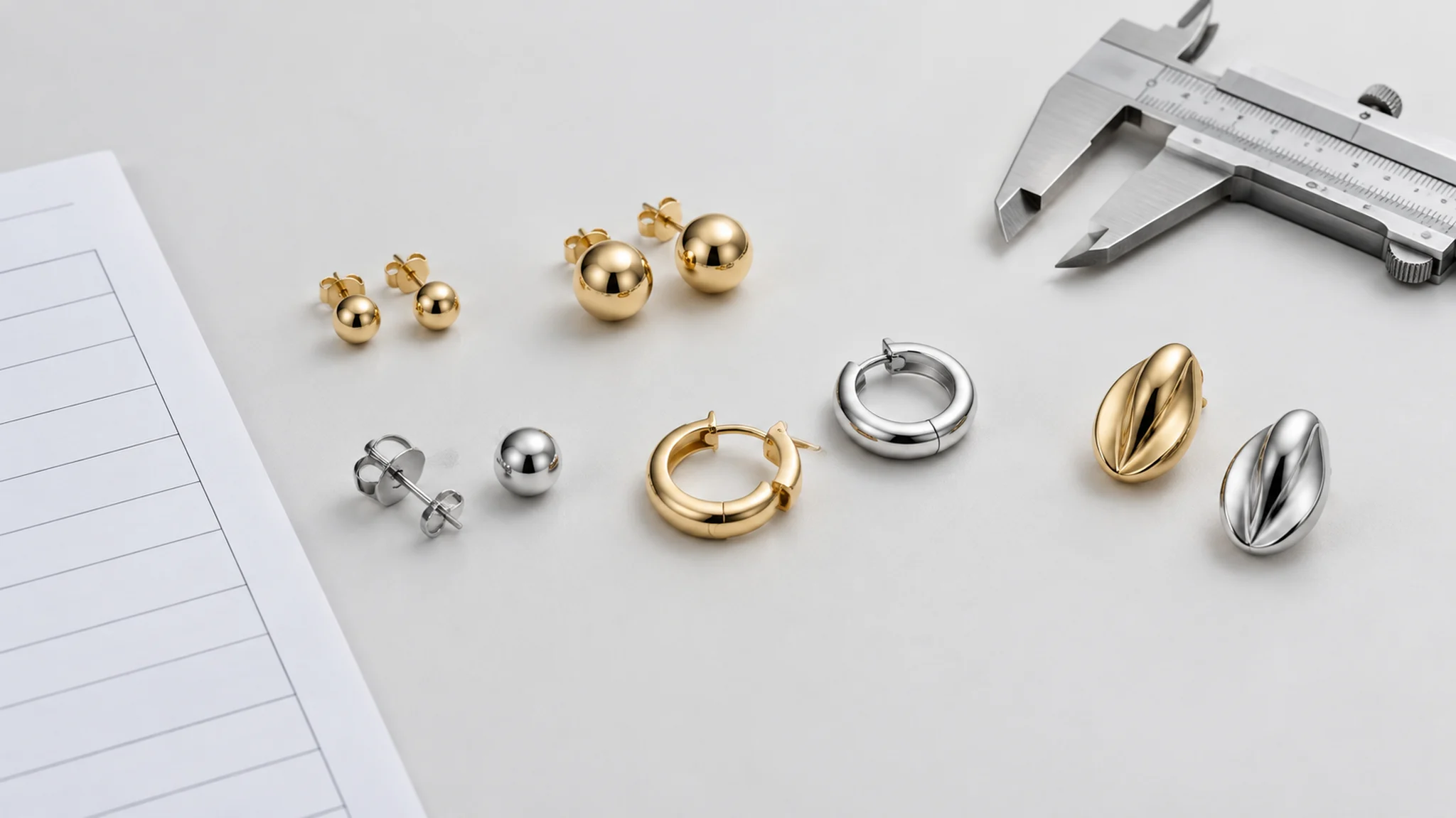
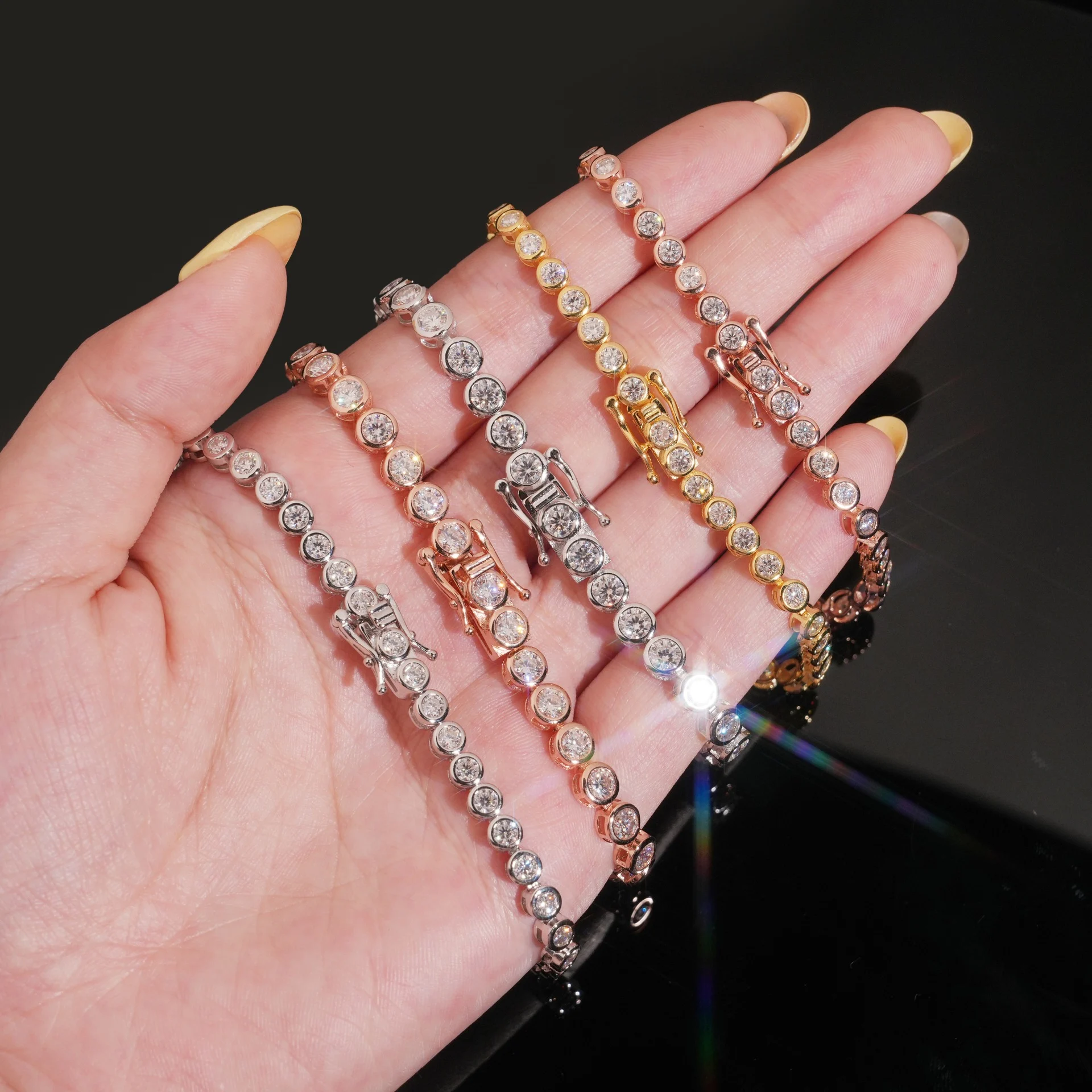
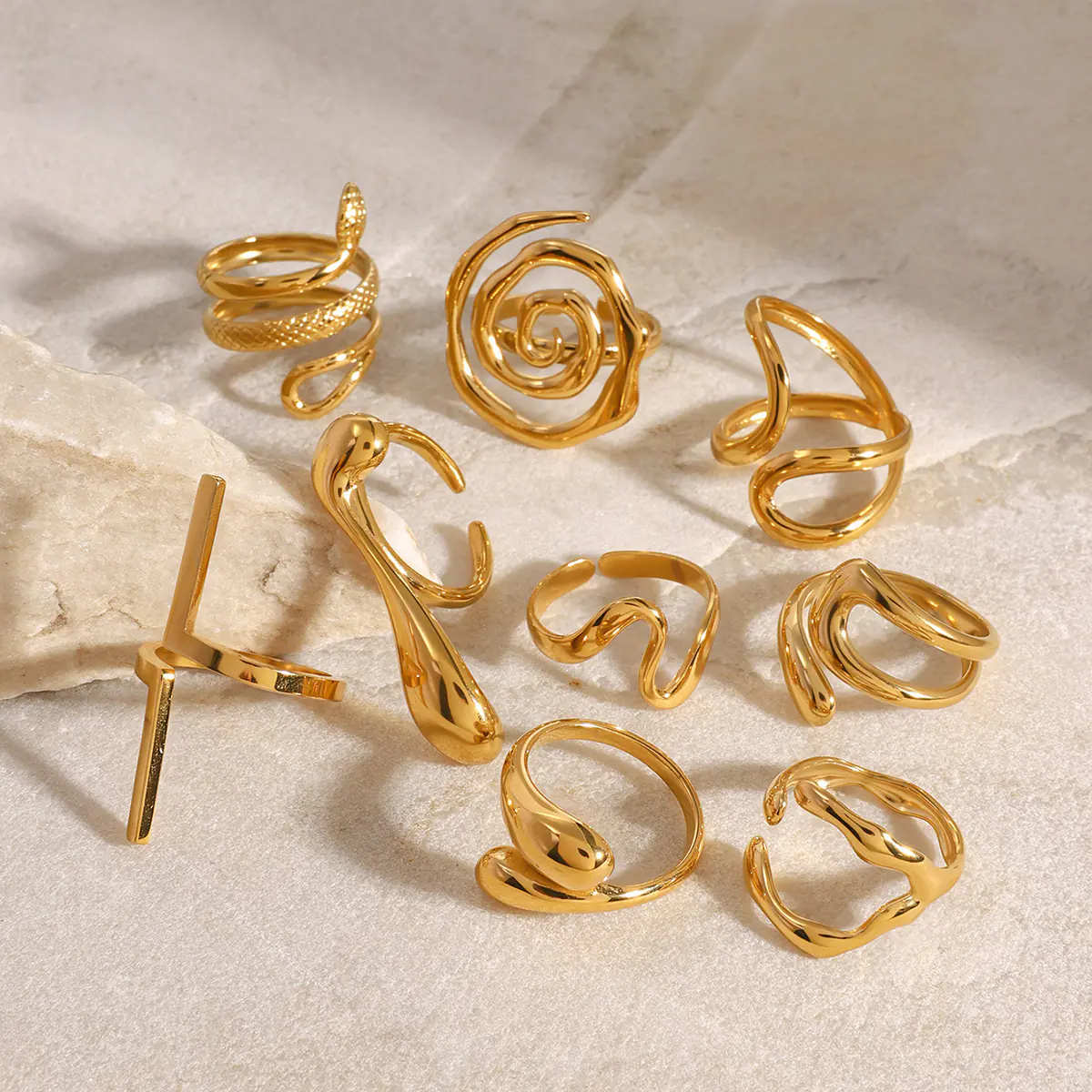
- Gold-Plated Jewelry: Gold-plated jewelry is created by applying a thin layer of gold over a base metal. This can be either yellow, white, or rose gold, depending on the desired finish. Gold-plating gives jewelry a shiny, luxurious look at a much lower price point compared to solid gold. The quality of the plating can vary depending on the thickness of the gold layer and the method used to apply it.
- Silver-Plated Jewelry: Silver-plated jewelry uses a similar technique, where a thin layer of silver is applied over a base metal. The result is a shiny, white-metal appearance. Silver plating is a great alternative for customers who want the look of sterling silver without the cost. However, it’s important to note that silver-plated jewelry, like gold-plated jewelry, can tarnish or wear off over time.
- Rhodium-Plated Jewelry: Rhodium plating is often used for jewelry that needs to be durable and resistant to tarnishing. This is particularly popular in high-end fashion jewelry. Rhodium has a beautiful, shiny finish and is typically applied over white gold or sterling silver to enhance the luster and durability.
2.2 How Are Plated Jewelry Items Made?
The process of making plated jewelry involves applying a thin coating of precious metal to a base metal. This can be achieved through a variety of methods, including:
- Electroplating: In this method, the jewelry is immersed in a solution containing metal ions. An electrical current is passed through the solution, causing the metal ions to bond with the surface of the jewelry. Electroplating is commonly used for gold, silver, and rhodium plating.
- Vacuum Deposition: This method involves placing the jewelry in a vacuum chamber, where metal vapor is deposited onto the surface of the piece. This is typically used for rhodium and other high-end coatings.
- Dip Plating: In this method, the jewelry is dipped into a solution of molten metal. The metal coats the piece as it is removed and cooled. This method is less commonly used but still an option for certain types of plated jewelry.
Understanding these processes is important because they directly affect the quality of the jewelry. The thicker the layer of plating, the longer the jewelry will last. Also, the method used for plating impacts how the jewelry holds up over time, which is something to consider when purchasing plated jewelry wholesale.
By understanding these basics, you can make more informed decisions when selecting plated jewelry for your wholesale business. Whether you’re considering gold-plated brass vs gold-plated sterling silver or silver-plated brass vs sterling silver, knowing the material differences and plating techniques will ensure you’re choosing the best options for your customers.
3. Quality of Plated Jewelry: What to Expect
When it comes to plated jewelry wholesale, quality is a key concern for both sellers and buyers. You want pieces that look good, last long, and satisfy customer expectations. But how long will plated jewelry actually last, and how can you ensure that you’re offering the best quality? Let’s break it down.
3.1 How Long Does Plated Jewelry Last?
The longevity of plated jewelry largely depends on two factors: the thickness of the plating and how well it’s cared for. Generally, plated jewelry won’t last as long as solid metal pieces. Over time, the plating can wear off, especially with frequent use. However, this doesn’t mean plated jewelry is not worth considering, especially for the wholesale market. The key is to know what to expect and choose your products accordingly.
- Gold-plated jewelry, for example, typically lasts anywhere from six months to two years, depending on wear and maintenance. The plating will wear off faster if the piece is exposed to moisture, perfumes, or harsh chemicals, which can cause the metal to fade or discolor.
- Silver-plated jewelry tends to have a similar lifespan, although the coating may tarnish and fade faster due to its susceptibility to oxidation.
To ensure your jewelry lasts longer, wholesalers should look for pieces with thicker layers of plating. The thicker the layer, the more resistant the jewelry will be to wear and tear.
3.2 Is Plated Jewelry Durable?
Durability varies greatly depending on the base metal used and the plating method. Let’s take a closer look at some common materials used in plated jewelry:
- Gold-Plated Brass: Brass is a strong, affordable base metal that is commonly used for gold-plated jewelry. It’s durable but can tarnish over time, especially when exposed to sweat, lotions, or perfumes. However, gold plating can help reduce tarnishing, making it an attractive option for wholesalers who want to offer an affordable yet appealing product.
- Silver-Plated Brass vs Sterling Silver: When choosing between silver-plated brass and sterling silver, you’re looking at two very different levels of durability. Sterling silver is more durable and tarnish-resistant than brass. But because sterling silver costs more, it’s also more expensive for both wholesalers and customers. Silver-plated brass, on the other hand, provides a budget-friendly alternative but is more prone to tarnishing and wear.
- Stainless Steel Gold-Plated Jewelry Wholesale: Stainless steel is an excellent choice for those seeking durability. It is resistant to scratches, rust, and tarnishing. When combined with a gold-plated finish, stainless steel jewelry offers an attractive option that is both durable and stylish. Stainless steel gold-plated jewelry wholesale is a popular choice for those who want something that can withstand daily wear without breaking the bank.
3.3 What Affects the Longevity of Plated Jewelry?
The life span of plated jewelry is affected by several factors, including the thickness of the plating, the quality of the base metal, and the care taken by the wearer. For wholesalers, understanding these factors can help you select jewelry that will meet customer expectations for durability.
The best way to extend the life of plated jewelry is to recommend proper care. Advising customers to store their jewelry in dry, cool places, away from moisture and harsh chemicals, can significantly improve its longevity. Additionally, offering pieces with thicker plating, such as brass silver-plated jewelry or rhodium-plated jewelry wholesale, can help ensure a longer-lasting product.
4. Comparing Plated Jewelry to Solid Metals
While plated jewelry offers an affordable alternative to solid metal pieces, it’s important to understand the trade-offs in terms of quality, durability, and price. Should you choose gold-plated brass or gold-plated sterling silver for your wholesale business? Let’s compare these options and see which might work best for you and your customers.
4.1 Gold-Plated Brass vs Gold-Plated Sterling Silver: Which Is the Better Investment?
When considering gold-plated brass vs gold-plated sterling silver, there are a few important factors to take into account.
- Gold-Plated Brass: Brass is an excellent base metal because it’s relatively inexpensive, lightweight, and easy to work with. When coated with gold, it provides a luxurious look at a fraction of the cost of solid gold. However, brass can tarnish over time, especially if it comes into contact with moisture or chemicals. This makes it less durable than sterling silver.
- Gold-Plated Sterling Silver: Sterling silver, on the other hand, is more durable and tarnish-resistant than brass. It is a higher-quality base metal that gives gold-plated jewelry a more luxurious feel. However, sterling silver is more expensive than brass, which increases the overall cost of the jewelry. For wholesalers, this means the markup on sterling silver jewelry might be higher, but the product’s quality and customer satisfaction could also be improved.
For businesses looking to strike a balance between cost and quality, gold-plated brass is a great option. However, if you’re targeting a more upscale market or customers who are willing to invest a little more for durability and quality, gold-plated sterling silver might be the better choice.
4.2 Silver-Plated Brass vs Sterling Silver: A Budget-Friendly Option
If you’re aiming for a more affordable product without compromising on aesthetics, silver-plated brass is another great option. This combination offers the look of sterling silver, but with a more budget-friendly price tag. Silver-plated brass provides the perfect balance of quality and cost, making it an excellent option for wholesalers who want to meet diverse customer needs.
Sterling silver, though more expensive, offers superior durability and tarnish resistance. If your target market is willing to spend more for long-lasting quality, sterling silver should be your go-to choice.
5. Cost Considerations: Is Plated Jewelry Worth It for Wholesale?
When considering plated jewelry wholesale, one of the most important factors to evaluate is cost. Plated jewelry offers a variety of benefits, especially in terms of affordability. But how does it compare to solid metal jewelry in terms of pricing, and is it truly worth investing in for your wholesale business?
5.1 How Does Plated Jewelry Pricing Compare to Solid Metal Jewelry?
Plated jewelry is much more affordable than solid metal pieces, and this is one of the main reasons wholesalers and customers choose it. While solid gold or sterling silver can be expensive, plated jewelry provides the same look at a fraction of the cost.
For example, gold-plated brass is far less expensive than solid gold jewelry, but it still carries the same luxurious, golden appearance. Similarly, silver-plated brass offers a more affordable alternative to sterling silver jewelry without sacrificing the shiny, polished finish that many customers desire.
In comparison, solid metal jewelry requires higher-quality base metals and is often crafted with more time and care. This contributes to a higher price tag. For wholesalers, the cost difference between solid metals and plated options is significant, and offering plated jewelry can attract a broader range of customers who are budget-conscious but still want stylish pieces.
5.2 Factors Influencing the Price of Plated Jewelry in Wholesale Markets
Several factors affect the pricing of plated jewelry in wholesale markets:
- Base Metal Quality: The type of metal used as the base for plating affects the price. For example, brass silver-plated jewelry will typically cost less than jewelry made with a stainless steel base. Higher-quality metals, like stainless steel or sterling silver, will raise the price of plated jewelry.
- Thickness of the Plating: The thickness of the metal plating also plays a role in pricing. Jewelry with thicker plating tends to be more durable and therefore more expensive. If the piece has a thicker gold or silver layer, it will typically cost more than pieces with thin coatings.
- Plating Process: The method used to apply the plating can influence the cost. High-end plating techniques like rhodium-plated jewelry wholesale are more expensive than simple gold or silver plating methods. The more advanced the technique, the higher the price of the jewelry.
- Country of Origin: Gold-plated jewelry wholesale China has become a popular sourcing option due to its cost-effectiveness. Jewelry from countries with lower manufacturing costs, like China, can offer better prices for wholesalers. However, sourcing from high-end regions may increase the product’s cost.
Wholesalers need to balance these factors when setting prices. Offering plated jewelry with varying levels of plating thickness or from different countries can help attract a wider range of customers.
5.3 Can You Make a Profit with Plated Jewelry?
Absolutely! Plated jewelry wholesale offers wholesalers the chance to earn a solid profit. Because the cost of producing plated jewelry is lower, wholesalers can mark up prices while still offering a competitive product to customers. Additionally, plated jewelry allows for higher volume sales. As customers tend to buy more affordable items in bulk, you can make a larger profit by selling at lower prices compared to solid metal jewelry.
To maximize profit, consider offering both affordable options (such as brass silver-plated jewelry) and higher-end choices (like gold-plated sterling silver). This will allow you to cater to different segments of the market, from budget shoppers to those looking for a bit more luxury.
6. Market Demand: Who Is Buying Plated Jewelry?
Now that we’ve covered the cost aspects, it’s important to understand the demand side of the equation. Who exactly is buying plated jewelry wholesale, and why? Knowing your audience is key to making the right purchasing decisions for your wholesale business.
6.1 What Are the Trends in Plated Jewelry Wholesale?
Plated jewelry has gained significant traction in recent years, especially among younger consumers who love to stay on top of the latest fashion trends without breaking the bank. Millennials and Gen Z, in particular, are big consumers of gold-plated jewelry wholesale due to its stylish look and affordability. These generations value versatility and trendiness over long-term investment pieces, making plated jewelry an appealing choice.
Additionally, plated jewelry is frequently seen in the fast-fashion industry, where new trends emerge quickly, and consumers expect to update their collections regularly. Wholesale buyers in this market often prefer plated jewelry for its ability to match new trends at a fraction of the cost of solid metal jewelry.
Another growing trend is the use of stainless steel gold-plated jewelry wholesale. Stainless steel is durable, making it a perfect base for gold plating. It appeals to customers who seek durable yet affordable pieces. The increasing popularity of stainless steel as a base metal for plated jewelry has given wholesalers an opportunity to expand their product lines.
6.2 Target Audience for Plated Jewelry
The target audience for plated jewelry includes a wide range of customers, from budget-conscious fashionistas to those looking for affordable gift options. Some specific segments include:
- Young Adults and Teens: They are the primary consumers of fashion jewelry, particularly items that look like high-end luxury pieces but at affordable prices.
- Gift Shoppers: People who are looking for affordable, stylish gift options tend to flock to plated jewelry, especially around holidays like Christmas and Valentine’s Day.
- Budget-Conscious Shoppers: Those who want the look of precious metals but can’t justify the cost of solid gold or silver often turn to plated jewelry as a solution.
6.3 How to Position Plated Jewelry for Different Consumer Segments
To cater to various customer needs, wholesalers should position plated jewelry based on its appeal:
- For fashion-forward consumers, focus on trendy designs, offering pieces like gold-plated brass or rhodium-plated jewelry wholesale. Emphasize style, variety, and the ability to keep up with changing trends without spending too much.
- For gift shoppers, offer elegant, high-quality options such as gold-plated sterling silver or brass silver-plated jewelry. These pieces can be marketed as affordable yet beautiful gifts for special occasions.
- For the budget-conscious buyer, highlight the affordability and value of silver-plated brass or stainless steel gold-plated jewelry wholesale. Emphasize durability, low cost, and trendy designs to attract this group.
Understanding the different types of buyers will help you tailor your wholesale offerings and marketing strategies. By positioning plated jewelry in a way that appeals to your target demographic, you can maximize sales and profit.
Conclusion: Why Plated Jewelry Wholesale Is a Smart Investment
In the competitive world of jewelry wholesale, plated jewelry wholesale offers a fantastic opportunity for both new and established businesses. The affordability and versatility of plated jewelry make it an appealing choice for a wide range of customers, from budget-conscious buyers to fashion-forward trendsetters.
Whether you’re choosing gold-plated brass vs gold-plated sterling silver or considering the durability of stainless steel gold-plated jewelry wholesale, the options available cater to different tastes and price points. Plated jewelry allows wholesalers to offer a variety of looks—from classic to trendy—without breaking the bank. For instance, brass silver-plated jewelry or rhodium-plated jewelry wholesale can provide the same aesthetic as more expensive solid metals, but at a much lower cost.
Sourcing from reputable markets, like gold-plated jewelry wholesale China, gives you access to high-quality, affordable pieces, while still ensuring a strong profit margin. As plated jewelry continues to trend in the fashion world, wholesalers who focus on quality, variety, and affordability are sure to stand out in the marketplace.
By offering durable, stylish, and budget-friendly options, you can satisfy the growing demand for plated jewelry while maximizing your profits. In conclusion, plated jewelry wholesale isn’t just a cost-effective alternative—it’s a smart investment for businesses aiming to provide high-quality products and exceptional value to customers.