







Introduction
If you’ve ever tried to sell or value a piece of jewelry, you’ve probably discovered just how confusing pricing can be. Two rings that look almost identical might have very different price tags — and if you’ve ever wondered why, you’re not alone. Learning how to price jewelry accurately is a skill that every seller, collector, and even everyday owner should understand.
Knowing your jewelry’s true value matters whether you’re trying to sell online, get insurance, or simply understand what you own. In this guide, we’ll break down every factor that affects jewelry pricing and walk you through a clear, realistic process to evaluate and set a fair price. By the end, you’ll have the confidence to price your jewelry like a professional — not just guess based on what you see in stores.
Step 1 – Understand What Determines Jewelry Value
Before you can learn how to price jewelry, it’s crucial to understand what gives each piece its value. Jewelry pricing is never just about materials — it’s a blend of craftsmanship, rarity, market demand, and sometimes even emotion.

Material Factors
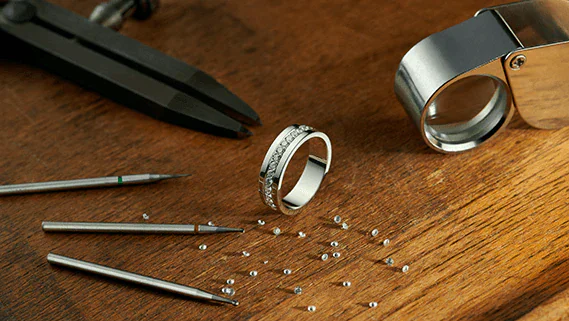
The foundation of jewelry value always starts with the materials used. Precious metals like gold, silver, and platinum are priced by weight and purity. For example, 24K gold is nearly pure gold, while 18K contains 75% gold mixed with alloys. Similarly, gemstones like diamonds, sapphires, or emeralds are judged by their carat, clarity, color, and cut.
Even base metals can affect pricing. For instance, the titanium jewelry price has increased steadily over the past few years due to its durability and hypoallergenic nature. Titanium may not carry the same prestige as gold, but its modern appeal and affordability make it valuable in its own right.
Know More About Jewelry Material:Jewelry Material Guide: What Every Buyer Should Know
Craftsmanship and Design
A unique or hand-crafted design can elevate a piece far beyond its material cost. Fine detailing, custom engraving, and hand-setting gemstones all require time and skill, which adds to both labor cost and perceived value.
From my experience running a small jewelry studio, two pieces using the same materials can have wildly different prices — the one made by a skilled artisan often sells for twice as much, not because of the gold itself, but because of the story and workmanship behind it.
Brand, Condition, and Authenticity
Branded pieces, especially from luxury houses like Cartier or Tiffany, command premium prices because of their craftsmanship reputation and resale market. Condition also plays a role — even a small scratch or missing stone can lower the jewelry appraisal price by 10–20%.
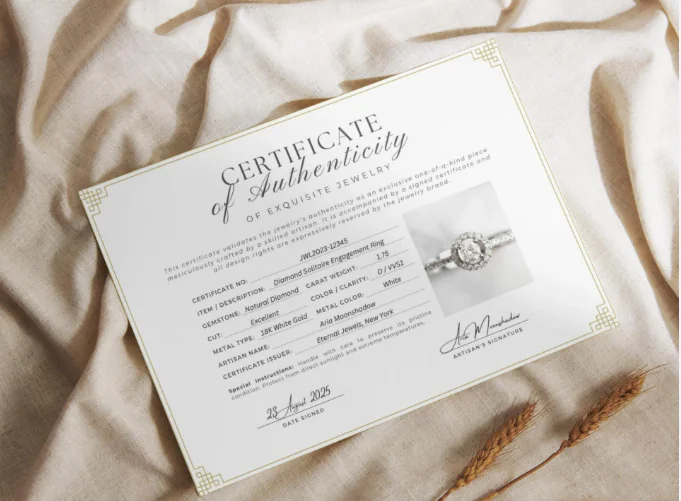
Always check for authenticity certificates and serial numbers if you’re dealing with fine jewelry. These documents not only confirm legitimacy but also influence the jewelry value app outcome when getting your piece evaluated.
Emotional vs. Market Value
One of the most common questions I hear from sellers is, “Why is my jewelry worth less than I paid?” The answer usually comes down to the difference between emotional value and market value. Sentimental worth doesn’t translate directly into resale price — the market only cares about measurable features like metal content and condition.
Step 2 – Learn How to Determine the Price of Jewelry
Once you understand the factors affecting jewelry value, the next step in learning how to price jewelry is to gather market data and use the right tools.
Research Comparable Pieces
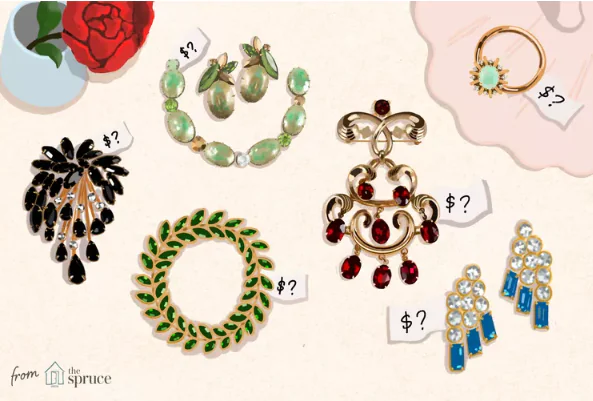
Start by researching similar items on platforms like Etsy, eBay, or professional jewelry retailers. This gives you a baseline idea of current jewelry appraisal vs selling price trends. Keep in mind that listing prices aren’t always selling prices — focus on what items actually sold for.
For example, a 14K gold bracelet may list for $500 but consistently sell for $350. The selling price is your true reference point.
Use Calculators and Charts
Gold and silver calculators are great for estimating base material value. Enter the weight, purity, and current market rate to get an approximate metal value. For gemstones, online charts can help you estimate by carat weight and clarity.
If you’re valuing handmade or custom pieces, refer to how to price handmade jewelry formulas — they consider both material cost and time spent crafting. Handmade pieces often carry a higher labor component, which deserves fair compensation.
Understand Value Types
Here’s a breakdown of the three main pricing levels you’ll encounter:
- Appraised Value: Determined by a professional appraiser, used mainly for insurance or estate purposes.
- Retail Value: What a jewelry store sells the item for — often 2–3× above cost.
- Resale Value: What you can realistically sell it for on the secondary market (pawn shop, online, or consignment).
Many people are surprised to learn that jewelry appraisal price is often higher than resale value. Appraisals serve different purposes, mainly insurance coverage, not instant resale.
Step 3 – Calculate the Right Selling Price
Now that you know the basics, let’s talk about setting the actual price.
The Formula for Handmade or Retail Jewelry
The most straightforward formula used in the jewelry industry is:
Price = (Materials + Labor + Overhead) × Markup
For retail jewelry, the markup usually ranges between 2× to 3× the total cost. Handmade jewelry tends to use slightly lower markups due to smaller scale and direct sales. If you’re learning how to price handmade jewelry, remember that craftsmanship deserves fair pay — don’t undervalue your labor.
Let’s take an example:
If a handmade silver ring costs $50 in materials, $30 in labor, and $20 in overhead, the total cost is $100. With a 2.5× markup, your selling price should be $250.
Adjust Based on Market Positioning
Your markup should align with your brand’s target audience. Luxury jewelry brands might markup 4× or more, while affordable fashion jewelry may stay closer to 2×. Tracking permanent jewelry prices can also help — these pieces, often welded directly onto the wearer, typically cost more due to the specialized service and personal experience.
Pricing isn’t about guessing — it’s about aligning perceived value with market expectations.
Step 4 – When and How to Get Jewelry Appraised
Even if you’ve learned how to price jewelry yourself, professional appraisals still have their place.
When Appraisals Are Necessary
You’ll need a formal appraisal for:
- Insurance purposes
- Estate planning or division
- Selling fine or antique jewelry
- Diamond certification or grading
If your jewelry includes high-value stones or unique craftsmanship, a jewelry value app can help confirm what your piece is truly worth on paper.


Finding a Certified Appraiser
Always look for appraisers certified by GIA (Gemological Institute of America), ASA (American Society of Appraisers), or NAJA (National Association of Jewelry Appraisers). They use recognized standards and can provide an accurate jewelry appraisal price based on real market data.
What to Expect in the Process
An appraisal usually involves metal testing, gemstone grading, photographing, and issuing a detailed report. The report includes both replacement value and sometimes a resale value estimate, which can clarify jewelry appraisal vs selling price differences.
From personal experience, a reliable appraiser won’t just give a number — they’ll explain how they arrived at it. That’s what separates a professional evaluation from a quick pawn shop quote.
Step 5 – Tips for Setting Competitive Yet Profitable Prices
Setting jewelry prices isn’t a one-time task — it’s an ongoing strategy.
Monitor Market Trends
Metal and gem prices fluctuate constantly. For instance, gold prices rose by nearly 15% in 2024, which directly affected jewelry costs. Regularly checking spot prices can prevent you from underpricing or overpricing inventory.
Be Transparent with Buyers
Sharing details about materials and labor builds trust. Customers appreciate when sellers explain why a titanium jewelry price differs from gold or silver — clarity boosts credibility.
Reevaluate Seasonally
Consumer behavior changes throughout the year. Wedding season, Valentine’s Day, and Christmas are peak times when you can slightly adjust permanent jewelry prices or offer limited-time markups without losing competitiveness.
Common Mistakes in Jewelry Pricing
Even experienced sellers make errors when learning how to price jewelry. Here are the most frequent pitfalls:
- Overpricing due to emotional bias: Sentimental pieces often lead to unrealistic expectations.
- Underpricing from lack of research: Always verify current market rates before listing.
- Ignoring hidden costs: Packaging, marketing, shipping, and transaction fees all eat into profits.
- Neglecting professional input: Skipping a jewelry value app can cause you to misjudge worth significantly.
Conclusion
Pricing jewelry is both an art and a science. It blends data-driven evaluation with a sense of aesthetic and emotional value. By understanding materials, craftsmanship, and market behavior, you can confidently set prices that are fair, profitable, and sustainable.
If you’re just beginning, start small — track your costs, compare with the market, and refine your method with each sale. Over time, you’ll develop a strong instinct for how to price jewelry accurately.
And remember: your jewelry tells a story. The value lies not only in the metal and stones but also in the craftsmanship and meaning behind every piece.
If you want to simplify your pricing process, download our free jewelry pricing checklist — it’s a practical tool to guide your next sale or appraisal.
How often should I update my jewelry prices?
You should review and update your jewelry prices at least every three to six months. Precious metal values fluctuate with market conditions, and gemstone trends can shift seasonally. If you sell actively online, consider checking prices monthly to stay competitive.
Is an appraisal the same as what I could sell my jewelry for?
Not exactly. An appraisal reflects replacement value, usually higher than resale value. It’s mainly used for insurance or estate purposes. The selling price depends on what buyers are willing to pay in the current market, which is often 30–50% lower than the jewelry appraisal price.
What’s the best way to find a trustworthy jewelry appraiser?
Look for professionals certified by organizations such as GIA (Gemological Institute of America), ASA (American Society of Appraisers), or NAJA (National Association of Jewelry Appraisers). Always ask for credentials, fees, and whether they’re independent (not also buying jewelry). Reliable appraisers explain their process transparently.
Are permanent jewelry prices higher because of the service?
Yes. Permanent jewelry prices include both the cost of materials and the welding service. The procedure requires special equipment and skilled handling, which adds value. Customers are also paying for the personalization and long-term wear experience.
How do I know if I’m overpricing or underpricing my jewelry?
Compare your listing with recent sales of similar pieces on Etsy, eBay, or niche jewelry sites. If your items stay unsold for months, you might be overpriced. If they sell instantly, you may be underpricing. Regularly track conversion rates and customer feedback to find your ideal range.
How do I calculate profit margins for jewelry resale?
Start by adding all costs — materials, labor, packaging, platform fees, and shipping. Then apply a markup based on your business type:
Retail jewelry: 2×–3× cost
Handmade jewelry: 2×–2.5× cost
Luxury brands: 4× or higher
Your target profit margin should typically fall between 50%–70% after costs.
Can I use online calculators to find jewelry value?
You can estimate value but not perform a formal appraisal. Use scales, metal stamps, and online tools to get a rough idea, but an official appraisal requires specialized testing and certification. DIY evaluations are best for understanding how to price jewelry initially, not for insurance or legal use.
How much does a jewelry appraisal usually cost?
Professional appraisals typically cost $50 to $150 per piece, depending on complexity and location. Some appraisers charge hourly (around $75–$150/hour). Always ask upfront whether the cost is based on time, item value, or both.