








Shipping jewelry is often treated as a back-end operational task—something handled after sourcing, pricing, and marketing decisions are made. Yet for many jewelry businesses, shipping quietly determines profit margins, customer satisfaction, and long-term scalability. Therefore, understanding how to ship jewelry in the appropriate manner is crucial.
Consider a growing online jewelry brand sourcing from overseas wholesalers. Product quality is consistent, marketing is optimized, and conversion rates look healthy. Still, profits lag expectations. The issue is not the product itself, but a series of shipping decisions: overly expensive express shipments for test orders, inconsistent packaging from suppliers, avoidable customs delays, and customer-facing delivery options that either inflate costs or trigger dissatisfaction.
Jewelry is uniquely sensitive to shipping choices. It is small but high in value, delicate yet expected to arrive flawless, and frequently purchased as gifts where timing and presentation matter. This guide breaks down how to ship jewelry strategically, from two critical perspectives: shipping from wholesalers to sellers, and shipping from sellers to end customers. Understanding both sides allows businesses to reduce losses, improve reliability, and turn shipping into a competitive advantage rather than a cost center.
Understanding Jewelry Shipping Risks Before Choosing a Method
Before comparing couriers or negotiating rates, sellers must understand why jewelry shipping carries risks different from most other product categories.
First, jewelry combines high value with low volume. A small package may contain thousands of dollars in merchandise, making it attractive to theft and costly to lose. Second, many jewelry pieces—especially plated items, silver, or stone-set designs—are physically delicate. Minor pressure, moisture exposure, or friction during transit can lead to scratches, tarnish, bent prongs, or loose stones.
Another overlooked risk is perception. Jewelry returns are often driven not by defects, but by a mismatch between expectation and reality. Shipping damage, crushed boxes, or poorly protected items immediately reduce perceived quality—even if the product itself is intact.
Risk levels also vary by jewelry type. Fine jewelry made of solid gold or platinum may tolerate handling better but carries much higher loss value. Fashion jewelry is less costly but more prone to surface damage. Stone-set pieces require additional protection to prevent micro-movements that weaken settings during transit.
Understanding these risks helps sellers avoid a common mistake: choosing shipping methods based solely on price. The cheapest option often increases hidden costs through damage, returns, delays, or disputes.
How to Choose the Right Shipping Method When Buying Jewelry from Wholesalers
Shipping from a wholesaler to your warehouse or fulfillment center sets the foundation for your entire supply chain. Decisions made at this stage affect inventory planning, cash flow, and product readiness.

Common Shipping Options Offered by Jewelry Wholesalers
Most jewelry wholesalers offer several shipping methods, each suited to different order sizes and urgency levels.
International express couriers such as DHL, FedEx, and UPS are widely used for jewelry due to their speed, tracking reliability, and relatively strong handling standards. These services are ideal for samples, test orders, or urgent restocks, but costs rise quickly as volume increases.
Dedicated logistics lines or special jewelry routes are often offered by experienced wholesalers. These balance cost and speed, usually taking longer than express shipping but significantly less than sea freight. They are common for mid-sized replenishment orders.
Air freight combined with local courier delivery is another option for larger wholesale shipments. This method requires more coordination but reduces per-unit shipping costs while maintaining acceptable transit times.
Sea freight is rarely used for small jewelry orders but becomes relevant for very large volumes, OEM production runs, or low-season stock builds where time sensitivity is minimal.
Key Factors to Consider When Shipping from Supplier to Your Warehouse
Selecting the right method depends on more than transit time. Sellers must evaluate how shipping interacts with inventory strategy and risk tolerance.
Order value is a critical factor. When the value per shipment is high, insurance coverage and tracking reliability become non-negotiable. For lower-value test orders, flexibility and speed may outweigh cost efficiency.
Timing also matters. If your business relies on frequent new product launches or trend-driven collections, long transit times can erode competitive advantage. Conversely, evergreen SKUs allow for slower, more economical shipping.
Customs handling is another decisive element. Wholesalers who offer Delivered Duty Paid (DDP) shipping simplify operations by handling duties and taxes upfront. This reduces delays and unexpected costs, especially for sellers unfamiliar with import regulations.
This comparison helps sellers select shipping methods based on speed requirements, budget, and order value to help you decide how to ship jewelry rather than habit or price alone.
| Shipping Method | Typical Transit Time | Cost Level | Suitable Use Cases |
| International express | 3–7 days | High | Samples, urgent restocks, small test orders, high-value jewelry |
| Dedicated line | 7–14 days | Medium | Regular replenishment, stable SKUs, balanced cost and speed |
| Air freight + local courier | 10–20 days | Medium–Low | Medium to large wholesale orders, predictable demand |
| Sea freight | 30–45 days | Low | Large bulk orders, OEM production, cost-focused inventory planning |
Packaging Requirements When Shipping Jewelry from Wholesalers
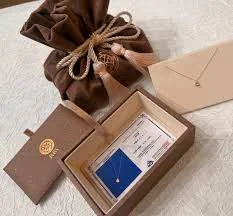
One of the most common mistakes sellers make is assuming supplier packaging is sufficient for transit. In reality, factory packaging is often designed for internal handling, not international shipping.
Jewelry shipped loose or lightly bagged is vulnerable to friction damage, tangling, and deformation. Even individual polybags may not prevent surface scratches during long-distance transit.
Sellers should clearly communicate packaging expectations to wholesalers. This may include individual jewelry pouches, anti-tarnish materials for silver items, rigid inner boxes for stone-set pieces, and moisture barriers for humid routes.
Secondary protection is equally important. Inner boxes should be cushioned within outer cartons to prevent movement. Void fill materials reduce impact damage and stabilize contents.
Neutral packaging is often recommended at this stage. Branded packaging can be added later at the fulfillment stage, reducing risk of damage and allowing flexibility in presentation.
How to Ship Jewelry to Customers Safely and Cost-Effectively

Once inventory reaches your warehouse or fulfillment partner, the focus shifts from bulk efficiency to customer experience. Shipping to customers is where jewelry brands either reinforce trust or create friction.
Choosing Shipping Methods for DTC Jewelry Orders
Domestic shipping is typically more reliable and cost-effective, but cross-border fulfillment opens access to global markets. Each requires a different approach.
For domestic orders, standard tracked shipping often meets customer expectations. Express options can be offered selectively for time-sensitive purchases such as gifts.
International customer shipments require careful consideration of customs, delivery times, and cost transparency. Offering too many options can confuse buyers, while offering too few can limit conversion.
Signature confirmation is advisable for high-value orders. While it may slightly reduce delivery convenience, it significantly lowers fraud and loss risk.
Shipping Cost vs Customer Experience Trade-Off
When shipping jewelry to customers, sellers must balance logistics cost with delivery expectations. Different shipping options perform very differently depending on order value and destination.
| Shipping Method | Delivery Speed | Cost to Seller | Tracking Quality | Best For |
| Economy tracked shipping | Slow | Low | Basic | Low-priced jewelry, free-shipping offers |
| Standard shipping | Medium | Medium | Reliable | Most DTC jewelry orders |
| Express shipping | Fast | High | Very reliable | Gifts, urgent orders, premium items |
| Signature-required shipping | Medium–Fast | Medium–High | Very reliable | High-value jewelry, fraud prevention |
Best Packaging Practices for Shipping Jewelry to Customers

Customer-facing packaging serves two purposes: protection and presentation. Both influence satisfaction and return rates.
Inner packaging should secure the jewelry without excessive movement. Soft pouches prevent scratches, while rigid boxes protect structure. Stone-set items benefit from fitted inserts.
Outer packaging should be discreet. Plain mailers or boxes reduce theft risk during transit. Overly branded exterior packaging can attract unwanted attention.
Over-packaging is another hidden risk. Excessive layers can frustrate customers and increase shipping costs without improving protection. The goal is balance.
Standardizing packaging processes ensures consistency across orders. Clear packing guidelines reduce errors, speed fulfillment, and improve quality control.
Insurance, Tracking, and Loss Prevention for Jewelry Shipping
Loss prevention is not about eliminating risk entirely, but about controlling and transferring it effectively. This is also a point to consider when choosing how to ship jewelry.
Shipping insurance is essential for high-value jewelry. Sellers must understand the difference between carrier-provided coverage and third-party insurance options. Third-party providers often offer broader protection and simpler claims processes.
Tracking is equally important. Detailed tracking reduces disputes and supports customer communication. Automated notifications reassure buyers and reduce support inquiries.
Clear internal procedures for handling lost or delayed shipments help teams respond consistently. This includes documentation requirements, claim timelines, and customer communication templates.
Recommended Jewelry Shipping Strategies for Different Business Models
Small independent sellers benefit from simplicity and reliability. Using a limited number of trusted shipping methods reduces complexity.
Cross-border e-commerce sellers must balance speed, cost, and compliance. Partnering with logistics providers experienced in jewelry shipping adds stability.
B2B wholesalers and distributors focus on predictability and volume efficiency. Clear agreements with logistics partners support long-term scalability.
Private-label and brand owners should view shipping as part of brand experience. Investment in packaging and delivery reliability reinforces positioning.
Conclusion: Shipping Is Part of Your Jewelry Product, Carefully Consider How to Ship Jewelry
Shipping decisions shape how jewelry is perceived, how quickly inventory turns, and how much profit remains after each sale. For businesses sourcing from wholesalers and selling online, shipping is not merely logistics—it is part of the product itself.
By approaching jewelry shipping strategically, sellers can reduce damage, control costs, and build trust with both suppliers and customers. When executed well, shipping becomes a silent contributor to growth rather than a hidden drain on margins.