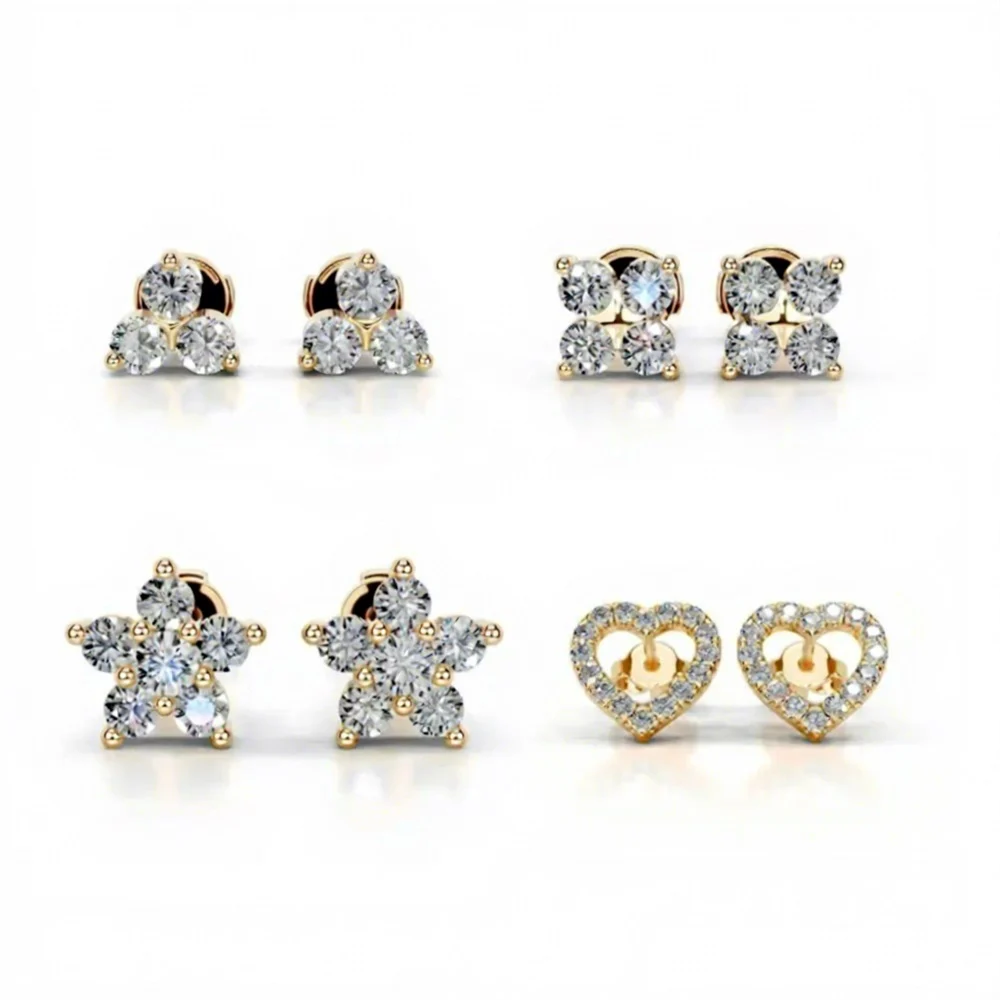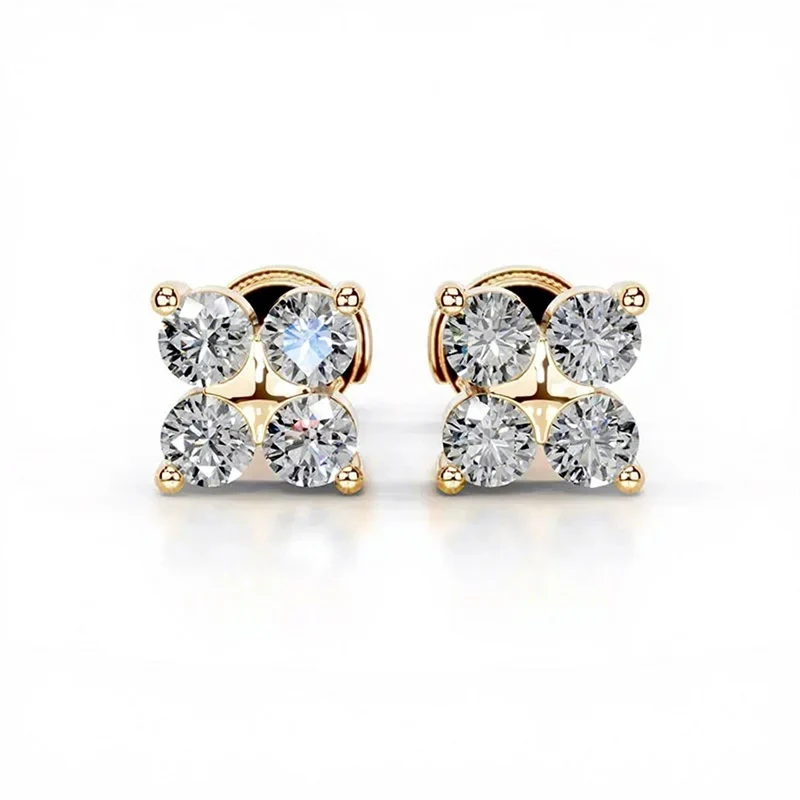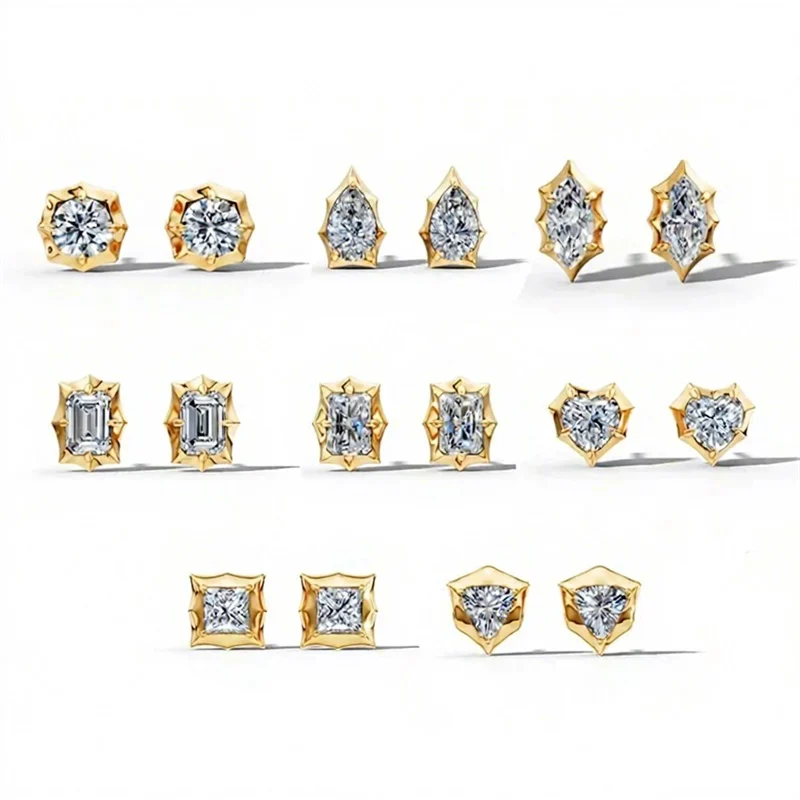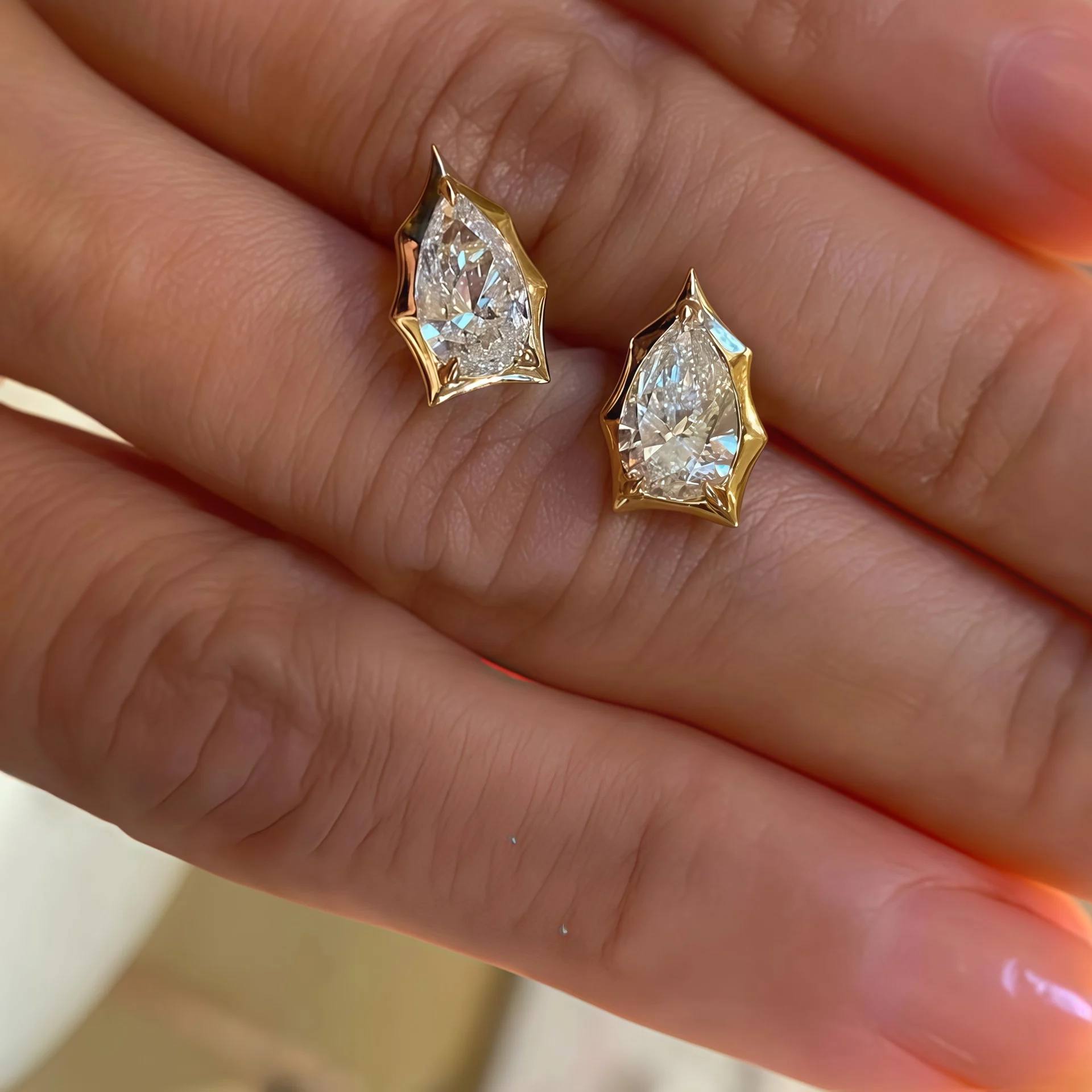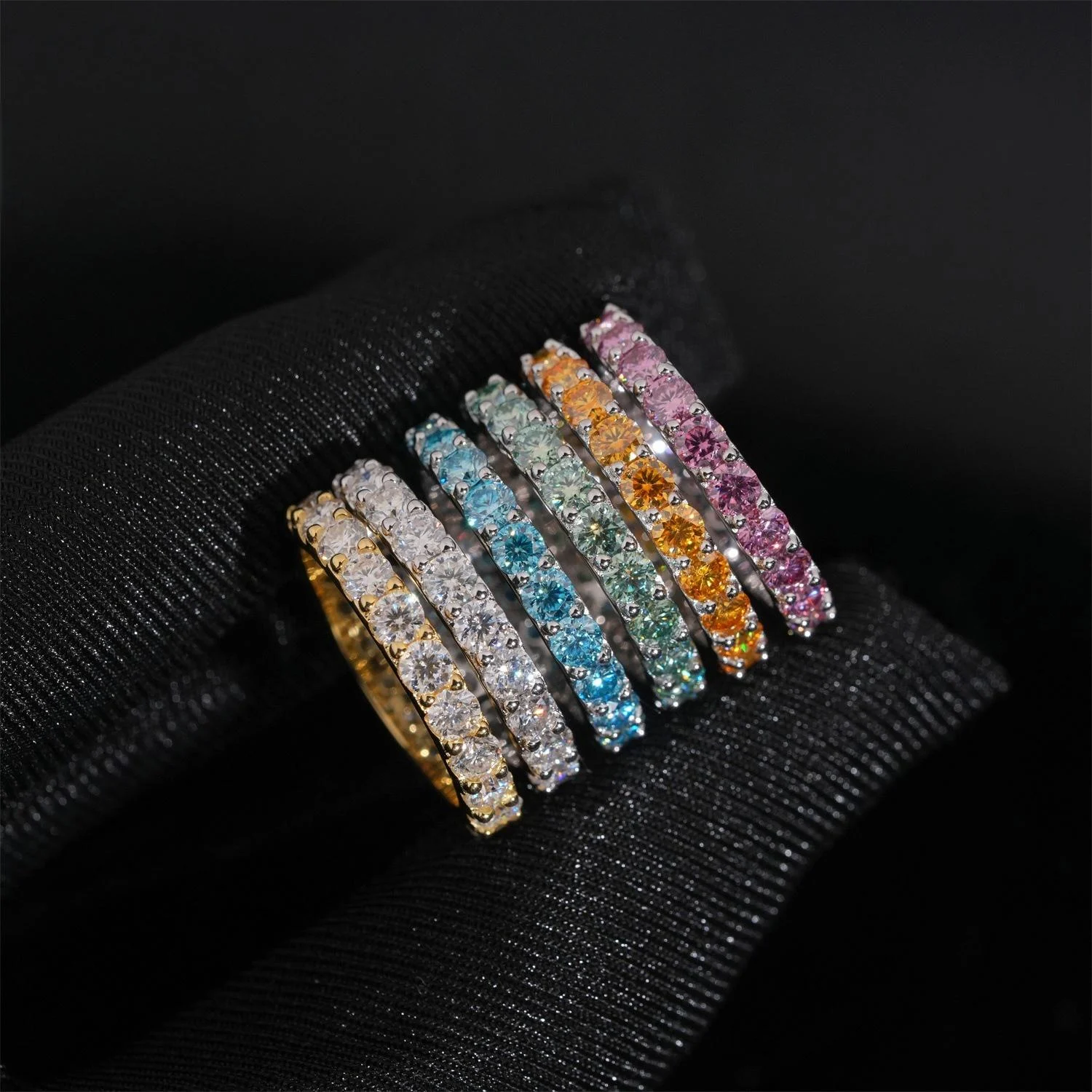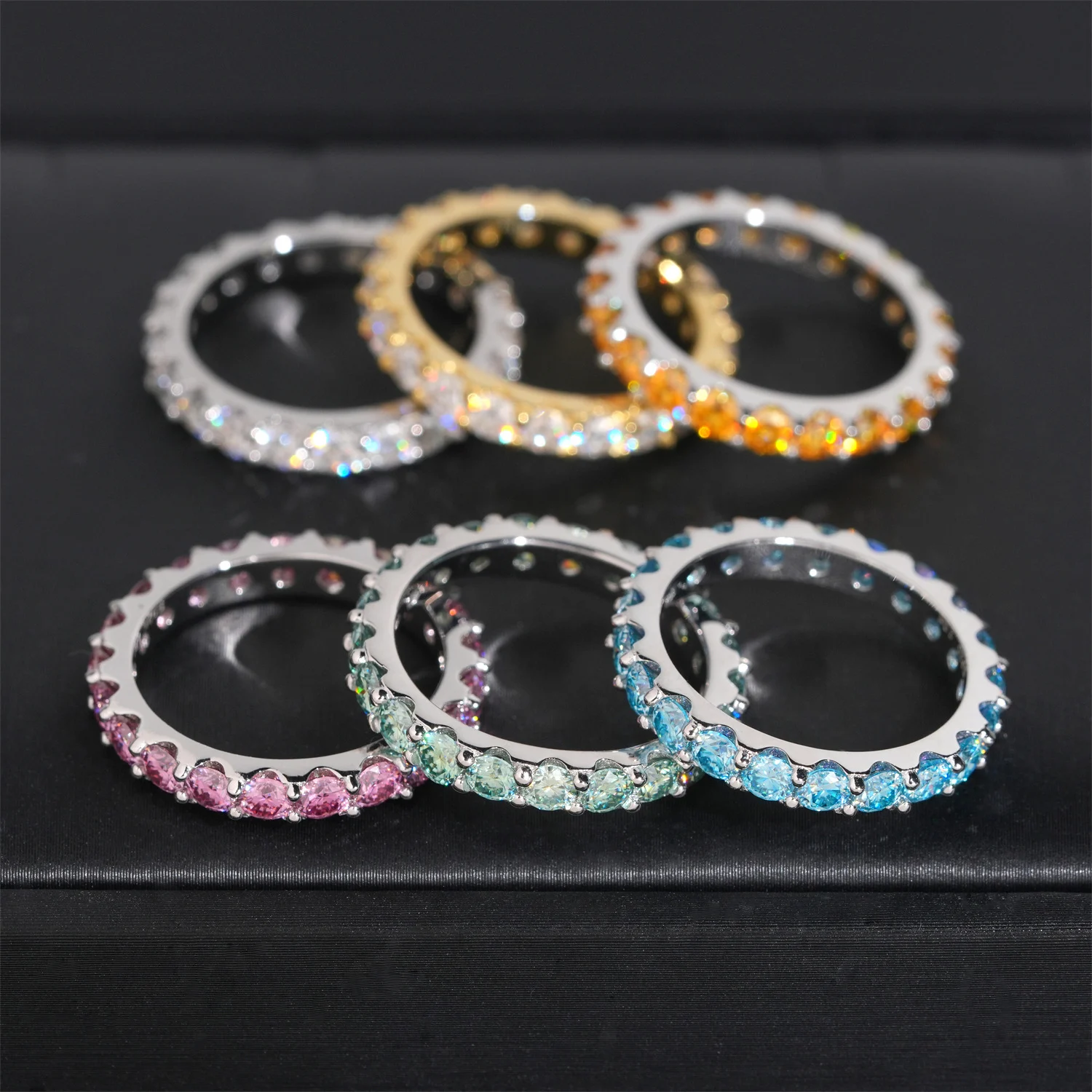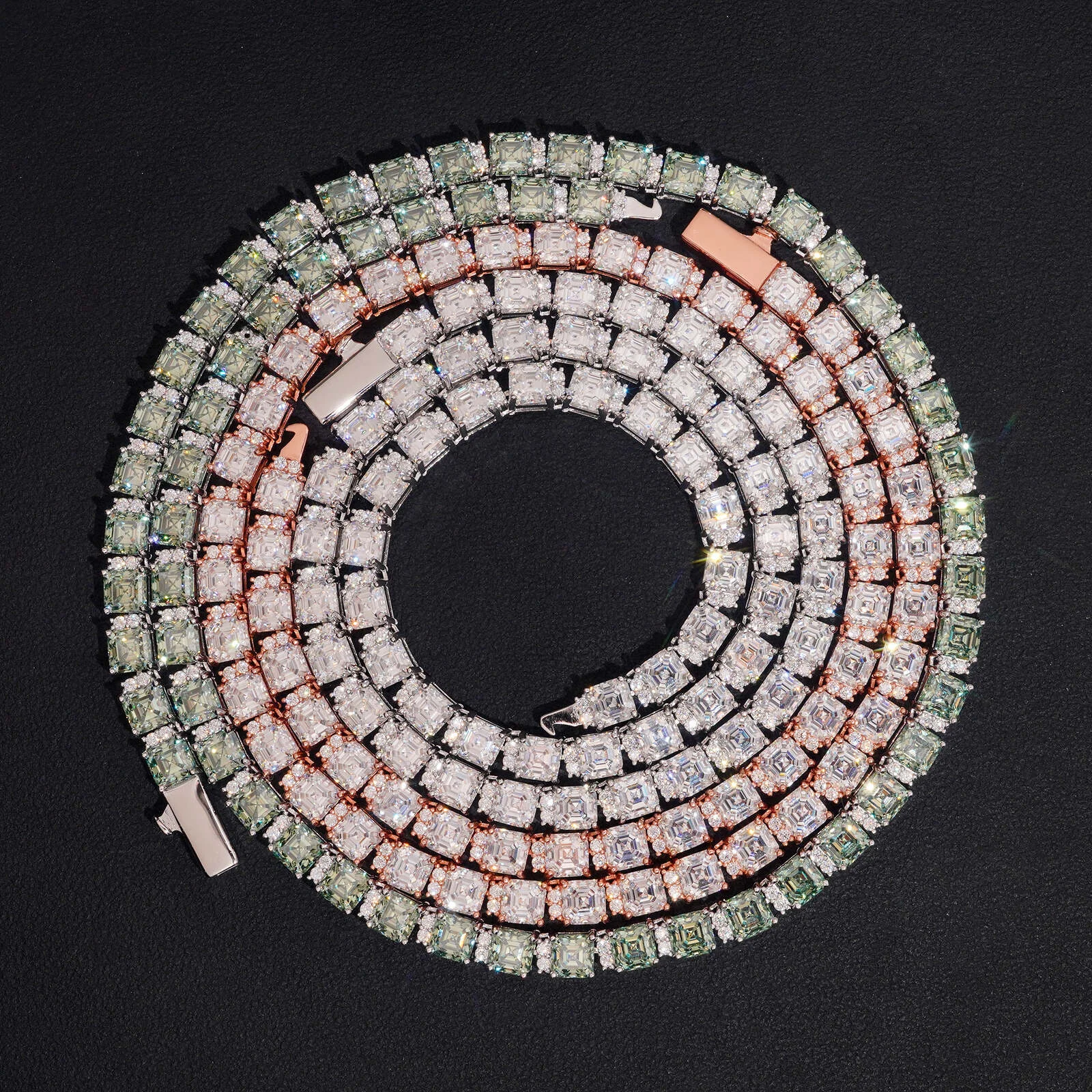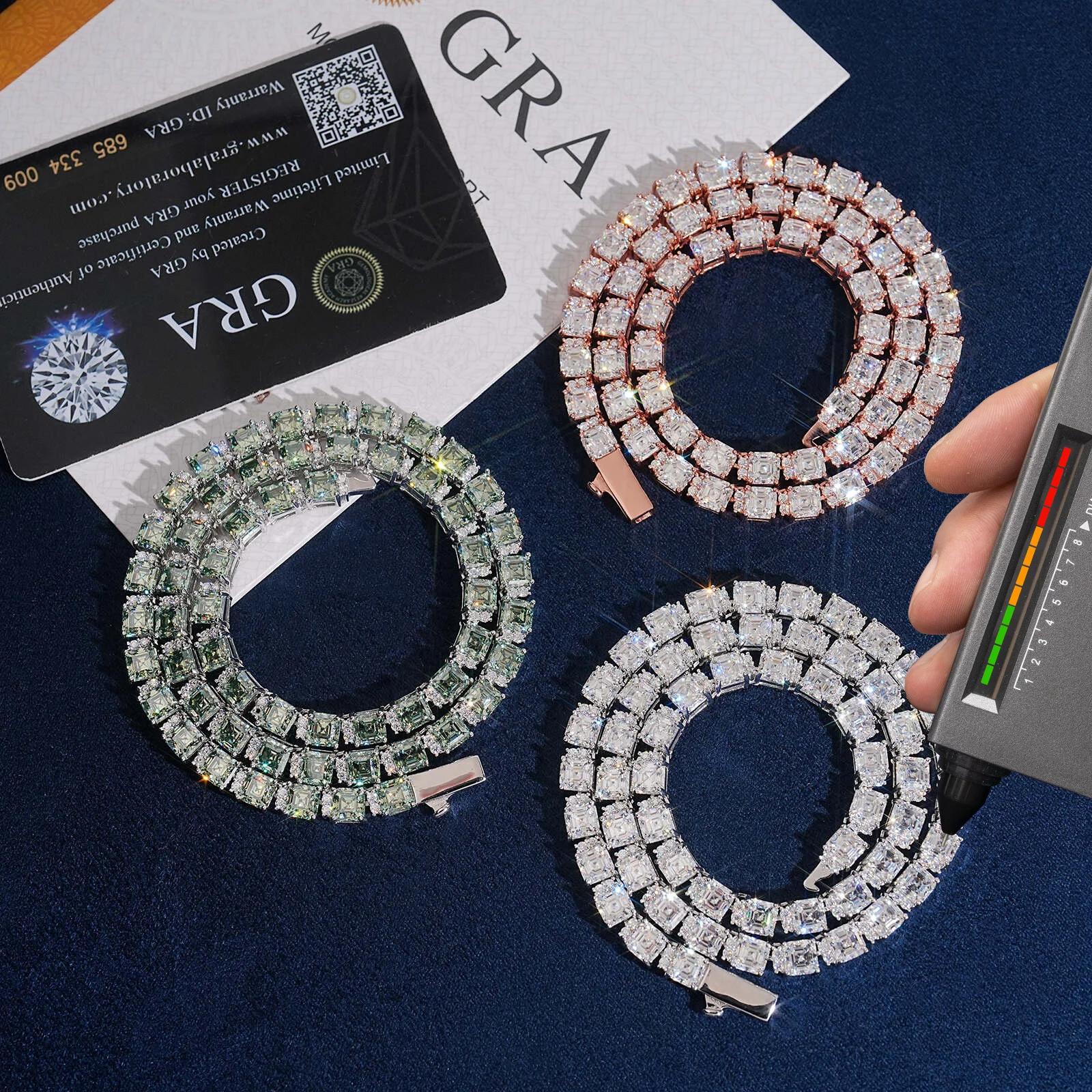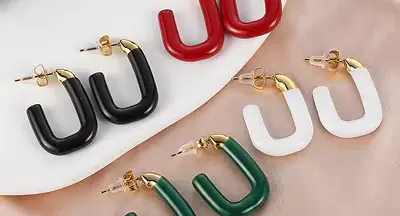


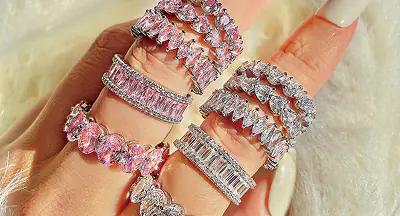


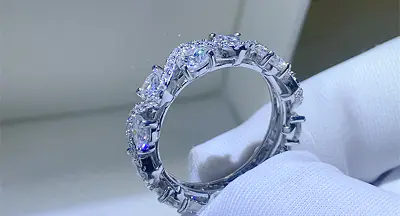


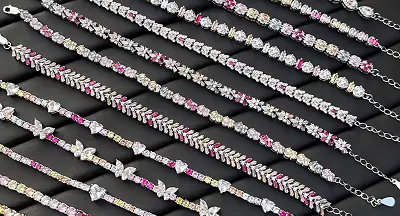


You cannot fully inspect jewelry through a screen, but you can reduce uncertainty before ordering. Check whether the listing gives measurable specifications, shows construction clearly, and offers a way to resolve questions. For higher-value purchases, ask for documentation tied to the specific item rather than relying on broad marketing claims.
1. Check the material and finish details
Look for the base metal, precious-metal fineness where relevant, plating or surface finish, and any stated care limits. “Gold tone” describes appearance, not gold content. Ask what “nickel-free” or “hypoallergenic” means for the item and whether the seller can provide supporting information.
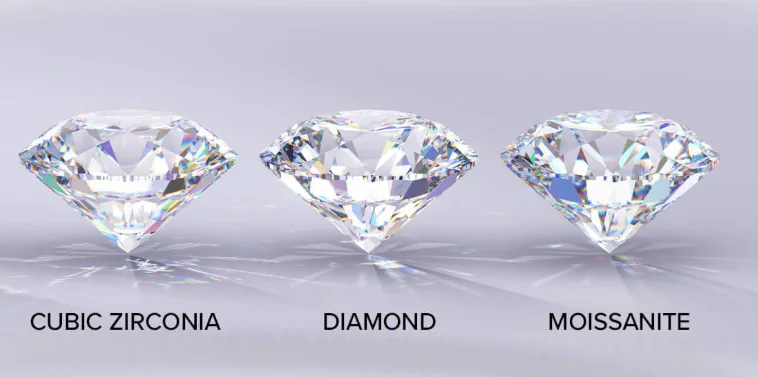
2. Confirm stone identity and dimensions
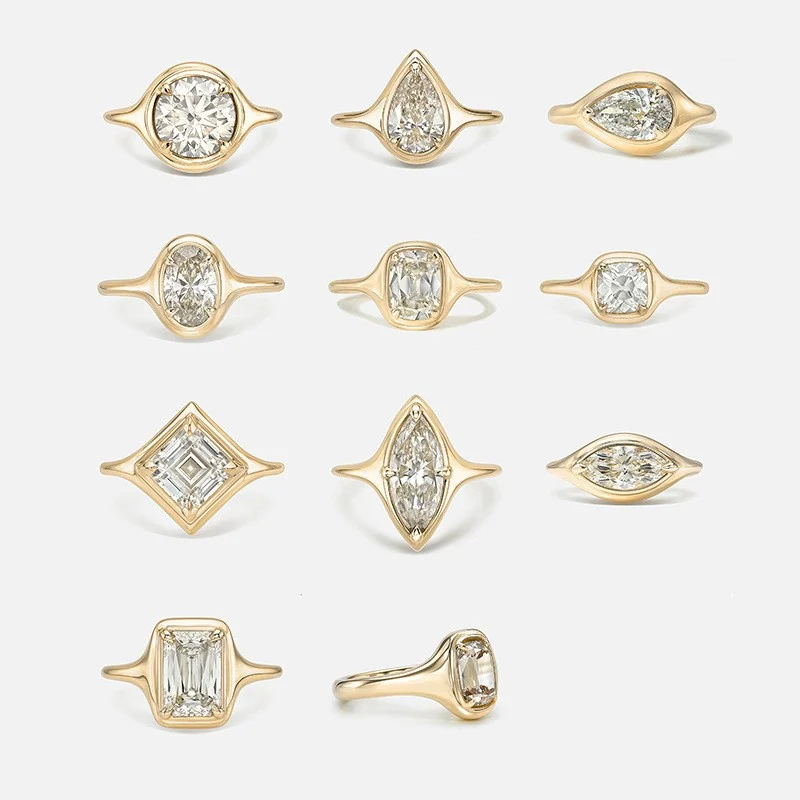
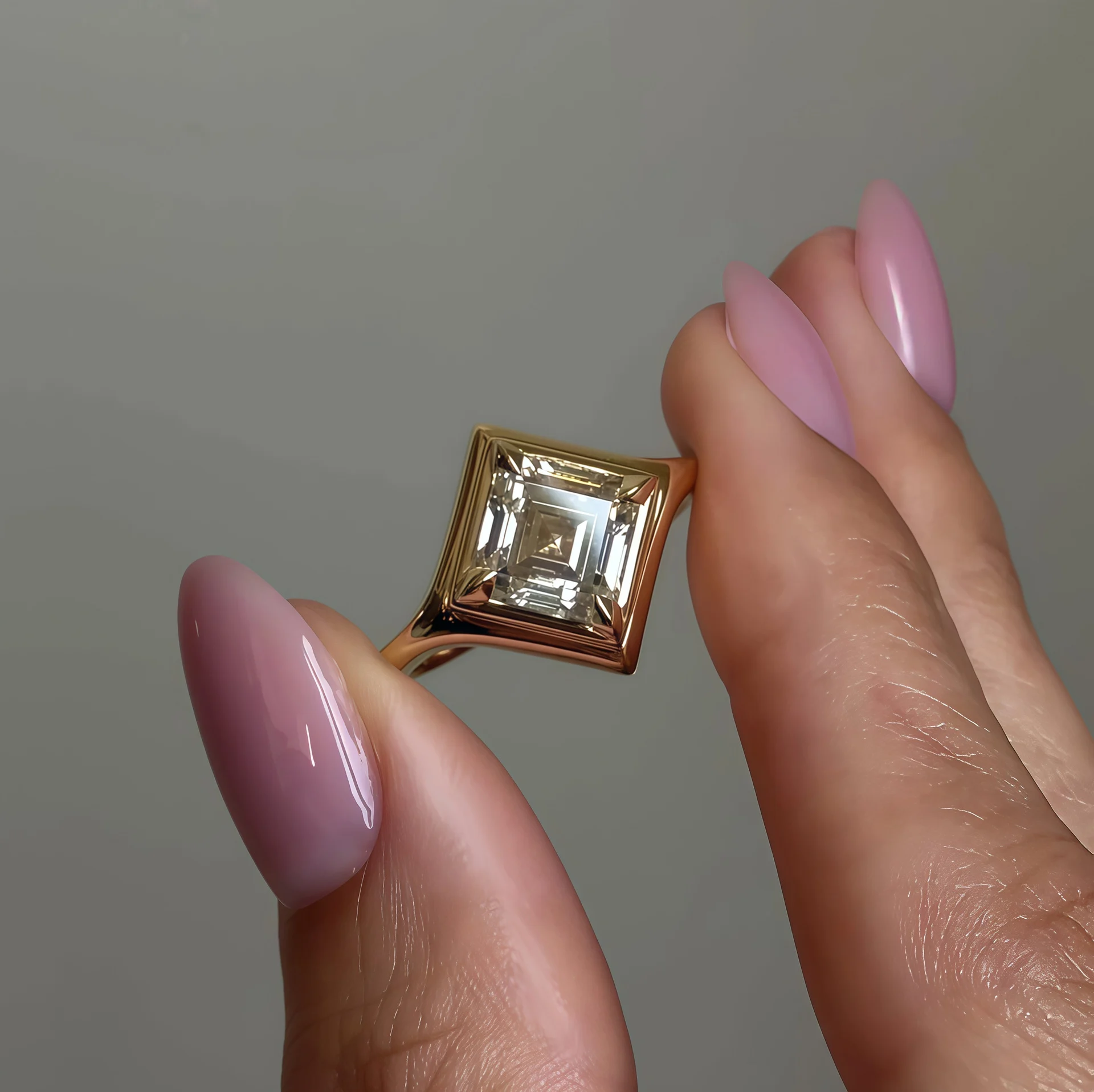
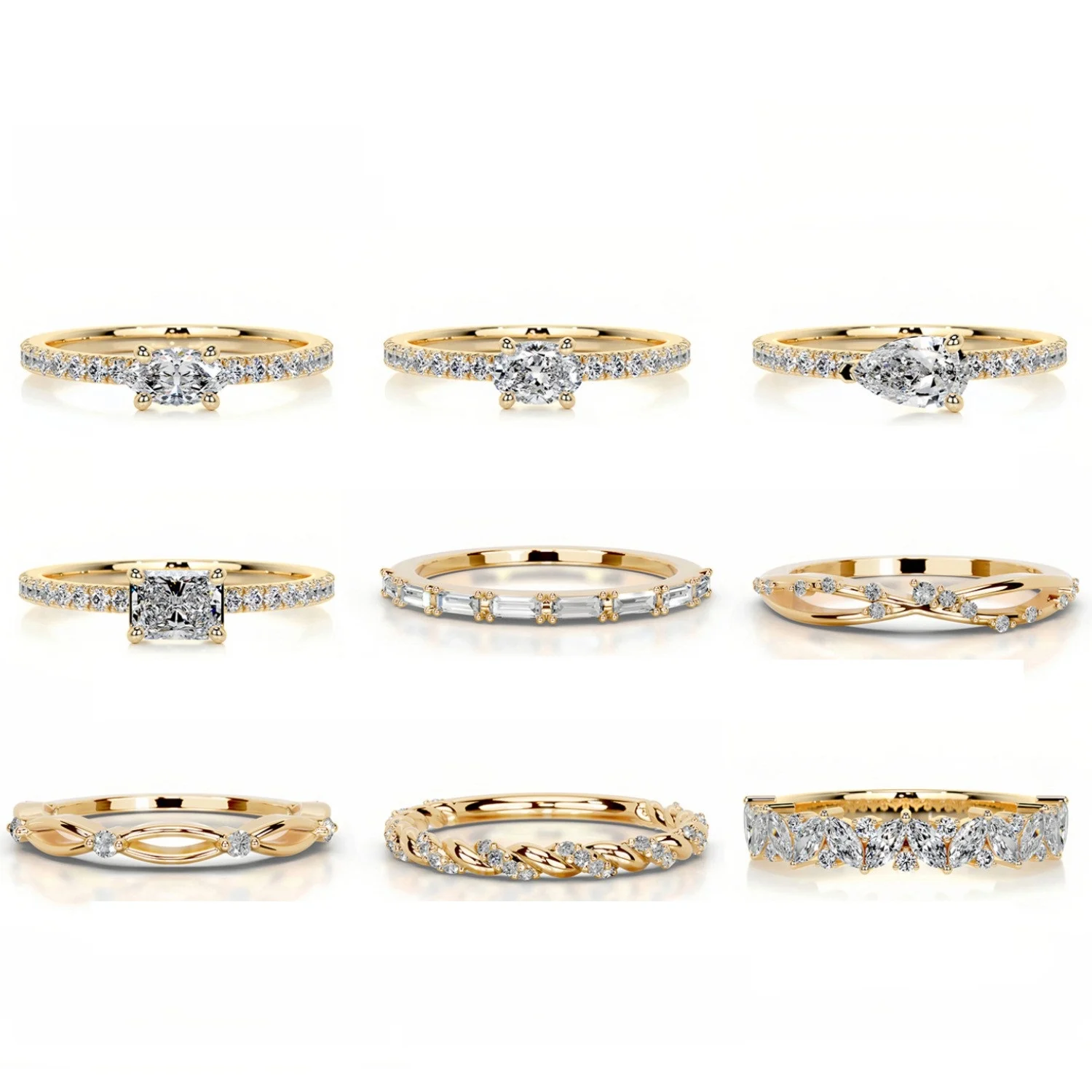
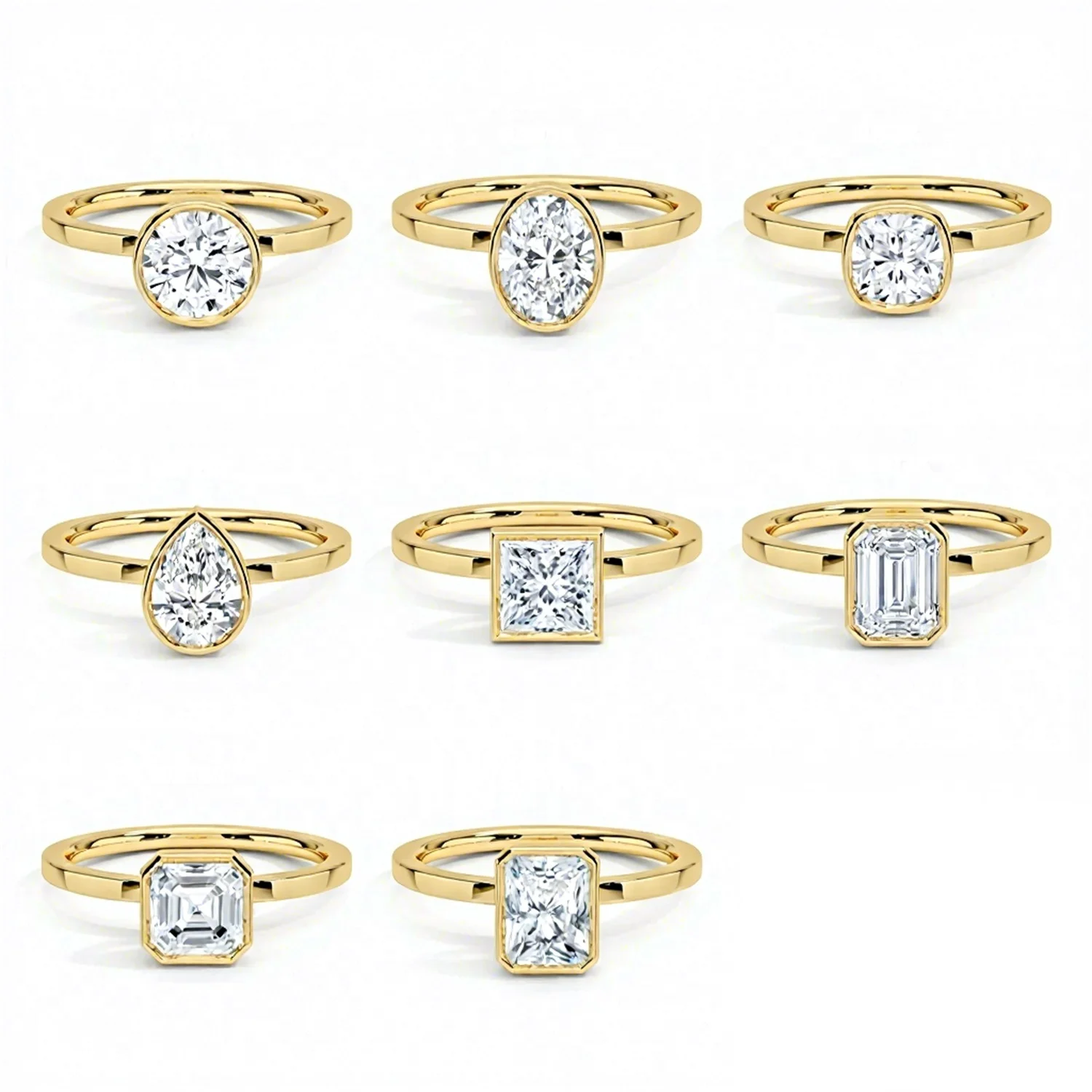
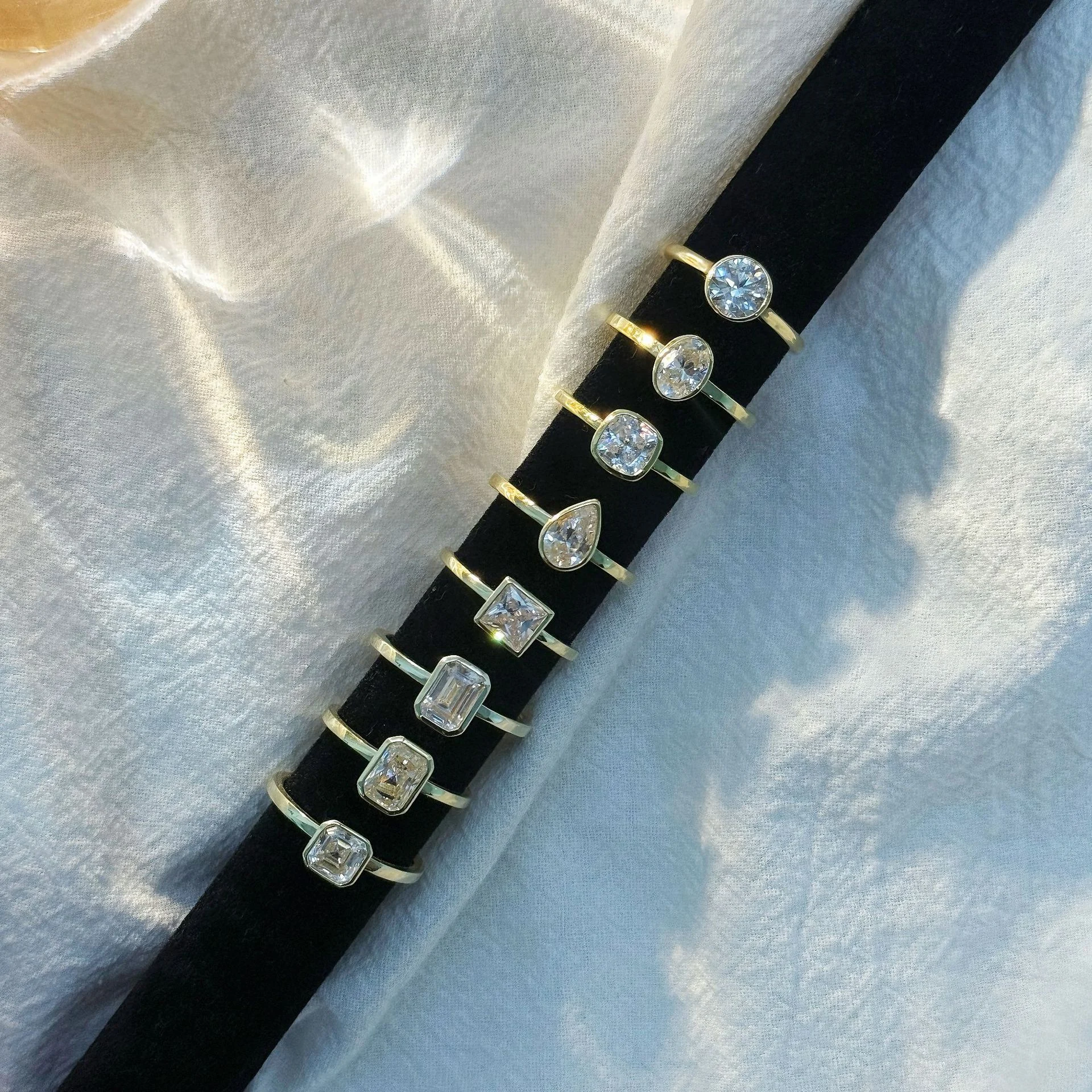
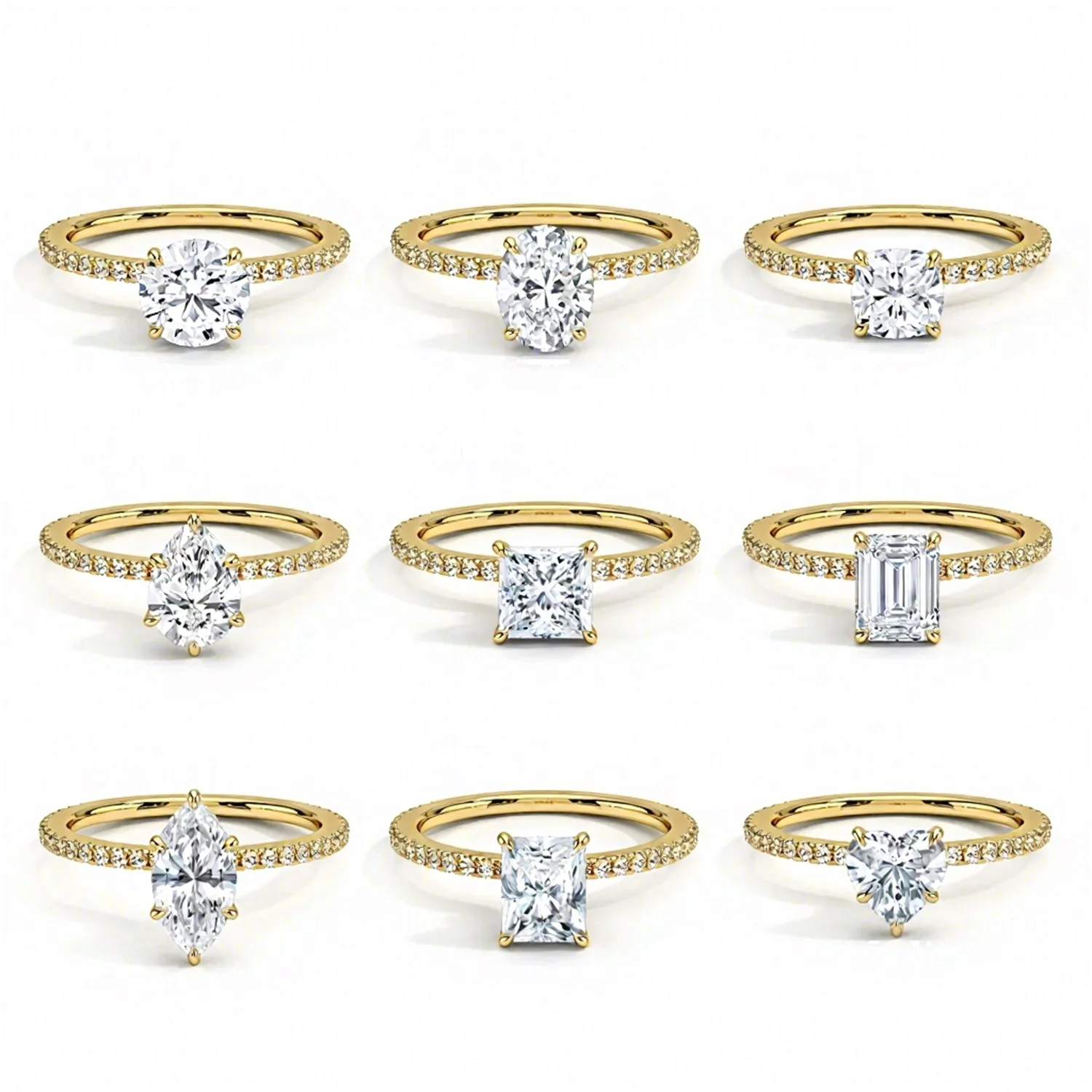
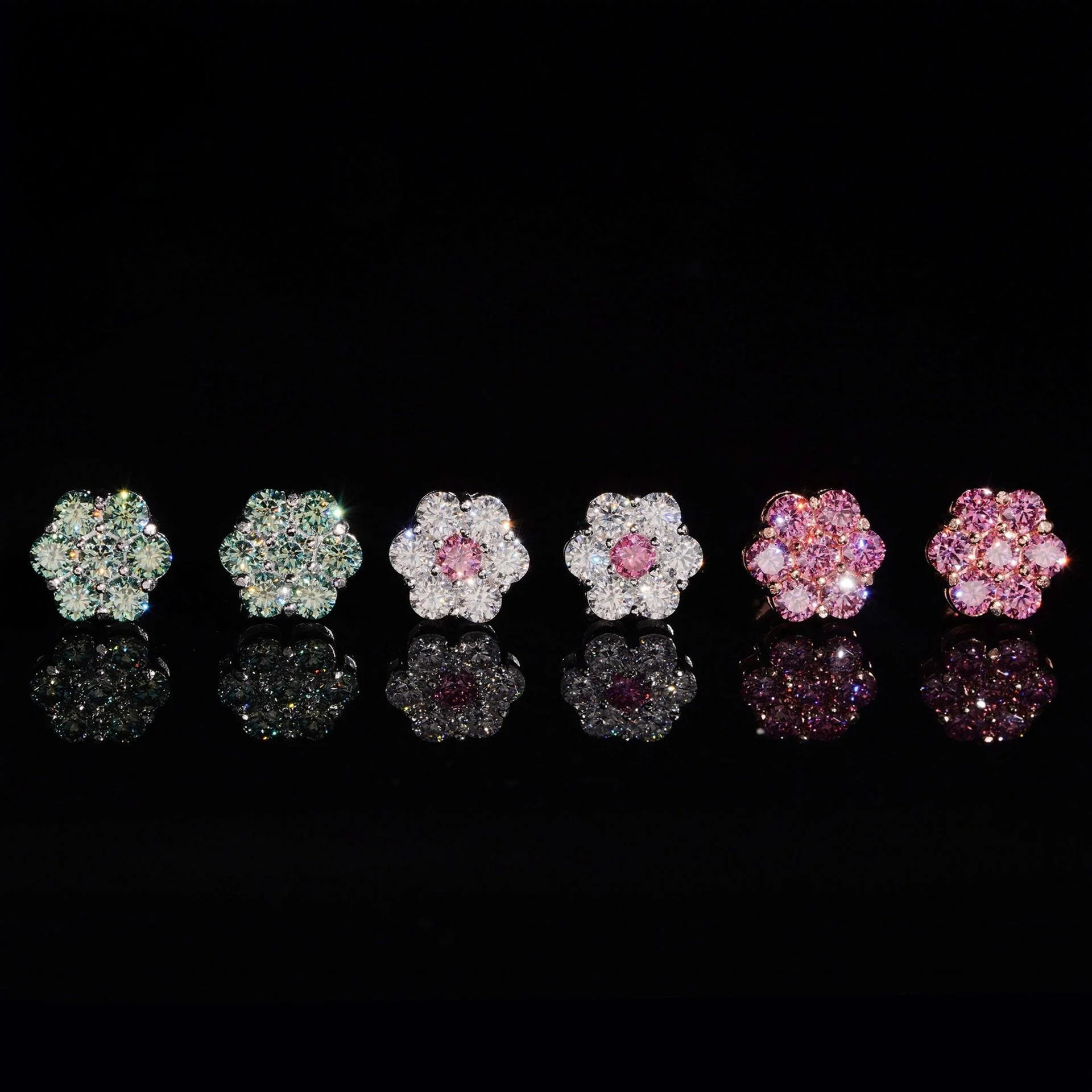
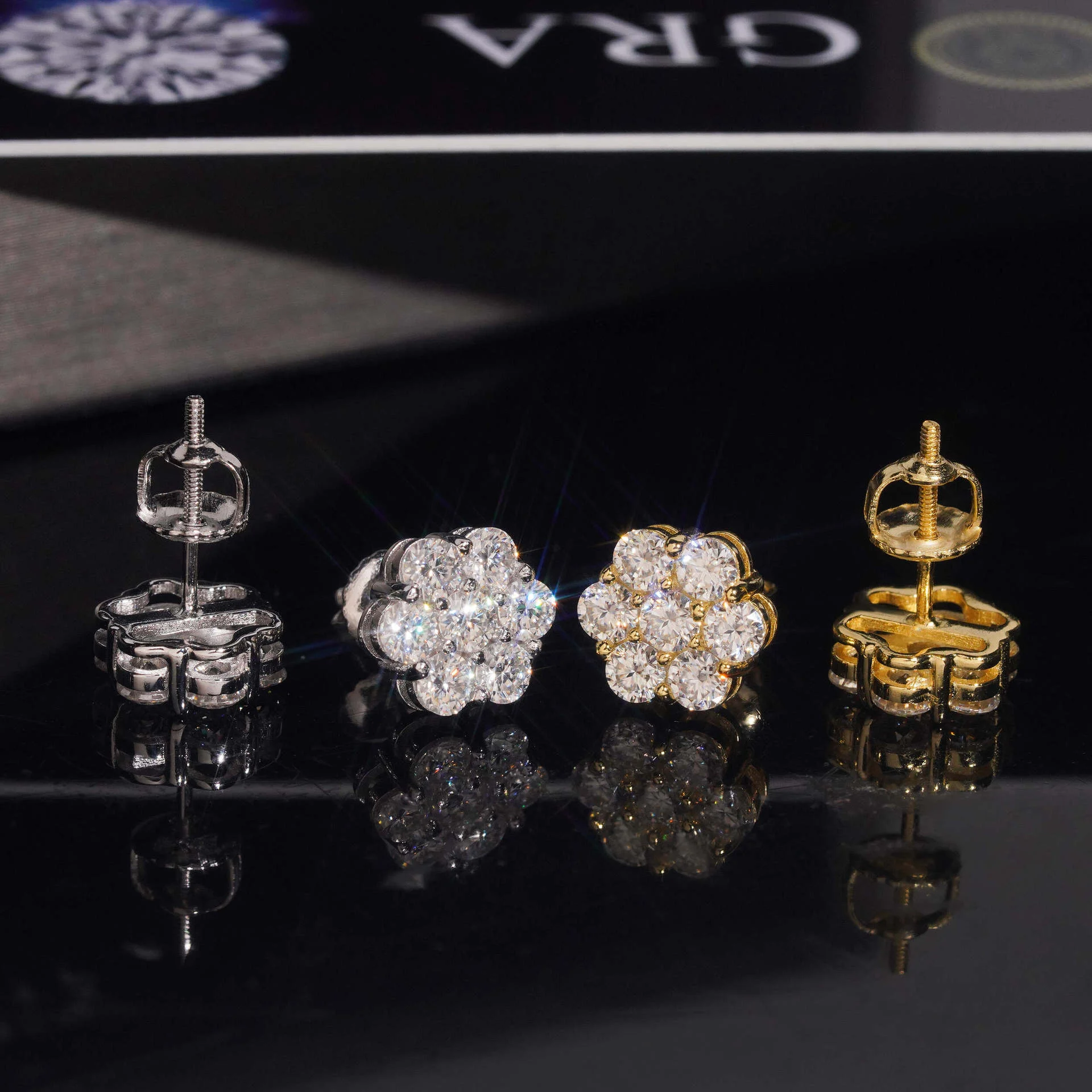
The listing should name the stone type, shape, approximate size, and setting style. Terms such as “diamond look” do not identify a gemstone. If a grading report is claimed, confirm the issuing organization and that the report number matches the item; not every fashion-jewelry stone needs an independent grading report.
3. Inspect photos for construction
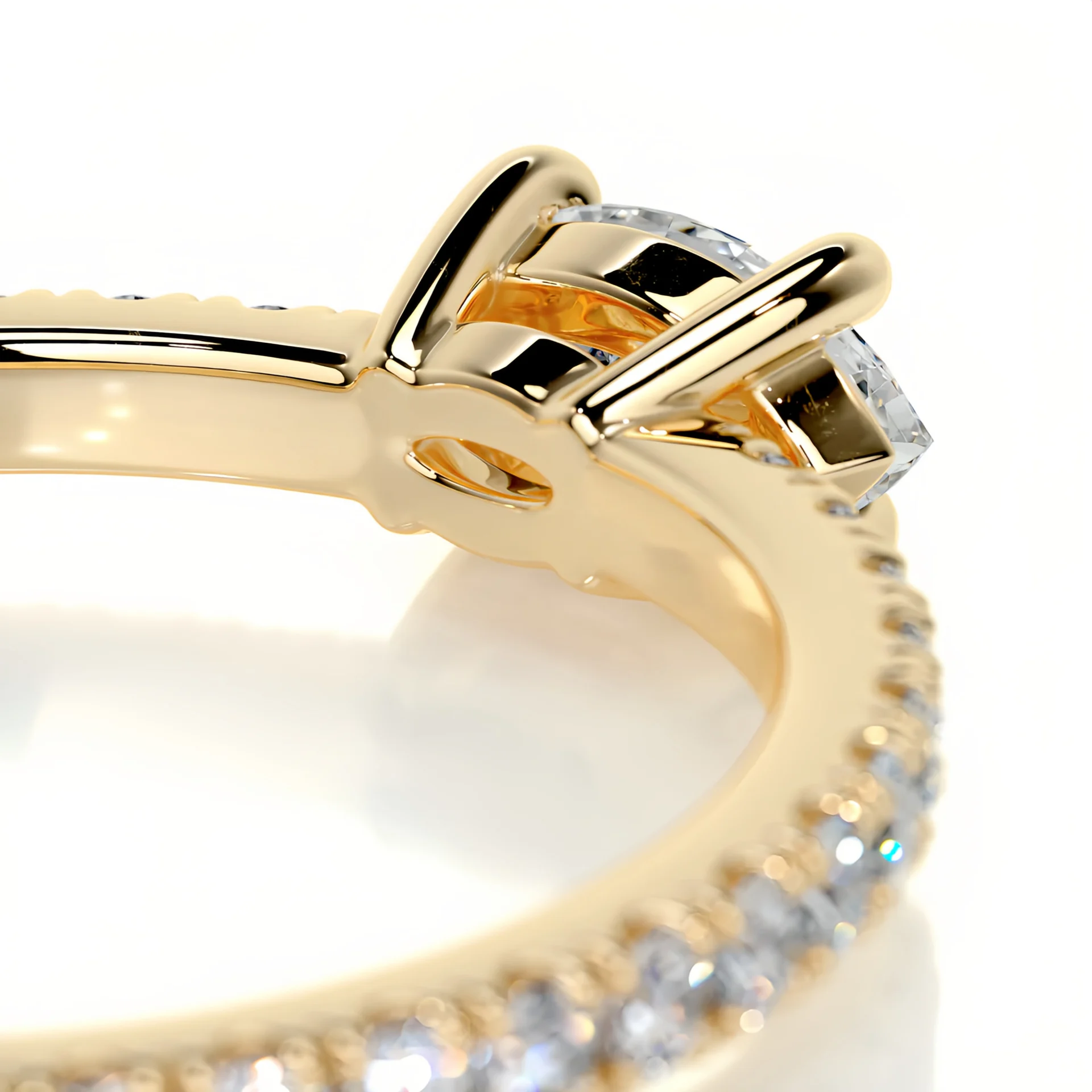
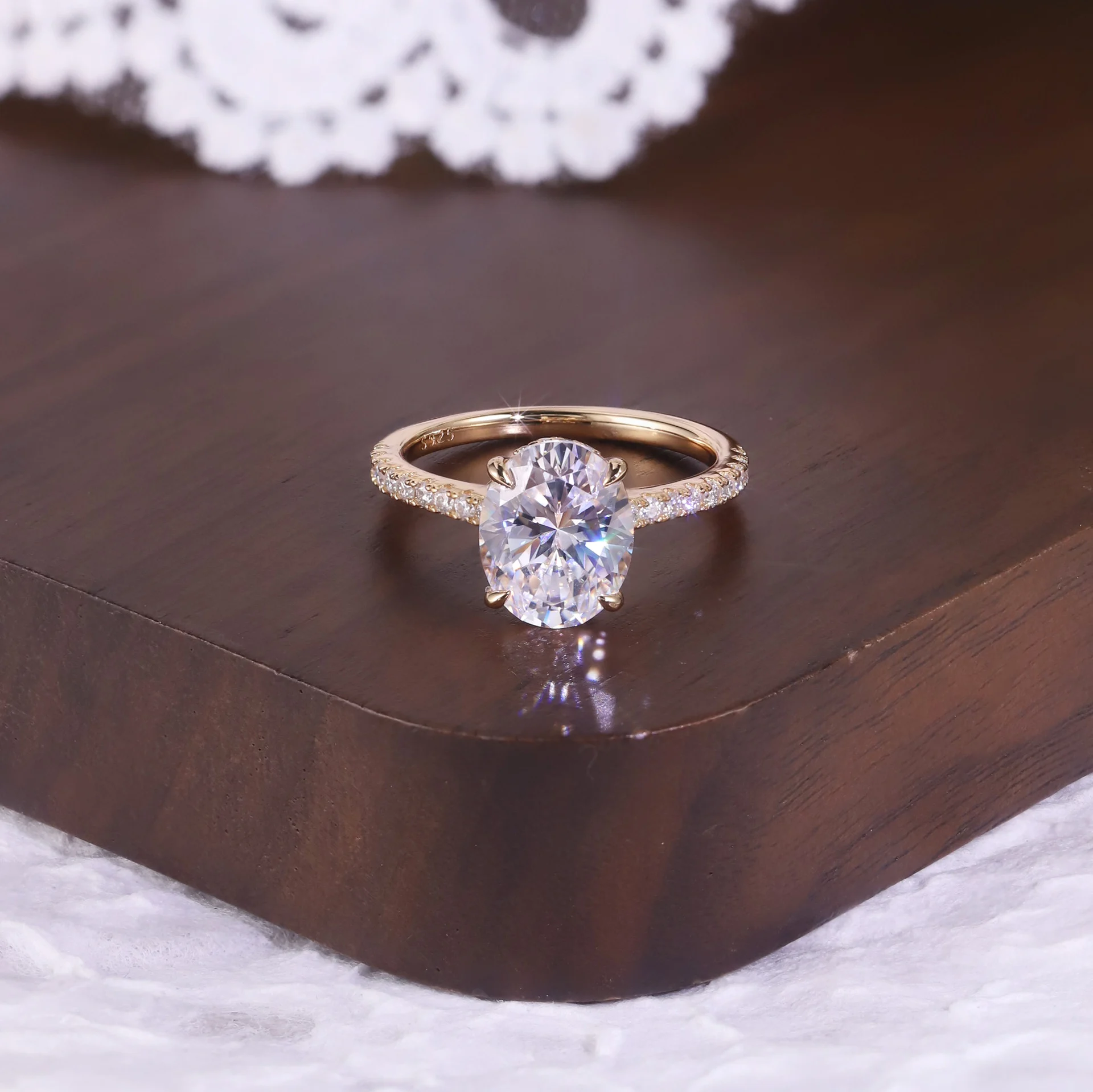
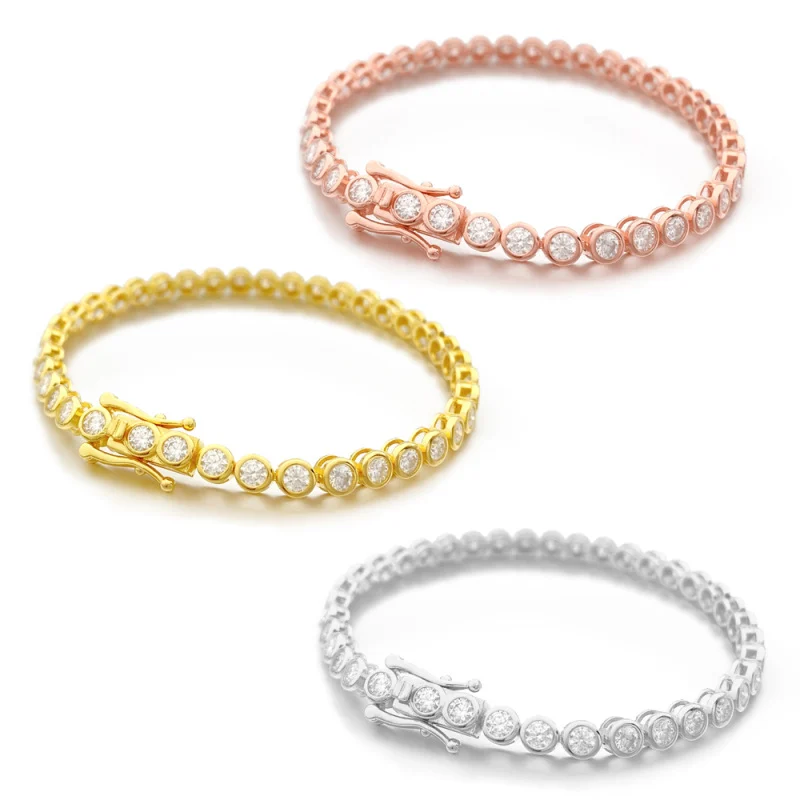
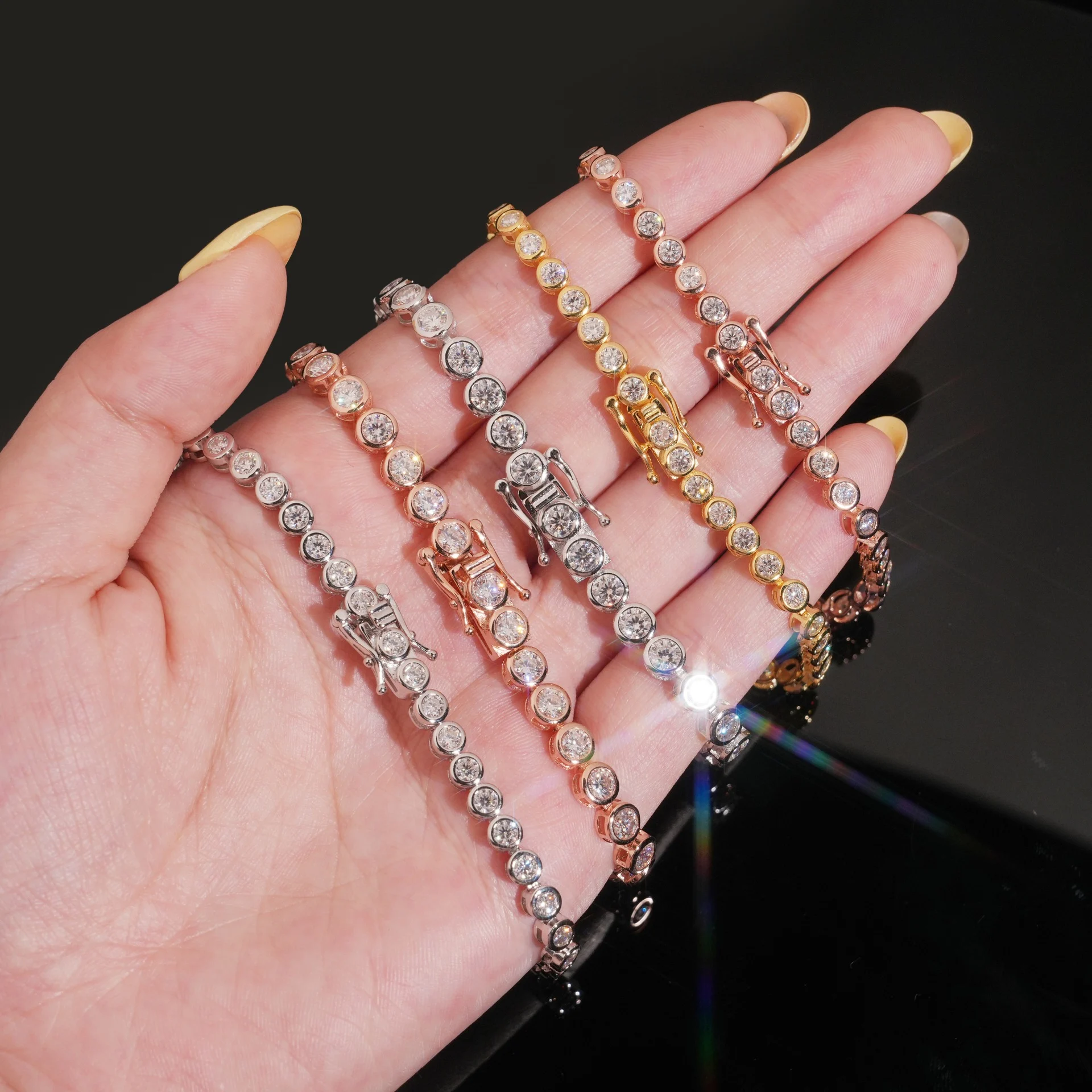
Look for multiple views of the front, back, clasp, links, prongs, and any hallmark. Images should let you judge scale and finish. Ask for a current photo or short video of the exact item when stock images make construction unclear.
4. Read dimensions and product terms
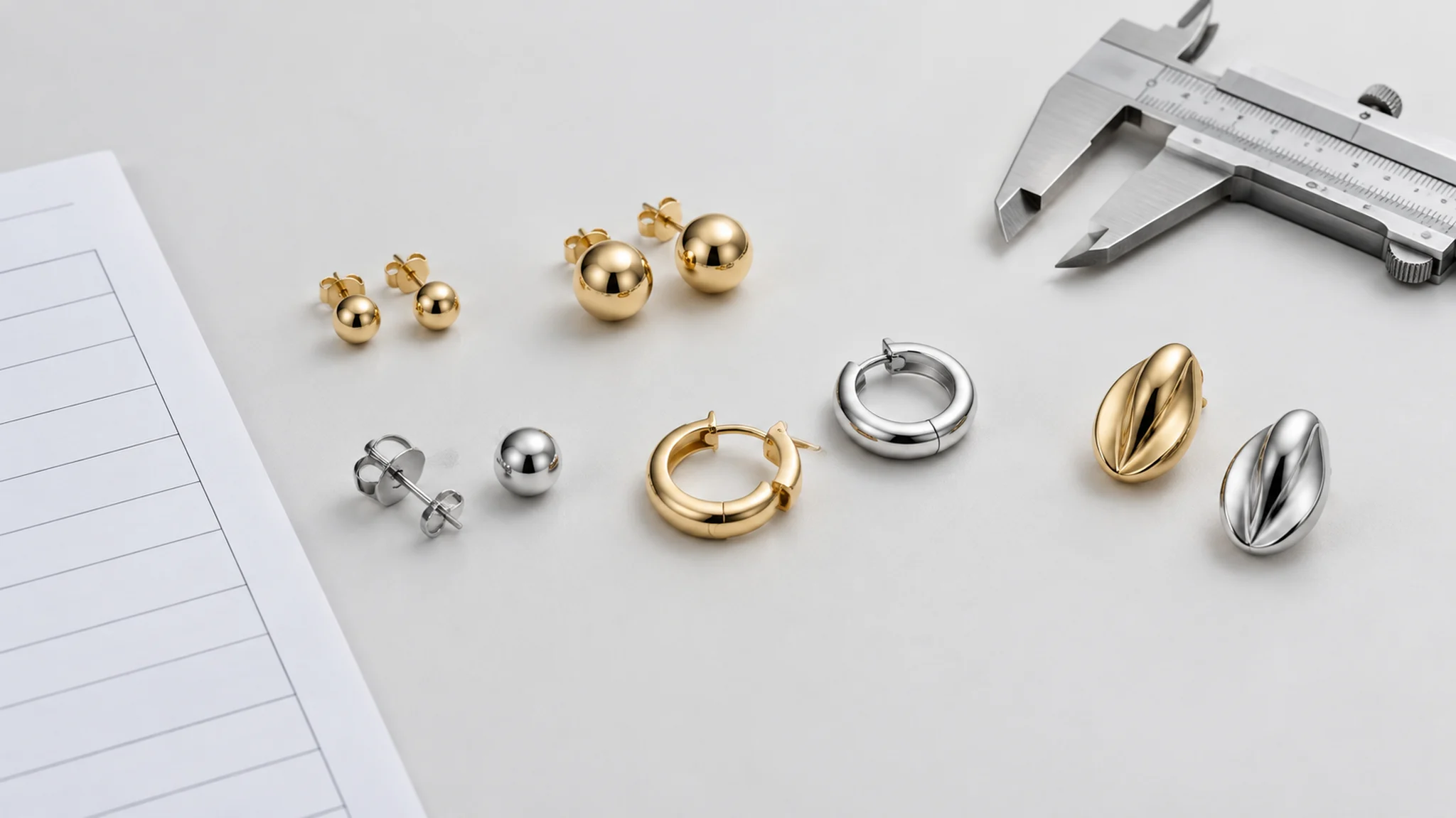
Check length, width, thickness, weight if available, ring sizing, closure type, and what is included. Compare the stated dimensions with a ruler or a piece you already own. Review shipping, returns, repairs, and warranty terms before checkout.
5. Evaluate the seller and ask specific questions
Review recent feedback for comments about the same product type, not just the store average. Ask concise questions: What is the base metal? Is the finish plated? What is the stone? Can you confirm the dimensions and show the clasp or setting? Clear, consistent answers are more useful than promotional assurances.
6. Treat price as a prompt to verify
Price varies with materials, design, weight, workmanship, and seller terms. A very low price does not prove poor quality, and a high price does not prove authenticity. Compare like-for-like specifications and seek documentation when the material or stone claim matters to your purchase.
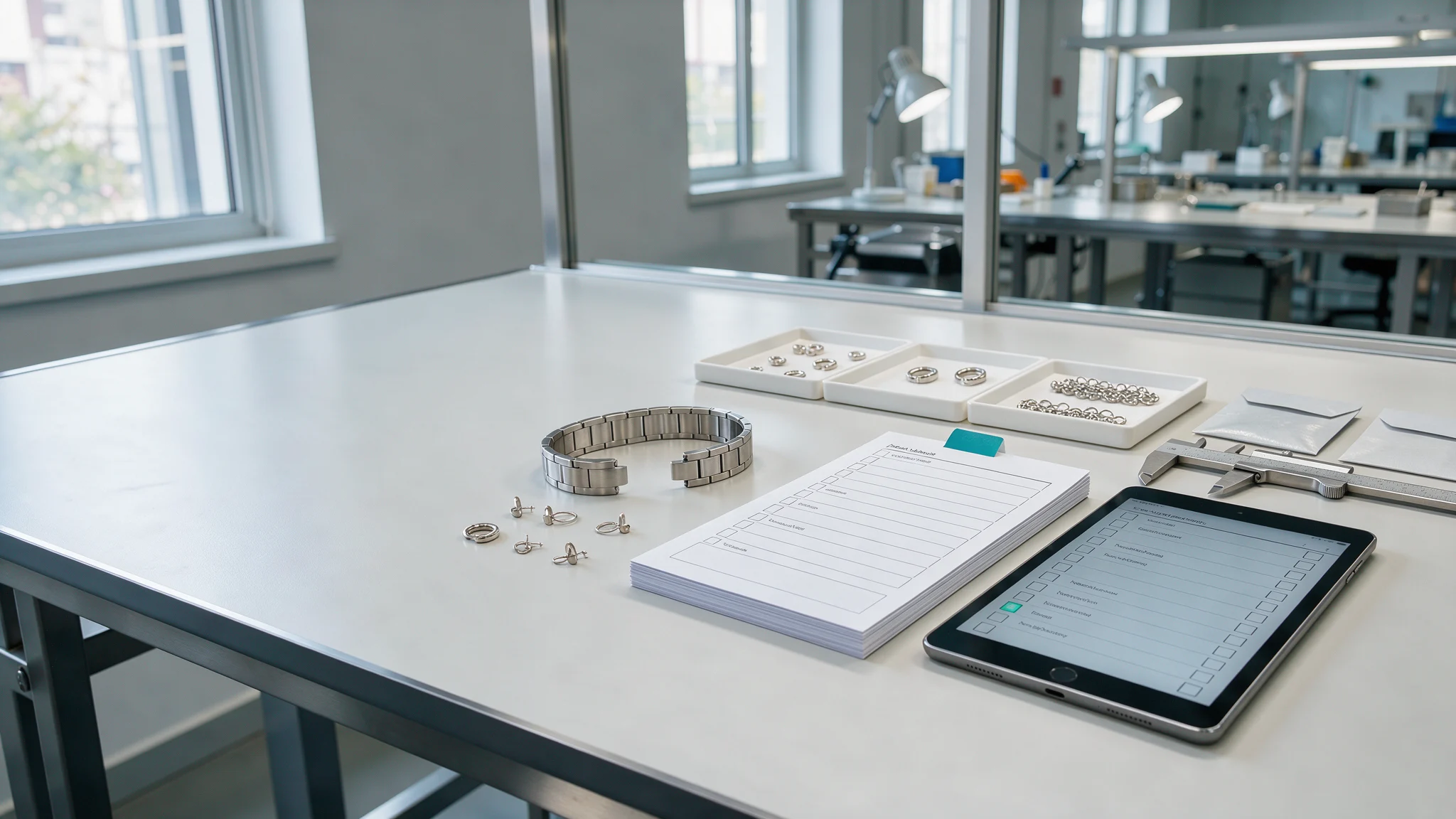
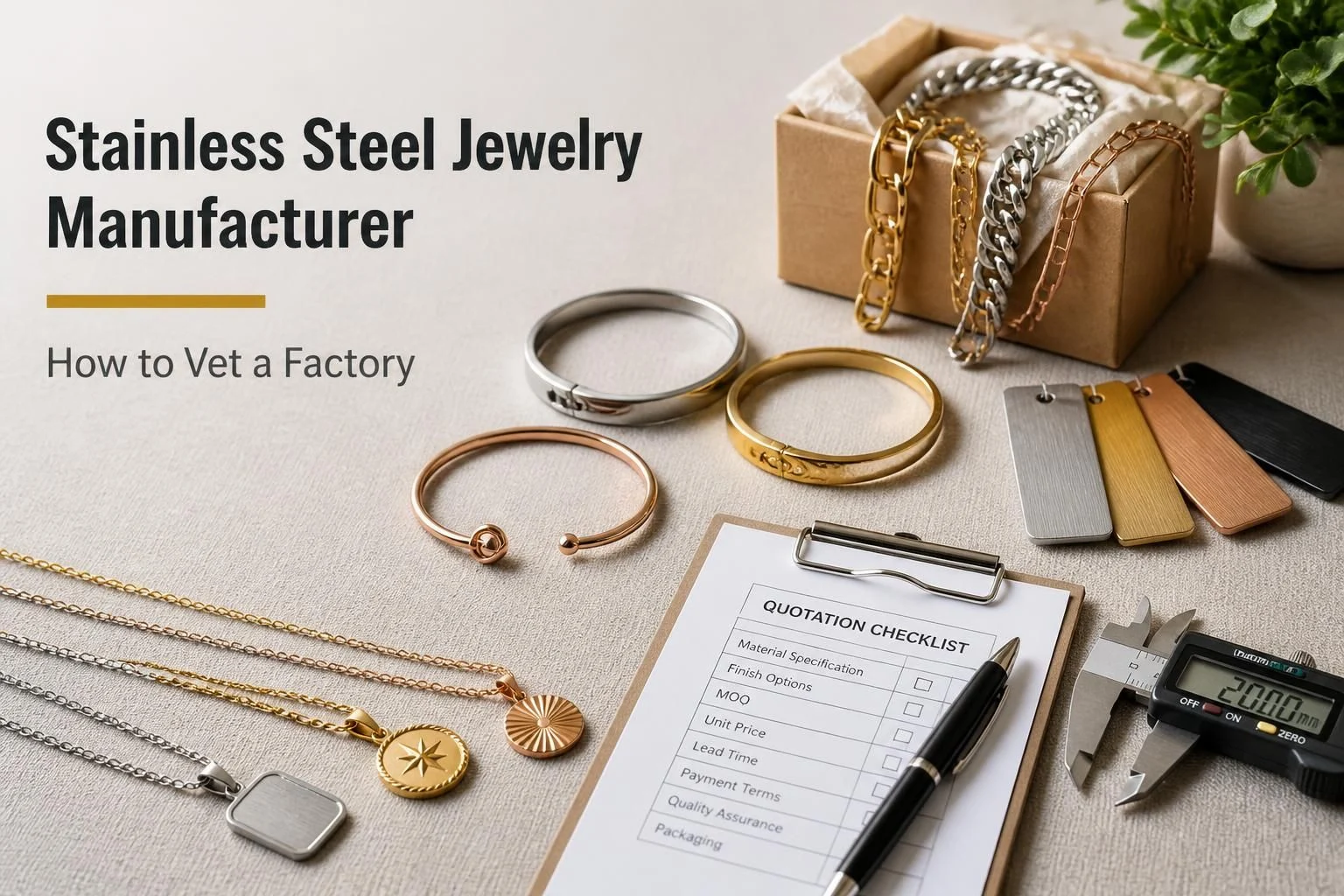
Use the same checklist across listings and save the product description and seller answers. If a key specification is missing or inconsistent, pause and get clarification before ordering.