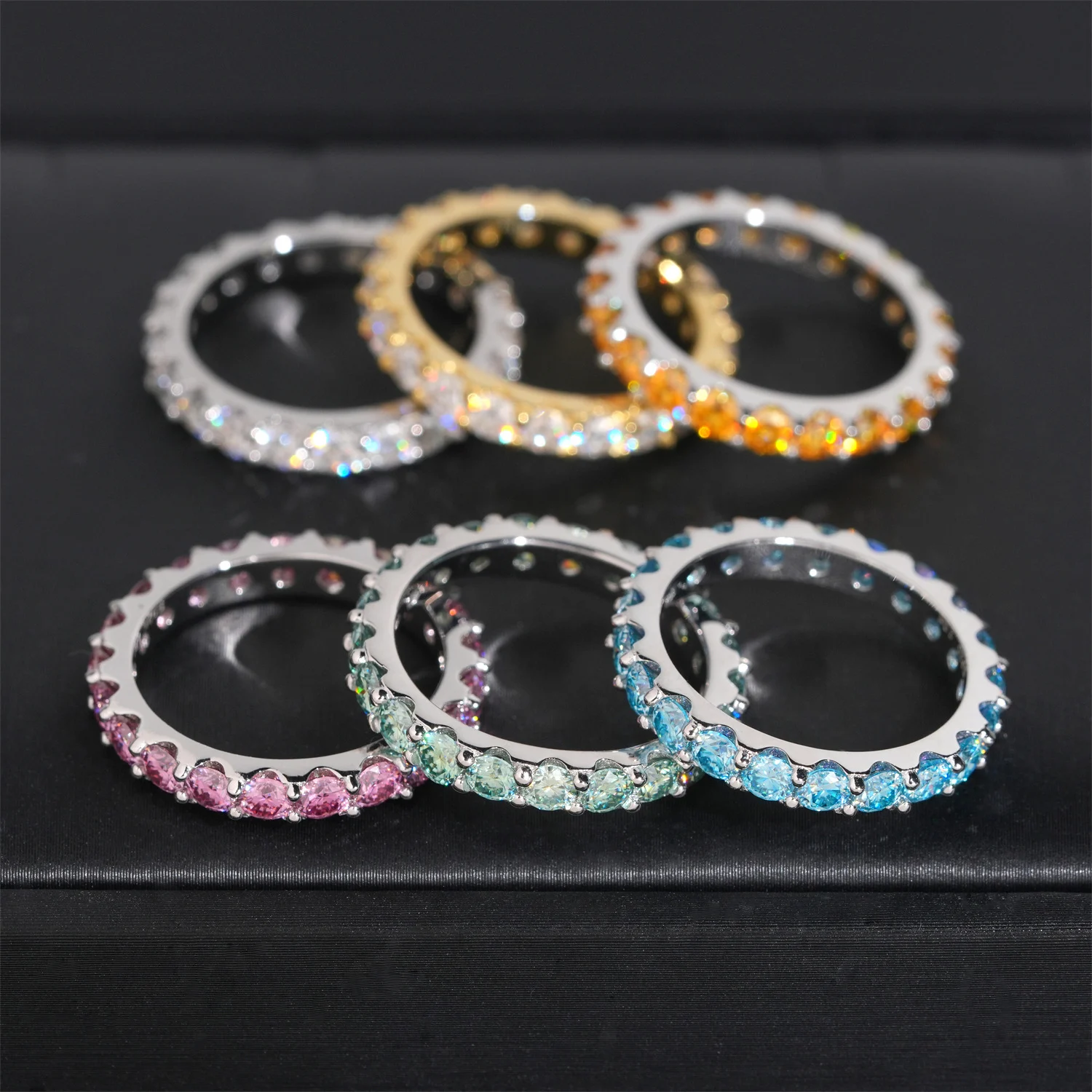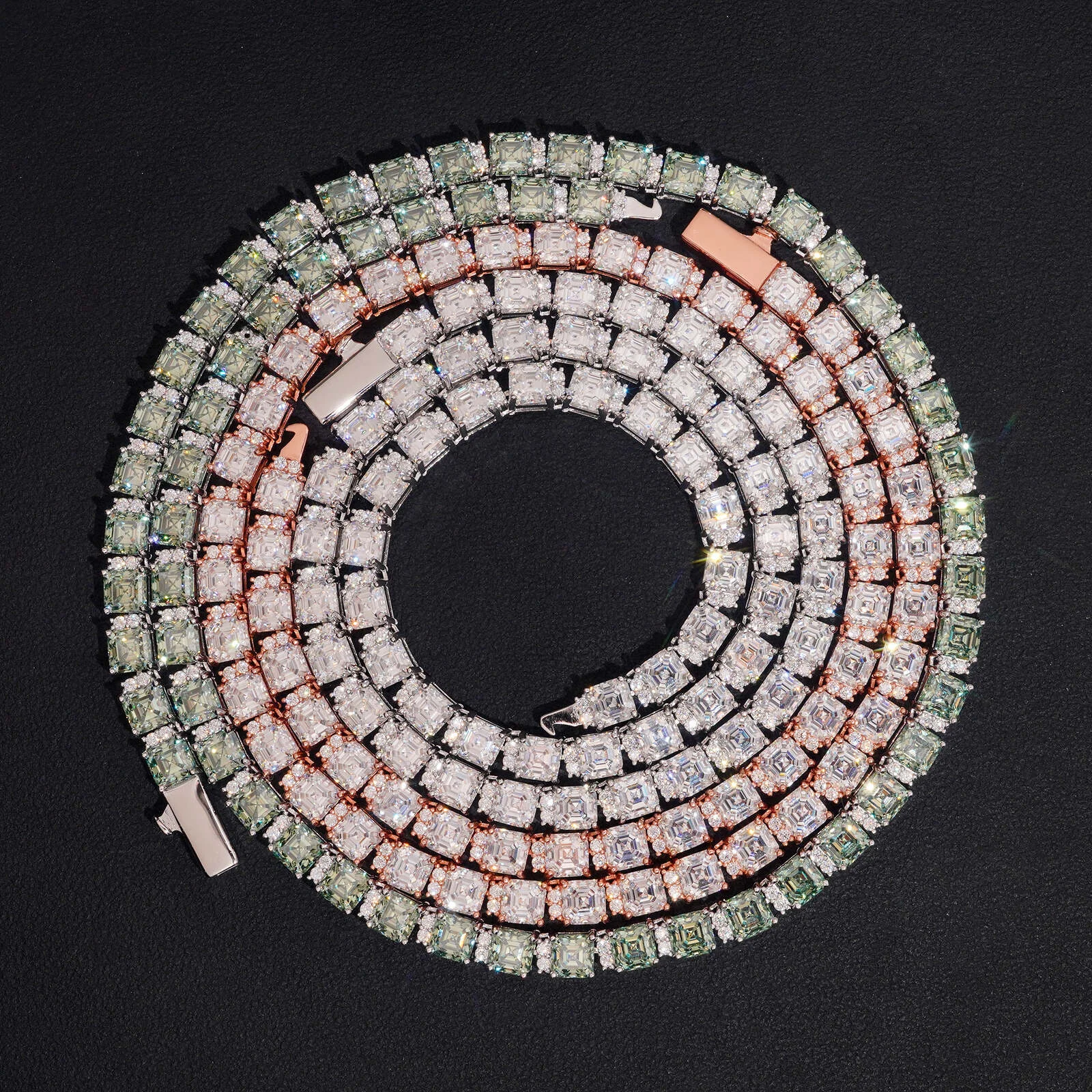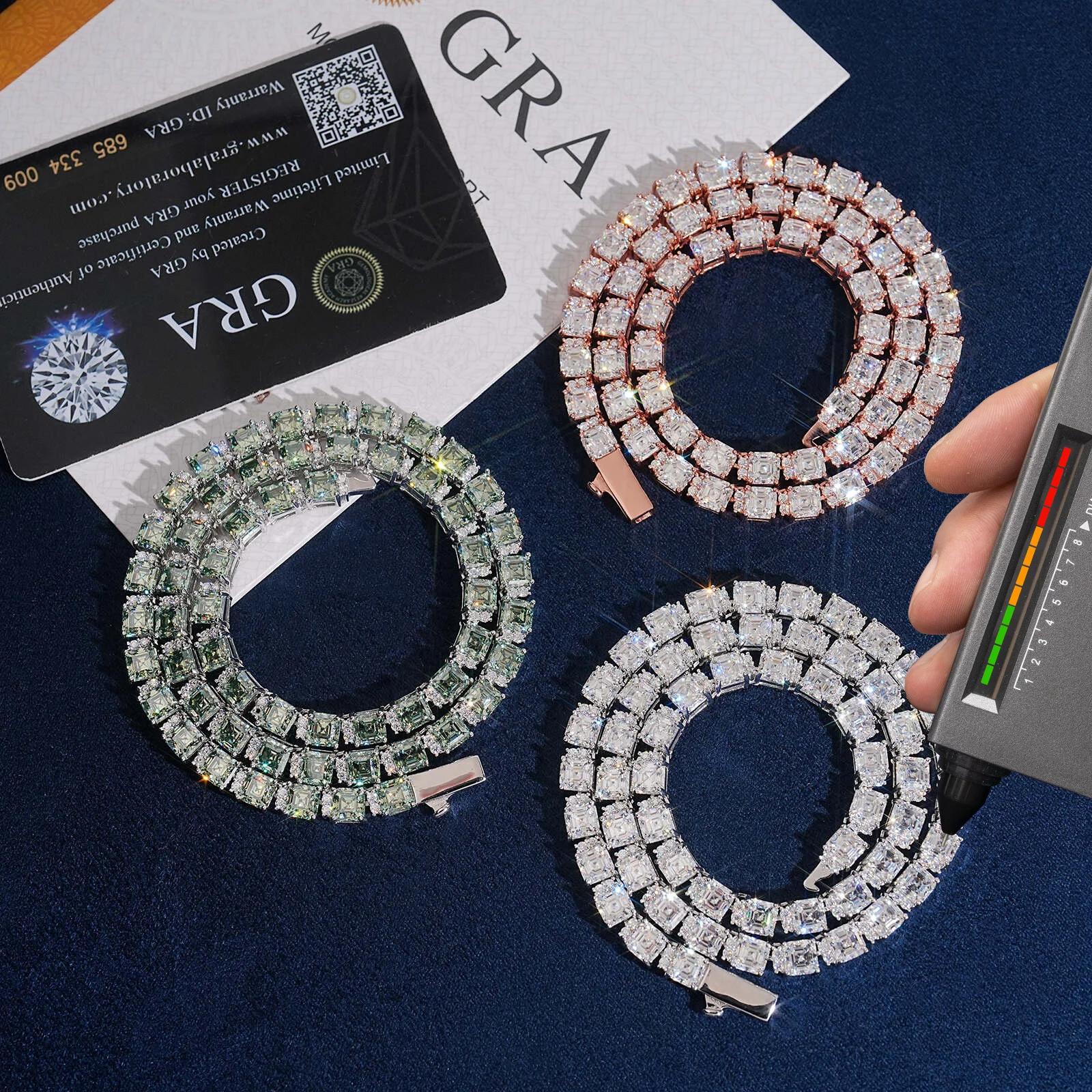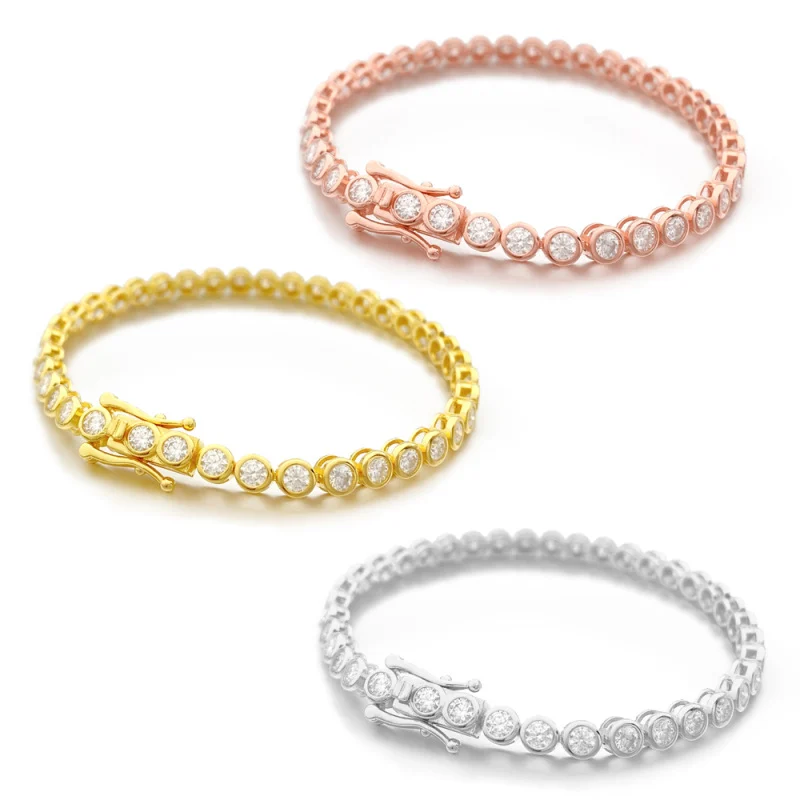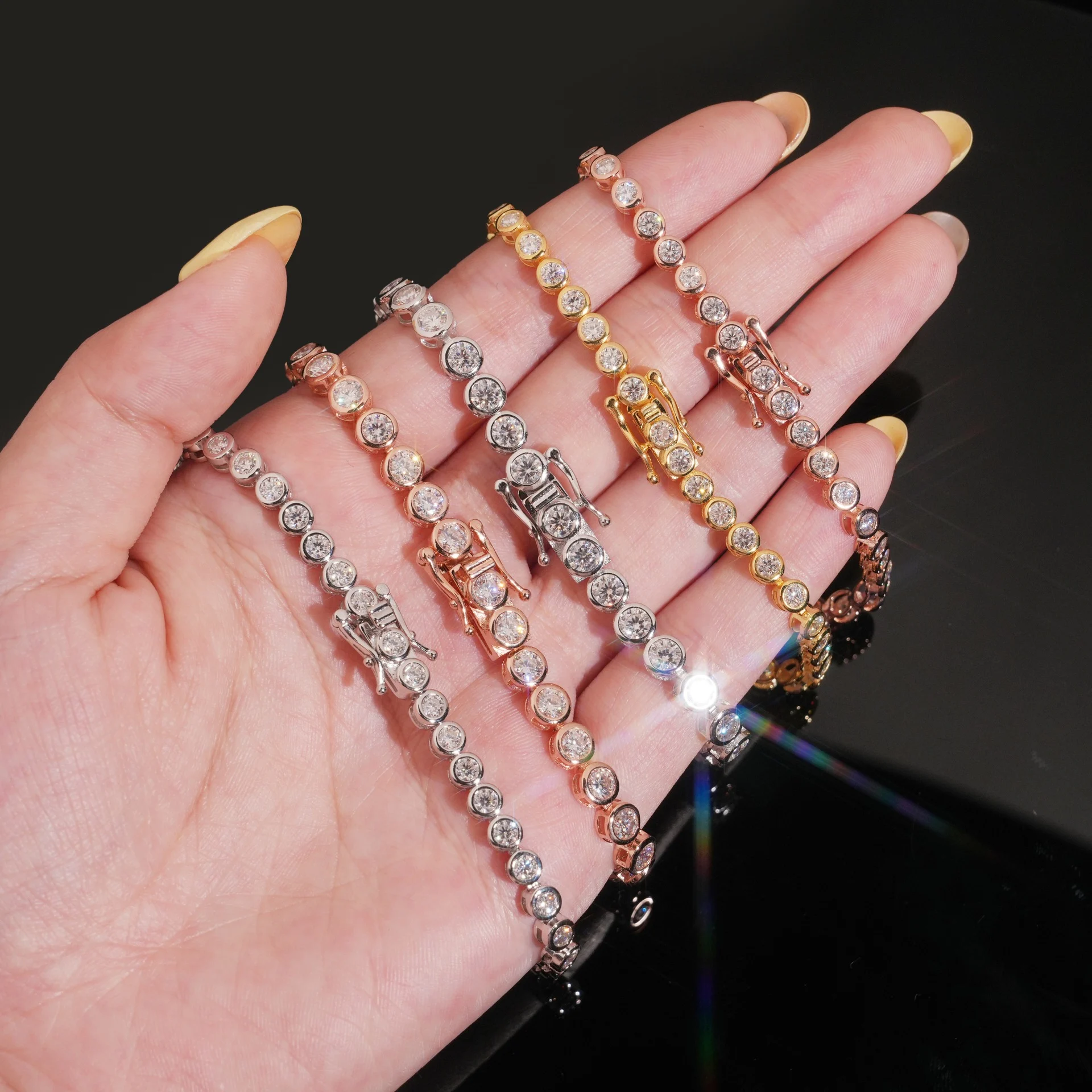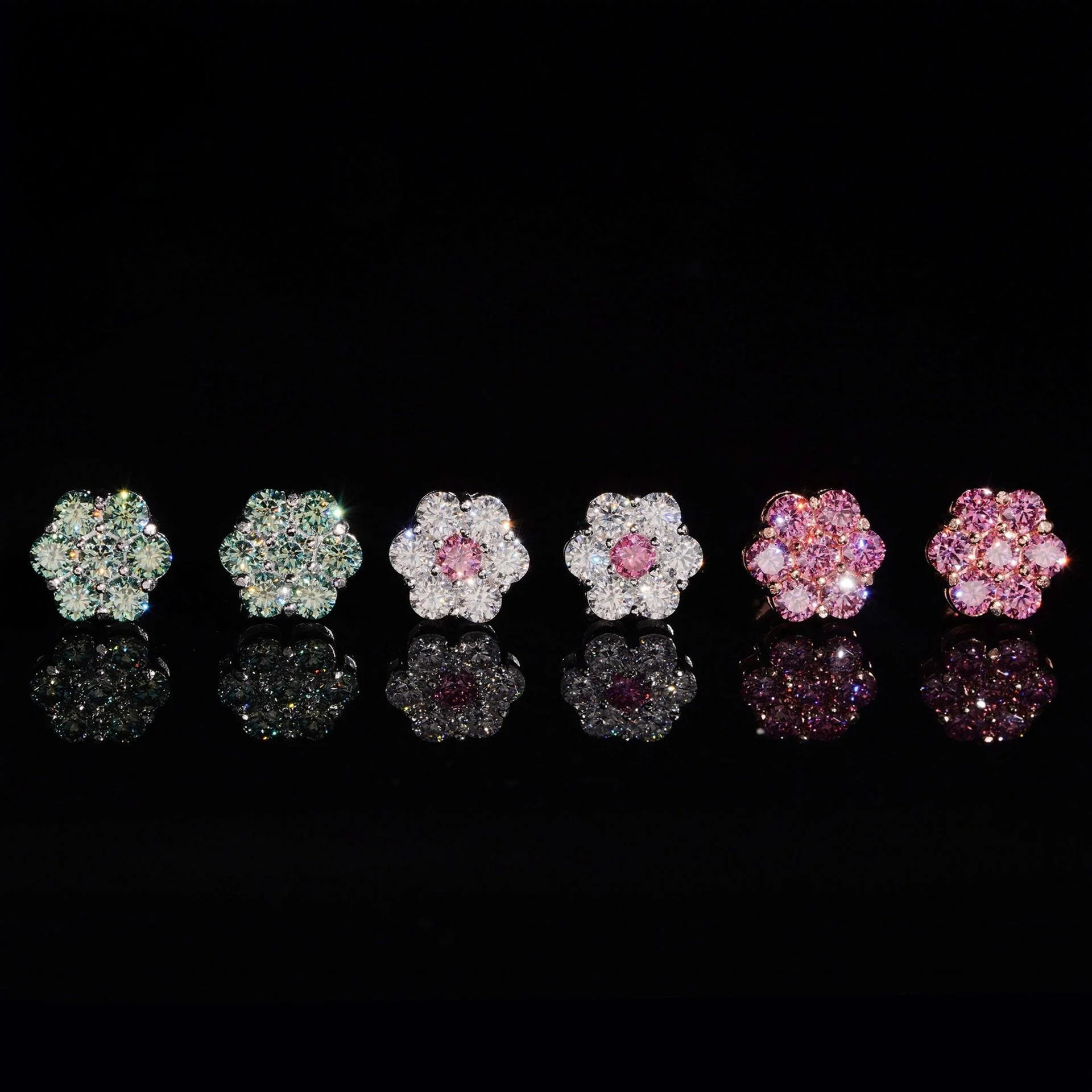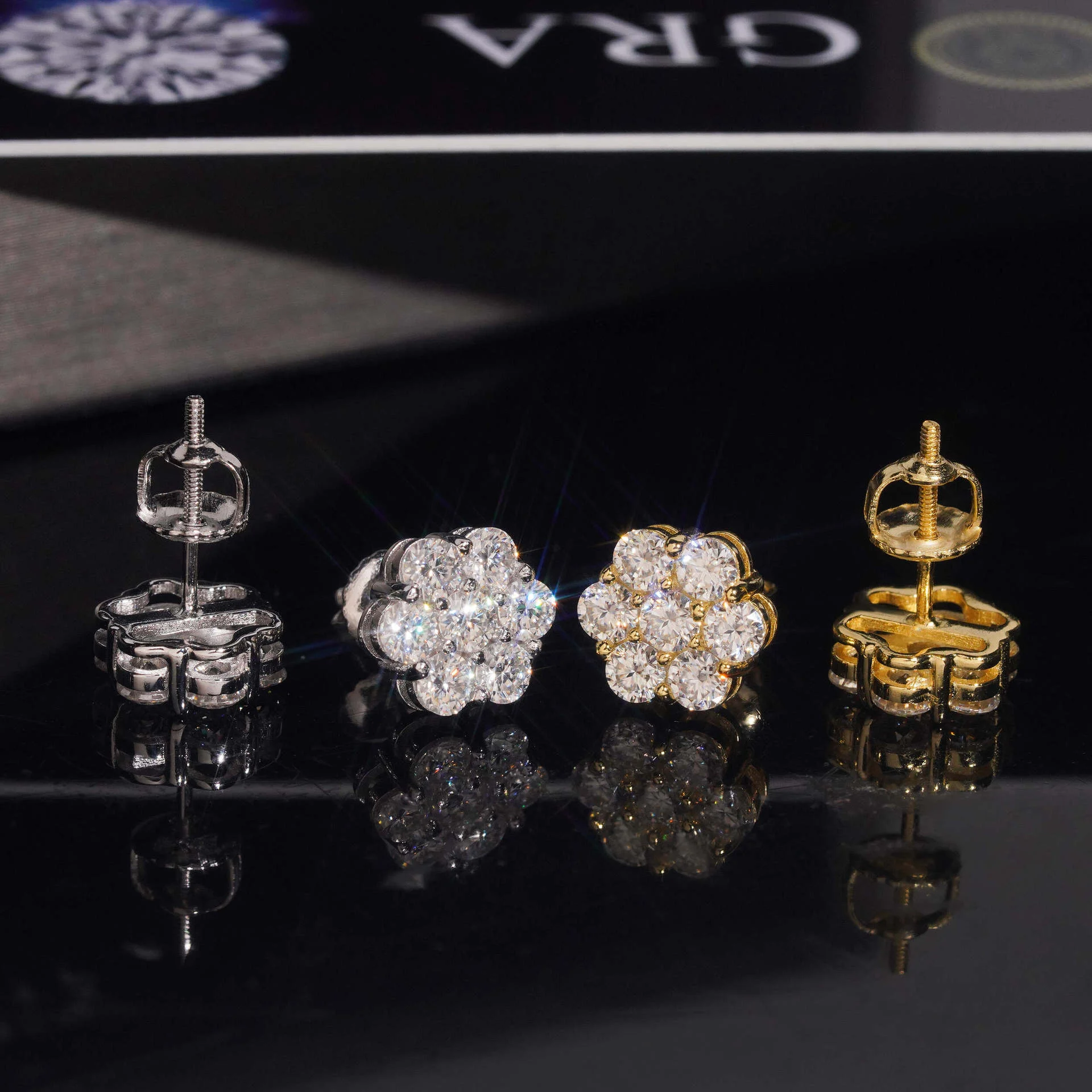








Buying jewelry is often an emotional decision. Whether it’s an engagement ring, a family heirloom, or a special holiday gift, jewelry holds meaning beyond material value. However, not all jewelry is what it appears to be. This is why a jewelry certificate of authenticity has become increasingly important for both buyers and sellers. It verifies that the piece is genuine, documents its materials, and provides assurance that the price you pay aligns with real value.
Yet many people still don’t fully understand what a certificate means, who can issue one, or why it matters. In this guide, we’ll break down everything you need to know so you can make confident, informed jewelry decisions.
What Is a Jewelry Certificate of Authenticity?
A jewelry certificate of authenticity is an official document that verifies the authenticity, materials, and sometimes the craftsmanship of a jewelry item. It confirms that the gemstones, metals, and design elements match what the seller claims.
These certificates are typically issued by recognized gemological laboratories or certified professionals. Common organizations include:
- GIA (Gemological Institute of America)
- IGI (International Gemological Institute)
- AGS (American Gem Society)
- Independent certified gemologists or reputable jewelers
A common confusion is the difference between a certificate, an appraisal, and a receipt:
- A certificate verifies authenticity and composition.
- An appraisal certificate for jewelry assigns value, often for insurance purposes.
- A receipt only shows proof of purchase, not material validity.
So if your goal is to confirm whether a diamond is real or whether gold is truly 18k, you need the jewelry certificate of authenticity, not just an appraisal or receipt.
This solves a frequent buyer question: What is the purpose of the certificate of authenticity?
Its purpose is to verify truth — not price, not ownership, but authenticity.
Why You Should Always Ask for a Jewelry Certificate of Authenticity
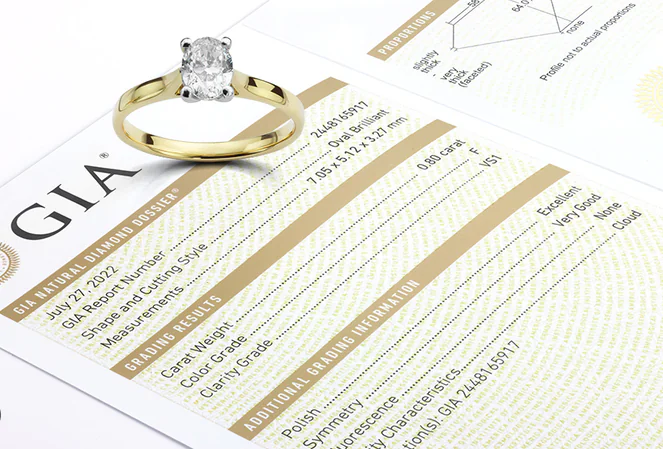
Jewelry is an investment, whether financial or sentimental. A jewelry certificate of authenticity protects that investment.
Protecting Your Investment
Gold-plated items can look similar to genuine gold. Lab-created diamonds can resemble natural diamonds. Without certification, you may pay more for something that holds less long-term value.
Increasing Resale and Insurance Value
Insurance companies require documentation. Resale platforms, from luxury consignment to auction houses, will request a jewelry authentication record before accepting your piece.
Confidence in Online Purchases
In today’s online marketplace, counterfeits are more sophisticated than ever. A certificate ensures transparency and trust in digital purchases.
This applies even to accessible jewelry styles. For example, when customers complete a permanent jewelry certification after learning how to weld and customize bracelets, they often provide mini certificates to customers to show material authenticity. The growing trend of permanent jewelry certification course programs also teaches sellers how to verify material quality to maintain consumer trust.
In short: Whether you’re buying diamond rings or sterling silver chains, a jewelry certificate of authenticity is always worth requesting.
Can You Trust a Certificate of Authenticity?
This is an important question — and the answer depends on where the certificate comes from.
Signs of a trustworthy certificate:
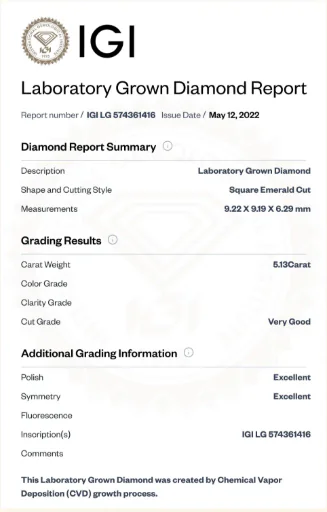
- It lists specifics, not generalities (e.g., “Moissanite, 1.1ct, VVS clarity” instead of “high-quality stone”).
- It includes a traceable certification or report number.
- It’s issued by a recognized gemological lab.
How to Verify Authenticity
Many certification organizations allow you to check the report number online. If the number cannot be verified, the certificate may not be legitimate.
Red Flags to Watch For:
- Certificates written by the seller with no external verification.
- Vague terminology.
- No gemstone or metal testing details.
This answers the big concern: Can you trust a certificate of authenticity?
Yes—but only when issued by legitimate professional or laboratory sources.
How to Get an Authentication Certificate for Your Jewelry
If you have jewelry without documentation, you can still obtain a jewelry certificate of authenticity.
Here are your options:
1. Certified Appraisers
These professionals provide both jewelry authentication and valuation. If you also need to know the current market value, ask for an appraisal certificate for jewelry along with the authenticity report.
2. Local Jewelers
Some jewelers have in-house gemologists. However, always ask about their credentials.
3. Independent Gemological Labs
These labs specialize in issuing unbiased reports and are often the most reliable option.
The Process:
- Your jewelry is physically examined.
- Gemstones are measured, tested, and sometimes photographed.
- Metals are tested using non-destructive analysis.
- A formal certificate is issued.
How Long Does It Take?
Many people ask, how long does a jewelry appraisal take?
Typically:
- Simple pieces: 1–2 hours
- Gemstone jewelry: 1–3 days
- High-value custom pieces: Several days or more
Costs vary, which we’ll explore next.
Can You Get a COA Online?
Yes — but with caution.
How Online Authentication Works:
- You submit high-resolution photos or videos.
- Experts review visual characteristics and compare them to known gemstone and metal standards.
- They may request to mail the item for final verification.
Pros:
- Convenient and efficient
- Often more affordable
Cons:
- Visual-only evaluations are less precise
- Some platforms lack accreditation
Look for services that clearly state the credentials of their evaluators. Some jewelers also offer digital certificate services where the jewelry certificate of authenticity is stored online, making it easy to access for insurance or resale.
If you’re learning to provide jewelry verification yourself — for example through a permanent jewelry certification course — you will learn the basics of gemstone and metal testing. Many of these courses now include modules on how to issue micro-certificates for customer trust.
How Much Does It Cost to Get Jewelry Authenticated?
The cost depends on the complexity of the jewelry and the organization providing the evaluation.
Typical Price Ranges:
- Simple gold or silver jewelry pieces: $30–$75
- Gemstone or diamond authentication: $80–$200+
- Luxury brand authentication: $150–$400 depending on documentation needs
Factors That Affect Cost:
- Type of gemstone
- Number of stones
- Rarity of materials
- Whether an appraisal certificate for jewelry is requested in addition to authentication
So, how much does it cost to get jewelry authenticated?
Expect to spend from $30 to several hundred dollars depending on the piece — but the peace of mind is worth it.
Expert Tips for Protecting Your Jewelry’s Authenticity
- Always request a jewelry certificate of authenticity at the time of purchase.
- Keep both digital and physical copies stored safely.
- Reconfirm authenticity if purchasing jewelry secondhand.
- For custom or handmade jewelry, include a mini certificate when gifting — similar to a jewelry gift certificate card — to document materials and care instructions.
- If you’re in the jewelry trade, consider completing permanent jewelry certification training to better understand material identification and build credibility with clients.
Final Thoughts — Trust, Transparency, and True Value
At its core, jewelry is about emotion, memory, and meaning. But authenticity is the foundation that ensures those memories hold value over time. Whether you’re buying, selling, collecting, or gifting, a jewelry certificate of authenticity provides clarity and trust.
The next time you choose a piece of jewelry — pause, and ask for proof. Your peace of mind is worth it.
If I already trust the seller, do I still need a jewelry certificate of authenticity?
Yes. Trust is helpful, but a jewelry certificate of authenticity provides formal proof of gemstone quality and metal purity. If you ever need insurance or want to resell the jewelry, the certificate becomes essential documentation.
What is the difference between a certificate and an appraisal?
A certificate verifies authenticity (what the gemstone is, its grade, clarity, etc.).
An appraisal estimates monetary value, usually for insurance.
They serve different purposes, and sometimes you may need both.
Can I authenticate jewelry that I already own?
Yes. You can bring your jewelry to a certified gemologist, local jeweler, or a reputable gem lab. They will examine it and issue a certificate if everything is legitimate.
How do I know if a certificate is real?
Check:
The lab name (GIA, IGI, AGS are reliable)
The report number on the lab’s website
Whether the details match your jewelry
If anything seems unclear or inconsistent, the certificate may not be trustworthy.
Do I need a certificate for sterling silver jewelry?
If it’s fine jewelry (e.g., sterling silver with real gemstones), yes.
For simple fashion jewelry, a full certificate is not required — but a hallmark stamp like “925” should still be present.
What should I look for when buying secondhand or vintage jewelry?
Check:
The seller’s reputation
Whether the jewelry comes with a recent certificate
Signs of repair or stone replacement
Matching certificate details to the piece
If there is no certificate, consider getting one before finalizing the purchase.
Does a permanent jewelry certification course matter for buyers?
It matters mainly for jewelers and creators — not buyers.
The course trains jewelry makers to identify materials and provide reliable documentation.
However, as a customer, you simply need to verify the authenticity certificate that accompanies your purchase.