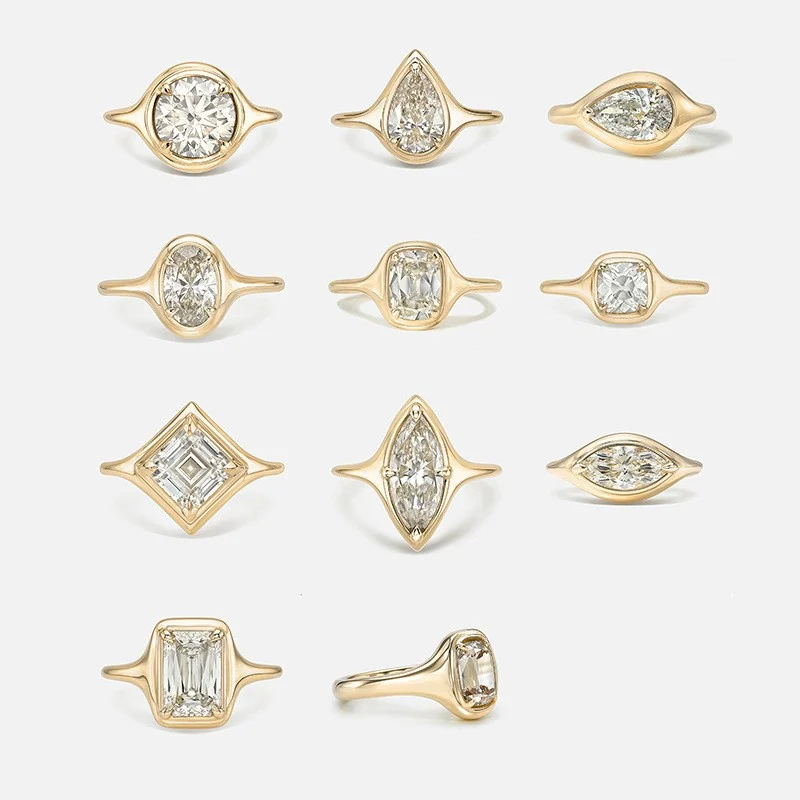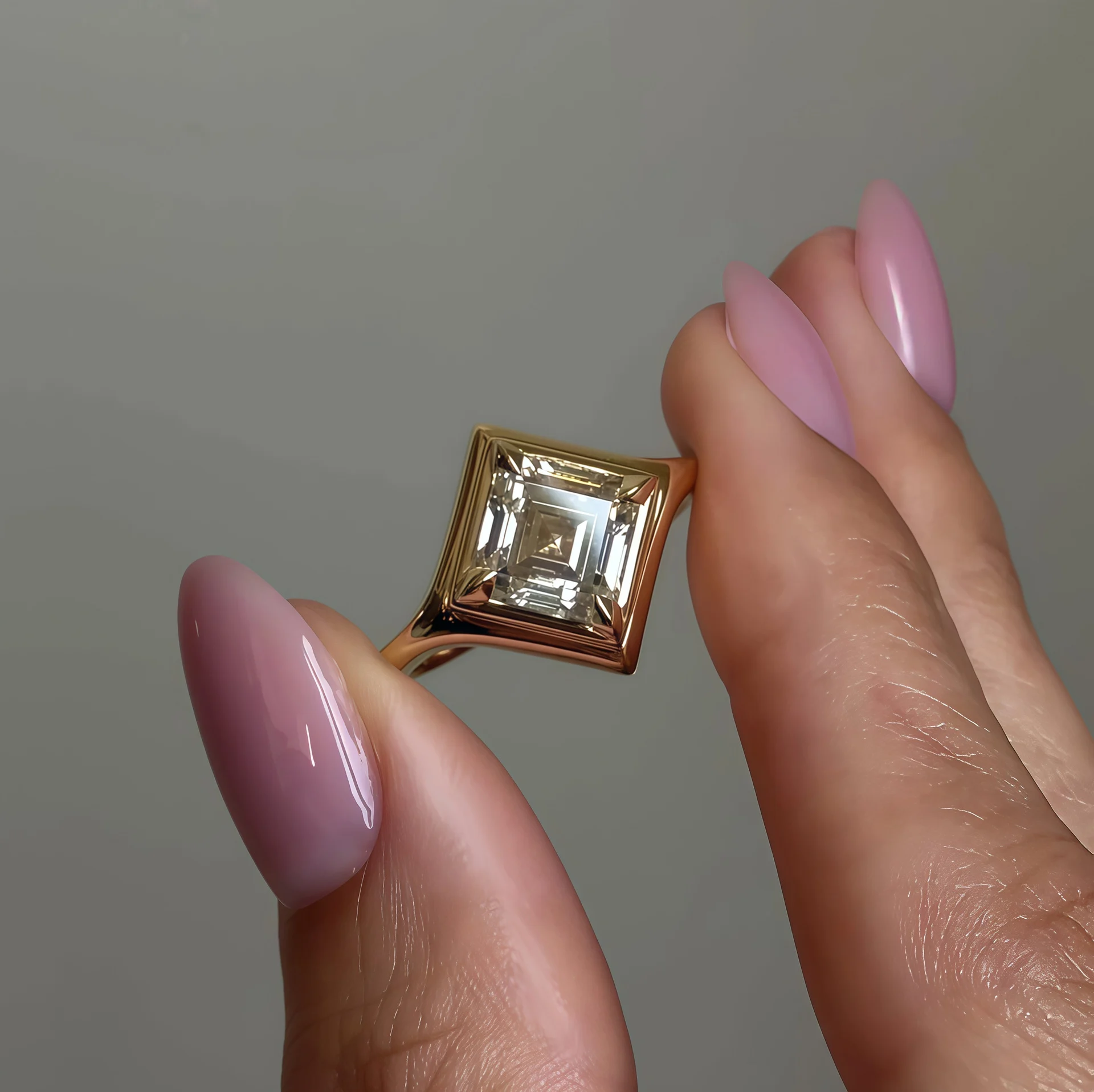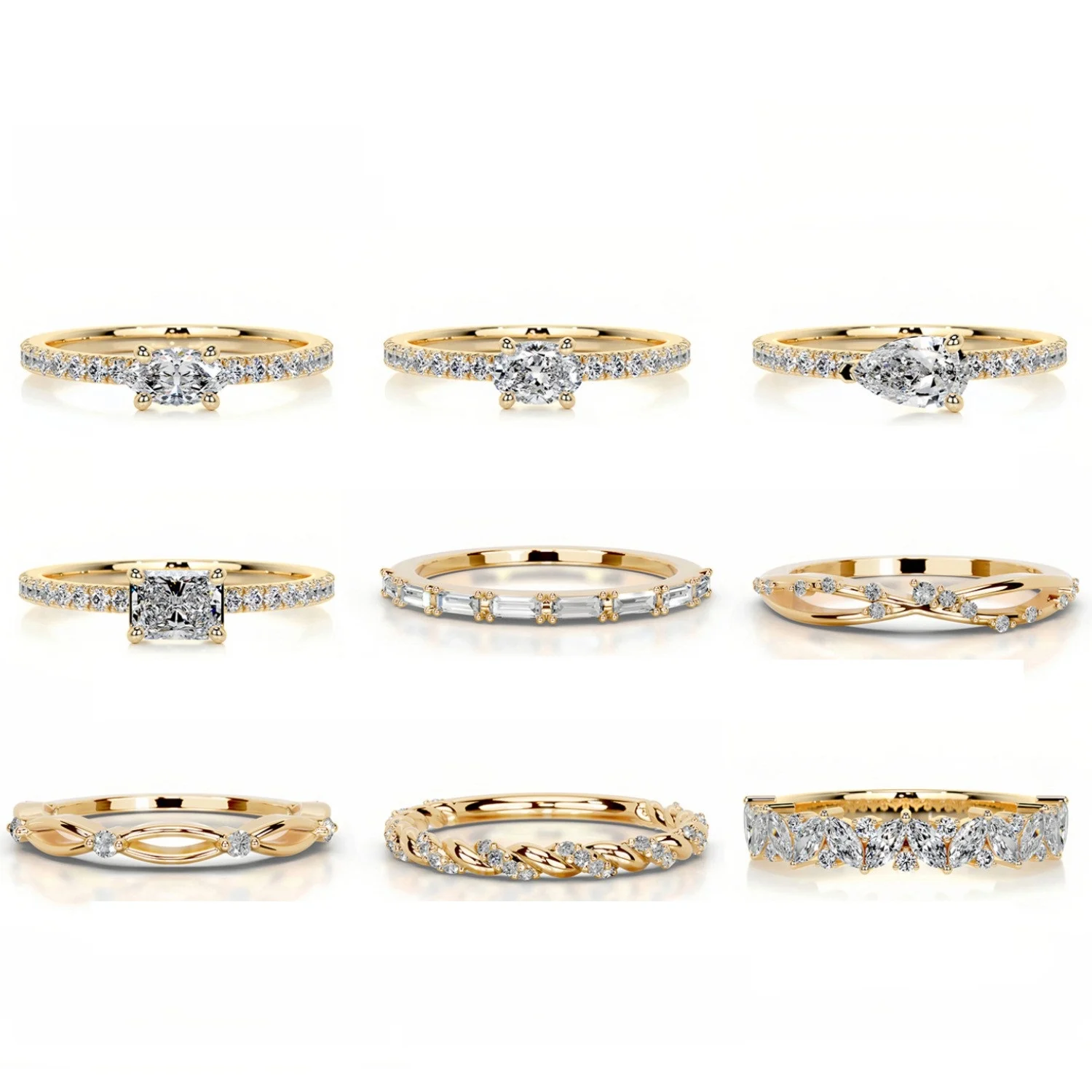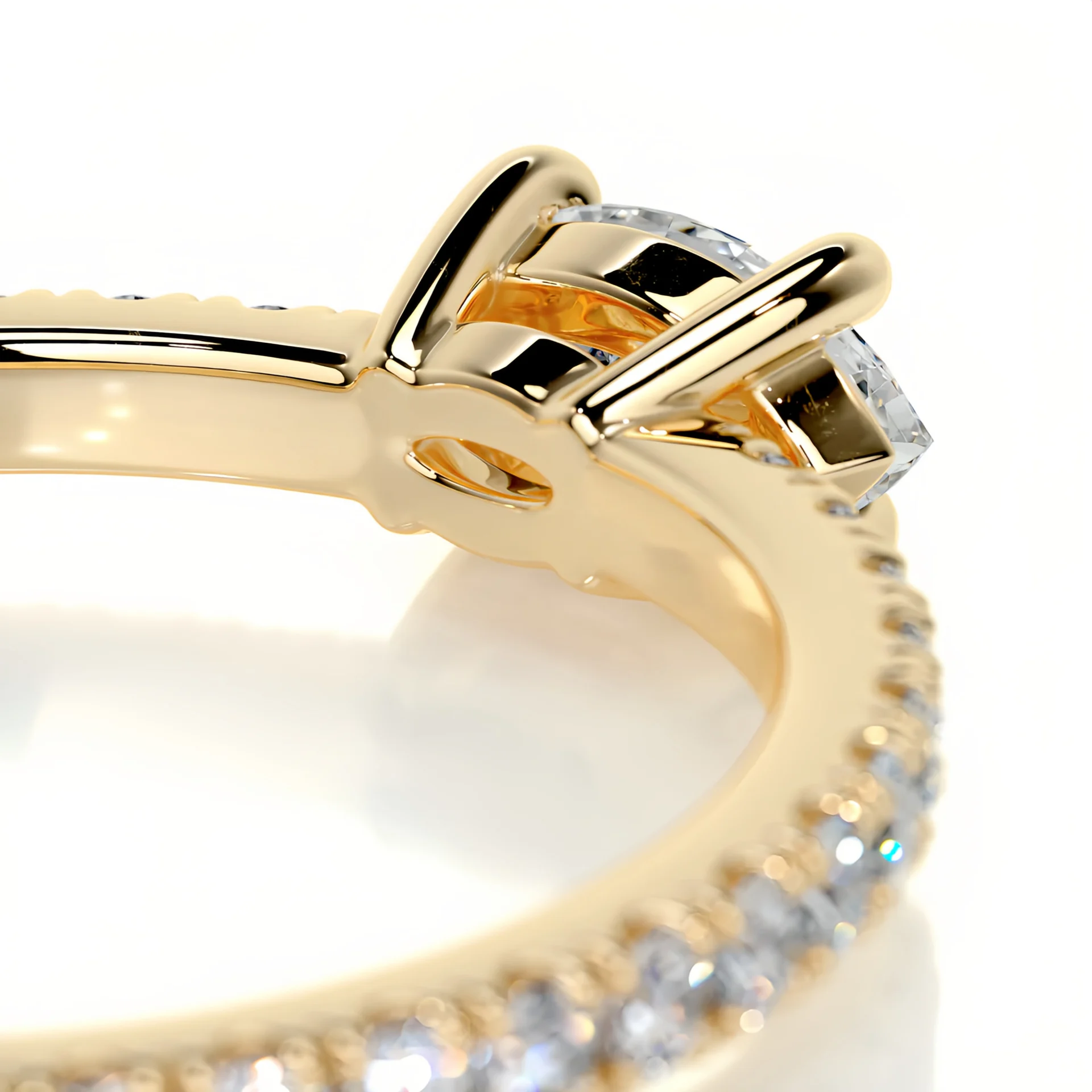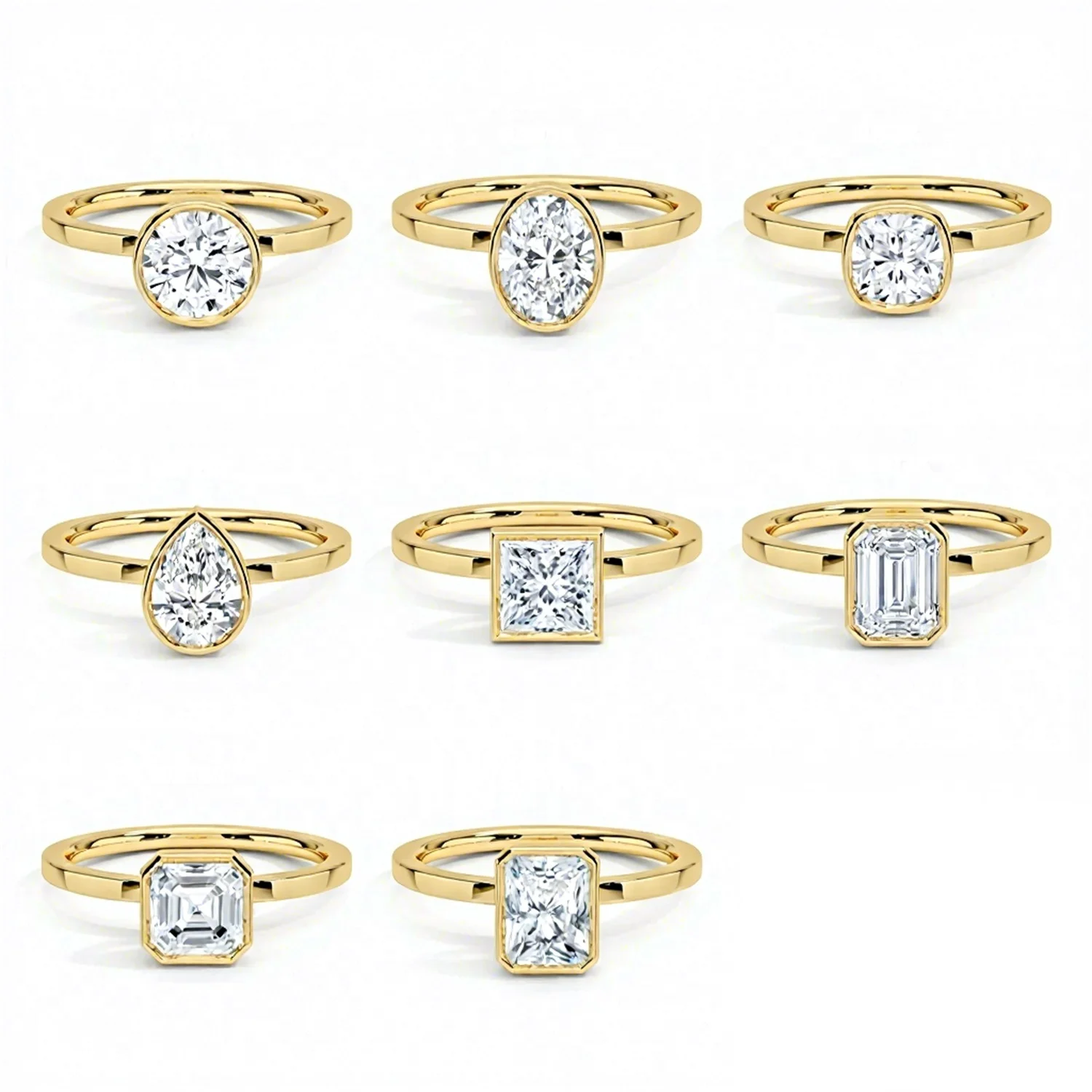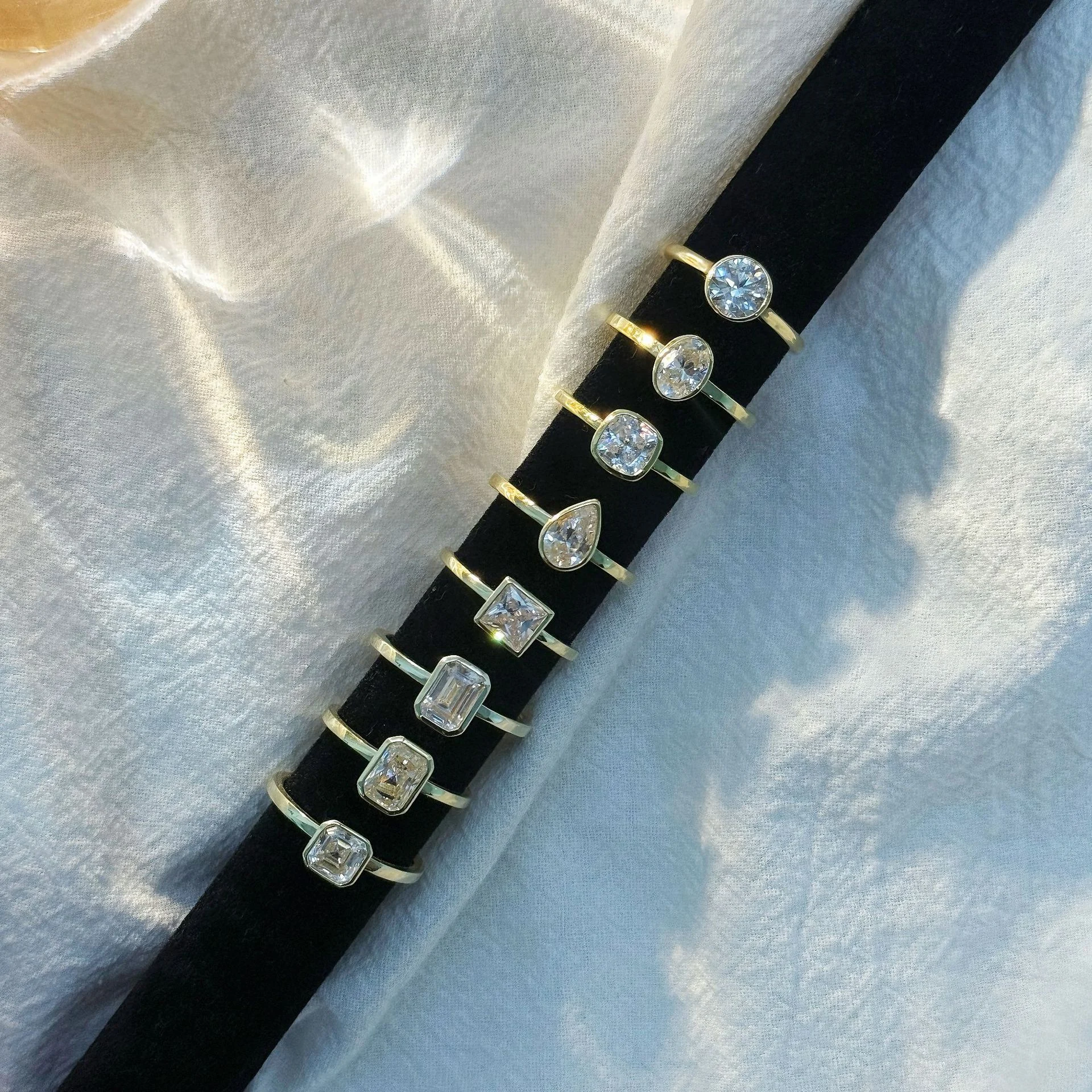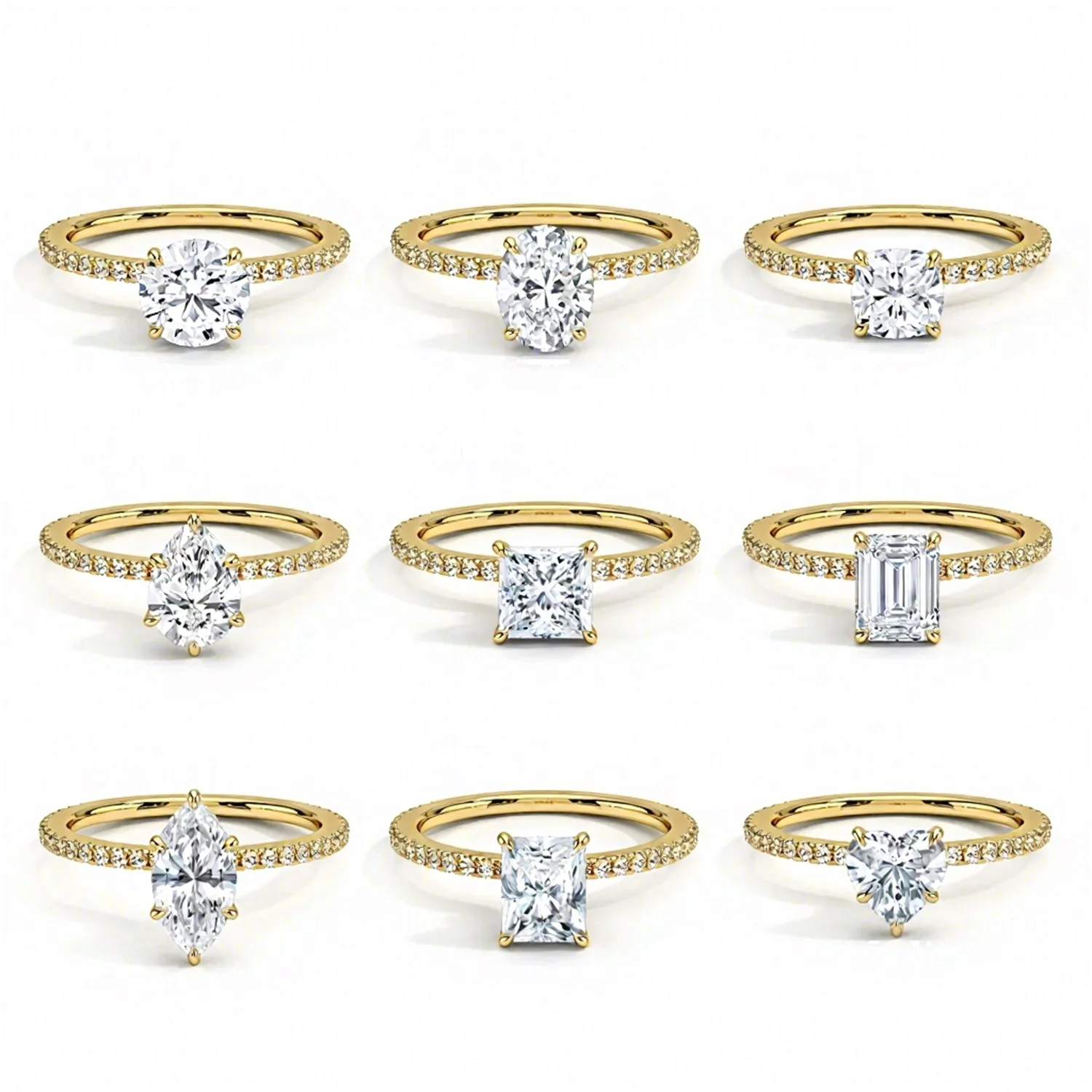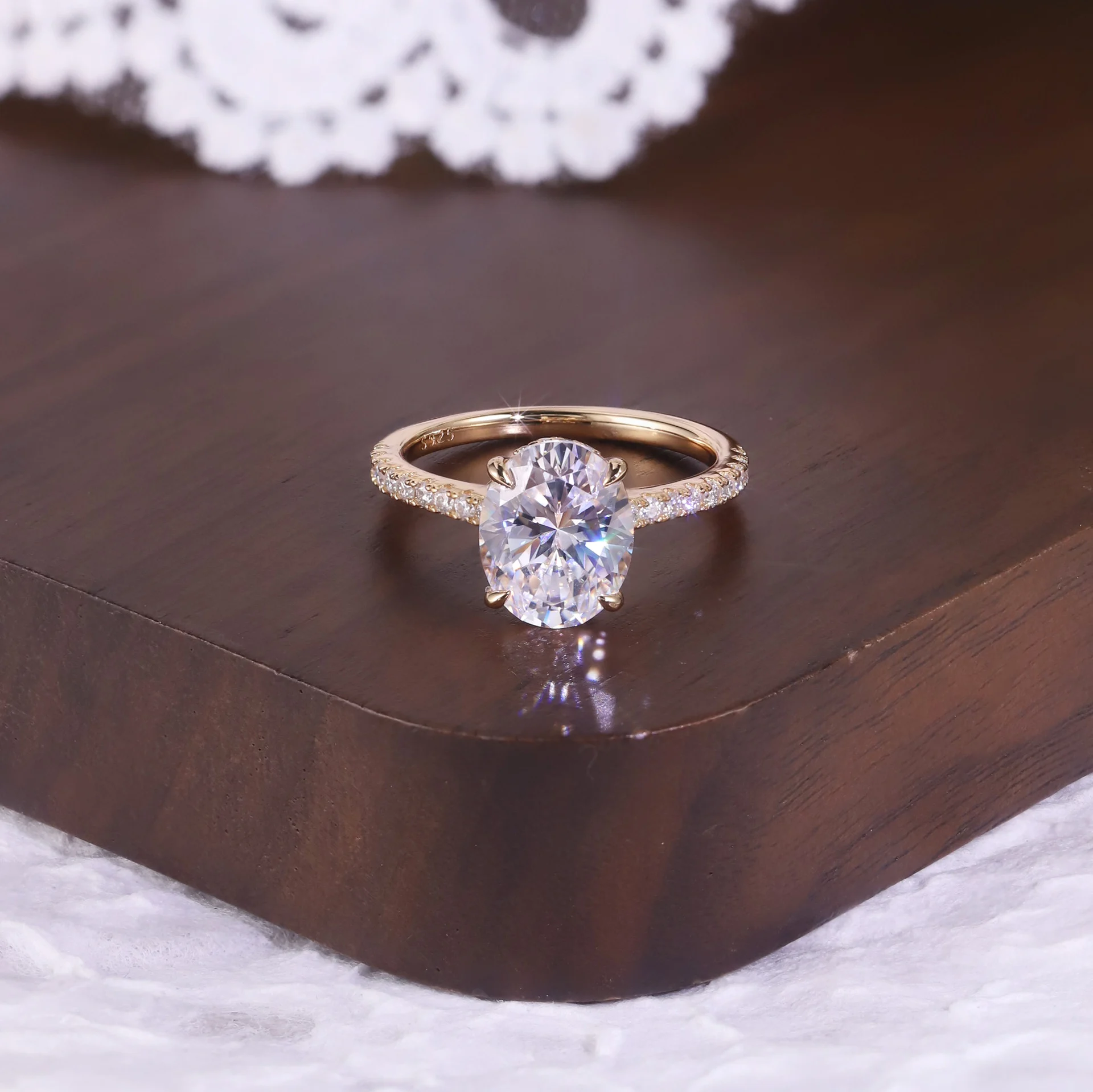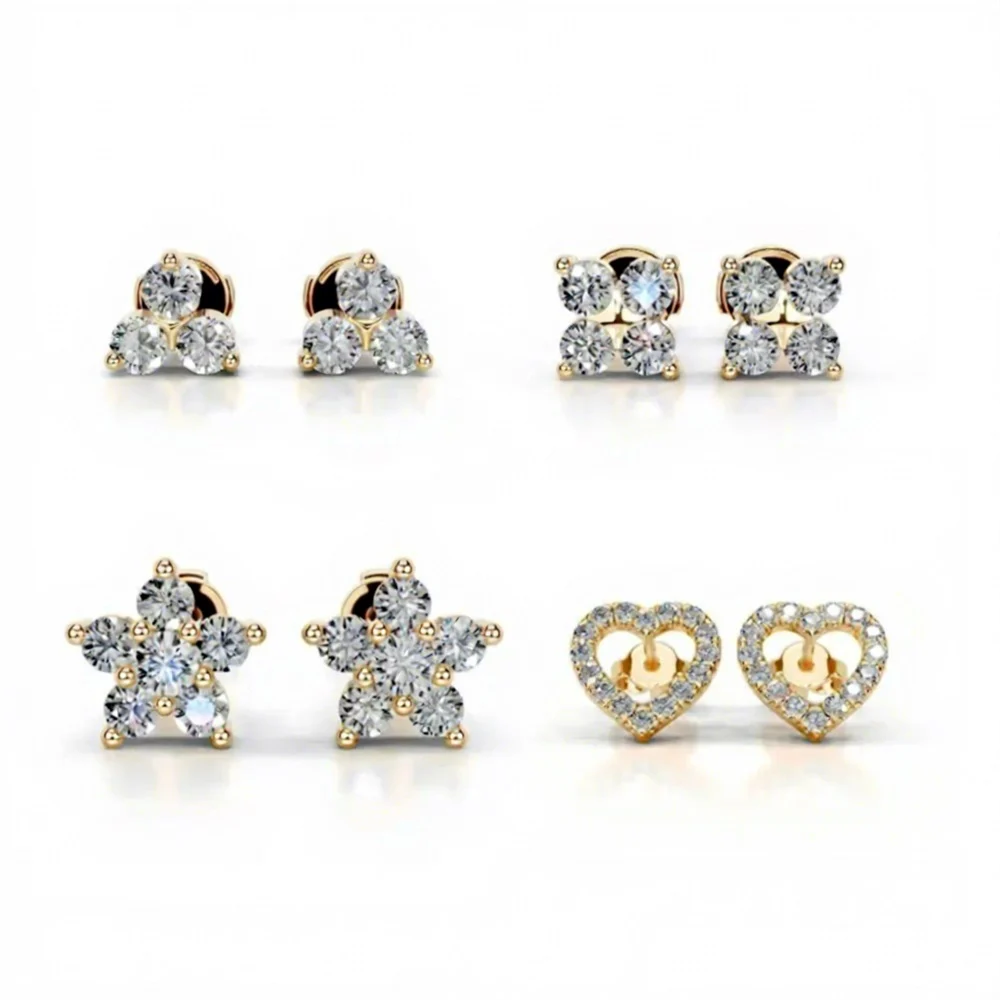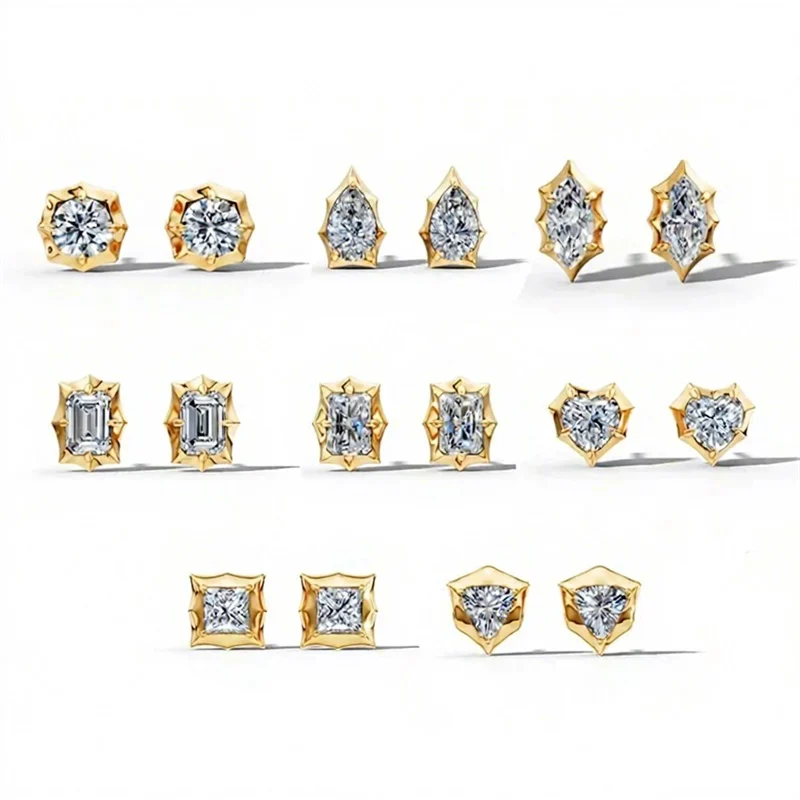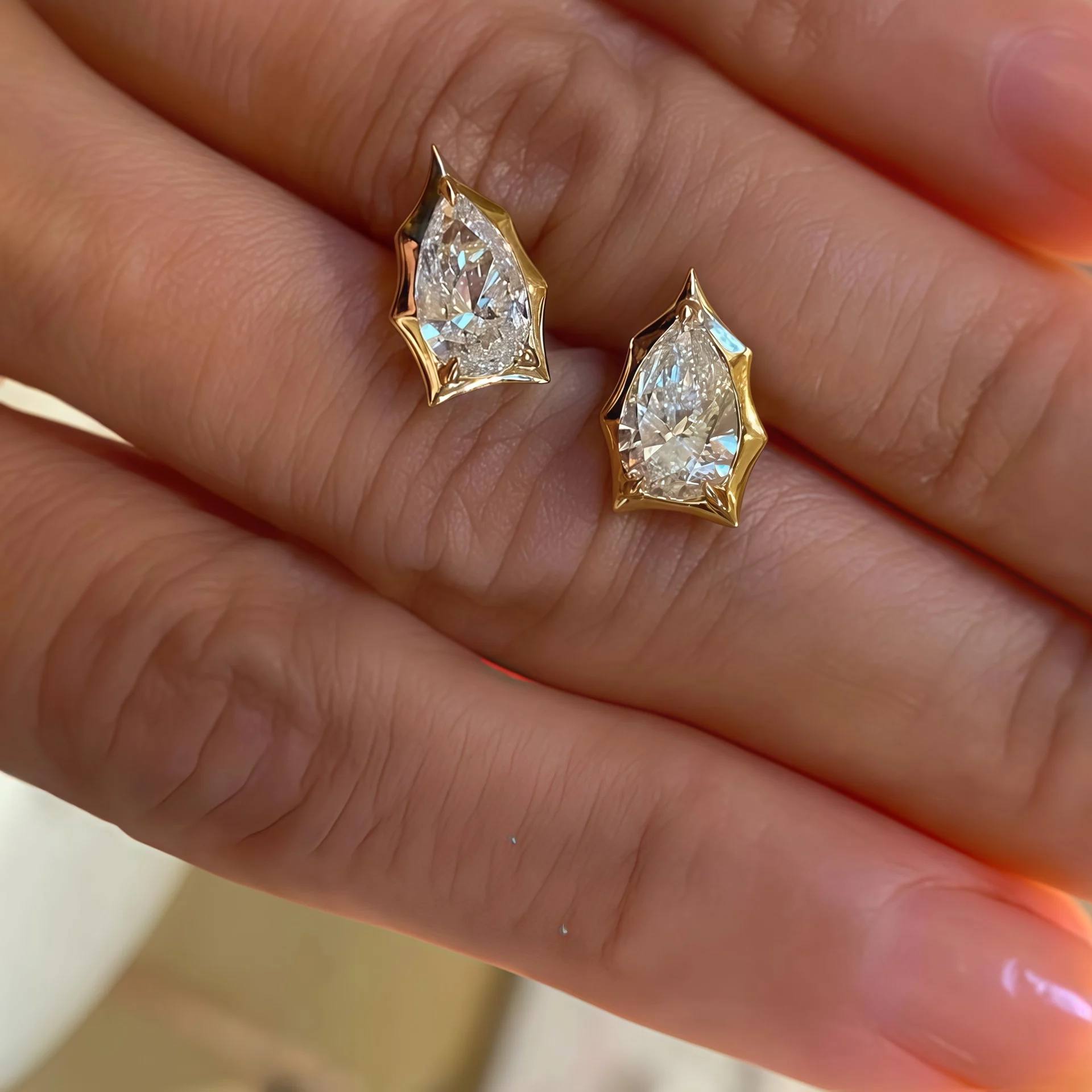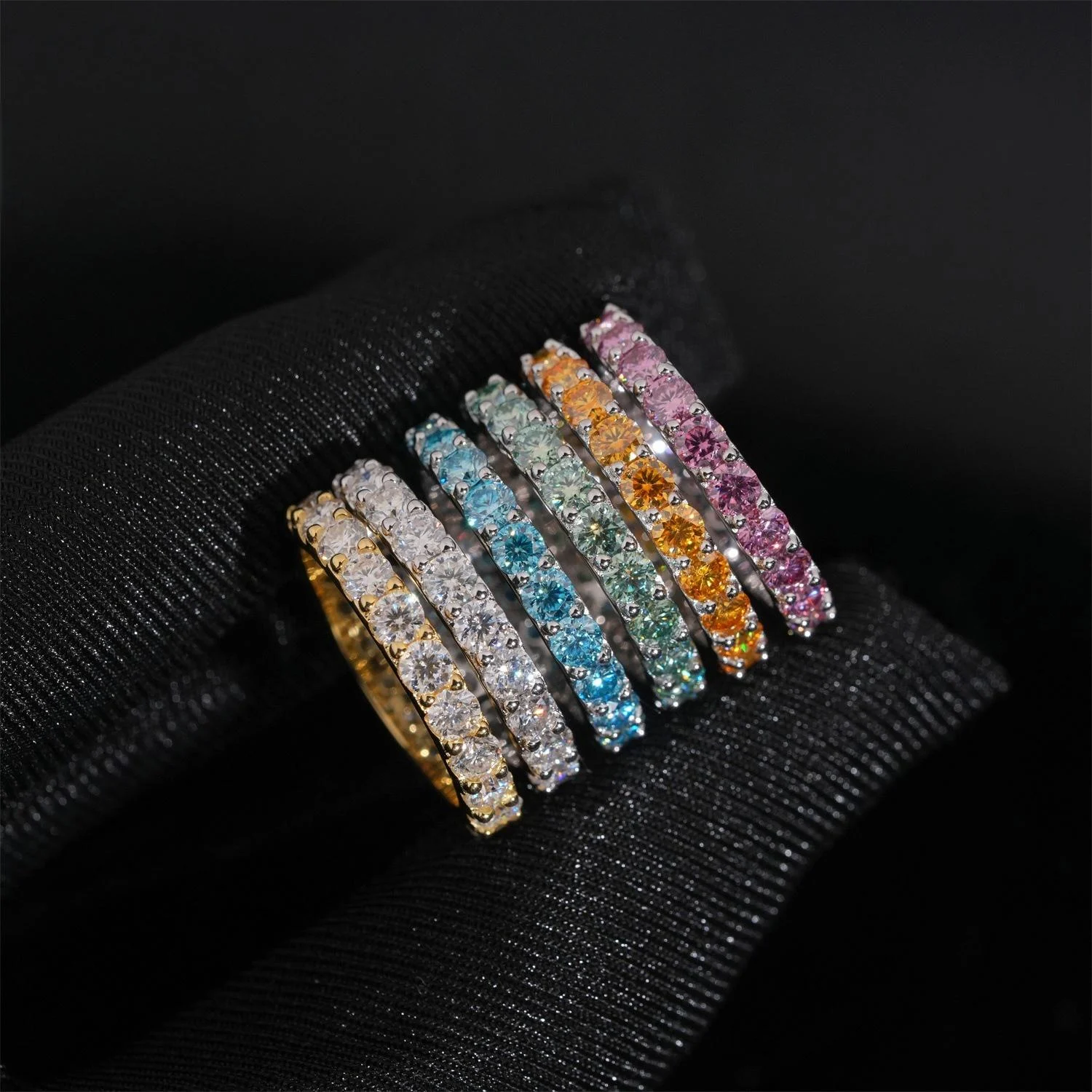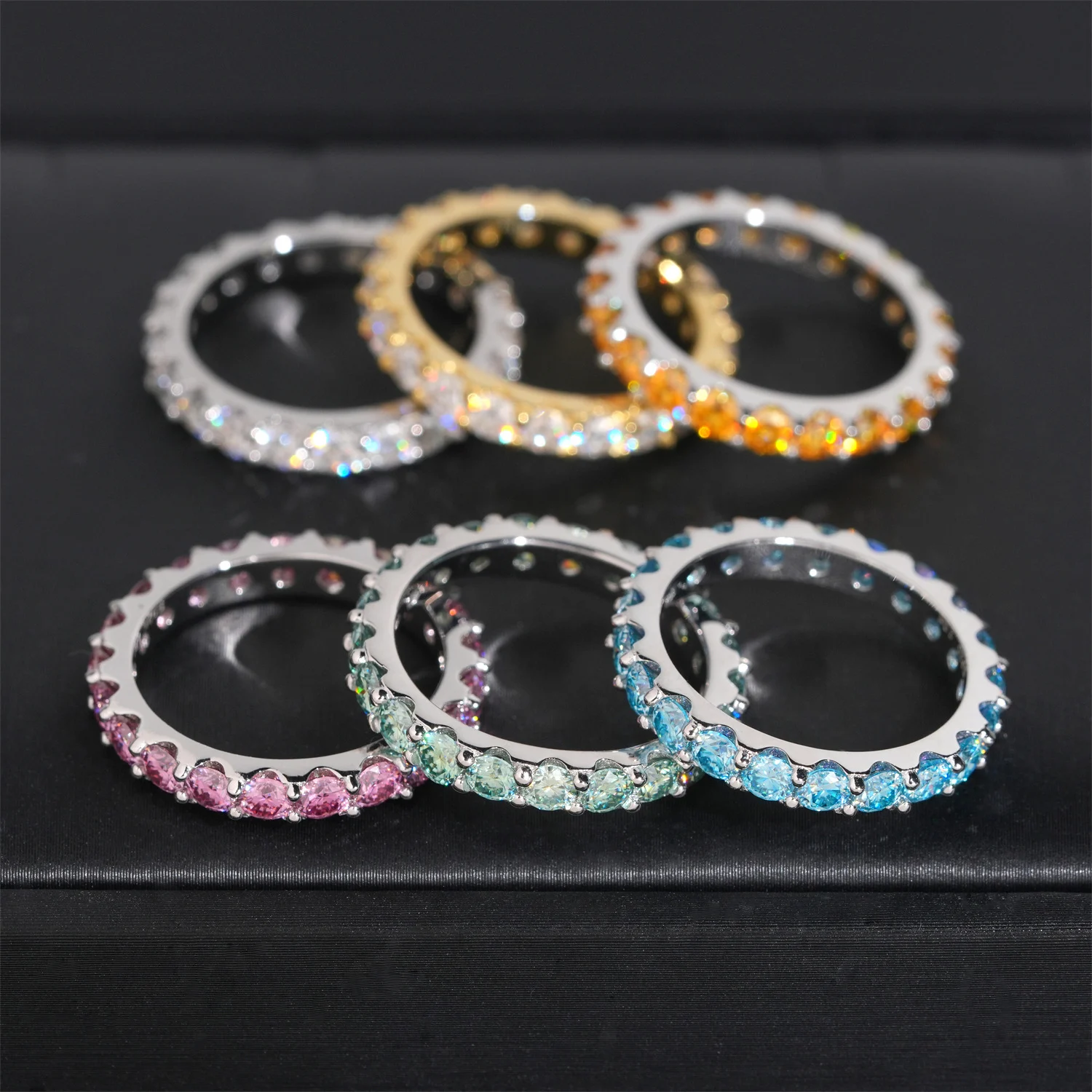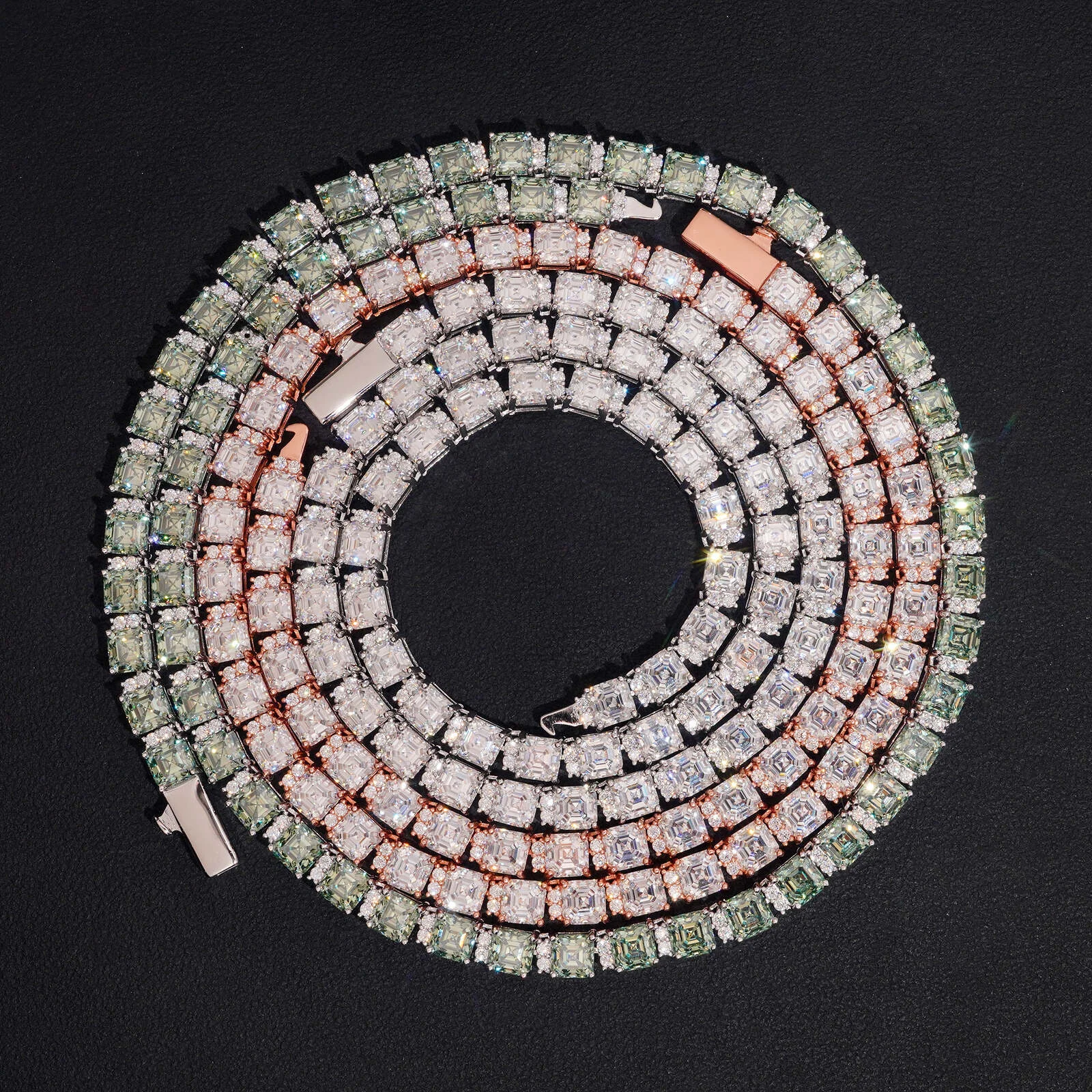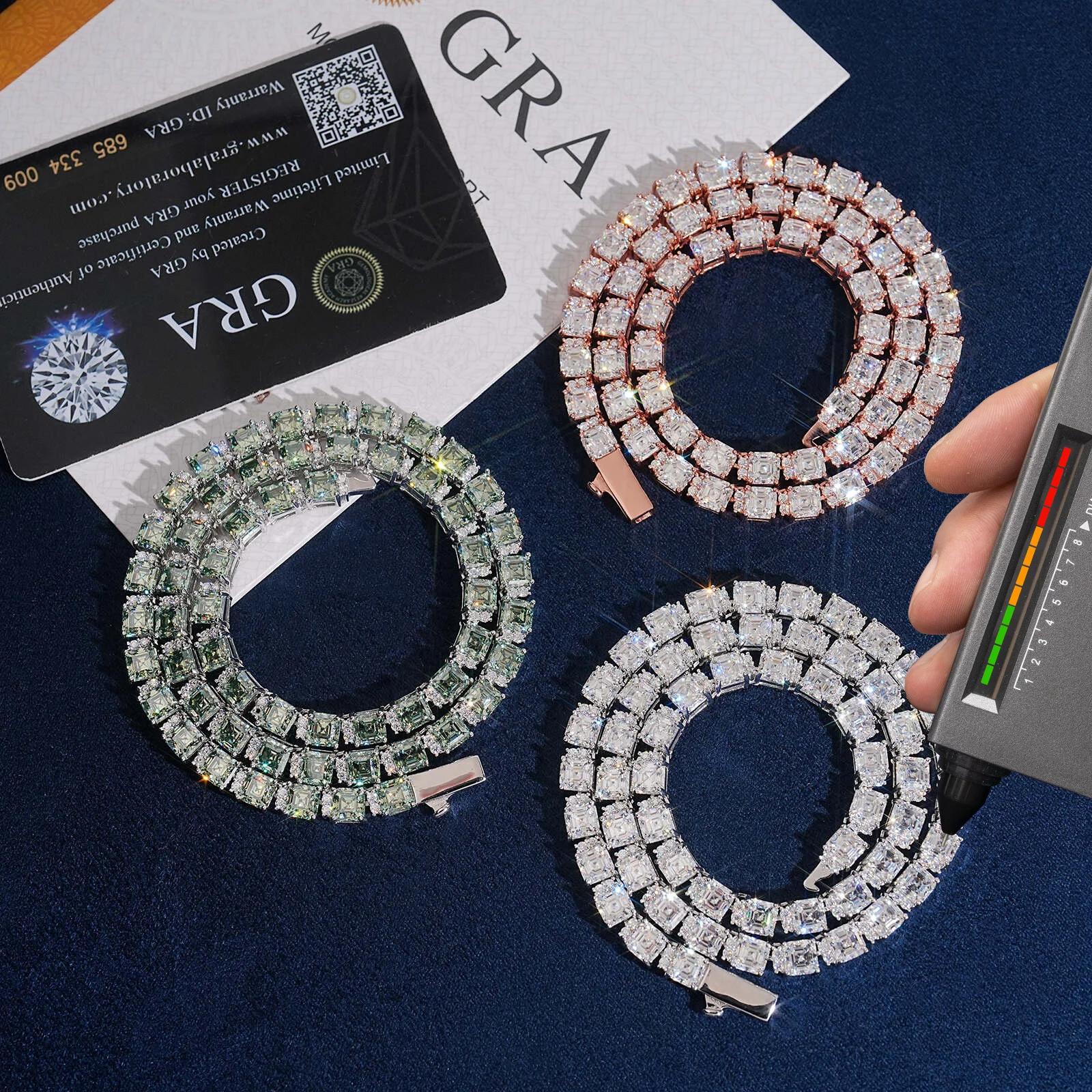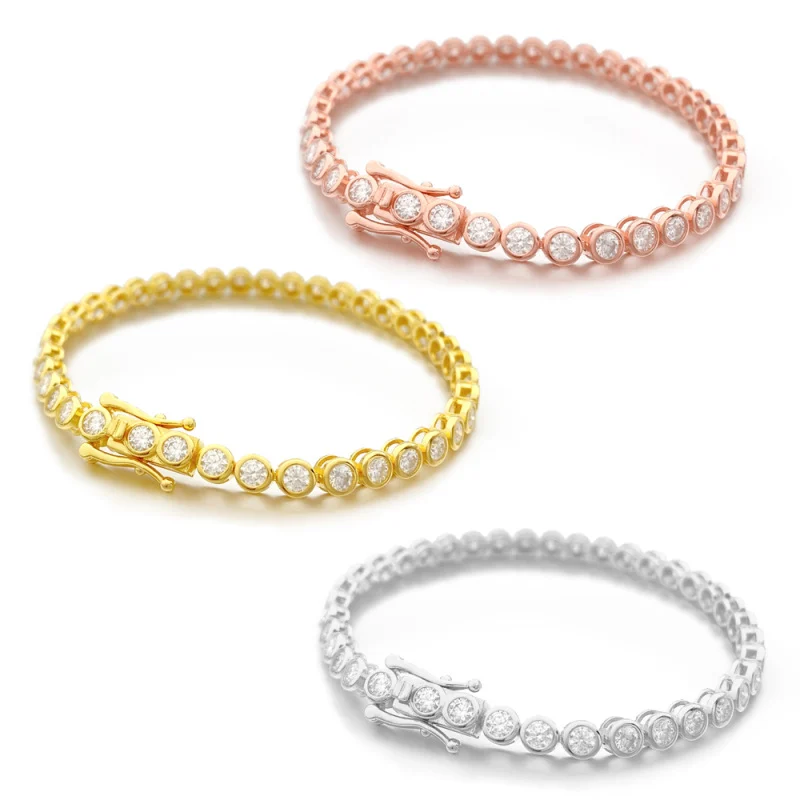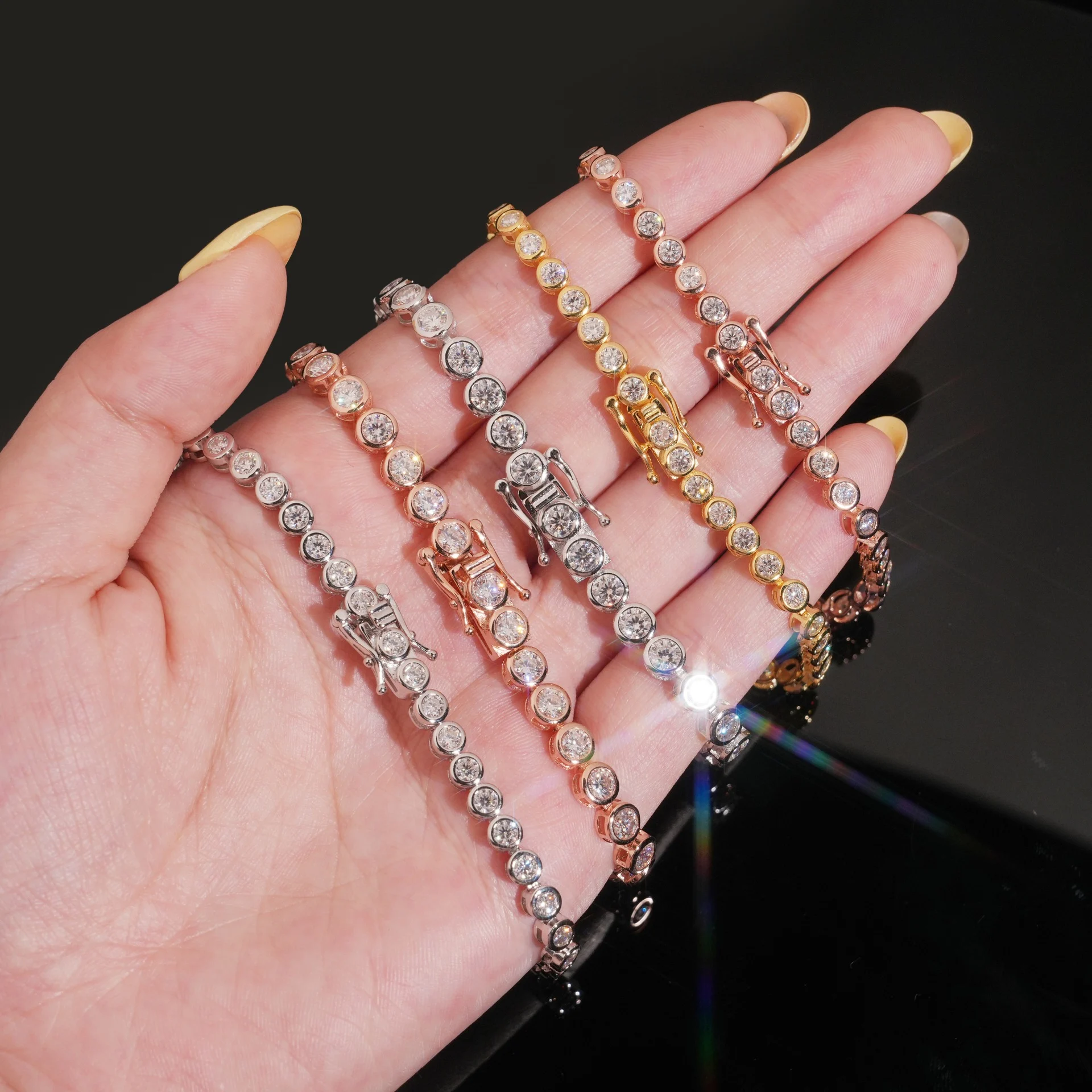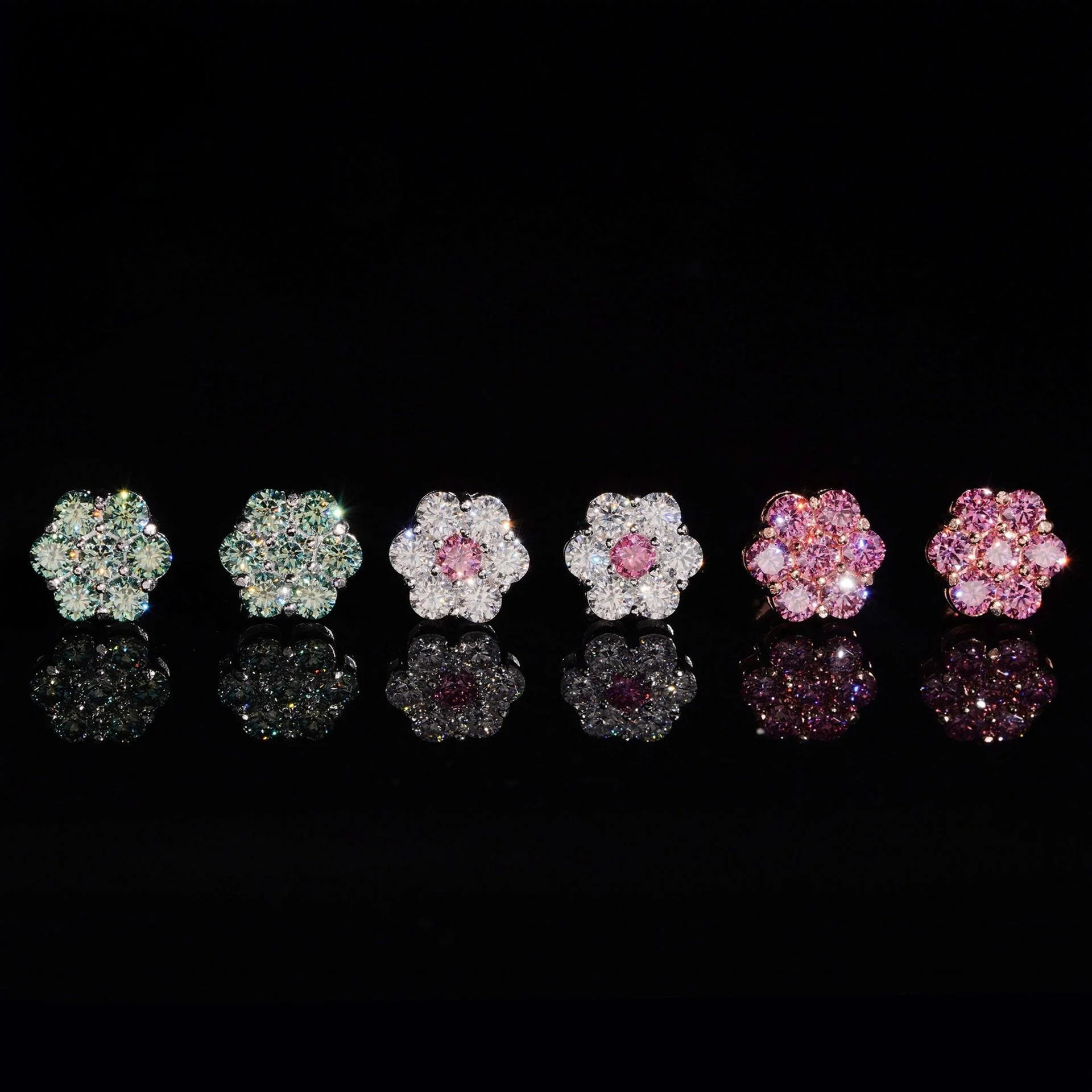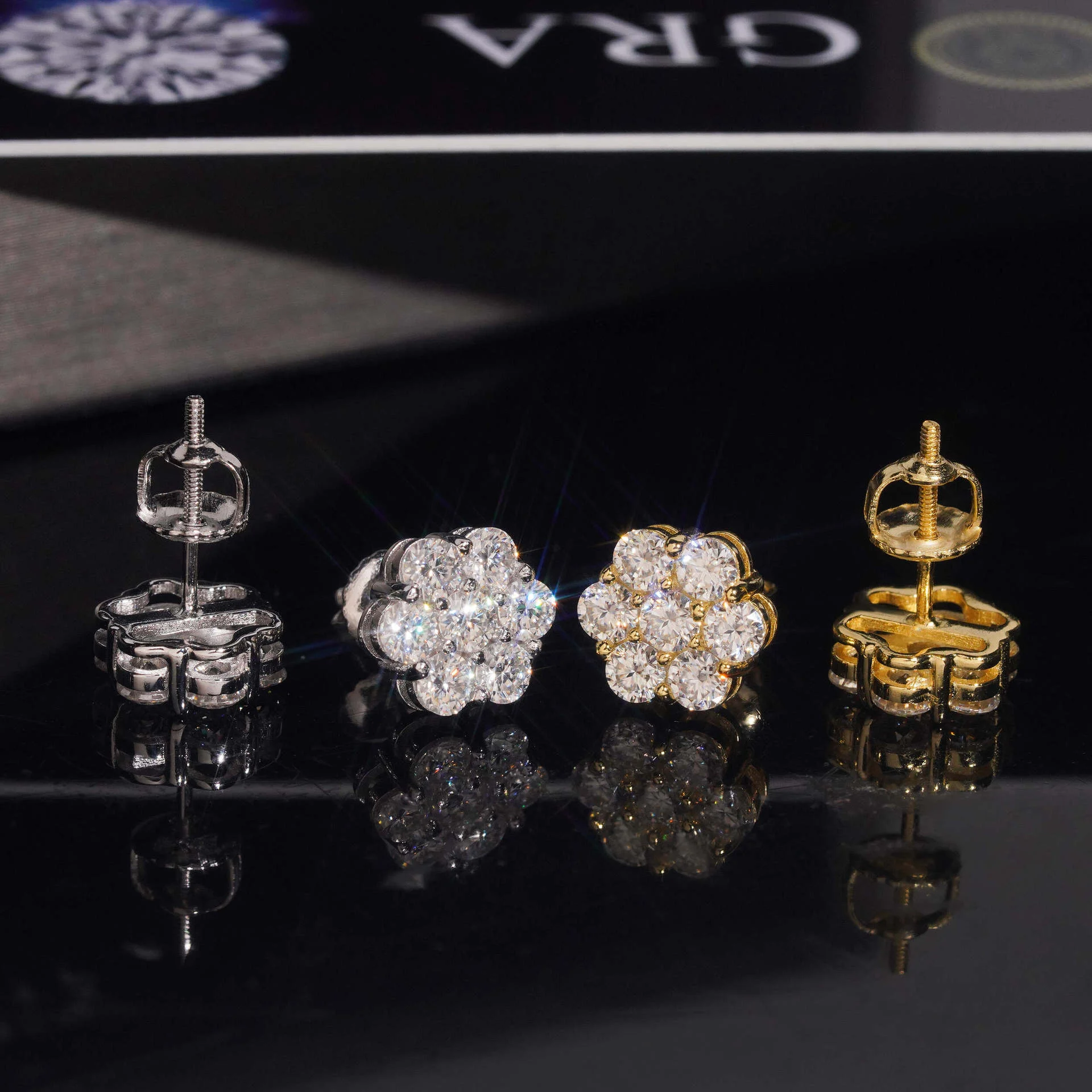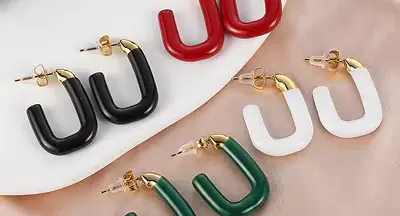


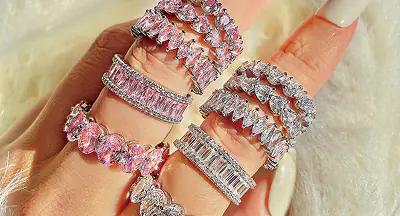


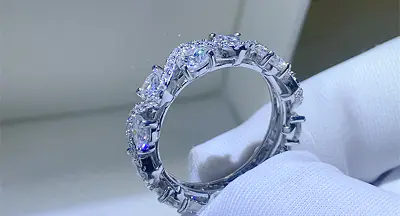


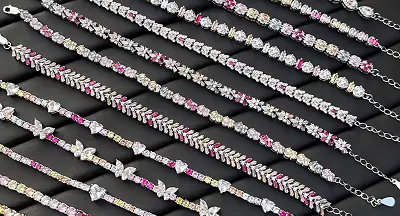


OEM and ODM describe different ways a jewelry product is developed with a manufacturer. In a typical OEM arrangement, the buyer supplies the design or specifications and the manufacturer produces to them. In an ODM arrangement, the manufacturer offers an existing design or product platform that the buyer may select and customize within agreed limits. Exact responsibilities vary by contract, so define them before development begins.
OEM jewelry: start with your design
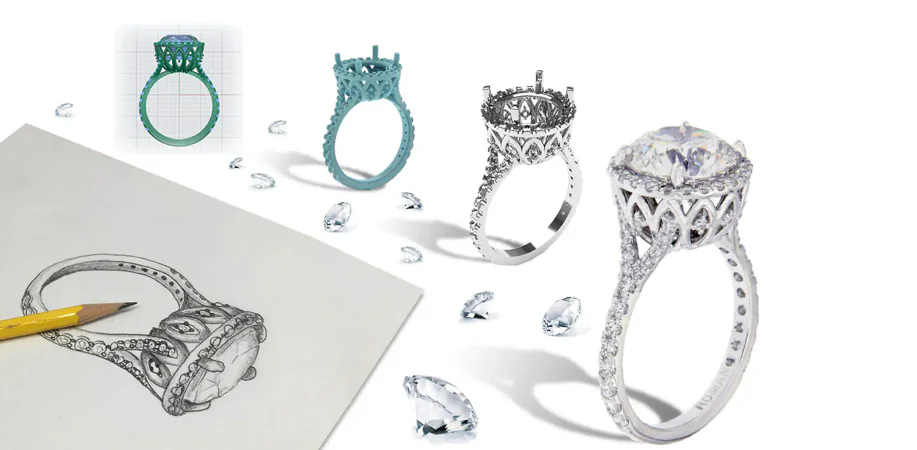
OEM can suit a brand that has approved drawings, CAD files, a physical reference, or detailed specifications and needs a supplier to develop and manufacture that concept. The buyer should clarify who creates and approves CAD, prototypes, molds, and production files, and who owns or may reuse each item.
ODM jewelry: start with a supplier design
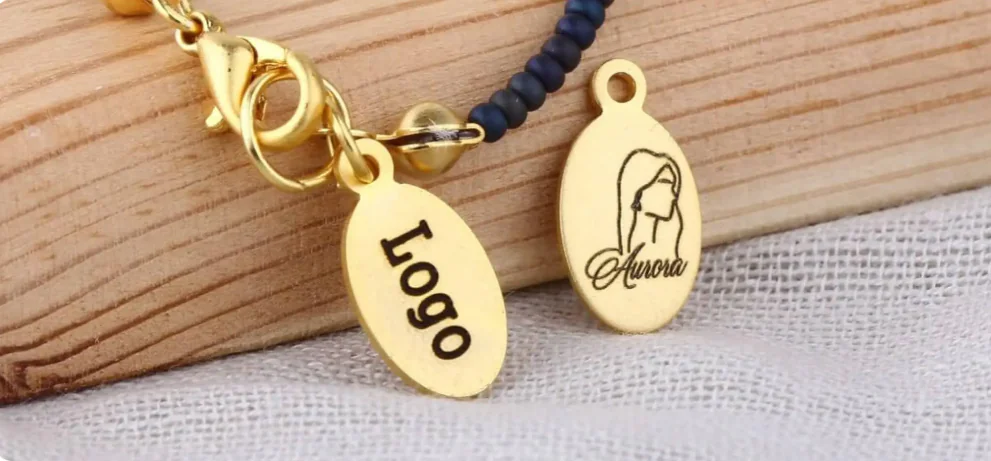
ODM can be a practical route when a buyer wants to select from designs the manufacturer already offers and adjust details such as finish, stone, logo, or packaging. Confirm whether the design is exclusive, offered to multiple customers, or subject to a limited customization agreement. “Custom” does not automatically mean exclusive.
Compare the work before choosing
- Design input: buyer-led for OEM; supplier-led starting point for ODM.
- Development: OEM may require more specification and prototype work; ODM may begin with an existing sample.
- Control: either model can involve approvals, but the level of control depends on the agreed scope.
- Ownership: document rights to CAD, molds, artwork, and product designs in either arrangement.
- Timing and cost: request a project-specific quote and schedule; these vary with materials, complexity, quantity, and revisions.
Choose based on your readiness
Choose an OEM path when you have a clear concept and can supply or approve detailed specifications. Consider ODM when you want to evaluate existing designs and need a shorter development process, while accepting that similar designs may be available elsewhere. If unsure, ask the supplier to quote both options against the same target product.
Put approvals in writing
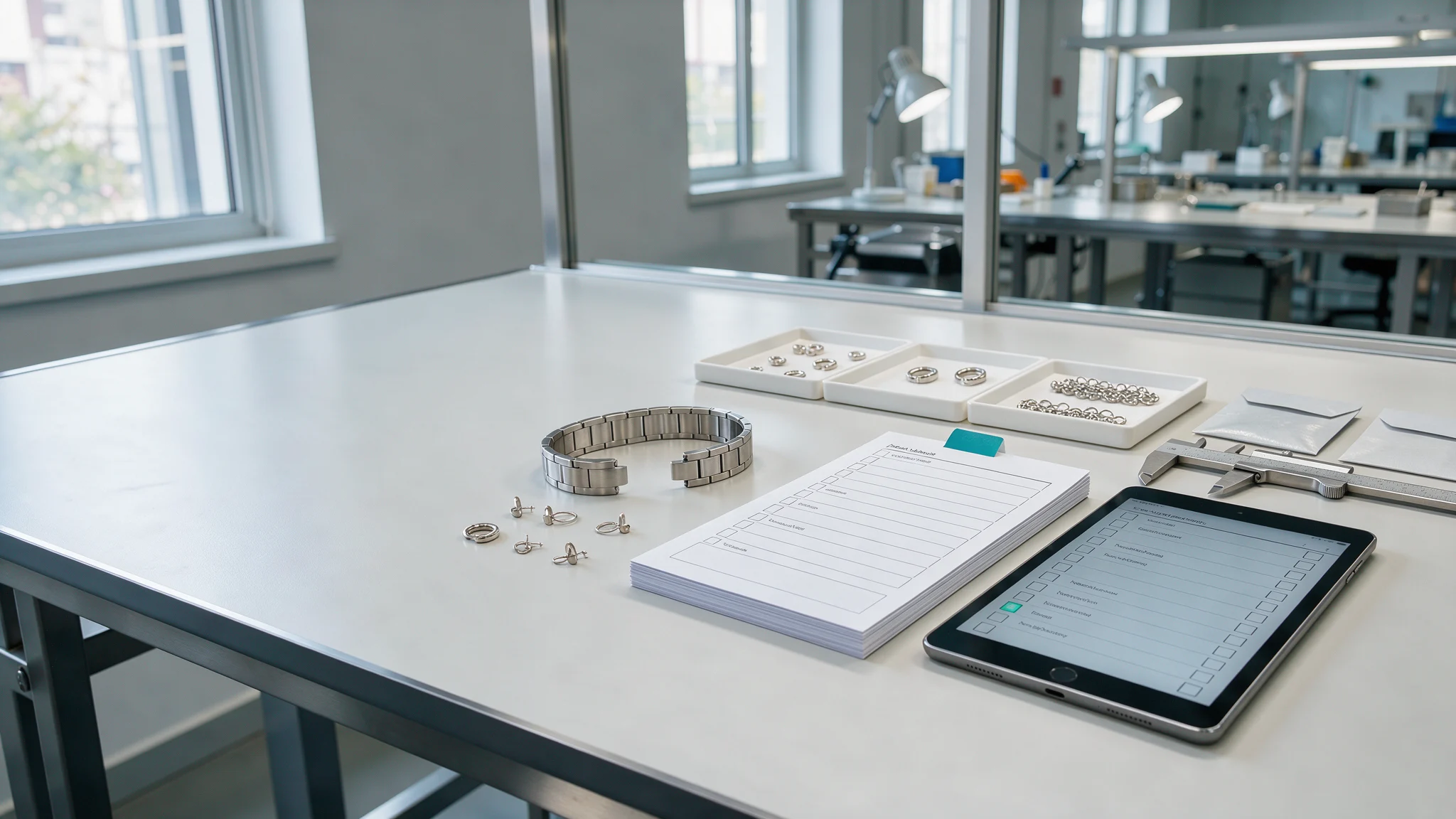
Before bulk production, approve a sample and record material, dimensions, finish, stones, tolerances, packaging, quantity, delivery terms, defect handling, and revision limits. Keep the approved sample or photos tied to the purchase order. This prevents “OEM” or “ODM” labels from substituting for a clear production agreement.
The best model is the one whose design responsibilities, ownership, approvals, and production scope match your business needs. Review those terms with the manufacturer before committing.
| Feature | OEM | ODM |
|---|---|---|
| Design Source | Provided by you | Provided by manufacturer |
| Customization Level | Full (shape, material, stones, packaging) | Limited (minor modifications) |
| Development Time | Longer (requires design finalization) | Shorter (ready-made design) |
| Cost | Higher (design, molds, materials) | Lower (minimal development) |
| Ownership | Full IP ownership | Limited ownership (you brand the design) |
| Best For | Established brands, signature collections | Fast-selling items, trend-driven products |
| Metric | OEM | ODM |
|---|---|---|
| MOQ (Minimum Order Quantity) | 20–100 pcs (depending on complexity) | 5–20 pcs (pre-designed) |
| Lead Time | 30–90 days | 7–30 days |
| Customization | Full | Partial |
| Cost per Unit | Higher | Lower |