







Introduction
For centuries, jewelry has been more than just decoration—it’s a reflection of personal identity, culture, and lifestyle. One of the most common dilemmas buyers face is choosing between silver or gold jewelry. Both have unique qualities, and both carry symbolic and aesthetic value. But which one actually suits your style, your budget, and your daily life?
This article will guide you through the key differences between silver and gold, from style and skin tone compatibility to durability, maintenance, and cost. We’ll explore silver jewelry including sterling silver jewelry, silver plated jewelry, and gold jewelry designs. By the end, you’ll have a clear understanding of how to choose the right jewelry that not only looks beautiful but also fits your lifestyle for years to come.
1. Silver or Gold Jewelry: Which Style Matches Your Personality?
Jewelry is often the first detail people notice in your outfit. The debate between silver or gold jewelry isn’t just about color—it’s about expression.
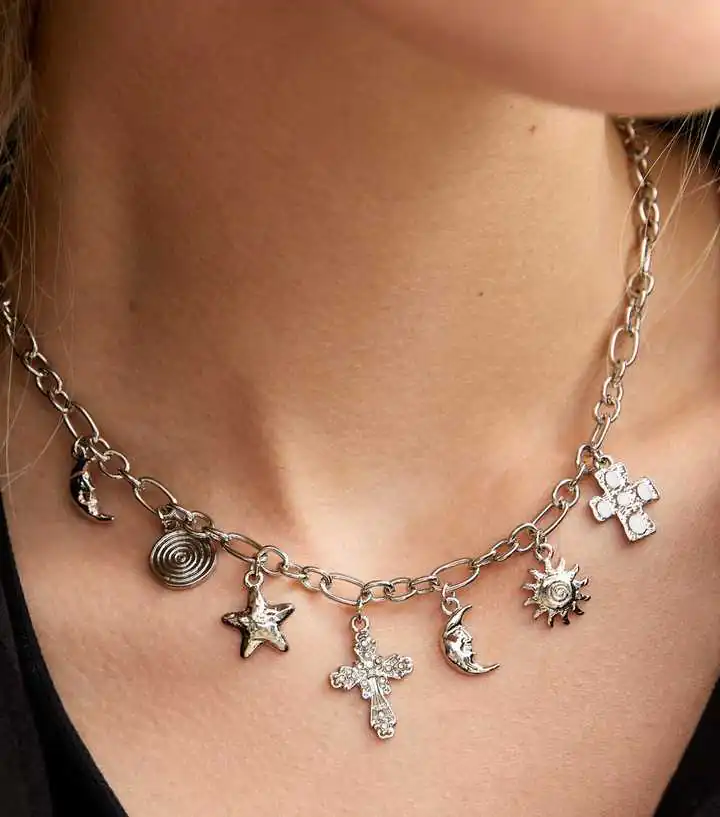
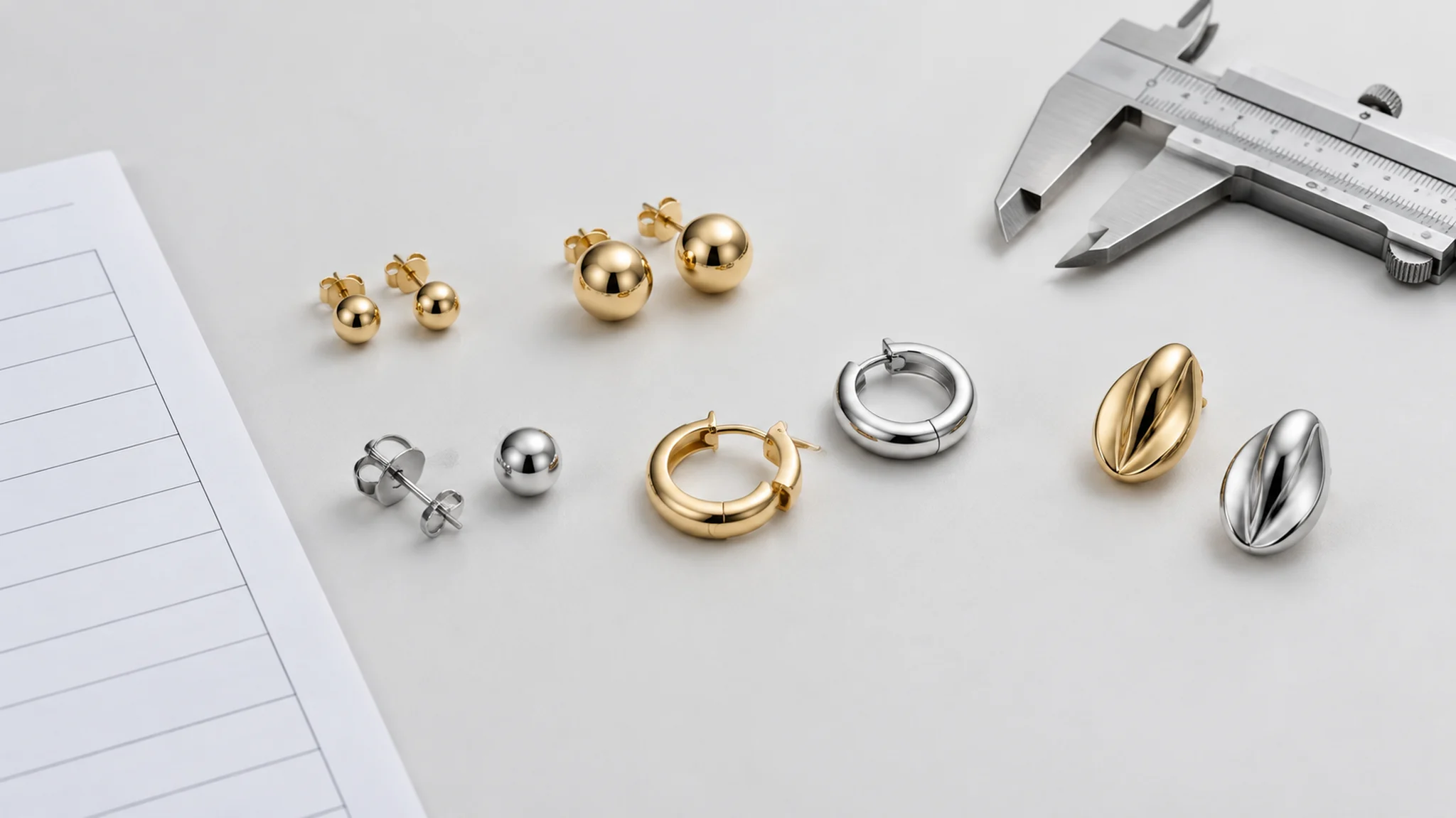
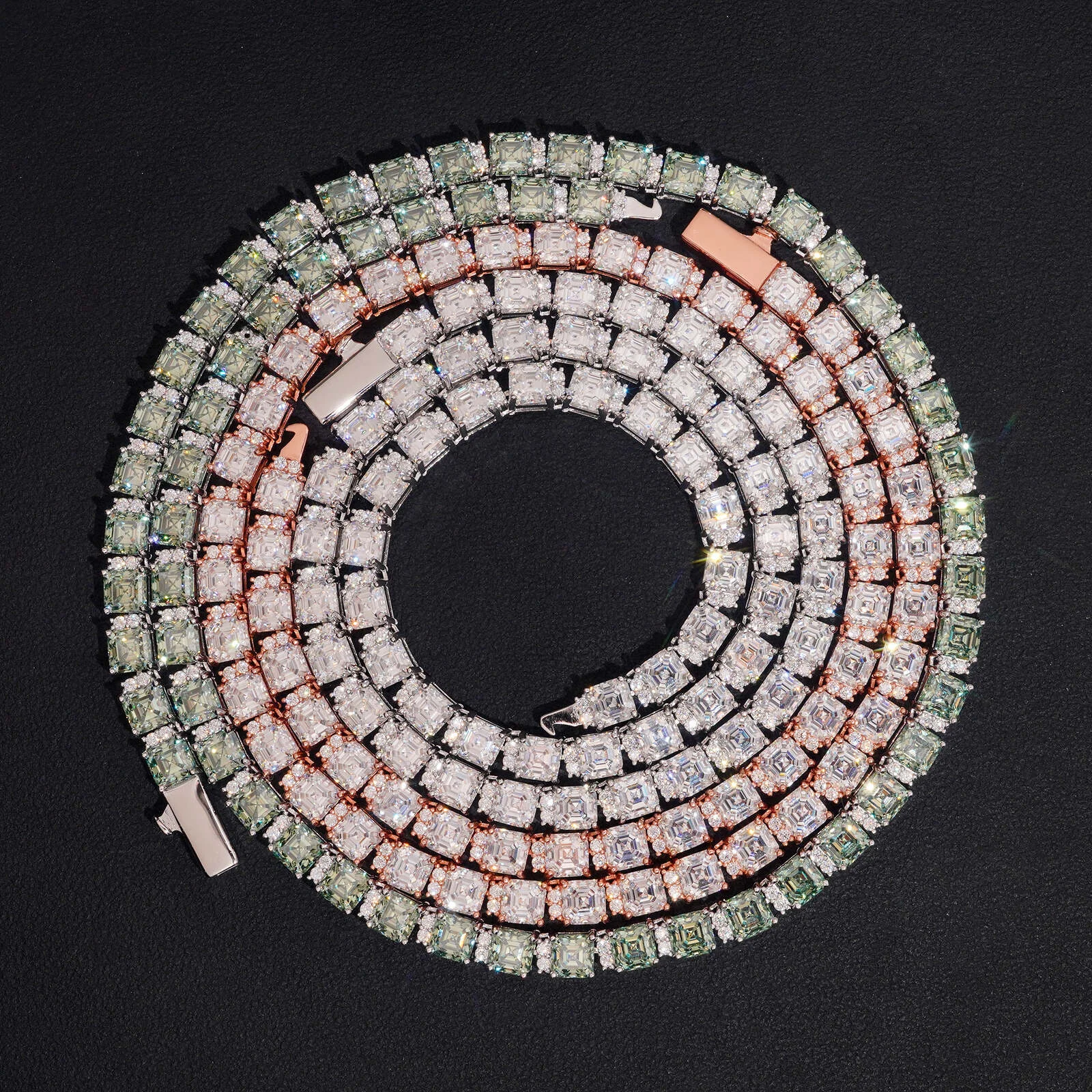
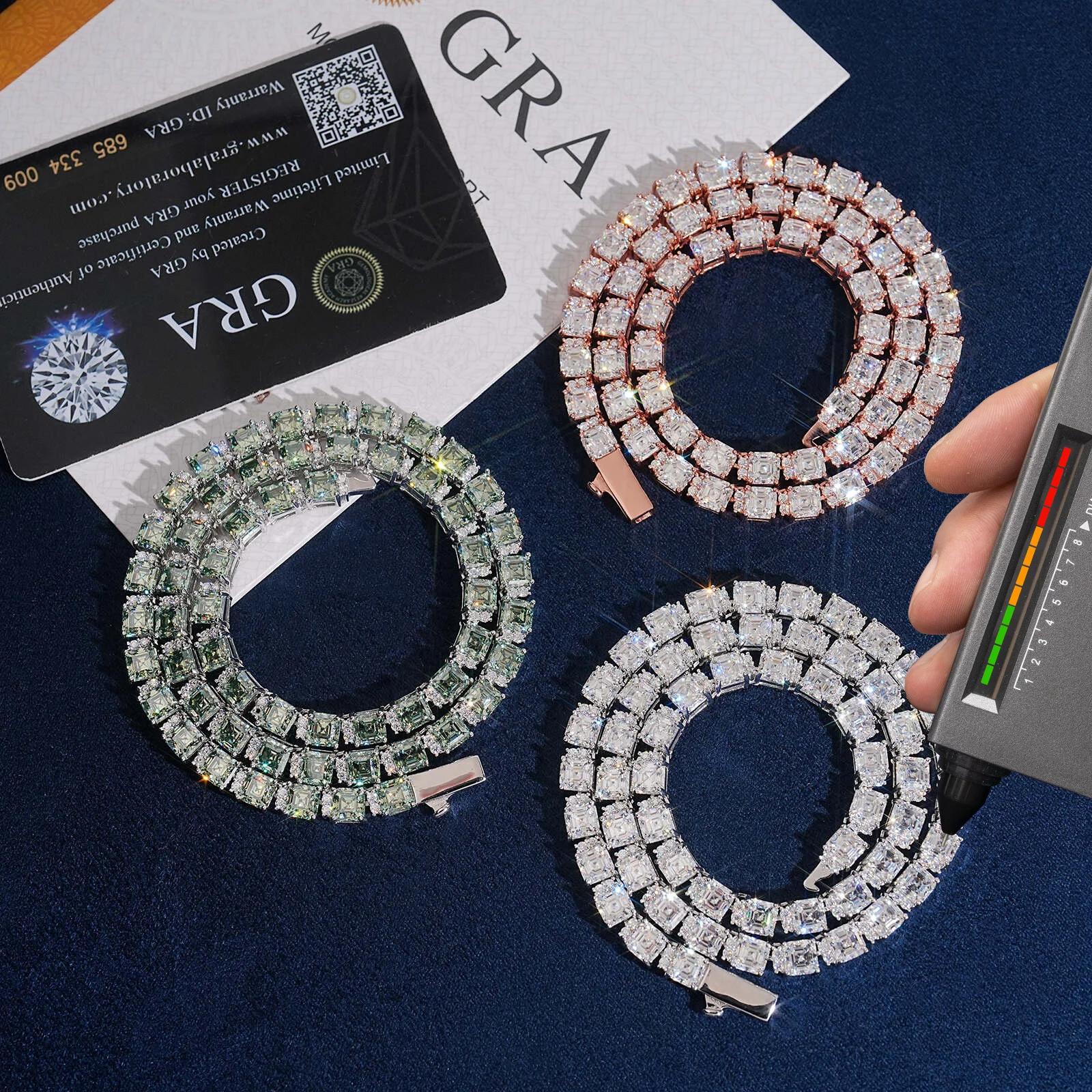
Silver jewelry, particularly sterling silver jewelry and 925 sterling silver jewelry, often speaks to those who prefer a minimalist, modern, and understated style. Its cool tones create a subtle elegance that pairs well with both casual and professional attire.
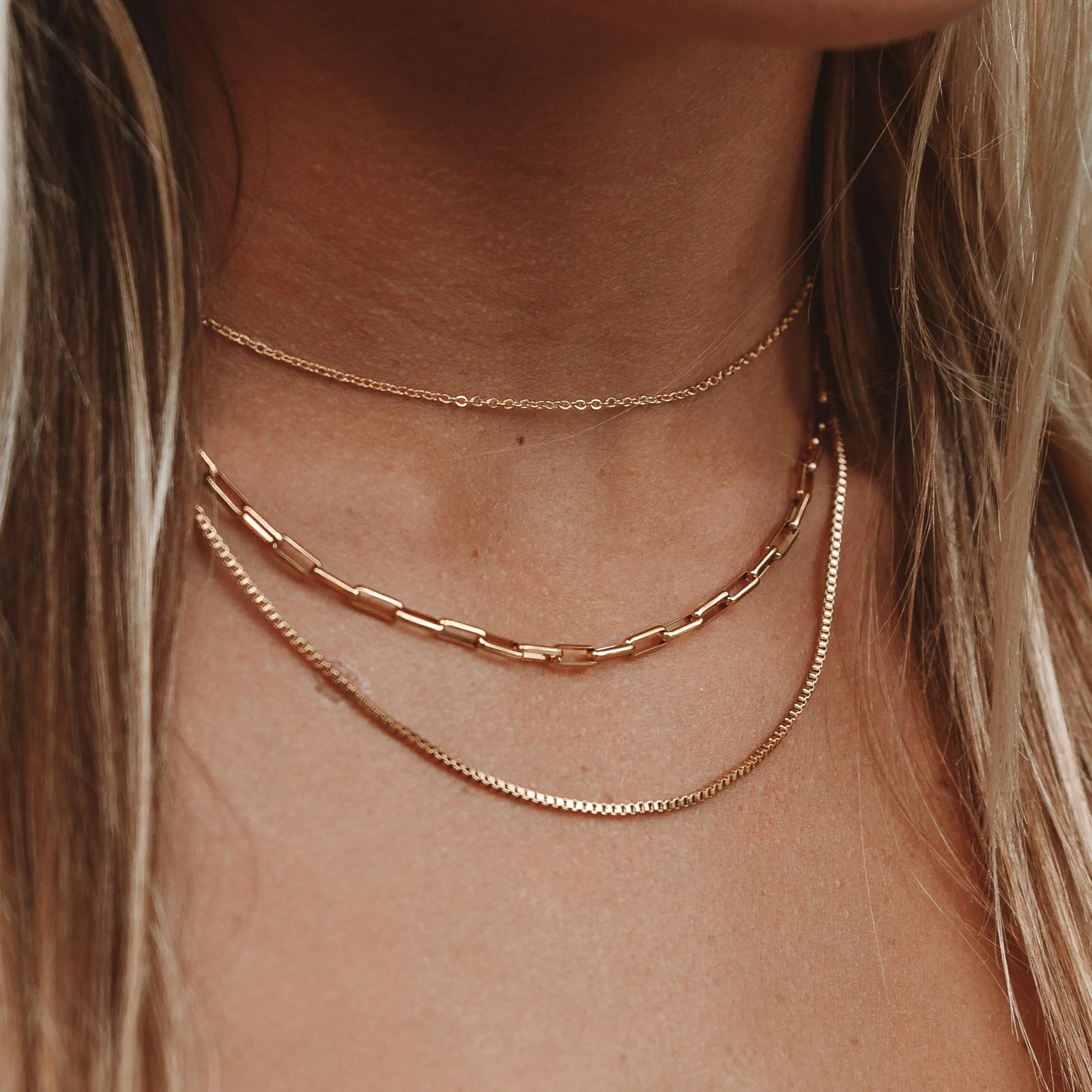
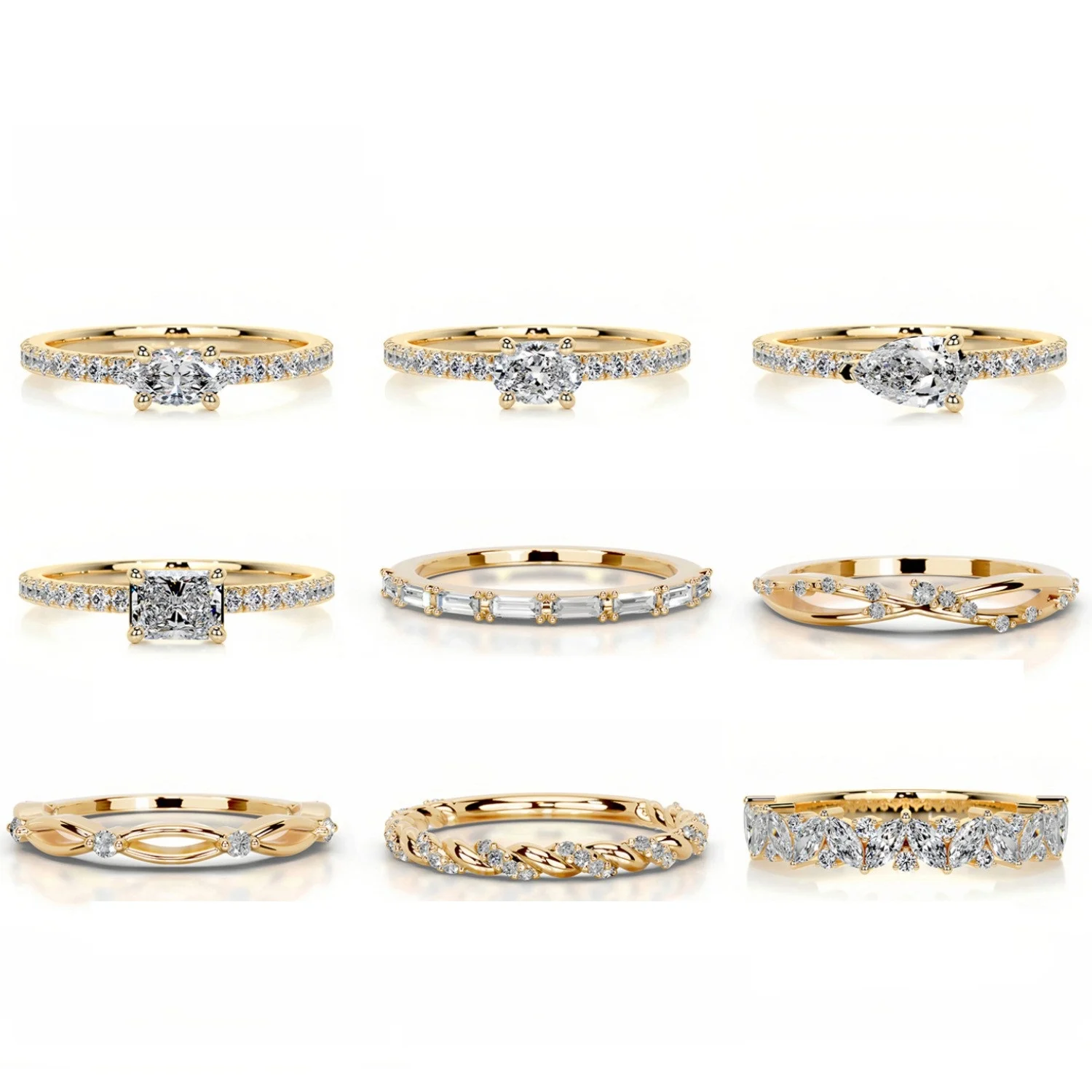
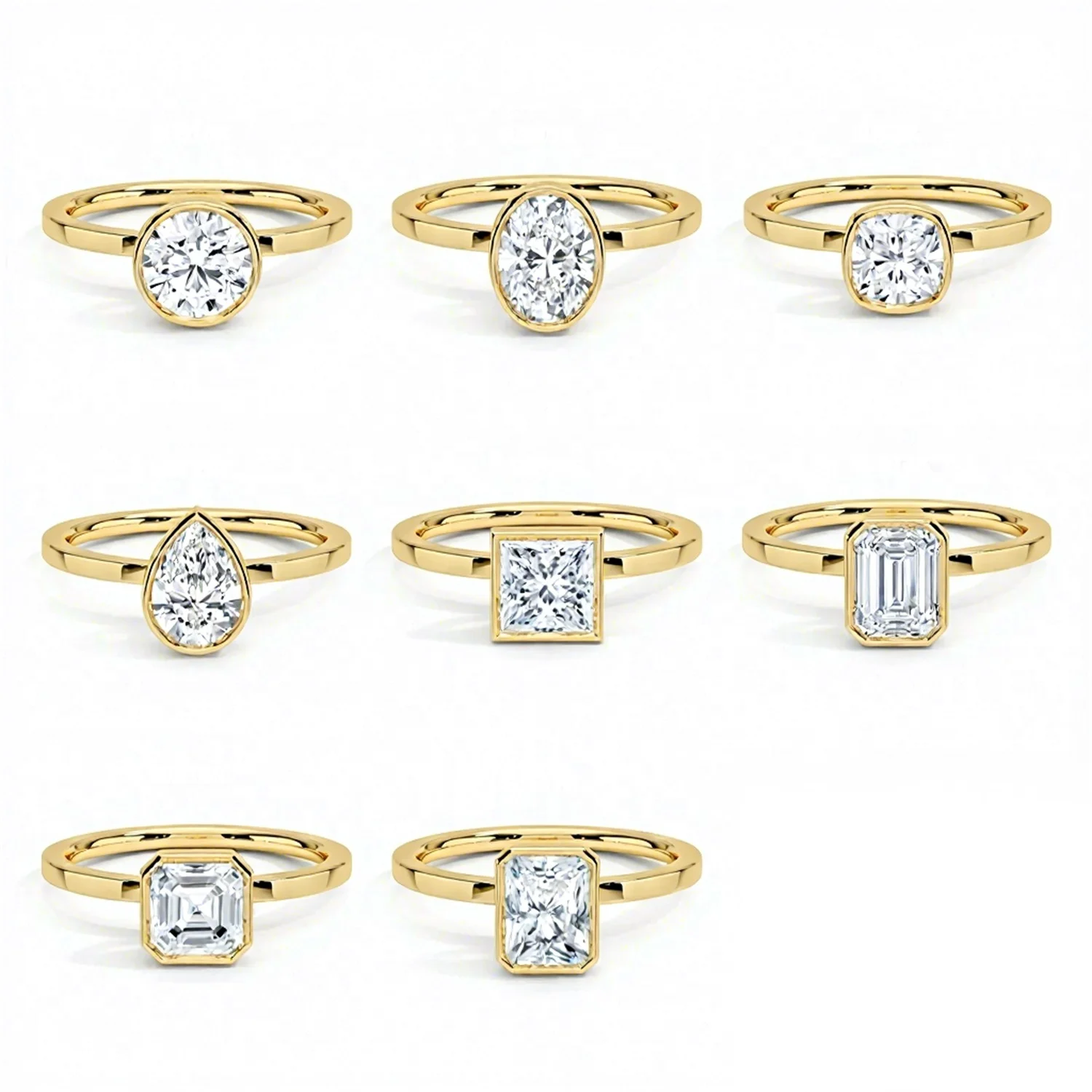
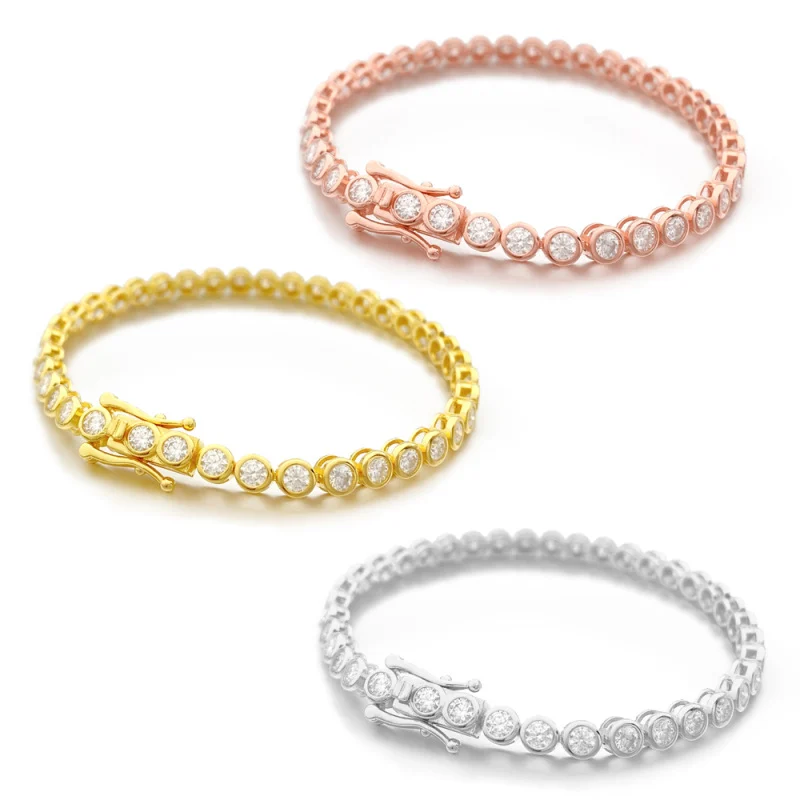
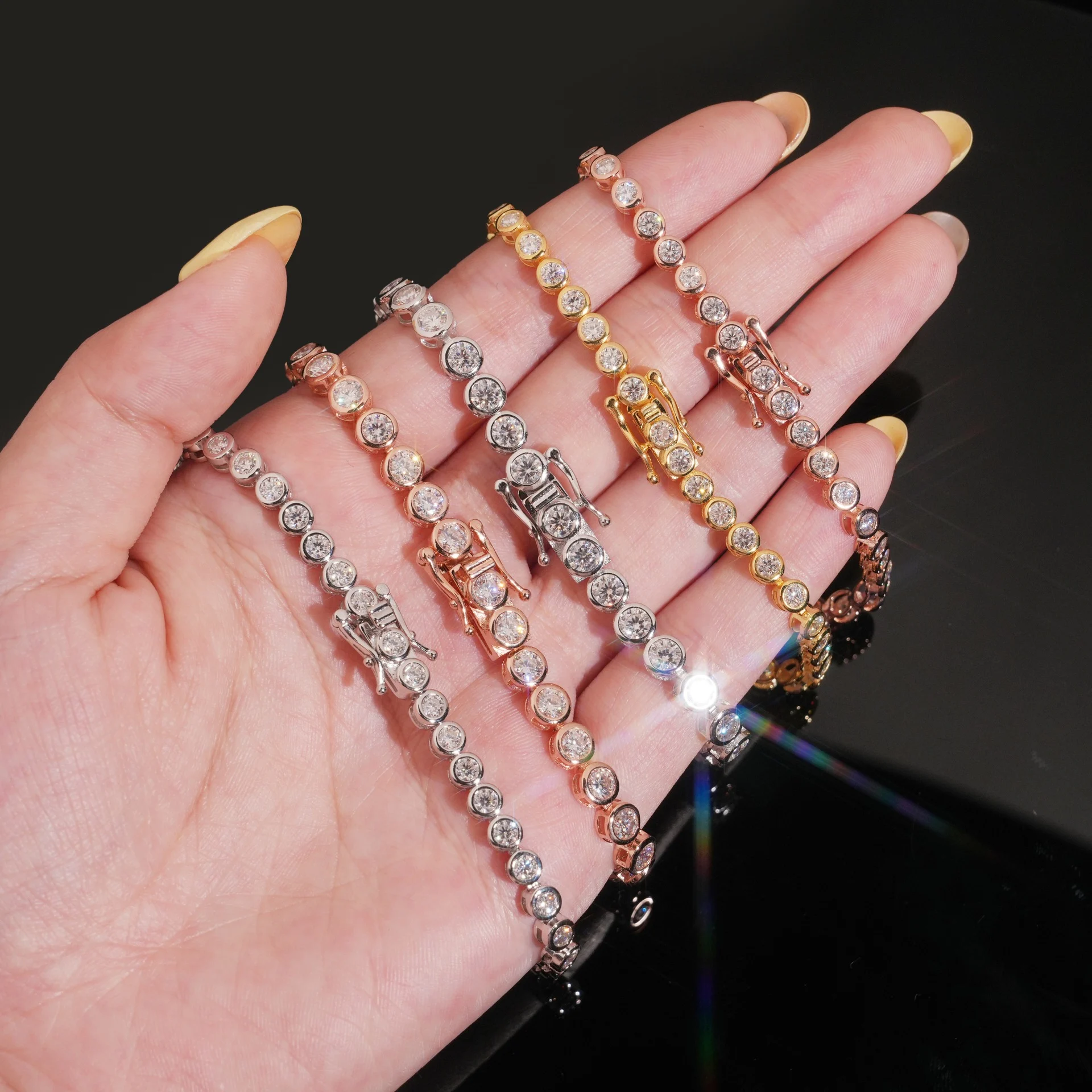
In contrast, gold jewelry has long been a symbol of luxury and tradition. Whether yellow, rose, or white gold, it tends to appeal to individuals who enjoy bold statements, warmth, and timeless sophistication. The gold jewelry vs silver conversation becomes interesting here: silver complements sleek, everyday looks, while gold often takes center stage in more formal or celebratory outfits.
Certain types like choker silver jewelry bring a youthful, trendy twist that gold doesn’t always match. Meanwhile, silver and gold jewelry combinations allow wearers to enjoy the best of both worlds, layering metals to create a versatile, fashion-forward look. Ultimately, your jewelry should reflect your personality—whether bold and adventurous or calm and refined.
2. Silver or Gold Jewelry: Which One Fits Your Skin Tone?
Your skin tone plays a significant role in determining whether silver or gold jewelry enhances your natural features. Gold jewelry typically flatters warm skin tones, where yellow or peach undertones glow under its radiance. Think of how yellow gold earrings brighten olive or tan complexions. On the other hand, silver jewelry highlights cooler skin tones with blue or pink undertones, providing a striking contrast that makes the skin appear luminous.
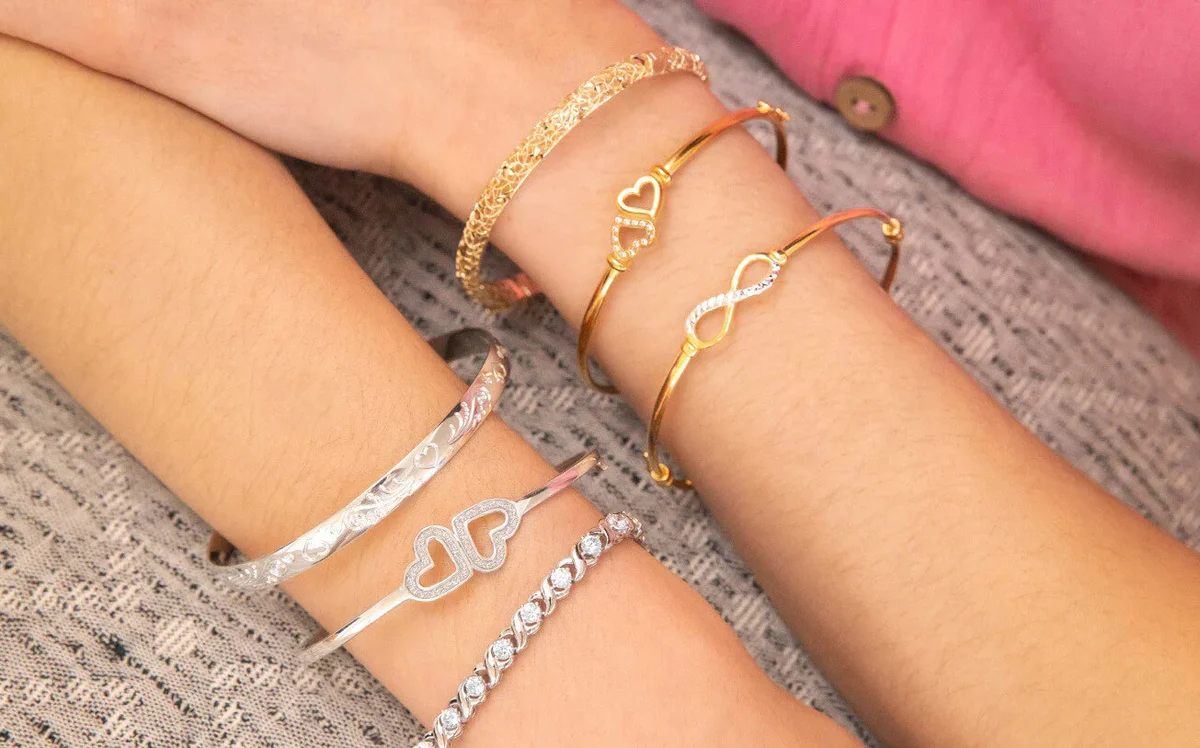
But rules aren’t rigid. Many people find that silver and gold jewelry together can balance out their look, especially if their undertones are neutral. Wearing both metals layered—a choker jewelry silver paired with a delicate gold chain, for example—creates harmony across different skin tones.
A 2023 consumer survey showed that nearly 40% of buyers prefer mixing metals rather than sticking with just one. This trend demonstrates that today’s jewelry lovers are more experimental, combining 925 sterling silver jewelry with classic gold pieces to achieve personalized style. Whether your undertones are warm, cool, or neutral, there’s flexibility in how you wear your metals—what matters most is confidence.
3. Silver or Gold Jewelry: Durability and Maintenance Considerations
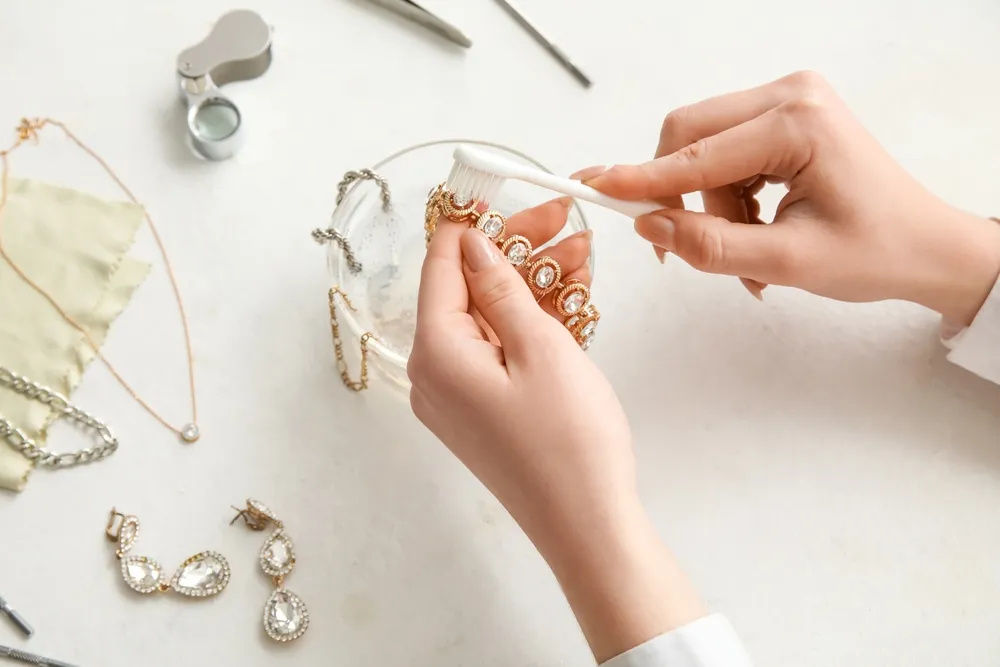
When investing in silver or gold jewelry, it’s essential to consider longevity. While both metals are durable, their maintenance differs. Sterling silver jewelry and 925 sterling silver jewelry are strong but can tarnish over time if not cared for properly. By contrast, silver plated jewelry offers the look of silver at a lower cost, but because it is coated rather than solid, it may wear down faster.
Gold, depending on its karat level, is softer than silver but resists tarnishing. Pure gold (24K) is too soft for daily wear, which is why alloys like 14K or 18K are commonly used. Still, scratches are more noticeable on gold than on silver. This makes the gold jewelry vs silver debate an important one: silver requires more frequent polishing, while gold may need protection from dents and scratches.
Practical care tips include storing pieces separately, avoiding exposure to chemicals like perfume, and wiping them with soft cloths after wear. A study in the jewelry market shows that consumers who perform routine cleaning and maintenance extend the lifespan of their silver jewelry by up to 40%. Proper upkeep means your favorite jewelry silver or gold accessories will keep their shine for decades.
4. Silver or Gold Jewelry: Budget-Friendly Choices for Every Occasion
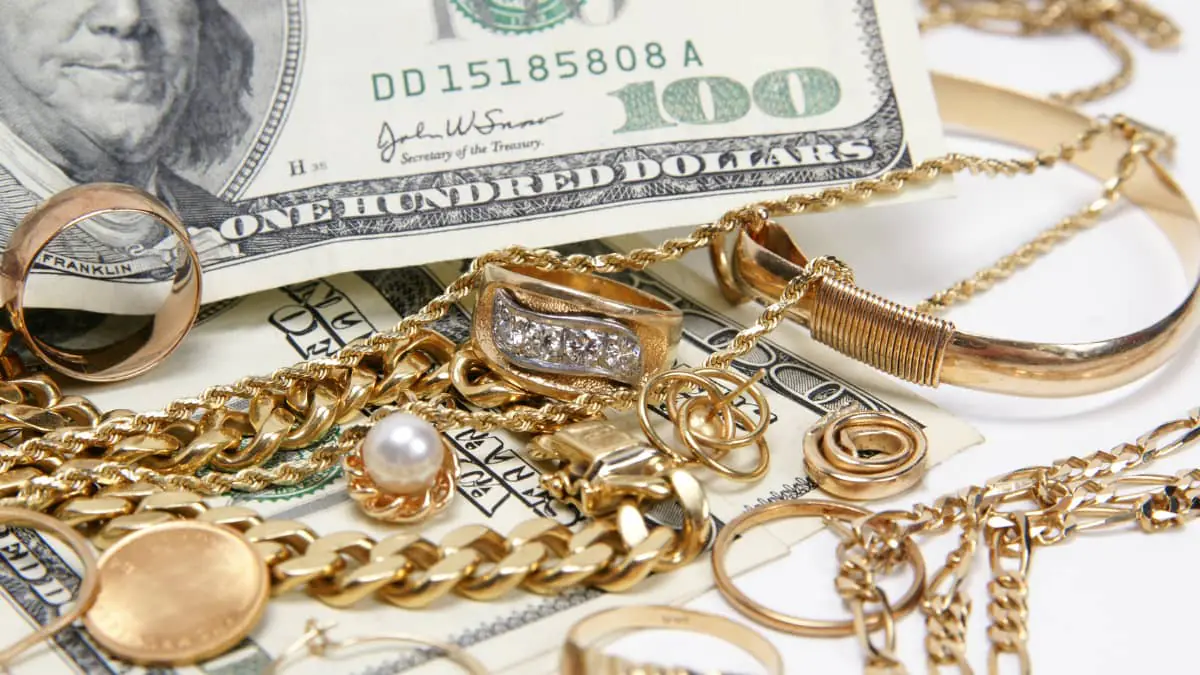

Budget is another deciding factor when choosing silver or gold jewelry. On average, silver jewelry is significantly more affordable, making it ideal for everyday wear, trendy pieces like choker jewelry silver, or large collections. For instance, a simple 925 sterling silver jewelry ring may cost a fraction of a similar gold design, giving style-conscious shoppers more flexibility.
That said, gold retains value better over time, making it a more strategic long-term investment. When weighing gold jewelry vs silver, gold often wins in resale or heirloom value, while silver appeals to those who enjoy affordability and variety.
Silver plated jewelry offers an even lower entry point for buyers, though it’s less durable than sterling silver jewelry. Many young buyers start with plated pieces before upgrading to solid metals. At the same time, mixing silver and gold jewelry allows people to create versatile collections without overspending.
For special occasions like weddings or milestone celebrations, gold jewelry still carries prestige. Yet for casual, everyday wear, silver remains a top choice. The balance lies in combining both: use silver for fashion-forward, affordable items and gold for timeless, investment-worthy pieces.
Conclusion
The decision between silver or gold jewelry ultimately comes down to your personal style, budget, and lifestyle. Silver jewelry—whether sterling silver jewelry, 925 sterling silver jewelry—offers affordability, versatility, and a modern edge. Gold, on the other hand, shines in tradition, value, and durability, making it perfect for special occasions and long-term investment.
We summarize the following table:
| Feature | Silver Jewelry (incl. Sterling / 925 Sterling Silver) | Gold Jewelry | Silver Plated Jewelry |
|---|---|---|---|
| Material | Pure silver (fine silver) or alloy (sterling silver: 92.5% silver + 7.5% copper) | Pure gold or alloyed with other metals (e.g., 18K, 14K) | Base metal (brass, copper, etc.) coated with thin silver layer |
| Appearance | Bright, cool-toned shine; works well with minimalist or modern styles | Warm, rich luster; associated with luxury and tradition | Shiny silver look, similar to sterling at first glance |
| Durability | Softer than gold; may scratch or tarnish over time but can be polished | Highly durable, resists tarnish, retains value | Least durable; silver layer wears off, revealing base metal |
| Maintenance | Needs regular polishing; avoid harsh chemicals | Low maintenance; requires occasional cleaning | Requires extra care; replating may be necessary |
| Skin Compatibility | Generally hypoallergenic with 925 sterling silver | Hypoallergenic if high-karat | May cause irritation once plating wears off |
| Cost | More affordable than gold; mid-range investment | Higher cost, strong long-term value | Very affordable but not long-lasting |
| Best For | Everyday wear, trendy designs, jewelry silver chokers, versatile fashion | Investment pieces, heirlooms, formal or luxury occasions | Short-term wear, budget-friendly fashion jewelry |
The ongoing gold jewelry vs silver debate doesn’t have a single winner. Both materials have strengths and weaknesses, and often the best choice is to mix and match. Whether you prefer silver plated jewelry for affordability, silver and gold jewelry combinations for versatility, or solid gold for tradition, each has its place.
At the end of the day, the jewelry you wear should reflect not just your skin tone or budget but your unique personality. Take time to explore both metals, experiment with pairings, and discover what truly complements your style. That’s the real beauty of choosing silver or gold jewelry.