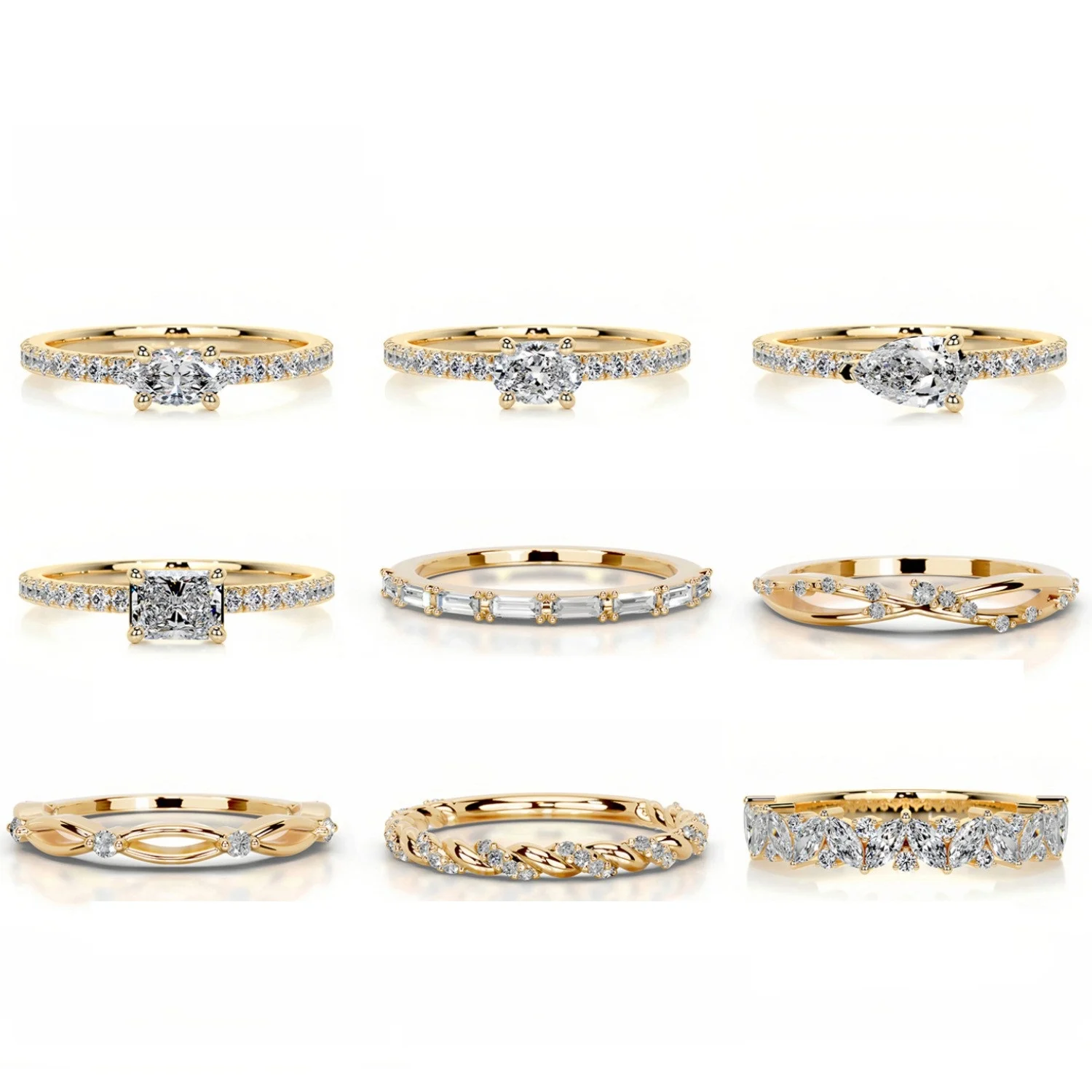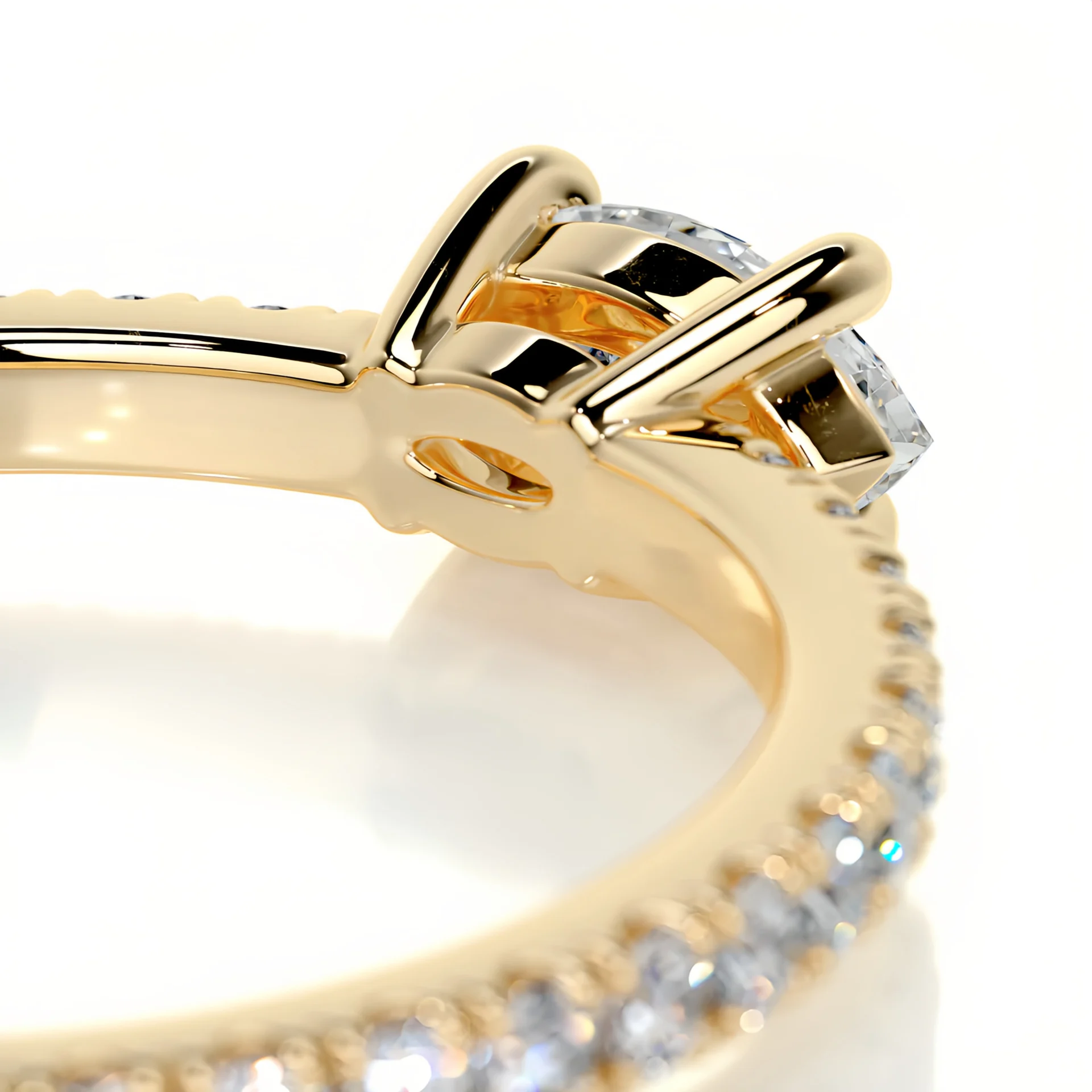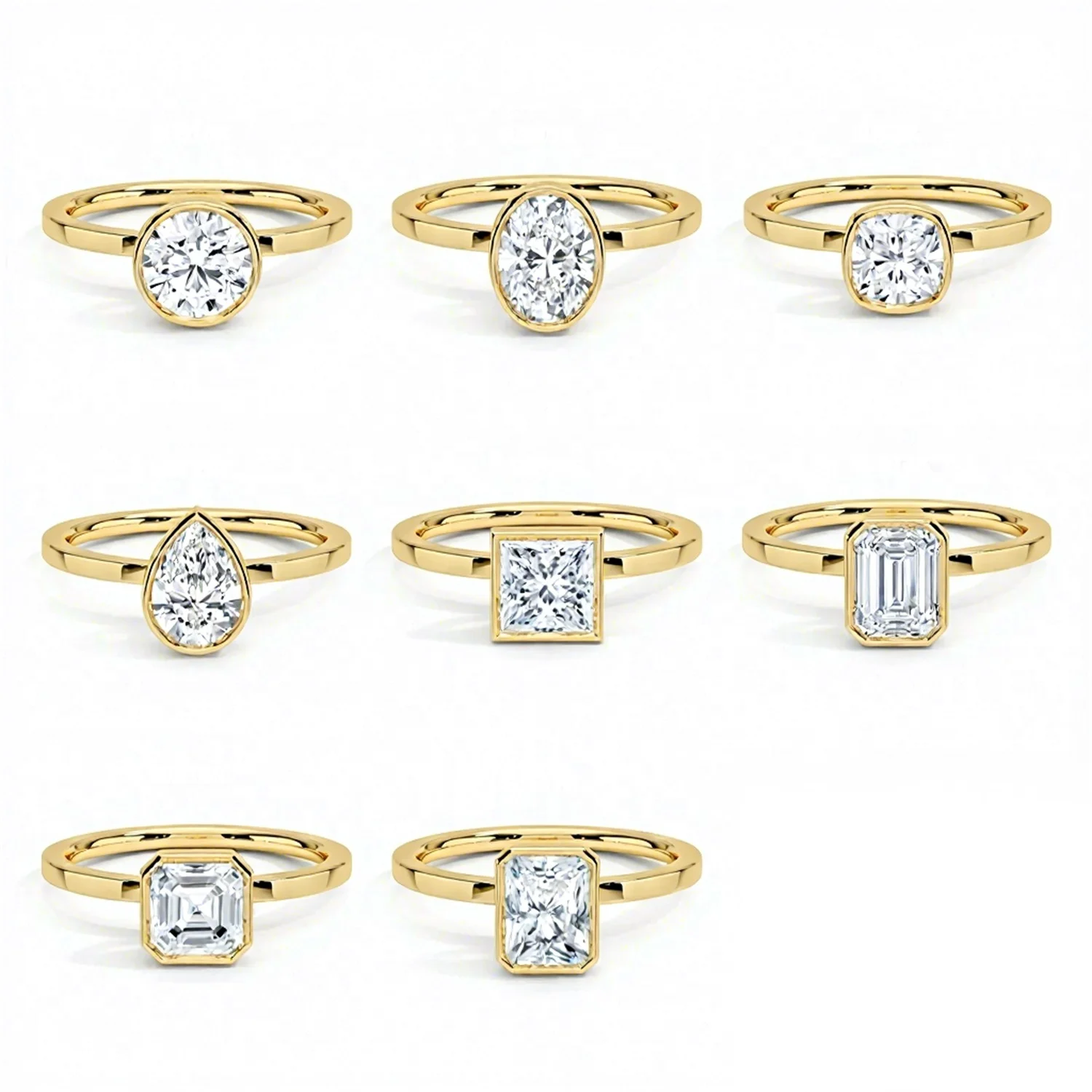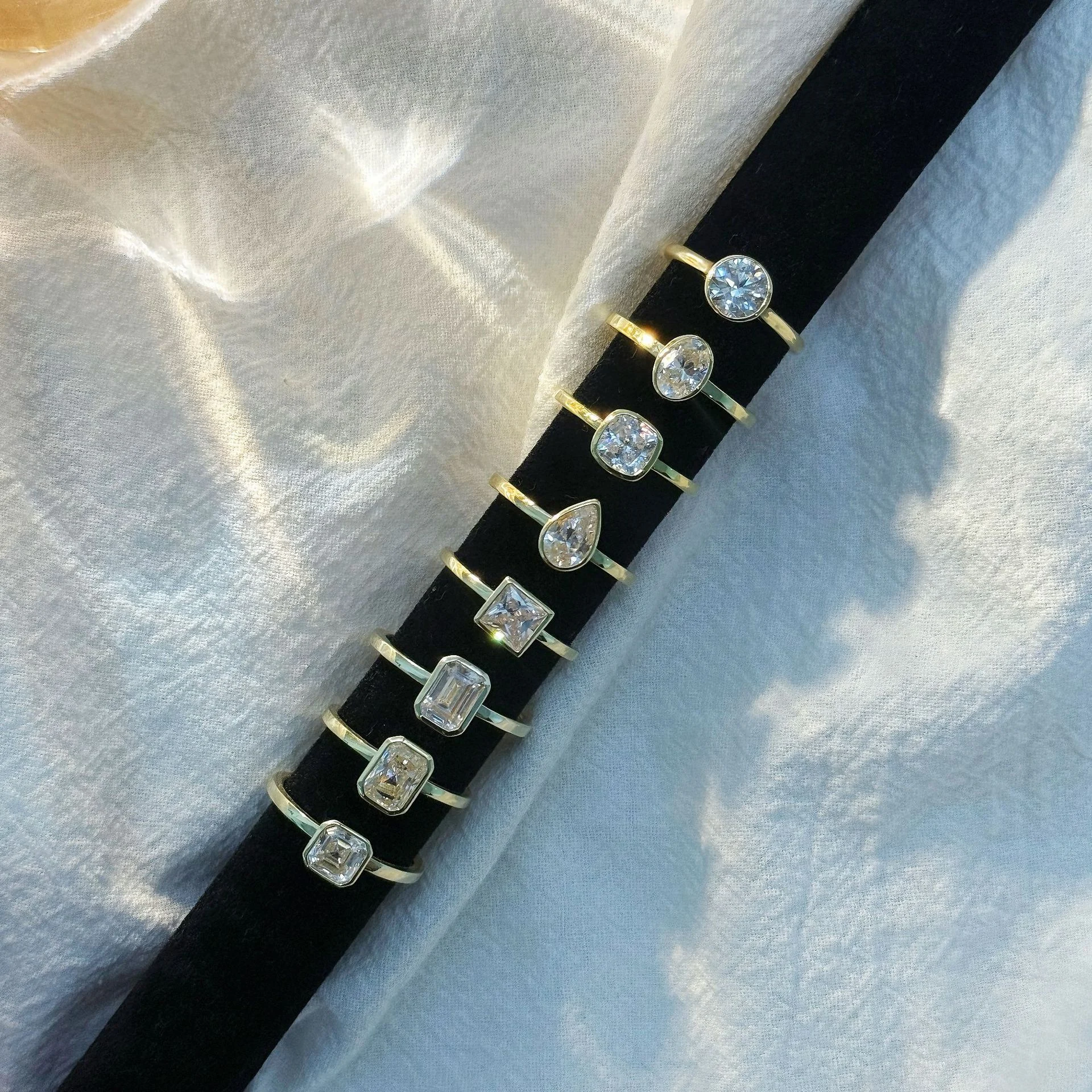








The global jewelry industry is experiencing one of its strongest periods of online growth. From fine jewelry to affordable fashion pieces, consumers are increasingly turning to ecommerce platforms to discover new brands, compare designs, and purchase unique styles that match their lifestyle. For jewelry sellers—whether small handmade creators, large wholesalers, or brands targeting luxury shoppers—the digital landscape offers enormous opportunity.
Yet with hundreds of platforms available, choosing where to sell is not always easy. Each marketplace attracts a different audience, uses different fee structures, and supports different types of jewelry products. Selecting the wrong one can limit visibility, reduce profit margins, or misalign your brand with the wrong customer base.
This guide explores the top 10 ecommerce marketplaces for jewelry sellers in 2025, analyzing their strengths, traffic potential, target demographics, and suitability for each jewelry category. Whether you sell fashion jewelry, precious metals, handmade designs, permanent jewelry, or wholesale collections, this breakdown will help you choose the right marketplace and build a strategy that maximizes sales.

Top 10 Ecommerce Marketplaces for Jewelry
1.Amazon
Amazon remains the largest ecommerce platform in the world, pulling in billions of monthly visits and a growing jewelry category that spans fine jewelry, demi-fine pieces, stainless steel, brass jewelry, and premium accessories.
Best for
- Brands ready for scale
- Fine jewelry with certification
- Everyday fashion jewelry
- Sellers offering fast fulfillment
Why it works for jewelry sellers
- Millions search for jewelry daily
- Prime shipping increases conversion
- Amazon Ads can create rapid visibility
Considerations
- Extremely competitive
- Requires strict compliance
- High-quality product data and photos are essential
Amazon works well for any seller ready to manage higher order volume and maintain strong backend operations.
2.Etsy
Etsy remains the top marketplace for handmade, custom, and artistic jewelry. With a loyal audience that values craftsmanship and storytelling, Etsy is ideal for sellers with unique design language.
Best for
- Handmade silver and gold jewelry
- Gemstone pieces
- Personalized jewelry
- Bridal and minimalist categories
- Permanent jewelry artists selling charms and components
Why sellers love it
- Customers appreciate small brands
- Strong community engagement
- Easier to rank with niche keywords
Considerations
- Higher competition than before
- Requires consistent branding and photography
- Fees can add up with scaling
For independent designers, Etsy is one of the top choices in 2026.
3.eBay
eBay continues to thrive in both fine and vintage jewelry, making it a great option for sellers targeting collectors or bargain hunters.
Best for
- Vintage pieces
- Retired or discontinued jewelry lines
- Fine jewelry with documentation
- Pre-owned luxury pieces
Advantages
- Flexible pricing models
- Auction format increases visibility
- Large global customer base
Considerations
- Requires authentication for high-value items
- Payment processing differs from other platforms
- Customer expectations vary widely
For brands with unique or rare inventory, eBay brings strong demand.
4.Walmart

Walmart Marketplace has gained momentum in jewelry, especially in affordable and mass-market categories.
Best for
- Fashion jewelry
- Stainless steel jewelry
- Everyday low-cost items
- Larger inventory sellers
Why it stands out
- Less competitive than Amazon
- Growing online traffic
- Trusted by U.S. shoppers
Challenges
- Strict onboarding approval
- Brand consistency must be strong
Sellers who focus on high-volume items can benefit significantly from Walmart Marketplace.
5.Shopify
While Shopify is not a marketplace in the traditional sense, it remains one of the most important ecommerce ecosystems for jewelry sellers. Combined with Google Shopping, it allows brands to own their customer base.
Best for
- Brands wanting full control
- Sellers with strong social media presence
- Fine, fashion, and bridal jewelry
- Permanent jewelry businesses looking to scale
Benefits
- Total customization
- Own your customer list and brand experience
- Supports SEO for long-term visibility
Challenges
- Requires marketing investment
- No built-in traffic like marketplaces
Shopify works for sellers ready to build a long-term brand.
6.Alibaba / AliExpress
These platforms dominate the global wholesale and low-cost retail jewelry market.
Best for
- Jewelry wholesalers
- Factory-direct sellers
- Retailers seeking global reach
- Sellers of stainless steel, brass, and affordable gemstone jewelry
Advantages
- Massive international buyer base
- Ideal for high-volume manufacturing
- Ability to offer ODM/OEM services
Considerations
- Price-driven competition
- Must maintain strong product consistency
- Requires good customer service to manage global expectations
For B2B jewelry sellers, few platforms match Alibaba’s scale.
7. Faire
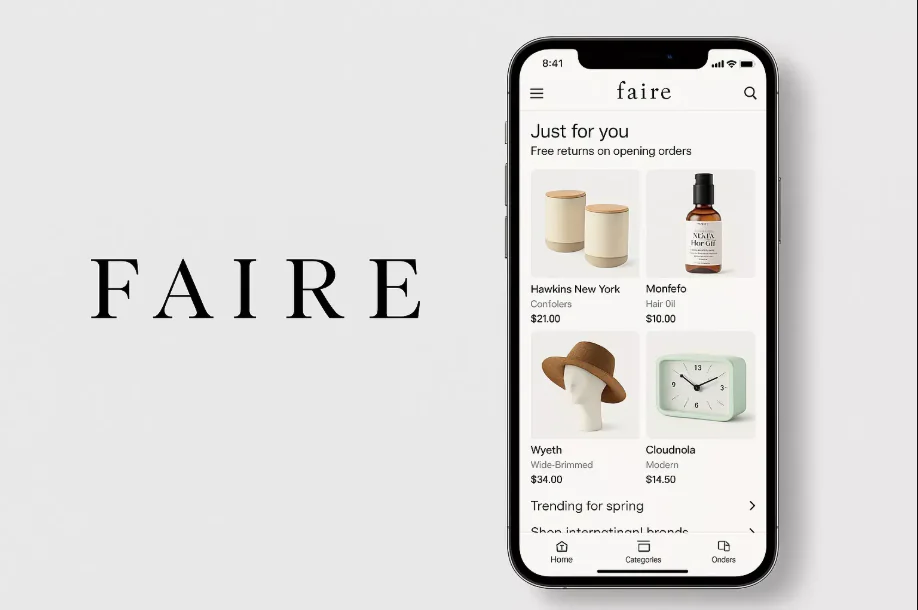
Faire is transforming wholesale jewelry distribution, especially for boutique retailers and studio brands.
Best for
- Independent jewelry brands
- Handmade or artisanal pieces
- Premium fashion jewelry
- Wholesale charm and component sellers
What sellers love
- Net-60 payment terms for retailers
- Lower return rate compared to consumer marketplaces
- Exposure to thousands of independent stores
Challenges
- Commission fees
- Requires consistent branding
Faire is a powerful platform for jewelry brands wanting boutique visibility.
8.TikTok Shop

TikTok Shop has quickly become a top sales channel, especially for fast-moving fashion jewelry and viral designs.
Best for
- Trend-driven jewelry
- Stainless steel and affordable fine pieces
- Lifestyle-oriented brands
- Sellers who create video content
Advantages
- Strong organic reach
- High conversion through short-form content
- Younger audience with strong purchasing behavior
Considerations
- Content creation is mandatory
- Trends change quickly
Jewelry sellers with creative visual presentation can grow rapidly here.
9. Shein Marketplace / Temu Marketplace
These rising marketplaces are shaping the fast-fashion jewelry world with extremely high traffic and low price points.
Best for
- Low-cost fashion jewelry
- Stainless steel jewelry
- Trendy seasonal designs
- Sellers with large production capacity
Advantages
- Huge global exposure
- Extremely high order volume
- Straightforward seller processes
Challenges
- Very low price expectations
- Tight competition
- Brand building is limited
These platforms work for cost-efficient producers who prioritize high volume.
10. Instagram / Facebook Shopping
Social commerce continues to grow, allowing jewelry brands to convert followers into shoppers.
Best for
- Lifestyle, fashion, and minimalist jewelry
- Brands with existing social audiences
- Handmade and boutique brands
- Permanent jewelry artists showing service experiences
Advantages
- Easy integration with Shopify
- Strong for storytelling and influencer partnerships
- Visual-first platform suits jewelry excellently
Considerations
- Algorithms impact visibility
- Requires consistent content creation
For brands with strong visuals, Instagram remains indispensable.
Quick Comparison Table — Top 10 Marketplaces at a Glance
| Marketplace | Best For | Competition | Monthly Traffic | Fee Level | Jewelry Type Fit |
|---|---|---|---|---|---|
| Amazon | Scale-ready brands | Very High | Extremely High | Medium–High | Fine, fashion, basics |
| Etsy | Handmade & artistic | High | High | Medium | Handmade, custom, bridal |
| eBay | Vintage & collector | Medium | High | Low–Medium | Vintage, luxury resale |
| Walmart | Mass-market | Medium | High | Medium | Fashion, stainless steel |
| Shopify | Brand owners | Variable | Depends on marketing | Low | All categories |
| Alibaba/AliExpress | Wholesale | High | Very High | Low | B2B, stainless steel, brass |
| Faire | Boutique wholesale | Low–Medium | Medium | Medium | Handmade, premium fashion |
| TikTok Shop | Trend-driven | High | High | Low | Fashion, stainless steel |
| Shein/Temu | Fast fashion | Very High | Extremely High | Low | Low-cost fashion |
| Instagram/Facebook Shop | Brand building | Medium | Very High | Low | Fashion, minimal, lifestyle |
How to Choose the Right Marketplace for Your Business
Choosing the right platform requires understanding your brand identity, pricing model, and ideal customer.
Consider these factors:
1. Jewelry type
Fine jewelry performs well on Amazon and Shopify, while handmade designs excel on Etsy and Faire.
2. Target price point
High-ticket items need platforms with trust; budget jewelry thrives on TikTok, Temu, and Amazon.
3. Buyer demographics
Younger shoppers prefer TikTok and Instagram, while older customers trust Amazon and Walmart.
4. Shipping requirements
Delicate or high-value pieces benefit from platforms with buyer protection.
5. Fee structures and margins
Some platforms charge listing fees, others take commissions; choose based on your profit model.
6. Scalability and long-term goals
If you want to create a premium brand, Shopify and Instagram outperform low-cost platforms.
The market you choose determines your growth curve more than your product alone.
Tips to Succeed on Any Jewelry Marketplace
No matter which platform you choose, certain strategies consistently increase sales:
1. Optimize your listings
Include keywords, clear titles, and descriptive product attributes.
2. Use professional photography
Macro shots and lifestyle photos increase trust and conversions.
3. Create strong branding
Tell your story. Customers love knowing the creator or process behind jewelry.
4. Answer common customer questions proactively
Size, materials, metal purity, stone type, and care instructions should be clearly stated.
5. Leverage ads or boosted listings
Paid visibility helps new listings gain traction.
6. Keep inventory consistent
Jewelry buyers expect reliable fulfillment and predictable quality.
7. Build your own email list
Even marketplace customers can turn into direct customers later.
Conclusion
The ecommerce landscape for jewelry sellers is richer and more diverse than ever. Whether you create handcrafted pieces, sell high-volume stainless steel jewelry, or offer fine gemstones with certification, there is a marketplace perfectly suited for your niche. Start by choosing one or two platforms that align with your target audience, master their optimization strategies, and then expand to additional channels as your brand grows.
The right marketplace does more than generate sales—it shapes your brand identity, customer relationships, and long-term success.
Know More about How to Price Jewelry for Profit and Trust