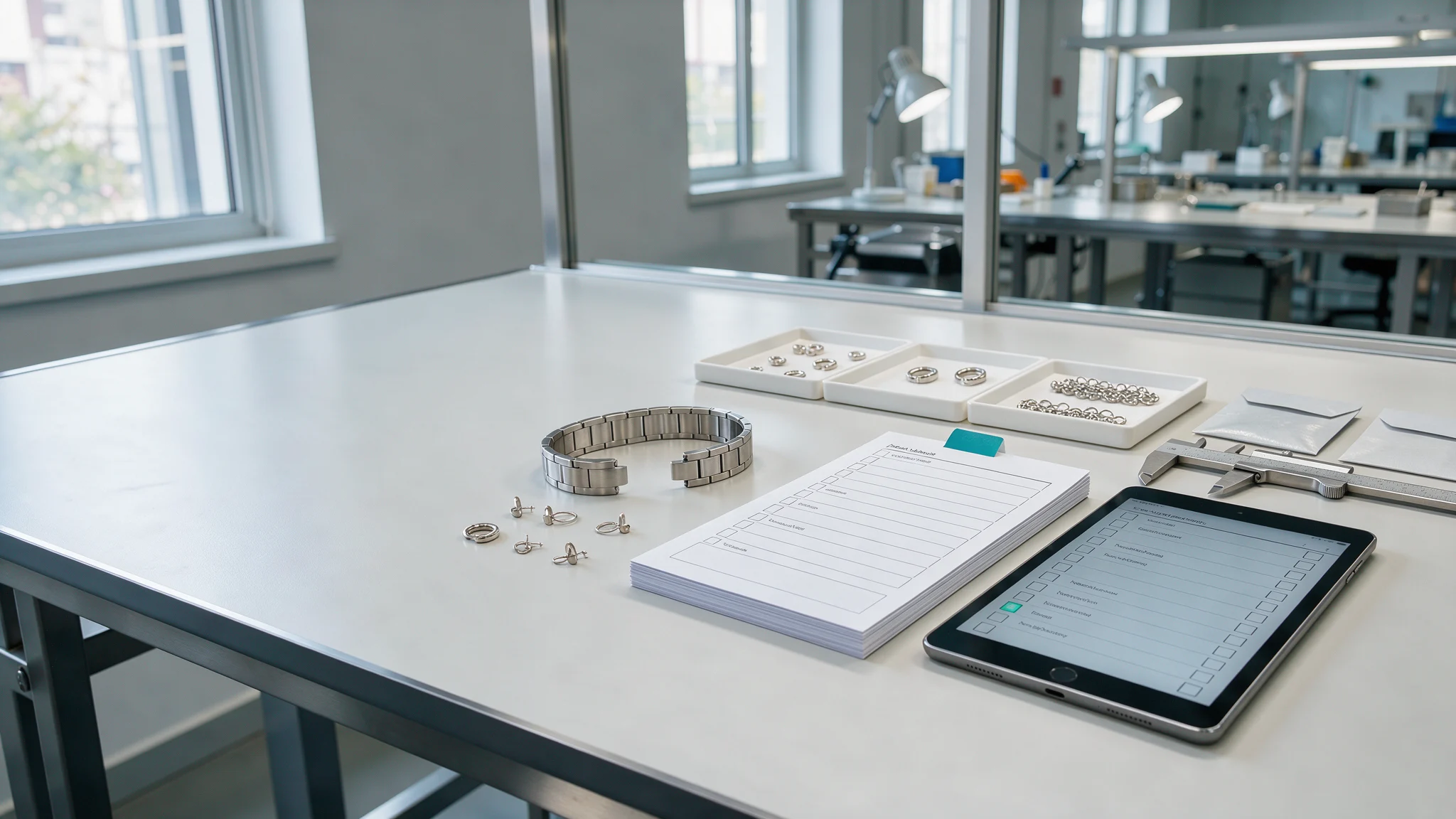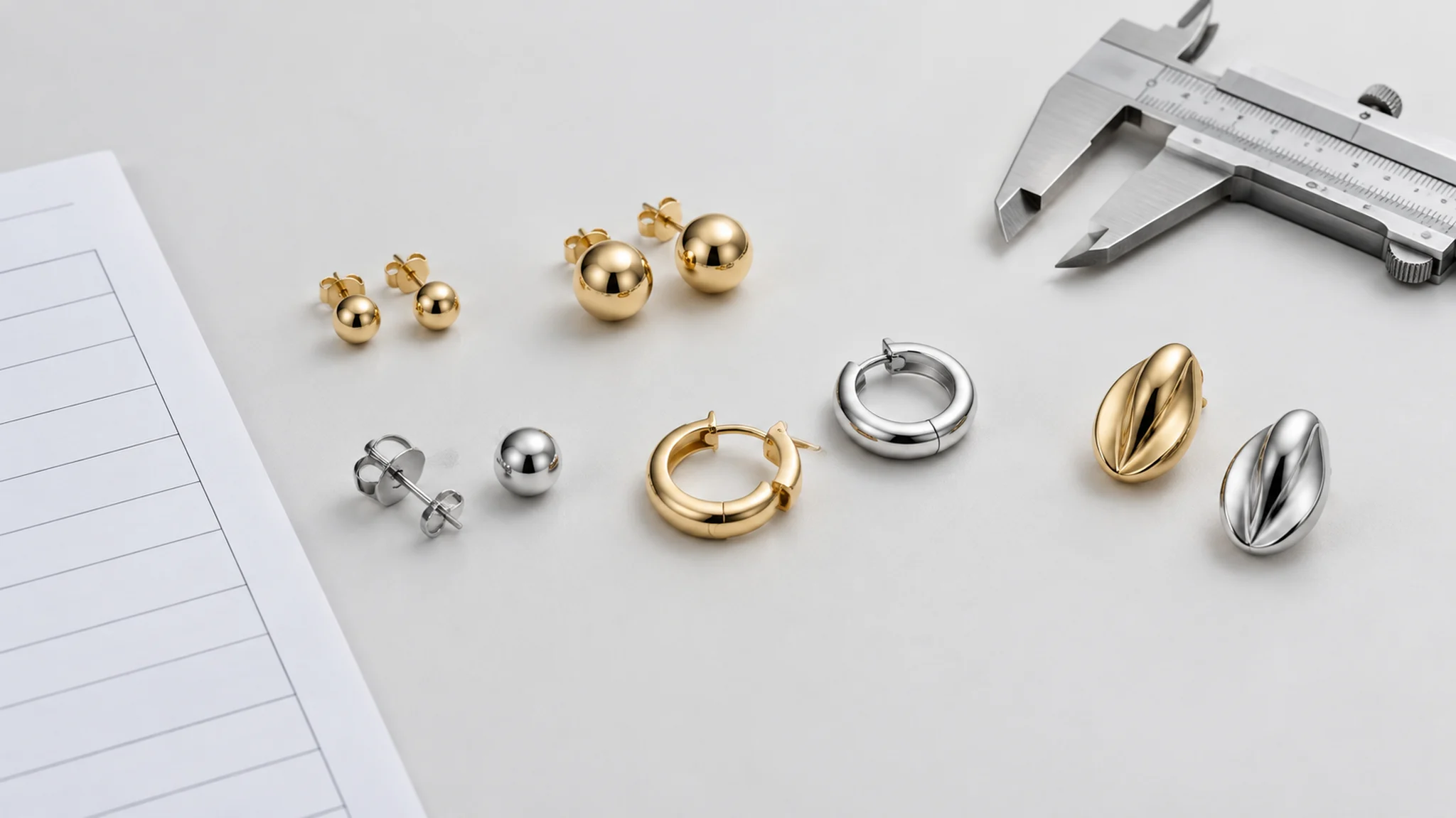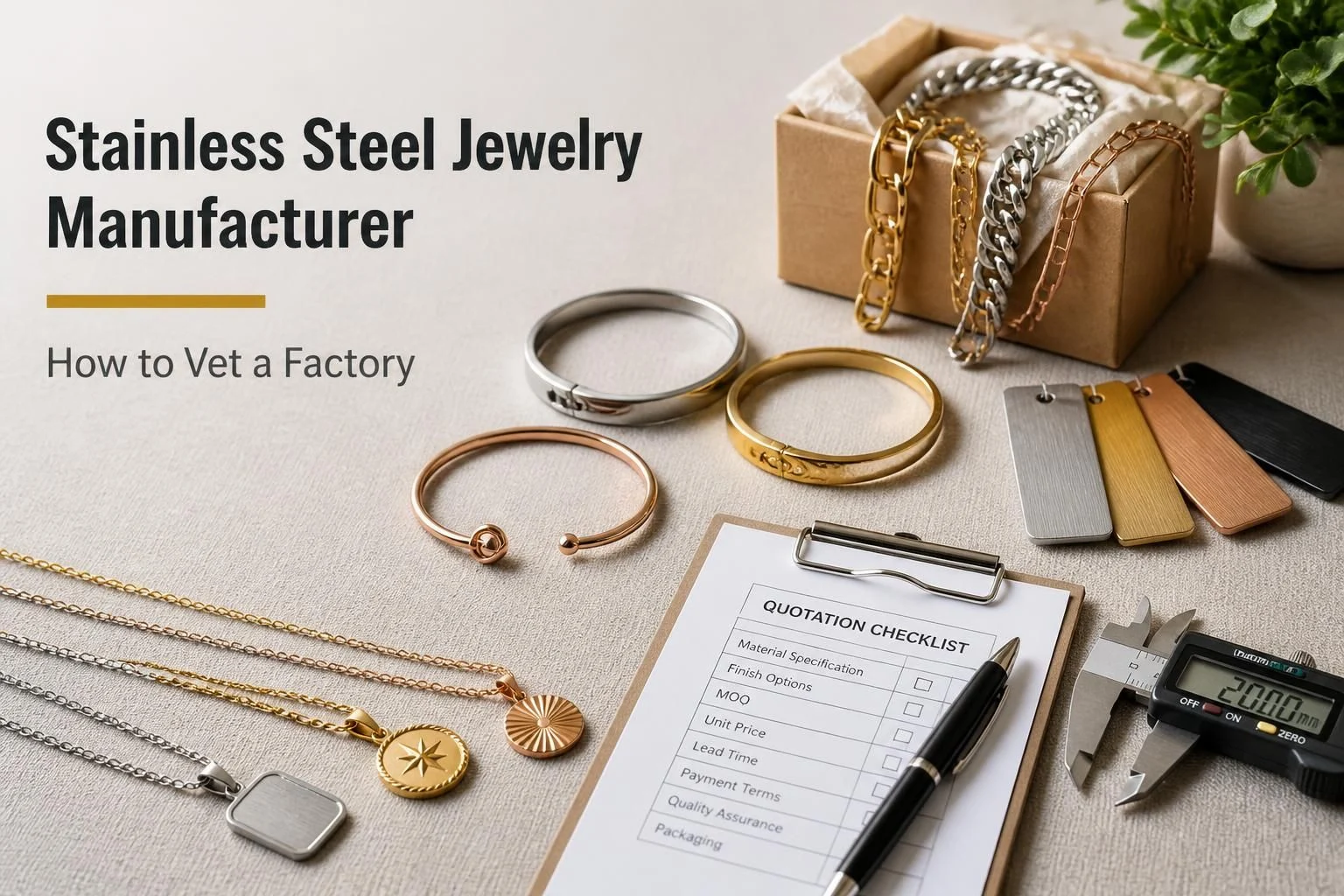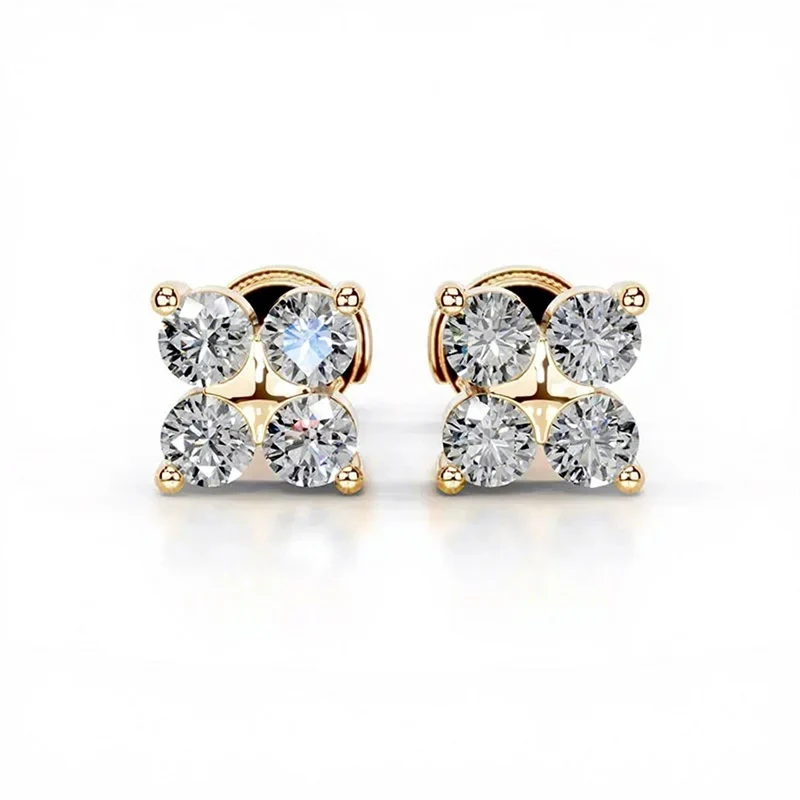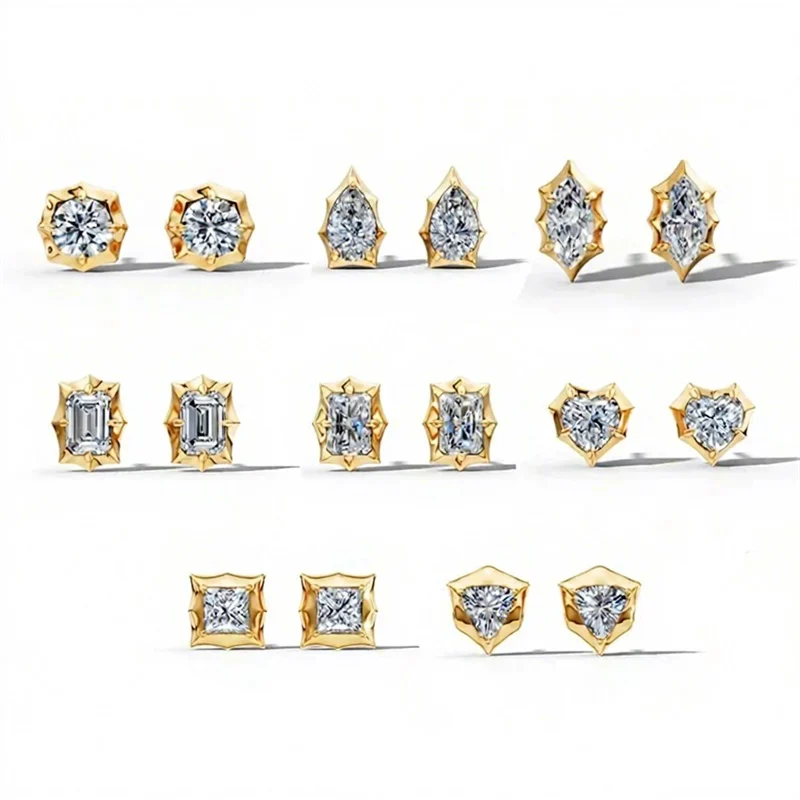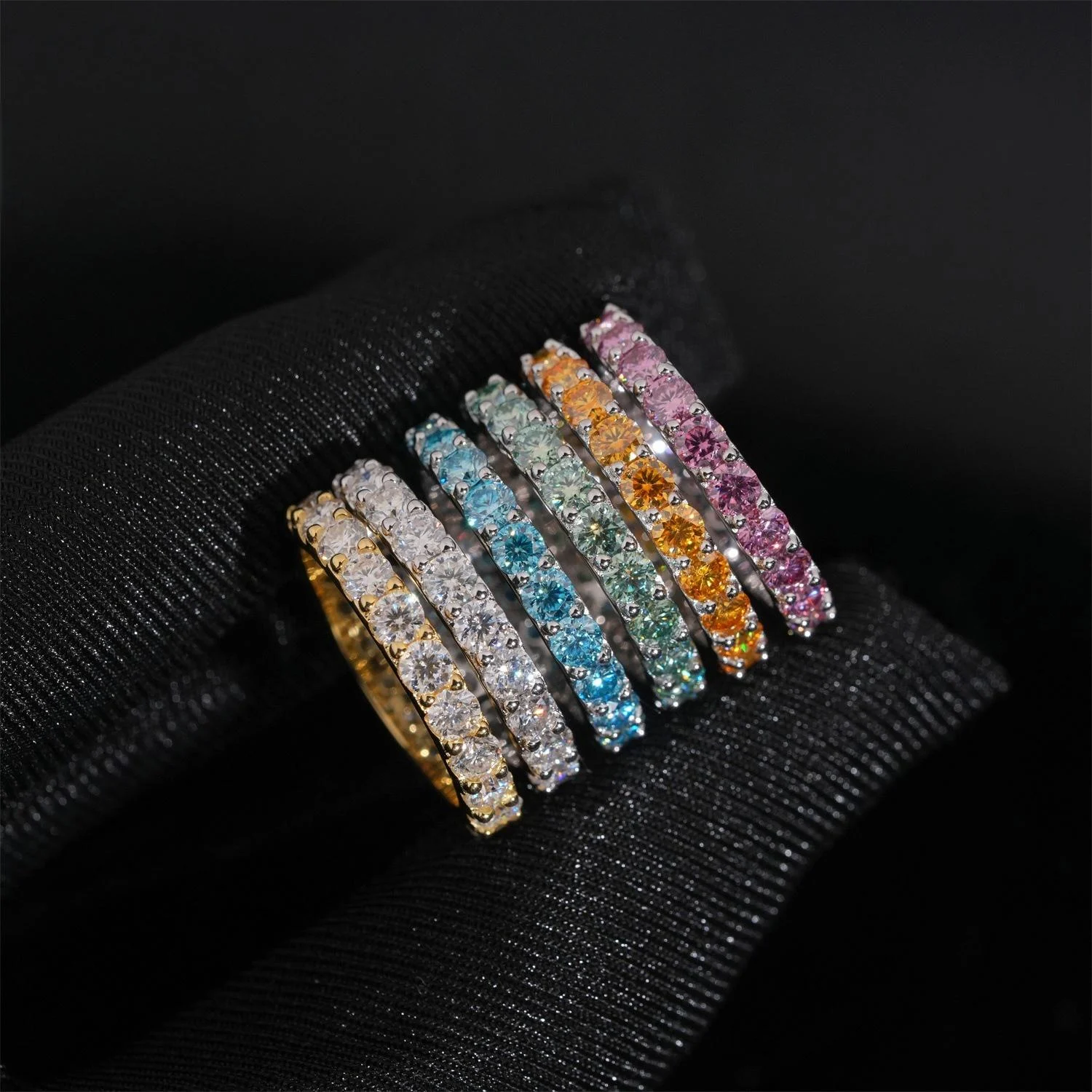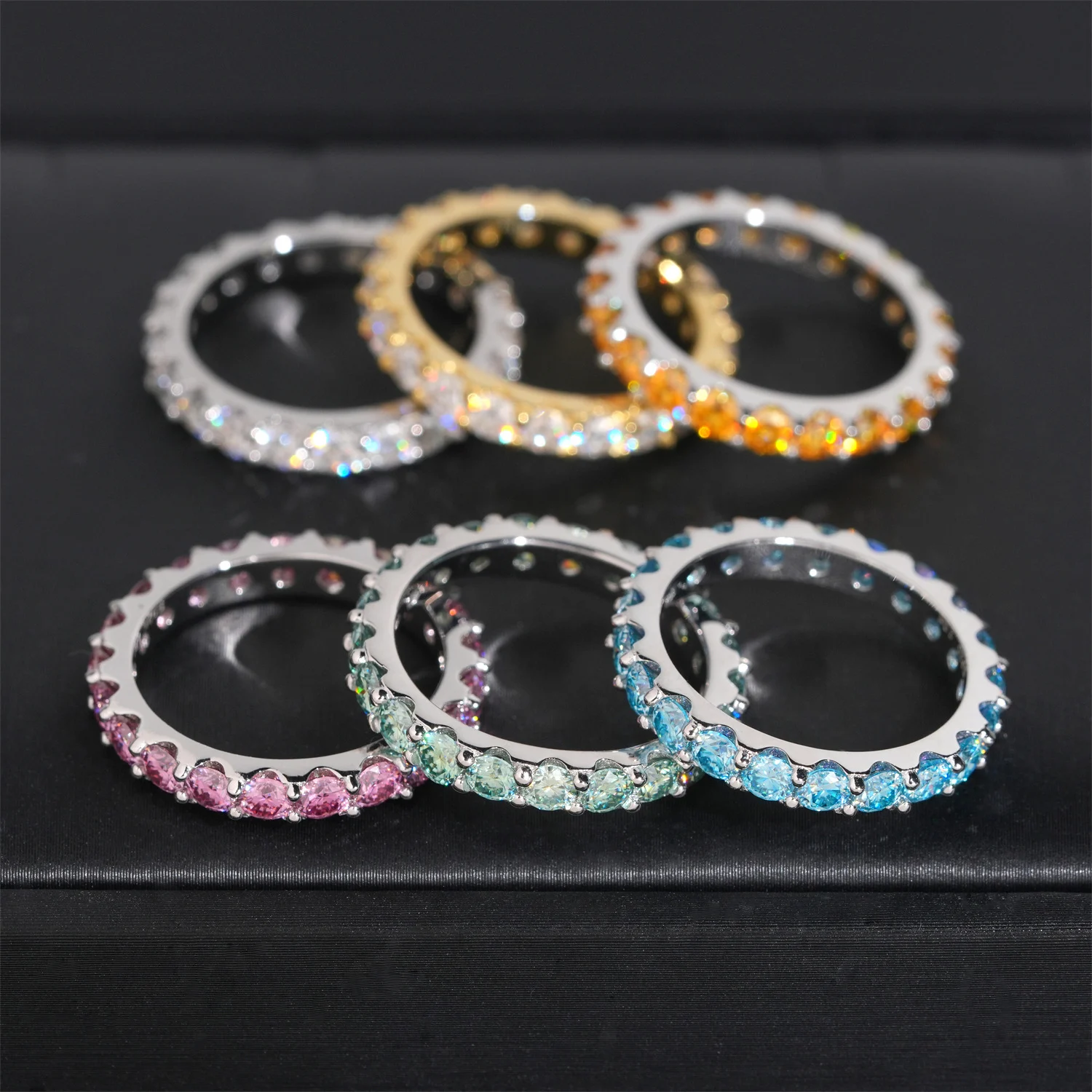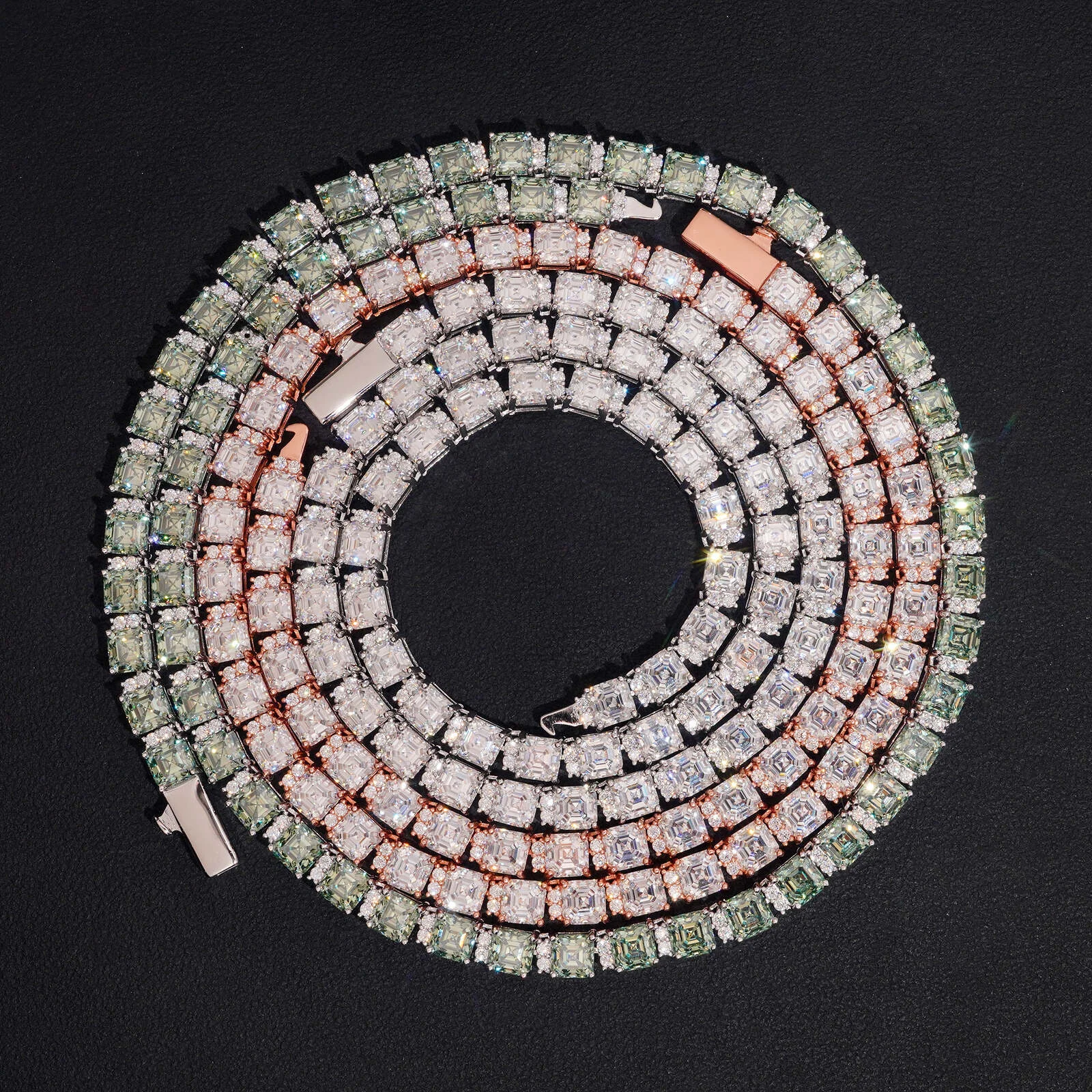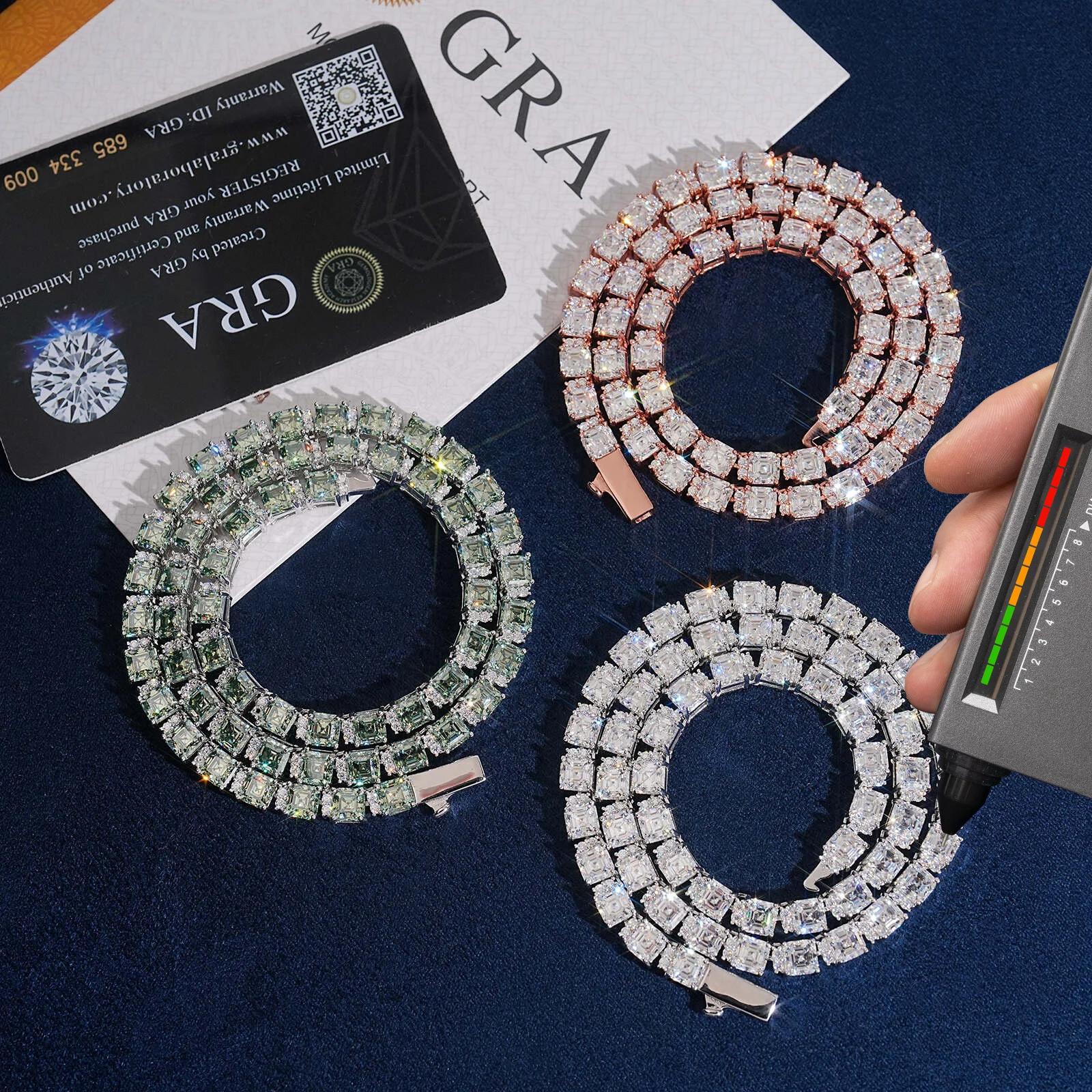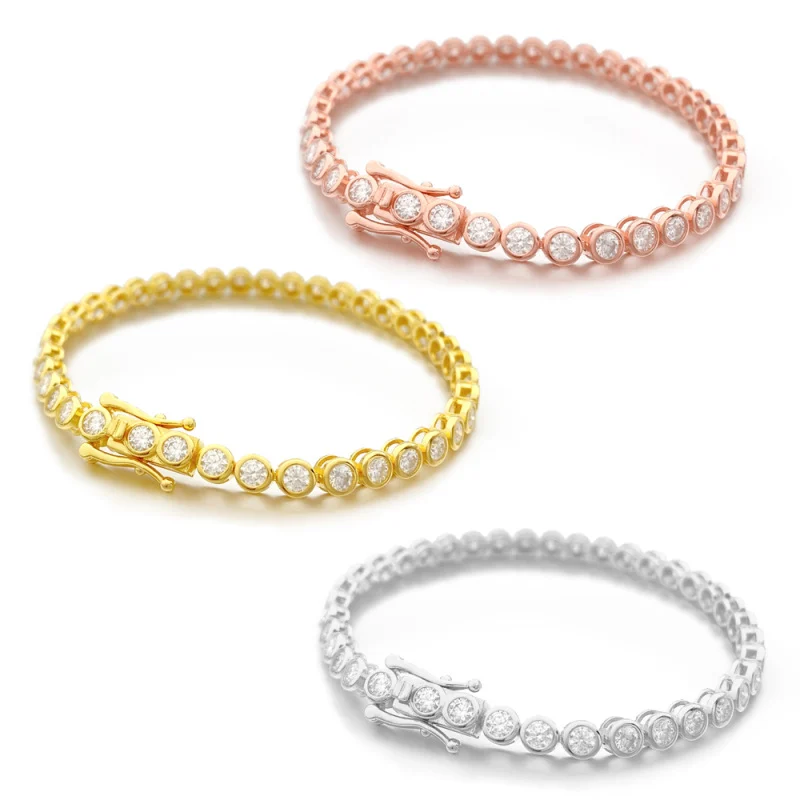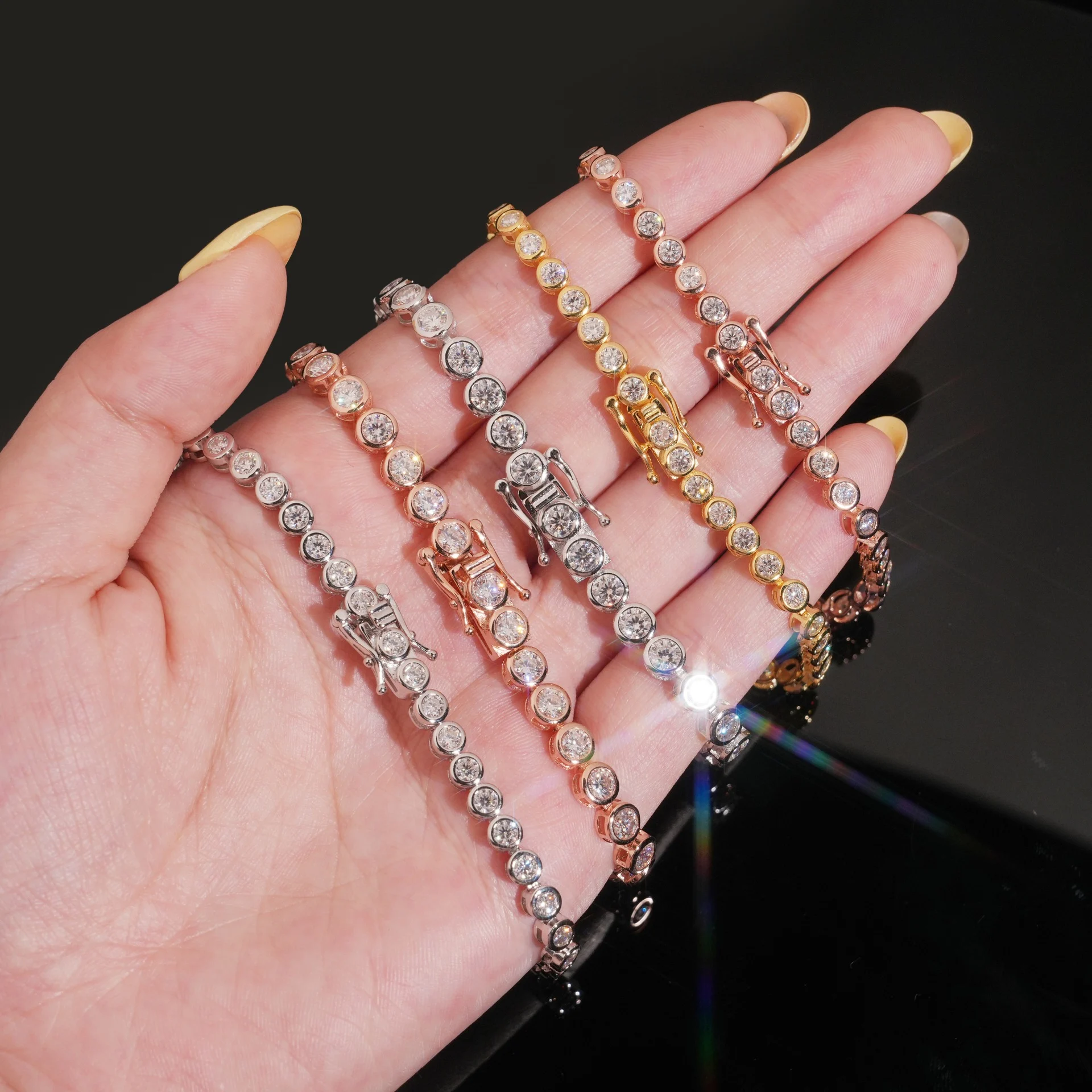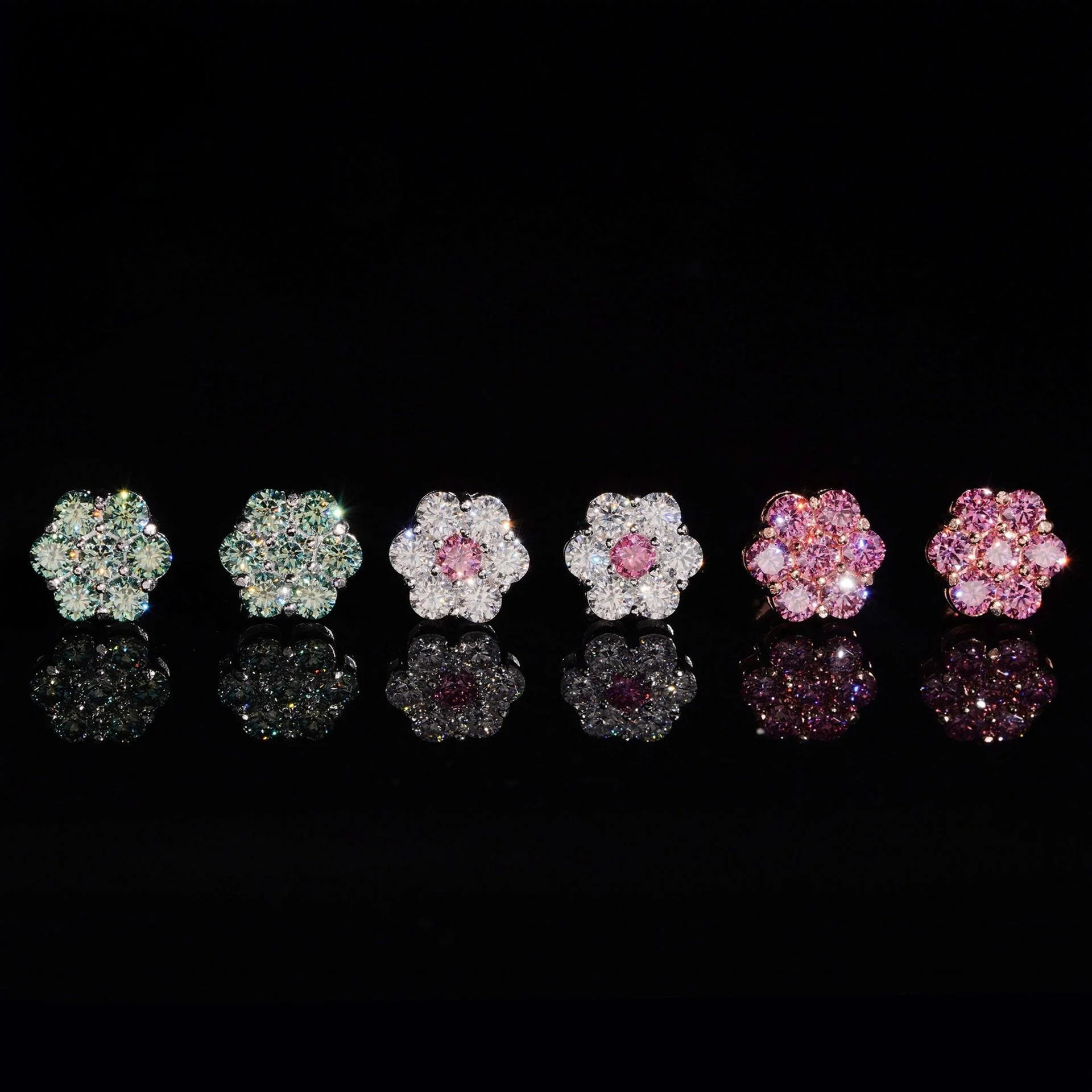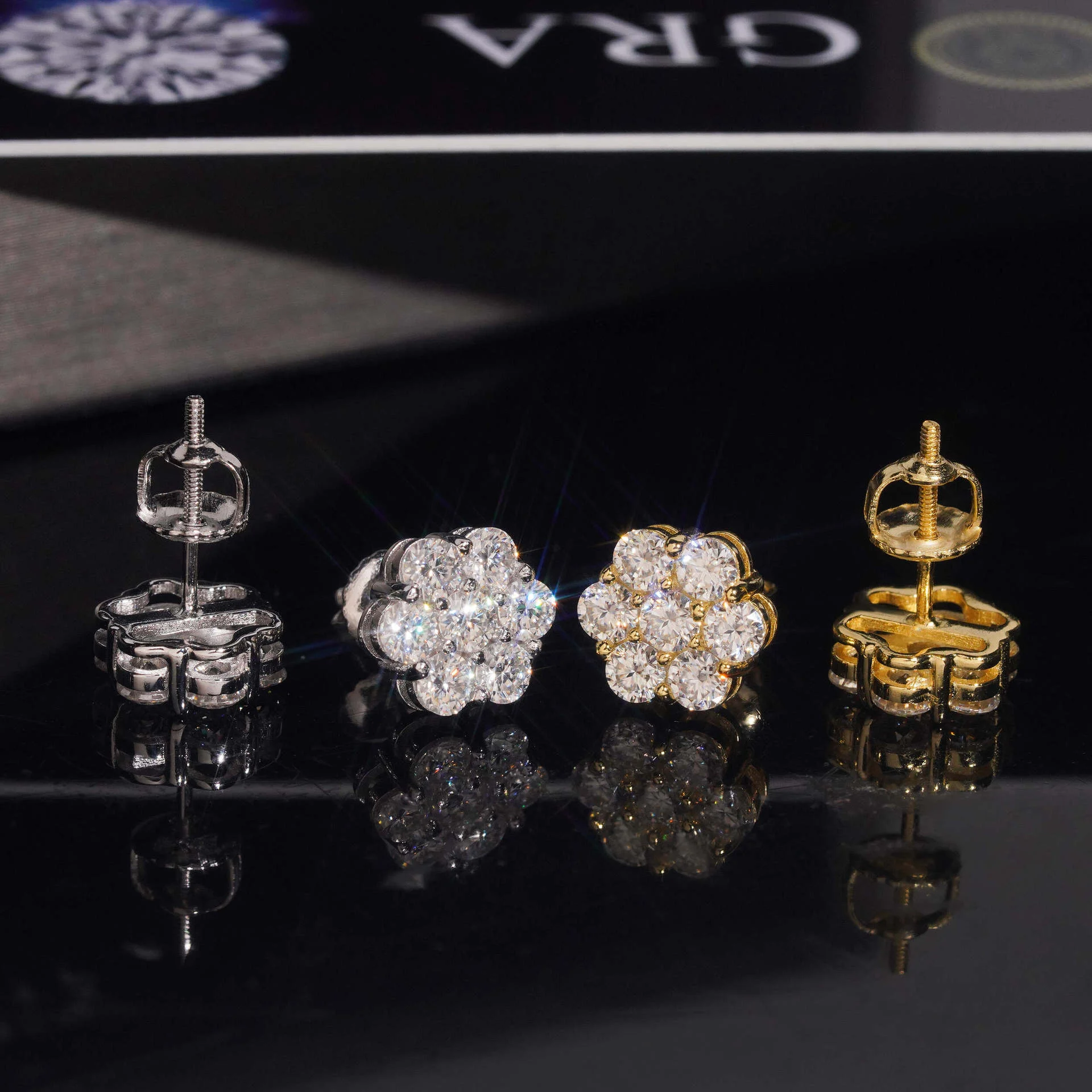








Two wholesale quotes can look similar while covering different quantities, finishes, packaging, and inspection terms. Before choosing a stainless steel bracelet supplier, define the product and the terms behind each number. That makes it easier to compare like with like and avoid surprises after sample approval.
This guide explains how to compare minimum order quantity (MOQ), plating, men’s styles, restock terms, and landed cost before placing a wholesale order. It includes a supplier comparison checklist and a reusable request-for-quotation template. For product browsing, use Leejory’s stainless steel bracelets wholesale collection; this article focuses on how to evaluate and buy. For related guidance, see wholesale buying and retail selling guide.
Key Takeaways
- Check whether MOQ applies per style, finish, size, or total mixed order.
- Specify the finish process and ask for evidence tied to the quoted product. Vague claims do not define performance.
- Compare landed cost and approve a reference sample before authorizing bulk production.
- Confirm MOQ for the selected bracelet, finish, and customization directly with the supplier.
What Affects Wholesale Stainless Steel Bracelet MOQ?
Stainless steel bracelet MOQ varies by supplier and production route. Stocked products and custom runs often use different minimums, with separate quantities for style, finish, size, logo, or packaging. Before planning an assortment, find out what the supplier’s number actually covers.
For a stocked design, the supplier may already have materials or finished goods available. A custom bracelet can require sourcing, setup, tooling, a new sample, or a separate production run. Those steps can change the minimum, even when the finished product looks close to an existing catalog style.
MOQ terms are supplier-specific and can change by product or production route. Have Leejory confirm the current minimum for the exact bracelet, finish, size, and customization. A custom order may carry a different minimum from a stocked item. For related guidance, see wholesale jewelry sourcing options.
| MOQ question | Why it matters |
|---|---|
| Is the minimum per style or for the whole order? | A mixed assortment may not count toward each style’s run. |
| Does each plating color have a separate MOQ? | Gold-tone and silver-tone finishes may be scheduled separately. |
| Is MOQ counted per size? | Size variations can require separate production quantities. |
| Are logo and custom packaging included? | Branding may have its own setup or quantity threshold. |
| Is the offer for stock or made-to-order goods? | Availability, customization, and lead time can differ. |
Treat MOQ as a production rule to clarify, not a quality signal by itself. A low minimum can help test demand, but the order still needs a sample, written specifications, and agreed inspection terms.
How Do Bracelet Design and Style Change the Quote?
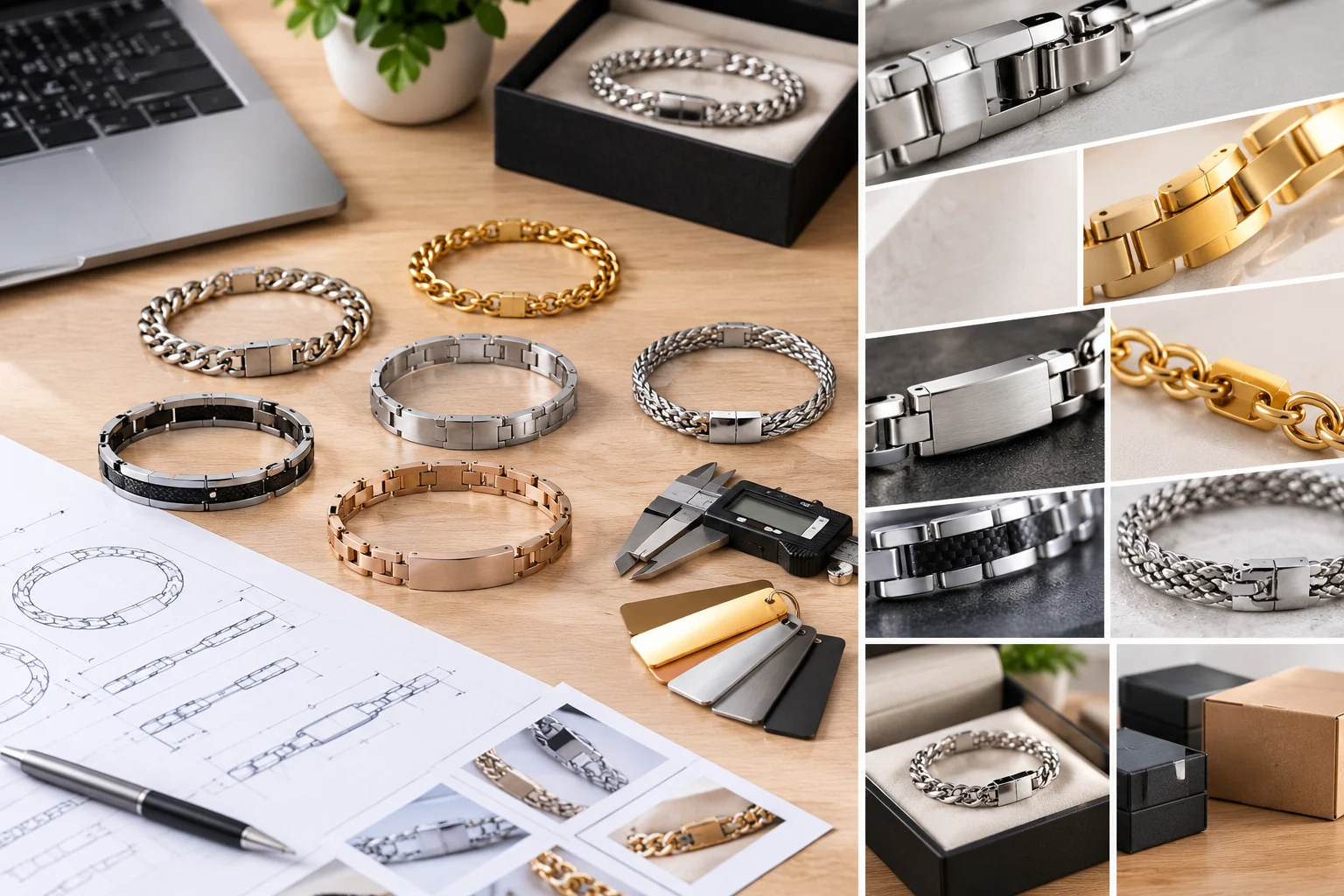
The design determines what the supplier must source, form, finish, assemble, and inspect. Link shape, bracelet weight, clasp type, dimensions, charms, stones, engraving, and packaging all affect the work. Two bracelets with similar photos may therefore have different costs and production requirements.
Start with a reference image or SKU, then add measurable details. Note the target inner circumference or length, width, approximate weight, clasp type, and any moving parts. If you are matching a sample, state which dimensions and visual features must match and which can vary within an agreed tolerance.
Be specific about the base material. Find out whether the supplier means 316L stainless steel, another grade, or only a general stainless-steel description. “Surgical steel” is often a sales term, so ask for the exact grade and product documents. The phrase alone is not a complete specification. For a broader material overview, see stainless steel jewelry. For related guidance, see jewelry material guide.
Men’s buying briefs usually specify width, length, weight, clasp, and visual scale. For a Cuban link, record the link width and profile as well as wrist length. For a tennis bracelet, specify stone dimensions, setting, clasp security, and whether replacement stones or repairs are available. These details define the order; they do not make one style or grade inherently better.
Name the clasp type in the brief, such as lobster, box, fold-over, spring ring, or toggle. The choice affects the look and how the bracelet closes. Ask for a sample or detail photo when a catalog label is unclear.
Get like-for-like prices for each construction and quantity tier. A slim chain, wide Cuban link, and stone-set tennis bracelet use different components and labor. A single “men’s bracelet” price band says little without a defined specification.
Logo and packaging change the quote too. A logo tag, engraved clasp, branded card, pouch, and retail box are separate production tasks. Put each option on its own line so the product cost remains easy to compare with the branded version.
RFQ product specification
- Product photo, sample, or supplier SKU
- Material and any required documentation
- Bracelet length, width, target weight, and clasp
- Finish color and supplier-declared process
- Logo, engraving, stones, or other custom details
- Quantity per style and per finish
- Packaging type and branding requirements
- Destination country and requested delivery window
Send the same specification to every supplier. Otherwise, a quote comparison can be misleading.
Which Plating Questions Should Buyers Ask?
“Gold plated,” “waterproof,” and “tarnish-proof” do not fully describe a bracelet finish. Have the supplier name the process used on the product, state the coating specification and measurement method, and say whether a topcoat is included. Ask for relevant technical documents or test evidence.
PVD coating and electroplating describe different processes, but neither name guarantees a particular wear result. Performance also depends on construction, surface preparation, coating specification, quality control, and use. The quote should state the process used and how the production finish will be checked against the approved sample.
For a documented test method, ISO 9227 specifies salt-spray testing for assessing corrosion resistance in metallic materials. A salt-spray result does not predict a fixed number of years in daily wear. Get the report, test conditions, sample identification, and acceptance criteria. A generic certificate cannot prove that every bracelet finish will perform the same way. For related questions, see the plated jewelry buyer’s guide.
Market requirements matter too. In the EU, REACH Annex XVII, entry 27 restricts nickel release from specified articles intended for direct and prolonged skin contact. If you sell in the EU, check the applicable requirements and ask for evidence covering the relevant components. See Leejory’s nickel release and REACH documentation when that page matches your product and destination market.
| Ask the supplier | Record in the quote or specification |
|---|---|
| What process creates this color on this bracelet? | Supplier-declared process and finish name |
| What coating requirement is agreed? | Specification, unit, and measurement method, if applicable |
| Is there a topcoat or other finishing step? | Included process steps |
| What documentation or test evidence is available? | Report name, product scope, and date |
| Does each finish have a separate MOQ? | Minimum per color or finish |
| How will bulk color be compared with the approved sample? | Reference sample and acceptable variation |
| What care or warranty terms apply? | Written terms and exclusions |
Inspect the approved sample under neutral lighting. Check for uneven color, visible marks, rough edges, and differences between components such as the chain, clasp, and charm. Keep a dated reference sample and photos so production can be compared against the same standard.
Avoid calling a finish permanently wear-proof unless product-specific evidence and test conditions support the claim. Tie terms such as “tarnish-resistant” to a defined test or warranty scope. A warranty helps, but read it with the exclusions and remedy.
How Should You Compare Wholesale Bracelet Price Tiers?
The unit price is only one part of the purchase cost. A quote may include or exclude sampling, tooling, logo work, packaging, inspection, freight, insurance, duties, taxes, payment fees, and replacement of defective units. Have the supplier separate these items so the total commitment is visible.
For planning, calculate landed cost per sellable unit:
Landed cost per sellable unit = (goods + setup/tooling + packaging + inspection + freight + duties/fees + expected rework) ÷ sellable units
Illustrative example only; these are not Leejory prices or a market benchmark. Assume a 100-piece order has a goods value of $600, setup of $80, packaging of $50, freight and fees of $170, and an estimated $30 rework allowance. The estimated total is $930, or $9.30 per sellable unit if all 100 units pass inspection. If only 95 units are sellable, the same $930 cost becomes about $9.79 per sellable unit. Replace every input with written quotes, actual charges, and your own yield assumptions.
This is a comparison framework, not a market price estimate. Use actual supplier quotes and shipping or duty estimates for your order. If an order includes samples, setup, or shared freight across several SKUs, decide how you will allocate those costs before comparing margins.
Get prices at quantities you could realistically order: an initial test, a first bulk buy, and a likely reorder. Compare the unit-price change with the cash tied up in inventory and the cost per sellable piece. A lower unit price can still create a larger commitment. Have suppliers separate stock and custom-production pricing.
Which suppliers can quickly restock no-MOQ stainless steel bracelets?
“No MOQ” may mean one stocked unit, a mixed basket, a sample order, or a dropship arrangement. It does not mean every design and finish can be replenished without a minimum. Restock speed also depends on live stock, reserved inventory, production capacity, and shipping time. Before relying on the claim, get the exact SKU, available quantity, reorder minimum, stock update frequency, and replenishment lead time in writing.
For Leejory products, check current stock and reorder terms for the selected bracelet. A category page does not establish a no-MOQ or rapid-restock guarantee. Use those descriptions only after the supplier confirms the minimum, stock position, cutoff time, and dispatch window for the exact SKU.
| Quote line | Confirm before comparing |
|---|---|
| Product unit price | Exact style, material, finish, and quantity tier |
| Sample and setup | Whether sample fees or tooling are refundable or reusable |
| Branding and packaging | What is included and the MOQ for each option |
| Quality inspection | Inspection scope, timing, and who pays |
| Freight and insurance | Shipping method, delivery terms, and included charges |
| Defects and rework | Reporting window, evidence required, and remedy |
How Can You Compare Supplier Quotes Fairly?
A fair comparison begins with identical product specifications, quantities, packaging, and delivery assumptions. If one supplier quoted a stock silver-tone bracelet and another quoted a custom gold-tone run, their unit prices do not describe the same offer. Normalize the details before comparing the totals.
Use a quote sheet with one column per supplier and one row per term. Record unanswered questions instead of filling gaps with assumptions. Pay particular attention to MOQ basis, material grade, finish process, sample approval, production and restock lead times, payment schedule, inspection, shipping terms, and defect remedies. A separate manufacturer-vetting article can expand on factory capability once it is published.
Treat terms such as “premium plating,” “waterproof,” and “best quality” as prompts for clarification. Ask what specification or written commitment supports each phrase. If a supplier cannot provide a requested report, record the evidence available and decide whether it meets your product and market needs.
Side-by-side comparison fields:
| Field | Supplier A | Supplier B |
|---|---|---|
| Style and product specification | ||
| MOQ by style and finish | ||
| Unit price at matched quantities | ||
| Sample cost and approval method | ||
| Finish process and documentation | ||
| Packaging and logo charges | ||
| Lead time and shipping terms | ||
| Inspection and defect remedy | ||
| Estimated landed cost |
Ask for revised quotes when an important field differs. A short follow-up can prevent a false comparison and make the purchase order more precise.
What Should You Inspect Before Approving a Bulk Order?
Inspect the sample against the production specification. Check dimensions, weight, clasp operation, link security, sharp edges, finish consistency, logo position, and packaging. Record the result with clear photos and measurements rather than relying on a general impression that the sample looks right.
For EU-bound products, make compliance a separate gate from appearance. REACH nickel-release restrictions apply to specified articles in prolonged direct skin contact; a visual sample review cannot establish compliance. Identify which components contact skin and request documentation or test evidence that matches the supplied product and intended market.
Test the clasp repeatedly and check that connected parts move as intended. Look at the bracelet from several angles under neutral light. Compare color across the chain, clasp, charms, and any other components. Note scratches, rough contact points, gaps, loose stones, or parts that snag fabric.
Once accepted, identify the sample by date or reference number. State that bulk production should match it within agreed tolerances. Decide who approves changes to materials, components, color, or packaging. Ask what evidence will be available before shipment, such as production photos or an inspection record.
The sample gives you a quality baseline, but it cannot prove every production unit will be identical. For a larger or higher-risk order, agree on an inspection plan and defect remedies before production starts. Keep the approved sample, specification, quote, and purchase order together.
How Do You Request a Wholesale Bracelet Quote?
Send suppliers enough information to quote the same product and commercial terms. Include the reference style, quantity per style and finish, dimensions, material requirements, logo, packaging, destination, and target delivery window. If you have a target retail price or margin, you can share it as context, but still request the supplier’s itemized quote.

For stocked designs, browse Leejory’s stainless steel bracelets wholesale collection and include the product reference in your request. For original designs or private-label work, see the OEM and ODM production page and confirm the current bracelet-specific MOQ, sample process, and lead time with the team.
Copyable request:
Please quote [quantity] pieces of [style/SKU or attached design] in [material/finish]. Please confirm MOQ per style and finish, unit price at [quantity tiers], sample cost, logo and packaging charges, production lead time, available finish documentation, shipping terms to [country/postcode], inspection process, and defect remedy. Please identify any assumptions or exclusions.
Frequently Asked Questions
What is the MOQ for stainless steel bracelets?
The answer depends on the supplier and on whether the bracelet is stocked or custom. Check whether the minimum applies per style, finish, size, or total order. Have Leejory confirm the current MOQ for the exact bracelet and requested customization before you plan the order.
How much do wholesale stainless steel bracelets cost?
No single price is useful without a product specification and quantity. Design, material, finish, branding, packaging, inspection, shipping, and duties all affect the total. Send the same RFQ to each supplier and compare itemized landed costs instead of headline unit prices.
Is PVD plating better than electroplating for bracelets?
Neither process name alone tells you which bracelet will perform better. Find out how the finish is made, what specification applies, what evidence is available, and how production will be checked against the sample. Consider the design, intended use, budget, and supplier’s written terms.
Does gold plating wear off stainless steel bracelets?
Surface finishes can wear with use. The result depends on the process, coating specification, construction, exposure, and care. Ask for product-specific evidence and written warranty terms. Do not rely on a guaranteed lifespan unless the test conditions and coverage are clear.
What should I send a supplier to get an accurate quote?
Provide a product reference or drawing, quantity per style and finish, material requirements, dimensions, clasp, color, logo, packaging, destination, and requested delivery window. Also ask for MOQ basis, sample cost, inspection terms, shipping charges, and remedies for defects.
Make the First Order Comparable and Inspectable
Wholesale stainless steel bracelet sourcing gets easier when every quote describes the same item. Define what MOQ counts, specify the finish, list every cost, and approve a sample against written criteria before bulk production. Those steps help you compare suppliers on the order you will actually receive, not on an isolated unit-price figure.