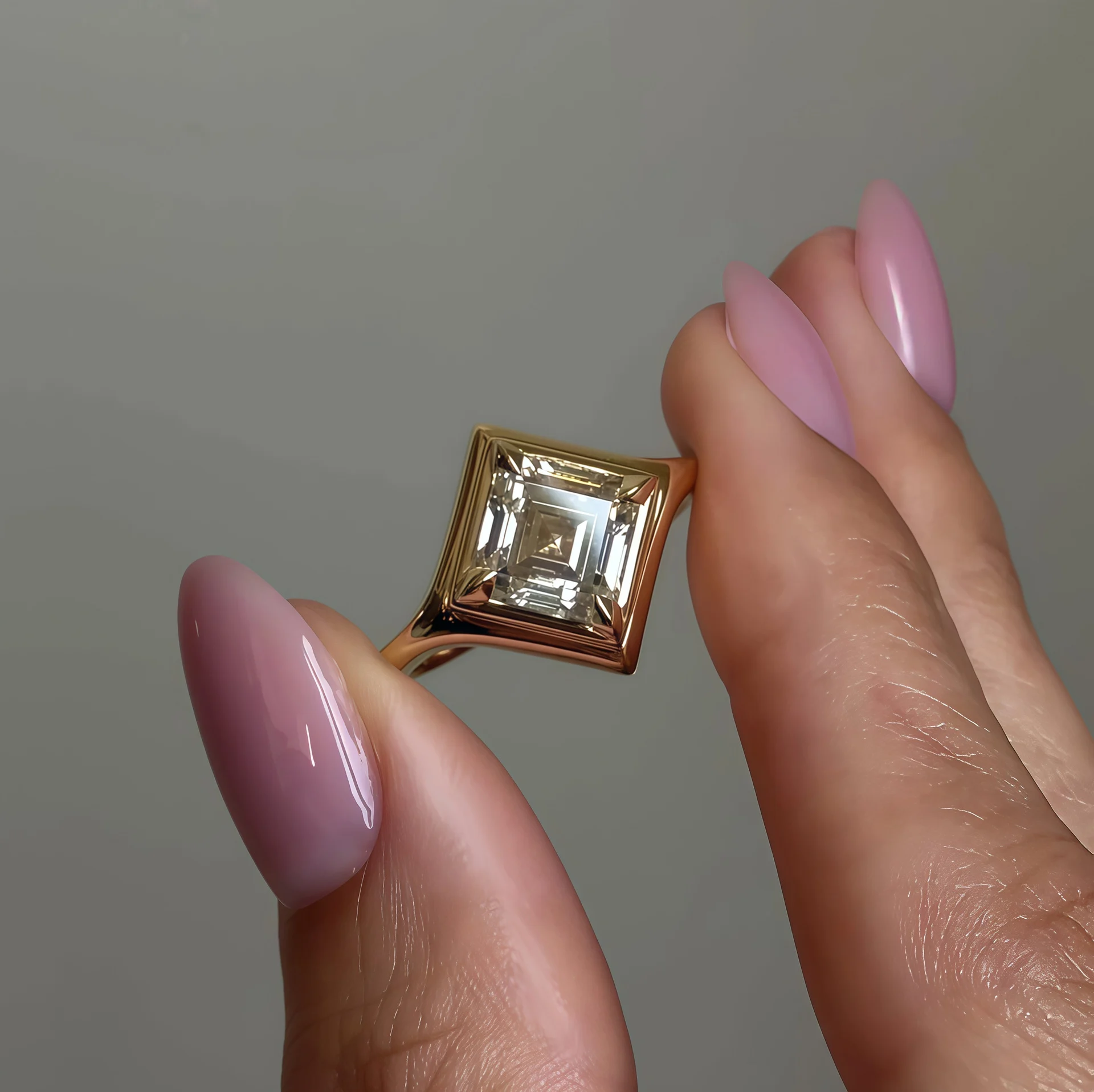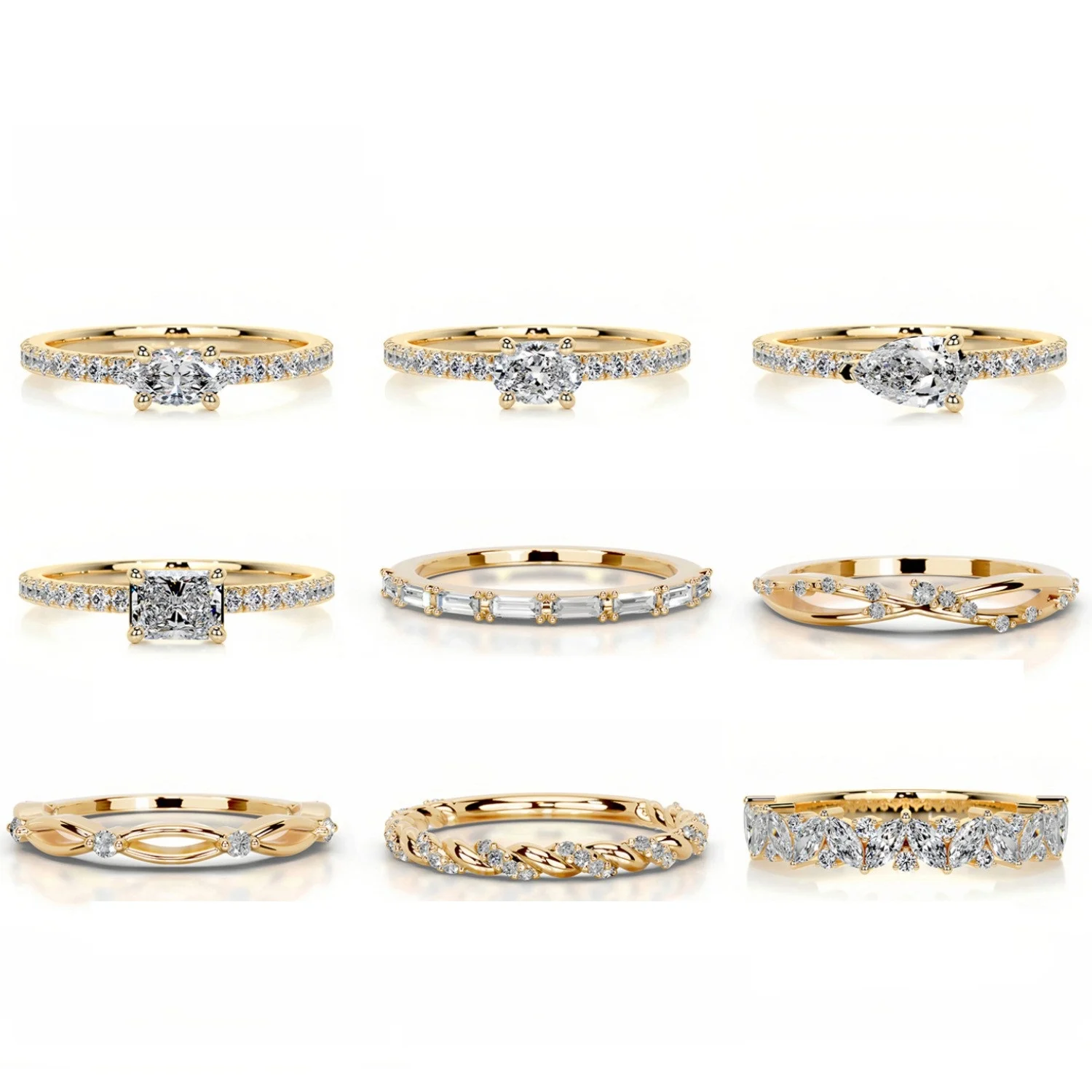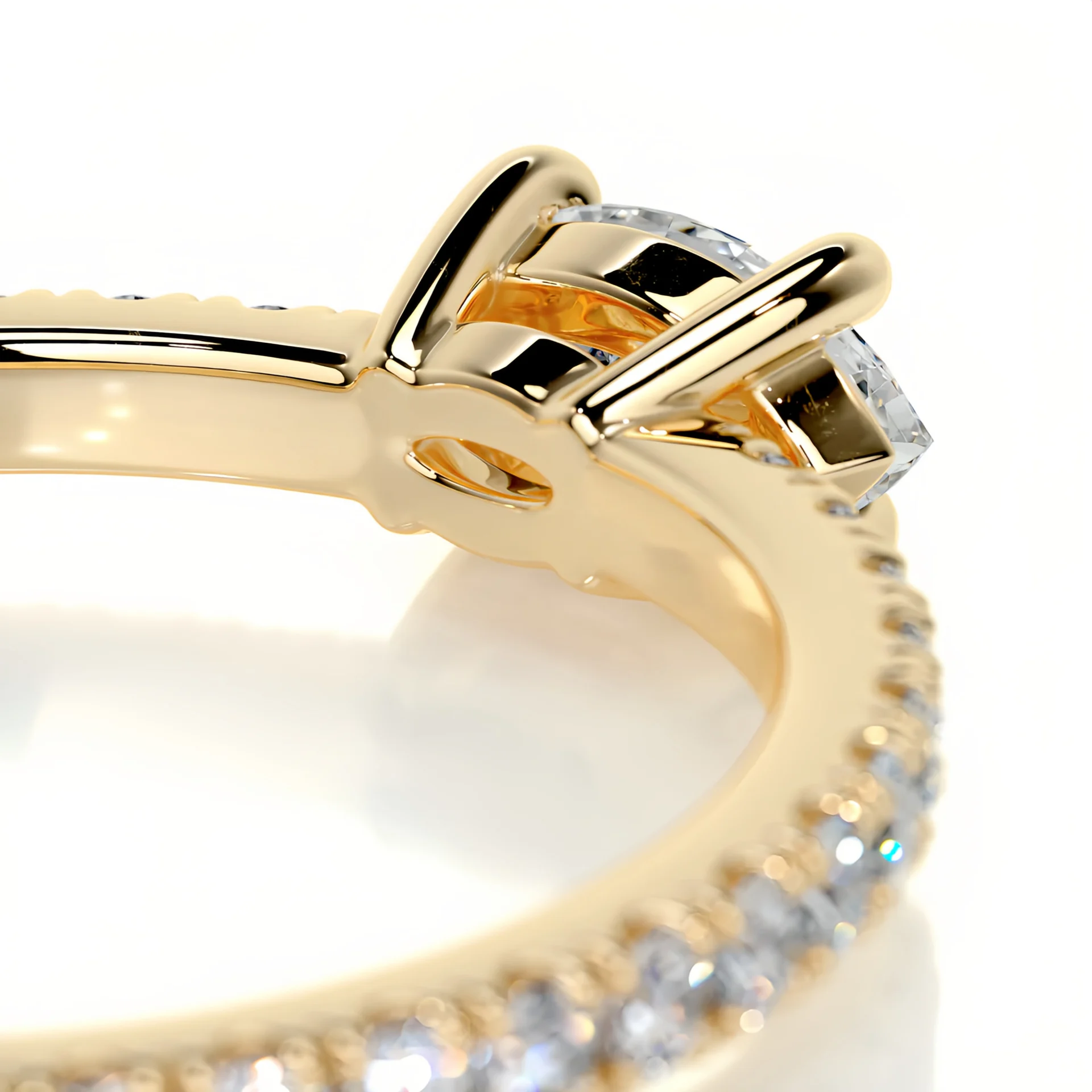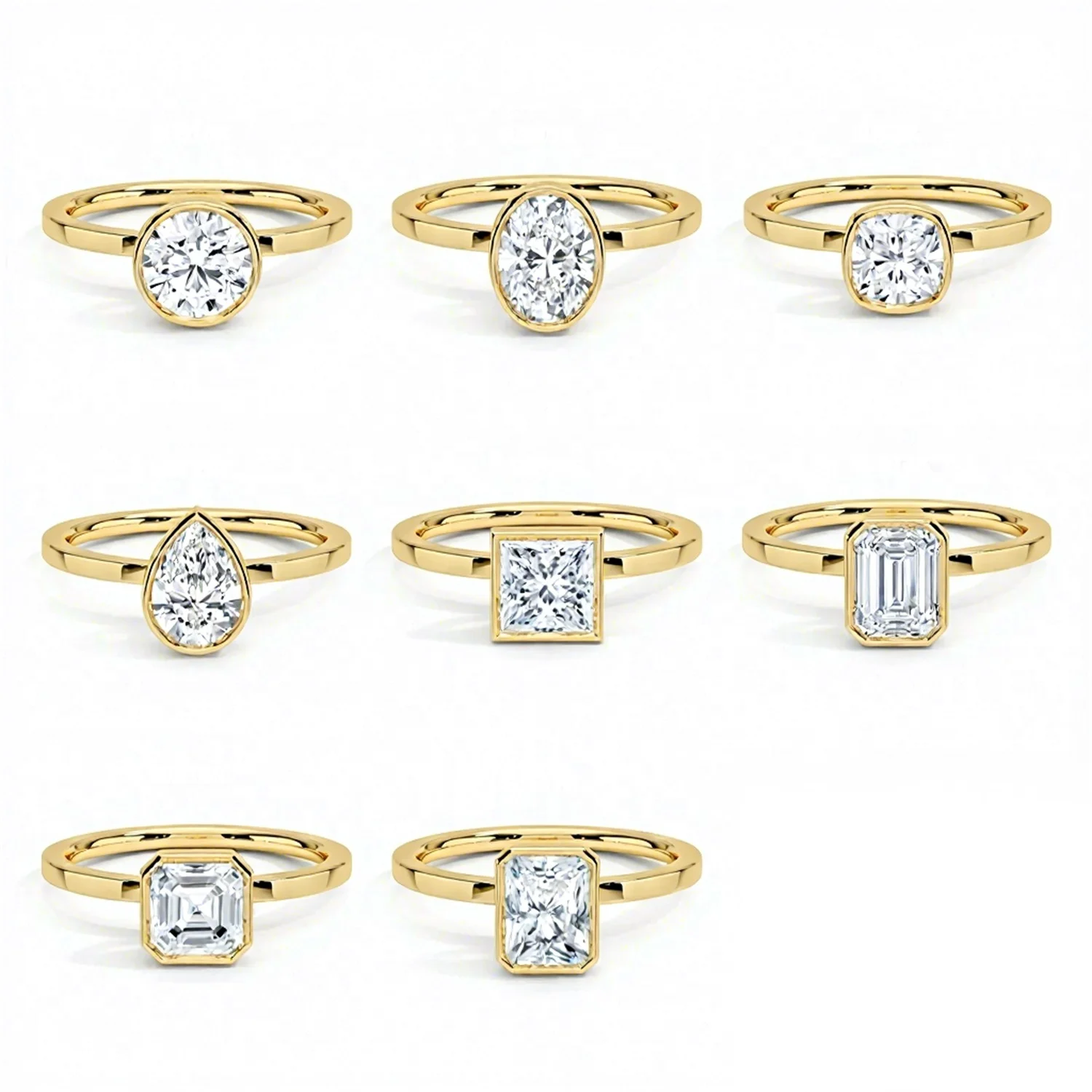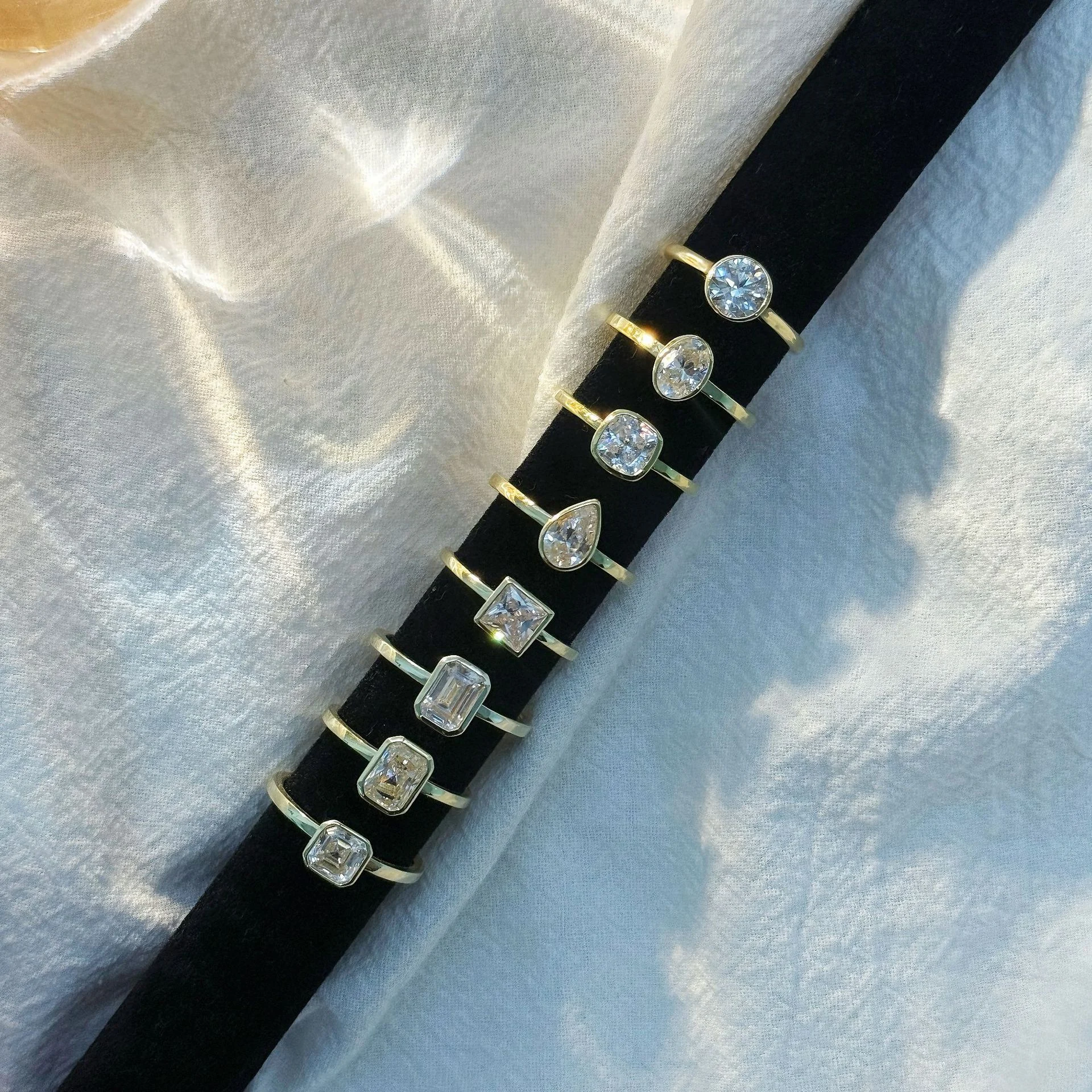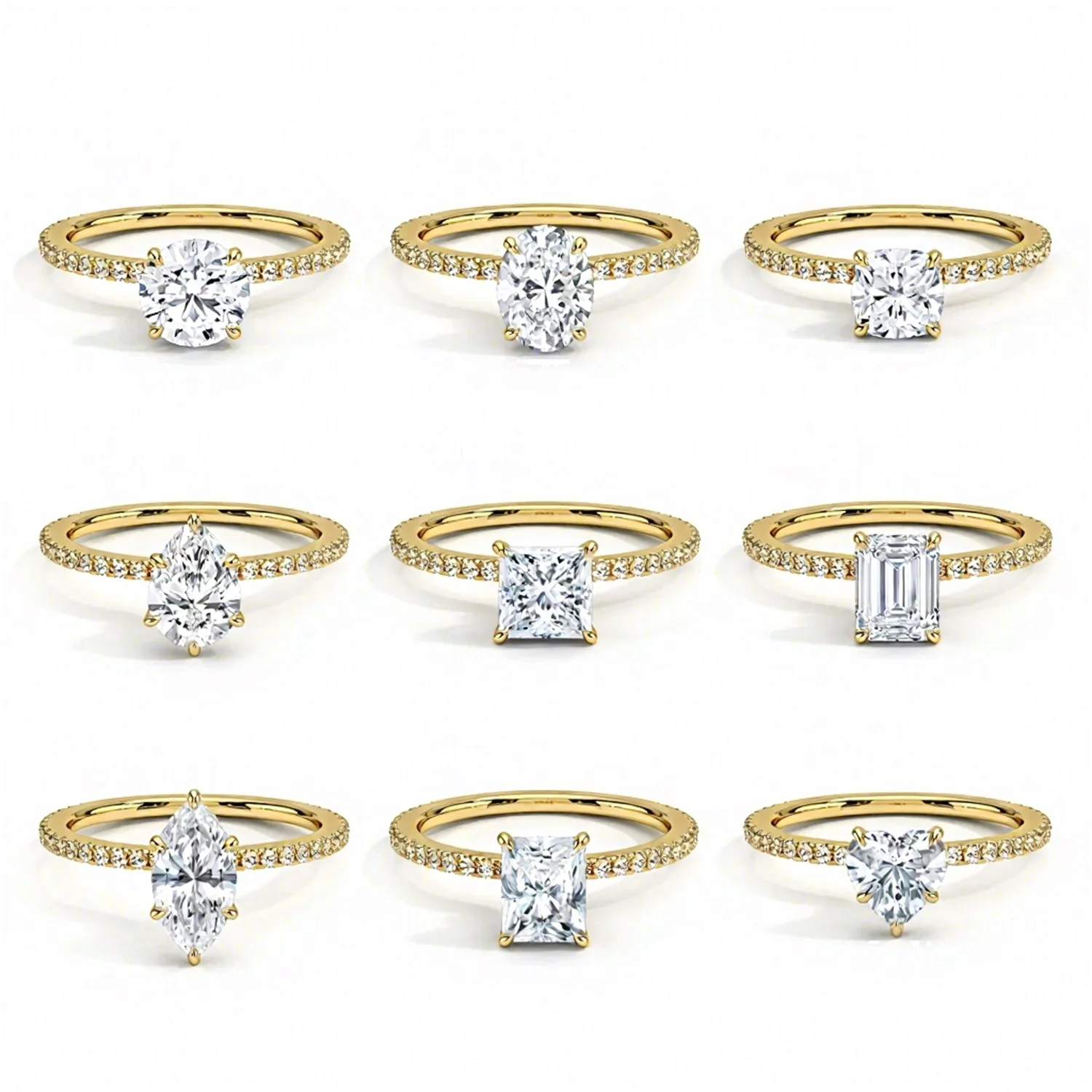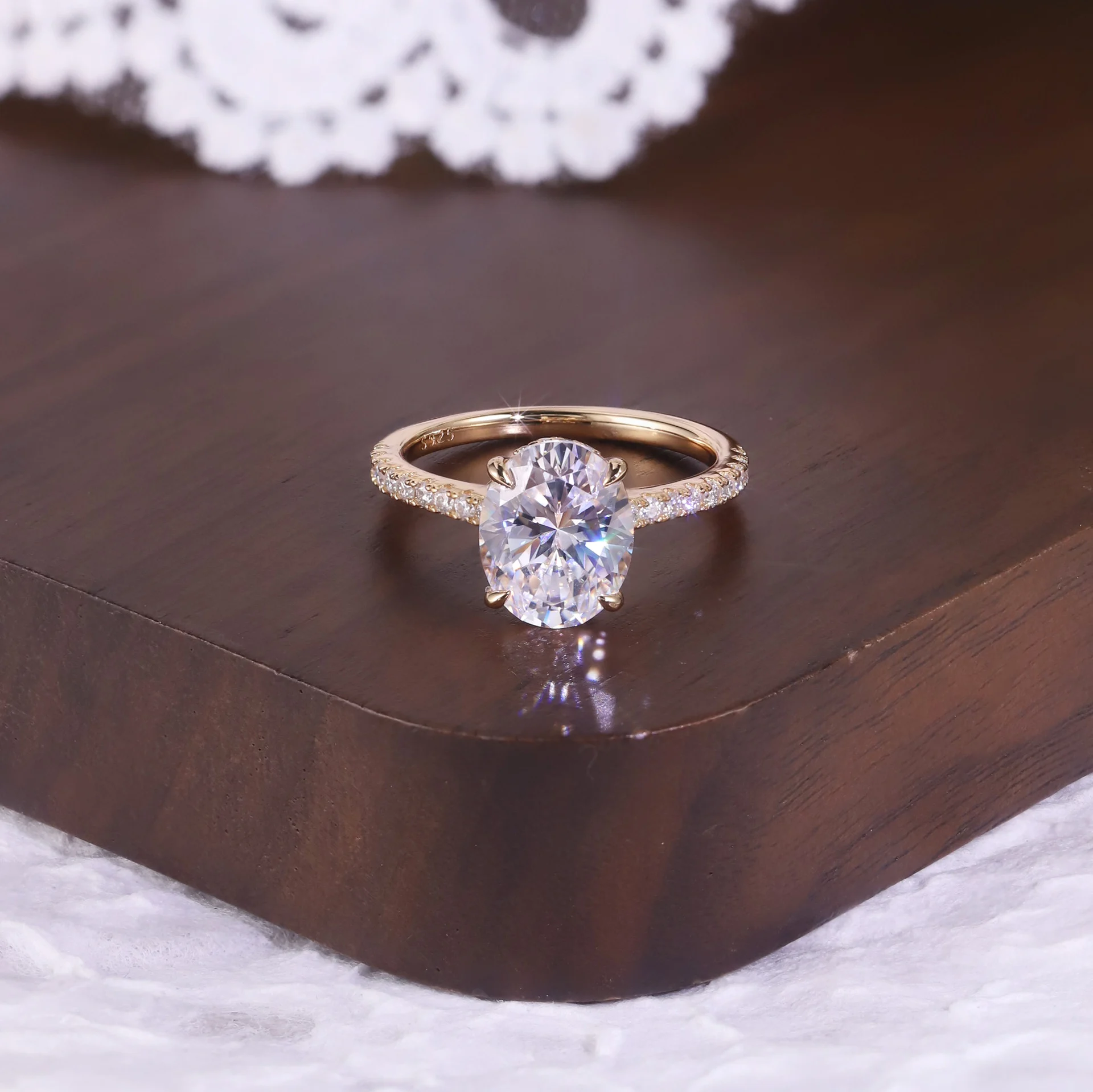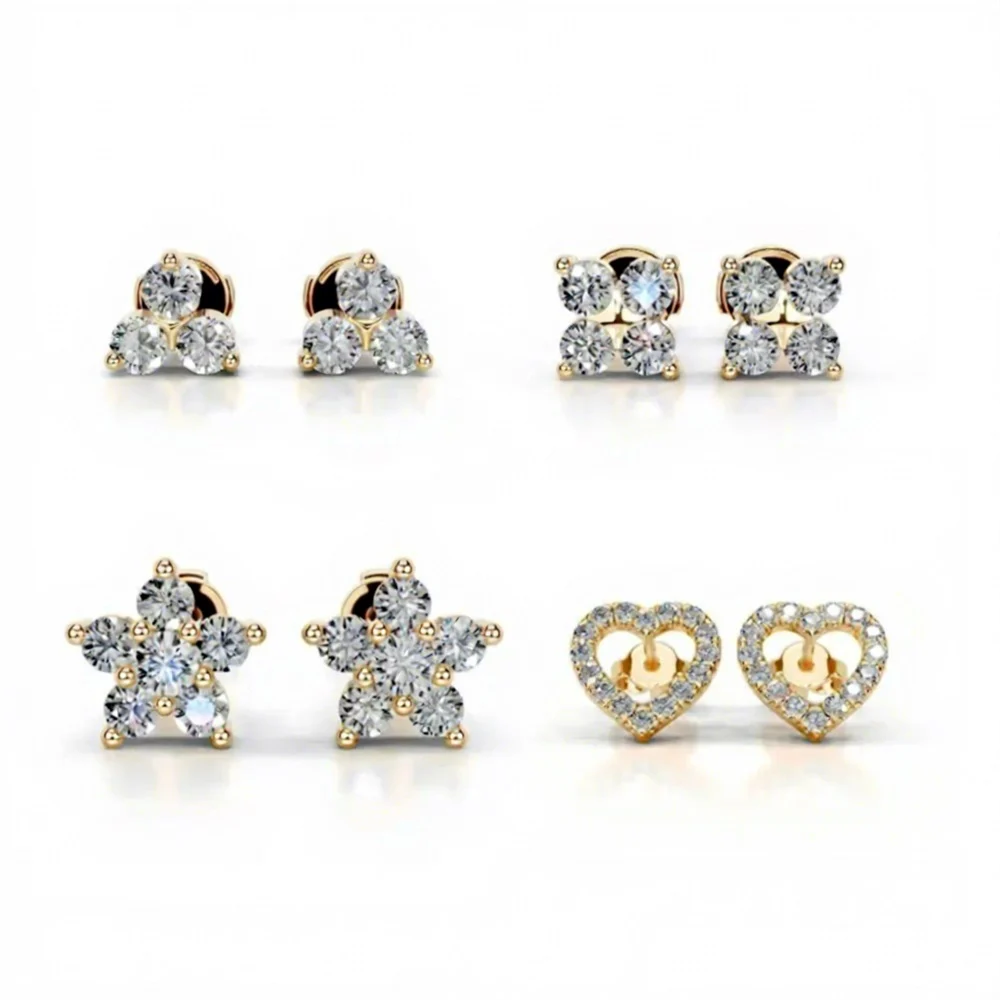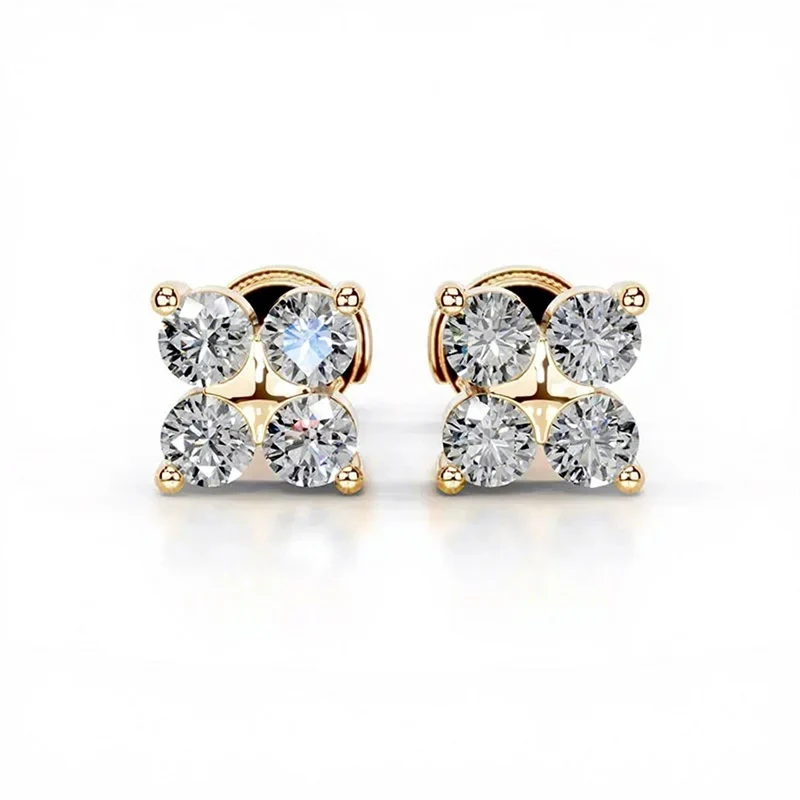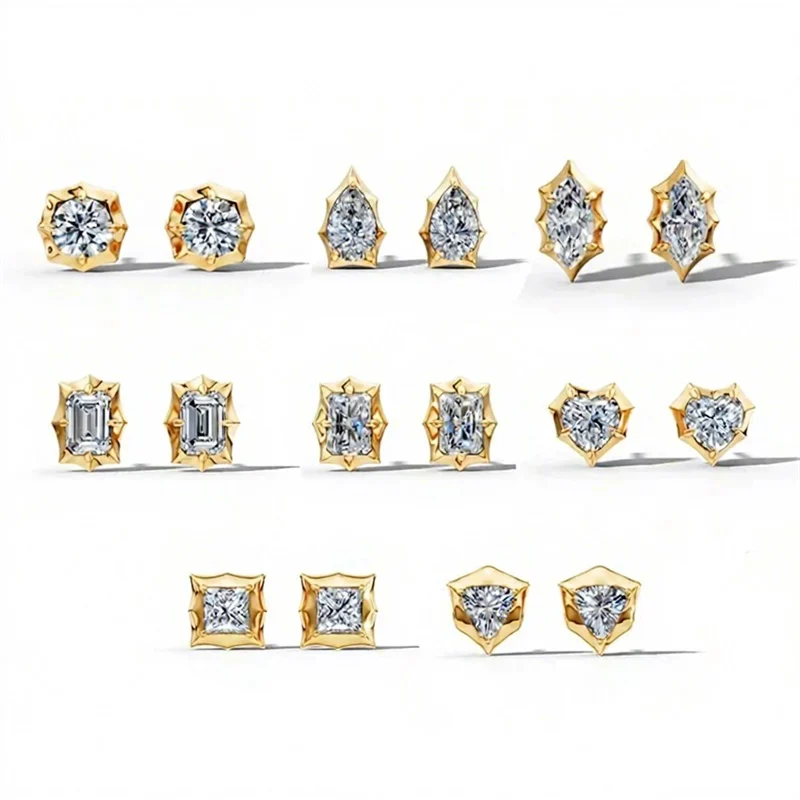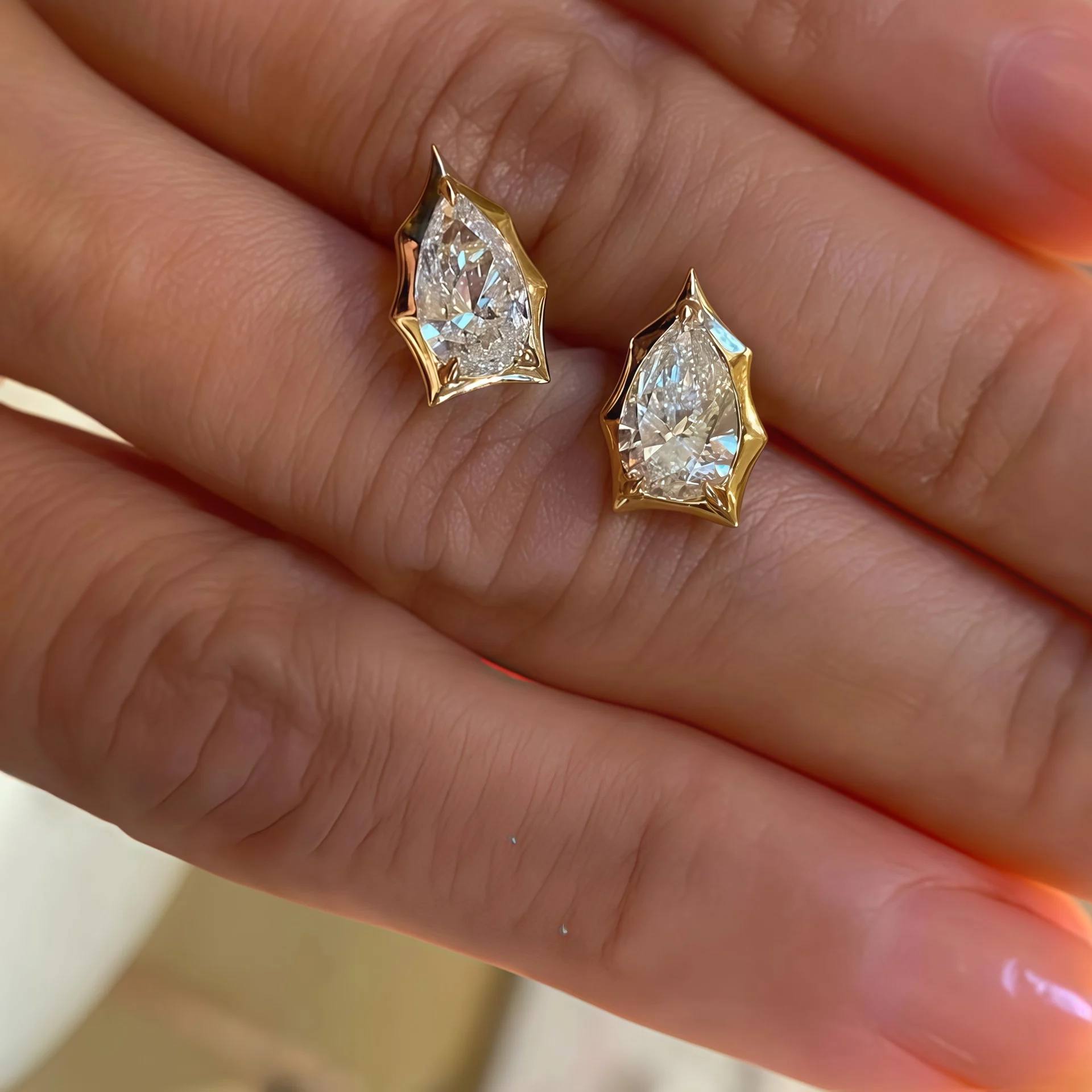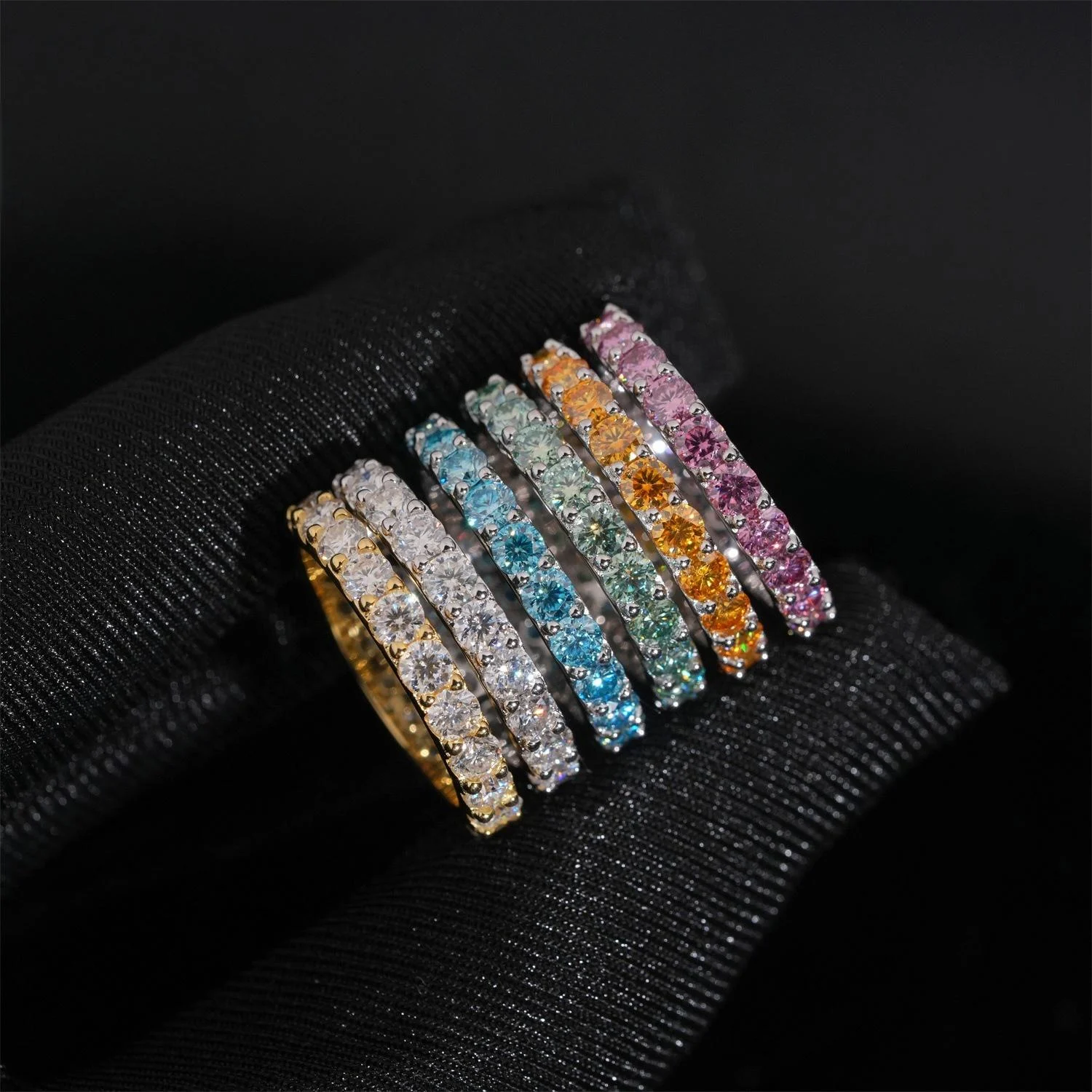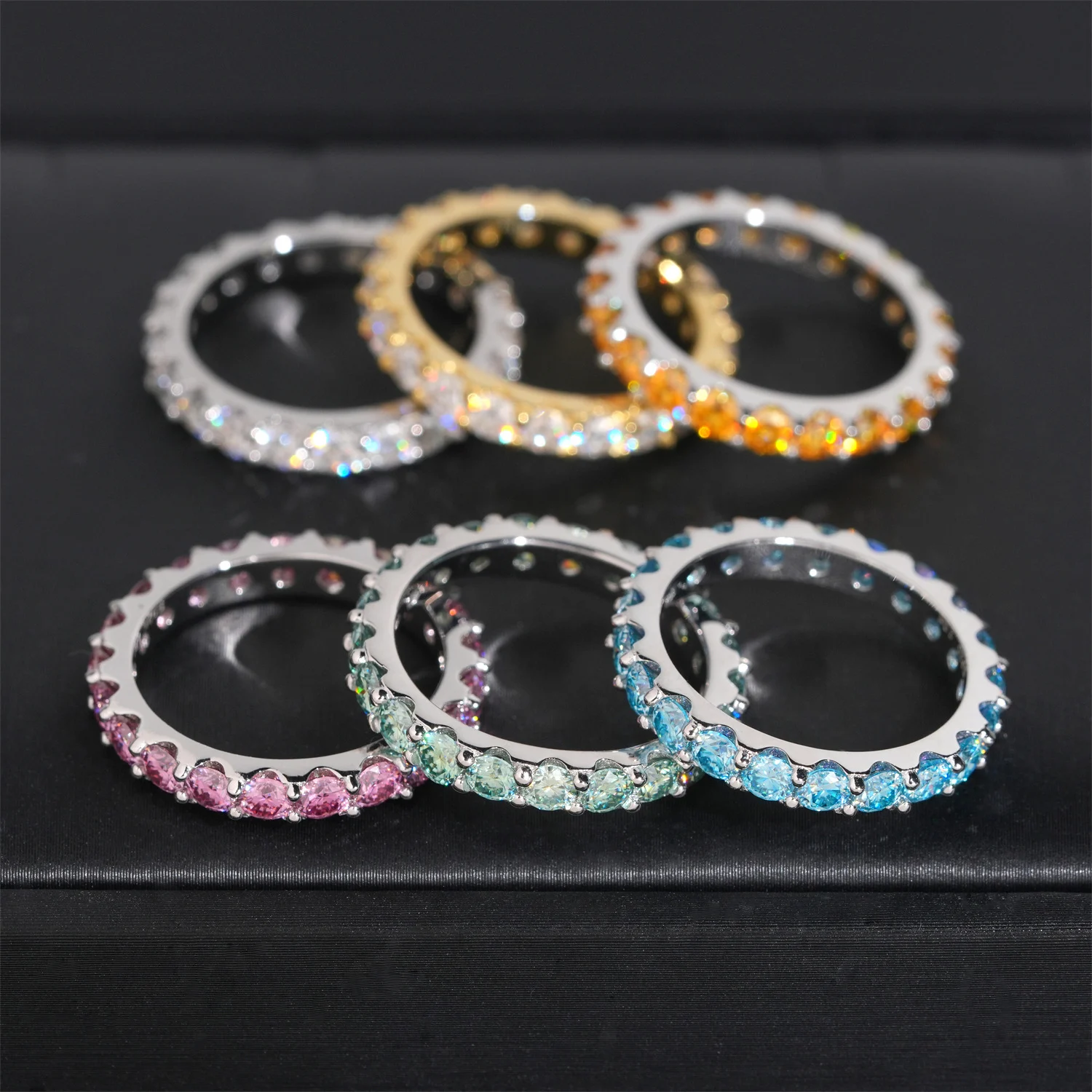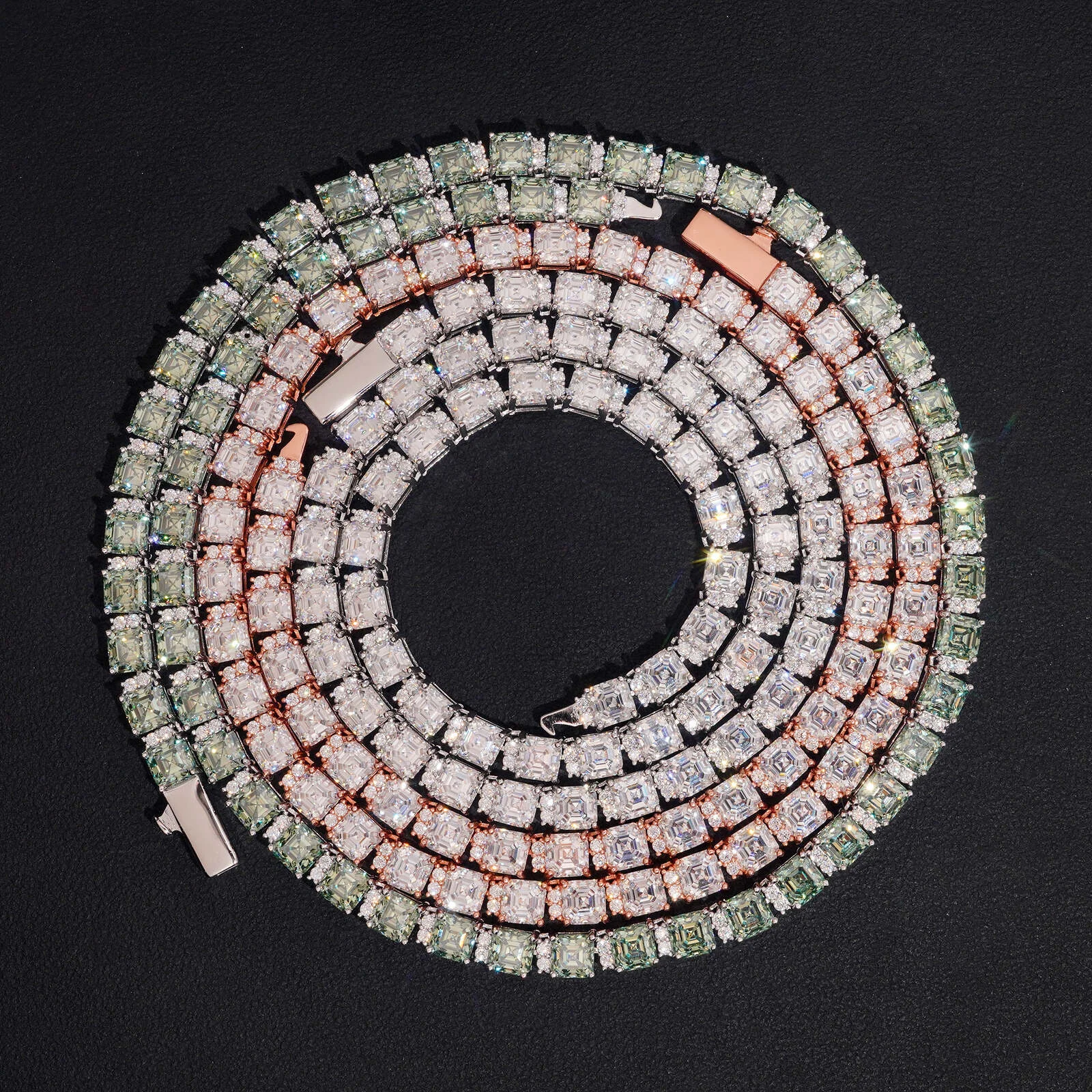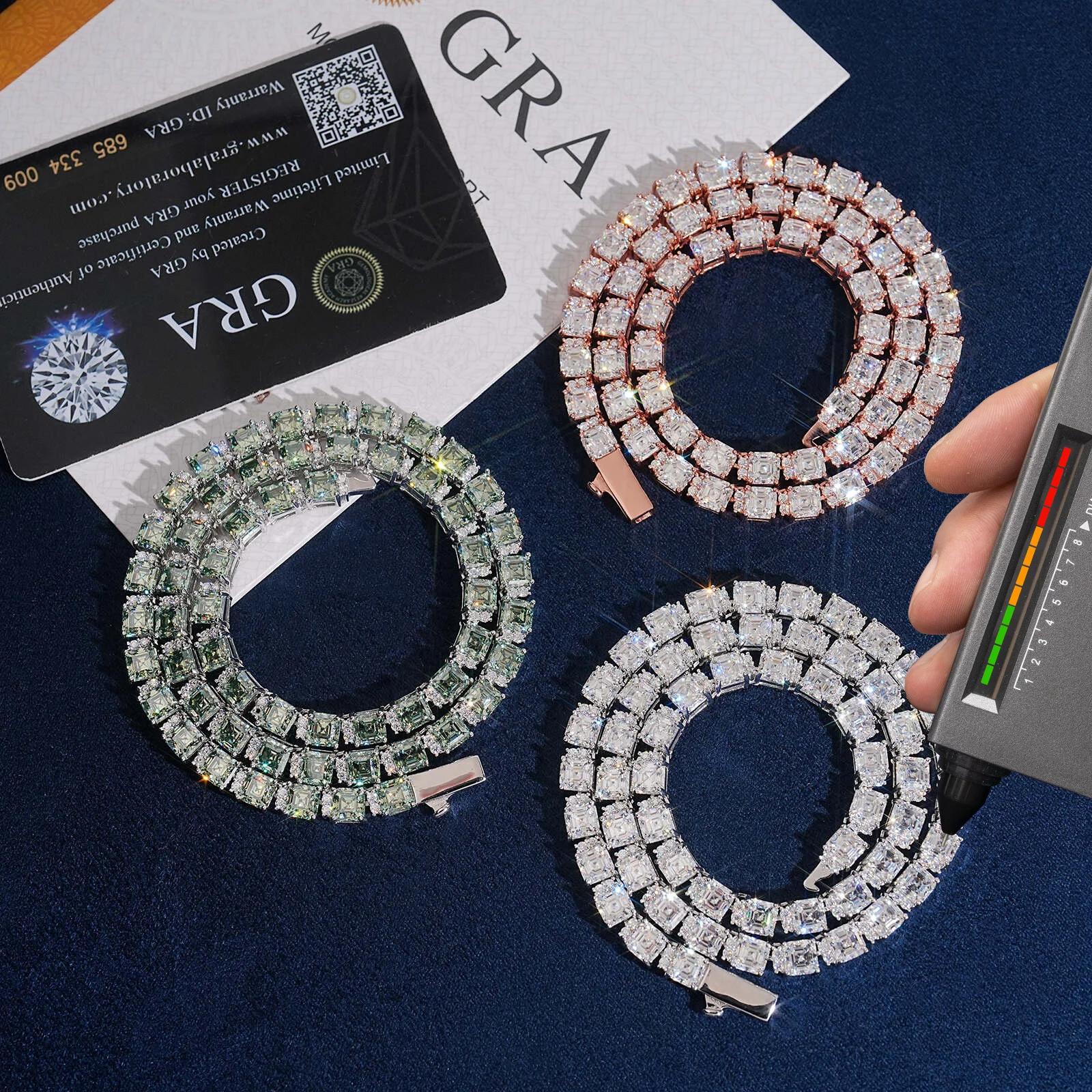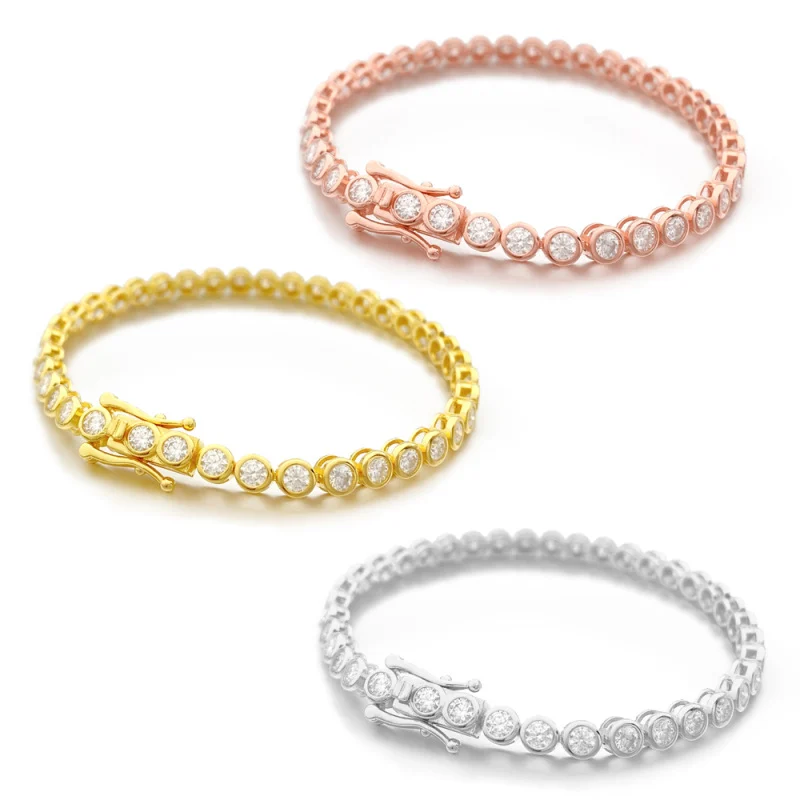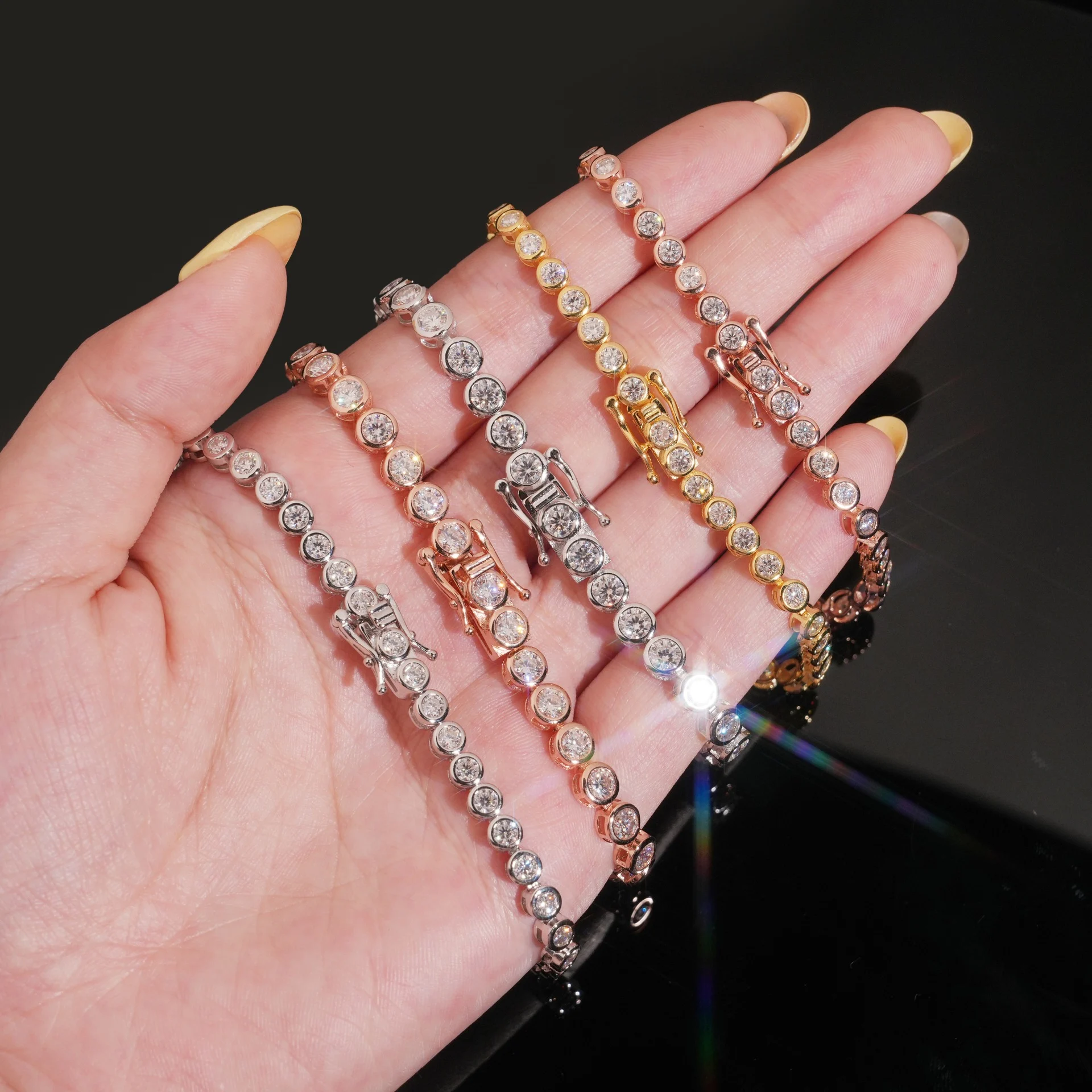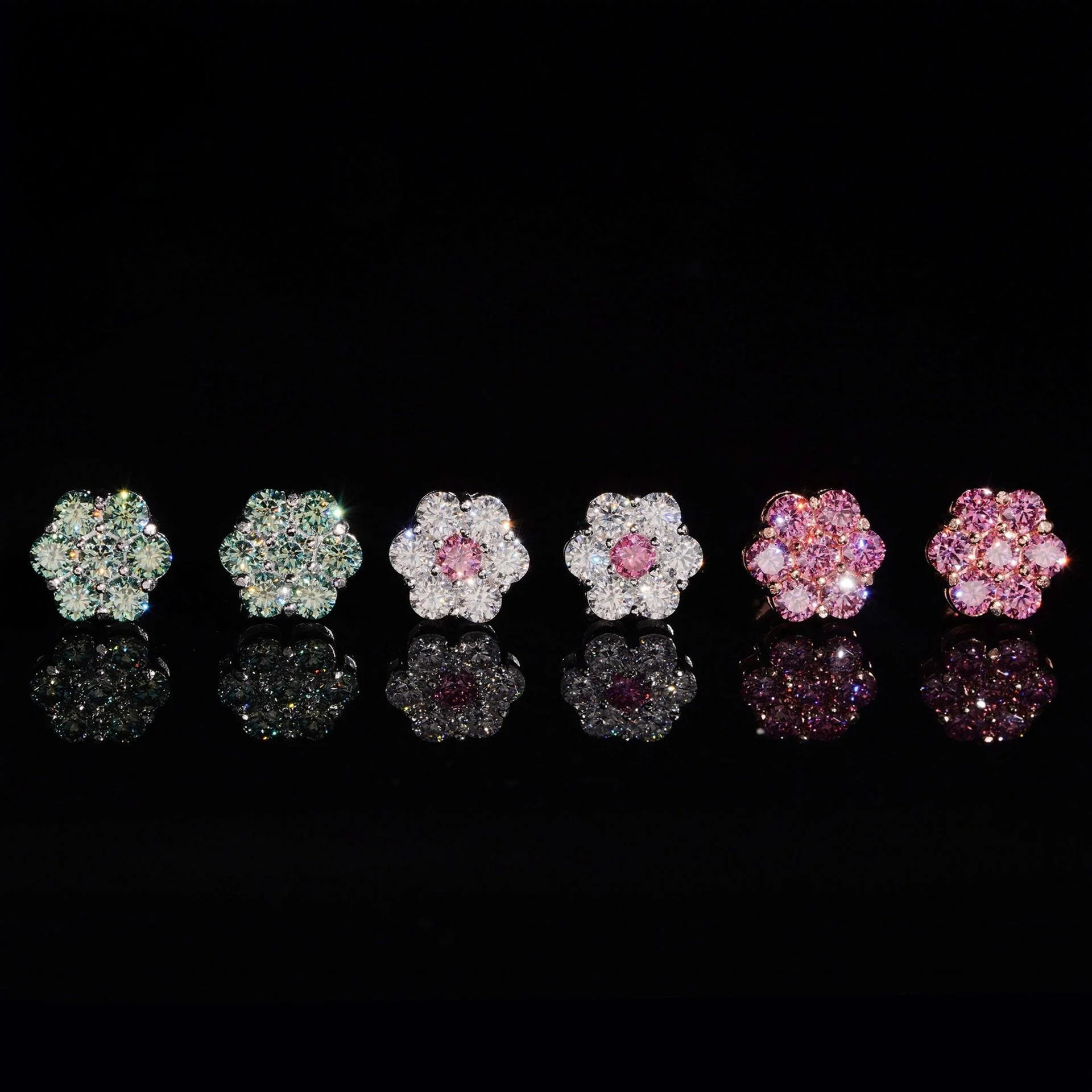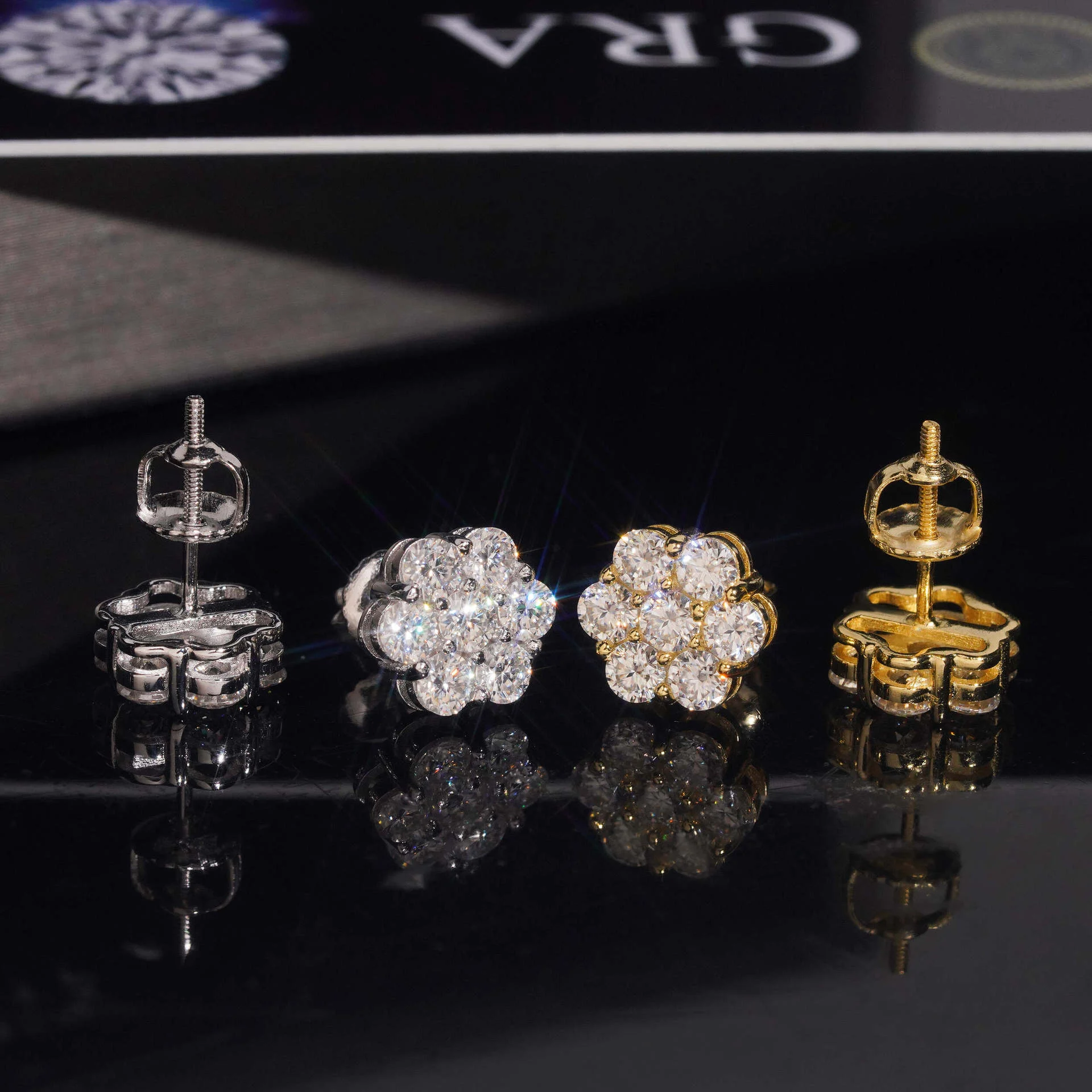


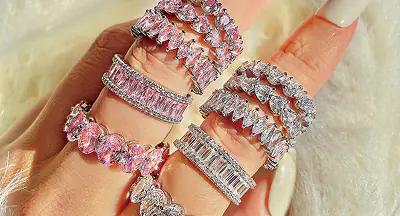


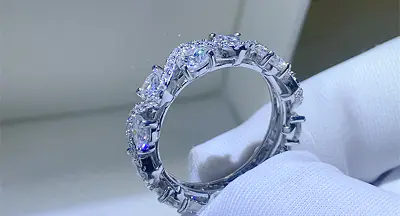


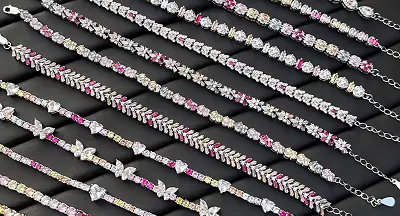


Custom jewelry for a brand starts with a clear product brief and ends with an approved production sample. Before contacting manufacturers, decide what must be distinctive, which specifications can vary, and what evidence you need at each approval stage. A custom design does not automatically include exclusive ownership; put design rights and permitted reuse in writing.
1. Write a product brief
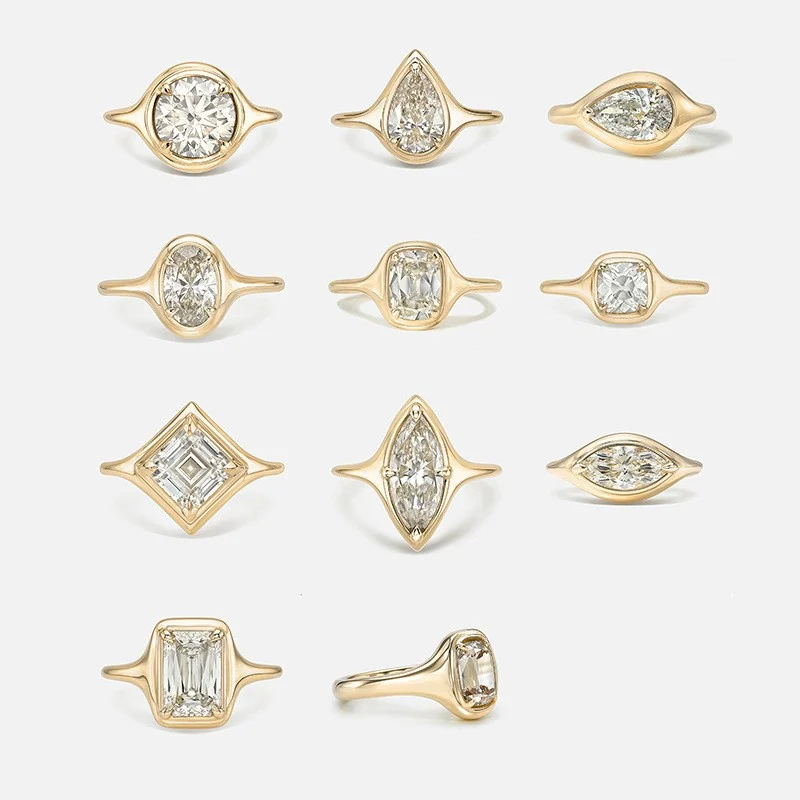
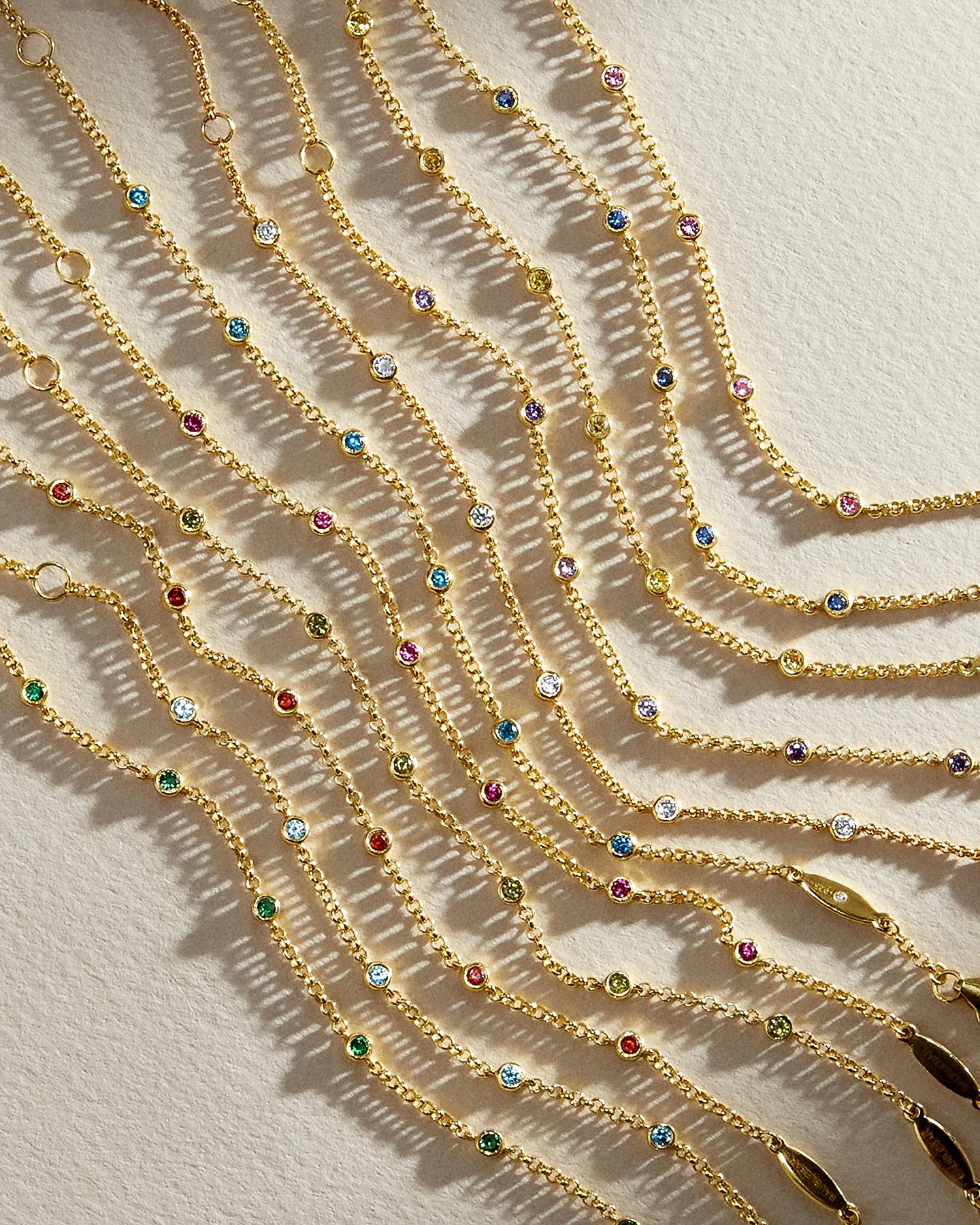
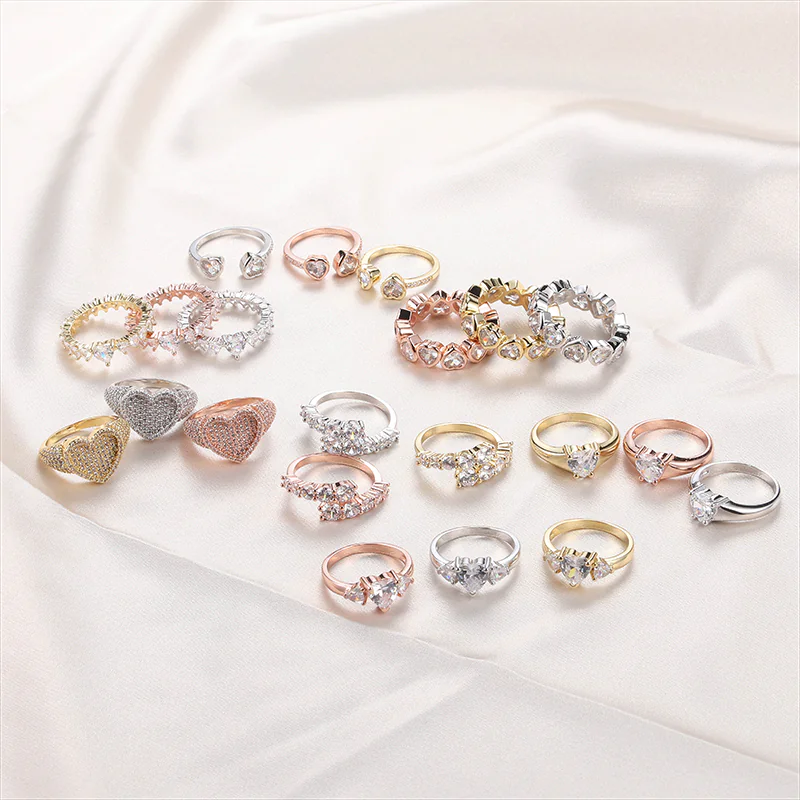
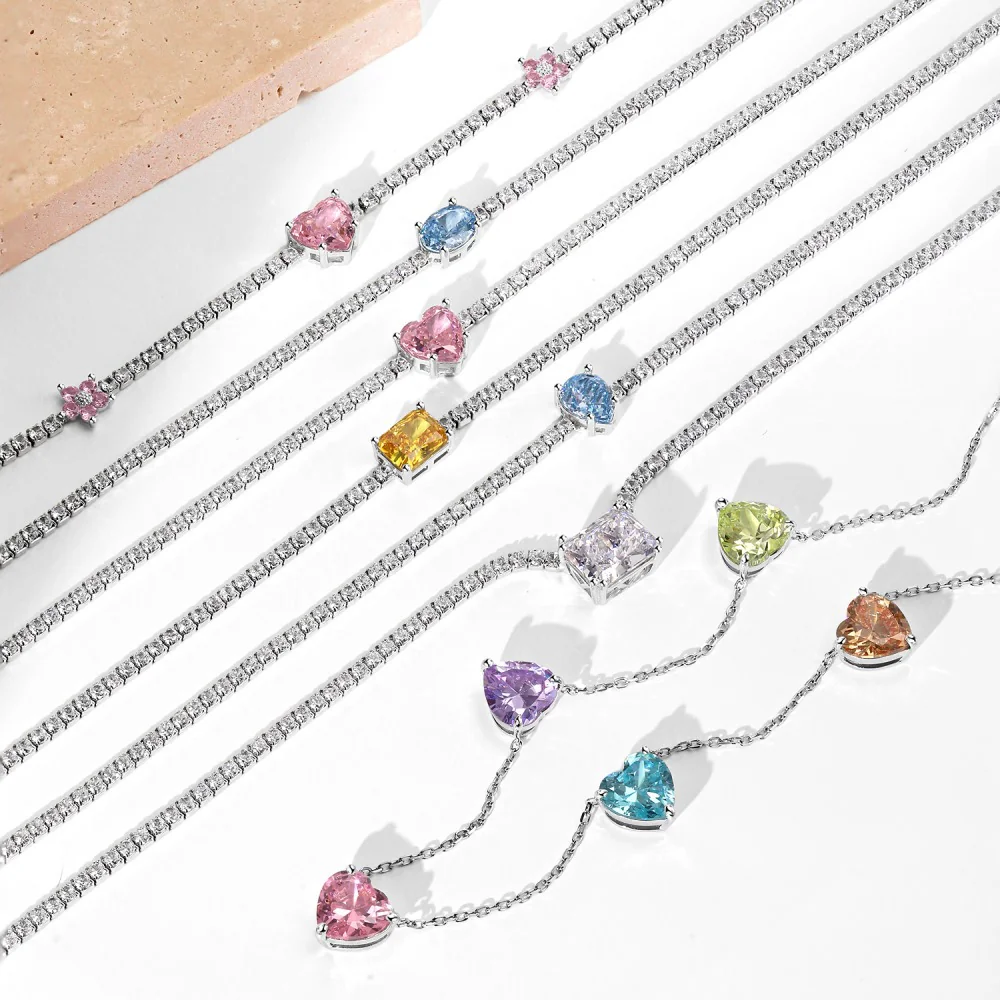
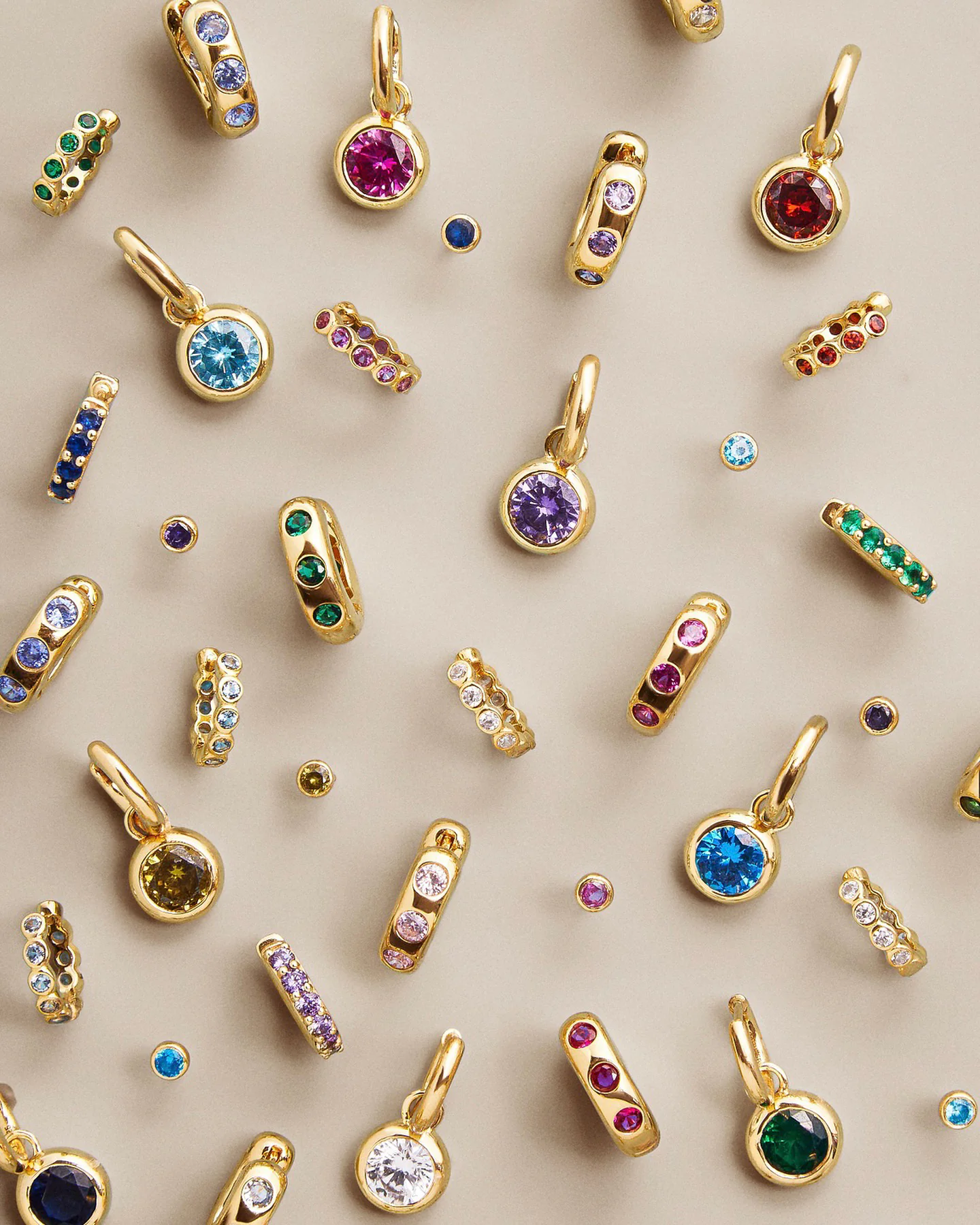
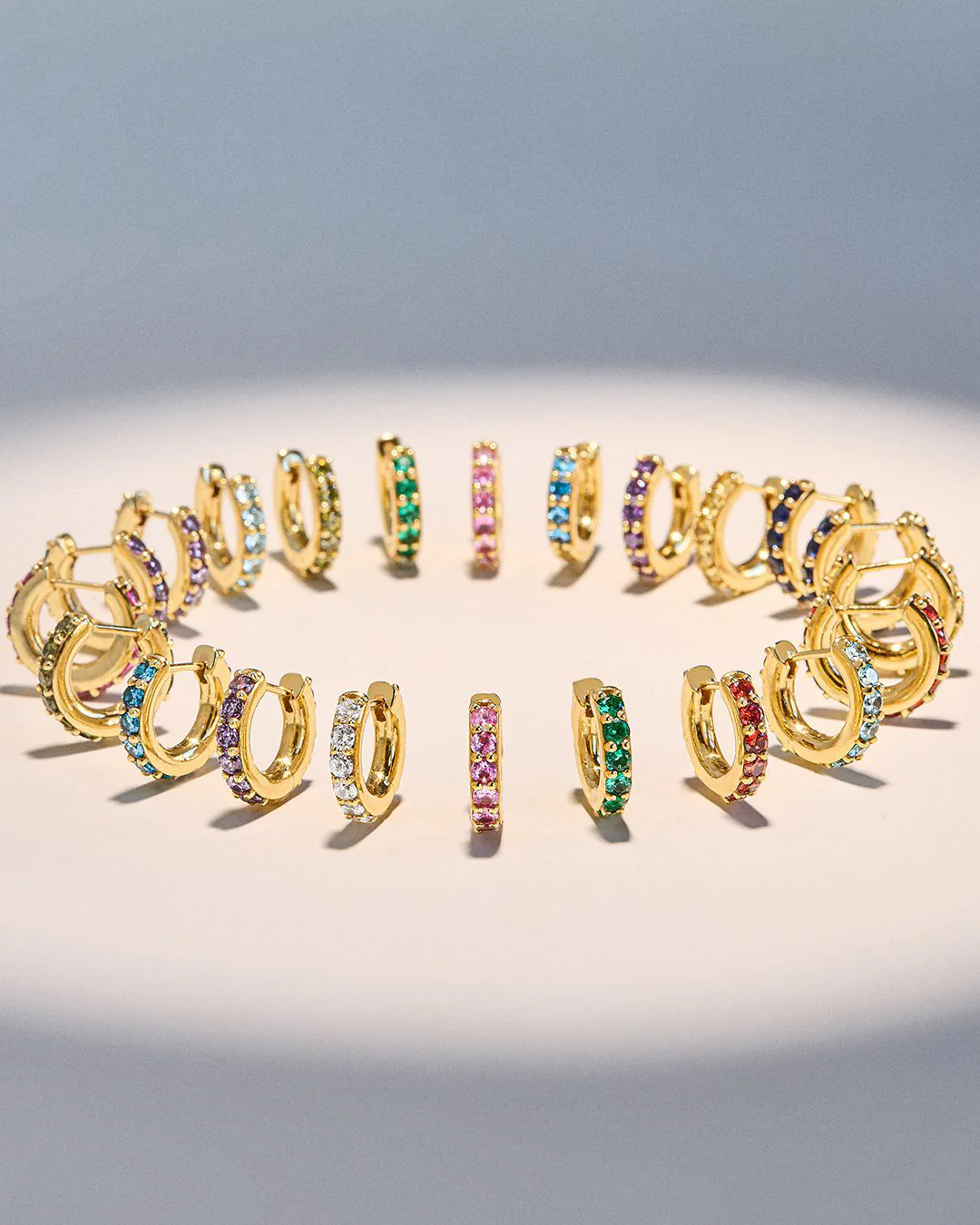
Describe the target customer, intended price position, use case, reference images, materials, dimensions, finish, stone details, quantity range, packaging, and launch timing. Separate must-have requirements from options. Share references you have permission to use and explain what should be different so the manufacturer is not asked to copy another brand’s protected design.
2. Choose the development route
If you have a design or detailed specifications, an OEM process may start from your files or sample. If you select and adapt an existing manufacturer design, an ODM route may fit. In either case, confirm who prepares CAD, creates prototypes, owns or may reuse files and tooling, and what level of exclusivity is included. Review the OEM and ODM comparison when deciding which route to discuss.
3. Compare manufacturers on evidence
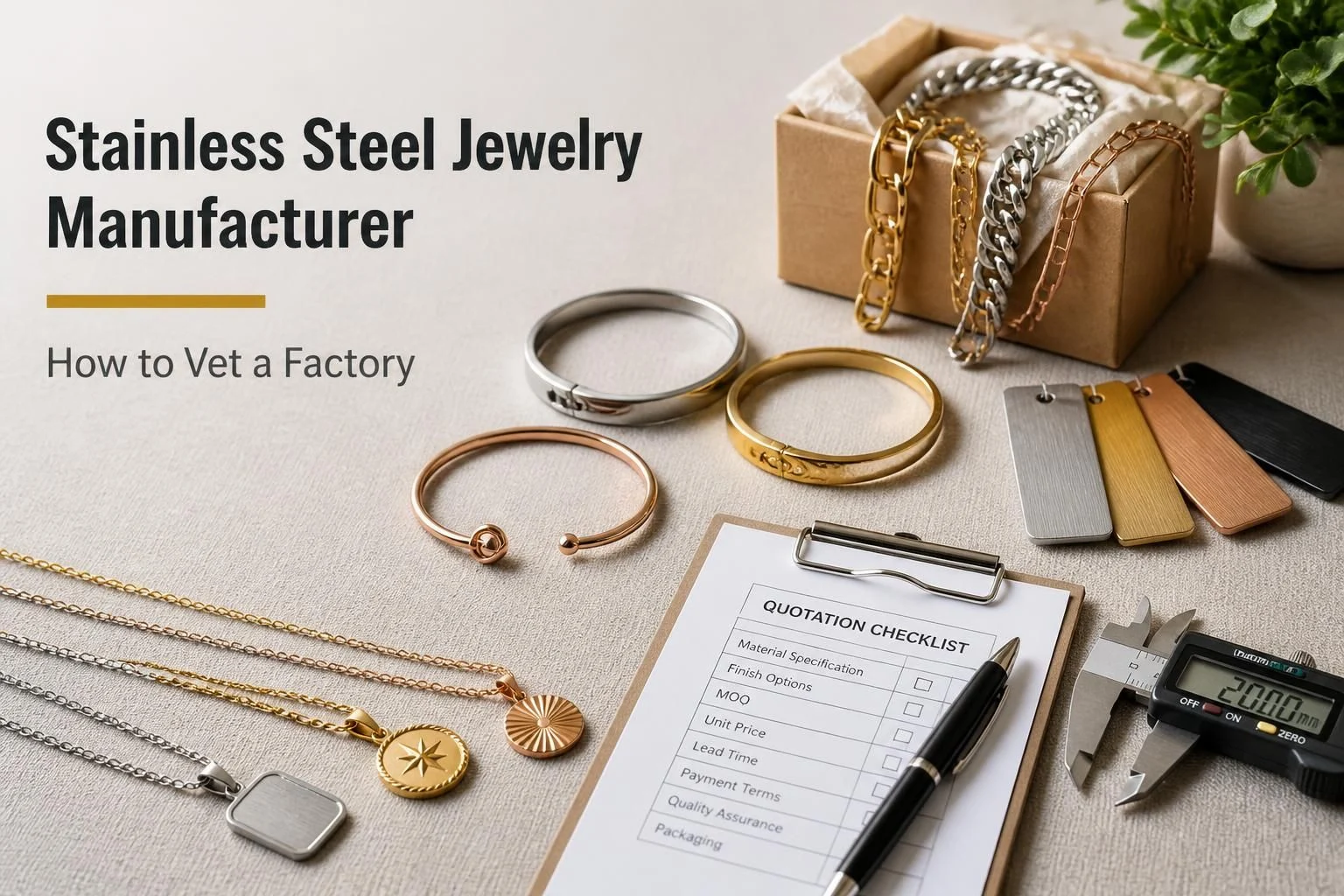
Ask suppliers to explain their experience with the material, construction, and finish your design requires. Confirm whether production is in-house or subcontracted, which checks are performed, how communication and revisions work, and what order quantity and lead time apply to this specific project. Compare written quotations against the same brief rather than comparing headline unit prices.
4. Approve the sample and lock the specification
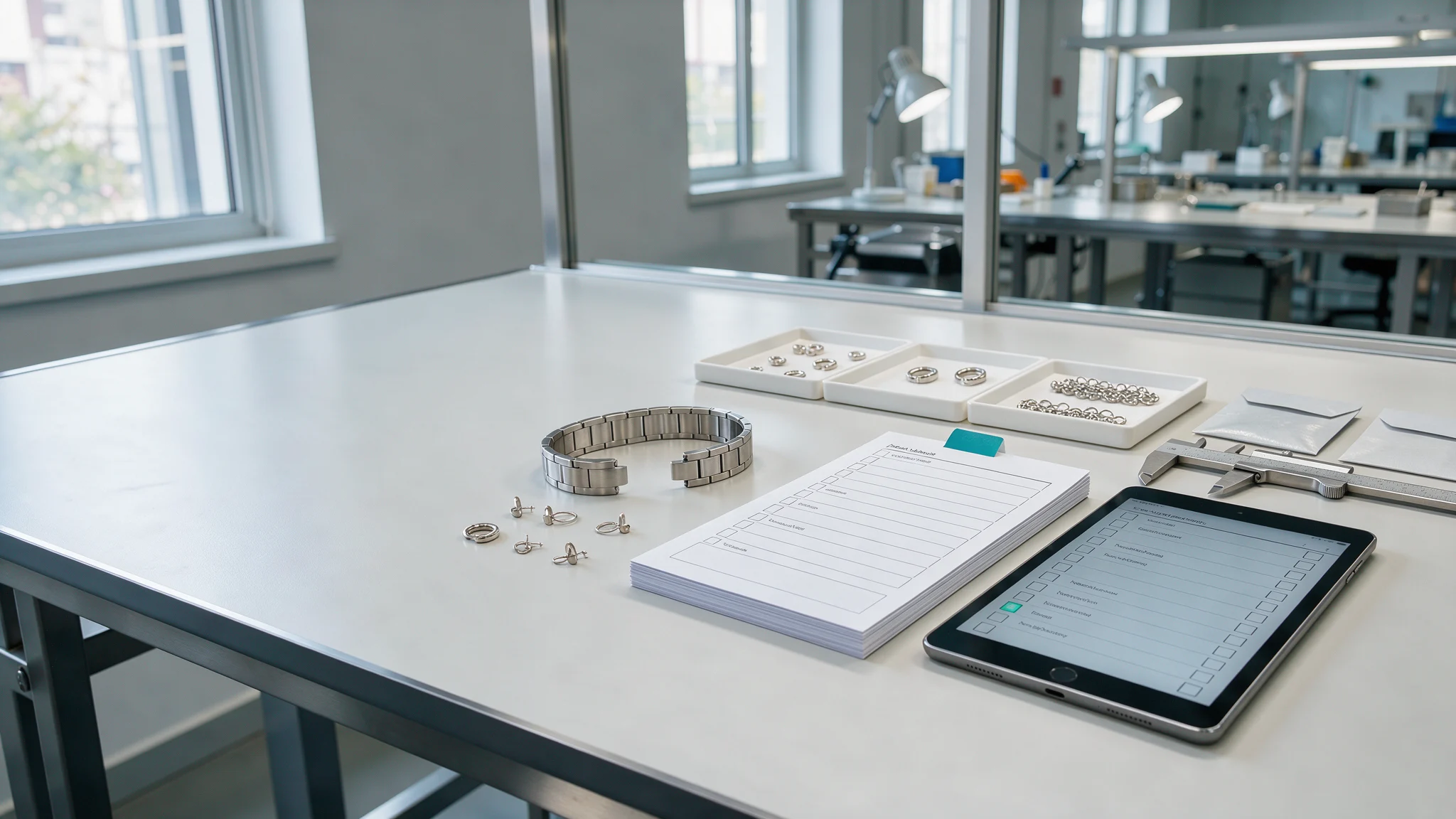
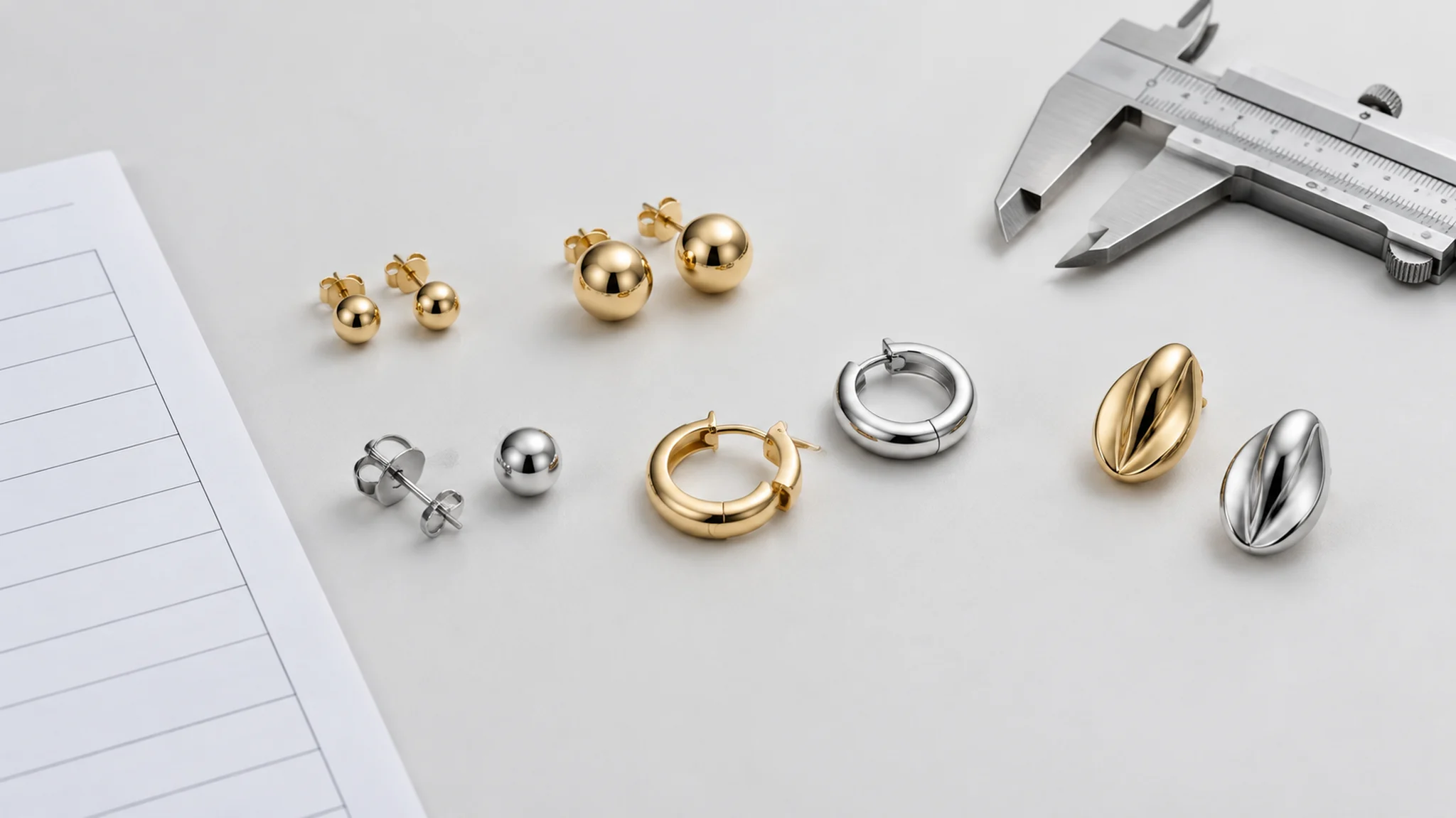
Review dimensions, weight, material, plating or finish, stone setting, comfort, logo placement, and packaging. Record any corrections and request a revised sample when a change affects fit or appearance. Keep the final sample reference and a dated specification with the purchase order. Define acceptable variation, inspection, defect handling, and replacement or rework terms before bulk production.
5. Budget for development and production
Ask for a breakdown of sample, CAD, tooling, material, packaging, shipping, and inspection costs. Confirm which fees are refundable or credited against an order and how revisions affect timing. Compare the total landed cost with a realistic selling price and expected order volume before committing. Do not rely on a target price that excludes development or logistics.
6. Protect the design and control production
Use a written agreement to state confidentiality, ownership or license rights, tooling custody, exclusivity, and whether the manufacturer may show or sell the design to others. During production, arrange checks appropriate to the order and compare finished goods with the approved reference. Keep records of changes so repeat orders use the same version.
A clear brief, documented approvals, and agreed design rights make a custom jewelry project easier to quote, manufacture, and repeat.