



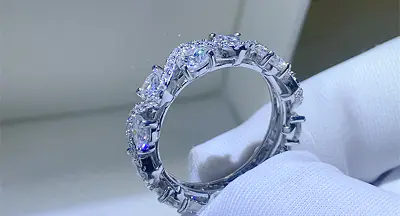


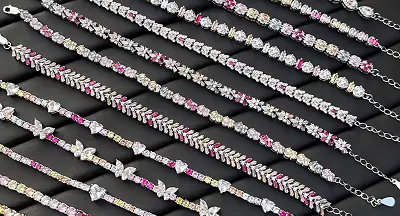



Tiffany & Co. is one of the most recognizable luxury jewelry brands in the world, famous for its diamond engagement rings, sterling silver pieces, and craftsmanship that many consider the benchmark of American fine jewelry. A question that both jewelry enthusiasts and professionals frequently ask is: Where is Tiffany jewelry made? For related guidance, see how brands translate production standards into an OEM process.
The answer is more complex than simply “in the United States.” Tiffany operates a global production system with advanced manufacturing workshops, artisan studios, polishing centers, and sourcing hubs across the U.S. and Europe, while also working closely with responsible mines worldwide. Despite being a global brand, Tiffany’s manufacturing philosophy has remained consistent for decades: control as much of the production process as possible to maintain quality and traceability. For related guidance, see how to assess a jewelry factory process and quality controls.
This article will break down Tiffany’s major production locations, what types of jewelry are produced in each region, and the characteristics that make these facilities unique. Finally, we’ll explore what wholesalers and retailers can learn from where is Tiffany jewelry made—especially those aiming to elevate their own manufacturing standards.
Tiffany’s Overall Production Strategy: What You Need to Know
Before we dive into each region, it’s important to understand the big picture of Tiffany’s manufacturing structure.
Tiffany’s Production Scale
Tiffany designs tens of thousands of pieces annually, from small sterling silver charms to multi-million-dollar high jewelry collections. While they do not publicly disclose exact annual unit counts, analysts estimate the brand produces millions of jewelry items per year across its workshops.
This scale makes it essential for Tiffany to balance:
- strict internal quality control
- ethical sourcing and traceability
- artisan-level craftsmanship
- modern production efficiency
Tiffany’s Main Manufacturing Regions
So, ‘Where is Tiffany jewelry made?’ The majority of Tiffany’s jewelry is made in:
United States
The core of Tiffany production, including:
- design development
- diamond setting
- silver jewelry manufacturing
- polishing and finishing
Europe
Specialized facilities in Italy and France focus on high jewelry craftsmanship, hand-engraving, gold work, and certain components that require artisanal expertise traditionally rooted in European workshops.
Other Supporting Regions
These include:
- gemstone sourcing countries
- polishing/finishing contractors
- heritage workshops related to acquisitions (e.g., Patek Philippe division in Switzerland — historically connected, not current manufacturing)
Tiffany deliberately avoids outsourcing large portions of manufacturing to low-cost regions. Instead, they invest in local workshops and craftsmen in historically prestigious jewelry centers.
Tiffany Jewelry Made in the United States
Wondering where is Tiffany jewelry made? The answer is primarily the United States, which serves as Tiffany’s main manufacturing hub. Most of its production volume—including engagement rings, sterling silver collections, and major gold jewelry lines—comes from large facilities in New York, Rhode Island, and Kentucky, each specializing in different types of jewelry.
New York: The Heart of Tiffany’s Design and Craftsmanship

New York is the center of Tiffany’s creative and strategic jewelry production. The brand’s flagship store on Fifth Avenue is world-famous, but behind the scenes, New York also hosts several key operations:
Main Activities in New York
- high jewelry design
- prototype development
- diamond sorting and grading
- stone setting for premium pieces
- custom orders and bespoke projects
Types of Jewelry Typically Made or Finished in New York
- engagement rings from The Tiffany Setting collection
- high jewelry such as Blue Book designs
- exclusive diamond pieces using D–F color stones
- platinum jewelry requiring precision handcrafting
Unique Characteristics
New York facilities are known for:
- master craftsmen with 20–40 years of experience
- proprietary Tiffany diamond-cutting standards
- secure operations for handling high-value stones
- close collaboration between designers and artisans
New York is not Tiffany’s largest production site by volume, but it is the brand’s most iconic and most specialized.
Rhode Island: Tiffany’s Largest Silver Jewelry Manufacturing Hub

When asking “Where is Tiffany silver made?”—the answer is often Rhode Island. This region has a long history of jewelry manufacturing, stretching back to the early 20th century, making it an ideal location for Tiffany’s silver-focused operations.
What Rhode Island Produces
- sterling silver collections (1837, Return to Tiffany, HardWear components)
- chains, charms, pendants, earrings
- small gold accessories requiring mass production efficiency
- polishing and final assembly of silver items
Why Rhode Island Is Essential to Tiffany
- deep manufacturing roots in U.S. jewelry
- a skilled labor pool trained in metalworking
- capacity to produce large volumes with consistent finish quality
- proximity to Tiffany’s East Coast logistics network
Rhode Island handles some of Tiffany’s highest-volume collections and ensures that the brand can maintain strong global inventory levels.
Kentucky: Advanced Manufacturing and Stone-Setting Technologies
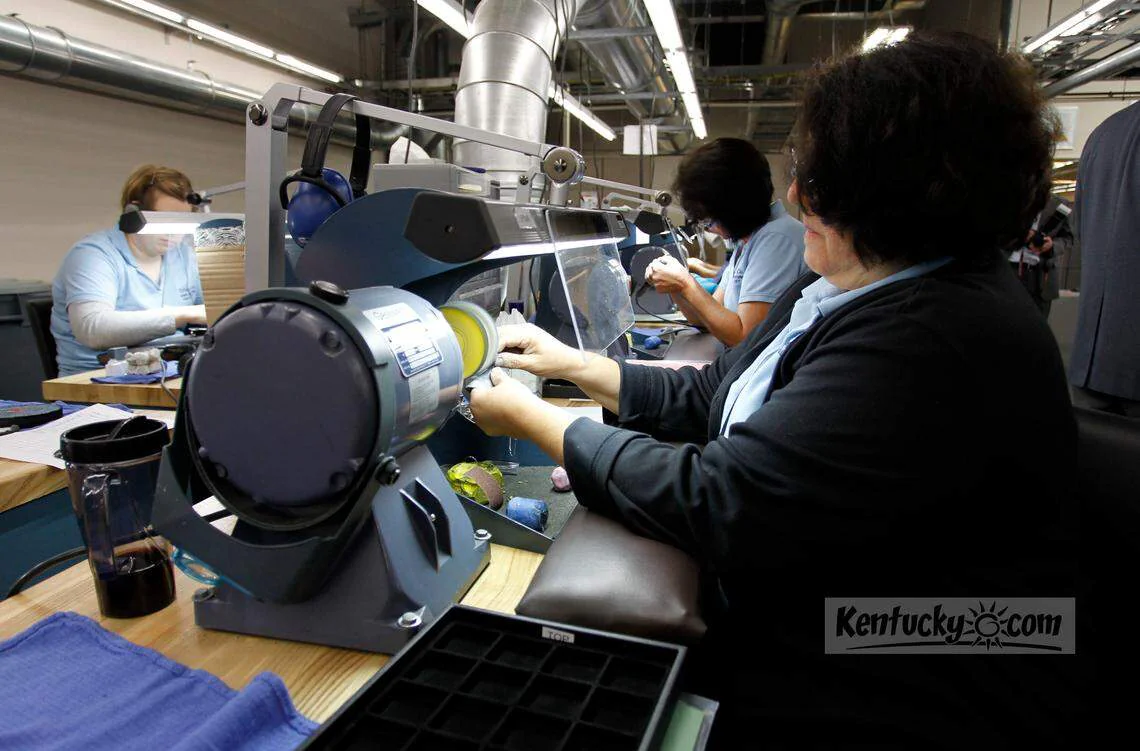
Tiffany’s Kentucky facilities are newer but technologically advanced. They focus on combining artisan setting techniques with modern precision equipment.
What Kentucky Specializes In
- stone setting for mid-range to premium collections
- advanced polishing and finishing lines
- assembling pieces that require both handcrafting and machine support
- consistency-focused mass manufacturing
Why Kentucky?
- lower operating costs while still U.S.-based
- ability to hire and train specialized workers
- access to modern infrastructure for high-capacity production
Kentucky increases Tiffany’s scalability while preserving American craftsmanship standards.
Other U.S. Operations
Other supporting operations in the U.S. include:
- research and development divisions
- supply chain and distribution centers
- diamond and gemstone specialists
- quality control laboratories
When asked where is Tiffany jewelry made, the first answer that comes to mind is the United States, because more than 60% of Tiffany’s total jewelry production by volume is estimated to occur within the United States.
Tiffany Jewelry Made in Europe
Europe plays an important role in Tiffany’s high jewelry and specialized craftsmanship. When asking where is Tiffany jewelry made in Europe, two countries stand out: Italy and France.
Italy: The Center of Goldsmithing and Artisanal Craftsmanship
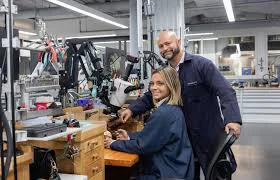
Italy is home to some of the world’s most prestigious jewelry workshops, particularly in cities such as Vicenza and Arezzo. Tiffany utilizes Italian facilities for pieces requiring extremely refined gold work.
What Tiffany Produces in Italy
- intricate gold bracelets and necklaces
- chains with hand-finished links
- limited-edition luxury collections
- components requiring superior metal flexibility and durability
Characteristics of Italian Production
- centuries-old metalworking tradition
- unparalleled hand-engraving and finishing expertise
- artisans trained in classical European goldsmithing
- premium gold alloy blending techniques
Tiffany chooses Italy not for cost savings, but for heritage and refinement that mass-production factories cannot replicate.
France: High Jewelry Artistry and Luxurious Finishing
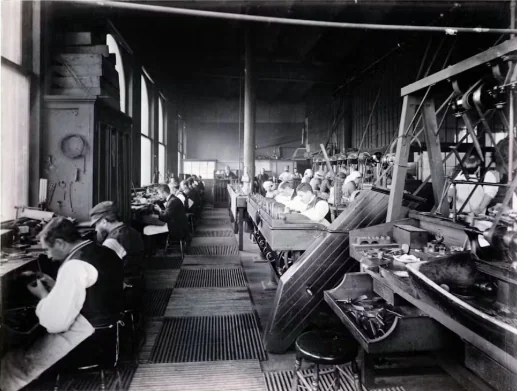
France—especially Paris—has a long-standing connection to haute joaillerie. Tiffany’s French workshops play a role in:
Key Activities in France
- producing elements of high jewelry collections
- hand-setting gemstones for special-edition pieces
- engraving, enameling, and luxury finishing techniques
- working on one-of-a-kind or extremely limited pieces
Why France?
- access to master artisans trained in luxury maisons
- unmatched expertise in high jewelry traditions
- integration with fashion and luxury design culture
France supports Tiffany’s most premium product lines, especially those requiring artistic finesse.
Other Regions Supporting Tiffany Production
While manufacturing is primarily concentrated in the U.S. and Europe, Tiffany interacts with several global regions for:
- gemstone sourcing
- rough diamond cutting
- polishing and enhancement
- supply chain sustainability
Examples
- Botswana, Namibia, and South Africa: responsible diamond sourcing
- Vietnam and Thailand: some gemstone cutting and polishing
- Switzerland: heritage relationships through watchmaking and precision work (historical, not core jewelry manufacturing today)
Tiffany maintains strict control over suppliers to ensure ethical standards and transparency.
What Wholesalers and Retailers Can Learn from Where Is Tiffany Jewelry Made
Tiffany’s global production model offers valuable lessons for jewelry wholesalers, retailers, and private-label brand developers who want to elevate their own product standards.
Prioritize In-House Control Over Production
One of Tiffany’s strengths is maintaining direct control over:
- metal processing
- stone-setting
- quality control
- ethical sourcing
This reduces variability and builds brand trust. Jewelry businesses can adopt the same mindset by:
- visiting factories
- requiring detailed process documentation
- requesting standardized QC reports
Use Specialized Regions for Specialized Work
Tiffany does not manufacture everything in one place. Instead:
- high-volume silver = Rhode Island
- high jewelry = New York, France
- complex gold work = Italy
- modern mass-production = Kentucky
Jewelry wholesalers can replicate this principle by choosing suppliers based on strengths, not price alone.
Combine Craftsmanship With Scalability
Tiffany excels because it bridges the gap between handcrafted artistry and efficient volume production. For wholesalers, this means:
- mixing artisanal components with machine-assisted manufacturing
- using region-specific craftsmanship where it matters most
- not sacrificing quality for speed
Invest in Transparency and Ethical Sourcing
Tiffany leads the industry in responsible sourcing disclosures—something that retail consumers increasingly expect.
Jewelry brands should consider:
- documenting material origins
- ensuring suppliers comply with sustainability standards
- communicating traceability to customers
Build Long-Term Craftsmanship Knowledge
Tiffany trains artisans for decades, preserving skills across generations. Wholesalers and retailers can adopt similar practices by:
- partnering with consistent factories
- maintaining stable supply chains
- encouraging continuous improvement
Conclusion
So, where is Tiffany jewelry made? The answer spans across the United States, Italy, France, and several global gemstone regions—but the core principle remains the same: Tiffany keeps tight, meticulous control over its production to ensure consistency, craftsmanship, and ethical integrity.
Understanding Tiffany’s global production map helps illustrate how luxury jewelry is truly made—not through mass outsourcing, but through strategic regional specialization and a long-term commitment to craftsmanship. For wholesalers and retailers, Tiffany’s approach offers invaluable insights into how to structure a professional, reliable, and scalable jewelry production system.