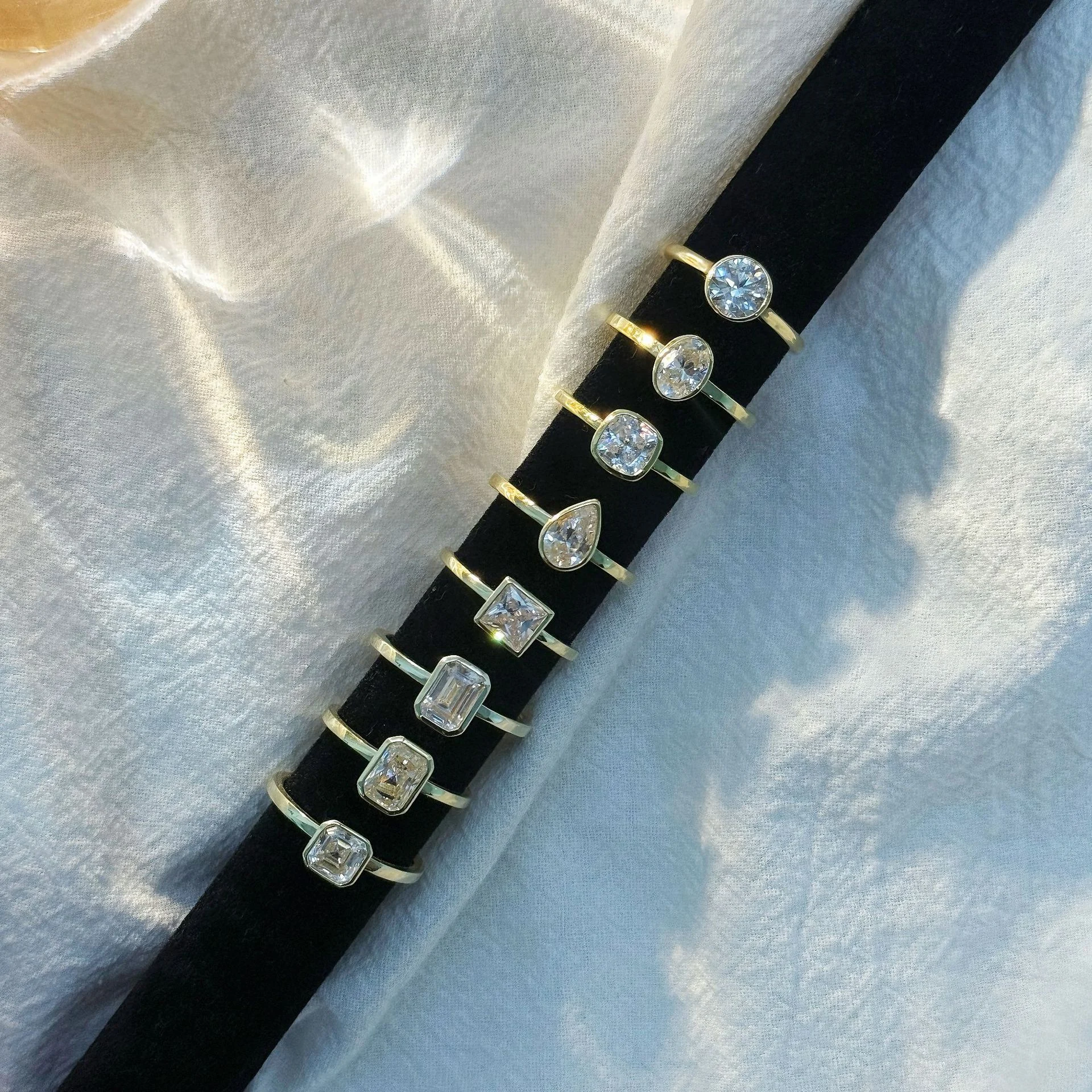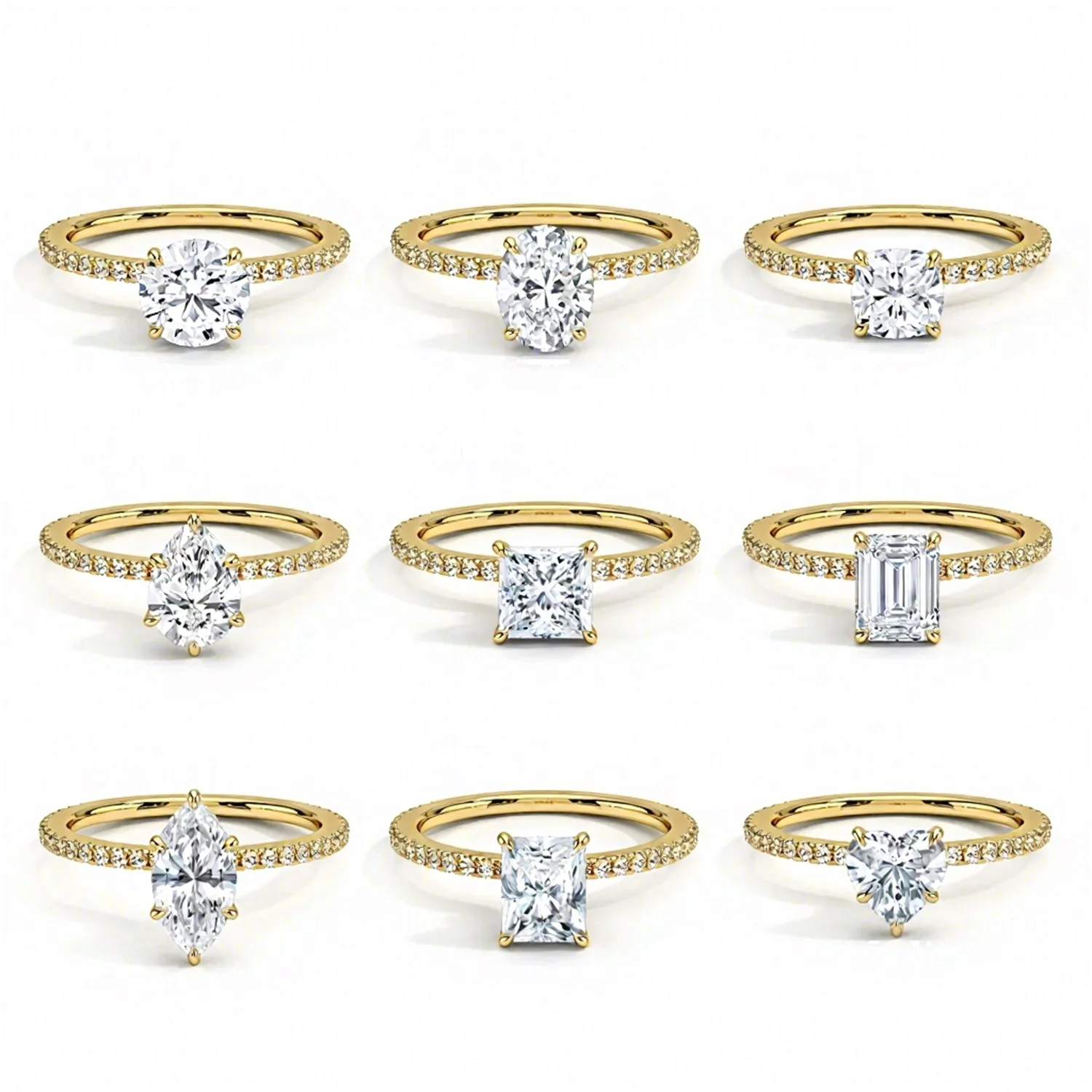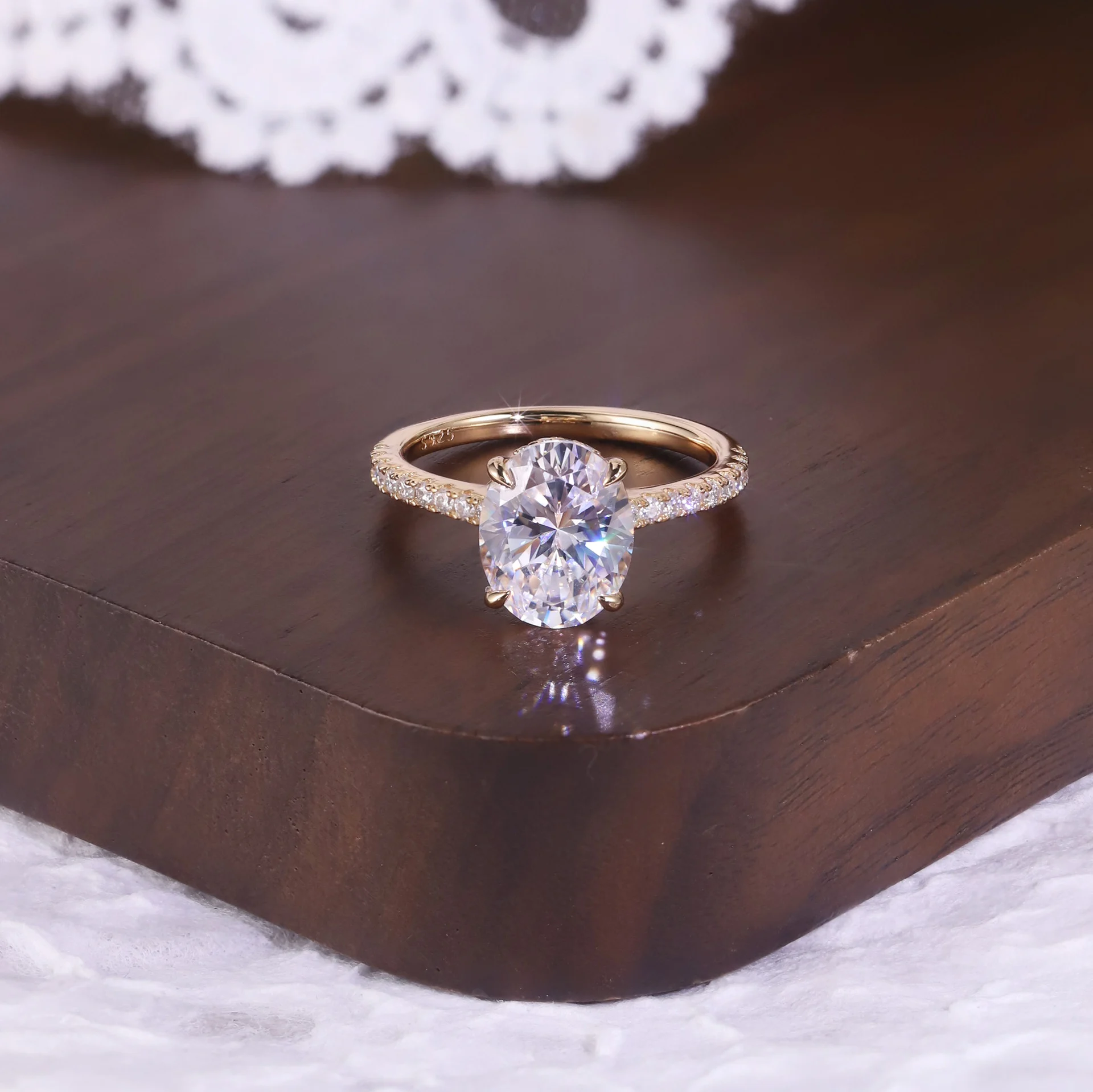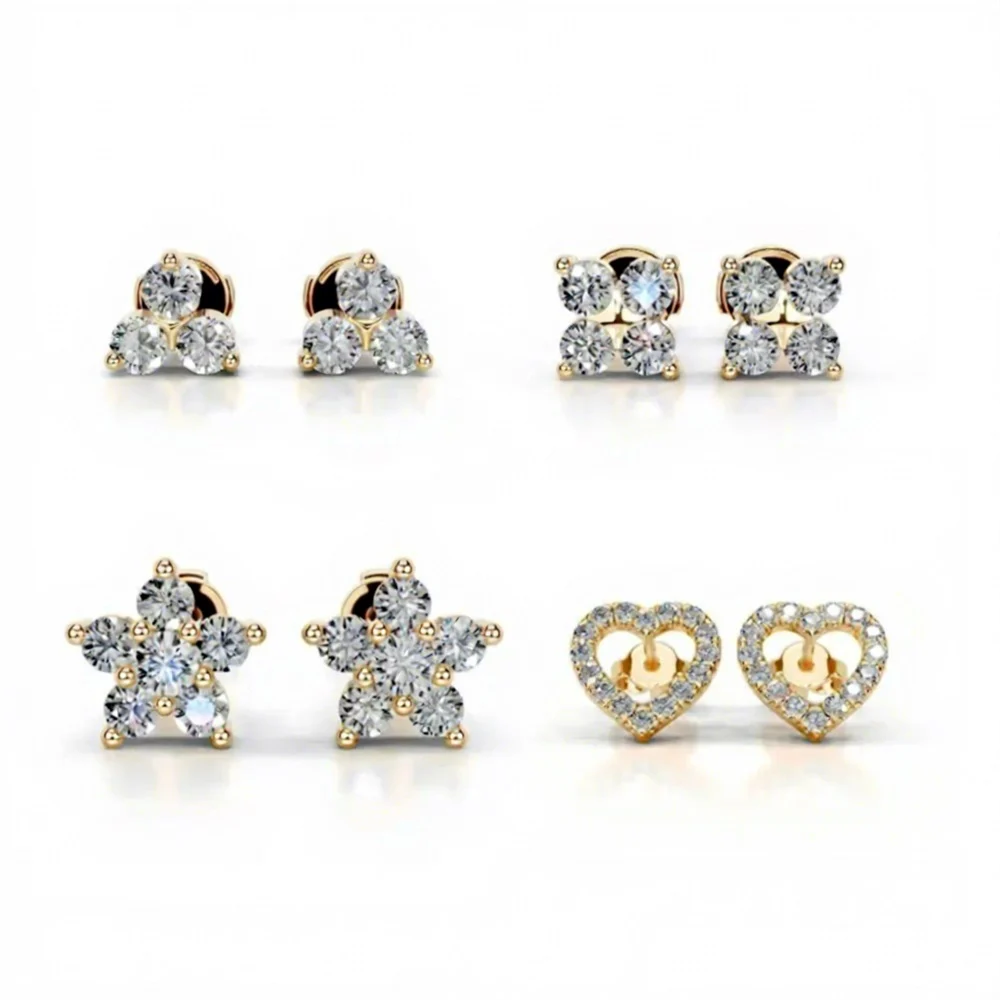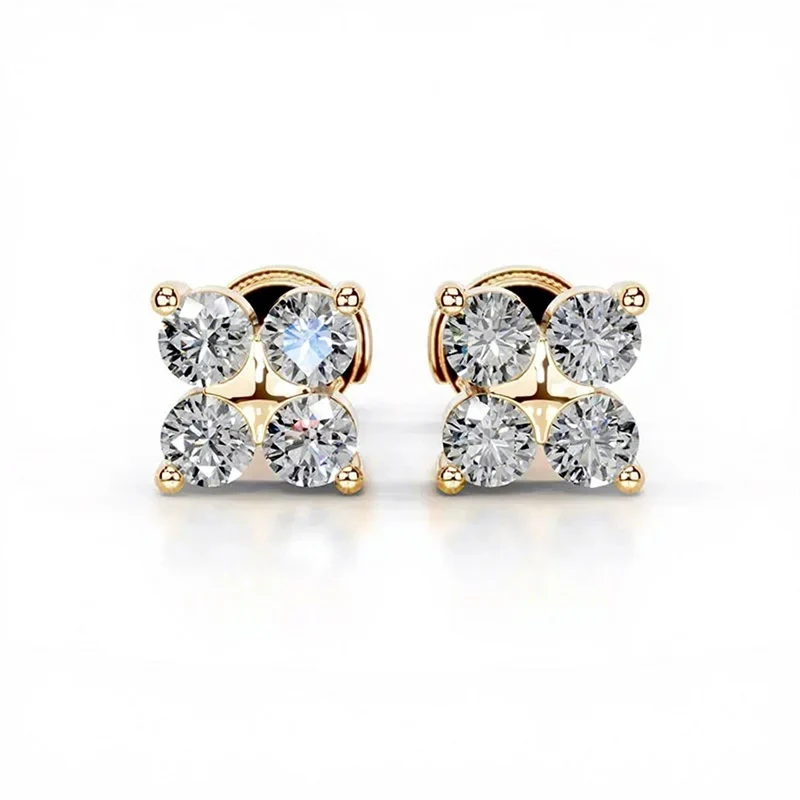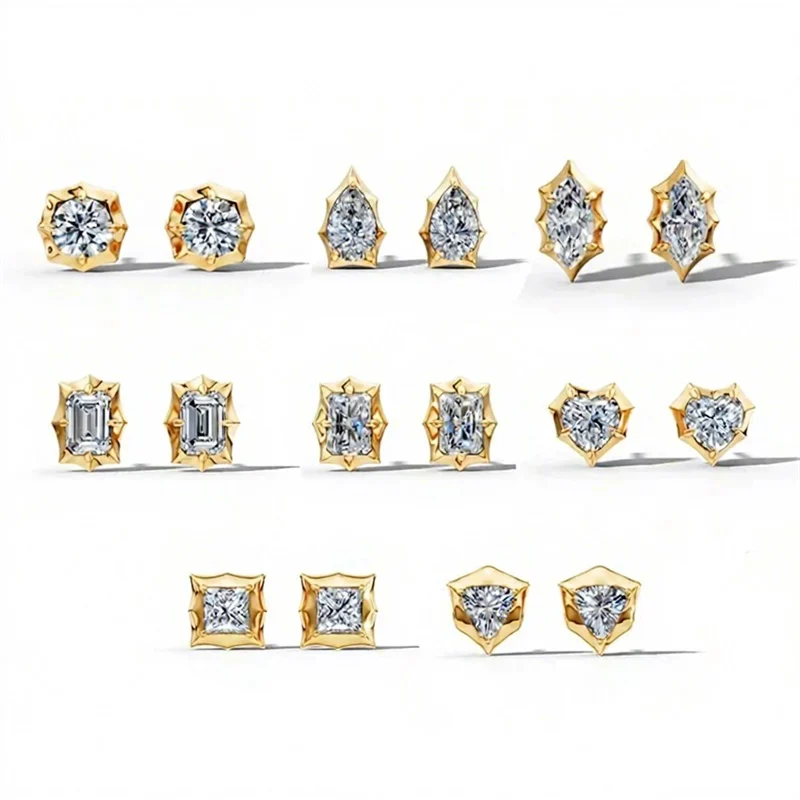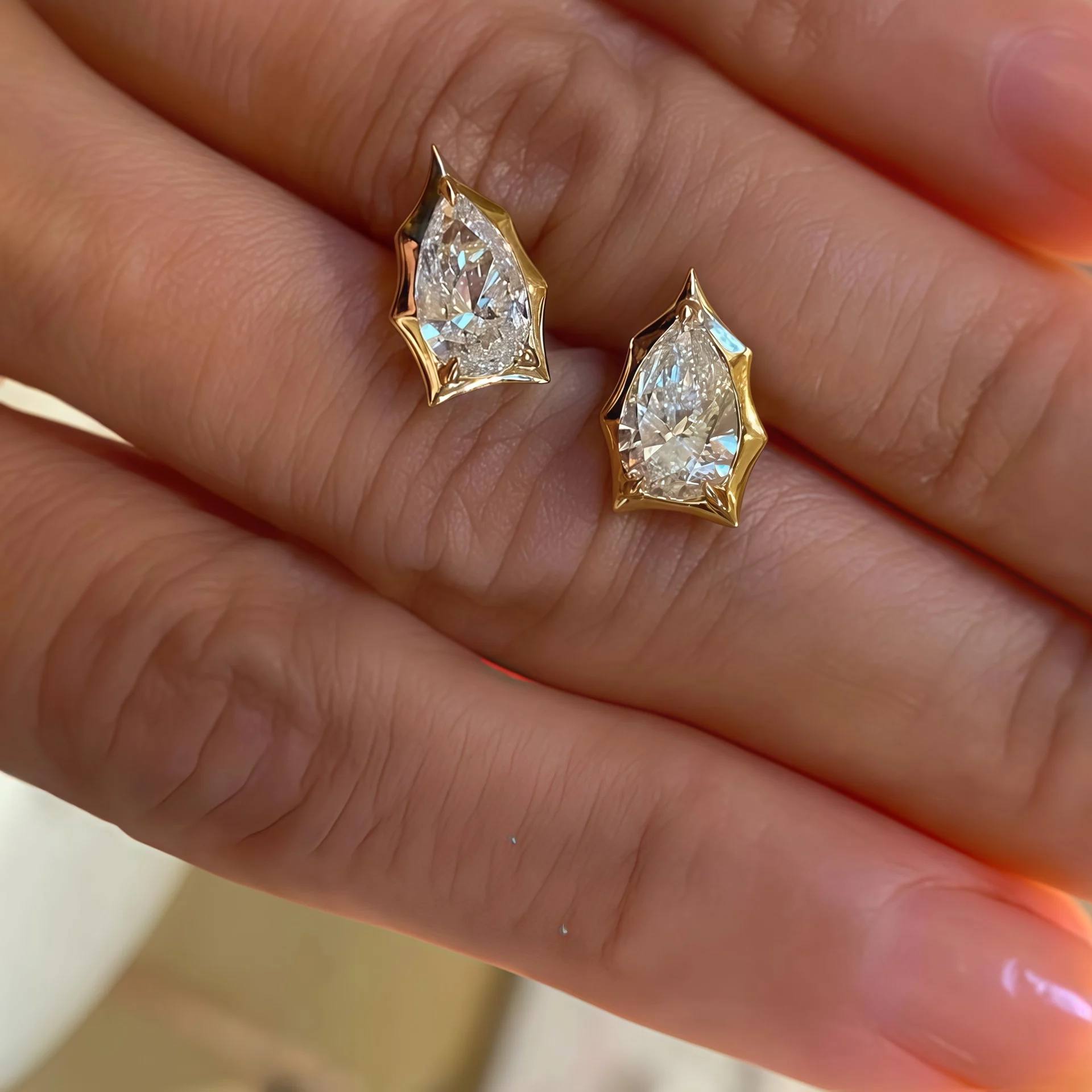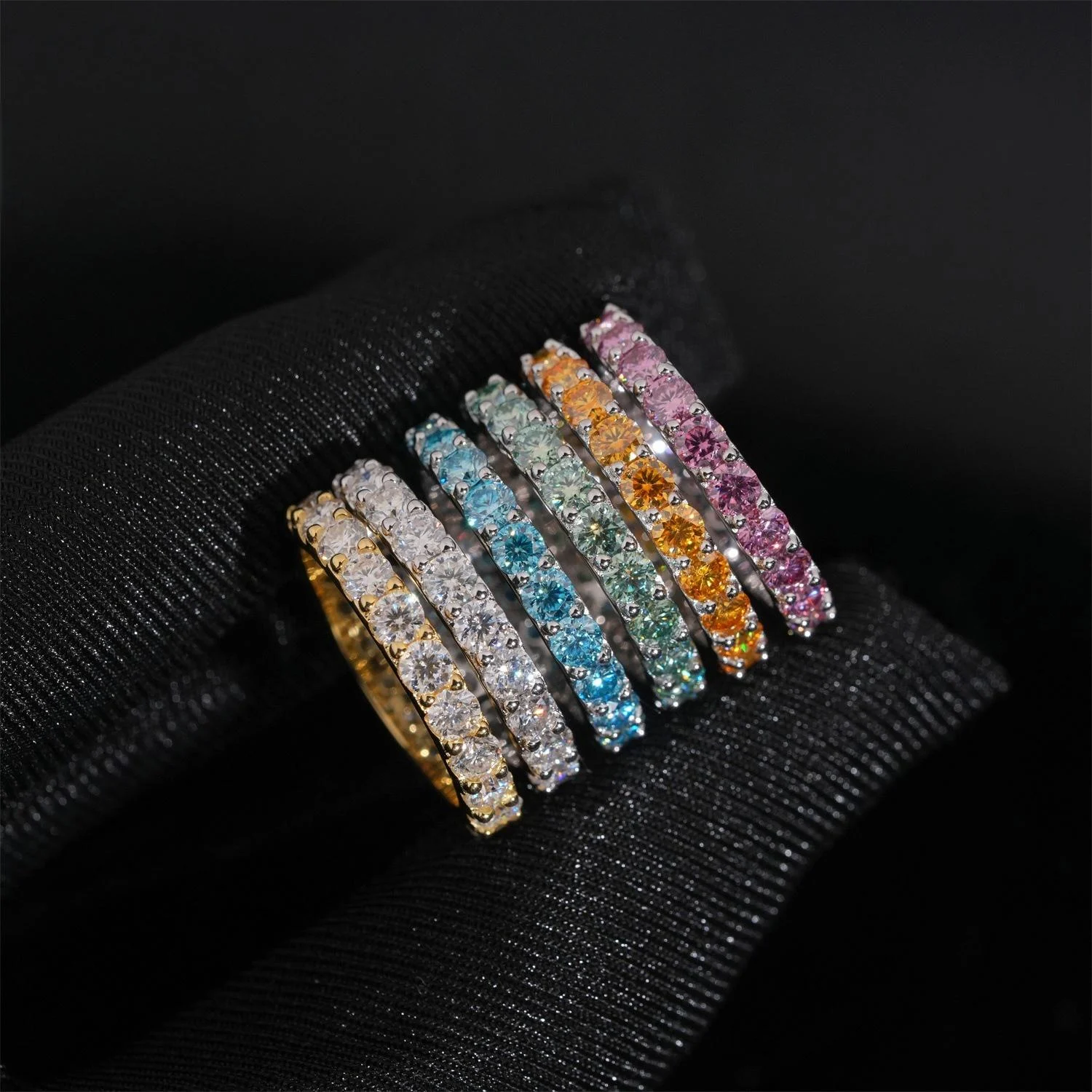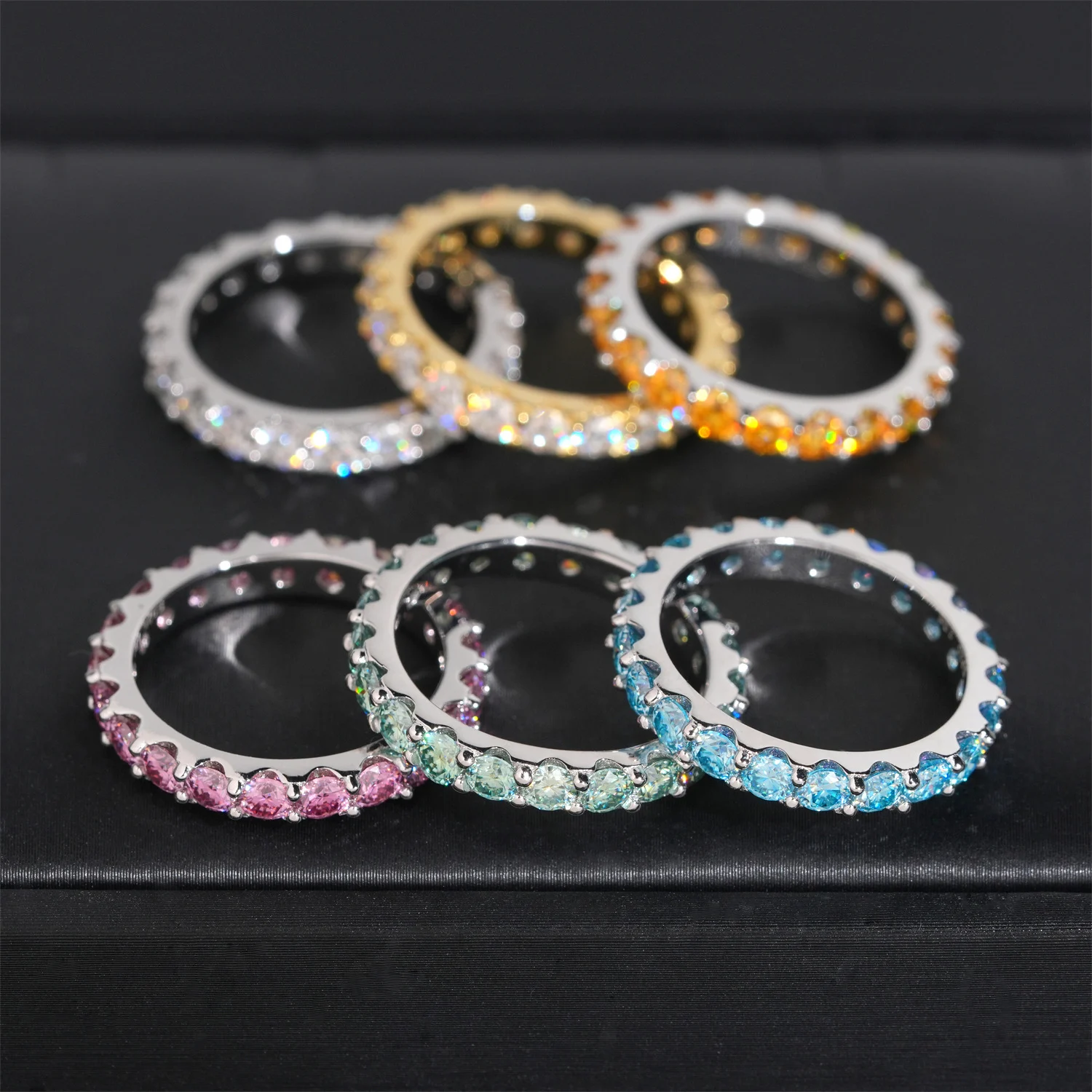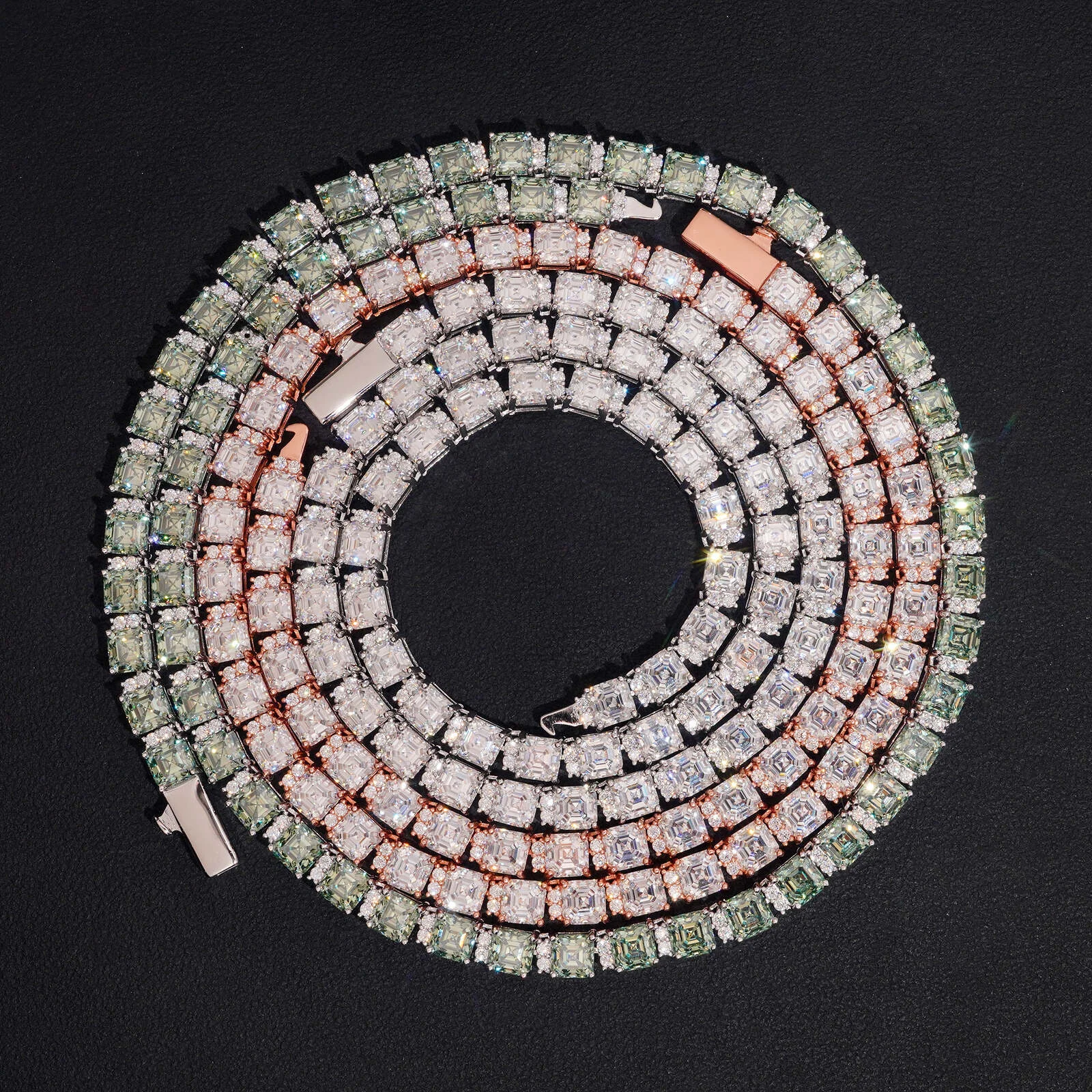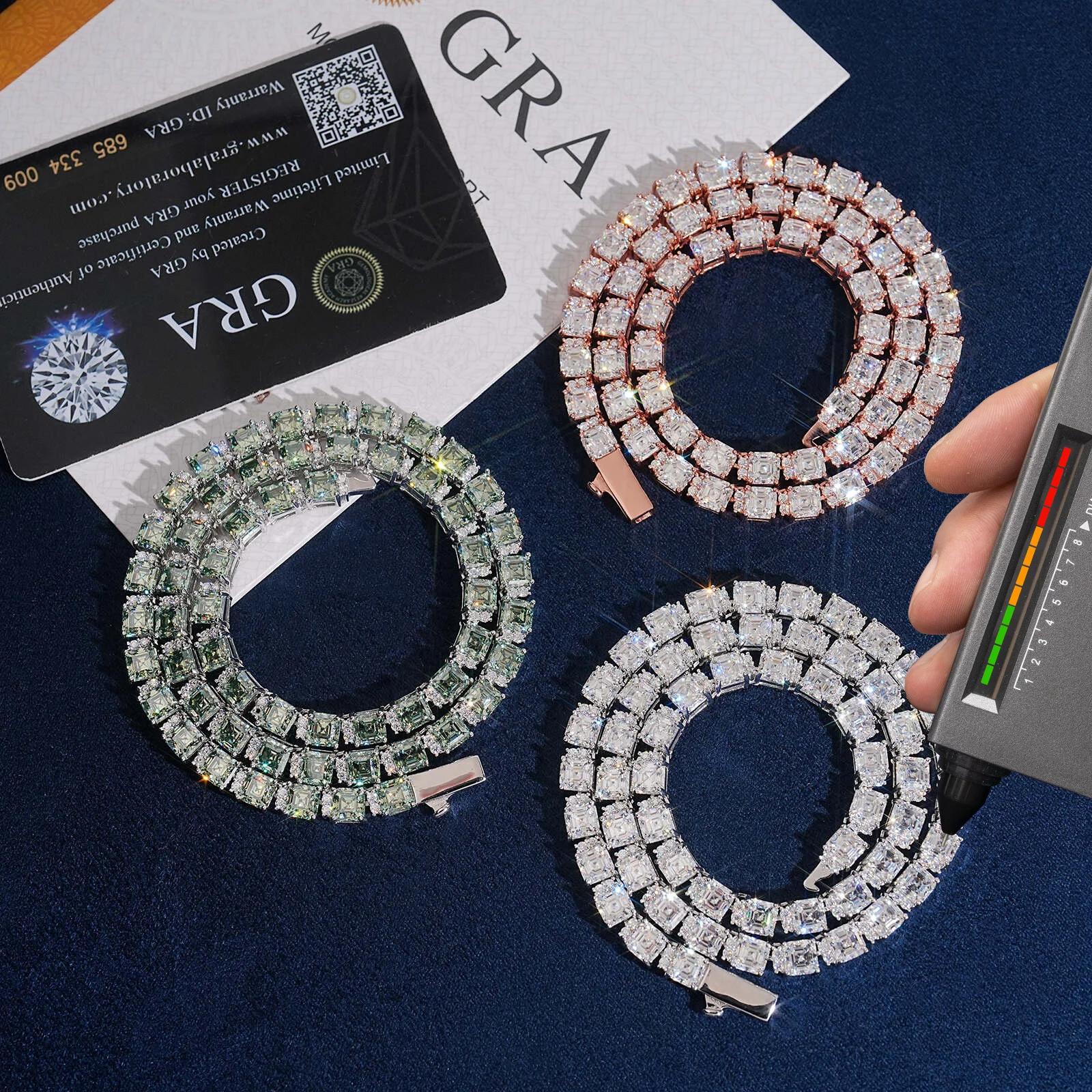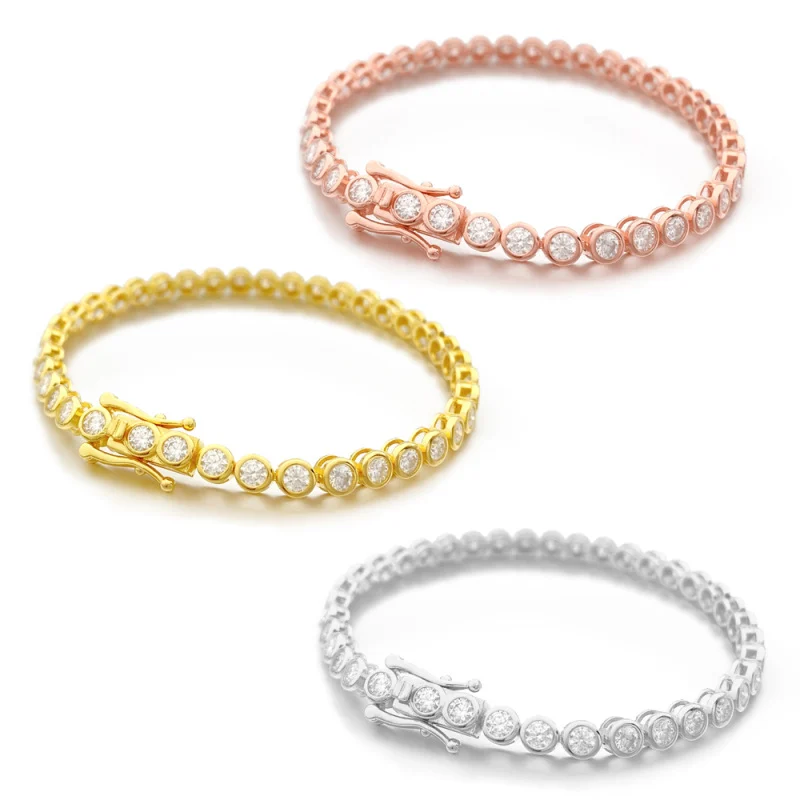


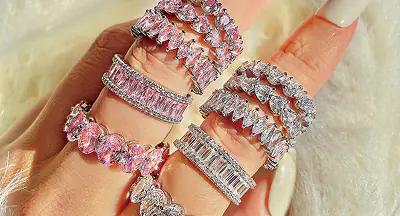




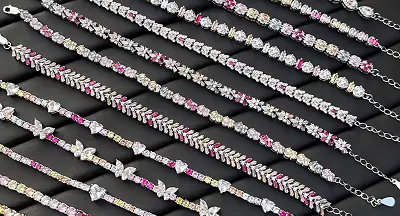


Jewelry OEM manufacturing lets a brand turn an approved design into repeatable production through a factory. It is not simply a catalog purchase with a logo added. The buyer needs to specify the product, approve a sample, and agree the checks that define an acceptable finished piece. If those controls are vague, a low quote can become an expensive first order.
This guide is for brand founders, retail buyers, and ecommerce teams planning custom fashion jewelry. It explains what OEM means, where it differs from ODM and private label, and how to compare suppliers without confusing an attractive price with a comparable offer. For the service route, see the jewelry OEM and ODM service. For related guidance, see customization options.
Key Takeaways
- OEM production begins with a buyer-owned or buyer-specified design, then an approved sample.
- A comparable quote fixes materials, finish, stones, packaging, QC, and shipping terms.
- Leejory states an OEM MOQ of 20 pieces per size on its service page, but MOQ alone does not define total risk.
- A first order should validate the product, packaging, and manufacturing process before a brand increases volume.
What is jewelry OEM manufacturing?
Leejory describes seven linked stages in its OEM and ODM service: consultation, CAD, sampling, mass production, QC, packaging, and delivery. In practical terms, jewelry OEM manufacturing means a factory produces a design to the buyer’s written requirements. The approved specification and sample, not a broad product name, define what should be reproduced.
The buyer normally owns the commercial brief: the design direction, target customer, material choice, finish, logo treatment, packaging, quantity, and destination market. The factory should identify manufacturing limits, create or refine technical files, make samples, plan production, and inspect the order against agreed standards. Who owns CAD files, molds, and reuse rights should be stated in the supply agreement. For related guidance, see step-by-step custom jewelry development guide.
Buyer and manufacturer responsibilities
| Buyer should provide | Manufacturer should provide |
|---|---|
| Design references, measurements, target quantity, market, and acceptance criteria | Feasibility feedback, CAD or technical refinement, sample plan, quote assumptions, and QC plan |
| Written sample feedback and final approval | Controlled production against the approved sample and written specification |
| Contract terms for IP, payment, delivery, and remedies | Documentation on agreed materials, inspections, packaging, and shipment |
How do OEM, ODM, and private label jewelry differ?
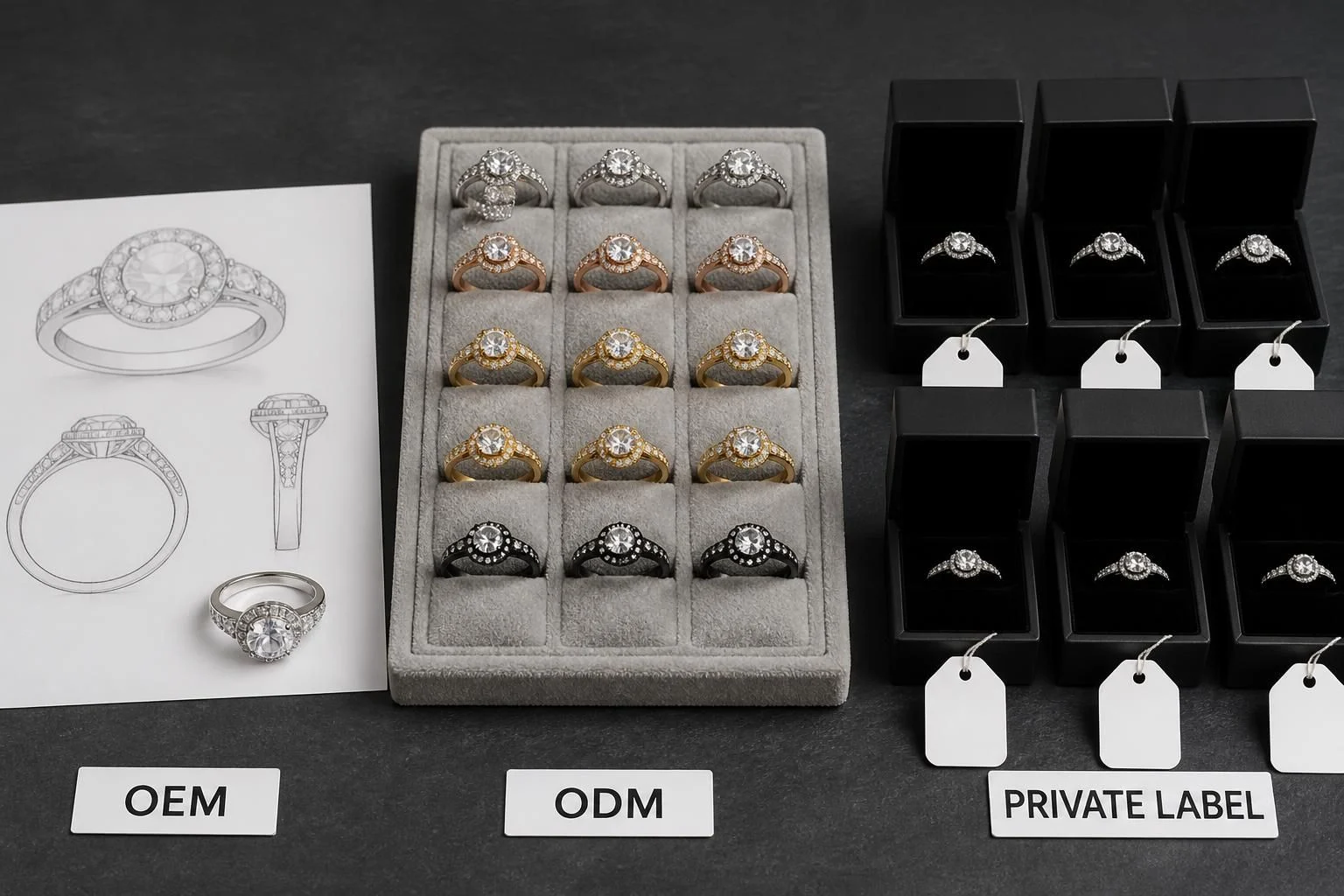
This guide compares three production models: OEM, ODM, and private label. The site’s OEM vs. ODM jewelry guide separates buyer-led manufacturing from factory-developed designs. Use OEM when the product itself must be yours, ODM when you want a factory design adapted, and private label when speed matters more than deep product development. For related guidance, see OEM and ODM production comparison.
OEM usually gives the brand the most control over product details, but it asks for a clearer brief and often more development work. ODM starts with a supplier’s base design, then changes details such as materials, stones, colors, or branding. Private label commonly brands an existing product with limited changes. The right choice depends on your launch date, differentiation, budget, and willingness to manage revisions.
An OEM order works best when the product design is part of the brand’s value. A private-label order works best when the selling proposition lies in curation, audience, packaging, or channel execution. The cost of choosing the wrong model is usually a late redesign after samples have exposed the mismatch.
What belongs in a jewelry OEM product brief?
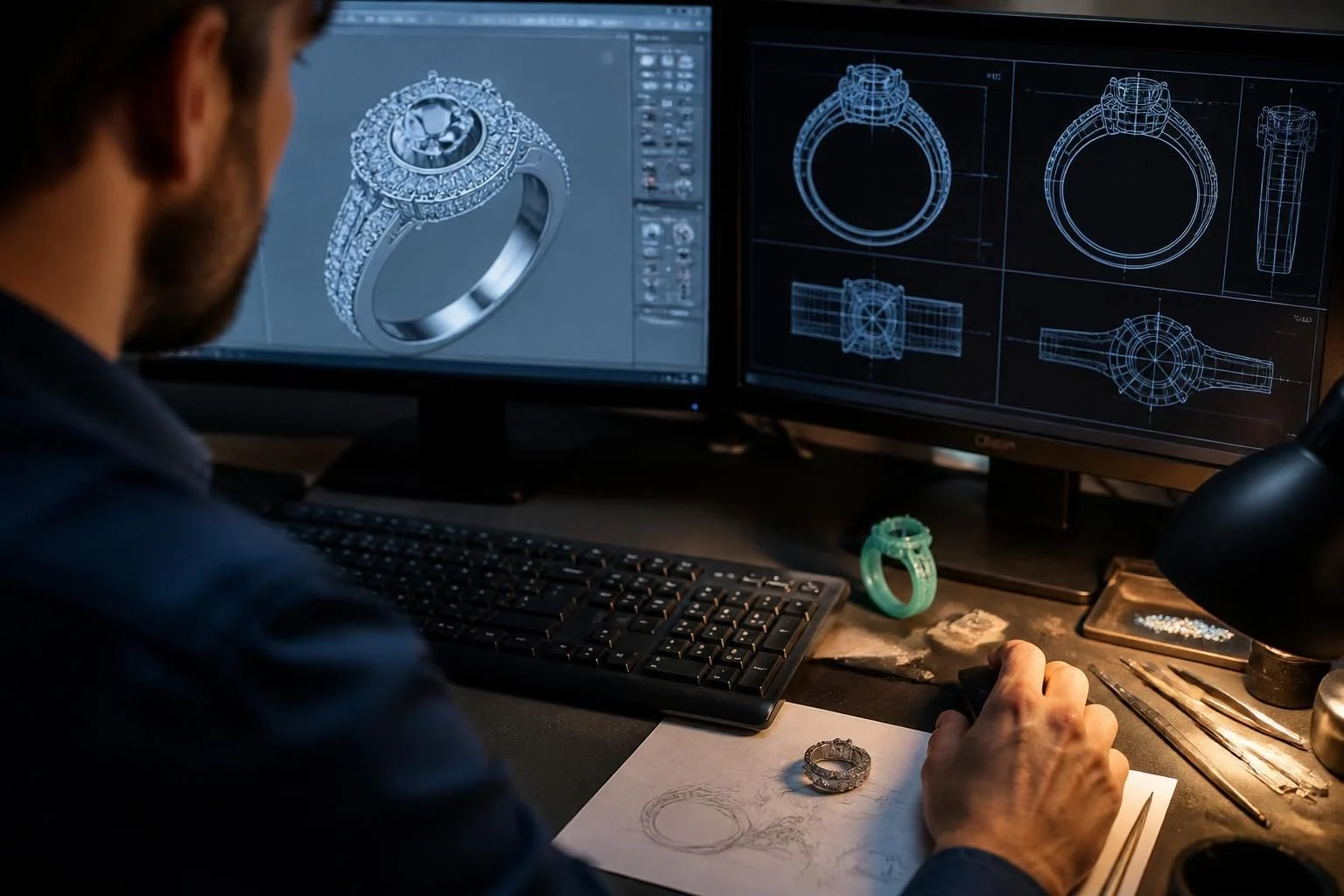
Leejory states that its OEM flow includes CAD design within 24 hours, subject to the design and order details on its OEM service page. A fast CAD turn is useful only when the input is clear. A production-ready brief lets a factory quote the same product you expect to sell, not a loose interpretation of a mood board.
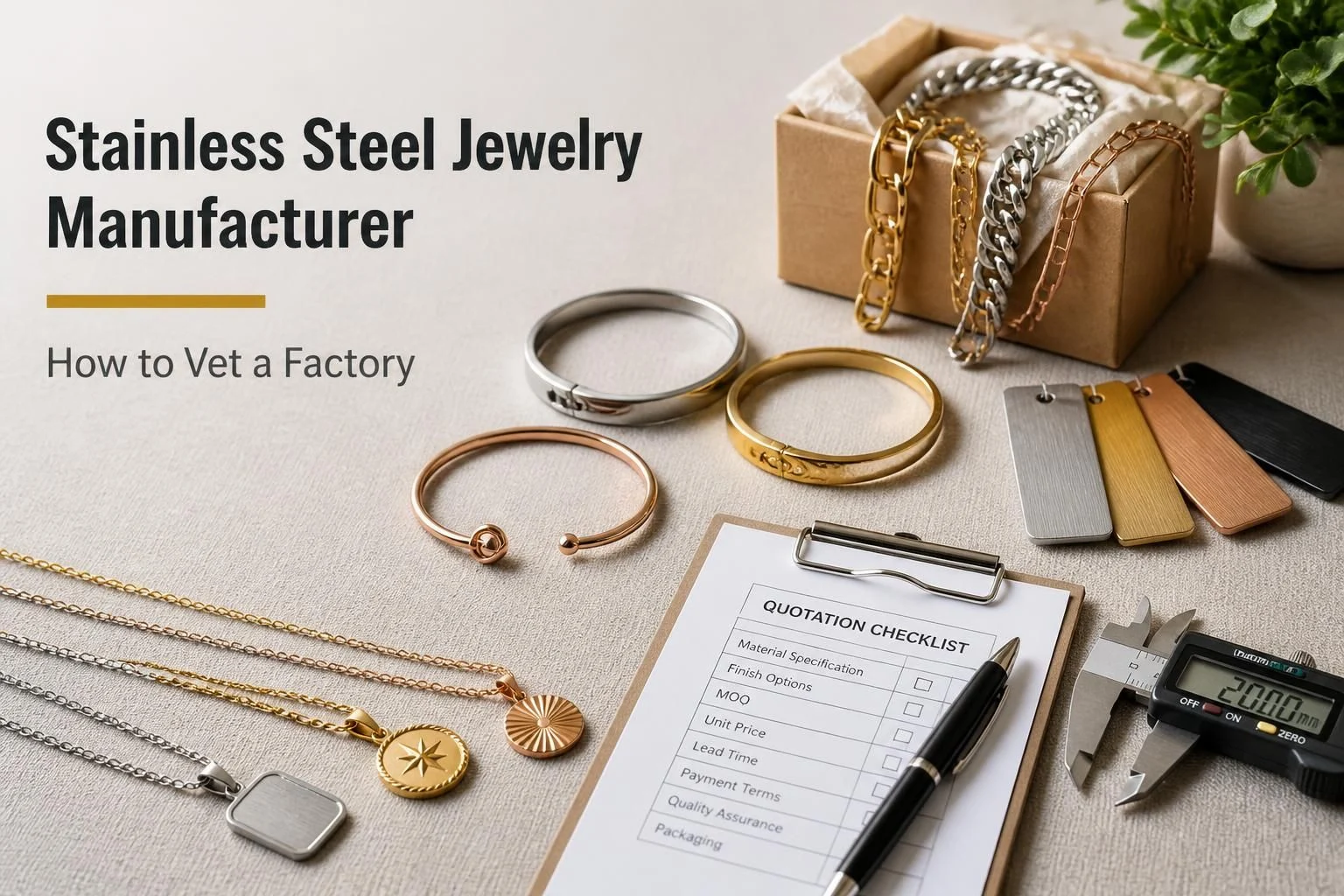
Start with a visual reference and add measurable fields: dimensions, base metal, plating, color, finish, stone or pearl type, clasp, logo location, packaging, order quantity, target market, and desired delivery window. Include a reference sample where possible. If a detail can affect price, appearance, fit, durability, compliance, or customer returns, put it in the written brief.
The quote-ready checklist
- Product name, SKU, clear front/side/back reference images, and key dimensions.
- Base material and finish, such as stainless steel or brass, plating type, color, and surface treatment.
- Stone, pearl, enamel, resin, or other component requirements, including visual tolerance.
- Branding, engraving, hang tags, boxes, polybags, barcodes, and carton rules.
- Quantity by style, size, color, and planned reorder expectations.
- Selling market, claims you intend to make, and required product documents.
- Approved sample criteria, inspection method, payment milestones, Incoterm, and delivery destination.
How does the jewelry OEM manufacturing process work?
Leejory states an indicative sample period of 5-7 days and mass-production lead time of 15-20 days on its OEM service page. Those times are first-party service parameters, not universal promises. The buyer’s approvals, material availability, order complexity, revisions, and freight plan can all change the final schedule.
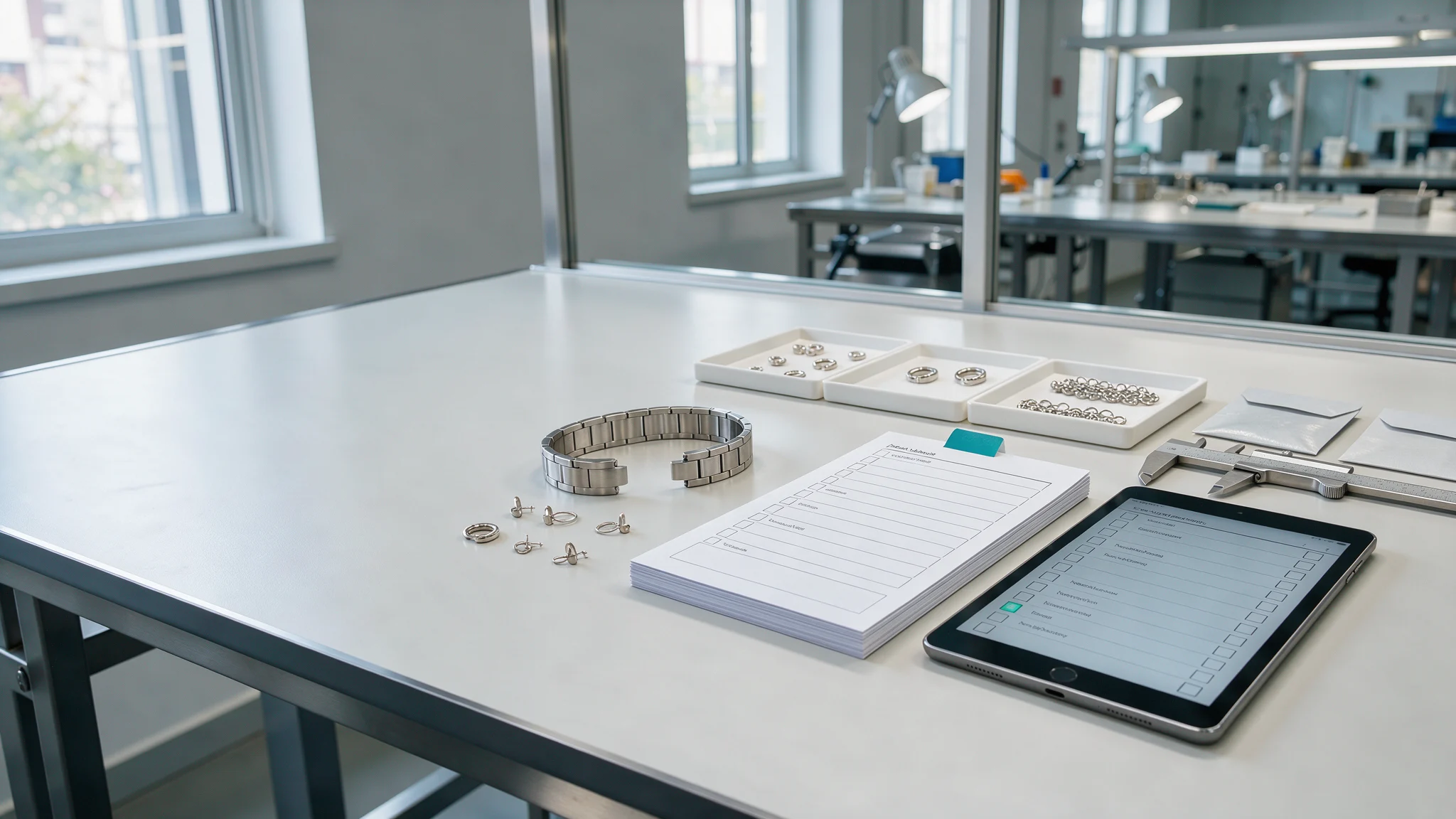
The process usually follows these stages: consultation, feasibility review, CAD, sample, written sample approval, production confirmation, bulk production, inspection, packaging, and dispatch. For a simple collection, a single sample may be enough. For a complicated multi-part design, approve a pre-production sample that reflects the final material, plating, stones, and branding before authorizing volume.
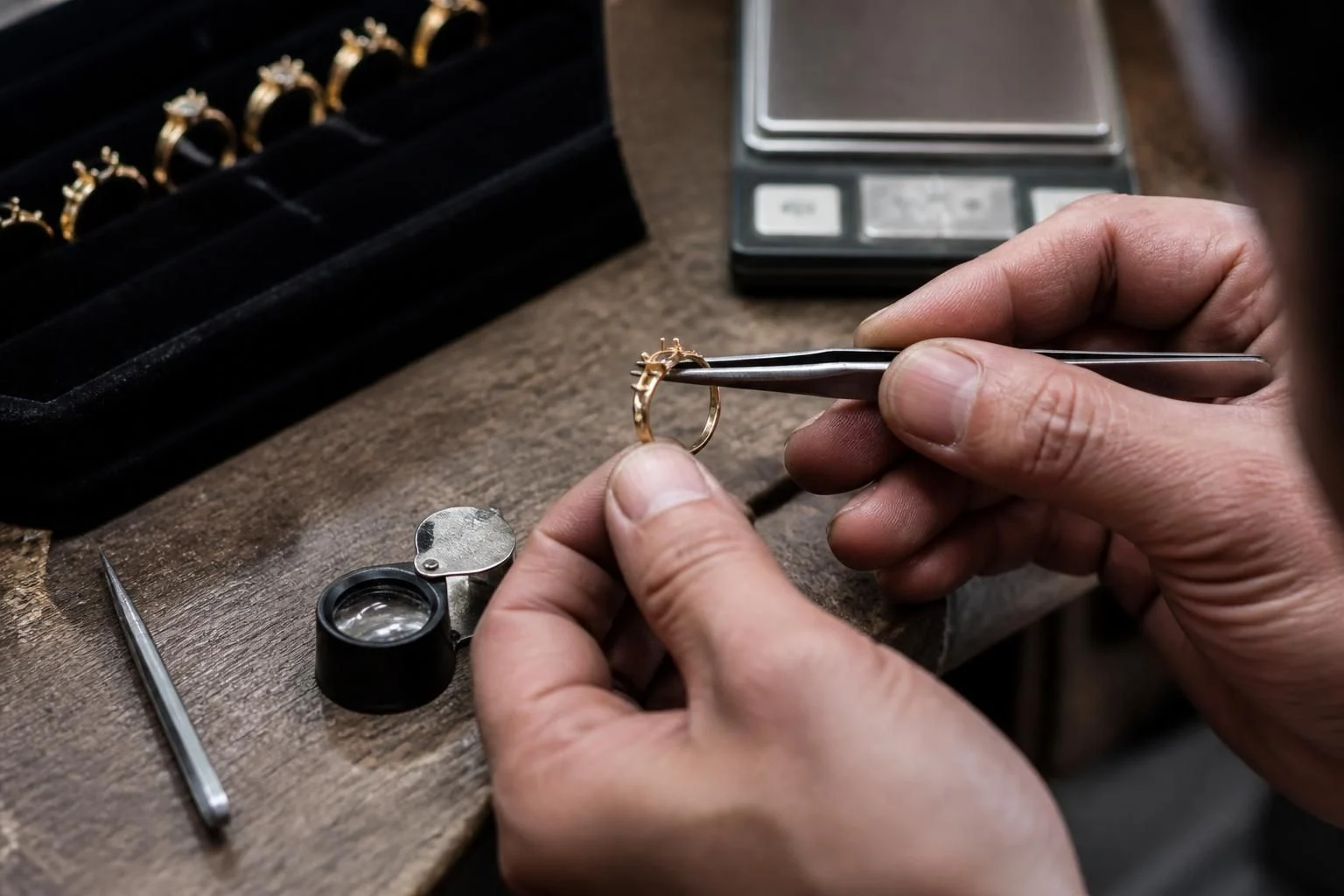
The sample is the control point that connects a concept to a bulk order. A buyer who approves a sample against written dimensions, material, finish, stone setting, logo, and packaging requirements creates a reference that the factory and inspection team can use. Without that reference, “match the sample” can still mean different things to different people.
Keep feedback in one revision log. Mark photographs or CADs, date every version, and ask the factory to confirm the change in writing. Verbal approvals are easy to misremember. A simple log also prevents a prior version from finding its way into production.
How do MOQ, cost, and lead time fit together?
Leejory publishes an OEM MOQ of 20 pieces per size on its OEM/ODM service page. That number can make a pilot run practical, but MOQ is only one purchase variable. A smaller first order may have a higher unit cost and still reduce total risk by testing design appeal, fit, packaging, and defects before inventory commitments grow.
Ask every supplier to separate sample charges, molds or tooling, unit price, packaging, inspection, freight, duties, and any design or revision charges. Also ask what quantity and material assumptions underpin the quote. This makes it easier to identify a genuine cost difference, rather than a quote that excludes a needed part of the order.
How should a brand define quality control and compliance?
The European Commission explains that REACH places restrictions on substances in articles placed on the EU market (European Commission, current guidance). Quality control and regulatory compliance are related but separate. A factory may follow an internal inspection plan, while the finished SKU still needs checks appropriate to its material, claims, customer, and destination market.
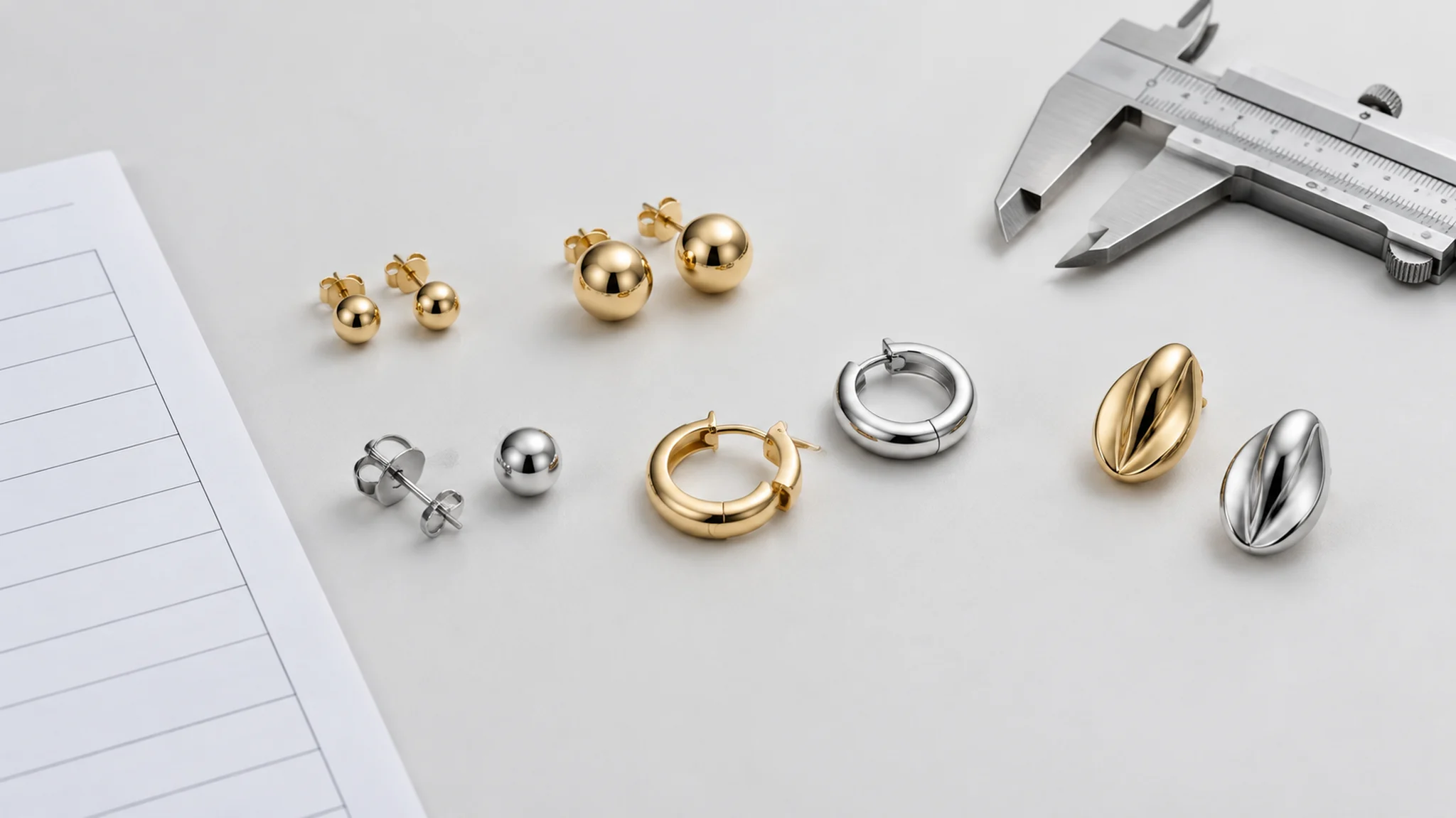
Write an inspection plan before production begins. It should name the approved sample, measurement tolerances, cosmetic standards, plating and color checks, stone-setting checks, clasp operation, sharp-edge checks, logo placement, packaging, carton marks, and documentation requirements. Decide who inspects, when they inspect, how issues are reported, and what happens when the result fails.
Don’t treat a certificate logo as a blanket product-compliance statement. Ask what the document covers, when it was issued, which facility it applies to, and whether it supports the material or finished product you are selling. For U.S. children’s products or sensitive market claims, obtain professional compliance advice for the specific SKU before sale.
How do you evaluate a jewelry OEM manufacturer?
Leejory has 15+ years of experience, 3,000 m2 of factory space, 20+ CAD designers, and 500+ production workers. These are first-party capability claims and should be confirmed for a live order. They are useful starting points, but a buyer should still evaluate the exact material, process, sample quality, and communication needed for the collection.
Begin with process fit. A manufacturer that is strong in one metal, plating system, or stone-setting method may not be the best match for another. Ask to see relevant, permission-cleared examples. Then run a sample order, review the revision process, and request a written quotation that preserves your technical requirements. A polished catalog cannot replace a controlled sample.
A practical supplier scorecard
| Criterion | Suggested weight | What to look for |
|---|---|---|
| Sample and product quality | 25% | Match to measurements, finish, setting, and intended use |
| QC traceability | 20% | Approved sample, inspection points, issue records, and remedies |
| Process and material fit | 15% | Evidence that the factory makes the required product reliably |
| Communication and revision control | 15% | Clear feedback loops, named versions, realistic confirmations |
| Commercial clarity | 15% | Quote assumptions, MOQ, payment, Incoterm, and lead-time conditions |
| Compliance evidence | 10% | Scope-appropriate documents and market-specific review |
For a wider supplier search, see this guide to evaluating jewelry suppliers in China and this supplier evaluation checklist.
What risks should you manage before the first order?
Leejory states an OEM MOQ of 20 pieces per size. A small pilot quantity can help a brand test product, packaging, and manufacturing reliability before increasing volume, but it does not remove the need for a written specification, sample approval, and clear defect remedies.
The recurring risks are unclear design ownership, sample mismatch, missing QC criteria, material-price changes, late approvals, packaging damage, and unclear delivery or defect remedies. Each is manageable when it is converted into a written control. If a supplier says a point is “standard,” ask what standard means and request the exact document or tolerance.
| Risk | Early warning | Practical control |
|---|---|---|
| Ownership dispute | CAD or molds are discussed without contractual terms | Define ownership, reuse, confidentiality, and handover rights |
| Quality mismatch | Sample feedback exists only in chat messages | Approve a dated sample and signed specification |
| Cost surprise | Unit price excludes packaging, inspection, or freight | Use a quote-comparison sheet with all line items |
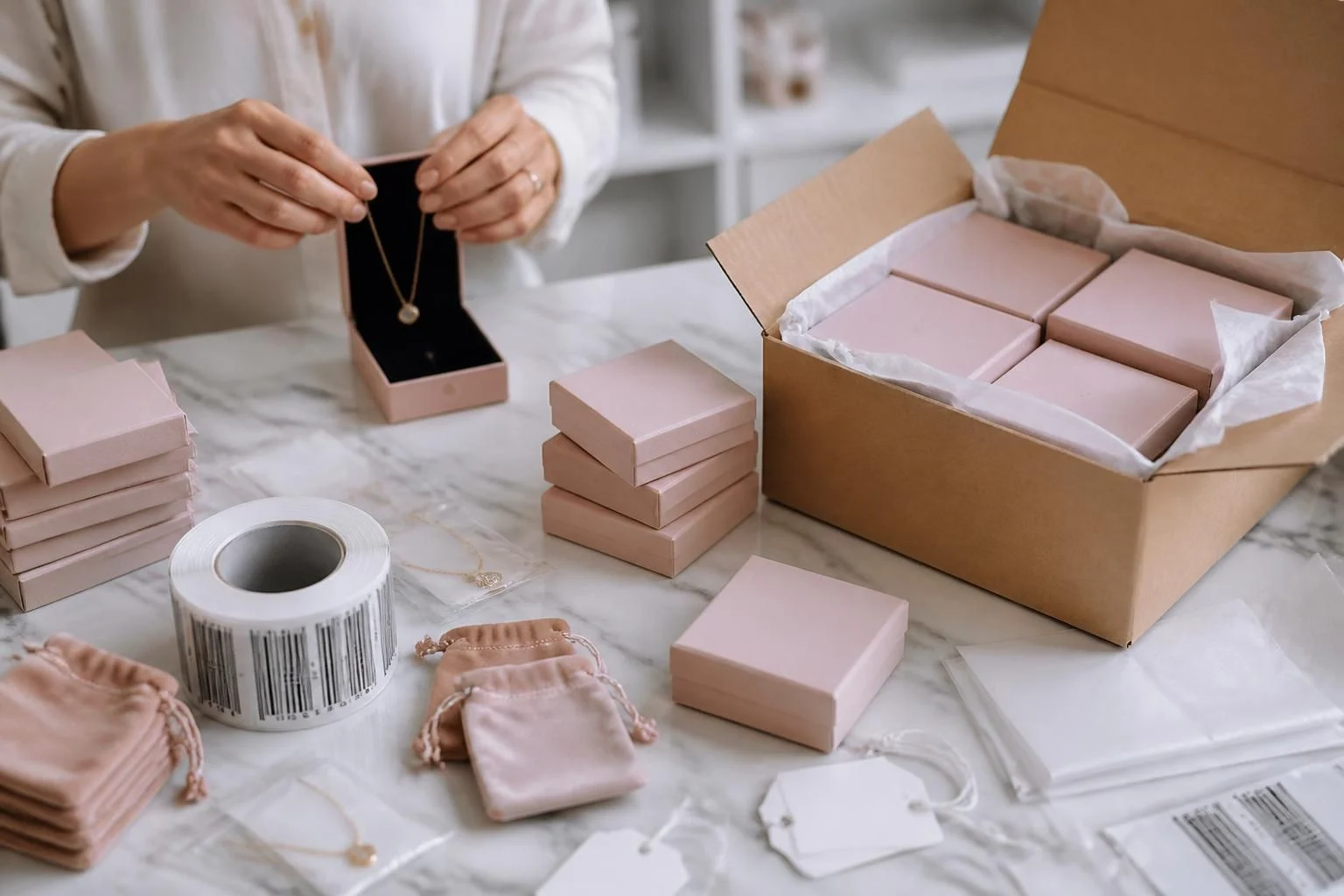
| Shipping dispute | No Incoterm, carrier, packaging test, or claim path | Confirm delivery terms, packing requirements, and damage procedure |
What should a new brand do in its first 30 days?
Leejory’s published parameters include CAD within 24 hours, samples in 5-7 days, and bulk production in 15-20 days, subject to the order. A 30-day plan should therefore focus on outputs the brand can control: a clear brief, comparable quotes, samples, quality criteria, and a documented decision. It should not assume bulk goods will arrive in 30 days.
In week one, define the collection, customer, price position, materials, and required product claims. In week two, send one standardized brief to shortlisted suppliers and compare responses. In week three, review samples and log every correction. In week four, approve the final sample, QC plan, commercial terms, and order documentation, or pause the project until open issues are resolved.
That pacing gives a first order a clear purpose. You are testing product-market fit and manufacturing reliability at the same time. It may feel slower at first. It is usually cheaper than explaining an avoidable defect to customers after stock has landed.
Frequently asked questions
What is the difference between OEM and ODM jewelry?
OEM means a factory produces a buyer-specified design, while ODM starts from a factory-developed design that the buyer adapts. The 2026 comparison in this guide rates OEM as highest for design control and customization, while private label rates highest for speed. Read the detailed OEM vs. ODM jewelry guide linked earlier before choosing.
What is a typical MOQ for custom jewelry?
MOQ depends on material, process, tooling, size range, and supplier capacity. It is not a fixed industry number. Leejory states an OEM MOQ of 20 pieces per size on its OEM/ODM page, accessed September 2026. Ask every supplier whether the MOQ applies per style, color, size, or total order.
How long does jewelry OEM manufacturing take?
The schedule includes feasibility, CAD, sample creation, feedback, approvals, bulk production, inspection, packing, and freight. Leejory lists 5-7 days for samples and 15-20 days for mass production, subject to order details. Treat these as planning inputs, not a universal delivery commitment.
Do I own my custom jewelry design?
Design ownership is a contract issue, not an automatic result of paying for a sample. Before work starts, state ownership and reuse rights for the design, CAD files, molds, samples, and product photography. The 2026 quote-comparison framework in this guide treats ownership as one of six fields that must be agreed before prices can be compared.
What should I inspect before approving production?
Inspect the approved sample, measurements, material, finish, stones, clasp function, logo, packaging, and required documents. The supplier scorecard above gives quality and QC traceability 45% of its combined weighting, more than any other pair of factors. That emphasis reflects the cost of finding a preventable defect after a large run is packed.
Start with a verifiable first order
Jewelry OEM manufacturing becomes manageable when the buyer makes three decisions early: choose the right production model, create an unambiguous product brief, and approve a measurable sample and QC plan. Leejory’s published 20-piece-per-size OEM MOQ is an example of why the first order can be treated as a controlled pilot, not merely an inventory purchase.
If you have a design, reference image, or product brief ready, use the OEM feasibility-review route to ask production questions before requesting a bulk quote. For material selection, see the jewelry material guide.