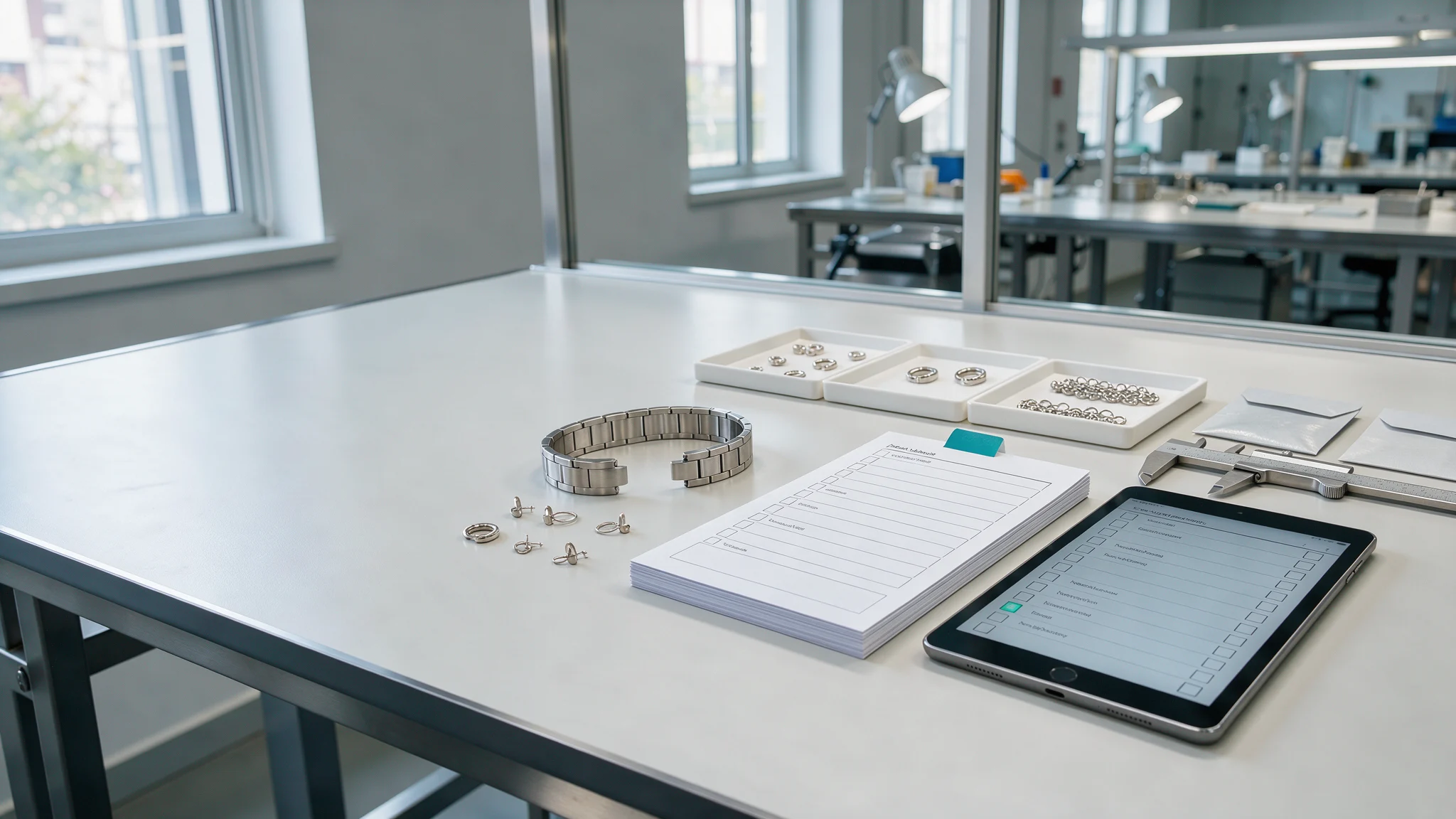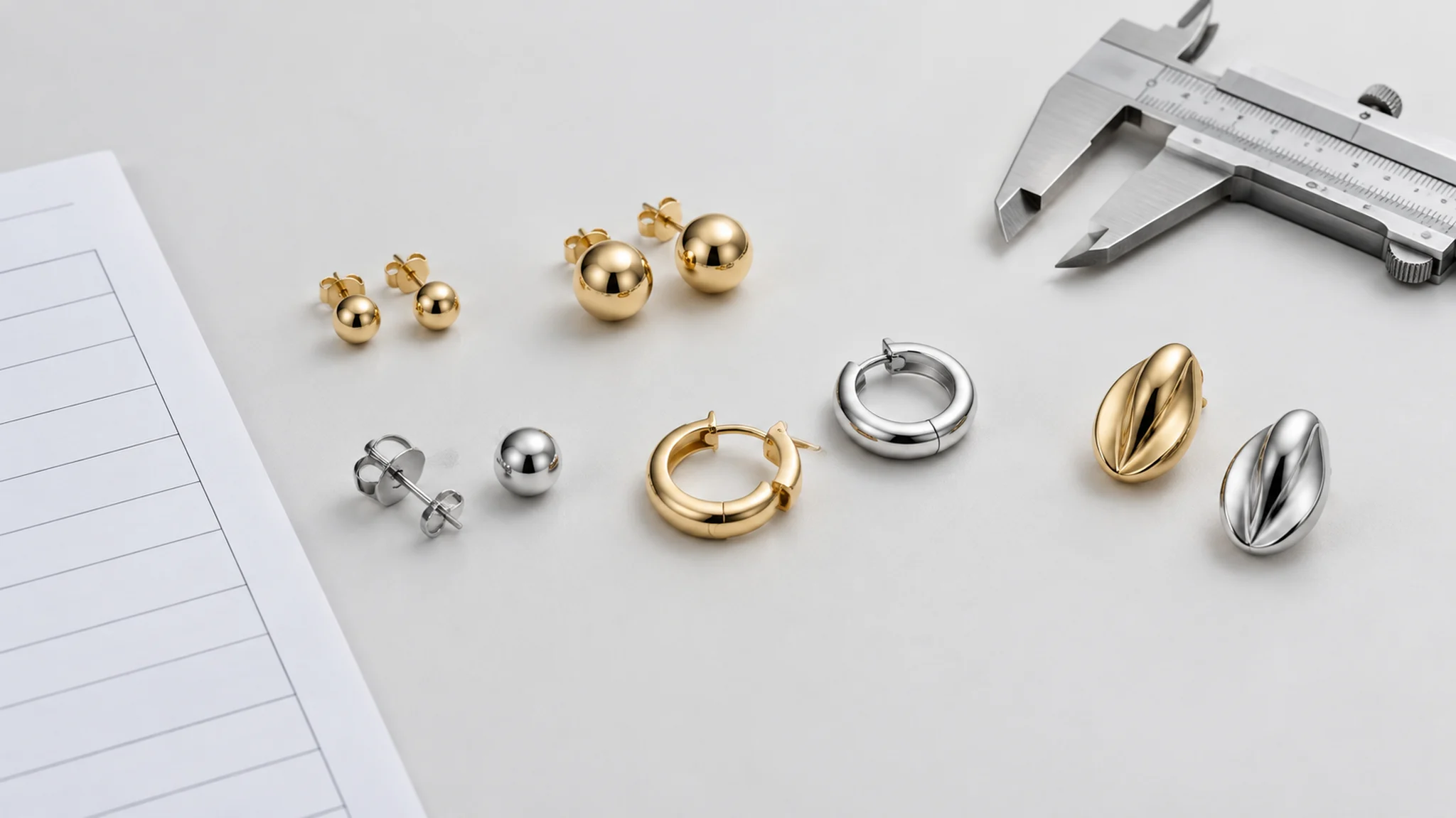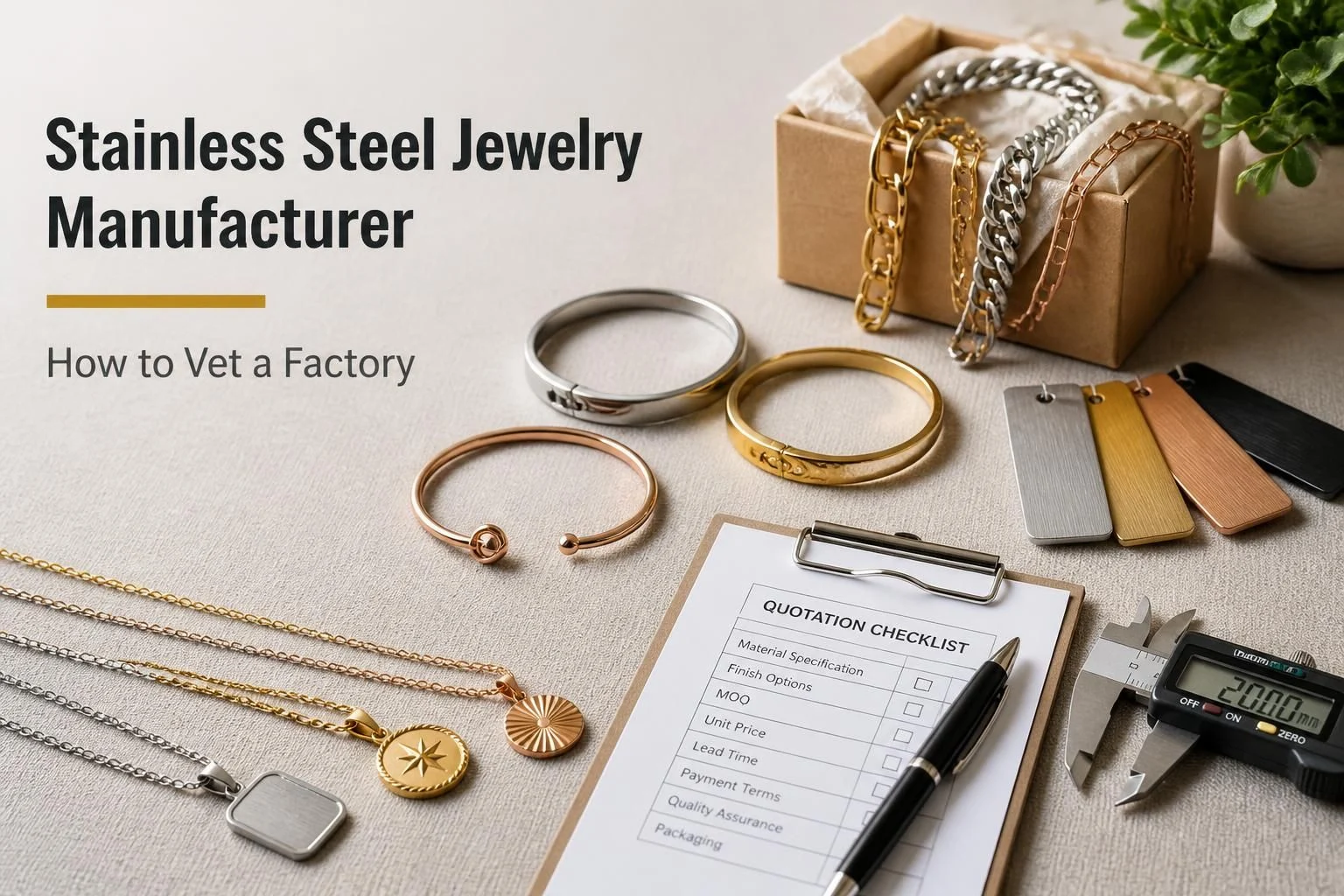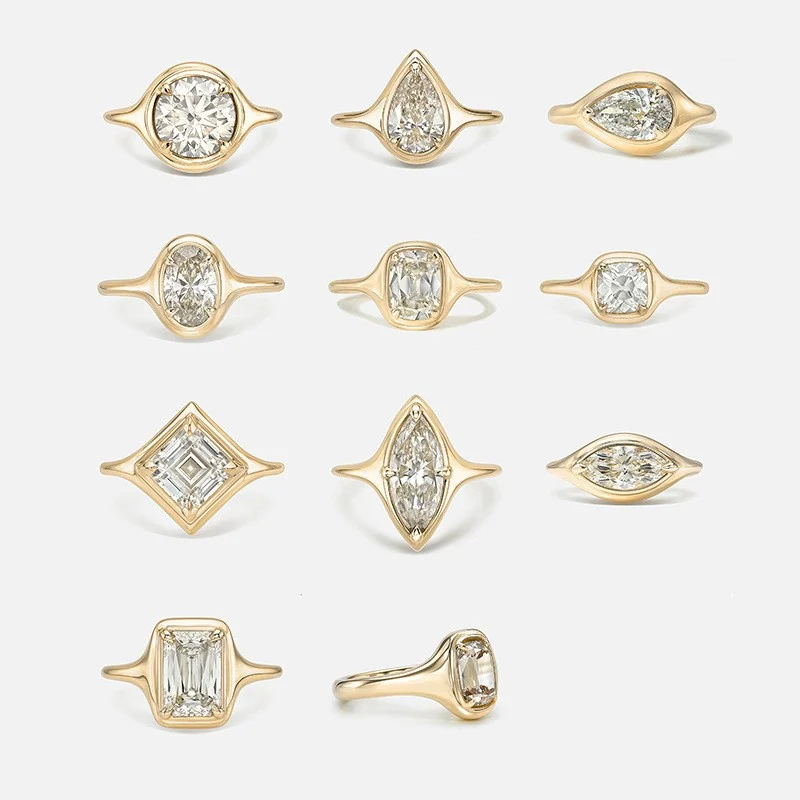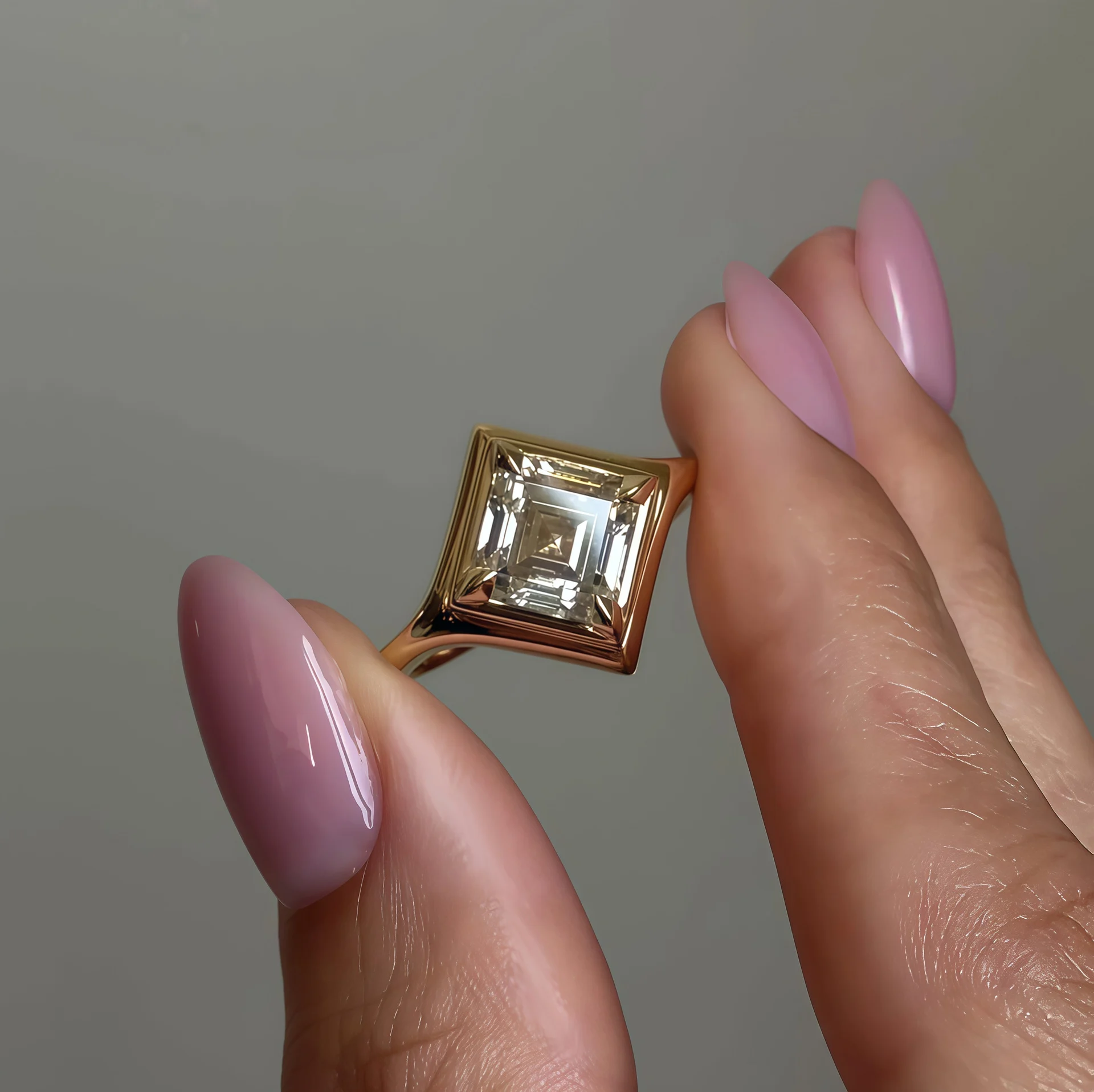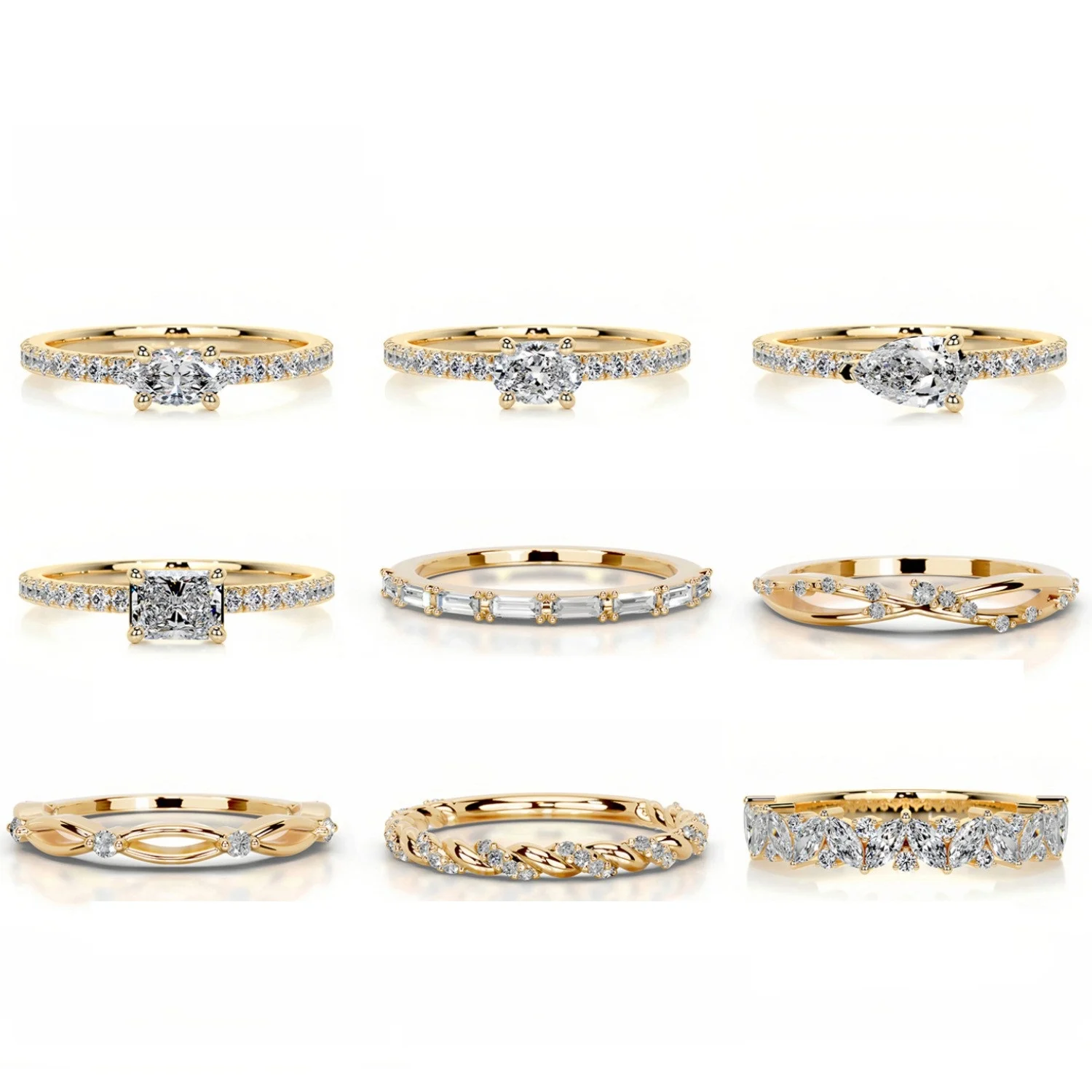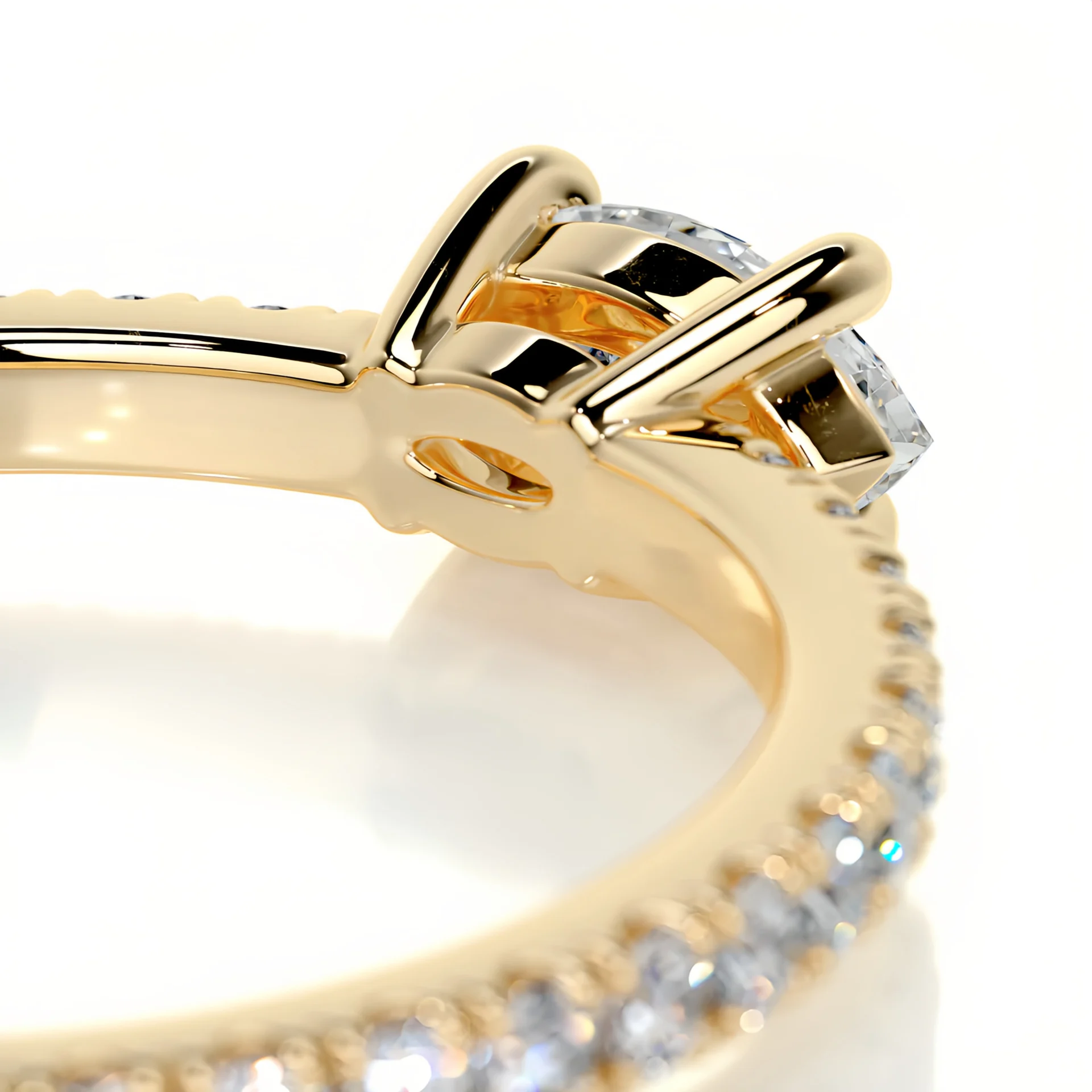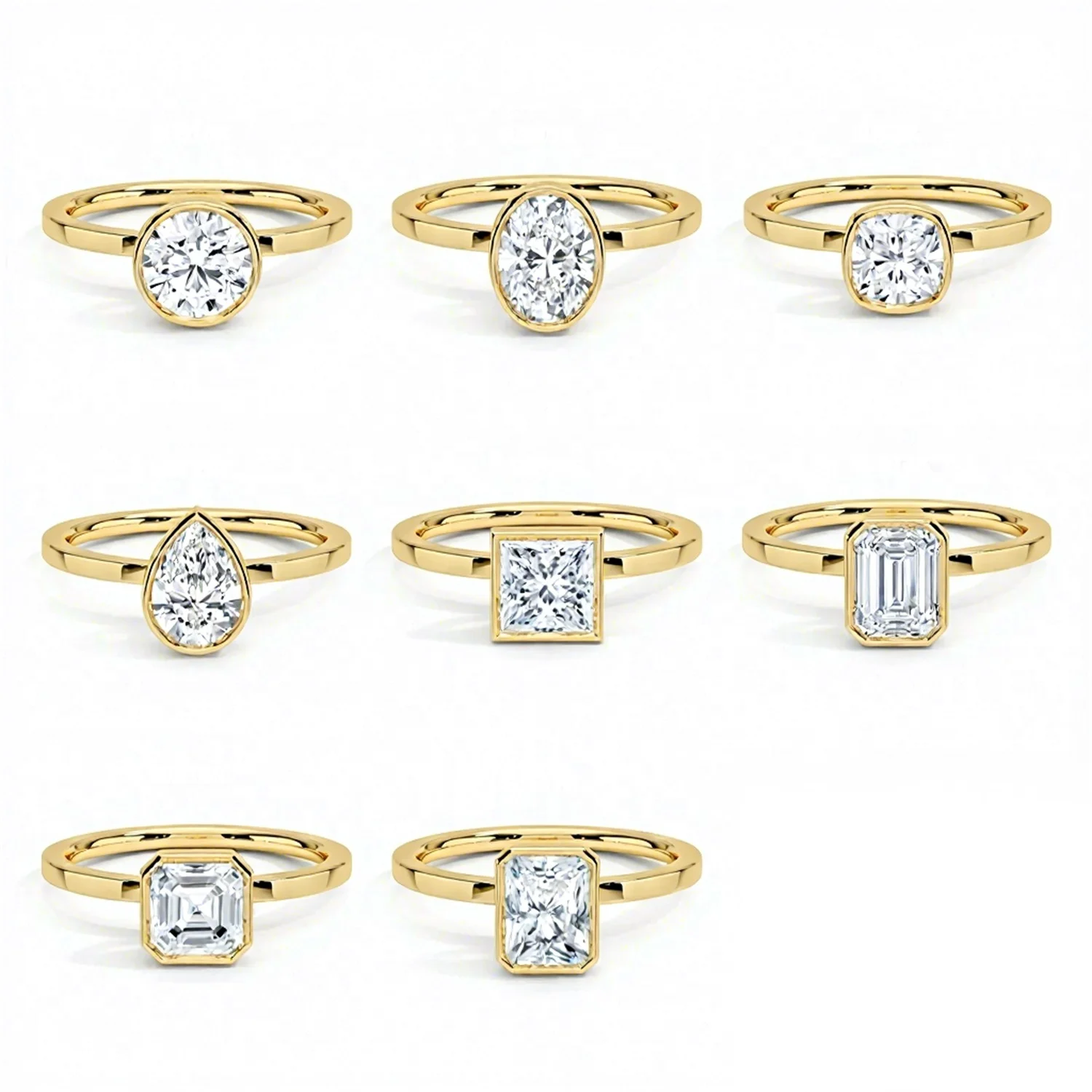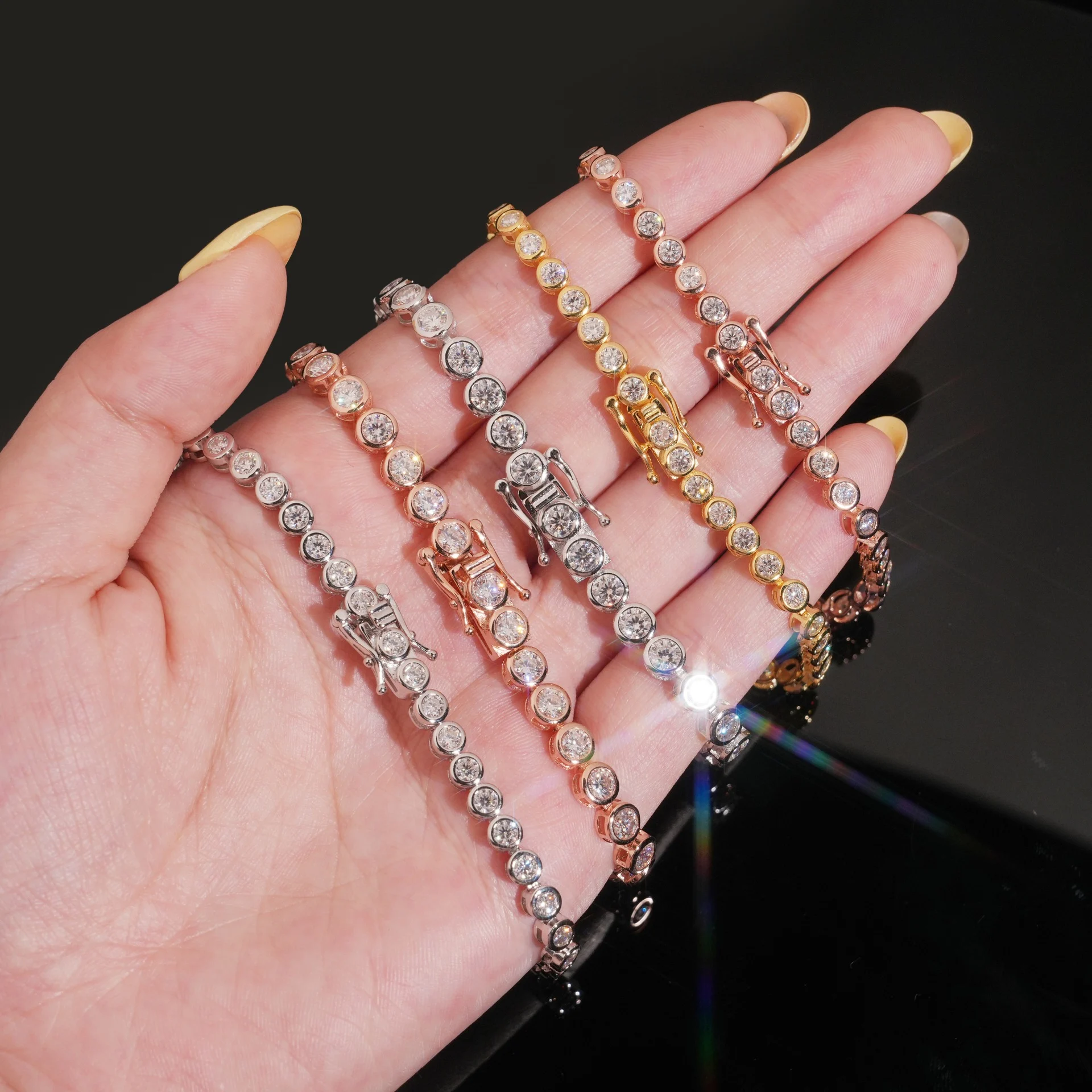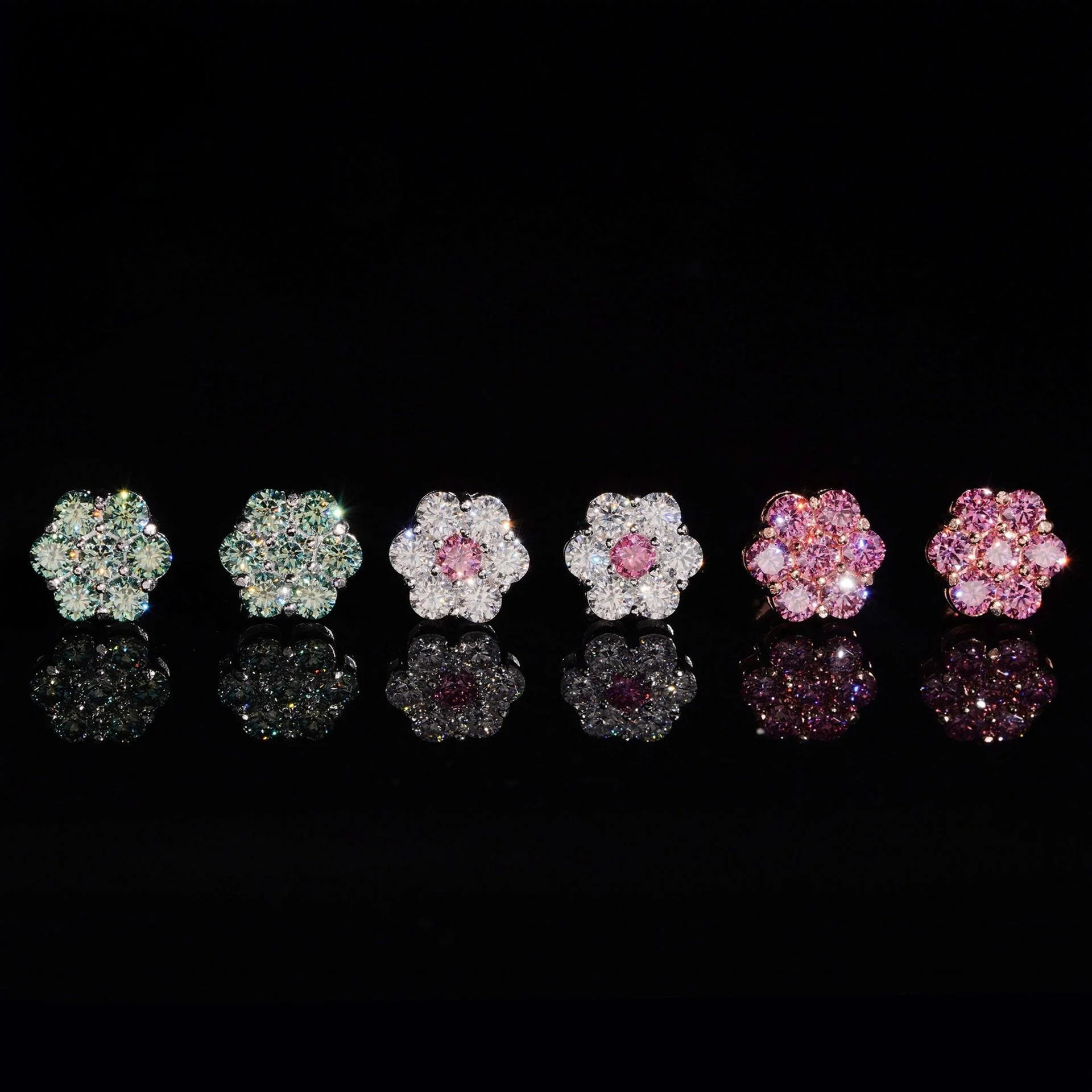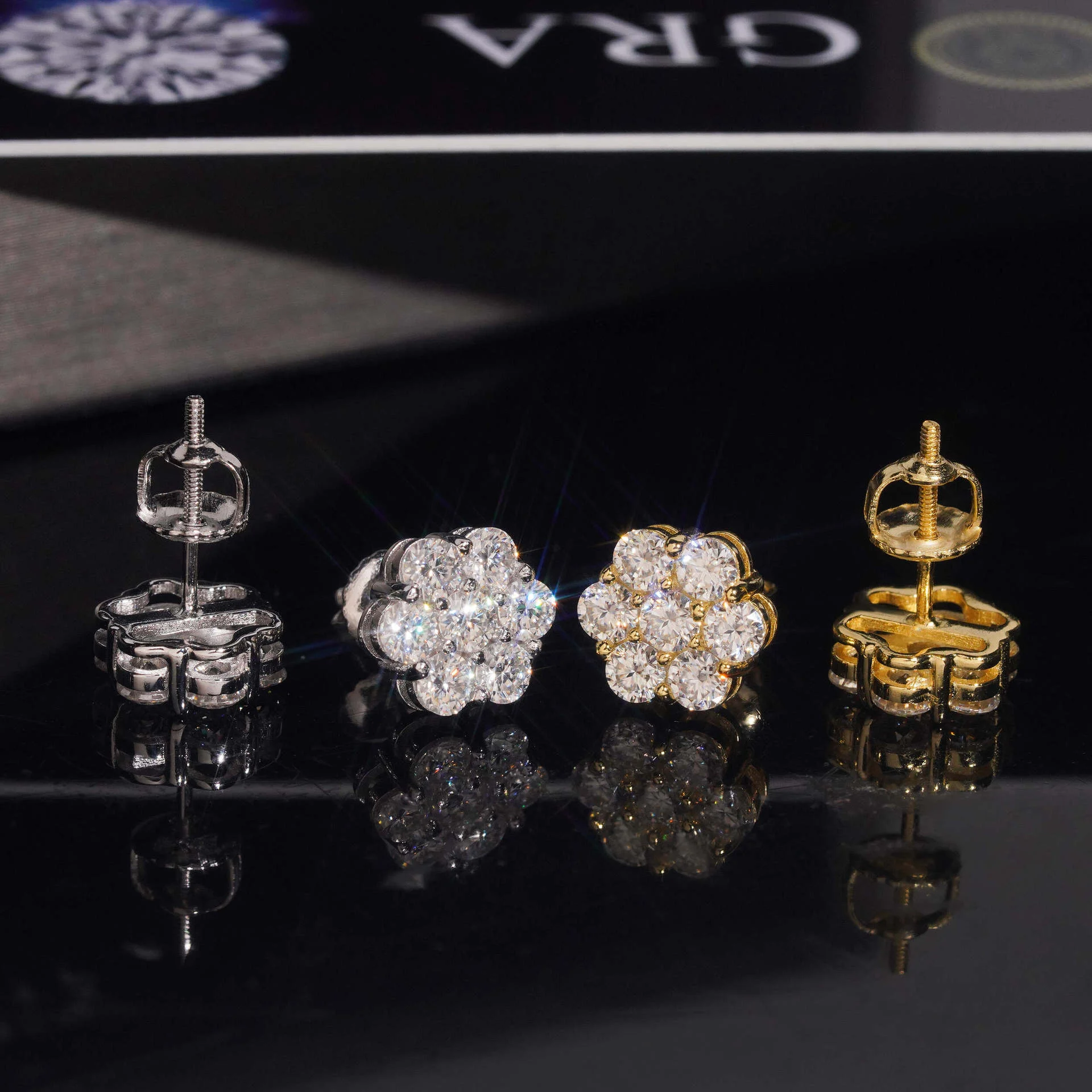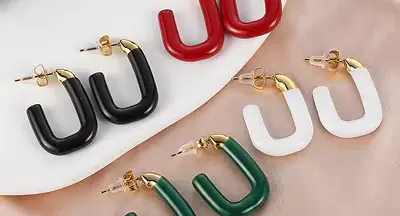








Choosing a jewelry OEM manufacturer is a production decision, not just a sourcing decision. A polished catalog can hide weak process control, unclear ownership, or inconsistent quality. The safest way to compare suppliers is to ask the same questions, request evidence, and test the relationship with a controlled pilot. For buyers applying these points, see jewelry OEM manufacturing guide.
This guide gives you a 10-point checklist for evaluating capability, samples, quality control, compliance, lead times, intellectual property, communication, cost, and reorder reliability. It also shows what to ask for before paying a large deposit. For buyers applying these points, see OEM vs. ODM comparison.
Key Takeaways
- Verify who legally receives your deposit and who controls production.
- Approve samples against written specifications, not visual impressions alone.
- Compare total landed cost and reorder reliability, not unit price alone.
- Run a documented pilot order before scaling.
How Do You Match the Manufacturing Model to Your Brand?
| Model | Best fit | Buyer owns | Main risk to clarify |
|---|---|---|---|
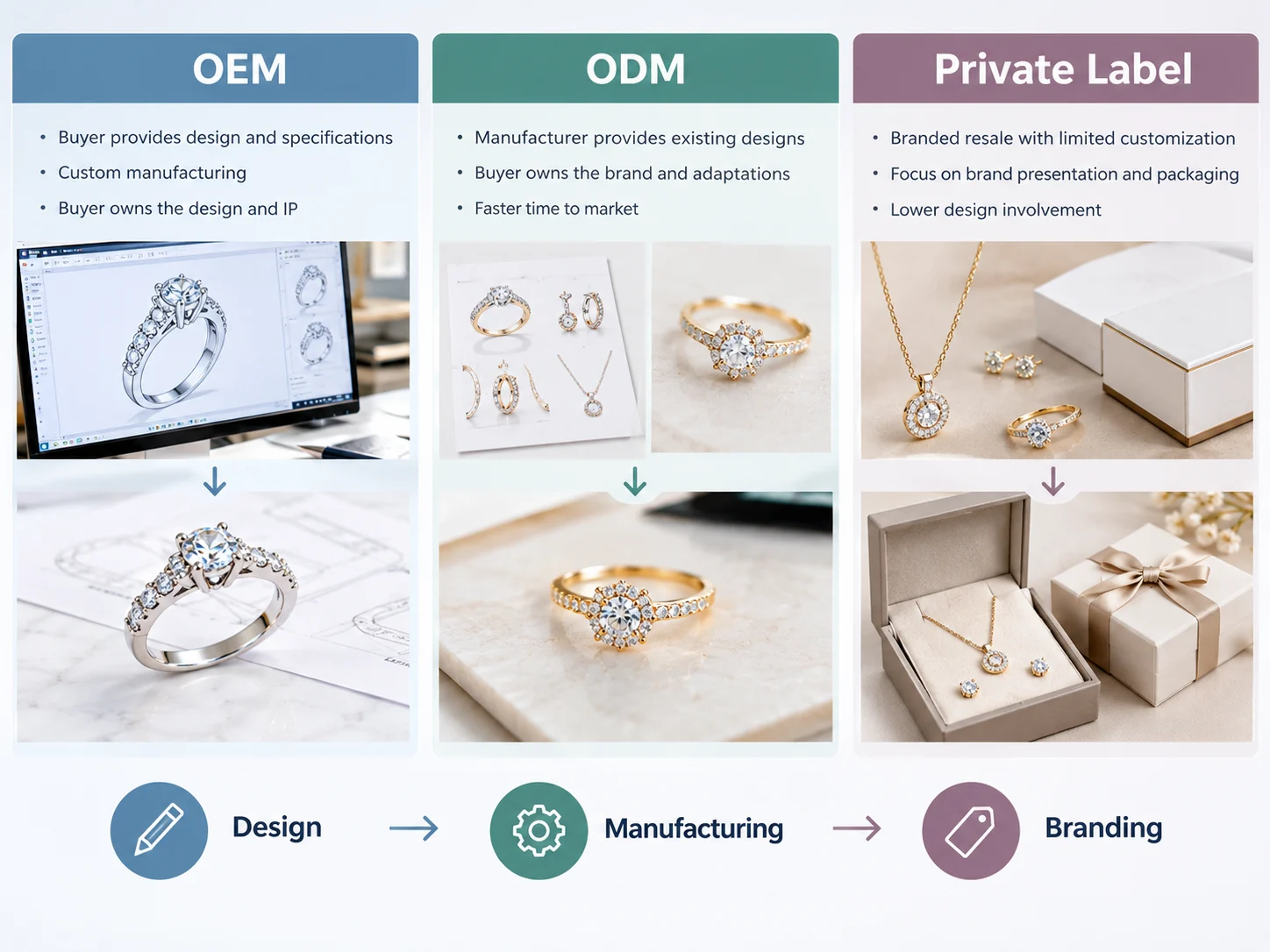
| OEM | Proprietary designs and detailed briefs | Design and specifications | Tooling, IP, and repeatability |
| ODM | Faster launches using existing designs | Brand and selected adaptations | Exclusivity and design ownership |
| Private label | Branded resale with limited customization | Brand presentation and packaging | Product differentiation and MOQ |
OEM and ODM production use different levels of design ownership and manufacturing responsibility. OEM usually means the buyer supplies the design and production brief. ODM means the manufacturer contributes an existing or manufacturer-developed design. Private label describes branding and resale, not necessarily how much customization the factory provides.
Ask each supplier to state exactly what it owns, what it manufactures, and what it subcontracts. A trading company may still be useful, but you need to know who controls the factory relationship, quality checks, and corrective action. If your designs are proprietary, clarify CAD ownership, mold ownership, confidentiality, and non-use terms before sending final files.
How Do You Vet a Jewelry OEM Identity and Capabilities?
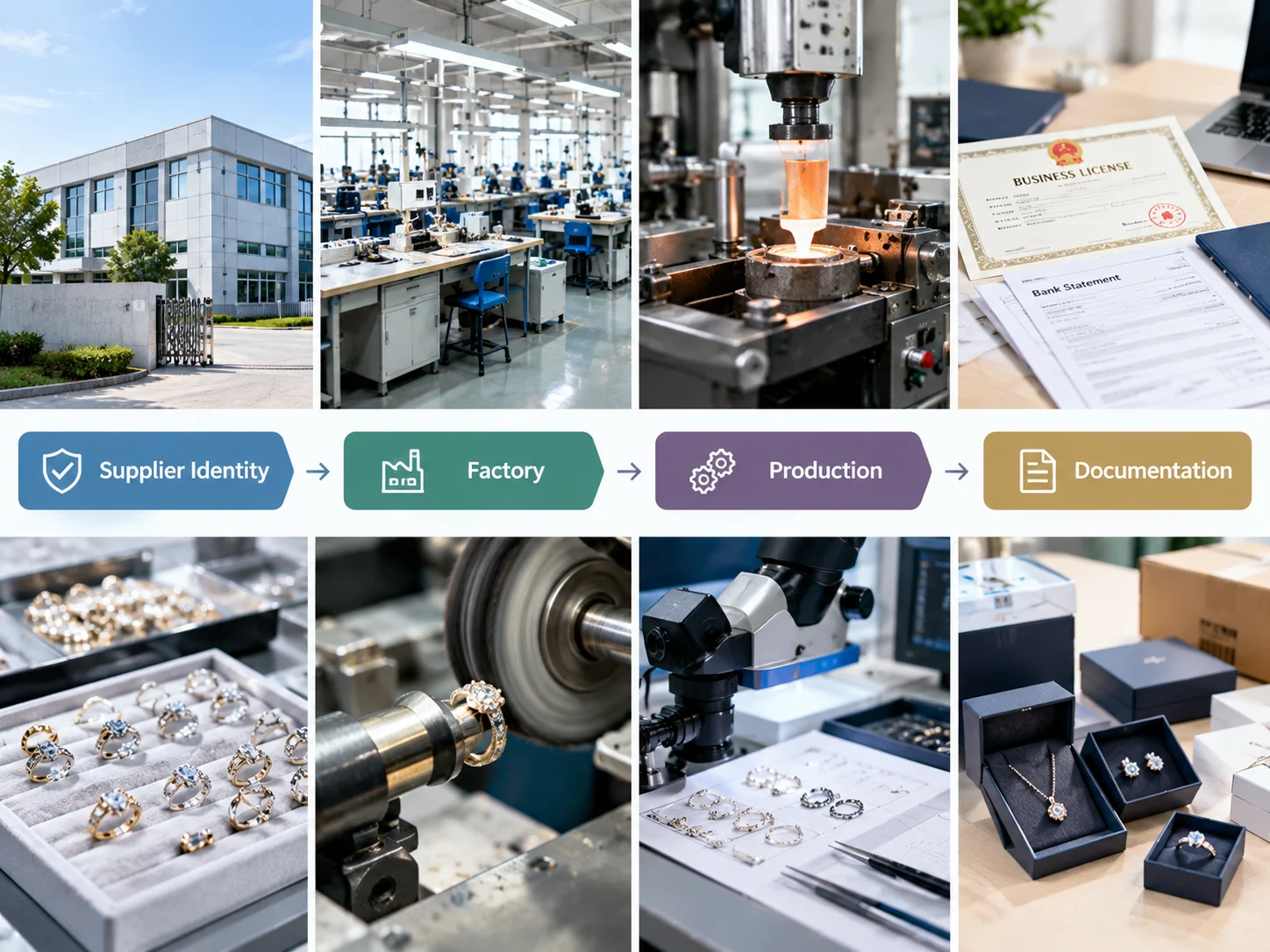
Start with the legal entity that will receive your deposit. Supplier-vetting guidance consistently recommends checking certificates, samples, references, and company details before committing funds (Sourcify, 2026). Start by matching the invoice, bank account, factory, and defect responsibility to the same business relationship.
Request the company’s legal name, registration details, factory address, bank-account name, and production contact. Then ask which processes are performed in-house: casting, stamping, CNC, polishing, plating, stone setting, assembly, and packaging. If key steps are subcontracted, ask who manages them and how defects are traced.
A live video walkthrough is useful, but it is not enough by itself. Match the walkthrough to a written process map, equipment list, sample history, and customer references. Be cautious when a supplier refuses to show production, gives only generic answers, or uses a bank account unrelated to the quoted entity.
What Technical Requirements Should You Define?
A factory fits your project only if it can repeat the required materials, finishes, construction, and tolerances. Jewelry manufacturing guidance repeatedly highlights materials, samples, MOQ, lead time, quality control, packaging, and reorders as core screening criteria. For buyers applying these points, see stainless steel factory vetting guide.
Translate your product concept into measurable requirements. If you need a broader reference, use the jewelry OEM manufacturing guide before you send the brief. Specify metal type, purity, target weight, dimensions, finish, color, plating, stone size, setting method, clasp type, chain length, and tolerance bands. Include packaging, labels, barcodes, and any market-specific testing. For branded packaging requirements, review the custom packaging service.
Ask process-specific questions. Can the factory hold your target weight? Can it repeat the plating color across batches? Can it make the clasp, hinge, or stone setting consistently? Does it already produce similar pieces, or will your order require a new process?
| Jewelry type | Processes to verify | Evidence to request |
|---|---|---|
| Cast rings and pendants | CAD, wax/resin, casting, polishing, plating | Sample, process map, weight tolerance |
| Chain and clasp pieces | Wire forming, soldering, assembly, clasp testing | Function test, defect limits, reorder sample |
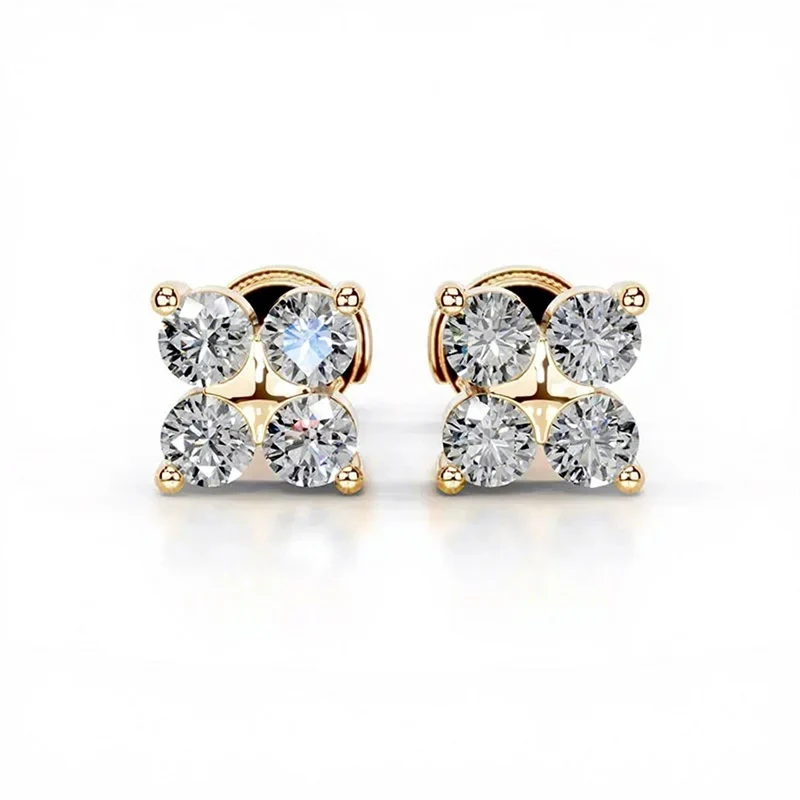
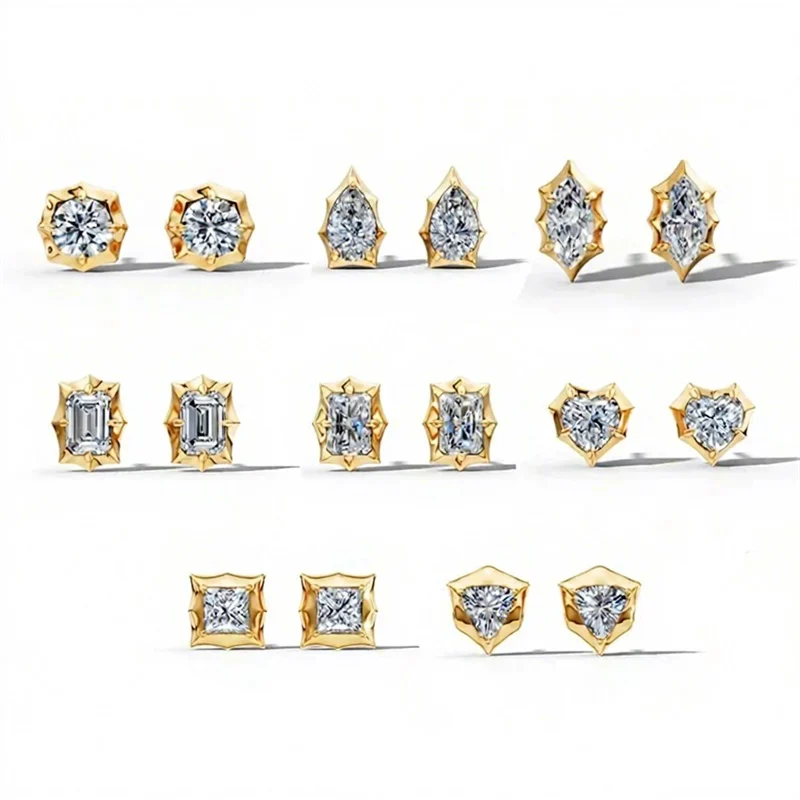
| Stone-set jewelry | Setting, prong control, inspection, packaging | Magnified photos, setting checklist, replacement terms |
How Should You Validate Samples and Quality Control?
A sample is useful only when you compare it with a written specification and use it as the production reference. Supplier guidance commonly treats samples as the point where design, quality, and manufacturability become visible.
Inspect more than appearance. Measure weight and dimensions. Check symmetry, edges, solder joints, stone security, clasp function, hinge movement, plating color, surface finish, and packaging. Photograph the sample from fixed angles so later revisions can be compared objectively.
Document every change request. Note what must change, what can vary, who approves the revision, and how many sample rounds are included. Once approved, identify the golden sample or approved reference sample in writing.
What Should the QC Checklist Include?
Quality control should be a chain of checkpoints, not a promise that “everything is inspected.” Jewelry QC guidance typically covers material verification, casting, polishing, plating, setting, final inspection, and packing.
Ask for the actual QC checklist. What happens when incoming material is out of specification? How are casting voids, scratches, plating defects, loose stones, broken clasps, and missing components classified? Does the factory inspect every piece or use a sampling plan?
Also ask what happens after a failure. Your terms should cover rework, remake, credit, replacement, inspection fees, and responsibility for freight. A supplier with a strong process can explain the defect path clearly and show records without becoming defensive.
| QC stage | What to check | Buyer evidence |
|---|---|---|
| Incoming materials | Purity, dimensions, finish, documentation | Material report and receiving checklist |
| Forming and finishing | Voids, scratches, symmetry, edges | In-process photos and defect log |
| Plating and setting | Color, adhesion, stone security, function | Test results and final inspection sheet |
| Packing | SKU, labels, count, packaging condition | Pre-shipment photos and packing list |
How Do You Check Materials, Compliance, and Capacity?
Ask for current documents that match the legal manufacturing entity and your target market. Relevant records may include metal composition, purity, nickel-release testing, stone documentation, social-compliance audits, or responsible-sourcing certifications. The Responsible Jewellery Council highlights human-rights, environmental, and upstream supply-chain risks in jewelry sourcing (RJC Retailer Toolkit, 2021).
A logo on a website is not evidence. Request the actual certificate or report, issue date, scope, covered entity, and expiration date. Then confirm that the document applies to the process and market you care about.
Do not assume a certification guarantees product quality. Compliance documents answer specific risk questions; they do not replace sample approval, process control, or final inspection.
How Should You Compare MOQ, Lead Time, and Capacity?
MOQ and lead time matter only when the supplier can repeat them at reorder. Ask whether MOQ applies per style, finish, material, color, or total order. Separate sample lead time from bulk lead time, and ask how peak-season capacity changes the schedule.
Compare the full operating picture: sample revisions, production slot, inspection window, packaging, shipping handoff, and reorder timing. If you are comparing ready-made collections, the fashion jewelry catalog can help you benchmark assortment depth. A low MOQ may come with higher setup fees or less favorable economics. A short quoted lead time may exclude approvals, testing, or rework.
Use a supplier comparison table with the same fields for every candidate. That makes hidden differences visible before price becomes the only deciding factor.
| Supplier | MOQ basis | Sample lead time | Bulk lead time | Reorder window | Capacity note |
|---|---|---|---|---|---|
| Candidate A | Per style | Record | Record | Record | Ask about peak season |
| Candidate B | Per finish | Record | Record | Record | Ask about subcontracting |
| Candidate C | Total order | Record | Record | Record | Ask about reserved slots |
How Do You Protect Design, Tooling, and Commercial Terms?
Put ownership and remedies in writing before you send final CAD files or pay a large deposit. Mold ownership is a material commercial issue that should be resolved before scale-up (MIRAMETAL, 2026).
Your documents should cover CAD and mold ownership, confidentiality, non-use, design changes, subcontracting, exclusivity, payment milestones, delivery windows, defect remedies, cancellation rights, and tooling release. Make sure the quotation, purchase order, specification sheet, approved sample, and invoice identify the same parties and terms.
Verbal promises are hard to enforce and easy to misunderstand. If a point matters to your launch, your margin, or your design protection, write it down.
How Do You Evaluate Communication and Accountability?
Fast replies are helpful, but technical clarity matters more. Test the supplier with a structured brief and one controlled change request. Can the contact explain the risk, confirm what changes, update the timeline, and identify who owns the next action?
Score response quality, proactive risk flagging, escalation ownership, update cadence, and working-language clarity. You are testing the operating relationship before production pressure arrives.
How Do You Compare Communication and Total Cost?
Compare risk-adjusted landed cost, not quoted unit price. The total may include tooling, sample revisions, packaging, testing, inspection, freight, duties, payment fees, defects, remakes, delays, and deposit exposure.
For planning purposes, use this risk-adjusted model: total landed cost equals unit price plus setup and tooling, packaging, inspection, freight, duties, and expected defect or rework cost. A supplier with a slightly higher quote may be cheaper if it reduces rework, delay, and failed launches.
Build a simple scenario model with three cases: quoted cost, realistic landed cost, and failure-case cost. The failure case should include a remake, an inspection fee, expedited freight, and a delayed launch. Even rough assumptions make supplier comparisons more honest.
| Cost layer | What to include |
|---|---|
| Quoted price | Unit price and stated minimum |
| Setup cost | Tooling, molds, sampling, revisions |
| Delivery cost | Packaging, inspection, freight, duties, payment fees |
| Failure cost | Rework, remake, expedited freight, delay exposure |
When Should You Run a Pilot Order?
Run a controlled pilot before scaling whenever the supplier is new, the design is complex, or the cost of failure is material. Fix the SKU list, approved sample reference, inspection criteria, pre-shipment evidence, defect log, and reorder decision gate.
Proceed when quality, timing, communication, and documentation pass together. Pause when the supplier makes undocumented substitutions or misses agreed checkpoints. Exit when identity, IP, payment, or defect-remedy terms remain unclear.
How Do You Score Shortlisted Jewelry OEM Manufacturers?
Use a 100-point scorecard so one attractive quote does not outweigh several operational risks. Here is an illustrative 100-point weighting you can adapt: capability fit 20, sample quality 20, QC 15, materials and compliance 10, MOQ and capacity 10, IP and contracts 10, communication 10, and landed cost 5.
Adjust the weights to your business. A startup may prioritize low-risk sampling and flexible MOQs. A fine-jewelry brand may give more weight to material control, stone setting, and documentation. The scorecard is a decision aid, not a substitute for a pilot.
Frequently Asked Questions
How do I know whether a supplier is a factory or a trading company?
Ask which processes are in-house, which are subcontracted, and who controls final inspection. A trading company can still be accountable, but the legal entity, bank account, production site, and defect-remedy responsibility should align. Verify with documents, a walkthrough, samples, and references before paying a deposit.
What certifications should a jewelry OEM manufacturer have?
Requirements depend on your materials, market, and customer expectations. Request current reports and certificates for metal composition, testing, social compliance, or responsible sourcing where relevant. Verify scope and expiration. No single certification proves product quality, so keep sample approval and final inspection in place.
What should I inspect on a jewelry sample?
Check weight, dimensions, symmetry, finish, plating color, edges, solder joints, stone security, clasps, hinges, packaging, and labels. Compare the sample with a written specification and record each deviation. A sample that looks good in a photo can still fail during handling or repeat production.
What is a normal MOQ for custom jewelry?
There is no universal MOQ. It changes with material, tooling, process complexity, finish, and factory policy. Ask whether the minimum applies per design, per finish, or across the order. Also request setup fees and reorder terms, because a low MOQ can still carry high fixed costs.
When should I stop working with a supplier?
Stop or pause when the supplier cannot verify its identity, refuses evidence, makes undocumented substitutions, misses repeated milestones, or will not define defect remedies. A difficult conversation is manageable. Unclear accountability after a deposit is much more expensive.
Conclusion
Choosing a jewelry OEM manufacturer is a process of reducing uncertainty. Verify the entity. Match the factory to your technical needs. Test samples against written specifications. Audit QC, compliance, capacity, communication, IP, and landed cost. Then run a controlled pilot before committing to scale.
The lowest quote is not always the lowest cost. Choose the supplier that can show evidence, explain risk, document the process, and reproduce the approved product. Compare candidates with the scorecard, then confirm the choice with a pilot order and written terms.