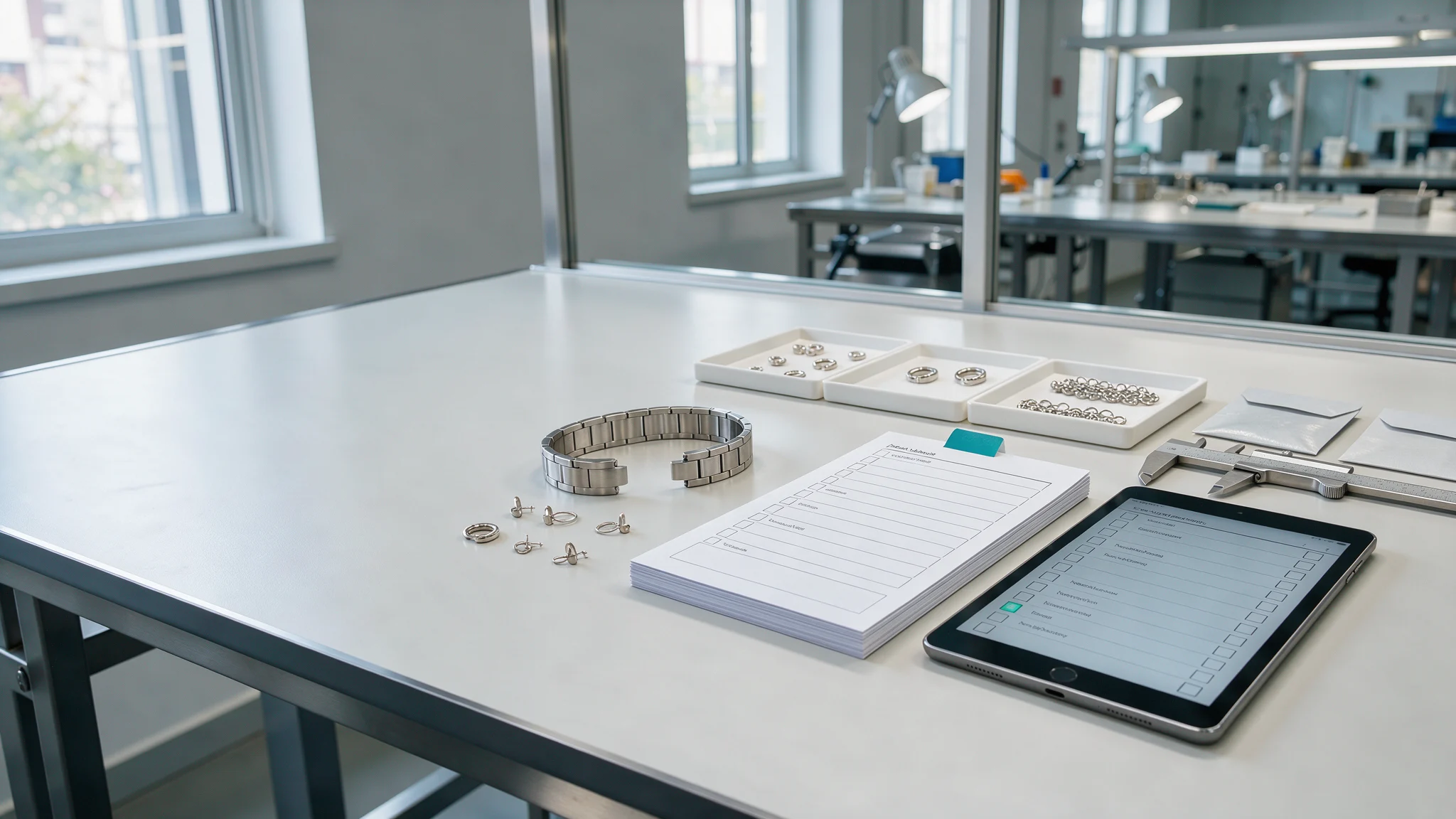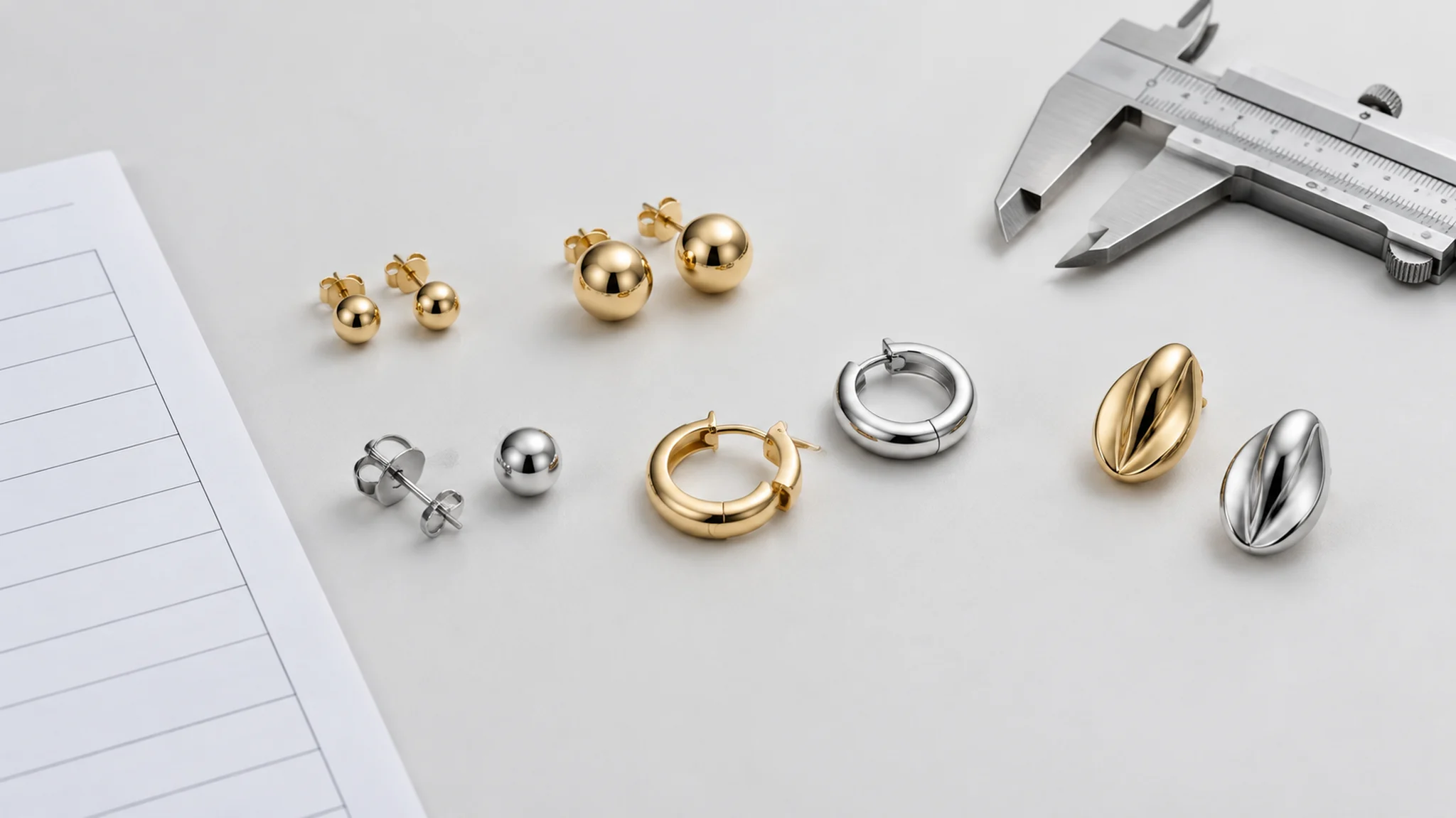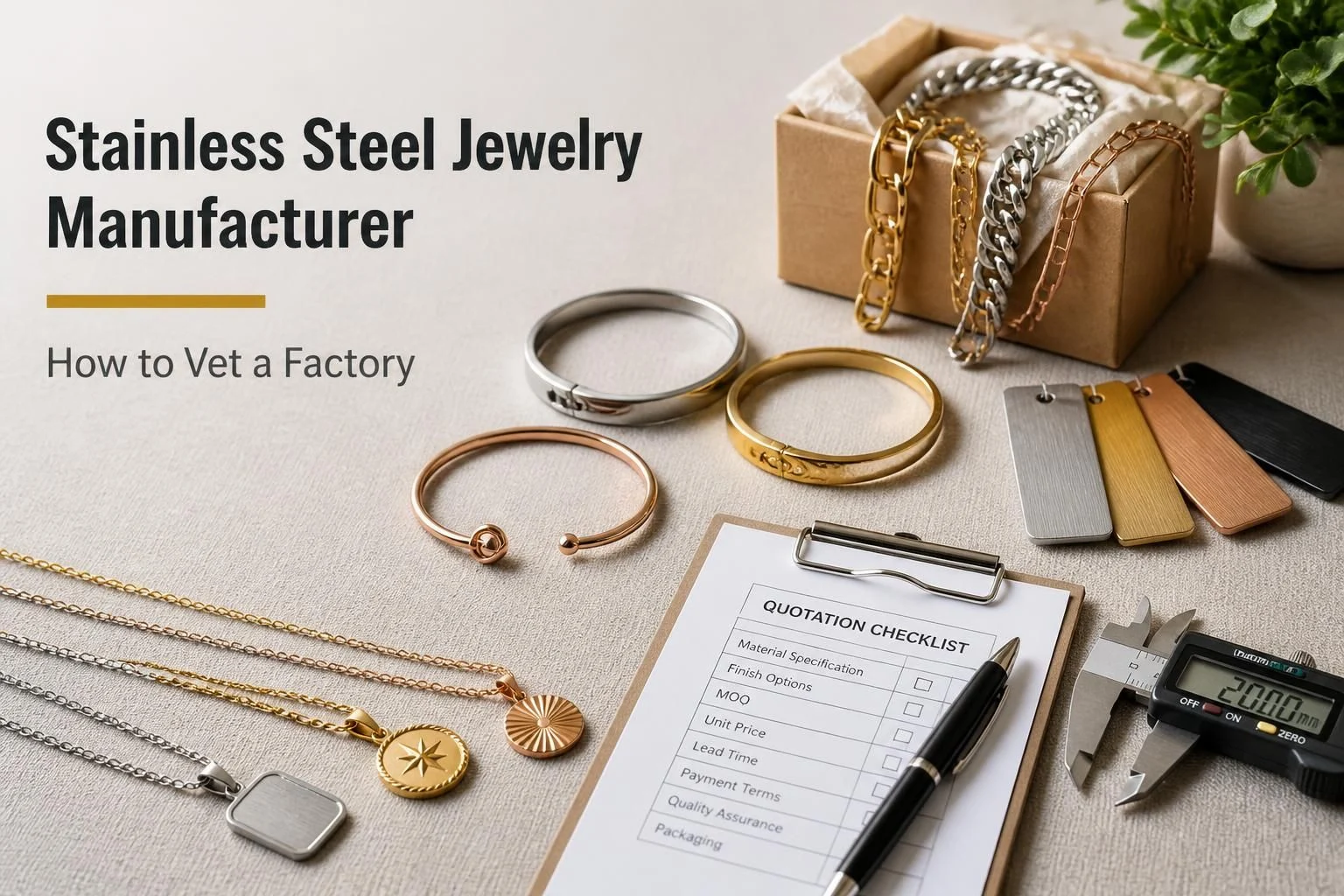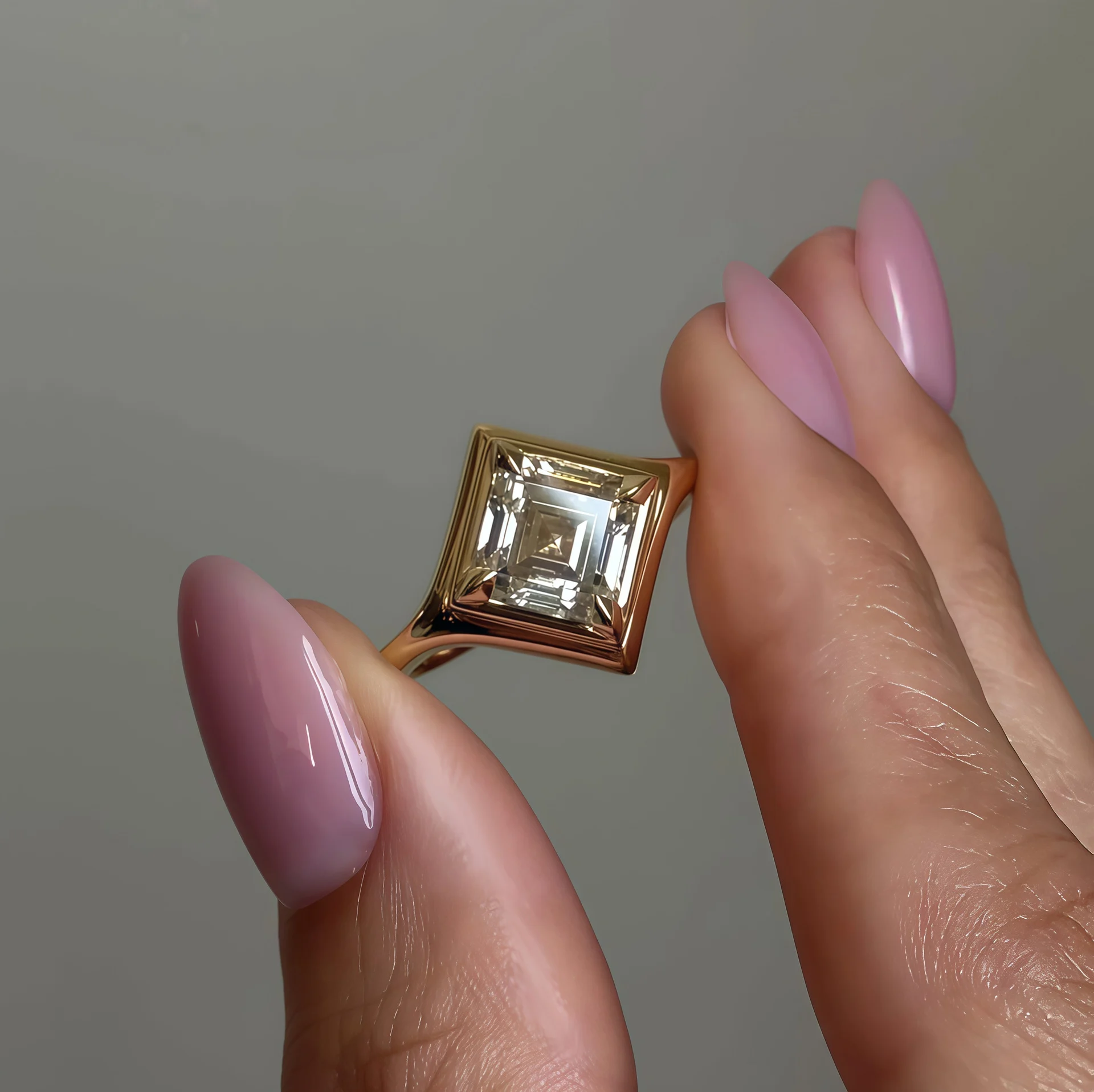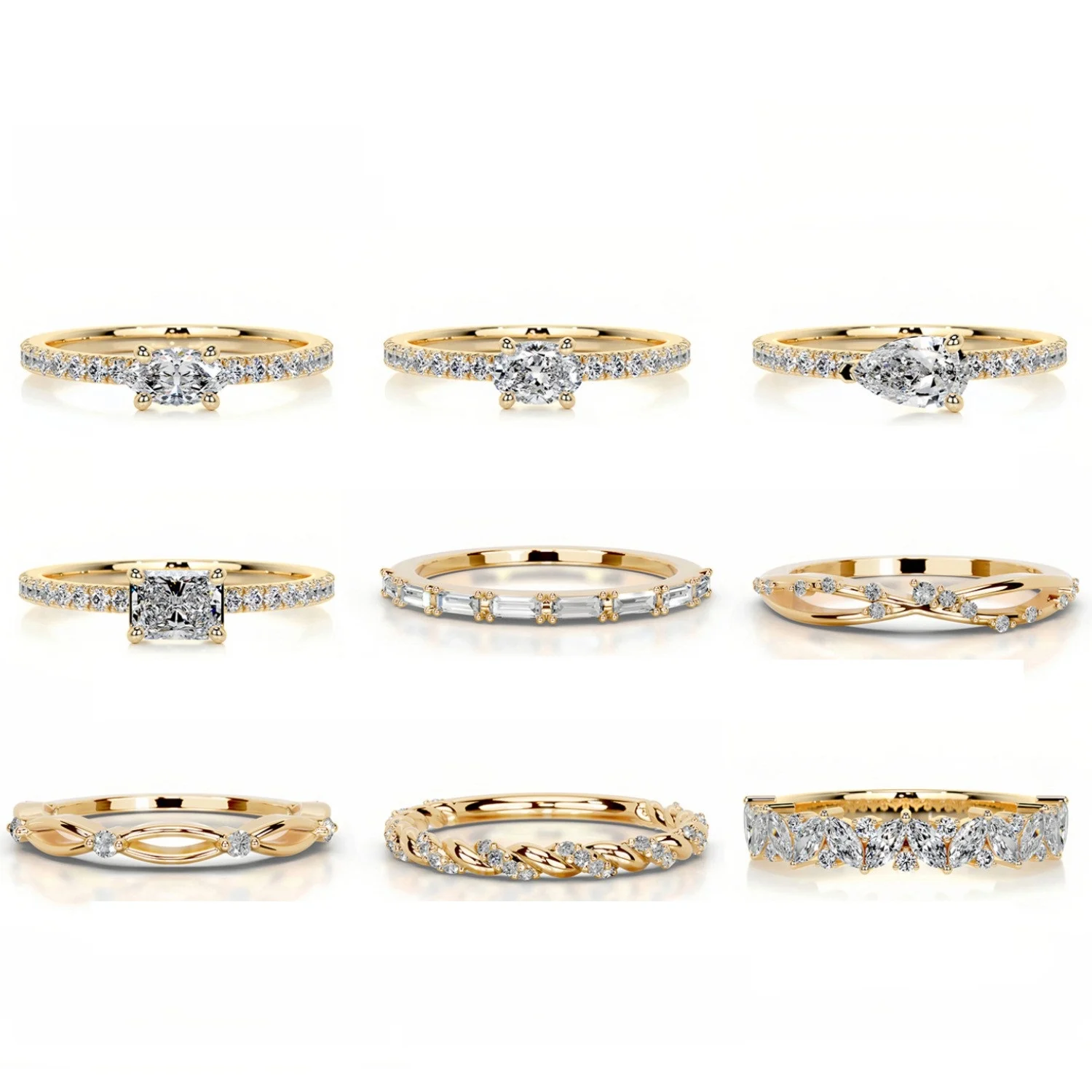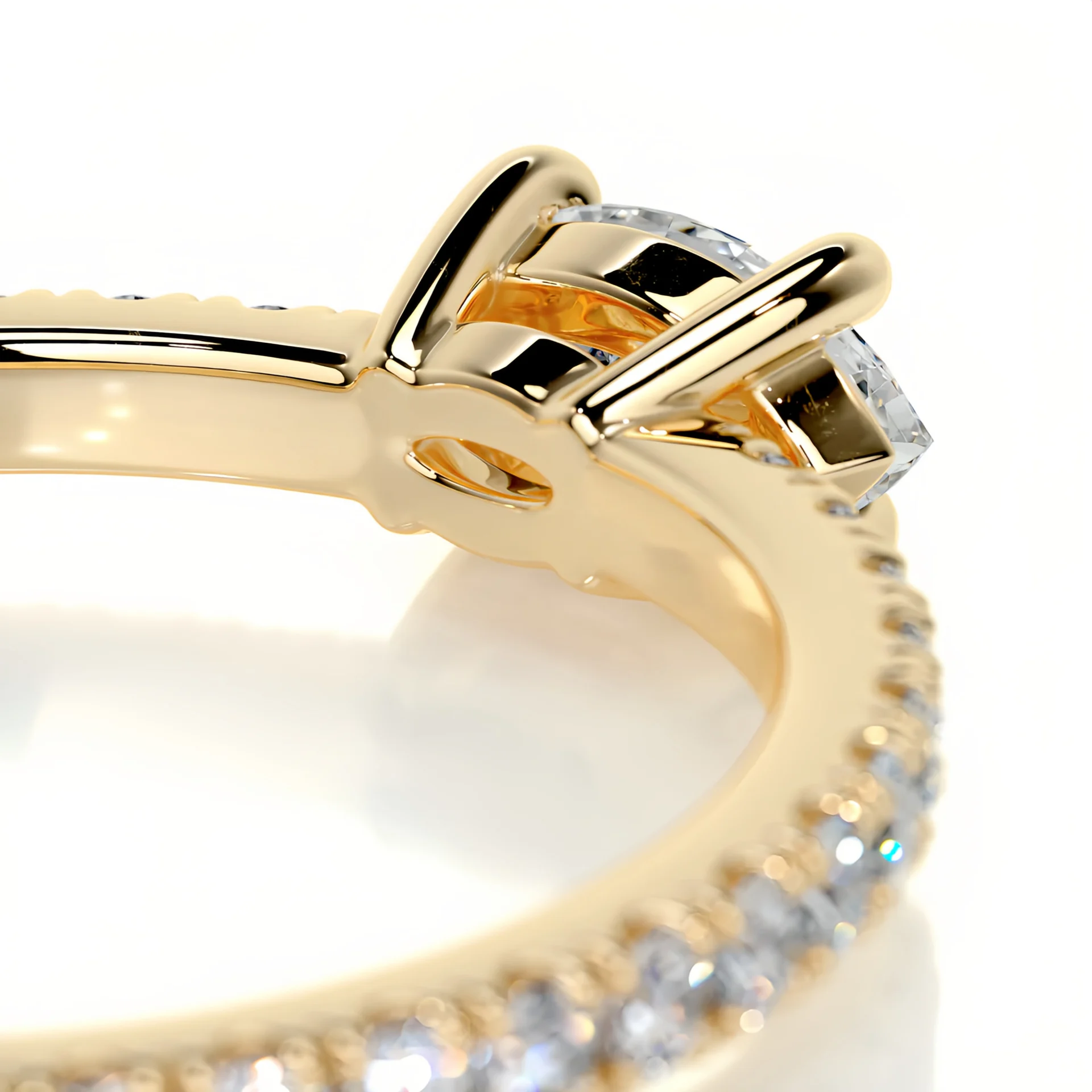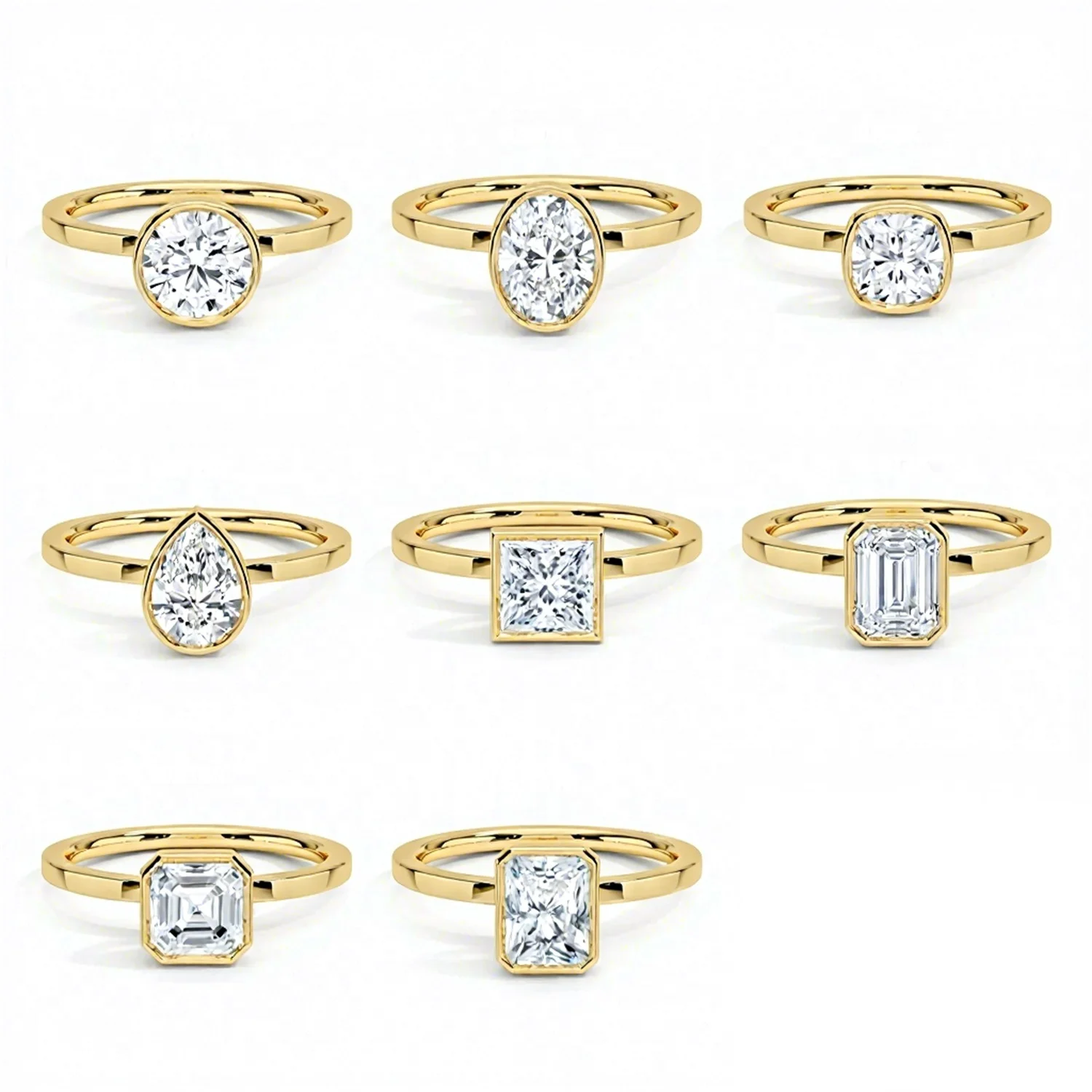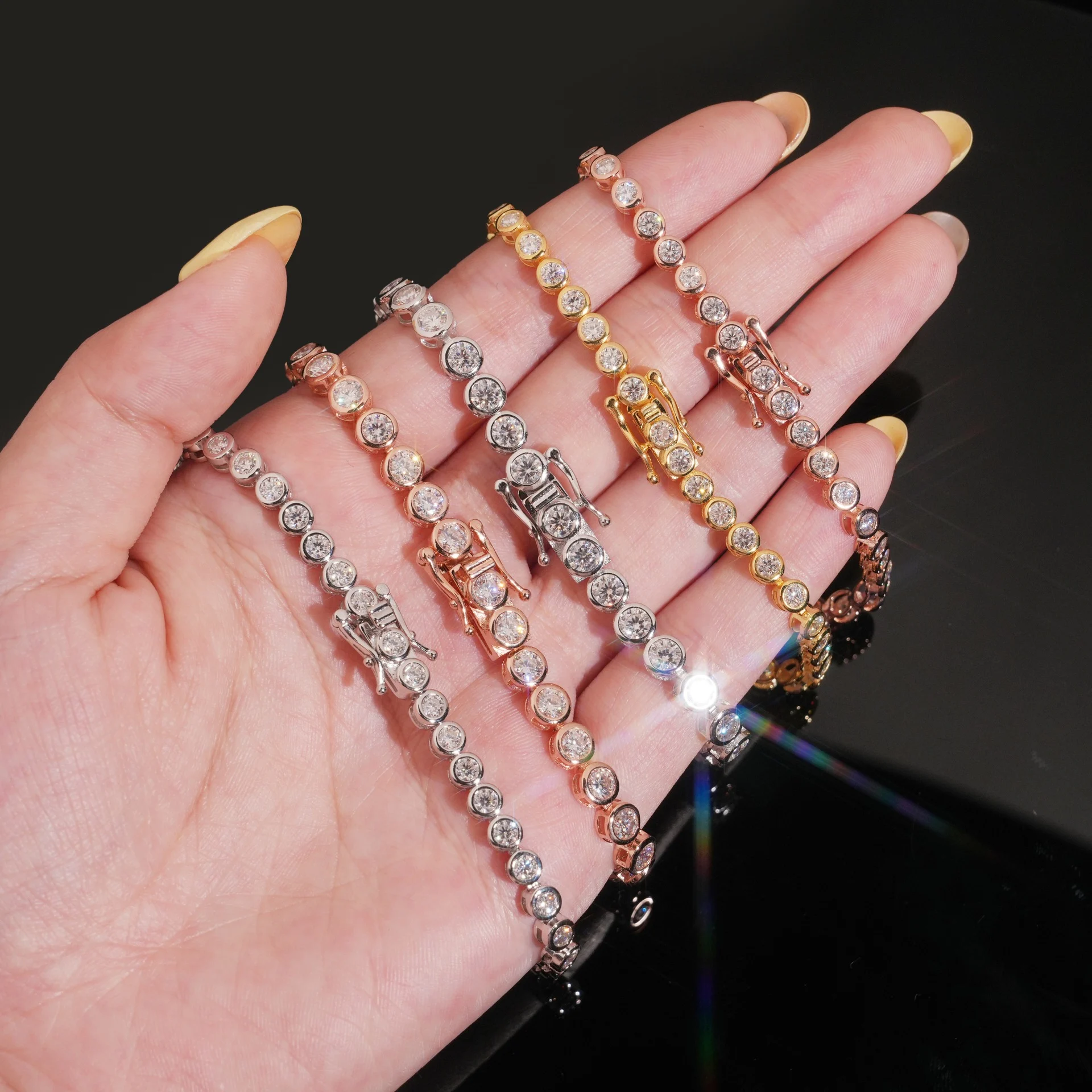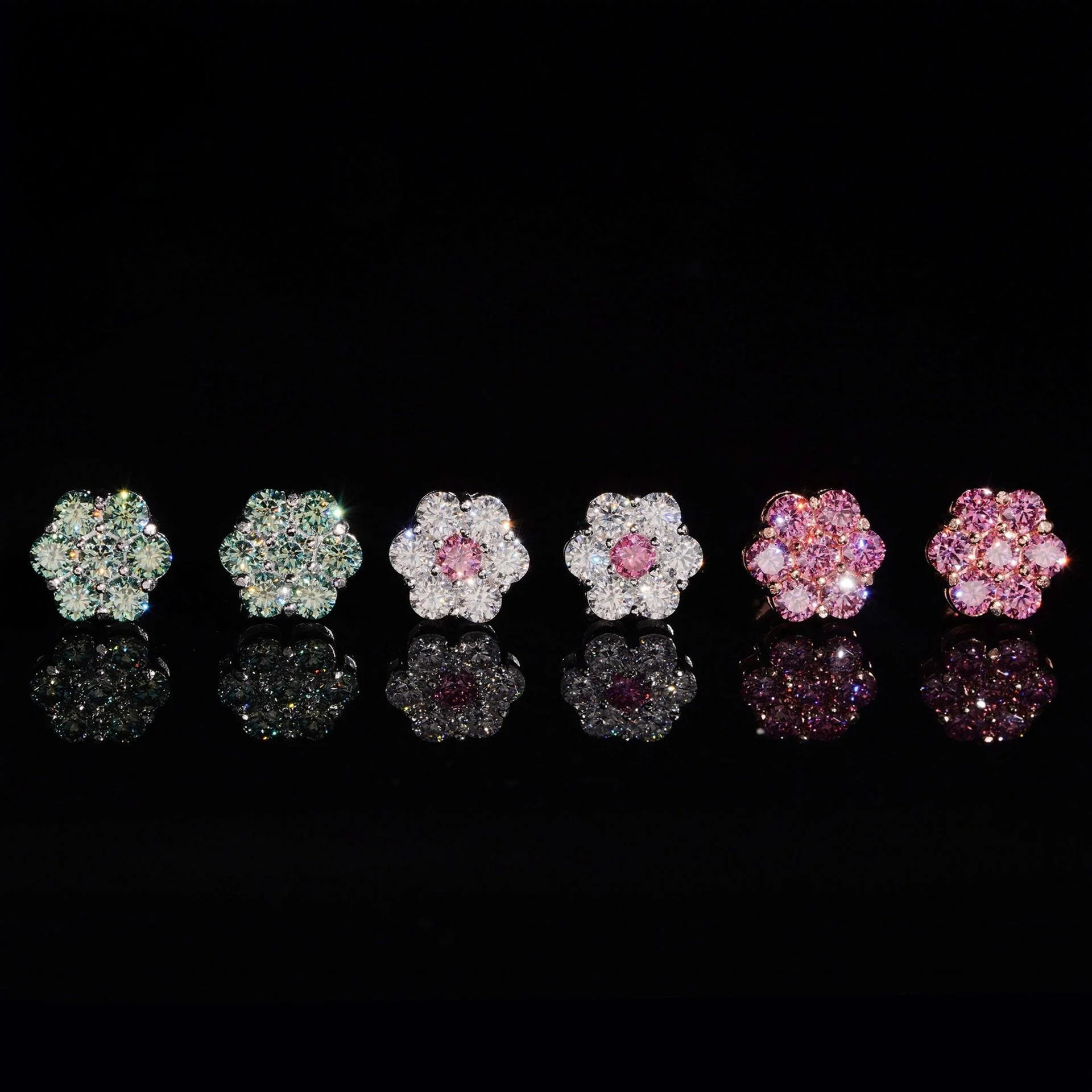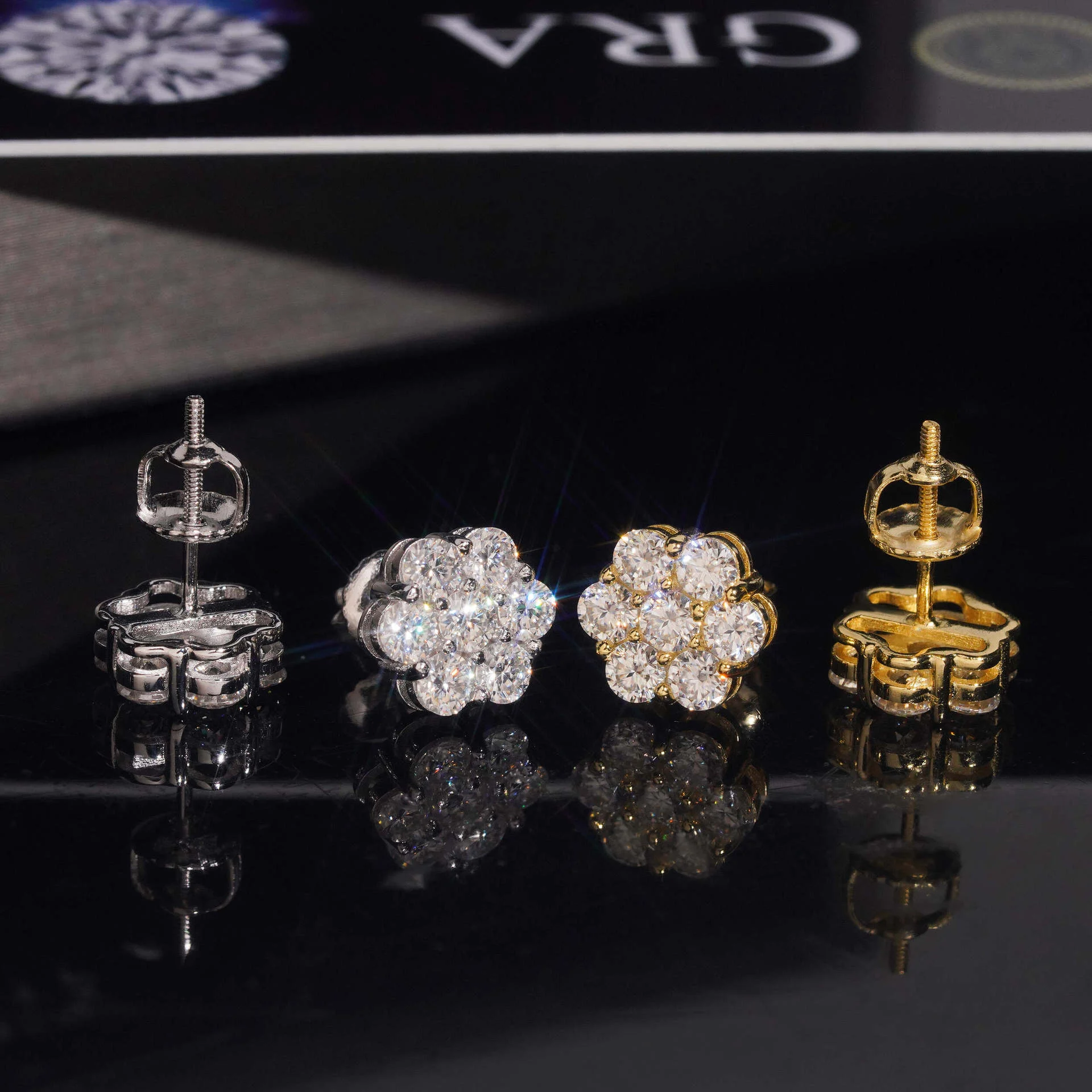








A polished catalog does not show whether a factory can repeat your specification. Before paying a deposit, verify the production route, component materials, finish, inspection process, and commercial terms.
This guide is for brand founders, product developers, importers, and boutique buyers comparing stainless steel suppliers. It explains what to request, what to inspect, and when a pilot order makes sense.
Key Takeaways
- Verify the accountable legal supplier and every disclosed production step.
- Request component-level material and finish evidence tied to the quoted product.
- Approve a measured reference sample, then use a documented pilot before scaling.
What Should You Verify First About a Stainless Steel Jewelry Factory?
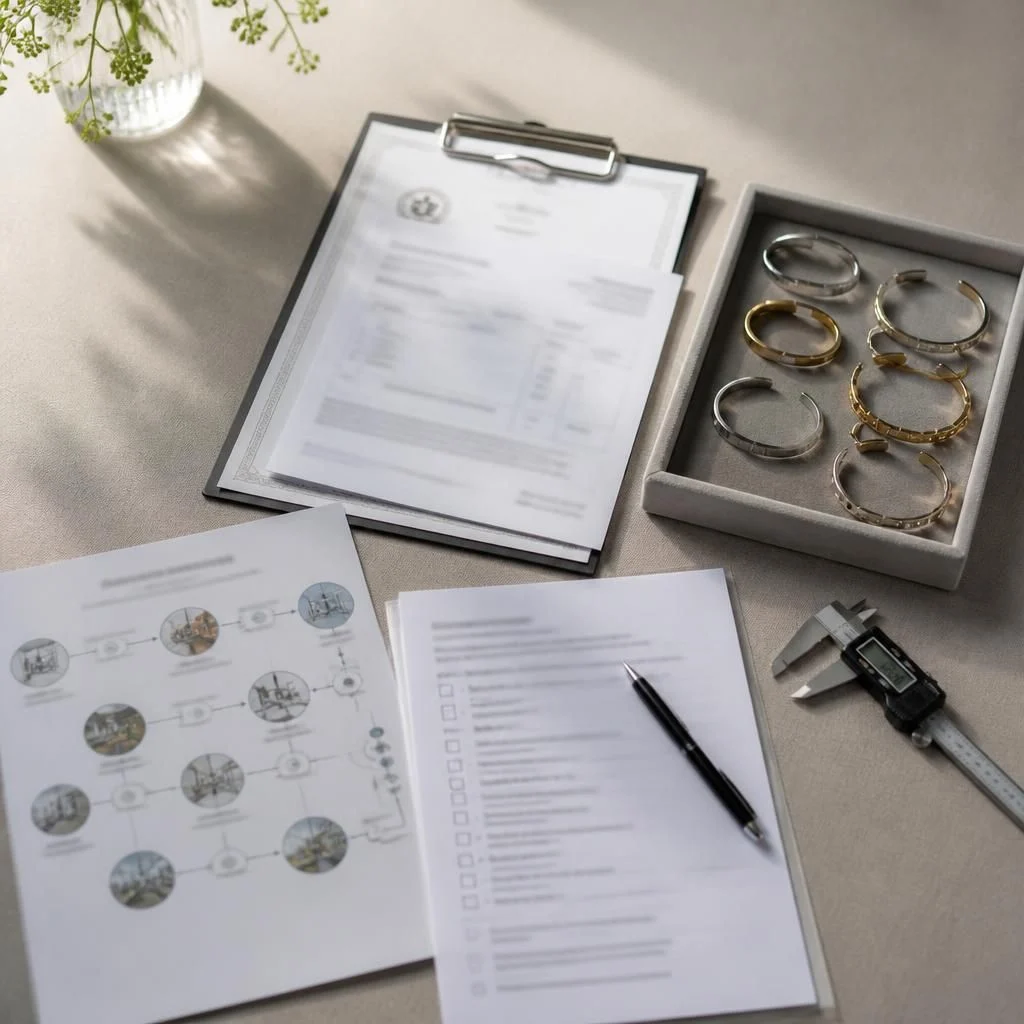
Start with accountability. Confirm who receives payment, who controls production, which steps are subcontracted, and which site owns the quality decision. A company profile can suggest useful questions, but it cannot show that the supplier will meet your specification.
Request the supplier’s legal name, registered address, invoice entity, bank beneficiary, and factory address. The details should match. If they do not, ask for the relationship in writing. A process map should identify material sourcing, forming or casting, assembly, polishing, finishing, inspection, packing, and shipping.
Find out whether the factory owns the relevant equipment or uses a partner for a particular operation. Subcontracting can work when it is disclosed and controlled. Hidden subcontracting creates a problem when a defect appears and nobody accepts responsibility.
Request a recent video walkthrough or a live call focused on your product. Generic machine footage tells you little. A useful walkthrough shows the relevant workstations, sample records, measuring tools, and how finished goods are separated and checked.
For a broader supplier-selection process, use this jewelry OEM manufacturer vetting checklist alongside the stainless-steel-specific checks below. For related guidance, see broader OEM supplier-selection checklist.
Can the Supplier Make Your Specific Product and Finish?
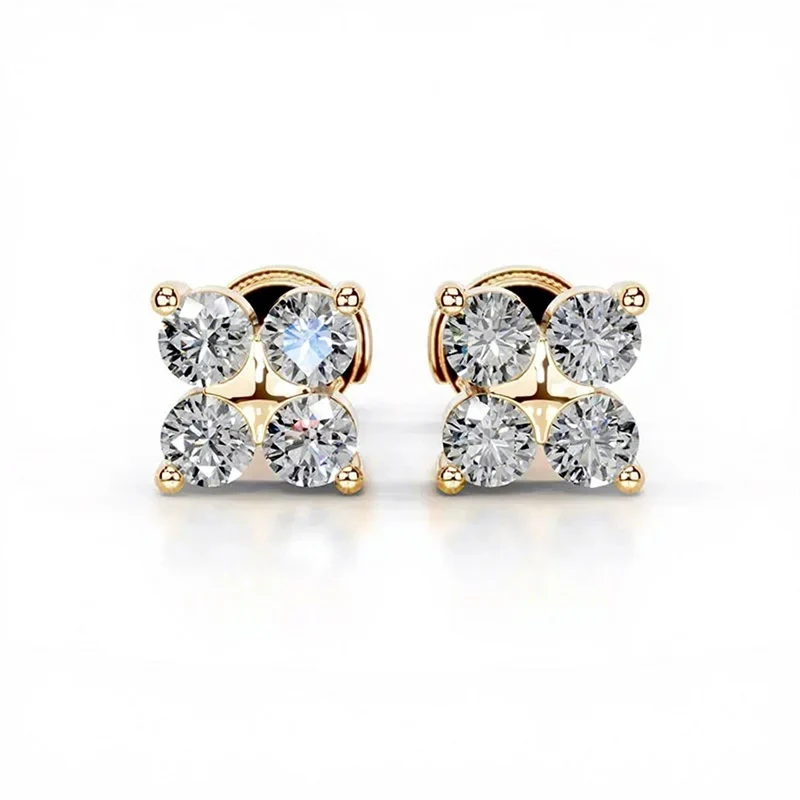
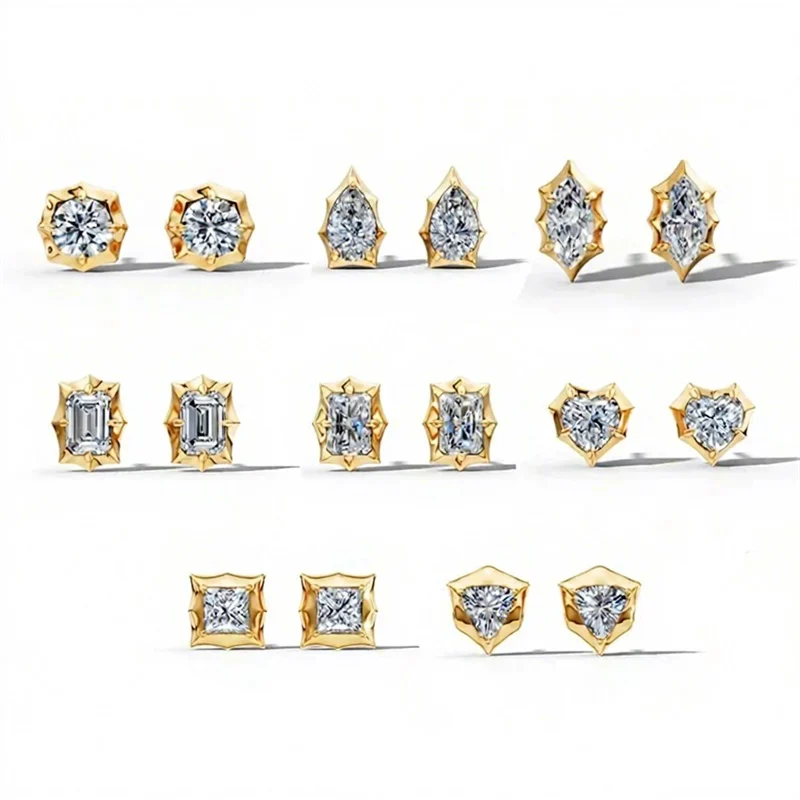
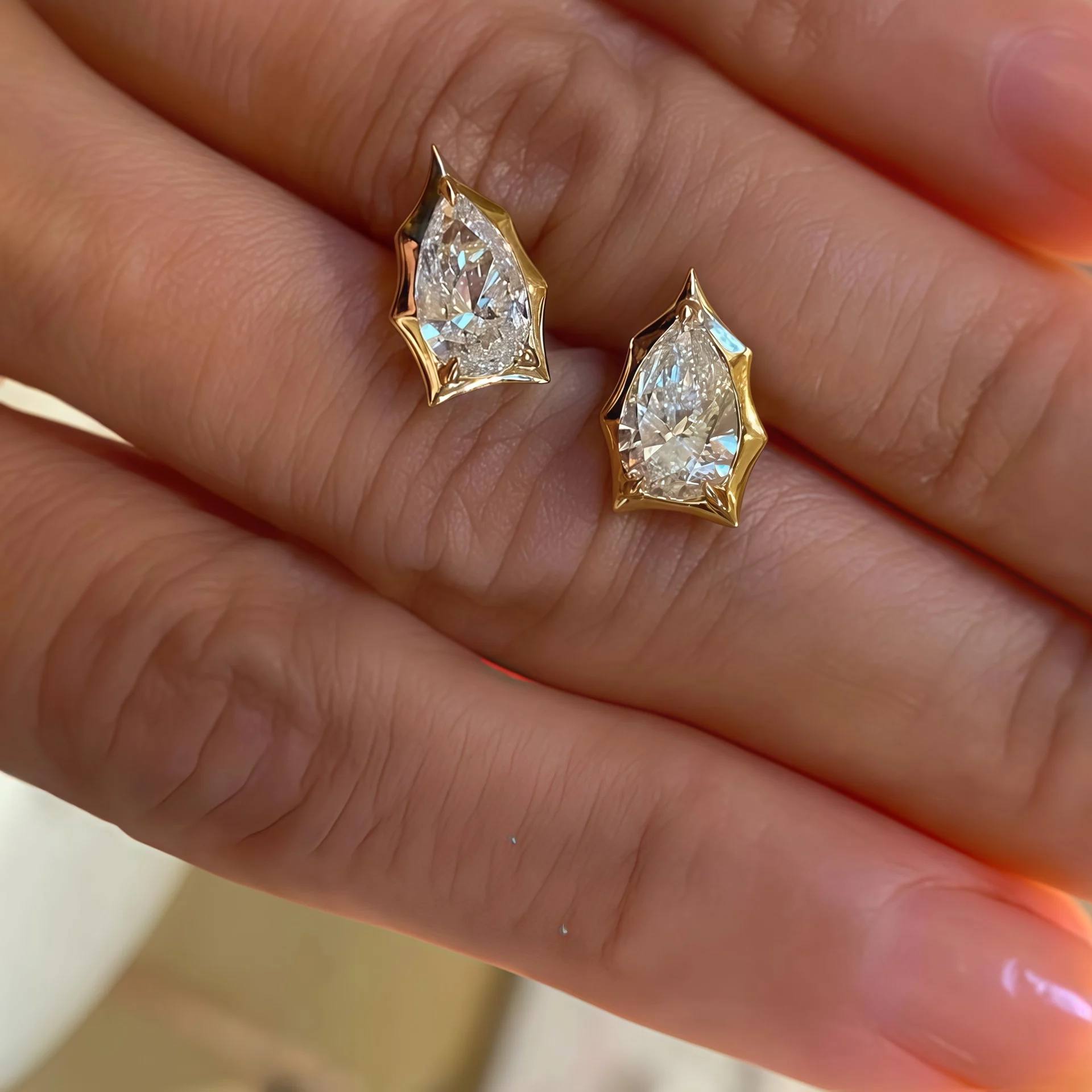
Design capacity matters only when it connects to your manufacturing requirements. Ask the factory to demonstrate the construction, finish, and customization processes in your brief. Browse the stainless steel jewelry range to define the product type you want quoted.
Describe the item in manufacturing terms. Include dimensions, target weight, wall thickness where relevant, closure type, joint locations, stone setting, engraving, logo placement, component sizes, and packaging. A reference image helps, but it does not replace measurements. For buyers applying these points, see jewelry OEM manufacturing guide.
Confirm which processes are in-house, such as stamping, forming, casting, marking, polishing, assembly, welding, stone setting, coating, and packing. Requirements vary by design. A factory that makes simple pendants may not be equipped for hinged bracelets or close-tolerance clasps.
Request comparable examples. They should match the construction and finish, not just the product category. Ask what changed between the sample and production version. The answer will show whether the supplier controls revisions.
A practical capability request
Send the same short brief to each shortlisted supplier. Include the product drawing or reference, material request, finish, quantity, logo, packaging, destination, target launch date, and inspection requirements. Ask each supplier to mark assumptions and exclusions instead of silently filling gaps. For buyers applying these points, see 10-point jewelry OEM manufacturer checklist.
How Do You Confirm the Stainless Steel Grade and Material Claims?
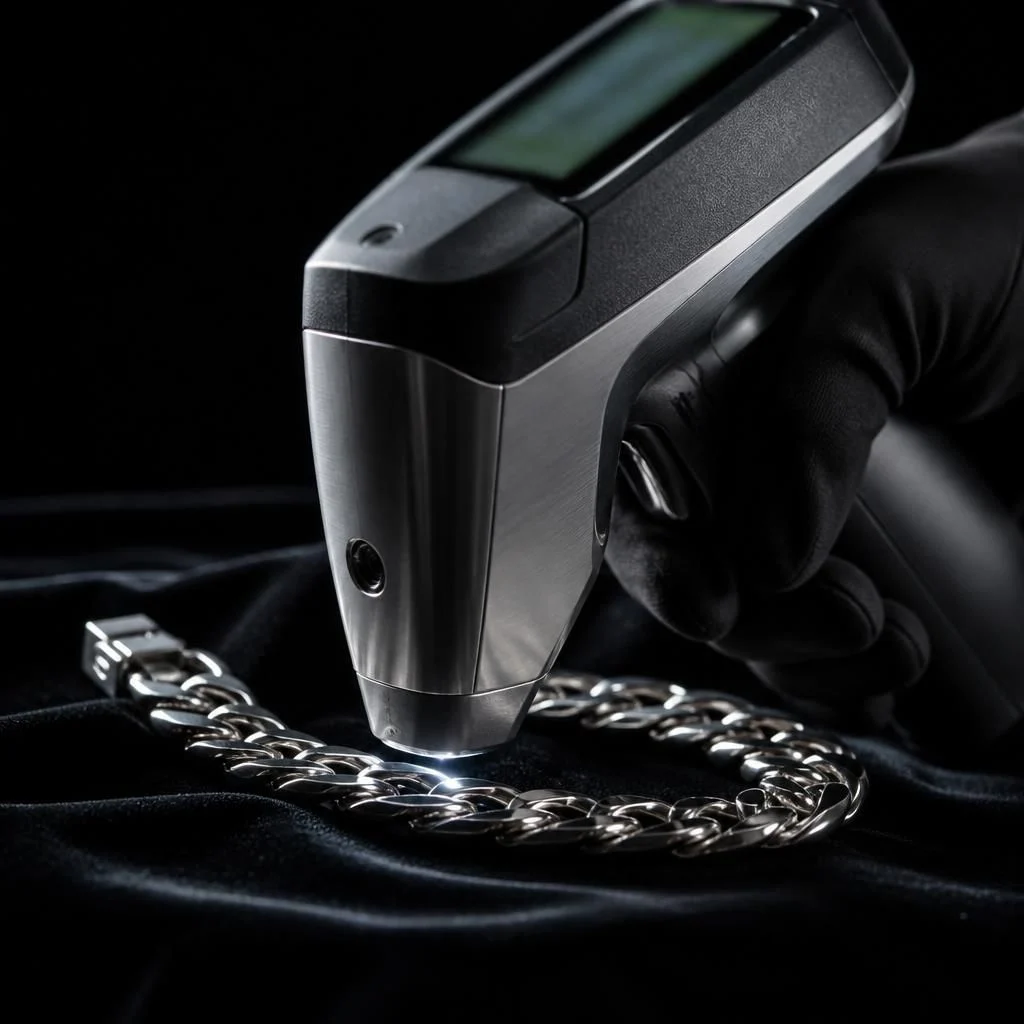
“316L” is a specification claim, not a visual feature. The supplier should identify the grade for each relevant component and provide evidence tied to the quoted product. A generic certificate or webpage badge does not prove that every component matches.
Check whether the body, chain, findings, posts, clasps, and decorative parts use the same grade. They may not. If the product combines metals or plated parts, request a component map that identifies the base material beneath each finish.
Request a material declaration, supplier traceability record, or mill documentation where available. For higher-risk orders, use a qualified independent laboratory to select an appropriate verification method. Screening methods can have limitations on plated, small, or mixed-metal parts, so agree on the test method and sample preparation with the lab.
Do not turn a grade claim into a medical promise. “Hypoallergenic” and “surgical steel” can be vague or market-specific. For EU sales, check the current REACH regulation text and the European Commission’s REACH overview. A qualified compliance partner can determine whether the rules apply to your article and components.
Citation capsule: Document stainless steel grade per component when a piece combines a body, chain, clasp, posts, and decorative findings. Request traceability or an independent test tied to the quoted product. A supplier’s use of “316L” does not prove that every part meets that grade.
How Should You Evaluate Plating, PVD, and Surface Finish?
Have the manufacturer name the surface process, the parts covered, the agreed color, and the evidence available for that construction. The plated jewelry buyer’s guide covers related purchasing questions.
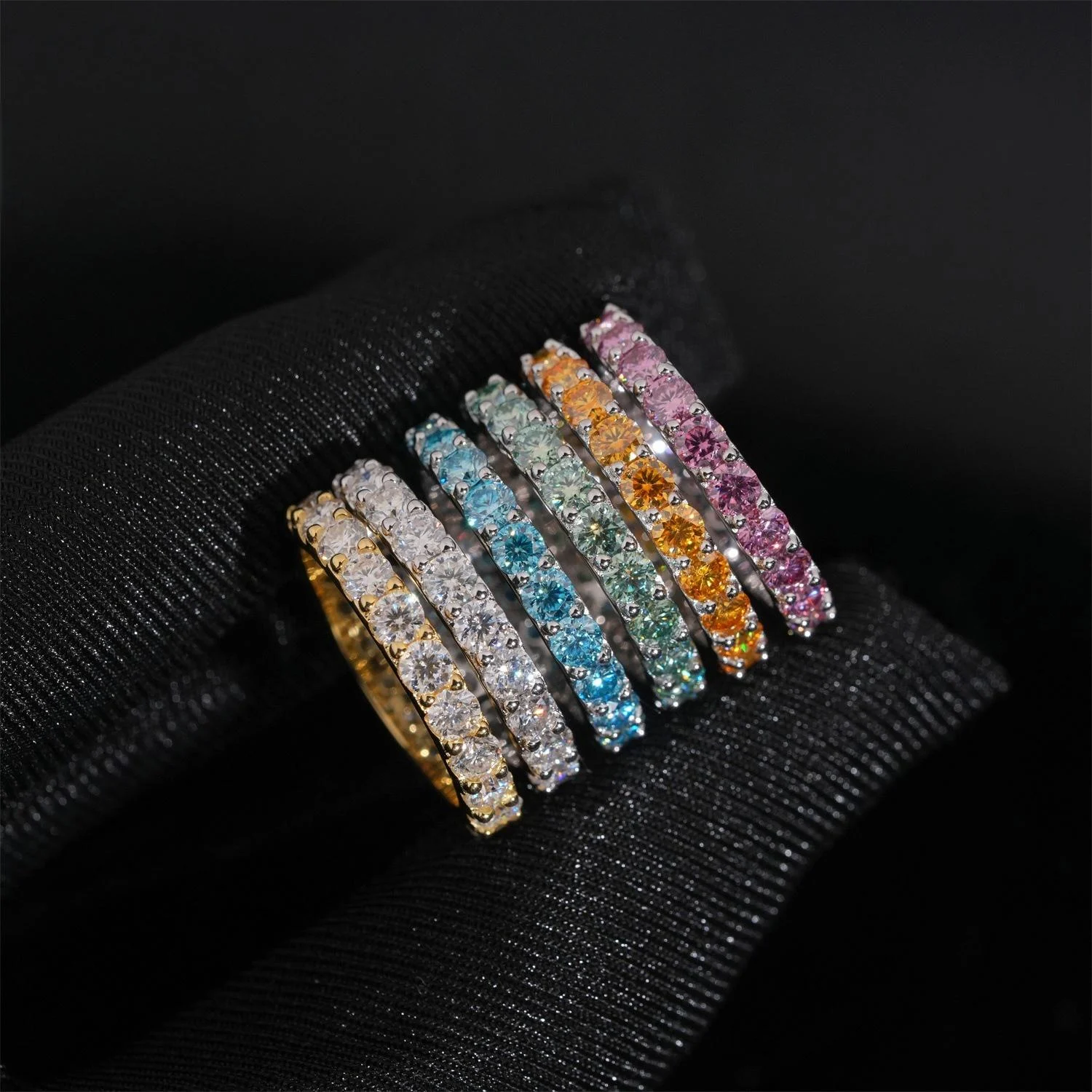
“Gold,” “rose gold,” “black,” “waterproof,” and “non-tarnish” describe an appearance or a marketing promise. They do not define preparation, coating, thickness, adhesion, color tolerance, or test conditions. Ask whether the process is PVD, electroplating, a topcoat, or another treatment, and have the supplier explain the steps before and after coating.
Where coating performance matters, request measurable information. The supplier should state the measurement method, test conditions, and whether the report covers your product or a similar construction. Also ask how color consistency is controlled between batches.
Inspect the sample under neutral light. Check edges, recesses, joints, clasp contact points, and areas likely to rub. Compare several pieces when possible. One attractive sample can hide variation between batches.
Do not assume that PVD will always outperform electroplating. Results depend on substrate preparation, geometry, process control, the coating system, use conditions, and the test selected. Request evidence that addresses your product risk.
For corrosion testing, ISO 9227 specifies salt-spray test methods for metallic materials. A salt-spray result describes performance under that test’s conditions; it does not establish a fixed number of years in daily jewelry wear or replace product-specific acceptance criteria.
What Does a Reliable Quality-Control Process Look Like?
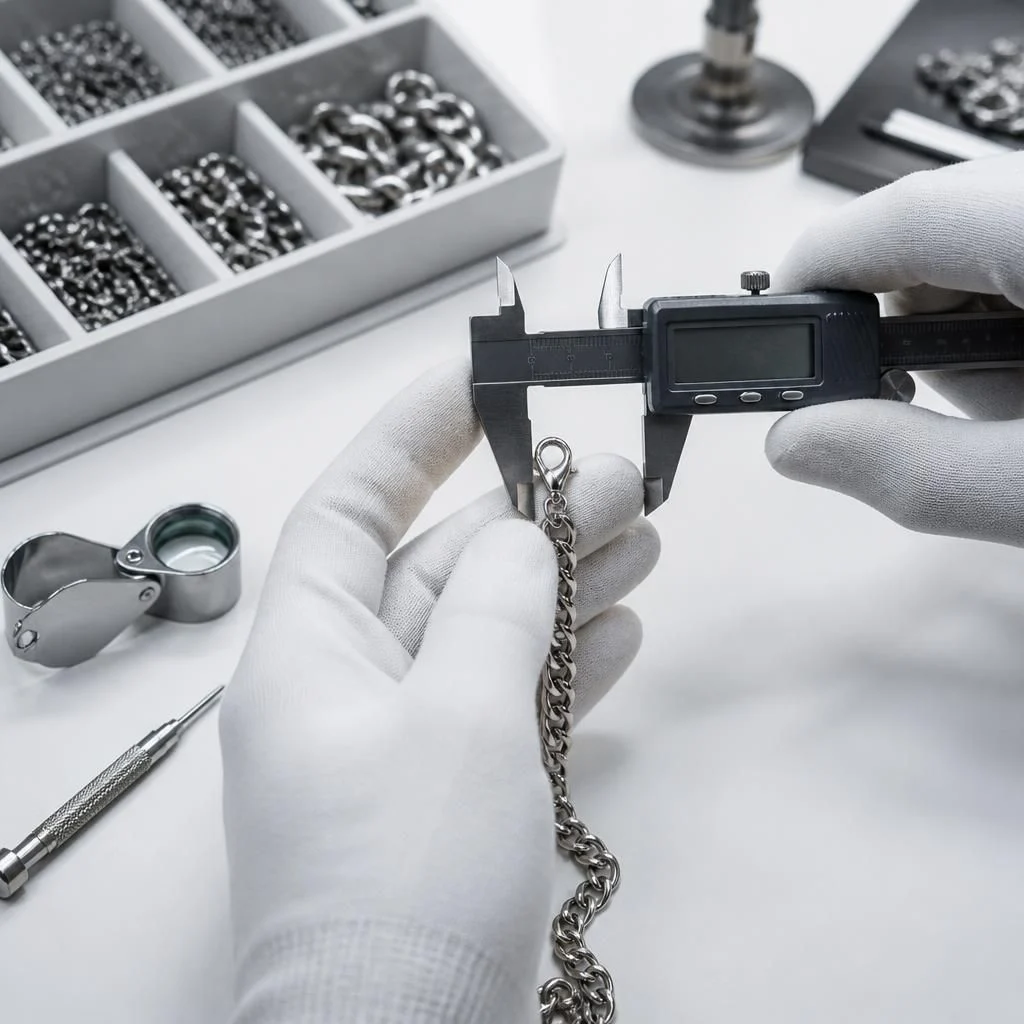
Ask for the checkpoints and acceptance criteria for the selected product. Quality control is a sequence of checks, not a slogan.
Request an inspection plan covering incoming materials, forming or assembly, polishing, finishing, functional checks, and packing. It should state who checks each step, when the check occurs, what tool or record is used, and what happens after a failure.
Define defects for your product. Typical checks include dimensions, weight, clasp operation, sharp edges, joint strength, stone security, logo position, surface marks, color uniformity, and packaging. Agree which defects are critical, major, or minor, and what remedy applies. A replacement, credit, rework, or discount should be written before production.
Ask whether the supplier uses sampling or 100% inspection, then ask what that statement covers. ISO 2859-1 describes an acceptance sampling system indexed by acceptance quality limit (AQL). Agree the lot definition, sample size, defect limits, and inspection level in writing; a “100% check” also needs a defined checklist and records.
Inspection rule: An AQL value is part of an agreed sampling plan, not a predicted defect rate for every shipment. Specify the lot, inspection level, sample size, defect classes, and acceptance numbers with the supplier before production inspection.
Which Certifications and Compliance Documents Matter?
Separate the questions. A social-compliance audit addresses workplace and ethical controls. A quality-management certification addresses a management system. A material or restricted-substance report addresses a product or sample. These documents serve different purposes; ask for the issuer, scope, site, validity dates, and product coverage, then verify them with the issuer where possible.
Match documentation to the destination market and product. Confirm requirements for nickel release, restricted substances, labeling, packaging, and claims with a qualified testing or compliance partner. Ask the factory to identify the legal entity and facility named on each document. The European Commission’s REACH overview is a starting point for EU obligations, not proof that a specific product complies. A certificate for one site may not cover another site or a subcontractor.
EU example: REACH Annex XVII, entry 27 restricts nickel release from specified articles intended for direct and prolonged contact with the skin. Check the regulation text and confirm whether the rule applies to the exact components and product placed on the EU market.
Treat a logo on a website as a lead, not proof. Ask: “Does this document cover the entity, site, product, and period relevant to my order?” If the answer is unclear, keep the issue open before approving production.
How Do You Test Samples and Run a Pilot Order?
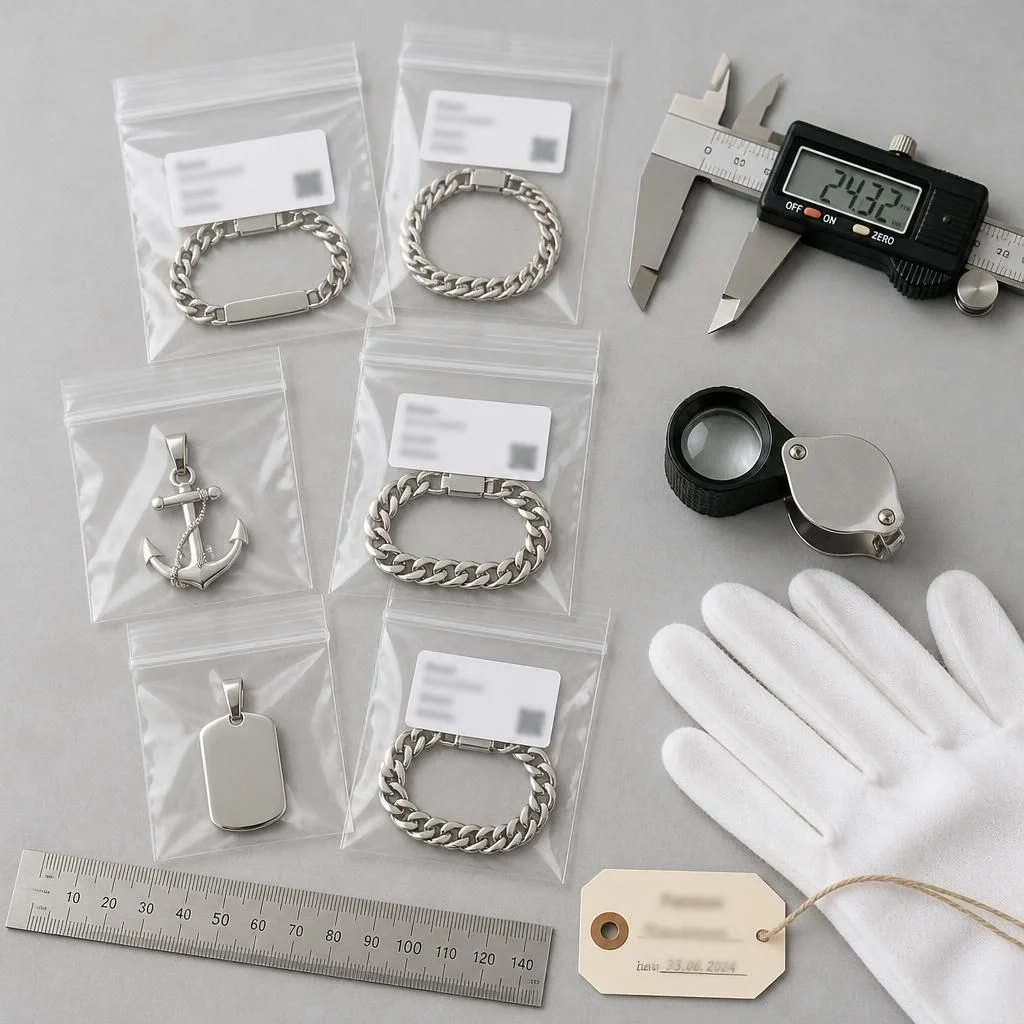
Record the sample revision, date, measurements, finish, packaging, and any deviations before you approve it as the reference standard. A promised sample date should never replace a sample test.
Use neutral light and a consistent setup. Measure dimensions and weight. Operate clasps, hinges, and moving parts repeatedly. Check sharp edges, joints, welds, stone security, markings, surface scratches, and color consistency. Photograph the same locations on every revision. Log each failure and ask the supplier to confirm the corrective action.
Keep one approved reference sample under controlled storage. Your purchase order and specification sheet should identify it. If the supplier proposes a change, require written approval before production. “Same as the sample” is not precise enough when color, dimensions, or component grades matter.
For the pilot, use a limited SKU set and a quantity that tests the real production route. Inspect the lot before scaling. Compare the first pieces, middle pieces, and final pieces if the order is large enough. The objective is repeatability, not merely a good opening sample.
How Should You Compare Suppliers and Choose a Factory?
Ask whether MOQ applies per style, size, color, finish, component, or total mixed order. A low headline MOQ may become much higher when each color or size has its own minimum. Ask for sample, tooling, production, inspection, and shipping milestones separately.
Compare like-for-like quotes. Include unit price, sample and tooling fees, CAD, logo, packaging, inspection, freight, duties, payment fees, expected rework, and defect remedies. A useful landed-cost formula is:
Landed cost per sellable unit = (goods + setup + packaging + inspection + freight + duties/fees + expected rework) / sellable units
Put CAD ownership, mold or tooling ownership, confidentiality, subcontracting, payment milestones, cancellation, delivery delay, replacement, and warranty terms in writing. Request the supplier’s current written warranty and after-sales terms, including scope, exclusions, claim window, and the remedy for a confirmed defect.
Factory comparison worksheet
| Question | Supplier A | Supplier B | Supplier C |
|---|---|---|---|
| Accountable legal entity confirmed? | |||
| Relevant processes in-house or disclosed? | |||
| Component grades documented? | |||
| Finish process and evidence supplied? | |||
| Sample meets written standard? | |||
| MOQ basis written clearly? | |||
| Pilot and defect remedies agreed? |
Use five decision gates before scaling: accountable entity, demonstrated capability, adequate material and finish evidence, an approved sample, and a successful pilot. If one high-impact gate remains unresolved, hold the order and close the evidence gap.
Scorecards can help teams compare suppliers, but a high total cannot cancel a failed safety, material, or IP requirement. Mark each item pass, hold, or fail. Record the evidence, its date, and who reviewed it. That record becomes useful when a salesperson, factory, or internal buyer changes.
When the shortlist is ready, send a complete product brief and destination market. Leejory’s custom jewelry OEM and ODM services can be a next step for a scoped quote, sample plan, and confirmation of current MOQ and lead time.
Frequently Asked Questions
How can I verify whether a stainless steel jewelry supplier is a factory?
Check the legal entity, facility address, production ownership, and disclosed subcontractors. Then request a live walkthrough focused on your processes and a paid sample. A factory may subcontract responsibly, but it should identify who controls specifications and remedies. Treat a catalog, badge, or stock video as preliminary evidence only.
How do I confirm that a piece is 316L stainless steel?
Ask which components use 316L and request traceability or an appropriately scoped independent test. A plated surface, small component, or mixed-metal construction can affect screening results. Visual inspection cannot confirm grade. Also avoid turning a material designation into a universal allergy or medical claim.
Is PVD always more durable than electroplating?
No universal durability ranking applies to every jewelry design. Ask for the process, substrate preparation, coating specification, test method, conditions, and product scope. Inspect edges and contact points on the sample, then compare several production pieces. A process name without comparable evidence is not a performance guarantee.
What certifications should a stainless steel jewelry manufacturer have?
Requirements depend on the product and destination market. Verify the scope and validity of social audits, quality certifications, material reports, and restricted-substance or nickel-release tests separately. A certificate for a company or site does not automatically cover every product, component, subcontractor, or claim on your order.
Should I place a large order after approving one sample?
Use a controlled pilot first. Keep a dated reference sample, written specifications, inspection criteria, and defect remedies. Inspect the pilot lot before scaling and compare results across the lot, not just the first unit. The purpose is to test repeatability, communication, and corrective action under real production conditions.
Conclusion
Vetting a stainless steel jewelry manufacturer is a process of matching evidence to risk. Confirm who controls production, demonstrate that the factory can make your construction, document component materials and surface finishes, and define the inspection plan before you approve a bulk order.
The process is straightforward: shortlist, document, sample, inspect, pilot, then scale. Keep claims tied to a product, process, report, and market. When ready, submit a complete product brief to request a scoped quote and sample plan. For a related product example, use the stainless steel bracelets wholesale MOQ and plating guide.