










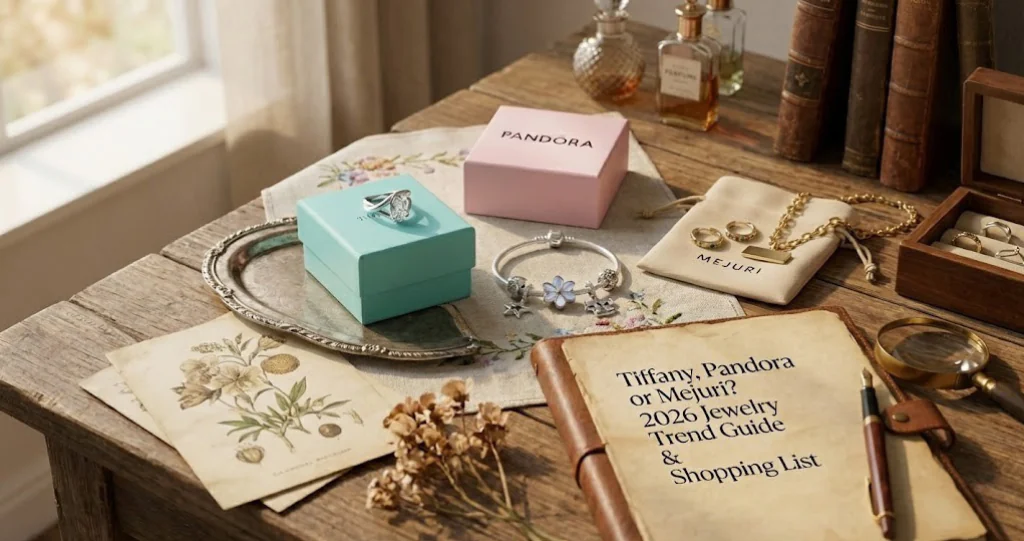
Tiffany, Pandora or Mejuri? 2026 Jewelry Trend Guide & Shopping List
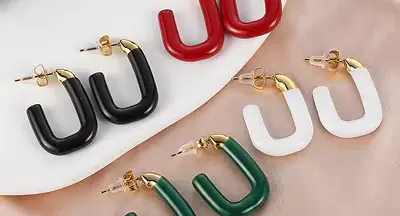
The forecast for 2026 is officially in, and the era of “Quiet Luxury” is evolving. While quality remains paramount, the minimalism of previous years is making way for a bolder, more expressive aesthetic: Organic Maximalism. This year, it isn’t about wearing more; it’s about wearing pieces that have movement, texture, and meaning. From “liquid” metal textures to the return of mixed metals (yes, gold and silver together), 2026 is the year to let your jewelry do the talking. 🔑 Key Takeaways: 2026 Jewelry Trends at a Glance The Top 3 Trends Defining 2026 1. Liquid Metals: The “Molten” Look Rigid geometric shapes are out. In their place, we see fluid, melting shapes that look like molten gold or silver draped over the skin. This trend mimics the flow of water and aligns with the “Organic” movement. 2. The 70/30 Mix: Mastering Two-Tone The old rule of picking one metal is dead. The “Cool Girl” look of 2026 involves a deliberate mix—typically 70% Gold and 30% Silver (or vice versa) to create depth. This allows for greater versatility in styling existing collections. 3. Modern Totems: Personalized Symbolism Jewelry is becoming deeply personal again. Expect to see a surge in zodiac pendants,
Jewelry Dropshipping: New Selling Way for Your Business
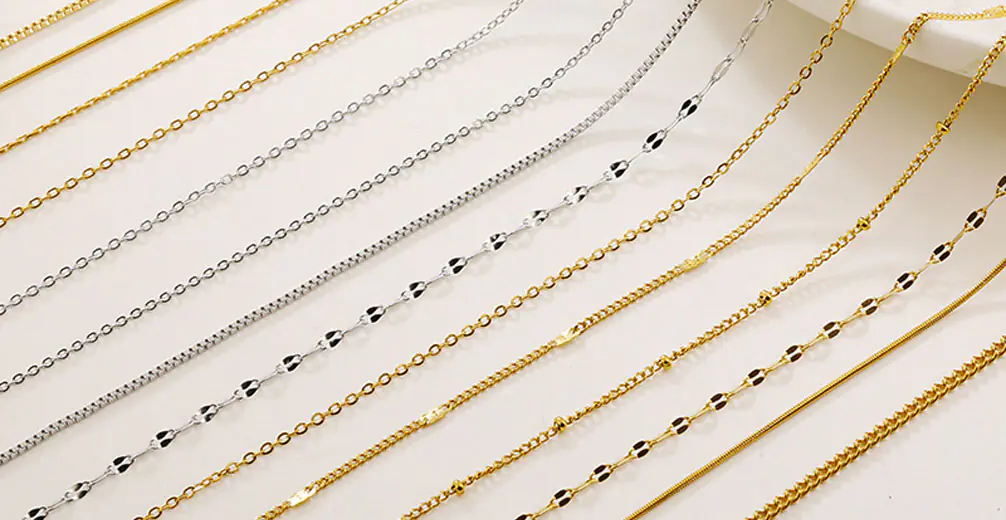
Jewelry dropshipping lets a retailer take an order and have a supplier ship the item to the customer. It reduces the need to hold inventory, but it does not remove the work of checking product quality, delivery performance, customer service, and unit economics. The seller remains responsible for the promises made on the product page and for handling customer issues. How the order flow works The retailer selects products, publishes listings, receives payment, and sends order details to the supplier or fulfillment partner. The supplier packs and ships the order, while the retailer communicates tracking, answers questions, and manages refunds or replacements under the store’s policy. Confirm how inventory updates and order status are passed between systems before opening the store. Vet the supplier and test fulfillment Order samples to inspect material disclosures, finish, stone settings, clasps, and packaging. Place a test order to your target market and record processing time, delivery time, tracking quality, and whether the parcel or packing slip identifies the supplier. Ask how stockouts, damaged items, address changes, and lost parcels are handled. Do not rely on catalog photos alone. Choose a focused product range Build a small collection for a defined customer rather than listing
2025 Wholesale Jewelry Market Outlook: Trends & Opportunities
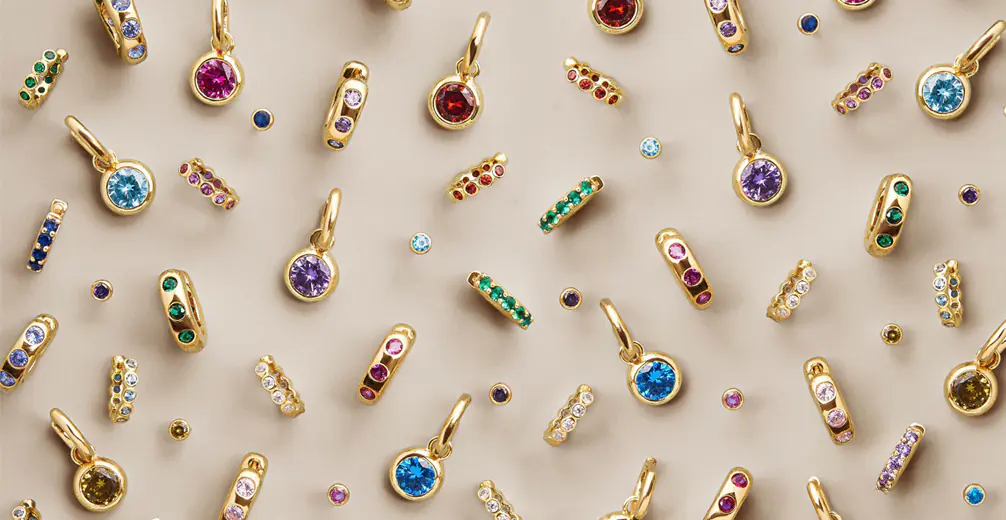
The wholesale jewelry market stands at a pivotal juncture in 2025, poised for transformative growth driven by technological advancements, evolving consumer preferences, and a renewed focus on sustainability. As the industry navigates post-pandemic recovery, wholesale jewelry manufacturers, retailers, and distributors are capitalizing on emerging trends to stay competitive in a rapidly evolving landscape. This blog explores the key trends, opportunities, and strategies shaping the future of the wholesale jewelry market. 1. Digital Transformation Accelerates E-Commerce Dominance The rise of wholesale jewelry online platforms has redefined how businesses source, distribute, and market products. In 2025, digital marketplaces account for over 60% of wholesale jewelry transactions, with B2B platforms like Alibaba, Joor, and TradeGecko enabling seamless global trade. 1.1 Key Drivers: AI-Powered Personalization: Manufacturers are leveraging AI algorithms to curate product recommendations, optimize inventory, and predict demand trends. For instance, tools like Stitch Labs and Zoho Inventory integrate with e-commerce platforms to streamline order management and fulfillment. Virtual Showrooms & AR Experiences: Augmented reality (AR) and 3D modeling allow buyers to visualize jewelry in real-time, reducing returns and enhancing confidence in online purchases. Platforms such as Snapchat Lens Studio and Vertebrae are pioneering immersive shopping experiences. Blockchain for Transparency: Trusted supply chains are critical in the jewelry industry, and blockchain technology ensures
REACH & BSCI for Jewelry: A Wholesale Buyer’s Compliance Guide
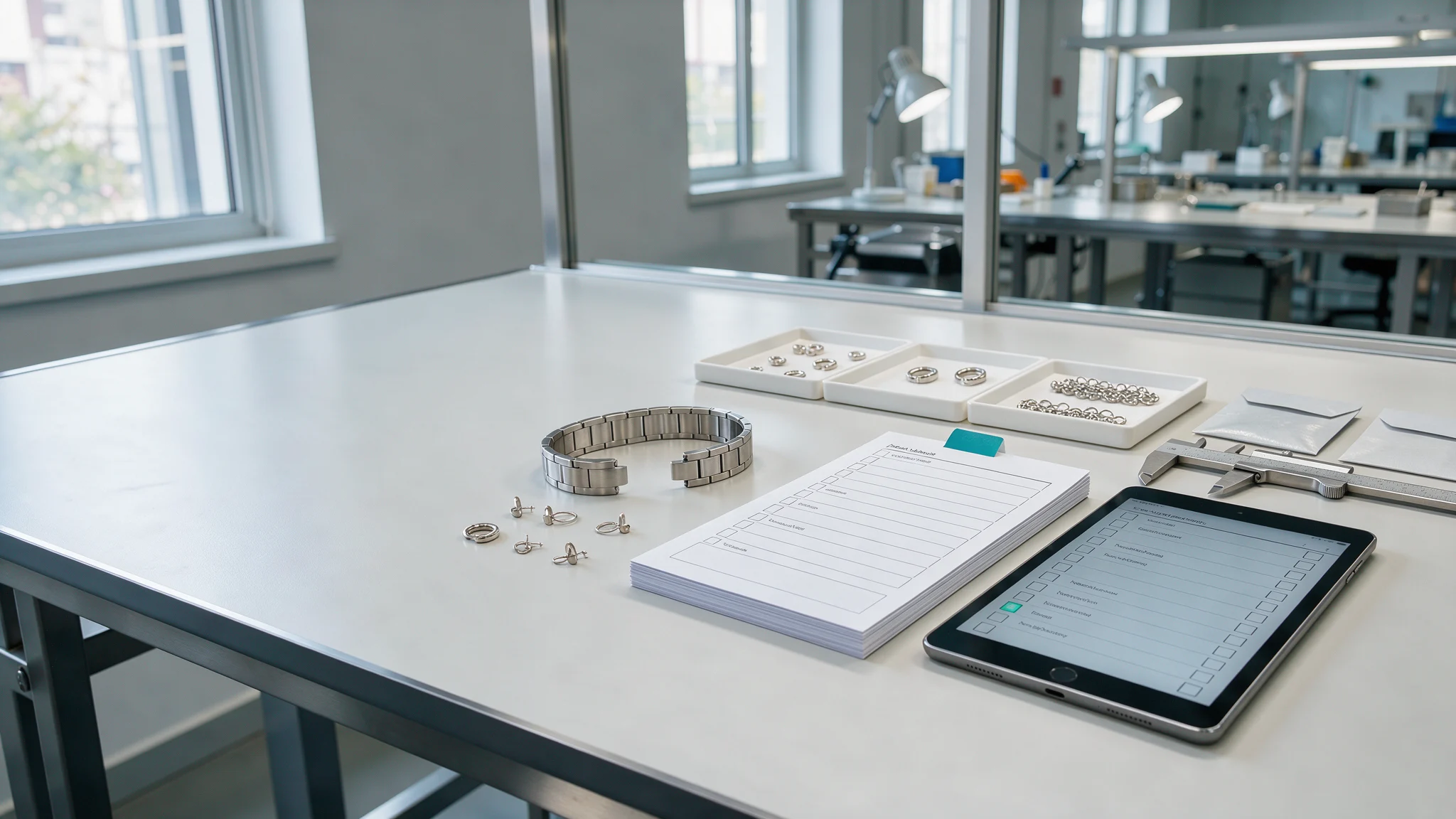
For jewelry wholesalers, REACH and amfori BSCI answer different questions. REACH concerns chemical restrictions for products placed on the EU market; amfori BSCI is a social due diligence and audit programme for production sites. Neither a factory audit nor a generic “compliance certificate” proves that every jewelry SKU meets every market rule. Buyers should check product evidence and factory evidence separately, against the order they are placing. Key takeaways REACH vs. BSCI: what does each one cover? REACH is the EU chemicals regulation (Regulation (EC) No 1907/2006). Its Annex XVII restricts certain substances in specified products and uses. For jewelry, buyers commonly need to assess nickel release and applicable lead and cadmium restrictions. The legal requirement depends on the article, material, use and market placement. Start with the REACH regulation on EUR-Lex and the ECHA list of substances restricted under REACH; confirm the current text for the specific product. amfori BSCI, by contrast, supports social-risk management in supply chains. Its assessment concerns a production site’s working conditions and management practices, not the chemical composition of a necklace or bracelet. The amfori BSCI programme overview describes 13 Performance Areas, including workers’ involvement, fair remuneration, working hours, occupational health and safety, child
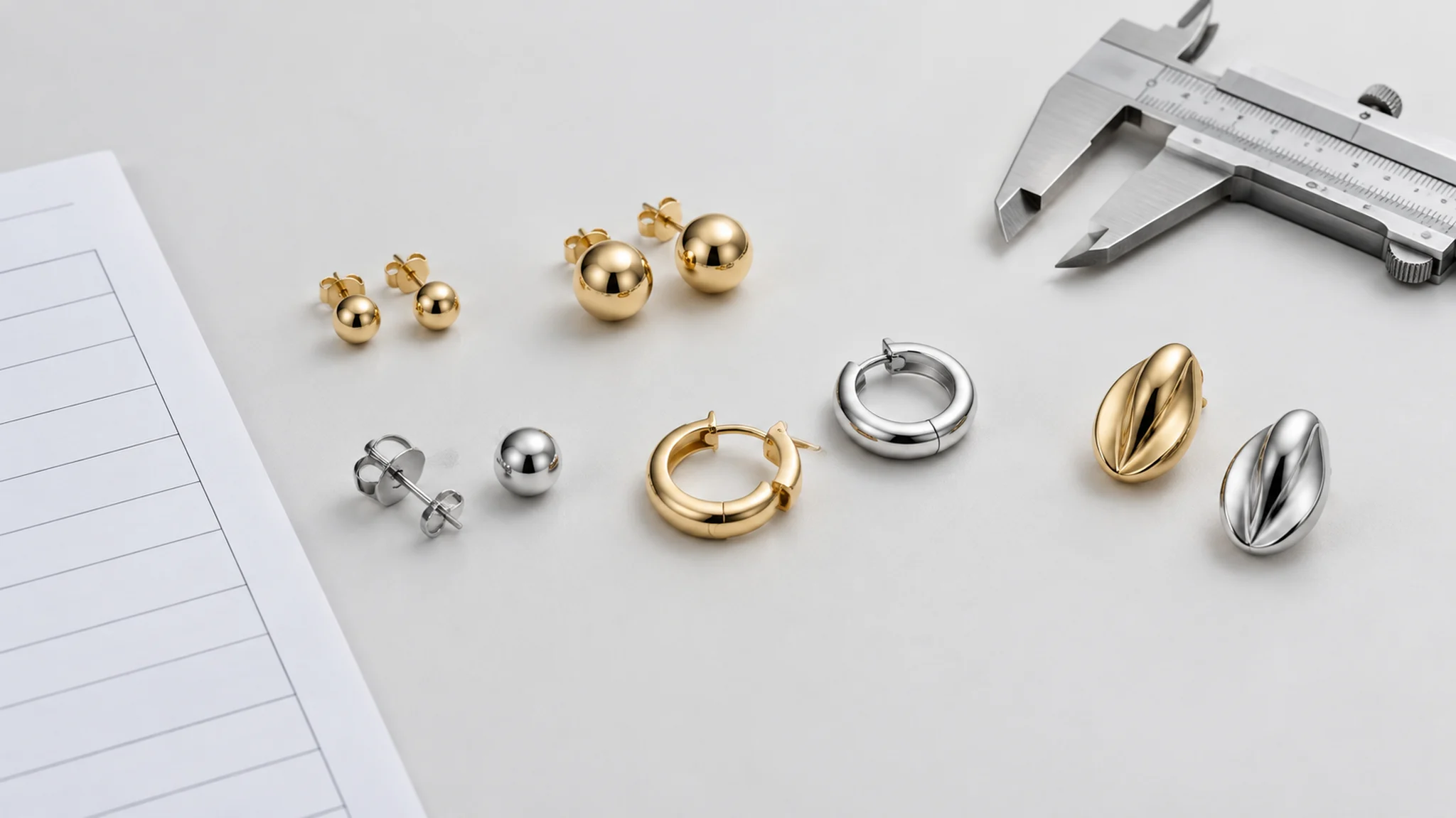
Wholesale Stainless Steel Earrings and Studs: Buyer’s Guide
Buying wholesale stainless steel earrings is a specification exercise, not a catalog vote. Two pairs can look identical in photographs yet use different posts, backs, closures, or surface finishes. Those differences determine what you can confidently describe on a product page and what your receiving team can actually inspect. This guide is for boutique buyers, online sellers, and jewelry brands comparing studs and small hoops. It walks through assortment planning, component-level questions, sampling, quality control, and quote comparison. Keep the checklist beside each supplier quotation; ask for evidence on the exact SKU rather than accepting a category-wide claim. For related guidance, see component-level factory checks. Key takeaways Specify the front, post, backing, and closure separately. “Stainless steel” alone does not identify every component. Approve a reference sample with dimensions, finish, packaging, and a defect standard before committing to bulk production. Compare landed cost and reorder terms, not just the quoted price per pair. Treat “hypoallergenic,” “waterproof,” and similar claims as evidence questions for the finished product. Which earrings belong in your first wholesale range? Start with the customer and sales channel. A boutique gift assortment may favor restrained studs and compact hoops in a few repeatable finishes. A marketplace seller
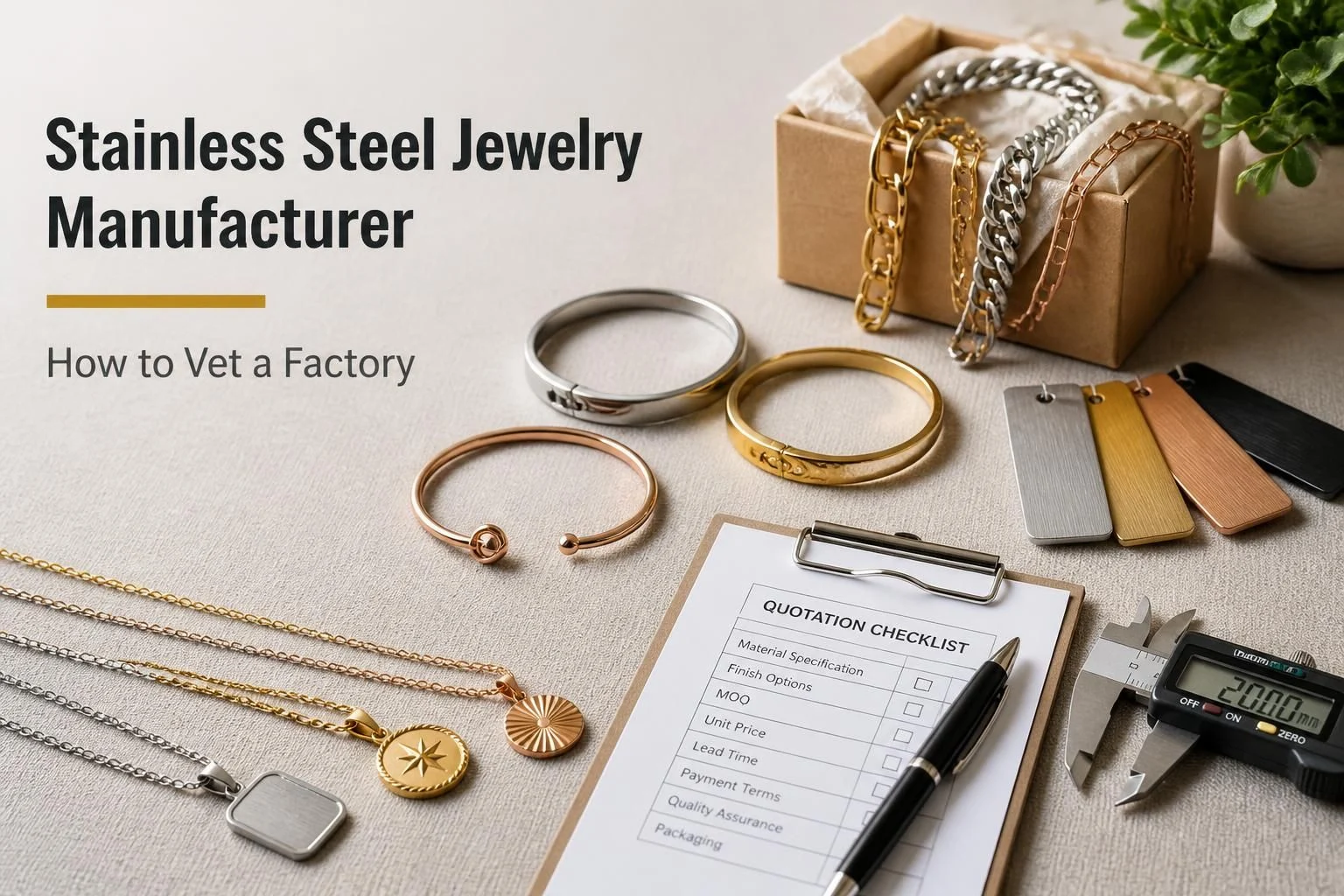
Stainless Steel Jewelry Manufacturer: How to Vet a Factory
A polished catalog does not show whether a factory can repeat your specification. Before paying a deposit, verify the production route, component materials, finish, inspection process, and commercial terms. This guide is for brand founders, product developers, importers, and boutique buyers comparing stainless steel suppliers. It explains what to request, what to inspect, and when a pilot order makes sense. Key Takeaways Verify the accountable legal supplier and every disclosed production step. Request component-level material and finish evidence tied to the quoted product. Approve a measured reference sample, then use a documented pilot before scaling. What Should You Verify First About a Stainless Steel Jewelry Factory? Start with accountability. Confirm who receives payment, who controls production, which steps are subcontracted, and which site owns the quality decision. A company profile can suggest useful questions, but it cannot show that the supplier will meet your specification. Request the supplier’s legal name, registered address, invoice entity, bank beneficiary, and factory address. The details should match. If they do not, ask for the relationship in writing. A process map should identify material sourcing, forming or casting, assembly, polishing, finishing, inspection, packing, and shipping. Find out whether the factory owns the relevant equipment or
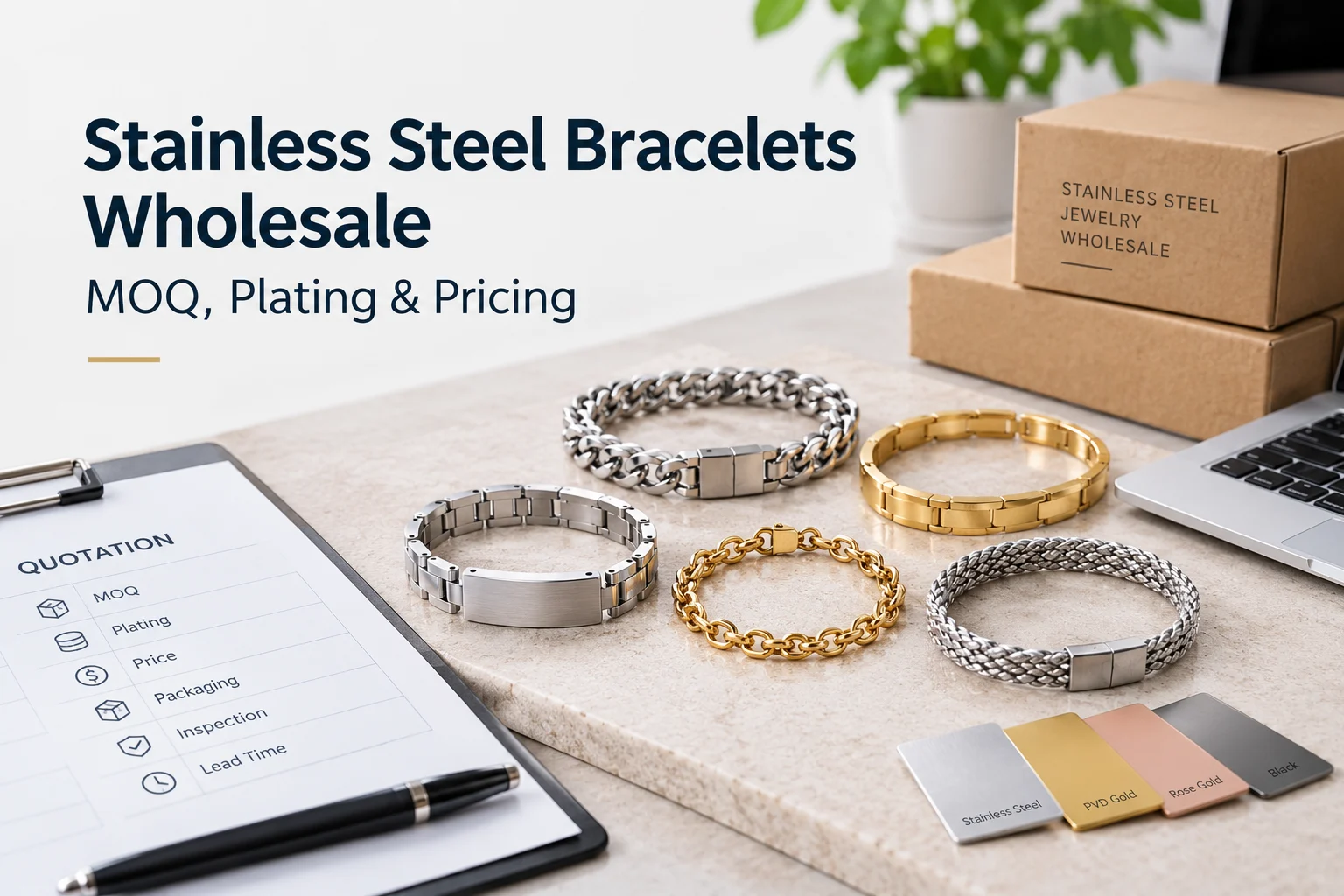
Stainless Steel Bracelets Wholesale: MOQ, Plating & Pricing
Two wholesale quotes can look similar while covering different quantities, finishes, packaging, and inspection terms. Before choosing a stainless steel bracelet supplier, define the product and the terms behind each number. That makes it easier to compare like with like and avoid surprises after sample approval. This guide explains how to compare minimum order quantity (MOQ), plating, men’s styles, restock terms, and landed cost before placing a wholesale order. It includes a supplier comparison checklist and a reusable request-for-quotation template. For product browsing, use Leejory’s stainless steel bracelets wholesale collection; this article focuses on how to evaluate and buy. For related guidance, see wholesale buying and retail selling guide. Key Takeaways Check whether MOQ applies per style, finish, size, or total mixed order. Specify the finish process and ask for evidence tied to the quoted product. Vague claims do not define performance. Compare landed cost and approve a reference sample before authorizing bulk production. Confirm MOQ for the selected bracelet, finish, and customization directly with the supplier. What Affects Wholesale Stainless Steel Bracelet MOQ? Stainless steel bracelet MOQ varies by supplier and production route. Stocked products and custom runs often use different minimums, with separate quantities for style, finish, size,
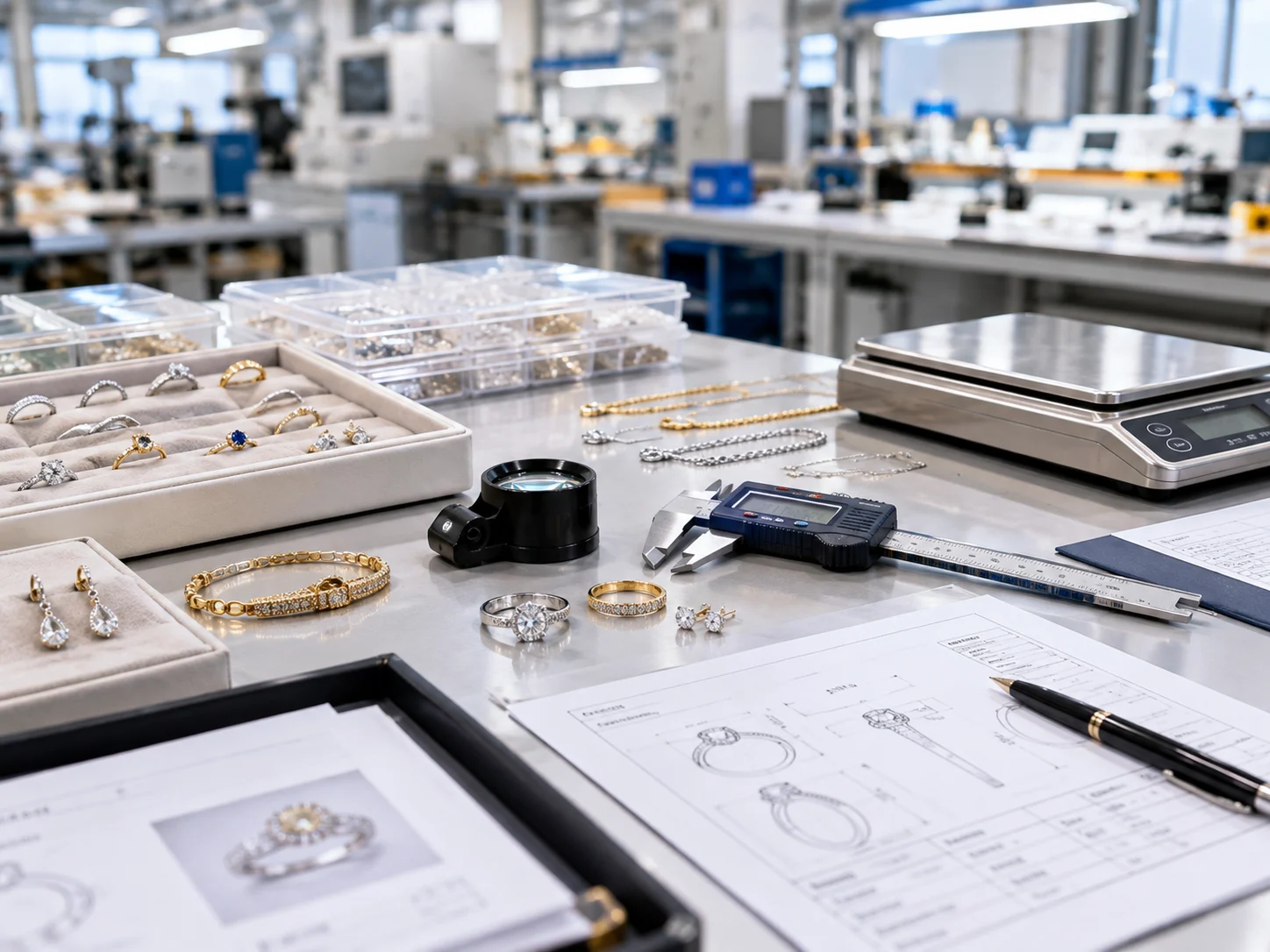
How to Choose a Jewelry OEM Manufacturer: 10 Checks
Choosing a jewelry OEM manufacturer is a production decision, not just a sourcing decision. A polished catalog can hide weak process control, unclear ownership, or inconsistent quality. The safest way to compare suppliers is to ask the same questions, request evidence, and test the relationship with a controlled pilot. For buyers applying these points, see jewelry OEM manufacturing guide. This guide gives you a 10-point checklist for evaluating capability, samples, quality control, compliance, lead times, intellectual property, communication, cost, and reorder reliability. It also shows what to ask for before paying a large deposit. For buyers applying these points, see OEM vs. ODM comparison. Key Takeaways Verify who legally receives your deposit and who controls production. Approve samples against written specifications, not visual impressions alone. Compare total landed cost and reorder reliability, not unit price alone. Run a documented pilot order before scaling. How Do You Match the Manufacturing Model to Your Brand? Model Best fit Buyer owns Main risk to clarify OEM Proprietary designs and detailed briefs Design and specifications Tooling, IP, and repeatability ODM Faster launches using existing designs Brand and selected adaptations Exclusivity and design ownership Private label Branded resale with limited customization Brand presentation and packaging
Jewelry OEM Manufacturing: A Complete Guide for Brands
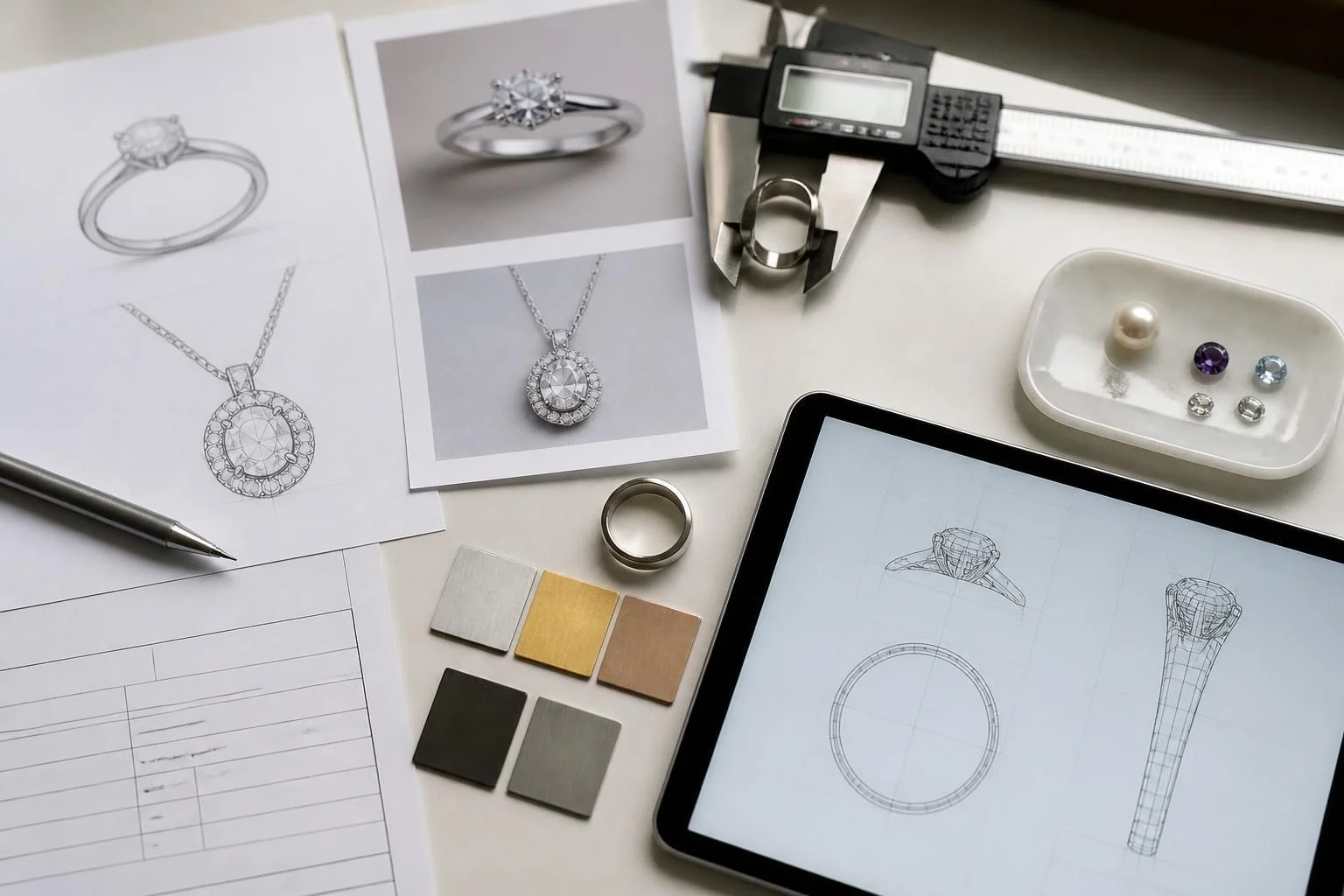
Jewelry OEM manufacturing lets a brand turn an approved design into repeatable production through a factory. It is not simply a catalog purchase with a logo added. The buyer needs to specify the product, approve a sample, and agree the checks that define an acceptable finished piece. If those controls are vague, a low quote can become an expensive first order. This guide is for brand founders, retail buyers, and ecommerce teams planning custom fashion jewelry. It explains what OEM means, where it differs from ODM and private label, and how to compare suppliers without confusing an attractive price with a comparable offer. For the service route, see the jewelry OEM and ODM service. For related guidance, see customization options. Key Takeaways OEM production begins with a buyer-owned or buyer-specified design, then an approved sample. A comparable quote fixes materials, finish, stones, packaging, QC, and shipping terms. Leejory states an OEM MOQ of 20 pieces per size on its service page, but MOQ alone does not define total risk. A first order should validate the product, packaging, and manufacturing process before a brand increases volume. What is jewelry OEM manufacturing? Leejory describes seven linked stages in its OEM and ODM
Tiffany, Pandora or Mejuri? 2026 Jewelry Trend Guide & Shopping List
The forecast for 2026 is officially in, and the era of “Quiet Luxury” is evolving. While quality remains paramount, the minimalism of previous years is making way for a bolder, more expressive aesthetic: Organic Maximalism. This year, it isn’t about wearing more; it’s about wearing pieces that have movement, texture, and meaning. From “liquid” metal textures to the return of mixed metals (yes, gold and silver together), 2026 is the year to let your jewelry do the talking. 🔑 Key Takeaways: 2026 Jewelry Trends at a Glance The Top 3 Trends Defining 2026 1. Liquid Metals: The “Molten” Look Rigid geometric shapes are out. In their place, we see fluid, melting shapes that look like molten gold or silver draped over the skin. This trend mimics the flow of water and aligns with the “Organic” movement. 2. The 70/30 Mix: Mastering Two-Tone The old rule of picking one metal is dead. The “Cool Girl” look of 2026 involves a deliberate mix—typically 70% Gold and 30% Silver (or vice versa) to create depth. This allows for greater versatility in styling existing collections. 3. Modern Totems: Personalized Symbolism Jewelry is becoming deeply personal again. Expect to see a surge in zodiac pendants,
2025 Wholesale Jewelry Market Outlook: Trends & Opportunities
The wholesale jewelry market stands at a pivotal juncture in 2025, poised for transformative growth driven by technological advancements, evolving consumer preferences, and a renewed focus on sustainability. As the industry navigates post-pandemic recovery, wholesale jewelry manufacturers, retailers, and distributors are capitalizing on emerging trends to stay competitive in a rapidly evolving landscape. This blog explores the key trends, opportunities, and strategies shaping the future of the wholesale jewelry market. 1. Digital Transformation Accelerates E-Commerce Dominance The rise of wholesale jewelry online platforms has redefined how businesses source, distribute, and market products. In 2025, digital marketplaces account for over 60% of wholesale jewelry transactions, with B2B platforms like Alibaba, Joor, and TradeGecko enabling seamless global trade. 1.1 Key Drivers: AI-Powered Personalization: Manufacturers are leveraging AI algorithms to curate product recommendations, optimize inventory, and predict demand trends. For instance, tools like Stitch Labs and Zoho Inventory integrate with e-commerce platforms to streamline order management and fulfillment. Virtual Showrooms & AR Experiences: Augmented reality (AR) and 3D modeling allow buyers to visualize jewelry in real-time, reducing returns and enhancing confidence in online purchases. Platforms such as Snapchat Lens Studio and Vertebrae are pioneering immersive shopping experiences. Blockchain for Transparency: Trusted supply chains are critical in the jewelry industry, and blockchain technology ensures
Everything Your Business Needs to Know About Sourcing Ethical Jewelry
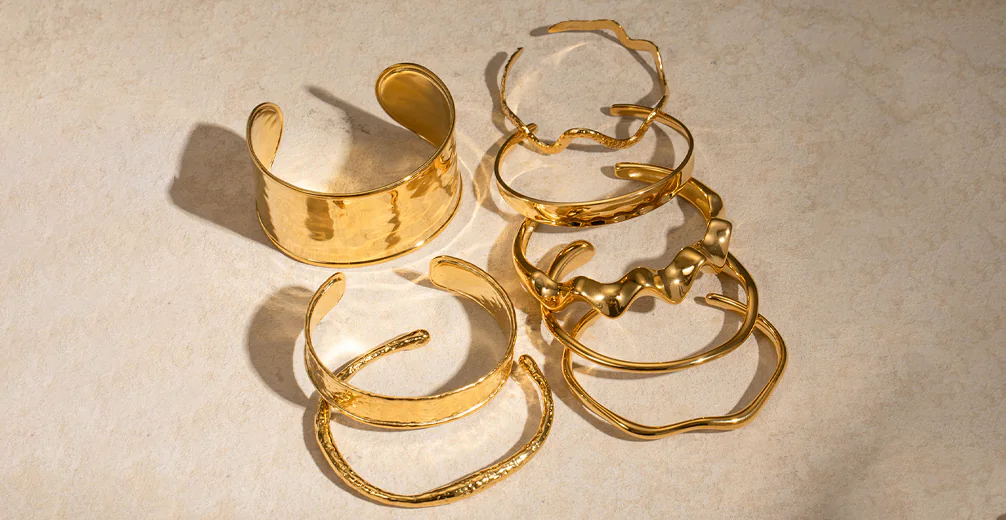
1. What Is Ethical Jewelry? 1.1 Definition and Key Principles Ethical jewelry is more than just a trend—it’s a movement. At its core, ethical jewelry refers to pieces that are made with respect for people, the planet, and fair business practices. This means the entire process—from mining materials to the final polish—aims to minimize harm and maximize positive impact. So, what does this actually look like in practice? It includes using responsibly sourced materials, ensuring fair wages for workers, and avoiding harmful environmental practices. It also means transparency in the supply chain, no child labor, and a commitment to human rights at every level of production. The ethical jewelry movement has grown because people are demanding more than beauty. They want meaning. Consumers today care about how their jewelry is made, who made it, and under what conditions. And businesses that respond to these values are building stronger, more loyal customer bases. Importantly, ethical jewelry doesn’t sacrifice design or quality. On the contrary, many of the most innovative and desirable pieces today are being made by ethical jewelry brands that value both aesthetics and integrity. 1.2 Why Ethical Jewelry Matters Today The demand for ethical jewelry is rising—and it’s not
5 Reasons Name Necklaces Are Still a Top Trend and How to Market Them
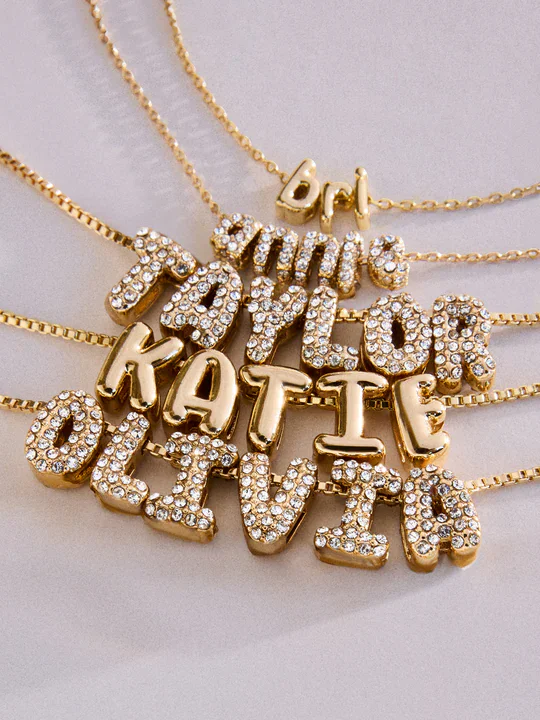
Introduction: The Enduring Popularity of Name Necklaces In the ever-evolving world of fashion, few trends have withstood the test of time like personalised name necklaces. These unique pieces of jewelry have captured the hearts of consumers for years, and their popularity shows no sign of fading. Whether it’s a personalised necklace with name worn every day or a personalised bar necklace given as a special gift, name necklaces continue to lead the way in the personalized jewelry market. Why are personalised name necklaces so popular? It’s simple—people love personalization. A name necklace is not just an accessory; it’s a statement. It represents identity, love, and memory. From couples commemorating their relationship to individuals showcasing their personal style, name necklaces have become a go-to choice for all occasions. As we move into 2025, the demand for personalized jewelry is only expected to grow. Custom name chains and personalized name necklace silver options are becoming more accessible, and businesses have an exciting opportunity to profit from this trend. In this blog, we’ll explore why personalised name necklaces remain a top trend, how retailers can profit from the personalized jewelry movement, and the key strategies that will help businesses thrive in the jewelry
Chokers Necklaces Outline: The Ultimate B2B Guide to Choker Necklaces: From Symbolism to Sales
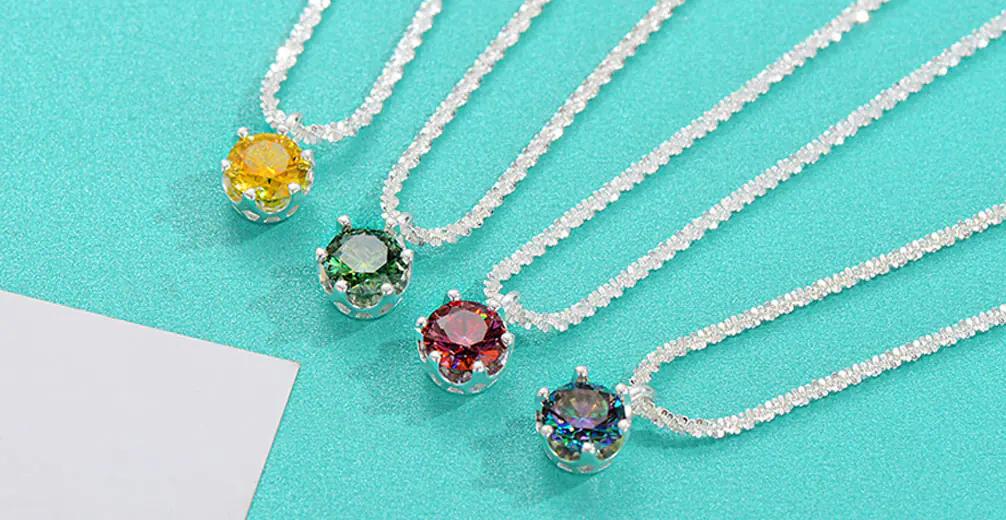
Introduction Chokers necklaces are more than just a trend—they’re a timeless statement piece with deep cultural roots and modern-day appeal. From royalty to runway, chokers have evolved across centuries, styles, and audiences. Today, they’re making a powerful comeback, driven by social media influence, personal expression, and fashion nostalgia. For B2B jewelry brands, wholesalers, and retailers, understanding the “why” behind chokers—and knowing how to position them—is essential. What makes them resonate with customers? Which styles sell best? What materials offer the best value and appeal? This comprehensive guide answers these questions and more, helping you confidently navigate the world of chokers necklaces—from their symbolic origins to strategies that drive sales. Whether you’re sourcing new collections or expanding your fashion jewelry line, this guide is designed to inspire, inform, and help you stay one step ahead. 1 . What Are Choker Necklaces? A Quick Introduction 1.1 Definition and Characteristics of Chokers Necklaces Let’s start with the basics. What is a choker? In the simplest terms, a choker is a close-fitting necklace worn around the neck. Unlike longer necklaces that hang loosely, chokers sit snugly at the base of the neck, creating a bold and elegant look. They can be made from a
Trendy Necklaces 2025: A Complete Wholesale & B2B Sourcing Guide
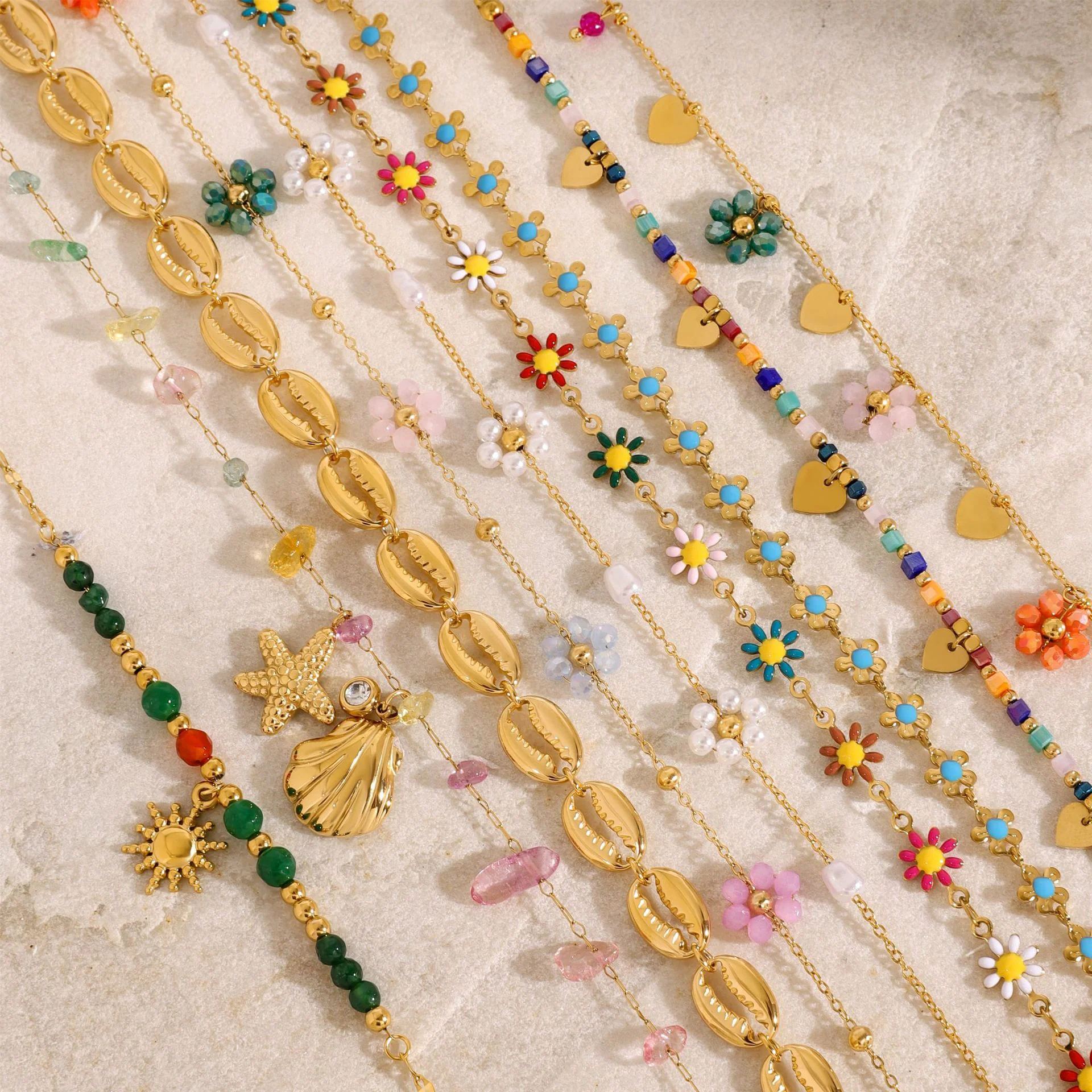
Introduction The jewelry market is always evolving, and when it comes to trendy necklaces, 2025 is shaping up to be a year full of exciting styles and innovations. From personalized pieces to bold statement designs, the demand for on-trend necklaces is soaring, especially in the wholesale and B2B sectors. Whether you’re a retailer looking to stock up on the latest styles or a business involved in B2B sourcing, staying in the know about what’s hot can make all the difference. This guide is here to break down everything you need to know about trendy necklaces in 2025. We’ll explore the most popular styles, answer common questions about what’s in fashion, and provide practical tips for navigating the wholesale market. Get ready to discover how to source and offer the necklaces that customers will be clamoring for this year. 1. What Necklaces are Trending in 2025? In 2025, the world of jewelry is abuzz with exciting trends, and trendy necklaces are leading the charge. Let’s take a closer look at what makes these trendy necklaces so sought-after this year. 1.1 Layered Necklaces: Mixing Different Lengths and Styles Layered necklaces are making a huge comeback in 2025, and they’re one of the

Long Layered Necklaces: The Ultimate 2025 Wholesale & Marketing Guide
1. Introduction: Why Long Layered Necklaces Are Still a Must-Have in 2025 In the fast-moving world of fashion, some trends come and go. But others stand the test of time. One such enduring style is the long layered necklace. In 2025, this versatile accessory remains a favorite for fashion lovers around the globe. Why? Because it’s adaptable. A long layered necklace can elevate the simplest outfit or add the perfect finishing touch to an elegant look. Whether you’re dressing up for a special occasion or keeping it casual, layering necklaces offers endless styling possibilities. It’s a simple way to express your personality without saying a word. Fashion influencers, stylists, and designers are all embracing the layered look. You’ll see it on social media, in magazines, and on runways. The reason is clear: layering allows for creativity. You can mix metals, play with lengths, and combine different textures. Each layered look tells its own story. In 2025, the trend is not just about short necklaces. The layered necklace long style is stealing the spotlight. Longer strands add drama and elegance. They work beautifully with various necklines, from plunging V-necks to cozy turtlenecks. The flowing lines of long necklaces also create a

Can Silver Tarnish? The Proven Wholesaler’s Playbook for Protecting Stock & Boosting Sales
1. The Big Question: Can Real Silver Tarnish? Understanding the Science If you’re in the jewelry business, you’ve faced the question a hundred times. A customer picks up a beautiful sterling silver bracelet, their eyes light up, and then they ask with a hint of concern, “Is this going to tarnish?” Let’s tackle this head-on and turn that question into your sales advantage. The first thing to understand is the simple answer to the big question, can silver tarnish? 1.1 The Direct Answer: Yes, Authentic Sterling Silver Can and Will Tarnish. And here’s the crucial part: that’s how you know it’s real. Tarnish isn’t a flaw; it’s a sign of authenticity. Think of it as a natural, scientific process, not a defect in quality. When customers or retail partners ask this, your confident “Yes, and here’s why that’s a good thing” can build immediate trust. It shows you are an expert who is transparent about your product. It’s a natural property of the precious metal they’re about to invest in. 1.2 The Chemistry Behind the Color Change: Why Tarnishing is a Natural Reaction, Not a Quality Flaw. So what is happening when silver changes color? It’s simple chemistry. Sterling silver
Tiffany, Pandora or Mejuri? 2026 Jewelry Trend Guide & Shopping List
The forecast for 2026 is officially in, and the era of “Quiet Luxury” is evolving. While quality remains paramount, the minimalism of previous years is making way for a bolder, more expressive aesthetic: Organic Maximalism. This year, it isn’t about wearing more; it’s about wearing pieces that have movement, texture, and meaning. From “liquid” metal textures to the return of mixed metals (yes, gold and silver together), 2026 is the year to let your jewelry do the talking. 🔑 Key Takeaways: 2026 Jewelry Trends at a Glance The Top 3 Trends Defining 2026 1. Liquid Metals: The “Molten” Look Rigid geometric shapes are out. In their place, we see fluid, melting shapes that look like molten gold or silver draped over the skin. This trend mimics the flow of water and aligns with the “Organic” movement. 2. The 70/30 Mix: Mastering Two-Tone The old rule of picking one metal is dead. The “Cool Girl” look of 2026 involves a deliberate mix—typically 70% Gold and 30% Silver (or vice versa) to create depth. This allows for greater versatility in styling existing collections. 3. Modern Totems: Personalized Symbolism Jewelry is becoming deeply personal again. Expect to see a surge in zodiac pendants,
How to Choose a Jewelry OEM Manufacturer: 10 Checks
Choosing a jewelry OEM manufacturer is a production decision, not just a sourcing decision. A polished catalog can hide weak process control, unclear ownership, or inconsistent quality. The safest way to compare suppliers is to ask the same questions, request evidence, and test the relationship with a controlled pilot. For buyers applying these points, see jewelry OEM manufacturing guide. This guide gives you a 10-point checklist for evaluating capability, samples, quality control, compliance, lead times, intellectual property, communication, cost, and reorder reliability. It also shows what to ask for before paying a large deposit. For buyers applying these points, see OEM vs. ODM comparison. Key Takeaways Verify who legally receives your deposit and who controls production. Approve samples against written specifications, not visual impressions alone. Compare total landed cost and reorder reliability, not unit price alone. Run a documented pilot order before scaling. How Do You Match the Manufacturing Model to Your Brand? Model Best fit Buyer owns Main risk to clarify OEM Proprietary designs and detailed briefs Design and specifications Tooling, IP, and repeatability ODM Faster launches using existing designs Brand and selected adaptations Exclusivity and design ownership Private label Branded resale with limited customization Brand presentation and packaging
Jewelry OEM Manufacturing: A Complete Guide for Brands
Jewelry OEM manufacturing lets a brand turn an approved design into repeatable production through a factory. It is not simply a catalog purchase with a logo added. The buyer needs to specify the product, approve a sample, and agree the checks that define an acceptable finished piece. If those controls are vague, a low quote can become an expensive first order. This guide is for brand founders, retail buyers, and ecommerce teams planning custom fashion jewelry. It explains what OEM means, where it differs from ODM and private label, and how to compare suppliers without confusing an attractive price with a comparable offer. For the service route, see the jewelry OEM and ODM service. For related guidance, see customization options. Key Takeaways OEM production begins with a buyer-owned or buyer-specified design, then an approved sample. A comparable quote fixes materials, finish, stones, packaging, QC, and shipping terms. Leejory states an OEM MOQ of 20 pieces per size on its service page, but MOQ alone does not define total risk. A first order should validate the product, packaging, and manufacturing process before a brand increases volume. What is jewelry OEM manufacturing? Leejory describes seven linked stages in its OEM and ODM
Tiffany, Pandora or Mejuri? 2026 Jewelry Trend Guide & Shopping List
The forecast for 2026 is officially in, and the era of “Quiet Luxury” is evolving. While quality remains paramount, the minimalism of previous years is making way for a bolder, more expressive aesthetic: Organic Maximalism. This year, it isn’t about wearing more; it’s about wearing pieces that have movement, texture, and meaning. From “liquid” metal textures to the return of mixed metals (yes, gold and silver together), 2026 is the year to let your jewelry do the talking. 🔑 Key Takeaways: 2026 Jewelry Trends at a Glance The Top 3 Trends Defining 2026 1. Liquid Metals: The “Molten” Look Rigid geometric shapes are out. In their place, we see fluid, melting shapes that look like molten gold or silver draped over the skin. This trend mimics the flow of water and aligns with the “Organic” movement. 2. The 70/30 Mix: Mastering Two-Tone The old rule of picking one metal is dead. The “Cool Girl” look of 2026 involves a deliberate mix—typically 70% Gold and 30% Silver (or vice versa) to create depth. This allows for greater versatility in styling existing collections. 3. Modern Totems: Personalized Symbolism Jewelry is becoming deeply personal again. Expect to see a surge in zodiac pendants,

How to Use AI Jewelry Design to Create Custom Jewelry Faster, Smarter, and at Scale
Jewelry design has traditionally been a slow, experience-driven process. Designers rely on hand sketches, CAD modeling, repeated revisions, and physical samples before a single piece is ready for production. While this approach ensures craftsmanship, it also limits speed, scalability, and flexibility—especially in today’s market where trends change quickly and customization is becoming the norm. This is where AI Jewelry Design enters the picture. AI is no longer just a conceptual experiment in the jewelry industry. It is increasingly used as a practical design assistant—helping brands generate ideas faster, explore more styles, and shorten the path from concept to production. For brands offering custom jewelry, low MOQ collections, or private-label services, AI-powered workflows can significantly improve efficiency without sacrificing creative control. In this guide, you’ll learn how to use AI Jewelry Design step by step, from early concept generation to production-ready designs, with a clear focus on real-world usability rather than theory. What Is AI Jewelry Design? (And What It Is Not) AI Jewelry Design refers to the use of artificial intelligence tools to assist, not replace, the jewelry design process. These tools can generate visual concepts, expand design variations, optimize proportions, and support decision-making during early and mid-stage design development.

Van Cleef Materials and Craftsmanship: What Makes the Jewelry So Exceptional?
In the world of high jewelry, design may be what first captures attention, but materials and craftsmanship are what ultimately define value, longevity, and brand authority. Few maisons illustrate this better than Van Cleef & Arpels. Beyond its iconic motifs and instantly recognizable aesthetics, the brand has built its reputation on an uncompromising approach to material selection and artisanal execution. For consumers, Van Cleef jewelry represents elegance and refinement. For industry professionals—online sellers, brand owners, and jewelry wholesalers—it offers something equally valuable: a clear example of how material standards and craftsmanship discipline can elevate a product far beyond its basic components. This article takes an in-depth look at Van Cleef materials and craftsmanship, explaining what makes the jewelry exceptional and what jewelry businesses can learn from this approach. Why Materials and Craftsmanship Matter in High Jewelry In high jewelry, value is not determined solely by the presence of precious metals or gemstones. Instead, it emerges from the relationship between materials, technique, and time. Two pieces may use similar raw components, yet differ dramatically in price, durability, and perception depending on how those components are selected and transformed. Van Cleef & Arpels operates in a segment where customers expect more than
OEM vs ODM Jewelry: A Complete Guide for Jewelry Brands and Wholesalers
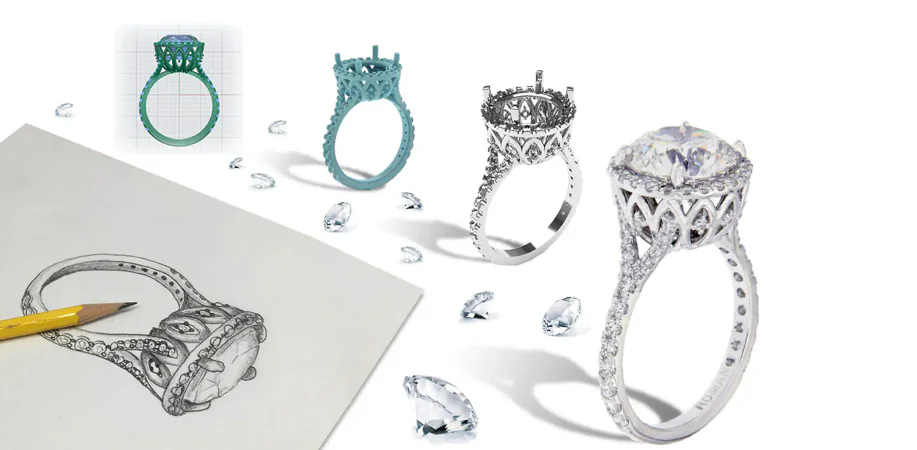
OEM and ODM describe different ways a jewelry product is developed with a manufacturer. In a typical OEM arrangement, the buyer supplies the design or specifications and the manufacturer produces to them. In an ODM arrangement, the manufacturer offers an existing design or product platform that the buyer may select and customize within agreed limits. Exact responsibilities vary by contract, so define them before development begins. OEM jewelry: start with your design OEM can suit a brand that has approved drawings, CAD files, a physical reference, or detailed specifications and needs a supplier to develop and manufacture that concept. The buyer should clarify who creates and approves CAD, prototypes, molds, and production files, and who owns or may reuse each item. ODM jewelry: start with a supplier design ODM can be a practical route when a buyer wants to select from designs the manufacturer already offers and adjust details such as finish, stone, logo, or packaging. Confirm whether the design is exclusive, offered to multiple customers, or subject to a limited customization agreement. “Custom” does not automatically mean exclusive. Compare the work before choosing Design input: buyer-led for OEM; supplier-led starting point for ODM. Development: OEM may require more specification
Jewelry Dropshipping: New Selling Way for Your Business
Jewelry dropshipping lets a retailer take an order and have a supplier ship the item to the customer. It reduces the need to hold inventory, but it does not remove the work of checking product quality, delivery performance, customer service, and unit economics. The seller remains responsible for the promises made on the product page and for handling customer issues. How the order flow works The retailer selects products, publishes listings, receives payment, and sends order details to the supplier or fulfillment partner. The supplier packs and ships the order, while the retailer communicates tracking, answers questions, and manages refunds or replacements under the store’s policy. Confirm how inventory updates and order status are passed between systems before opening the store. Vet the supplier and test fulfillment Order samples to inspect material disclosures, finish, stone settings, clasps, and packaging. Place a test order to your target market and record processing time, delivery time, tracking quality, and whether the parcel or packing slip identifies the supplier. Ask how stockouts, damaged items, address changes, and lost parcels are handled. Do not rely on catalog photos alone. Choose a focused product range Build a small collection for a defined customer rather than listing
The Retailer’s Playbook: A Year-Round Guide to Profitable Season Jewelry Wholesale
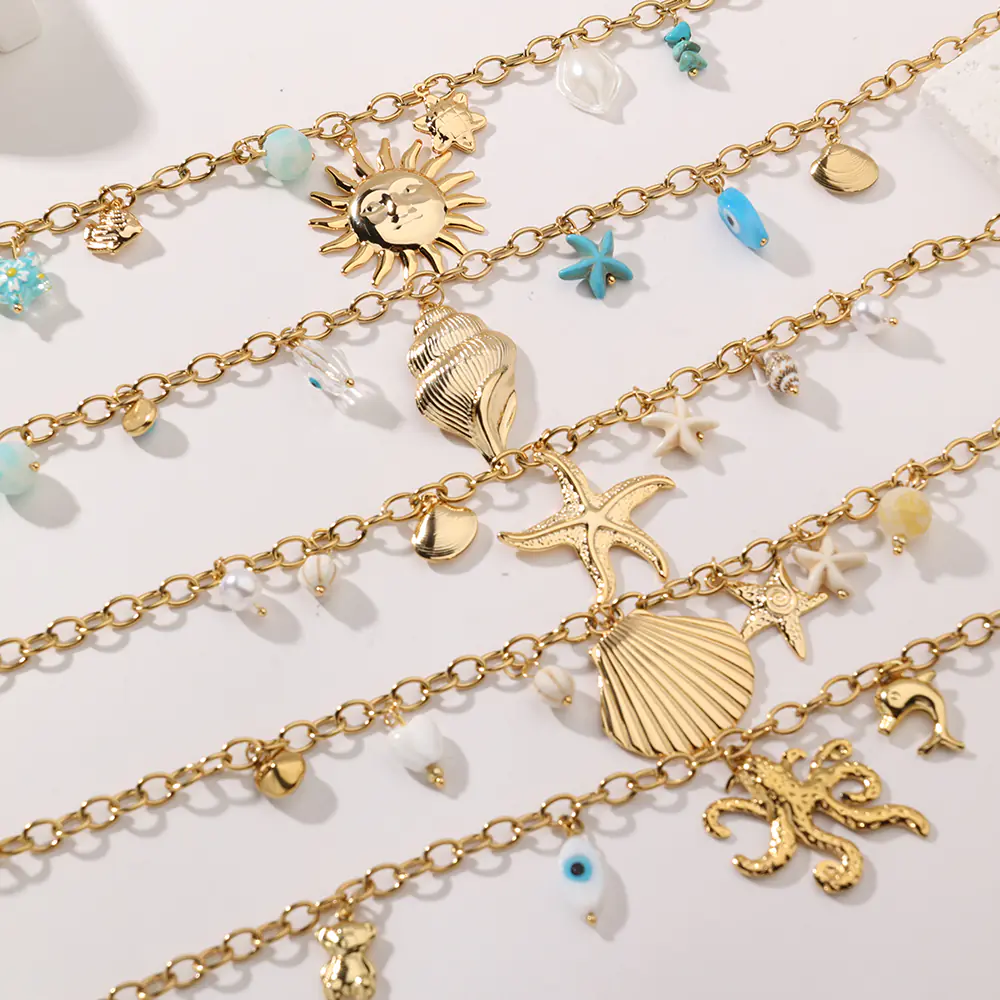
Introduction: The Retailer’s Guide to Mastering Seasonal Jewelry Trends As a retailer, you’ve witnessed the jewelry market’s cyclical rhythm—one month, sun-drenched summer jewelry dominates boardwalk boutique displays; the next, Halloween jewelry wholesale orders flood in as stores prep for spooky season. But navigating seasonality doesn’t require guesswork. This playbook unveils battle-tested strategies to transform “seasonal” into “steady” profits, blending consumer behavior insights with sourcing tactics that turn each trend into a revenue stream. Consider this: Christmas jewelry wholesale sees a 60% Q4 surge, yet 30% of retailers overstock, leading to 20% profit loss. By decoding why beachgoers crave shell bracelets in July or why brides demand pearl tiaras in May, you’ll learn to stock snowflake necklaces before the first frost and neon anklets before Memorial Day. Whether you’re a startup or a legacy store, these insights—backed by data from JCK Las Vegas and Alibaba’s trend reports—will keep your shelves ahead of the curve. 1. Understanding Seasonality in Jewelry Wholesale 1.1 Why Is Jewelry Seasonal? Jewelry acts as a cultural barometer, constantly shifting in tune with holidays, climate, and ever-evolving consumer habits. The power of holidays on the season jewelry wholesale market is undeniable. Christmas, for instance, compels retailers to triple
Top Jewelry Trade Shows You Can’t Miss as a B2B Buyer
Are you a B2B buyer in the jewelry industry, constantly on the lookout for ways to gain a competitive edge? Look no further than jewelry trade shows! These events are not just ordinary gatherings; they are vibrant epicenters where the future of the jewelry world is shaped. Whether you aim to discover exclusive suppliers at a wholesale jewelry show, unearth the latest trends at an international jewellery fair, or secure highly profitable deals, these jewelry trade shows offer unparalleled opportunities. In this article, we will take an in – depth look at the top jewelry trade shows that are an absolute must – attend for any B2B buyer looking to elevate their business to new heights. 1. Why Are Jewelry Trade Shows a Game-Changer for B2B Buyers? 1.1 Unlock Exclusive Supplier Networks Jewelry trade shows, such as the renowned international jewellery fairs, are a goldmine for B2B buyers. Take the example of a small jewelry boutique in London. By attending the Hong Kong International Jewellery Fair, they discovered a family – owned factory in Thailand that specialized in hand – crafted silver jewelry. This led to a partnership that allowed the boutique to offer unique, limited – edition pieces, significantly
2025 Wholesale Personalized Jewelry: How to Offer Custom Pieces That Actually Sell
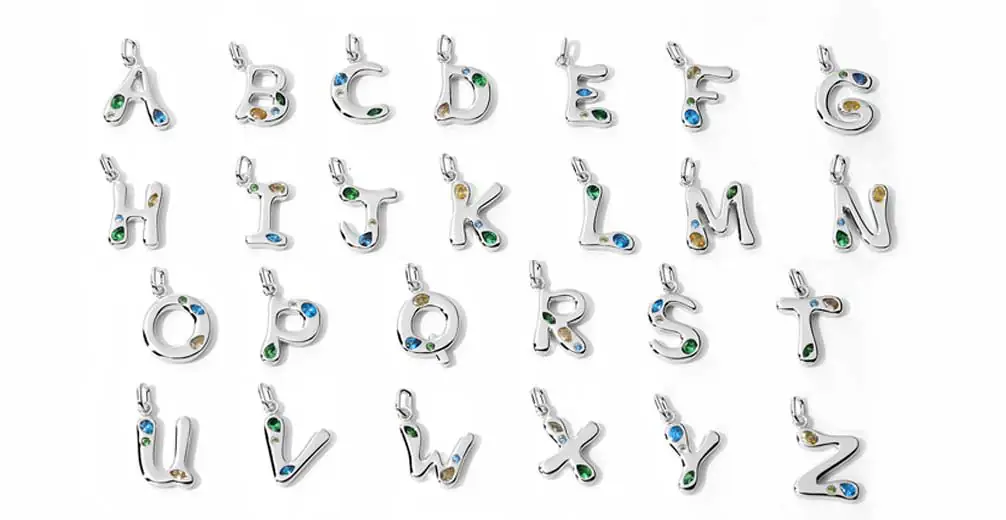
1. Introduction: The Rising Trend of Wholesale Personalized Jewelry In the ever – evolving world of fashion and accessories, there’s a new star on the horizon: wholesale personalized jewelry. Gone are the days when consumers were content with generic, mass – produced pieces. Today, people want accessories that tell their unique stories, reflect their personalities, and hold special meaning. This shift in consumer preferences has opened up a golden opportunity for wholesalers in the jewelry industry. Imagine a retailer looking for that one – of – a – kind item that will make their store stand out from the competition. That’s where wholesale personalized jewelry comes in. It’s not just about selling a piece of jewelry; it’s about offering an experience, a chance for customers to own something truly special. Whether it’s a custom – made necklace with a loved one’s initials or a bracelet engraved with a meaningful date, these personalized pieces have the power to create emotional connections. For wholesalers, this trend means a chance to expand their product offerings and tap into a growing market. By providing custom wholesale jewelry, they can cater to a wide range of customers, from individuals looking for a personal gift to
How to Start a Business with Wholesale Jewelry Vendors
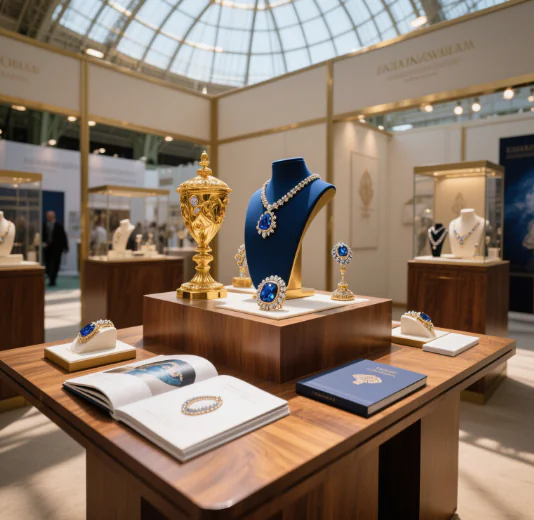
Starting a jewelry business can be both exciting and overwhelming, but with the right planning and a reliable supplier network, it’s entirely possible to turn your passion for jewelry into a profitable venture. One of the most crucial aspects of starting your business is finding the right wholesale jewelry vendors who can provide you with high – quality products at competitive prices. This guide will walk you through the process of selecting the right vendors, understanding how they work, and using them to grow your jewelry business. By sourcing jewelry from wholesale jewelry vendors, you can offer a variety of styles and products while keeping overhead costs low. In this article, we’ll discuss everything you need to know about wholesale jewelry vendors, how to select the right supplier, how to buy jewelry for resale, and how to scale your business for long – term success. 1. What Are Wholesale Jewelry Vendors and How Do They Work? Wholesale jewelry vendors are businesses or individuals who buy jewelry in bulk from manufacturers or artisans and sell it to retailers at a discounted price. This allows jewelry businesses to purchase jewelry at lower prices and sell it to their customers at a marked
5 Powerhouse Jewelry Markets Redefining China’s Wholesale Dominance: A Buyer’s Guide to Trendsetting Hubs, Unmatched Variety, and Unstoppable Growth”
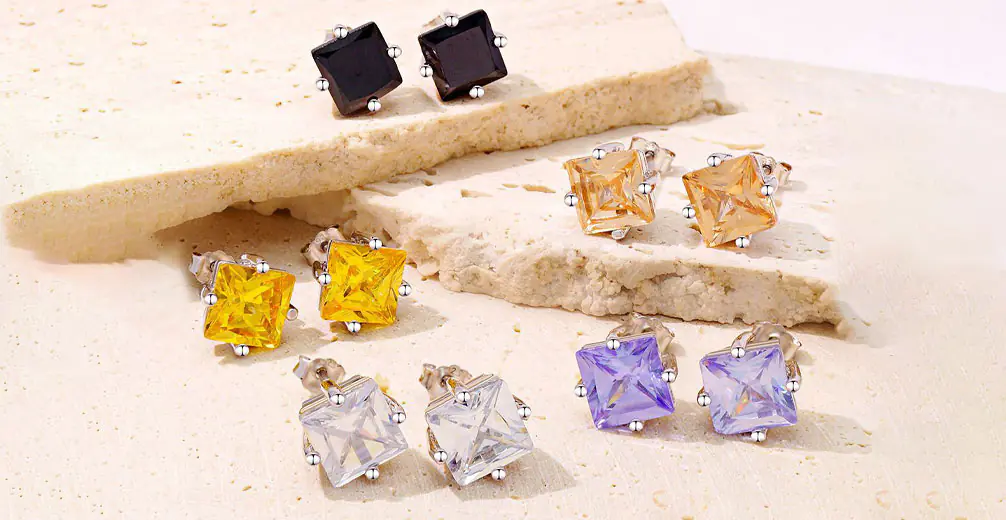
Introduction: The Beating Heart of Global Jewelry Commerce China’s jewelry market is a $120 billion juggernaut, fueling 60% of the world’s fashion jewelry exports and reshaping global trends with its blend of artisanal craftsmanship, hyper-efficient manufacturing, and tech-driven innovation. At the epicenter of this ecosystem lie China’s top wholesale markets—dynamic hubs where buyers from Paris to Dubai source everything from minimalist gold-plated necklaces to AI-designed smart pendants. This guide dives deep into 5 powerhouse markets that dominate China’s jewelry landscape, offering actionable insights for retailers, designers, and e-commerce entrepreneurs seeking to tap into their unparalleled variety, competitive pricing, and future-ready infrastructure. We’ll unpack each market’s unique strengths, hidden gems, and survival tips—all while ensuring the keyword “jewelry market” flows seamlessly into every strategic revelation. 1. Yiwu International Trade City: The Titan of Volume & Variety Why It’s a Powerhouse:With 7.5 million square feet of retail space and 100,000+ vendors, Yiwu’s jewelry market (District 1, Floors 1-3) is the planet’s largest physical B2B jewelry bazaar. Here, buyers can source 200,000+ SKUs daily—from zirconia-encrusted tiaras to biodegradable seaweed-resin earrings—at prices 30-50% below global averages. 1.1 Hyper-Specialization in Yiwu’s Jewelry Market Yiwu’s jewelry market stands as a testament to hyper-specialization, offering over 150 sub-niches that cater to every imaginable consumer desire. Buyers can wander through
Jewelry Dropshipping: New Selling Way for Your Business
Jewelry dropshipping lets a retailer take an order and have a supplier ship the item to the customer. It reduces the need to hold inventory, but it does not remove the work of checking product quality, delivery performance, customer service, and unit economics. The seller remains responsible for the promises made on the product page and for handling customer issues. How the order flow works The retailer selects products, publishes listings, receives payment, and sends order details to the supplier or fulfillment partner. The supplier packs and ships the order, while the retailer communicates tracking, answers questions, and manages refunds or replacements under the store’s policy. Confirm how inventory updates and order status are passed between systems before opening the store. Vet the supplier and test fulfillment Order samples to inspect material disclosures, finish, stone settings, clasps, and packaging. Place a test order to your target market and record processing time, delivery time, tracking quality, and whether the parcel or packing slip identifies the supplier. Ask how stockouts, damaged items, address changes, and lost parcels are handled. Do not rely on catalog photos alone. Choose a focused product range Build a small collection for a defined customer rather than listing