










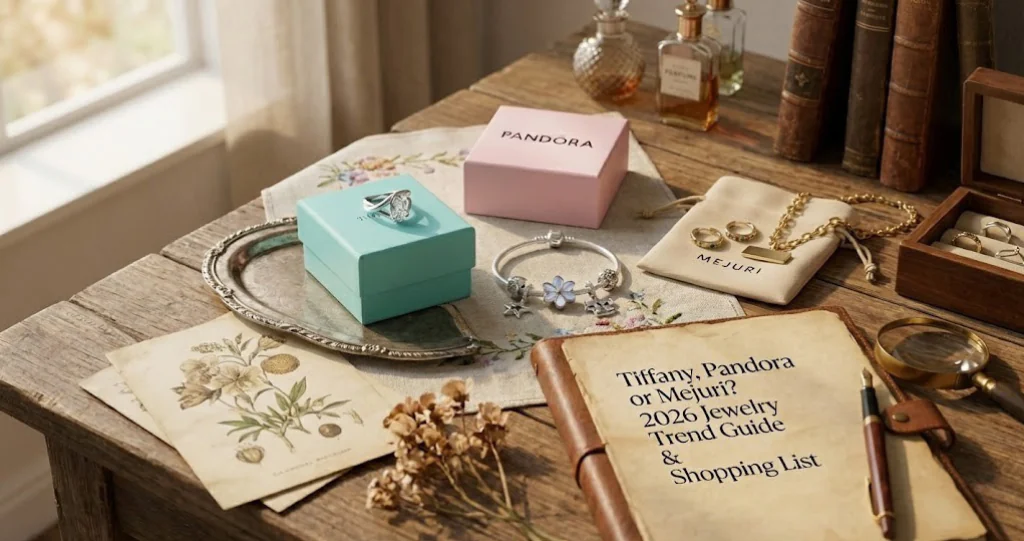
Tiffany, Pandora or Mejuri? 2026 Jewelry Trend Guide & Shopping List
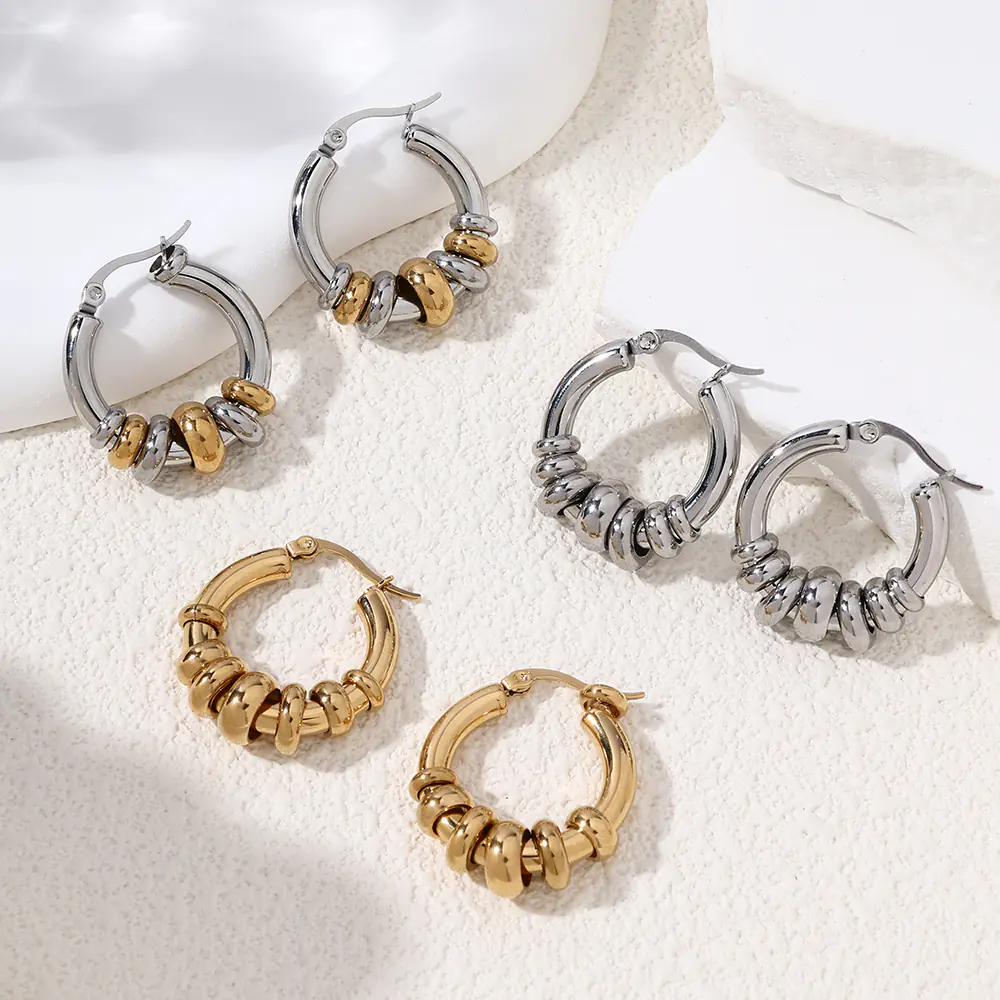
The forecast for 2026 is officially in, and the era of “Quiet Luxury” is evolving. While quality remains paramount, the minimalism of previous years is making way for a bolder, more expressive aesthetic: Organic Maximalism. This year, it isn’t about wearing more; it’s about wearing pieces that have movement, texture, and meaning. From “liquid” metal textures to the return of mixed metals (yes, gold and silver together), 2026 is the year to let your jewelry do the talking. 🔑 Key Takeaways: 2026 Jewelry Trends at a Glance The Top 3 Trends Defining 2026 1. Liquid Metals: The “Molten” Look Rigid geometric shapes are out. In their place, we see fluid, melting shapes that look like molten gold or silver draped over the skin. This trend mimics the flow of water and aligns with the “Organic” movement. 2. The 70/30 Mix: Mastering Two-Tone The old rule of picking one metal is dead. The “Cool Girl” look of 2026 involves a deliberate mix—typically 70% Gold and 30% Silver (or vice versa) to create depth. This allows for greater versatility in styling existing collections. 3. Modern Totems: Personalized Symbolism Jewelry is becoming deeply personal again. Expect to see a surge in zodiac pendants,
Jewelry Dropshipping: New Selling Way for Your Business
Jewelry dropshipping lets a retailer take an order and have a supplier ship the item to the customer. It reduces the need to hold inventory, but it does not remove the work of checking product quality, delivery performance, customer service, and unit economics. The seller remains responsible for the promises made on the product page and for handling customer issues. How the order flow works The retailer selects products, publishes listings, receives payment, and sends order details to the supplier or fulfillment partner. The supplier packs and ships the order, while the retailer communicates tracking, answers questions, and manages refunds or replacements under the store’s policy. Confirm how inventory updates and order status are passed between systems before opening the store. Vet the supplier and test fulfillment Order samples to inspect material disclosures, finish, stone settings, clasps, and packaging. Place a test order to your target market and record processing time, delivery time, tracking quality, and whether the parcel or packing slip identifies the supplier. Ask how stockouts, damaged items, address changes, and lost parcels are handled. Do not rely on catalog photos alone. Choose a focused product range Build a small collection for a defined customer rather than listing
2025 Wholesale Jewelry Market Outlook: Trends & Opportunities
The wholesale jewelry market stands at a pivotal juncture in 2025, poised for transformative growth driven by technological advancements, evolving consumer preferences, and a renewed focus on sustainability. As the industry navigates post-pandemic recovery, wholesale jewelry manufacturers, retailers, and distributors are capitalizing on emerging trends to stay competitive in a rapidly evolving landscape. This blog explores the key trends, opportunities, and strategies shaping the future of the wholesale jewelry market. 1. Digital Transformation Accelerates E-Commerce Dominance The rise of wholesale jewelry online platforms has redefined how businesses source, distribute, and market products. In 2025, digital marketplaces account for over 60% of wholesale jewelry transactions, with B2B platforms like Alibaba, Joor, and TradeGecko enabling seamless global trade. 1.1 Key Drivers: AI-Powered Personalization: Manufacturers are leveraging AI algorithms to curate product recommendations, optimize inventory, and predict demand trends. For instance, tools like Stitch Labs and Zoho Inventory integrate with e-commerce platforms to streamline order management and fulfillment. Virtual Showrooms & AR Experiences: Augmented reality (AR) and 3D modeling allow buyers to visualize jewelry in real-time, reducing returns and enhancing confidence in online purchases. Platforms such as Snapchat Lens Studio and Vertebrae are pioneering immersive shopping experiences. Blockchain for Transparency: Trusted supply chains are critical in the jewelry industry, and blockchain technology ensures

Where Are Cartier Jewelry Made? Inside Their Global Workshops
Cartier is one of the most influential luxury jewelry houses in the world, known for its iconic Love bracelet, Panthère creations, and high jewelry masterpieces. As global consumers become more educated about sourcing and craftsmanship, many people now ask a straightforward but meaningful question: where are Cartier jewelry made? The answer is simple but deeply layered. Although Cartier is headquartered in Paris, its production is not concentrated in one place. Instead, the brand operates multiple specialized ateliers across Europe, each responsible for a different category of craftsmanship. High jewelry is produced primarily in France, precision watchmaking in Switzerland, and gold chain work in Italy. Together, these regions form a well-coordinated manufacturing ecosystem rooted in heritage, artisanal expertise, and modern engineering. For background on the wider group, see the Richemont FY26 annual report. Understanding where Cartier jewelry are made also helps explain why the brand maintains consistent quality regardless of market, why certain pieces cost more, and how Cartier sustains its global luxury identity. For wholesalers and retailers, this global production model also offers valuable lessons in specialization, brand storytelling, and quality control. France — The Heart of Cartier’s High Jewelry Production What Cartier Produces in France France is the core

Top 10 Ecommerce Marketplaces: Global Platforms Worth Selling On
The global jewelry industry is experiencing one of its strongest periods of online growth. From fine jewelry to affordable fashion pieces, consumers are increasingly turning to ecommerce platforms to discover new brands, compare designs, and purchase unique styles that match their lifestyle. For jewelry sellers—whether small handmade creators, large wholesalers, or brands targeting luxury shoppers—the digital landscape offers enormous opportunity. Yet with hundreds of platforms available, choosing where to sell is not always easy. Each marketplace attracts a different audience, uses different fee structures, and supports different types of jewelry products. Selecting the wrong one can limit visibility, reduce profit margins, or misalign your brand with the wrong customer base. This guide explores the top 10 ecommerce marketplaces for jewelry sellers in 2025, analyzing their strengths, traffic potential, target demographics, and suitability for each jewelry category. Whether you sell fashion jewelry, precious metals, handmade designs, permanent jewelry, or wholesale collections, this breakdown will help you choose the right marketplace and build a strategy that maximizes sales. Top 10 Ecommerce Marketplaces for Jewelry 1.Amazon Amazon remains the largest ecommerce platform in the world, pulling in billions of monthly visits and a growing jewelry category that spans fine jewelry, demi-fine pieces, stainless
How to Spot Quality Jewelry Online: A Simple Guide
You cannot fully inspect jewelry through a screen, but you can reduce uncertainty before ordering. Check whether the listing gives measurable specifications, shows construction clearly, and offers a way to resolve questions. For higher-value purchases, ask for documentation tied to the specific item rather than relying on broad marketing claims. 1. Check the material and finish details Look for the base metal, precious-metal fineness where relevant, plating or surface finish, and any stated care limits. “Gold tone” describes appearance, not gold content. Ask what “nickel-free” or “hypoallergenic” means for the item and whether the seller can provide supporting information. 2. Confirm stone identity and dimensions The listing should name the stone type, shape, approximate size, and setting style. Terms such as “diamond look” do not identify a gemstone. If a grading report is claimed, confirm the issuing organization and that the report number matches the item; not every fashion-jewelry stone needs an independent grading report. 3. Inspect photos for construction Look for multiple views of the front, back, clasp, links, prongs, and any hallmark. Images should let you judge scale and finish. Ask for a current photo or short video of the exact item when stock images make construction unclear.
What Wholesalers Can Learn from the Most Expensive Jewelry Brands
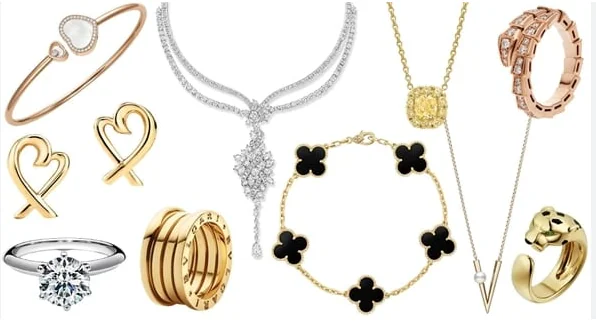
Introduction Studying the most expensive jewelry brands is more than just admiring their craftsmanship. For custom jewelry wholesalers and retailers, understanding the trends set by Tiffany, Cartier, Van Cleef & Arpels, Bulgari, and other high-end houses can directly inform product development, marketing strategies, and inventory planning. This article dives deep into the design language, color palettes, and material trends of these iconic brands, offering actionable insights for your business. The Signature Aesthetics of Top Luxury Jewelry Houses Luxury jewelry brands have distinct visual languages, which are immediately recognizable and emotionally resonant. Learning these can inspire your custom jewelry design and help you anticipate consumer demand. Design Codes Across the Most Expensive Jewelry Brands Brand Signature Shapes & Lines Color Strategy Material Preferences Best-Selling Categories Application for Custom Jewelry Tiffany & Co. Minimalist geometry, keys, T-motif Tiffany Blue, cool tones Platinum, white gold, 18K gold Engagement rings, pendants Incorporate clean silhouettes, highlight iconic colors Cartier Panthère, bold curves, Juste un Clou Red/black/gold contrast 18K gold, enamel, onyx Bracelets, watches Focus on sculptural pieces and strong silhouettes Van Cleef & Arpels Clover motifs, floral patterns, soft curves Pastel tones, mother-of-pearl MOP, turquoise, onyx Necklaces, bracelets Develop nature-inspired custom design jewelry collections Bulgari
Everything You Need to Know About Cubic Zirconia Necklace
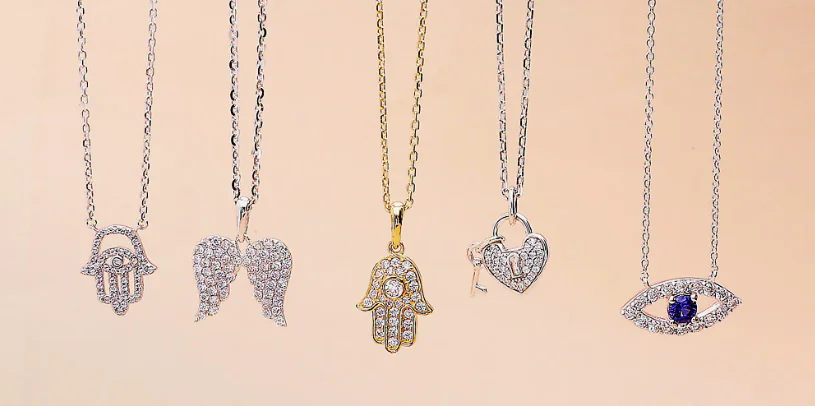
Introduction If you’ve ever admired the sparkle of fine jewelry but hesitated at the price tag, cubic zirconia jewelry might be exactly what you’re looking for. Known for its brilliance, versatility, and affordability, cubic zirconia (often called CZ) has become one of the most popular choices for necklaces, rings, and earrings. Beyond its beauty, what makes it so appealing is accessibility — you can enjoy the glamour of gemstones without overspending. It’s also a more ethical and sustainable option since it’s lab-created, meaning no mining or environmental damage. Whether you prefer a delicate pendant or a bold statement piece, there’s a cubic zirconia necklace for every occasion and personality. Understanding Cubic Zirconia — What It Really Is Cubic zirconia is a man-made crystal, scientifically created from zirconium oxide. It’s designed to mimic the look of a diamond — incredibly clear, bright, and flawlessly cut. Unlike natural gemstones, which can have internal flaws, cubic zirconia offers consistent sparkle at a fraction of the price. In terms of hardness, CZ ranks around 8–8.5 on the Mohs scale, making it durable enough for daily wear while remaining more affordable than moissanite or diamonds. Its optical dispersion (how it splits light) is even higher

Cubic Zirconia Wedding Bands — Affordable Brilliance for Modern Love
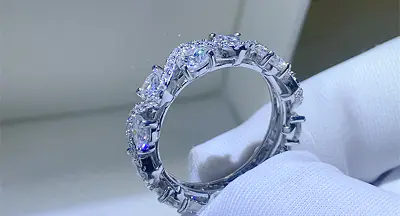
Cubic zirconia (CZ) wedding bands offer a range of designs at different price points, but they are not the same material as diamond or moissanite. Choosing a ring means balancing appearance, setting, comfort, maintenance, and how often you plan to wear it. Review the full metal and stone specifications before buying. What cubic zirconia is CZ is a lab-created gemstone used as a diamond alternative. Its appearance can be bright and colorful, but it has different optical and wear properties from diamond and moissanite. CZ is less hard than either, so it may show scratches or surface wear over time, especially with frequent daily use. Choose a style and setting for your routine An eternity band has stones around the full circumference; a half-eternity design leaves part of the underside plain and can be easier to resize in some constructions. Prong settings expose more of each stone, while channel or bezel styles can offer a smoother profile. Ask how stones are secured and whether the ring can be repaired if one becomes loose. Check fit, metal, and sizing Confirm the ring size system, band width, thickness, and whether the design is resizable. Consider how the ring feels beside an engagement
Tiffany, Pandora or Mejuri? 2026 Jewelry Trend Guide & Shopping List
The forecast for 2026 is officially in, and the era of “Quiet Luxury” is evolving. While quality remains paramount, the minimalism of previous years is making way for a bolder, more expressive aesthetic: Organic Maximalism. This year, it isn’t about wearing more; it’s about wearing pieces that have movement, texture, and meaning. From “liquid” metal textures to the return of mixed metals (yes, gold and silver together), 2026 is the year to let your jewelry do the talking. 🔑 Key Takeaways: 2026 Jewelry Trends at a Glance The Top 3 Trends Defining 2026 1. Liquid Metals: The “Molten” Look Rigid geometric shapes are out. In their place, we see fluid, melting shapes that look like molten gold or silver draped over the skin. This trend mimics the flow of water and aligns with the “Organic” movement. 2. The 70/30 Mix: Mastering Two-Tone The old rule of picking one metal is dead. The “Cool Girl” look of 2026 involves a deliberate mix—typically 70% Gold and 30% Silver (or vice versa) to create depth. This allows for greater versatility in styling existing collections. 3. Modern Totems: Personalized Symbolism Jewelry is becoming deeply personal again. Expect to see a surge in zodiac pendants,
2025 Wholesale Jewelry Market Outlook: Trends & Opportunities
The wholesale jewelry market stands at a pivotal juncture in 2025, poised for transformative growth driven by technological advancements, evolving consumer preferences, and a renewed focus on sustainability. As the industry navigates post-pandemic recovery, wholesale jewelry manufacturers, retailers, and distributors are capitalizing on emerging trends to stay competitive in a rapidly evolving landscape. This blog explores the key trends, opportunities, and strategies shaping the future of the wholesale jewelry market. 1. Digital Transformation Accelerates E-Commerce Dominance The rise of wholesale jewelry online platforms has redefined how businesses source, distribute, and market products. In 2025, digital marketplaces account for over 60% of wholesale jewelry transactions, with B2B platforms like Alibaba, Joor, and TradeGecko enabling seamless global trade. 1.1 Key Drivers: AI-Powered Personalization: Manufacturers are leveraging AI algorithms to curate product recommendations, optimize inventory, and predict demand trends. For instance, tools like Stitch Labs and Zoho Inventory integrate with e-commerce platforms to streamline order management and fulfillment. Virtual Showrooms & AR Experiences: Augmented reality (AR) and 3D modeling allow buyers to visualize jewelry in real-time, reducing returns and enhancing confidence in online purchases. Platforms such as Snapchat Lens Studio and Vertebrae are pioneering immersive shopping experiences. Blockchain for Transparency: Trusted supply chains are critical in the jewelry industry, and blockchain technology ensures
Tiffany, Pandora or Mejuri? 2026 Jewelry Trend Guide & Shopping List
The forecast for 2026 is officially in, and the era of “Quiet Luxury” is evolving. While quality remains paramount, the minimalism of previous years is making way for a bolder, more expressive aesthetic: Organic Maximalism. This year, it isn’t about wearing more; it’s about wearing pieces that have movement, texture, and meaning. From “liquid” metal textures to the return of mixed metals (yes, gold and silver together), 2026 is the year to let your jewelry do the talking. 🔑 Key Takeaways: 2026 Jewelry Trends at a Glance The Top 3 Trends Defining 2026 1. Liquid Metals: The “Molten” Look Rigid geometric shapes are out. In their place, we see fluid, melting shapes that look like molten gold or silver draped over the skin. This trend mimics the flow of water and aligns with the “Organic” movement. 2. The 70/30 Mix: Mastering Two-Tone The old rule of picking one metal is dead. The “Cool Girl” look of 2026 involves a deliberate mix—typically 70% Gold and 30% Silver (or vice versa) to create depth. This allows for greater versatility in styling existing collections. 3. Modern Totems: Personalized Symbolism Jewelry is becoming deeply personal again. Expect to see a surge in zodiac pendants,
Christmas Jewelry Trend 2025: The Magic of Vintage Glamour
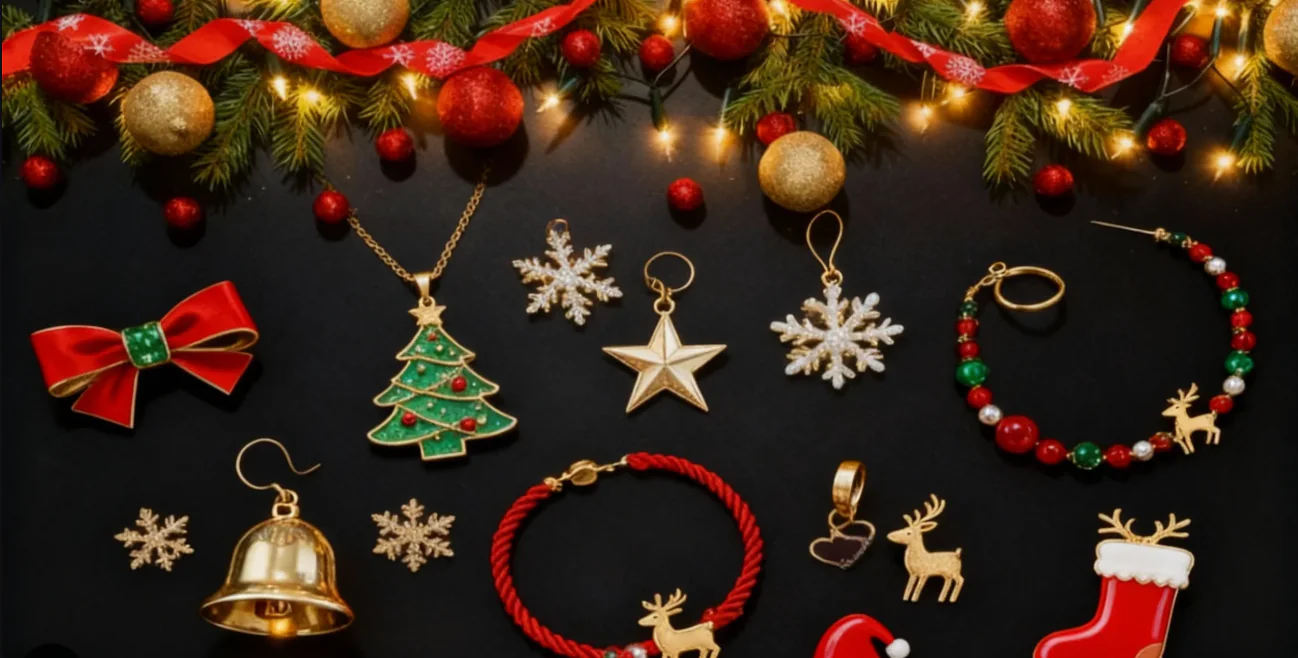
As the holiday season approaches, sparkle takes center stage once again. This year, Christmas jewelry vintage style is making a grand comeback — blending nostalgia with timeless charm. From intricate brooches to shimmering sterling silver pieces, the jewelry trends for 2025 bring back the magic of tradition while staying effortlessly chic. Having worked in the jewelry industry for years, I’ve seen trends rise and fall, but vintage-inspired Christmas jewelry always finds its way back into the spotlight. There’s something irresistibly emotional about wearing jewelry that carries the elegance of the past while celebrating the joy of the present. Why Christmas Jewelry Vintage Is Back in Style The renewed love for Christmas jewelry vintage designs isn’t just about aesthetics — it’s a cultural shift. Fashion in 2025 is leaning heavily toward sustainability, craftsmanship, and emotional connection. Shoppers want pieces that tell stories, not just glitter under the lights. The Return of Vintage Aesthetics in Holiday Fashion Vintage-inspired jewelry reminds people of cherished family moments — their grandmother’s brooch, a mother’s silver bracelet, or that classic Christmas tree pendant worn in old photos. This emotional attachment makes vintage Christmas jewelry a powerful symbol of warmth and nostalgia. Nostalgia and Tradition The emotional
2025 Women’s Bracelet Trends Guide: Stocking Your Store for Success
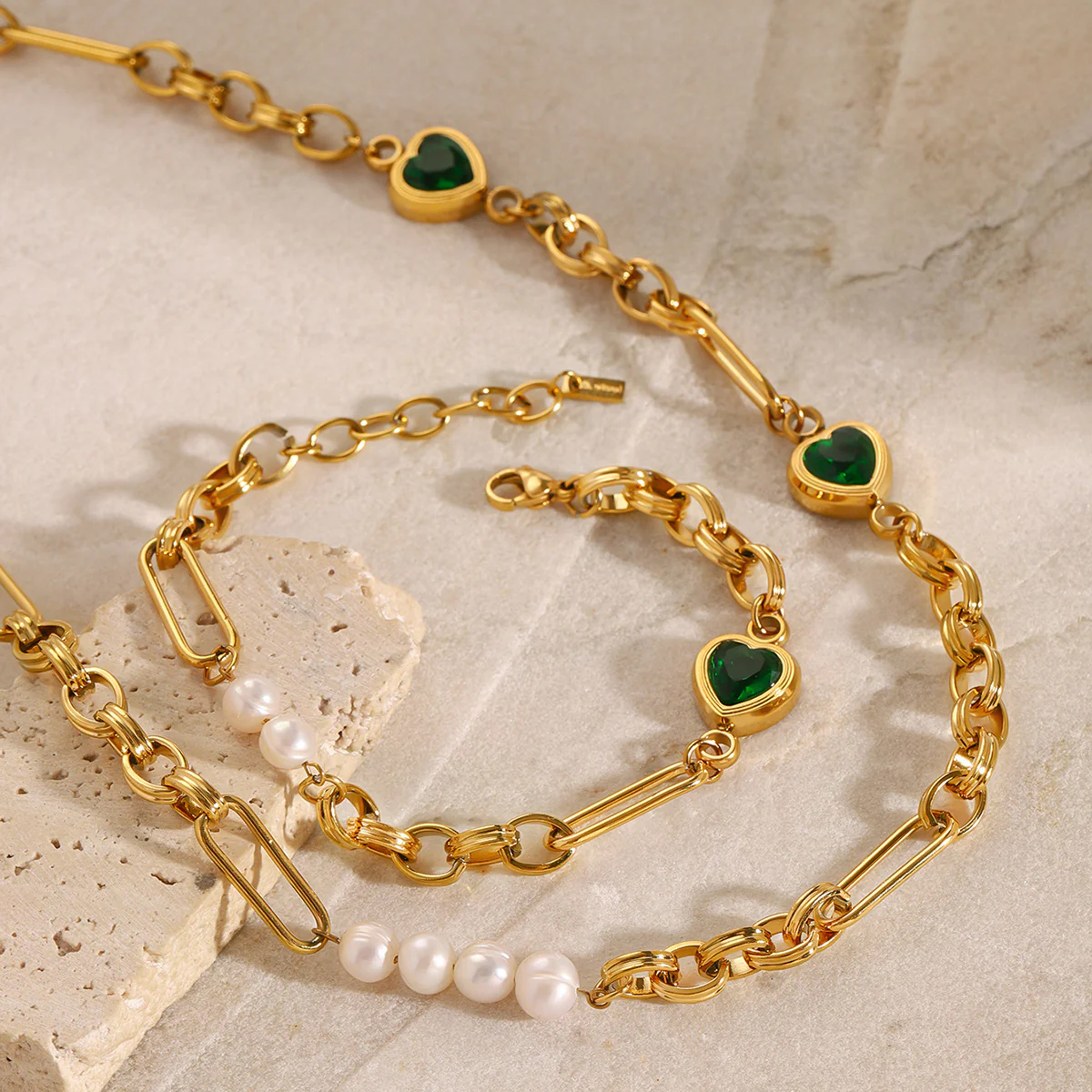
Introduction 2025 is shaping up to be a year of exciting shifts in the world of women’s jewelry—and bracelets are leading the charge. For store owners, keeping up with what’s hot isn’t just about staying relevant; it’s about turning browsers into buyers. Think about it: Shoppers aren’t just looking for something to wear. They want bracelets that tell a story, fit their lifestyle, and feel uniquely theirs. From the rise of permanent welded chains to the viral spread of fan-inspired beaded styles, this year’s bracelet trends are all about meaning, versatility, and connection. What’s driving this energy? It’s simple: bracelet trends in 2025 aren’t just about fashion—they’re about identity. In this guide, we’re breaking down the trends that matter most. Whether you’re curious about why charm bracelets are making a sleek comeback, how blue bracelets became a symbol of calm, or how to tap into the frenzy around fandom-inspired designs, we’ve got you covered. By the end, you’ll know exactly which styles to stock, how to market them, and how to turn 2025’s biggest bracelet trends into sales for your store. Let’s dive in. 1. What Makes 2025 a Game-Changer for Bracelet Trends? 2025 isn’t just another year for bracelets.
Summer Jewelry Trends 2025: Your Buying Guide
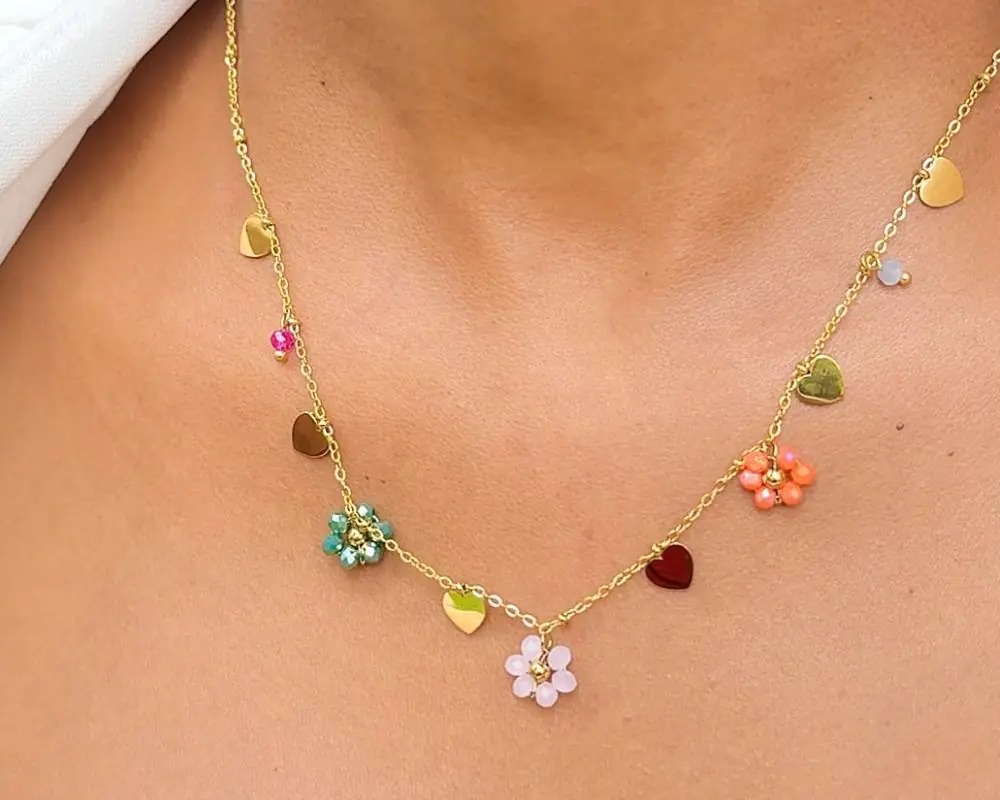
1. The 2025 Outlook: Why This Summer is a Pivotal Season for Jewelry Buyers Welcome to your essential guide for the upcoming season. As a buyer, you know that trends come and go. But this year is different. The summer jewelry trends for 2025 aren’t just about aesthetics; they represent a major shift in consumer psychology. Understanding this shift is the key to a profitable season. It’s about stocking pieces that don’t just look good, but feel good, too. 1.1. Analyzing Post-Pandemic Consumer Behavior: A Shift Towards Personal Expression and “Dopamine Dressing” Remember the quiet, minimalist days? They are officially over. Today’s customers are craving joy, self-expression, and a touch of glamour in their everyday lives. This is the era of “dopamine dressing”—the practice of wearing things that make you happy. Jewelry has become the easiest and most accessible way for people to tap into this feeling. They are no longer saving their best pieces for a special occasion. Instead, a bold, colorful earring or a shimmering necklace is the new morning coffee, a small ritual to boost their mood. Your customers are looking for conversation starters, pieces that tell a story about who they are. They want to feel seen, celebrated,
The Retailer’s Playbook: A Year-Round Guide to Profitable Season Jewelry Wholesale
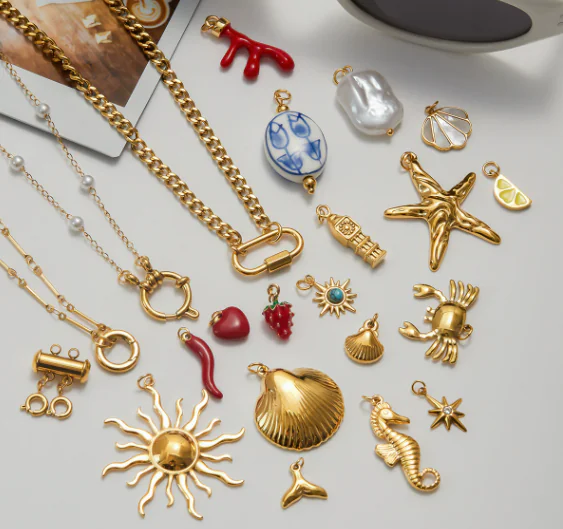
Navigating the world of season jewelry wholesale can feel like walking a tightrope. You’re juggling trends that shift with the seasons, trying to stock enough to meet demand without drowning in excess inventory, and wondering how to turn seasonal fads into steady profits. Whether you’re sourcing summer jewelry for beachgoers or prepping for christmas jewelry wholesale orders months in advance, the questions pile up: Is jewelry really seasonal? Where do you find the best in season jewelry wholesale pieces? And how do you turn a bulk order into booming sales? This guide is your playbook. We’re breaking down everything from nailing your niche to mastering MOQs, with real, actionable advice to help you thrive—no matter the season. Whether you’re a new retailer or looking to refine your strategy, let’s turn seasonal challenges into opportunities. Is Jewelry Truly Seasonal? Debunking Myths Around Season Jewelry Wholesale You’ve probably heard it a hundred times: “Jewelry sales spike in summer” or “No one buys necklaces in winter.” But is that really true? Let’s cut through the noise. First, let’s clarify: season jewelry wholesale isn’t just about weather. It’s about moments. Think of summer jewelry—bright, lightweight pieces that pair with sundresses and beach days. Then
2025 Evil Eye Jewelry Wholesale: What Your Customers Will Be Asking For
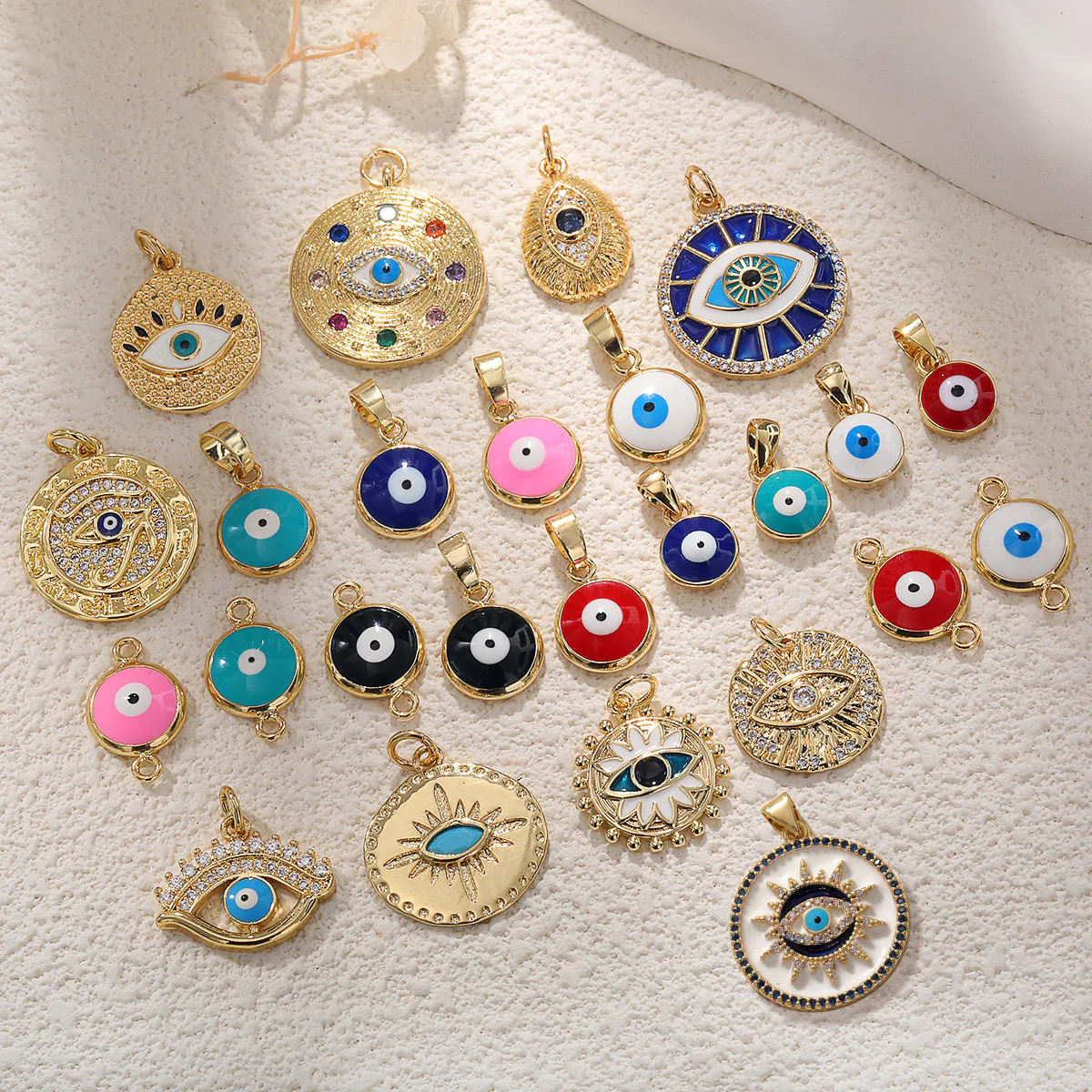
1. Introduction: The Growing Popularity of Evil Eye Jewelry Evil eye jewelry is not just a fashion trend—it’s a piece of history, culture, and protection all wrapped in one. Whether it’s a bracelet, pendant, or necklace, evil eye jewelry wholesale has become a staple in both high-end collections and affordable everyday accessories. Consumers are increasingly drawn to these pieces, not only for their aesthetic appeal but also for their deep spiritual significance. Why Customers Are Drawn to Evil Eye Jewelry Wholesale in 2025 In 2025, the popularity of evil eye jewelry continues to surge. The symbolism behind these pieces has universal appeal. People are looking for more than just accessories; they want jewelry that carries meaning. The evil eye is seen as a powerful symbol of protection, warding off negativity and jealousy. For consumers, wearing a piece of evil eye jewelry can offer a sense of comfort, as it serves as a shield against harmful energy. But it’s not just about the symbolism. Evil eye charms wholesale are being crafted with modern designs and innovative materials, allowing retailers to offer a range of stylish options. From evil eye bracelets to evil eye pendants wholesale, the demand for these unique pieces
Tiffany, Pandora or Mejuri? 2026 Jewelry Trend Guide & Shopping List
The forecast for 2026 is officially in, and the era of “Quiet Luxury” is evolving. While quality remains paramount, the minimalism of previous years is making way for a bolder, more expressive aesthetic: Organic Maximalism. This year, it isn’t about wearing more; it’s about wearing pieces that have movement, texture, and meaning. From “liquid” metal textures to the return of mixed metals (yes, gold and silver together), 2026 is the year to let your jewelry do the talking. 🔑 Key Takeaways: 2026 Jewelry Trends at a Glance The Top 3 Trends Defining 2026 1. Liquid Metals: The “Molten” Look Rigid geometric shapes are out. In their place, we see fluid, melting shapes that look like molten gold or silver draped over the skin. This trend mimics the flow of water and aligns with the “Organic” movement. 2. The 70/30 Mix: Mastering Two-Tone The old rule of picking one metal is dead. The “Cool Girl” look of 2026 involves a deliberate mix—typically 70% Gold and 30% Silver (or vice versa) to create depth. This allows for greater versatility in styling existing collections. 3. Modern Totems: Personalized Symbolism Jewelry is becoming deeply personal again. Expect to see a surge in zodiac pendants,
How to Choose a Jewelry OEM Manufacturer: 10 Checks
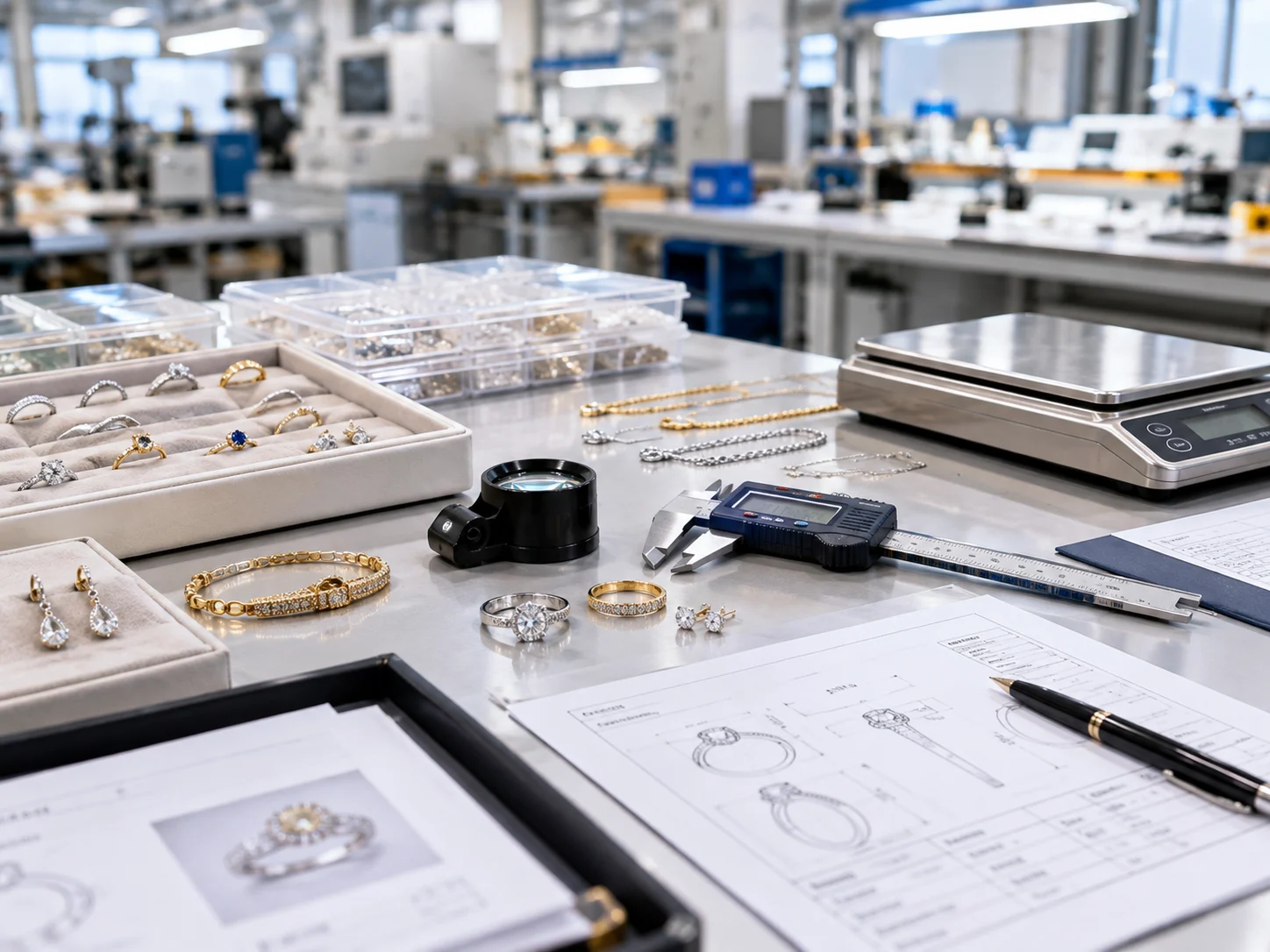
Choosing a jewelry OEM manufacturer is a production decision, not just a sourcing decision. A polished catalog can hide weak process control, unclear ownership, or inconsistent quality. The safest way to compare suppliers is to ask the same questions, request evidence, and test the relationship with a controlled pilot. For buyers applying these points, see jewelry OEM manufacturing guide. This guide gives you a 10-point checklist for evaluating capability, samples, quality control, compliance, lead times, intellectual property, communication, cost, and reorder reliability. It also shows what to ask for before paying a large deposit. For buyers applying these points, see OEM vs. ODM comparison. Key Takeaways Verify who legally receives your deposit and who controls production. Approve samples against written specifications, not visual impressions alone. Compare total landed cost and reorder reliability, not unit price alone. Run a documented pilot order before scaling. How Do You Match the Manufacturing Model to Your Brand? Model Best fit Buyer owns Main risk to clarify OEM Proprietary designs and detailed briefs Design and specifications Tooling, IP, and repeatability ODM Faster launches using existing designs Brand and selected adaptations Exclusivity and design ownership Private label Branded resale with limited customization Brand presentation and packaging
Jewelry OEM Manufacturing: A Complete Guide for Brands
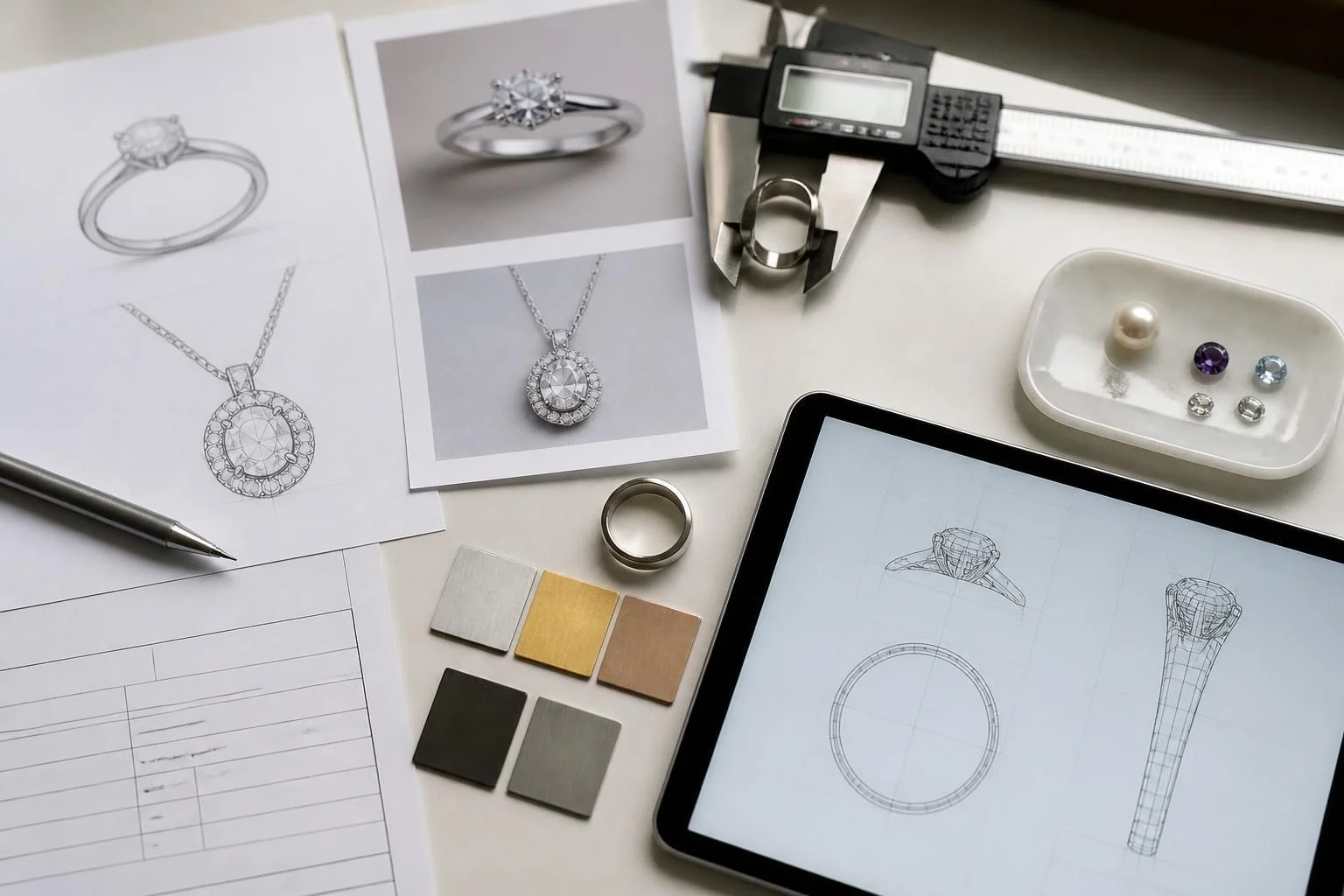
Jewelry OEM manufacturing lets a brand turn an approved design into repeatable production through a factory. It is not simply a catalog purchase with a logo added. The buyer needs to specify the product, approve a sample, and agree the checks that define an acceptable finished piece. If those controls are vague, a low quote can become an expensive first order. This guide is for brand founders, retail buyers, and ecommerce teams planning custom fashion jewelry. It explains what OEM means, where it differs from ODM and private label, and how to compare suppliers without confusing an attractive price with a comparable offer. For the service route, see the jewelry OEM and ODM service. For related guidance, see customization options. Key Takeaways OEM production begins with a buyer-owned or buyer-specified design, then an approved sample. A comparable quote fixes materials, finish, stones, packaging, QC, and shipping terms. Leejory states an OEM MOQ of 20 pieces per size on its service page, but MOQ alone does not define total risk. A first order should validate the product, packaging, and manufacturing process before a brand increases volume. What is jewelry OEM manufacturing? Leejory describes seven linked stages in its OEM and ODM
Tiffany, Pandora or Mejuri? 2026 Jewelry Trend Guide & Shopping List
The forecast for 2026 is officially in, and the era of “Quiet Luxury” is evolving. While quality remains paramount, the minimalism of previous years is making way for a bolder, more expressive aesthetic: Organic Maximalism. This year, it isn’t about wearing more; it’s about wearing pieces that have movement, texture, and meaning. From “liquid” metal textures to the return of mixed metals (yes, gold and silver together), 2026 is the year to let your jewelry do the talking. 🔑 Key Takeaways: 2026 Jewelry Trends at a Glance The Top 3 Trends Defining 2026 1. Liquid Metals: The “Molten” Look Rigid geometric shapes are out. In their place, we see fluid, melting shapes that look like molten gold or silver draped over the skin. This trend mimics the flow of water and aligns with the “Organic” movement. 2. The 70/30 Mix: Mastering Two-Tone The old rule of picking one metal is dead. The “Cool Girl” look of 2026 involves a deliberate mix—typically 70% Gold and 30% Silver (or vice versa) to create depth. This allows for greater versatility in styling existing collections. 3. Modern Totems: Personalized Symbolism Jewelry is becoming deeply personal again. Expect to see a surge in zodiac pendants,

How to Use AI Jewelry Design to Create Custom Jewelry Faster, Smarter, and at Scale
Jewelry design has traditionally been a slow, experience-driven process. Designers rely on hand sketches, CAD modeling, repeated revisions, and physical samples before a single piece is ready for production. While this approach ensures craftsmanship, it also limits speed, scalability, and flexibility—especially in today’s market where trends change quickly and customization is becoming the norm. This is where AI Jewelry Design enters the picture. AI is no longer just a conceptual experiment in the jewelry industry. It is increasingly used as a practical design assistant—helping brands generate ideas faster, explore more styles, and shorten the path from concept to production. For brands offering custom jewelry, low MOQ collections, or private-label services, AI-powered workflows can significantly improve efficiency without sacrificing creative control. In this guide, you’ll learn how to use AI Jewelry Design step by step, from early concept generation to production-ready designs, with a clear focus on real-world usability rather than theory. What Is AI Jewelry Design? (And What It Is Not) AI Jewelry Design refers to the use of artificial intelligence tools to assist, not replace, the jewelry design process. These tools can generate visual concepts, expand design variations, optimize proportions, and support decision-making during early and mid-stage design development.

Van Cleef Materials and Craftsmanship: What Makes the Jewelry So Exceptional?
In the world of high jewelry, design may be what first captures attention, but materials and craftsmanship are what ultimately define value, longevity, and brand authority. Few maisons illustrate this better than Van Cleef & Arpels. Beyond its iconic motifs and instantly recognizable aesthetics, the brand has built its reputation on an uncompromising approach to material selection and artisanal execution. For consumers, Van Cleef jewelry represents elegance and refinement. For industry professionals—online sellers, brand owners, and jewelry wholesalers—it offers something equally valuable: a clear example of how material standards and craftsmanship discipline can elevate a product far beyond its basic components. This article takes an in-depth look at Van Cleef materials and craftsmanship, explaining what makes the jewelry exceptional and what jewelry businesses can learn from this approach. Why Materials and Craftsmanship Matter in High Jewelry In high jewelry, value is not determined solely by the presence of precious metals or gemstones. Instead, it emerges from the relationship between materials, technique, and time. Two pieces may use similar raw components, yet differ dramatically in price, durability, and perception depending on how those components are selected and transformed. Van Cleef & Arpels operates in a segment where customers expect more than
OEM vs ODM Jewelry: A Complete Guide for Jewelry Brands and Wholesalers
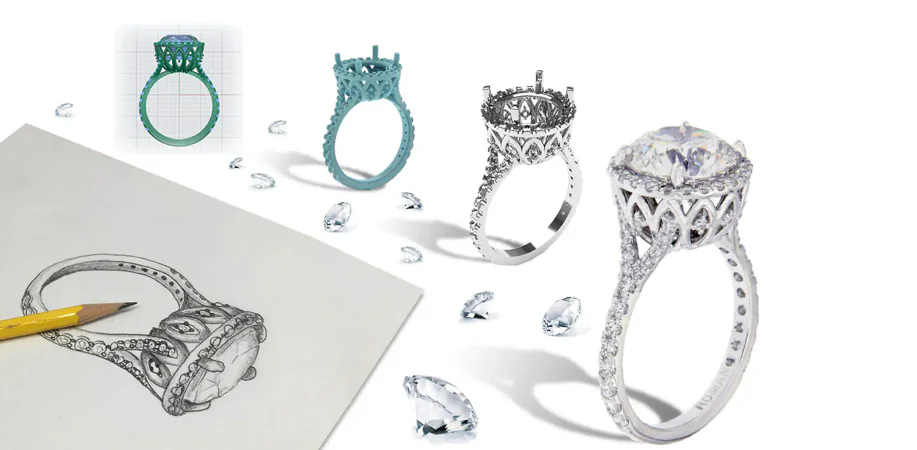
OEM and ODM describe different ways a jewelry product is developed with a manufacturer. In a typical OEM arrangement, the buyer supplies the design or specifications and the manufacturer produces to them. In an ODM arrangement, the manufacturer offers an existing design or product platform that the buyer may select and customize within agreed limits. Exact responsibilities vary by contract, so define them before development begins. OEM jewelry: start with your design OEM can suit a brand that has approved drawings, CAD files, a physical reference, or detailed specifications and needs a supplier to develop and manufacture that concept. The buyer should clarify who creates and approves CAD, prototypes, molds, and production files, and who owns or may reuse each item. ODM jewelry: start with a supplier design ODM can be a practical route when a buyer wants to select from designs the manufacturer already offers and adjust details such as finish, stone, logo, or packaging. Confirm whether the design is exclusive, offered to multiple customers, or subject to a limited customization agreement. “Custom” does not automatically mean exclusive. Compare the work before choosing Design input: buyer-led for OEM; supplier-led starting point for ODM. Development: OEM may require more specification
Jewelry Dropshipping: New Selling Way for Your Business
Jewelry dropshipping lets a retailer take an order and have a supplier ship the item to the customer. It reduces the need to hold inventory, but it does not remove the work of checking product quality, delivery performance, customer service, and unit economics. The seller remains responsible for the promises made on the product page and for handling customer issues. How the order flow works The retailer selects products, publishes listings, receives payment, and sends order details to the supplier or fulfillment partner. The supplier packs and ships the order, while the retailer communicates tracking, answers questions, and manages refunds or replacements under the store’s policy. Confirm how inventory updates and order status are passed between systems before opening the store. Vet the supplier and test fulfillment Order samples to inspect material disclosures, finish, stone settings, clasps, and packaging. Place a test order to your target market and record processing time, delivery time, tracking quality, and whether the parcel or packing slip identifies the supplier. Ask how stockouts, damaged items, address changes, and lost parcels are handled. Do not rely on catalog photos alone. Choose a focused product range Build a small collection for a defined customer rather than listing
Stainless Steel Bracelets Wholesale: MOQ, Plating & Pricing
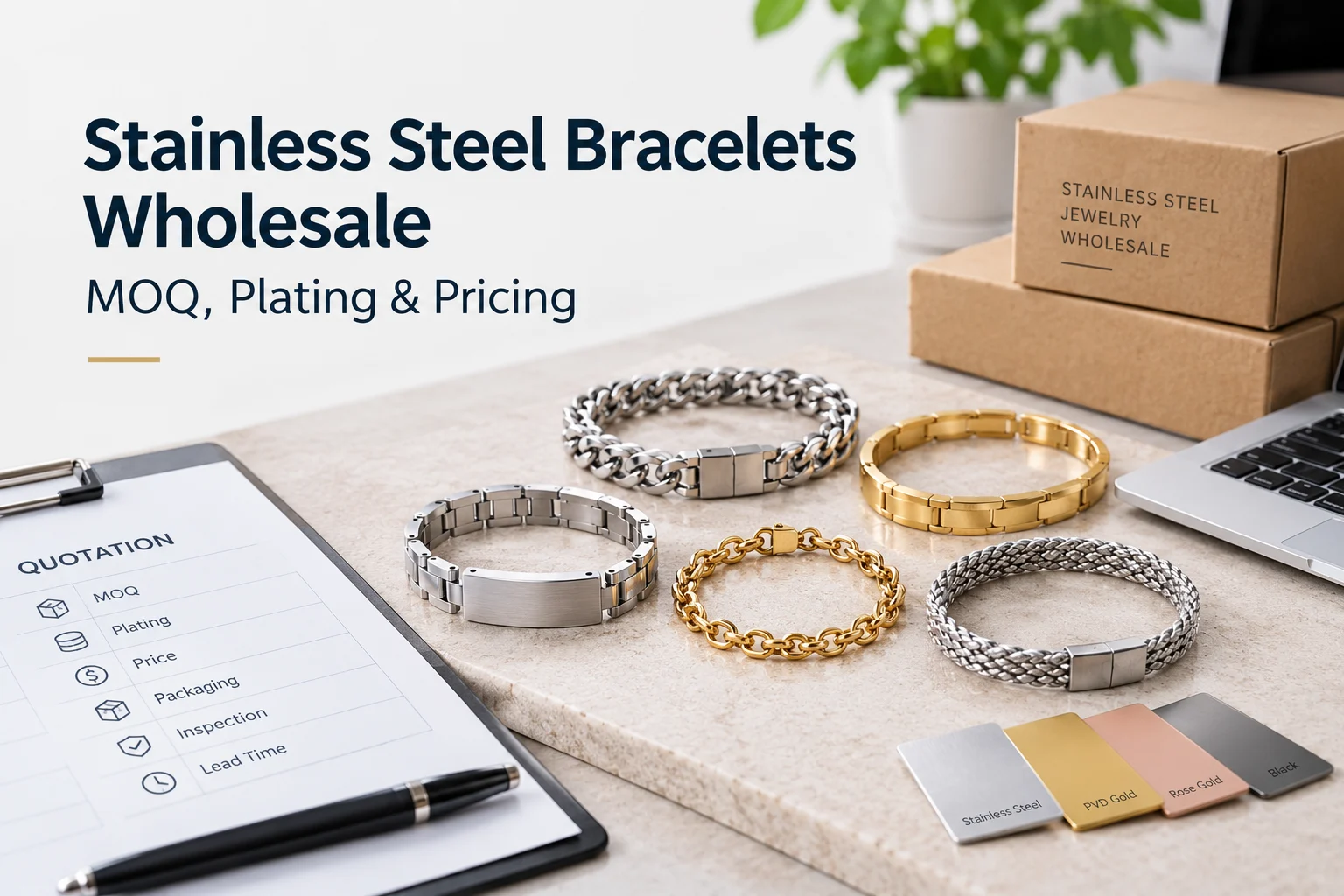
Two wholesale quotes can look similar while covering different quantities, finishes, packaging, and inspection terms. Before choosing a stainless steel bracelet supplier, define the product and the terms behind each number. That makes it easier to compare like with like and avoid surprises after sample approval. This guide explains how to compare minimum order quantity (MOQ), plating, men’s styles, restock terms, and landed cost before placing a wholesale order. It includes a supplier comparison checklist and a reusable request-for-quotation template. For product browsing, use Leejory’s stainless steel bracelets wholesale collection; this article focuses on how to evaluate and buy. For related guidance, see wholesale buying and retail selling guide. Key Takeaways Check whether MOQ applies per style, finish, size, or total mixed order. Specify the finish process and ask for evidence tied to the quoted product. Vague claims do not define performance. Compare landed cost and approve a reference sample before authorizing bulk production. Confirm MOQ for the selected bracelet, finish, and customization directly with the supplier. What Affects Wholesale Stainless Steel Bracelet MOQ? Stainless steel bracelet MOQ varies by supplier and production route. Stocked products and custom runs often use different minimums, with separate quantities for style, finish, size,

How to Ship Jewelry: Shipping Methods, Costs, and Best Practices
Shipping jewelry is often treated as a back-end operational task—something handled after sourcing, pricing, and marketing decisions are made. Yet for many jewelry businesses, shipping quietly determines profit margins, customer satisfaction, and long-term scalability. Therefore, understanding how to ship jewelry in the appropriate manner is crucial. Consider a growing online jewelry brand sourcing from overseas wholesalers. Product quality is consistent, marketing is optimized, and conversion rates look healthy. Still, profits lag expectations. The issue is not the product itself, but a series of shipping decisions: overly expensive express shipments for test orders, inconsistent packaging from suppliers, avoidable customs delays, and customer-facing delivery options that either inflate costs or trigger dissatisfaction. Jewelry is uniquely sensitive to shipping choices. It is small but high in value, delicate yet expected to arrive flawless, and frequently purchased as gifts where timing and presentation matter. This guide breaks down how to ship jewelry strategically, from two critical perspectives: shipping from wholesalers to sellers, and shipping from sellers to end customers. Understanding both sides allows businesses to reduce losses, improve reliability, and turn shipping into a competitive advantage rather than a cost center. Understanding Jewelry Shipping Risks Before Choosing a Method Before comparing couriers or negotiating

Top 5 Tips to Reduce Jewelry Return Rates in Online Sales
Jewelry return rates often rise when the item customers receive differs from what the product page led them to expect. For online jewelry sellers, the most useful first step is to group return reasons by SKU and identify whether sizing, material, appearance, description, or shipping damage is driving the problem. Then fix the source of the mismatch. 1. Make size and scale easy to judge List necklace length, pendant dimensions, earring drop, ring size range, and item weight when available. Pair measurements with a scale reference and on-body photos. Keep units consistent and explain how measurements were taken. For wholesale assortments, compare samples from more than one batch before publishing specifications. 2. Describe materials precisely Name the base metal, plating or finish, stone type, and any known care limits. Avoid vague labels such as “premium” or “hypoallergenic” unless you can substantiate them for the exact item. Ask suppliers for written specifications and retain them with the SKU record so listings and repeat orders stay aligned. 3. Show the product accurately Use clear front, side, clasp, setting, and scale views. Keep color reasonably true to the item and include close-ups that show construction. Lifestyle images can help customers imagine how a
Top 10 Minimalist Jewelry Styles That Sell Well Online
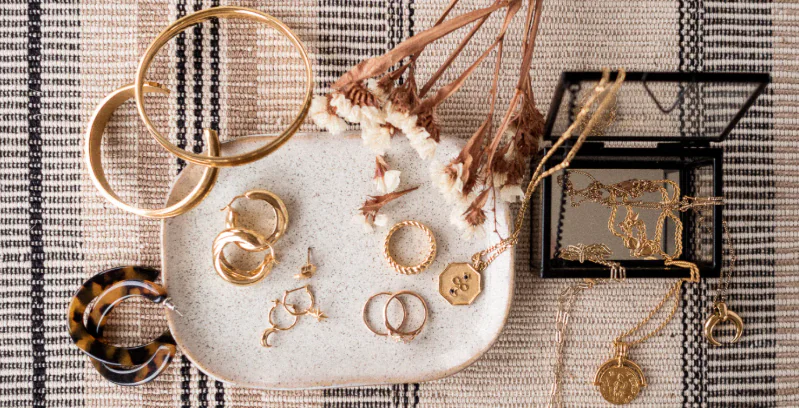
In today’s highly competitive online jewelry market, choosing the right styles matters far more than chasing short-term trends. For wholesale buyers, B2B sellers, and private-label brands, success is often determined by how well a product balances stable demand, healthy profit margins, and low operational risk. This is where minimalist jewelry continues to stand out. Minimalist jewelry has proven itself as one of the most reliable categories for online sales. Clean designs, versatile styling, and broad customer appeal allow these pieces to perform consistently across regions, platforms, and price tiers. More importantly for wholesale buyers, minimalist styles tend to deliver lower return rates, easier inventory management, and strong repeat-purchase behavior—all critical factors for long-term profitability. This article breaks down the top 10 minimalist jewelry styles that sell well online, with a clear focus on B2B and wholesale decision-making. Rather than discussing trends from a purely aesthetic or consumer perspective, we examine each style through a commercial lens—why it converts online, how it impacts margins, and what it means for inventory, sourcing, and scalability. Whether you are launching a new jewelry brand, expanding a wholesale catalog, or optimizing an existing online store, this guide is designed to help you identify minimalist styles
Top 10 Jewelry Categories with the Highest Wholesale Profit Margins
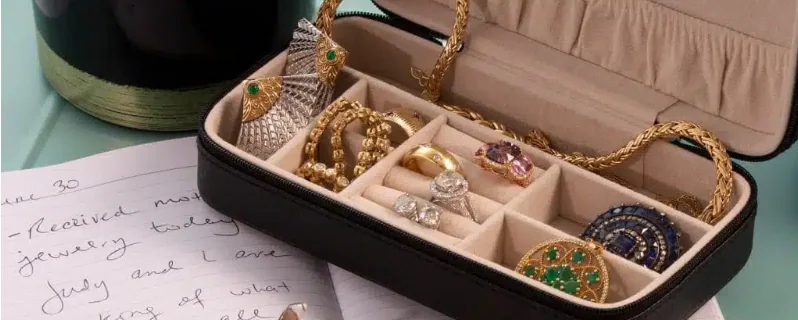
In the jewelry wholesale business, sales volume alone is rarely the best indicator of success. Many online sellers and distributors discover—sometimes too late—that products with strong demand can still produce disappointing results once costs, returns, and inventory risks are factored in. This is why experienced B2B buyers focus on profit margin structure, not just popularity. This article is written specifically for jewelry wholesalers, online store owners, and private-label brands. Instead of consumer trends or styling advice, it examines which jewelry categories consistently deliver higher wholesale profit margins, why they work, and what risks buyers should be aware of when scaling. Why Profit Margin Is the Key Metric in Jewelry Wholesale In wholesale jewelry, profitability is shaped by a combination of factors that go far beyond the initial unit cost. While high sales volume can look impressive on the surface, it often hides problems such as high return rates, quality disputes, and cash flow pressure caused by slow inventory turnover. For wholesale buyers, true margin performance depends on several interconnected elements. Manufacturing cost is only the starting point. Logistics, packaging, defect rates, customer expectations, and the ability to reorder or customize all influence how much profit remains after a product is

Choosing a Jewelry Import Platform from China: What Works Best for Wholesalers and Brands
The right jewelry import channel depends on what you need to verify: product consistency, customization, communication, order terms, and shipping support. A marketplace can help you compare suppliers, while a sourcing agent or direct factory relationship may offer more coordination or production visibility. The platform name alone does not establish that a supplier is reliable. Choose a channel for the order you need For small test orders, compare marketplace listings and confirm whether the seller can supply the exact material, finish, sizes, and packaging you need. For repeat or private-label orders, ask whether the supplier controls production, can approve a sample, and can document changes between sample and bulk production. A sourcing agent may help with communication and inspections, but confirm the scope and fees in writing. Verify the supplier, not just the listing Confirm the legal business name, address, and whether the seller is a factory, trading company, or agent. Request current product and process photos, material specifications, and a sample made to the intended specification. Ask who owns the tooling or design files and what customization is actually included. Check references or transaction history where available, while treating platform badges as one signal rather than a guarantee. Approve