










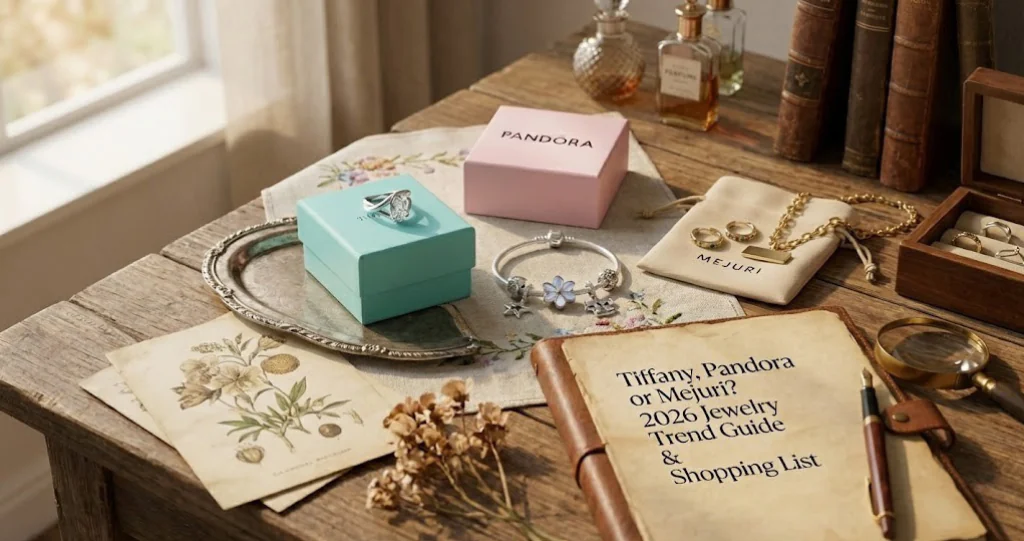
Tiffany, Pandora or Mejuri? 2026 Jewelry Trend Guide & Shopping List
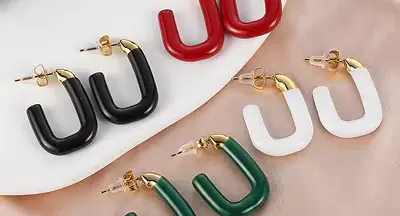
The forecast for 2026 is officially in, and the era of “Quiet Luxury” is evolving. While quality remains paramount, the minimalism of previous years is making way for a bolder, more expressive aesthetic: Organic Maximalism. This year, it isn’t about wearing more; it’s about wearing pieces that have movement, texture, and meaning. From “liquid” metal textures to the return of mixed metals (yes, gold and silver together), 2026 is the year to let your jewelry do the talking. 🔑 Key Takeaways: 2026 Jewelry Trends at a Glance The Top 3 Trends Defining 2026 1. Liquid Metals: The “Molten” Look Rigid geometric shapes are out. In their place, we see fluid, melting shapes that look like molten gold or silver draped over the skin. This trend mimics the flow of water and aligns with the “Organic” movement. 2. The 70/30 Mix: Mastering Two-Tone The old rule of picking one metal is dead. The “Cool Girl” look of 2026 involves a deliberate mix—typically 70% Gold and 30% Silver (or vice versa) to create depth. This allows for greater versatility in styling existing collections. 3. Modern Totems: Personalized Symbolism Jewelry is becoming deeply personal again. Expect to see a surge in zodiac pendants,
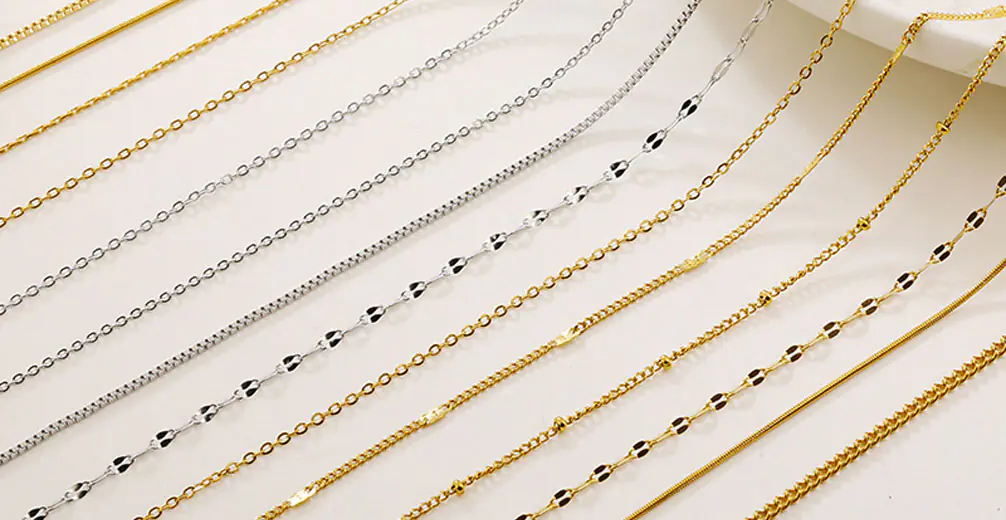
Jewelry Dropshipping: New Selling Way for Your Business
Jewelry dropshipping lets a retailer take an order and have a supplier ship the item to the customer. It reduces the need to hold inventory, but it does not remove the work of checking product quality, delivery performance, customer service, and unit economics. The seller remains responsible for the promises made on the product page and for handling customer issues. How the order flow works The retailer selects products, publishes listings, receives payment, and sends order details to the supplier or fulfillment partner. The supplier packs and ships the order, while the retailer communicates tracking, answers questions, and manages refunds or replacements under the store’s policy. Confirm how inventory updates and order status are passed between systems before opening the store. Vet the supplier and test fulfillment Order samples to inspect material disclosures, finish, stone settings, clasps, and packaging. Place a test order to your target market and record processing time, delivery time, tracking quality, and whether the parcel or packing slip identifies the supplier. Ask how stockouts, damaged items, address changes, and lost parcels are handled. Do not rely on catalog photos alone. Choose a focused product range Build a small collection for a defined customer rather than listing
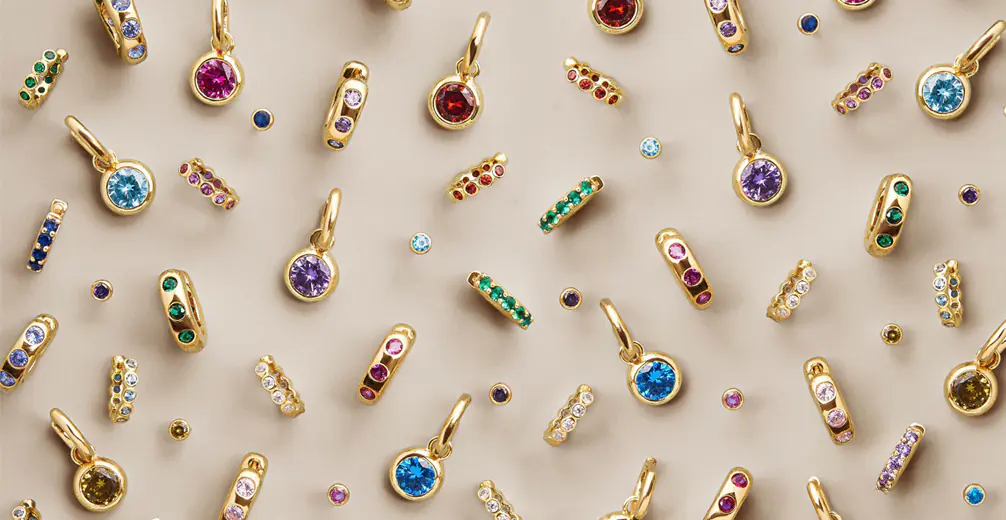
2025 Wholesale Jewelry Market Outlook: Trends & Opportunities
The wholesale jewelry market stands at a pivotal juncture in 2025, poised for transformative growth driven by technological advancements, evolving consumer preferences, and a renewed focus on sustainability. As the industry navigates post-pandemic recovery, wholesale jewelry manufacturers, retailers, and distributors are capitalizing on emerging trends to stay competitive in a rapidly evolving landscape. This blog explores the key trends, opportunities, and strategies shaping the future of the wholesale jewelry market. 1. Digital Transformation Accelerates E-Commerce Dominance The rise of wholesale jewelry online platforms has redefined how businesses source, distribute, and market products. In 2025, digital marketplaces account for over 60% of wholesale jewelry transactions, with B2B platforms like Alibaba, Joor, and TradeGecko enabling seamless global trade. 1.1 Key Drivers: AI-Powered Personalization: Manufacturers are leveraging AI algorithms to curate product recommendations, optimize inventory, and predict demand trends. For instance, tools like Stitch Labs and Zoho Inventory integrate with e-commerce platforms to streamline order management and fulfillment. Virtual Showrooms & AR Experiences: Augmented reality (AR) and 3D modeling allow buyers to visualize jewelry in real-time, reducing returns and enhancing confidence in online purchases. Platforms such as Snapchat Lens Studio and Vertebrae are pioneering immersive shopping experiences. Blockchain for Transparency: Trusted supply chains are critical in the jewelry industry, and blockchain technology ensures
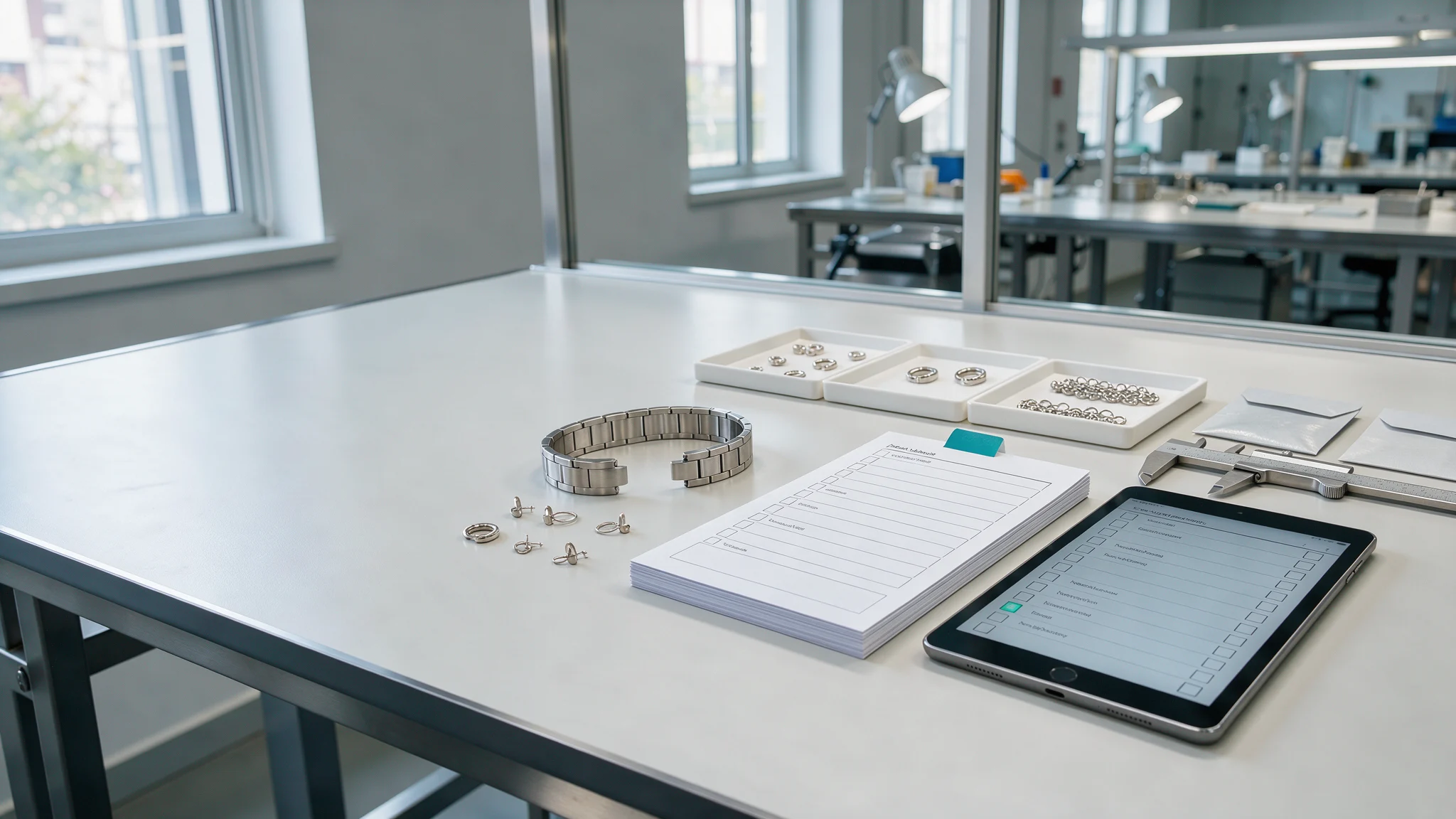
REACH & BSCI for Jewelry: A Wholesale Buyer’s Compliance Guide
For jewelry wholesalers, REACH and amfori BSCI answer different questions. REACH concerns chemical restrictions for products placed on the EU market; amfori BSCI is a social due diligence and audit programme for production sites. Neither a factory audit nor a generic “compliance certificate” proves that every jewelry SKU meets every market rule. Buyers should check product evidence and factory evidence separately, against the order they are placing. Key takeaways REACH vs. BSCI: what does each one cover? REACH is the EU chemicals regulation (Regulation (EC) No 1907/2006). Its Annex XVII restricts certain substances in specified products and uses. For jewelry, buyers commonly need to assess nickel release and applicable lead and cadmium restrictions. The legal requirement depends on the article, material, use and market placement. Start with the REACH regulation on EUR-Lex and the ECHA list of substances restricted under REACH; confirm the current text for the specific product. amfori BSCI, by contrast, supports social-risk management in supply chains. Its assessment concerns a production site’s working conditions and management practices, not the chemical composition of a necklace or bracelet. The amfori BSCI programme overview describes 13 Performance Areas, including workers’ involvement, fair remuneration, working hours, occupational health and safety, child
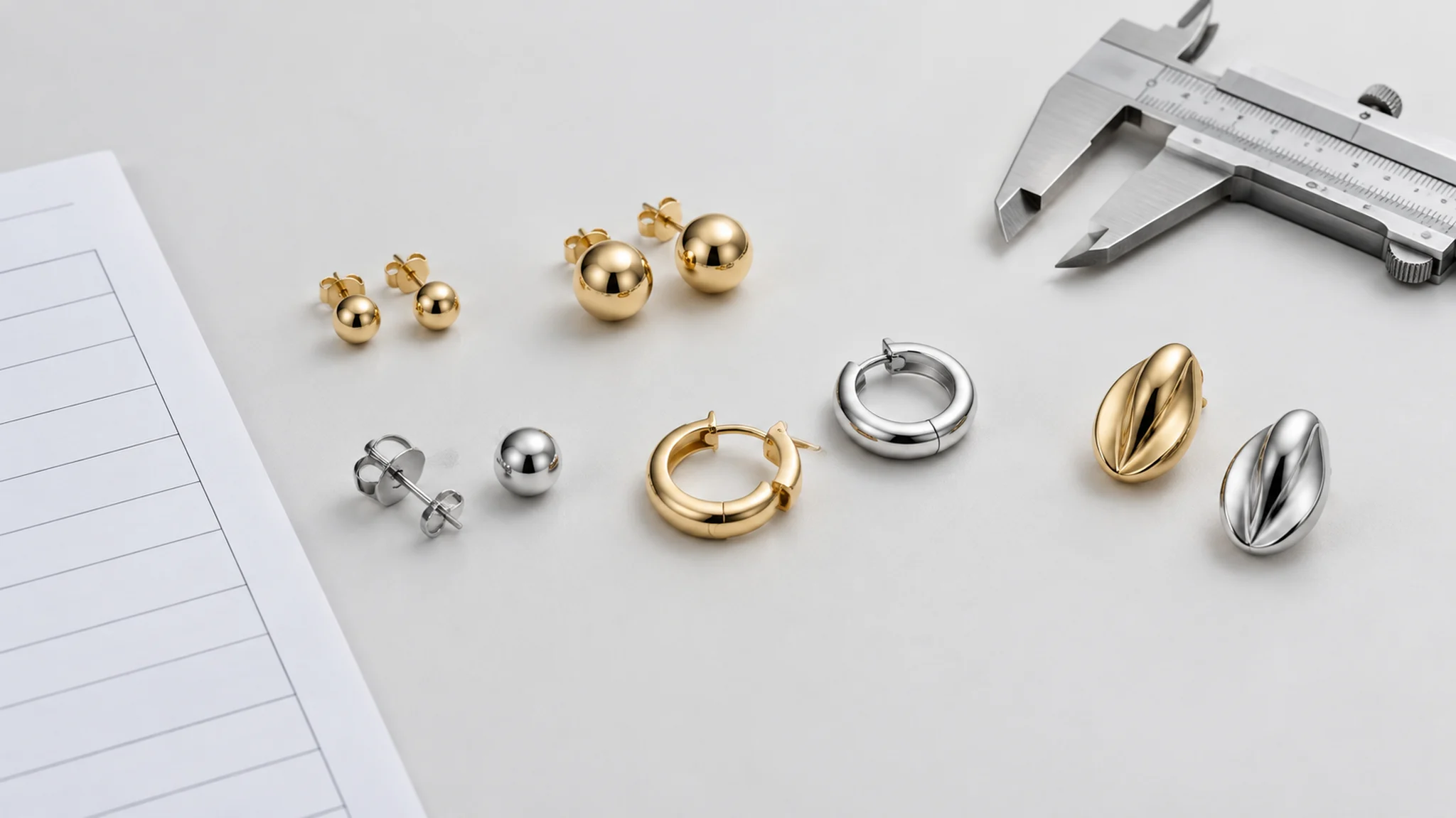
Wholesale Stainless Steel Earrings and Studs: Buyer’s Guide
Buying wholesale stainless steel earrings is a specification exercise, not a catalog vote. Two pairs can look identical in photographs yet use different posts, backs, closures, or surface finishes. Those differences determine what you can confidently describe on a product page and what your receiving team can actually inspect. This guide is for boutique buyers, online sellers, and jewelry brands comparing studs and small hoops. It walks through assortment planning, component-level questions, sampling, quality control, and quote comparison. Keep the checklist beside each supplier quotation; ask for evidence on the exact SKU rather than accepting a category-wide claim. For related guidance, see component-level factory checks. Key takeaways Specify the front, post, backing, and closure separately. “Stainless steel” alone does not identify every component. Approve a reference sample with dimensions, finish, packaging, and a defect standard before committing to bulk production. Compare landed cost and reorder terms, not just the quoted price per pair. Treat “hypoallergenic,” “waterproof,” and similar claims as evidence questions for the finished product. Which earrings belong in your first wholesale range? Start with the customer and sales channel. A boutique gift assortment may favor restrained studs and compact hoops in a few repeatable finishes. A marketplace seller
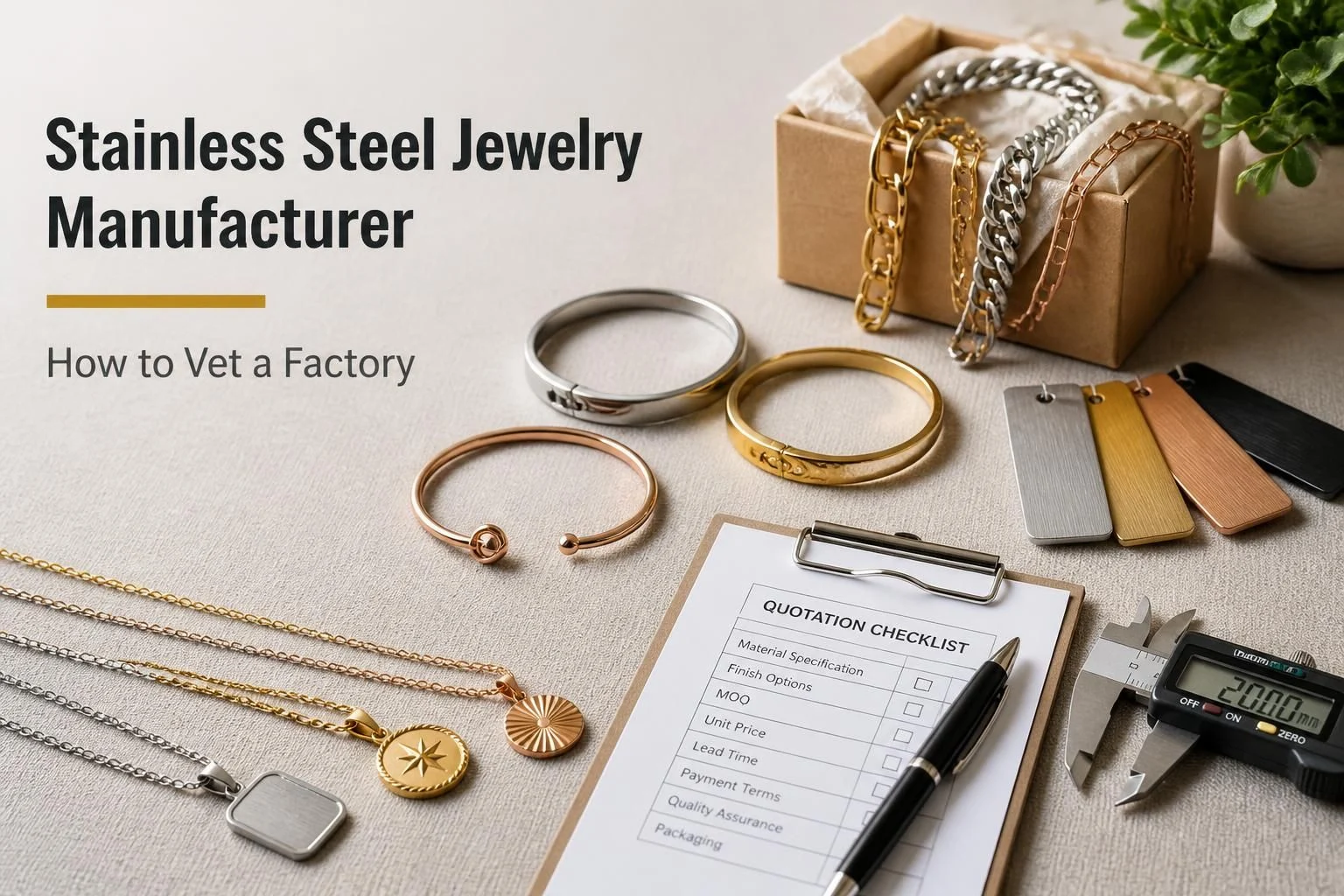
Stainless Steel Jewelry Manufacturer: How to Vet a Factory
A polished catalog does not show whether a factory can repeat your specification. Before paying a deposit, verify the production route, component materials, finish, inspection process, and commercial terms. This guide is for brand founders, product developers, importers, and boutique buyers comparing stainless steel suppliers. It explains what to request, what to inspect, and when a pilot order makes sense. Key Takeaways Verify the accountable legal supplier and every disclosed production step. Request component-level material and finish evidence tied to the quoted product. Approve a measured reference sample, then use a documented pilot before scaling. What Should You Verify First About a Stainless Steel Jewelry Factory? Start with accountability. Confirm who receives payment, who controls production, which steps are subcontracted, and which site owns the quality decision. A company profile can suggest useful questions, but it cannot show that the supplier will meet your specification. Request the supplier’s legal name, registered address, invoice entity, bank beneficiary, and factory address. The details should match. If they do not, ask for the relationship in writing. A process map should identify material sourcing, forming or casting, assembly, polishing, finishing, inspection, packing, and shipping. Find out whether the factory owns the relevant equipment or
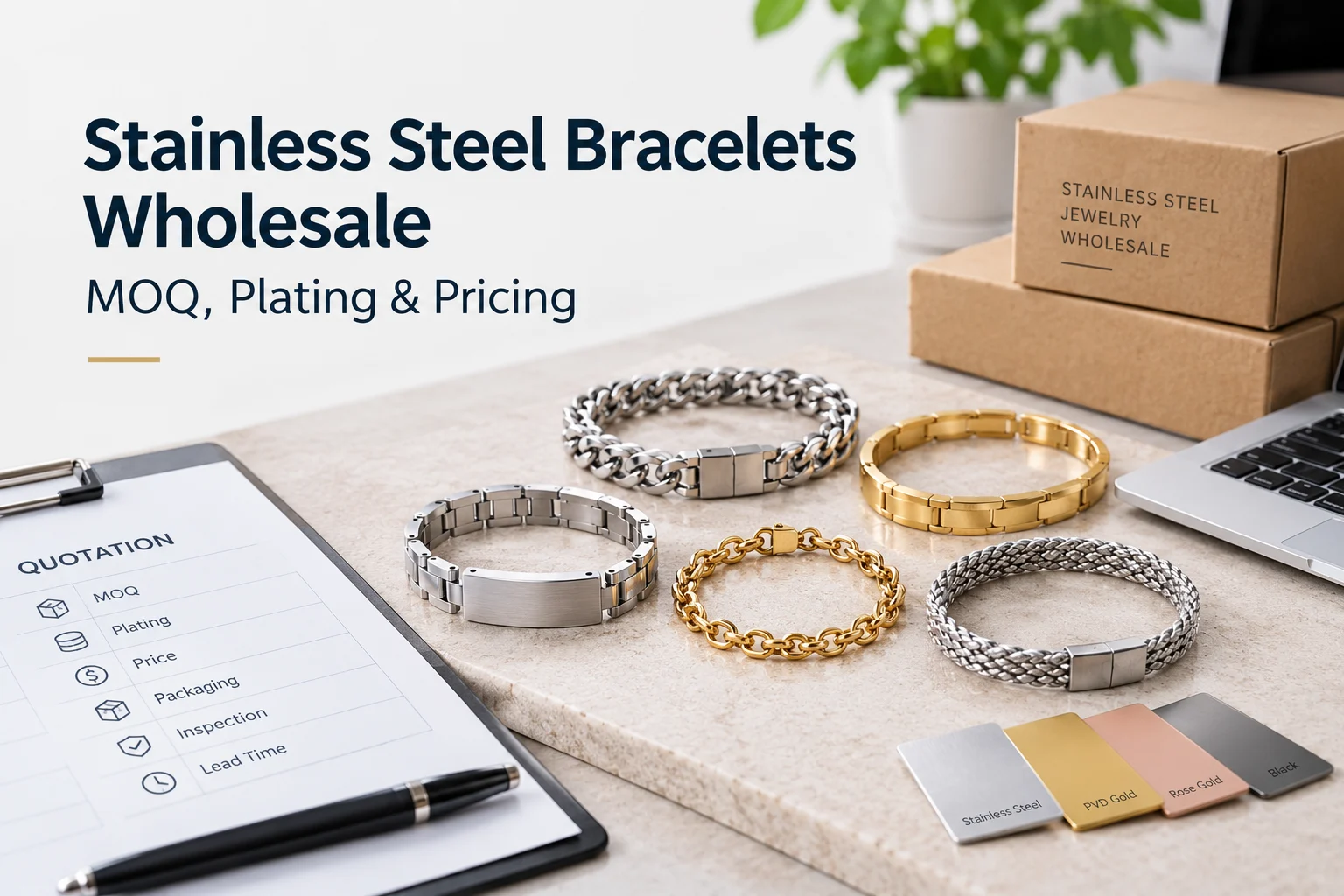
Stainless Steel Bracelets Wholesale: MOQ, Plating & Pricing
Two wholesale quotes can look similar while covering different quantities, finishes, packaging, and inspection terms. Before choosing a stainless steel bracelet supplier, define the product and the terms behind each number. That makes it easier to compare like with like and avoid surprises after sample approval. This guide explains how to compare minimum order quantity (MOQ), plating, men’s styles, restock terms, and landed cost before placing a wholesale order. It includes a supplier comparison checklist and a reusable request-for-quotation template. For product browsing, use Leejory’s stainless steel bracelets wholesale collection; this article focuses on how to evaluate and buy. For related guidance, see wholesale buying and retail selling guide. Key Takeaways Check whether MOQ applies per style, finish, size, or total mixed order. Specify the finish process and ask for evidence tied to the quoted product. Vague claims do not define performance. Compare landed cost and approve a reference sample before authorizing bulk production. Confirm MOQ for the selected bracelet, finish, and customization directly with the supplier. What Affects Wholesale Stainless Steel Bracelet MOQ? Stainless steel bracelet MOQ varies by supplier and production route. Stocked products and custom runs often use different minimums, with separate quantities for style, finish, size,
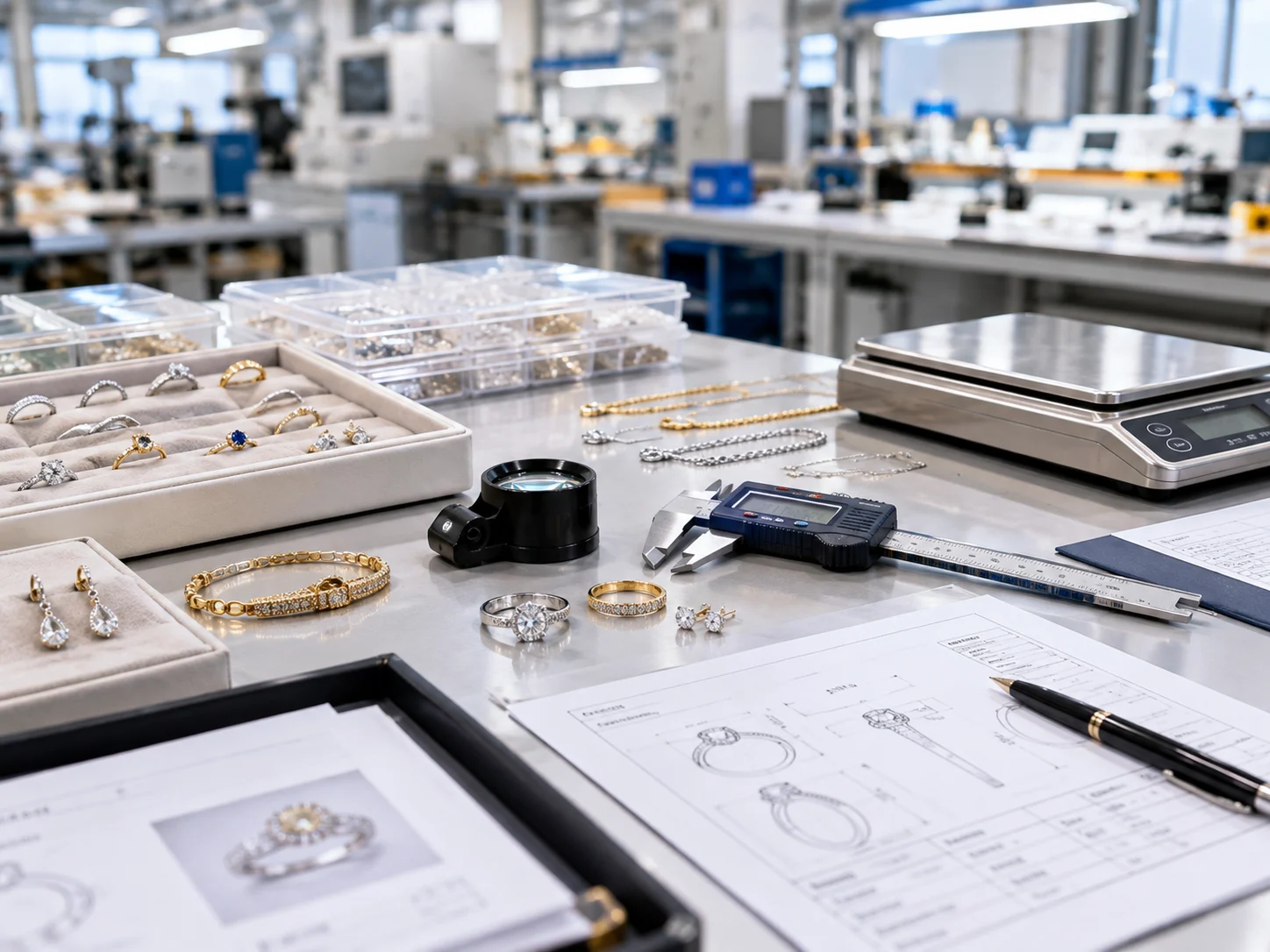
How to Choose a Jewelry OEM Manufacturer: 10 Checks
Choosing a jewelry OEM manufacturer is a production decision, not just a sourcing decision. A polished catalog can hide weak process control, unclear ownership, or inconsistent quality. The safest way to compare suppliers is to ask the same questions, request evidence, and test the relationship with a controlled pilot. For buyers applying these points, see jewelry OEM manufacturing guide. This guide gives you a 10-point checklist for evaluating capability, samples, quality control, compliance, lead times, intellectual property, communication, cost, and reorder reliability. It also shows what to ask for before paying a large deposit. For buyers applying these points, see OEM vs. ODM comparison. Key Takeaways Verify who legally receives your deposit and who controls production. Approve samples against written specifications, not visual impressions alone. Compare total landed cost and reorder reliability, not unit price alone. Run a documented pilot order before scaling. How Do You Match the Manufacturing Model to Your Brand? Model Best fit Buyer owns Main risk to clarify OEM Proprietary designs and detailed briefs Design and specifications Tooling, IP, and repeatability ODM Faster launches using existing designs Brand and selected adaptations Exclusivity and design ownership Private label Branded resale with limited customization Brand presentation and packaging
Jewelry OEM Manufacturing: A Complete Guide for Brands
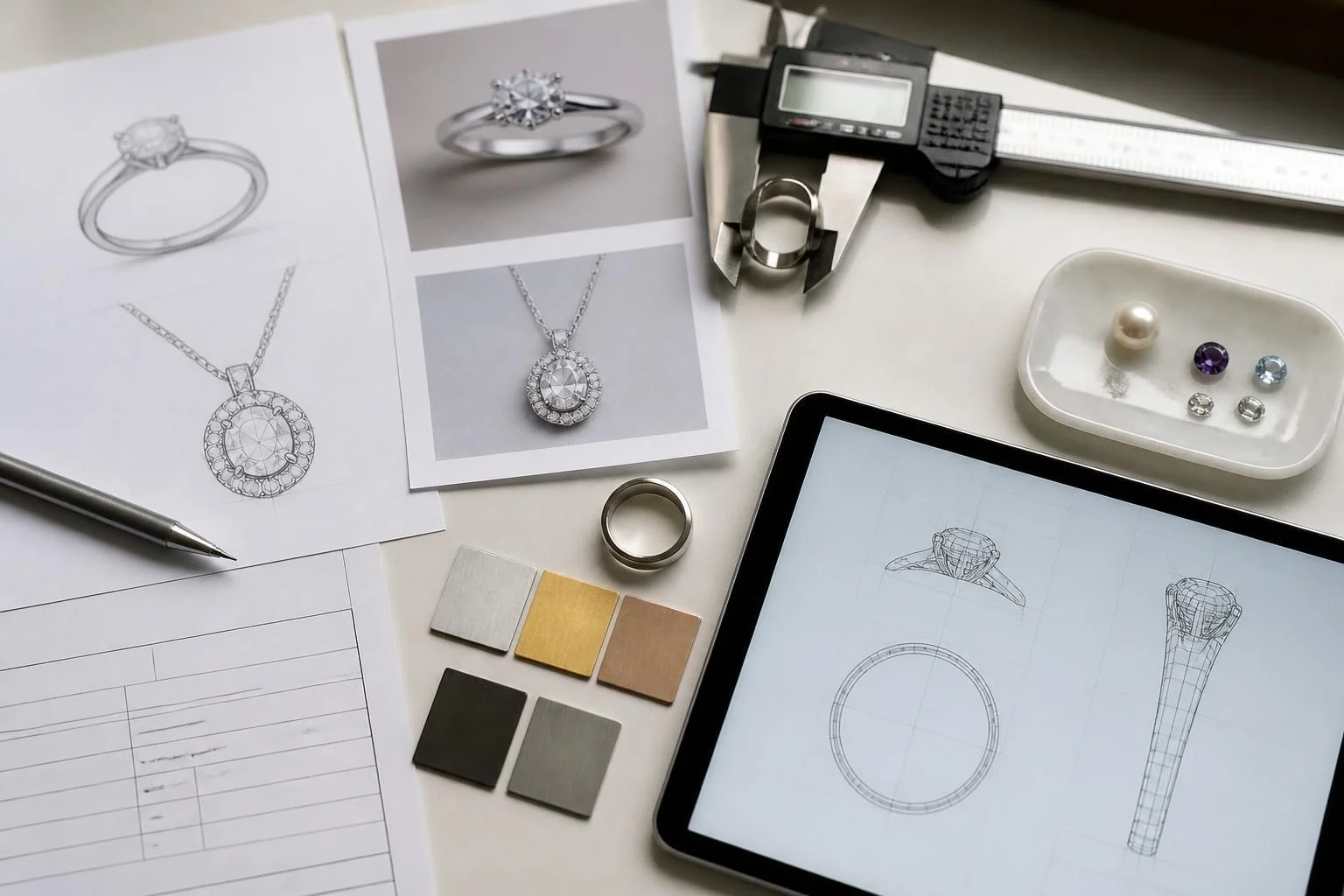
Jewelry OEM manufacturing lets a brand turn an approved design into repeatable production through a factory. It is not simply a catalog purchase with a logo added. The buyer needs to specify the product, approve a sample, and agree the checks that define an acceptable finished piece. If those controls are vague, a low quote can become an expensive first order. This guide is for brand founders, retail buyers, and ecommerce teams planning custom fashion jewelry. It explains what OEM means, where it differs from ODM and private label, and how to compare suppliers without confusing an attractive price with a comparable offer. For the service route, see the jewelry OEM and ODM service. For related guidance, see customization options. Key Takeaways OEM production begins with a buyer-owned or buyer-specified design, then an approved sample. A comparable quote fixes materials, finish, stones, packaging, QC, and shipping terms. Leejory states an OEM MOQ of 20 pieces per size on its service page, but MOQ alone does not define total risk. A first order should validate the product, packaging, and manufacturing process before a brand increases volume. What is jewelry OEM manufacturing? Leejory describes seven linked stages in its OEM and ODM
Tiffany, Pandora or Mejuri? 2026 Jewelry Trend Guide & Shopping List
The forecast for 2026 is officially in, and the era of “Quiet Luxury” is evolving. While quality remains paramount, the minimalism of previous years is making way for a bolder, more expressive aesthetic: Organic Maximalism. This year, it isn’t about wearing more; it’s about wearing pieces that have movement, texture, and meaning. From “liquid” metal textures to the return of mixed metals (yes, gold and silver together), 2026 is the year to let your jewelry do the talking. 🔑 Key Takeaways: 2026 Jewelry Trends at a Glance The Top 3 Trends Defining 2026 1. Liquid Metals: The “Molten” Look Rigid geometric shapes are out. In their place, we see fluid, melting shapes that look like molten gold or silver draped over the skin. This trend mimics the flow of water and aligns with the “Organic” movement. 2. The 70/30 Mix: Mastering Two-Tone The old rule of picking one metal is dead. The “Cool Girl” look of 2026 involves a deliberate mix—typically 70% Gold and 30% Silver (or vice versa) to create depth. This allows for greater versatility in styling existing collections. 3. Modern Totems: Personalized Symbolism Jewelry is becoming deeply personal again. Expect to see a surge in zodiac pendants,
2025 Wholesale Jewelry Market Outlook: Trends & Opportunities
The wholesale jewelry market stands at a pivotal juncture in 2025, poised for transformative growth driven by technological advancements, evolving consumer preferences, and a renewed focus on sustainability. As the industry navigates post-pandemic recovery, wholesale jewelry manufacturers, retailers, and distributors are capitalizing on emerging trends to stay competitive in a rapidly evolving landscape. This blog explores the key trends, opportunities, and strategies shaping the future of the wholesale jewelry market. 1. Digital Transformation Accelerates E-Commerce Dominance The rise of wholesale jewelry online platforms has redefined how businesses source, distribute, and market products. In 2025, digital marketplaces account for over 60% of wholesale jewelry transactions, with B2B platforms like Alibaba, Joor, and TradeGecko enabling seamless global trade. 1.1 Key Drivers: AI-Powered Personalization: Manufacturers are leveraging AI algorithms to curate product recommendations, optimize inventory, and predict demand trends. For instance, tools like Stitch Labs and Zoho Inventory integrate with e-commerce platforms to streamline order management and fulfillment. Virtual Showrooms & AR Experiences: Augmented reality (AR) and 3D modeling allow buyers to visualize jewelry in real-time, reducing returns and enhancing confidence in online purchases. Platforms such as Snapchat Lens Studio and Vertebrae are pioneering immersive shopping experiences. Blockchain for Transparency: Trusted supply chains are critical in the jewelry industry, and blockchain technology ensures
Jewelry Display Ideas That Sell: The Ultimate Guide for Retailers
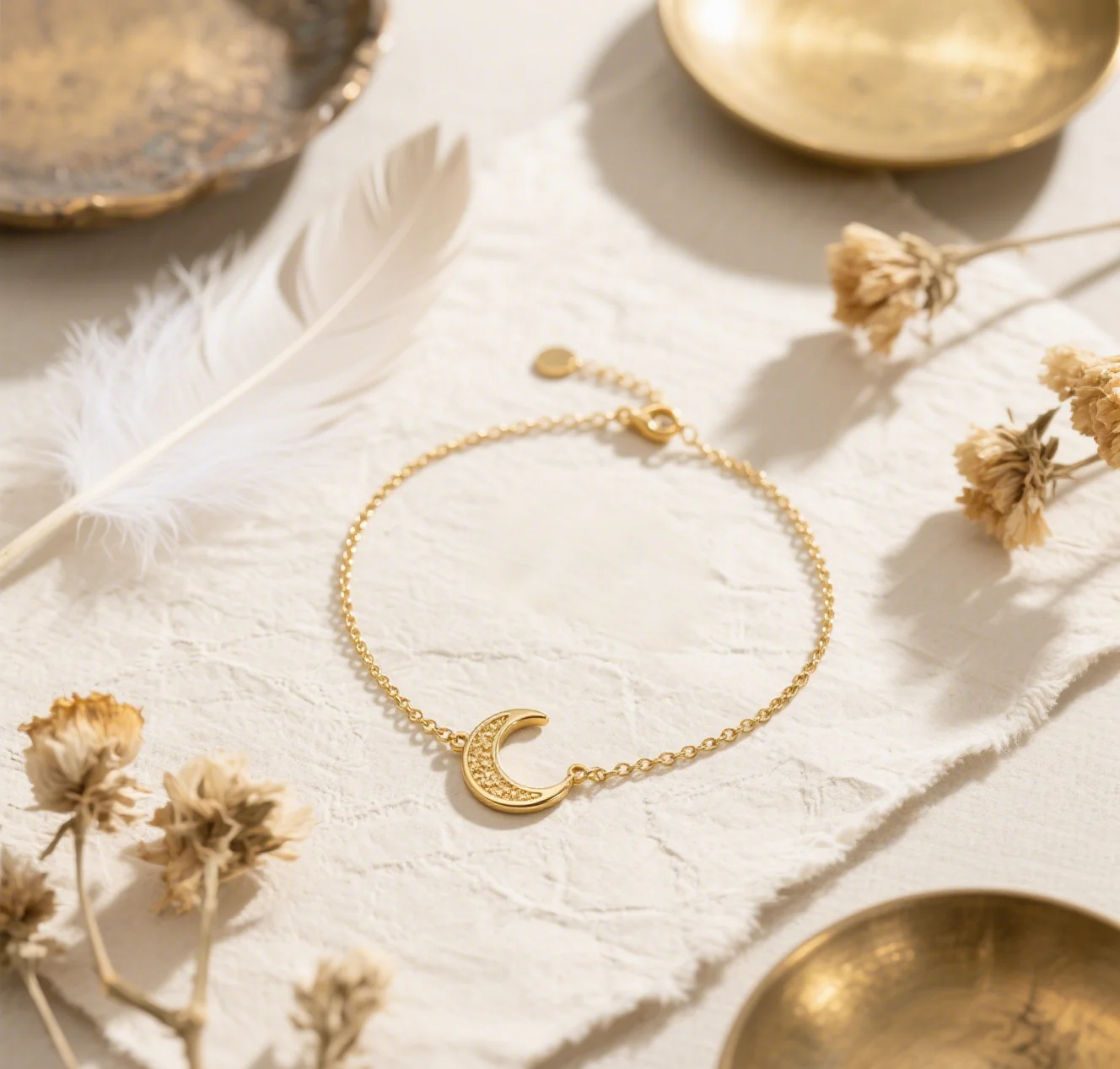
A useful jewelry display makes pieces easy to see, compare, and handle while supporting the way customers shop. The same principles apply online and in a physical store: show scale, keep related products together, use accurate lighting, and remove visual clutter. Treat display choices as something to test with customers rather than as a guaranteed sales formula. Start with the customer and the product Group pieces by a useful shopping decision, such as material, collection, occasion, or price range. Keep a coordinated set together when customers may want to compare or layer items. Leave enough space to see each item’s shape and detail. Use props only when they help explain scale or styling and do not obscure the jewelry. Build a clear focal point Choose a small number of focal products for a window, table, or page section. Give them room and use height or a simple stand to create a visual path through the assortment. Keep nearby pieces complementary so the display feels coherent. Refresh the focal selection when stock or the season changes, and remove empty stands promptly. Use background and lighting to show detail Select a background that contrasts with the jewelry without changing how its color
The Rise of Moissanite Jewelry: Why It’s Trending and How Your Business Can Profit
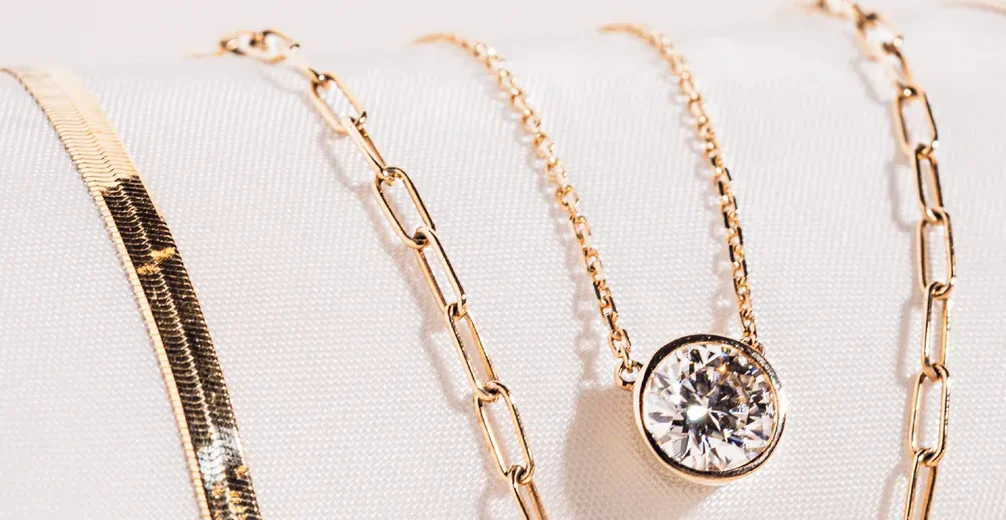
The Moissanite Jewelry Revolution In recent years, moissanite jewelry has experienced a dramatic rise in popularity, and for good reason. Once a niche alternative to diamonds, moissanite is now a top contender in the jewelry market. Whether you’re looking for an engagement ring, a statement necklace, or everyday fashion jewelry, moissanite is quickly becoming the gemstone of choice for consumers worldwide. But what exactly is driving this shift? Why are so many buyers opting for moissanite over traditional diamonds or other gemstones? The answers lie in moissanite’s unique combination of brilliance, durability, and affordability. It offers the sparkling beauty of diamonds at a fraction of the price—while also being a more sustainable option. This blog will explore why moissanite jewelry is trending, how businesses can capitalize on this growing demand, and why moissanite is the smart choice for both consumers and jewelry retailers alike. We’ll address common questions, such as the benefits of moissanite over cubic zirconia, its resale value, and how to identify high-quality stones. Whether you’re a jewelry business owner looking to expand your collection or a consumer interested in learning more about this dazzling gemstone, this guide has something valuable for you. The jewelry market is evolving,
What Type of Jewelry Is In Style Right Now? A 2025 Trend Guide
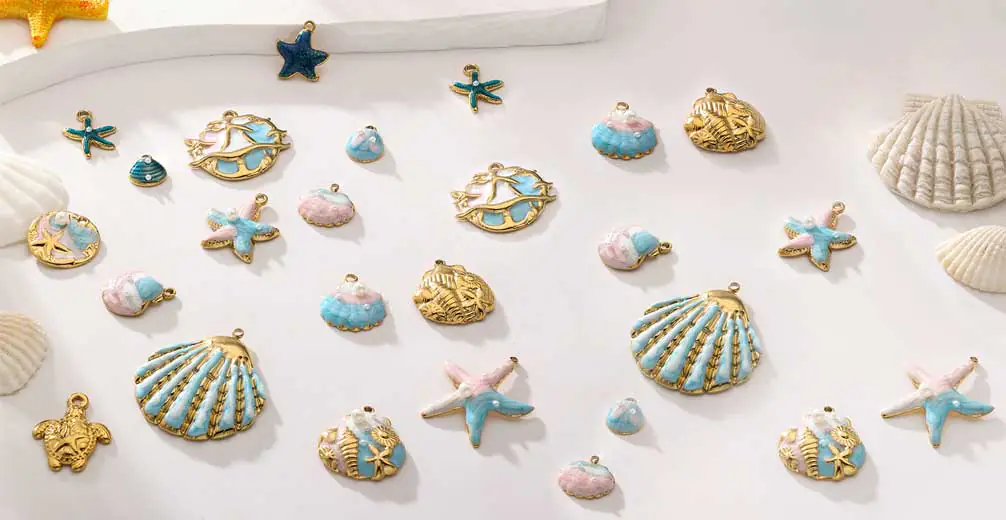
1. Introduction: Why Staying Ahead of Trendy Jewelry Matters in 2025 Jewelry has always been more than just an accessory. It tells a story, expresses identity, and reflects the cultural moment. In 2025, jewelry trends are moving faster than ever before. From the runway to TikTok, styles are shifting rapidly — and those who keep up are the ones who stand out. So, why should you care about what’s in style right now? Whether you’re a fashion-forward shopper or a business owner in the new fashion jewelry wholesale market, knowing current trends gives you a strong edge. It helps you shop smart, stay relevant, and even anticipate what customers will love next. This year, the definition of “trendy jewelry” is broader than ever. We’re seeing a dynamic mix of styles: minimalist and bold, vintage and futuristic, high-end and affordable. Consumers aren’t following trends blindly anymore—they’re blending them to fit their personal vibe. That means diversity, creativity, and expression are at the center of 2025 jewelry choices. Social media continues to drive trends forward at lightning speed. One viral video can turn a small jewelry designer into a global phenomenon overnight. And for Gen Z and Millennials, jewelry isn’t just about
Sustainable Jewelry Wholesale: A Sourcing Guide for Retailers
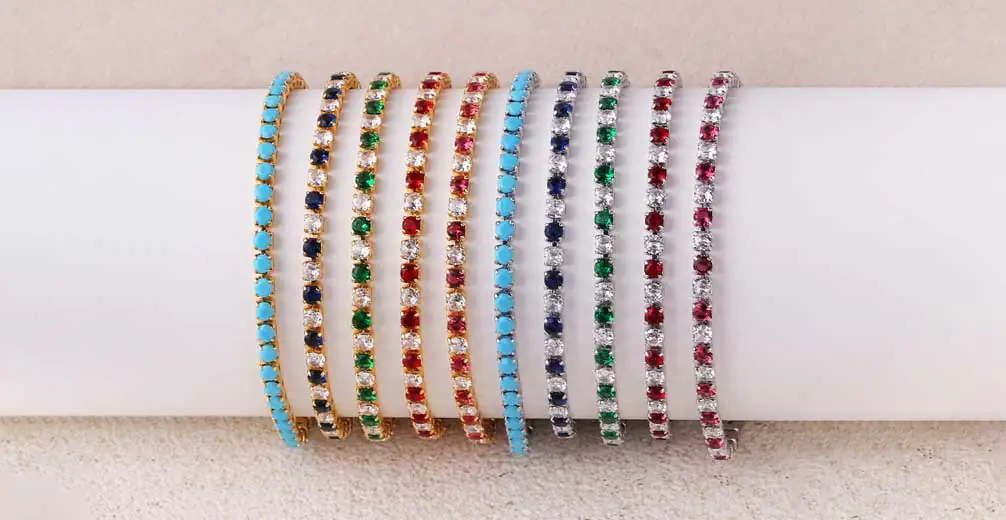
Sustainable jewelry wholesale starts with specific, verifiable product and supplier information. Before placing a bulk order, retailers should confirm what each piece is made from, what a supplier means by “ethical” or “recycled,” which records support those claims, and how the terms apply to the products being purchased. This guide provides a practical checklist for evaluating wholesale jewelry suppliers without relying on broad environmental promises. For a wider view of styles and wholesale options, explore Leejory fashion jewelry. Use the questions below to assess any supplier and request documentation before using sustainability claims in product listings or marketing. What sustainable jewelry means in wholesale buying “Sustainable jewelry” is not a single material specification or a universal certification. It can refer to different parts of a product’s supply chain, such as material inputs, manufacturing controls, worker protections, packaging, or traceability. A claim about one part does not automatically establish the impact or origin of the entire piece. For wholesale buyers, the useful question is therefore not simply whether a supplier calls a collection sustainable. Ask which product, material, facility, or process the claim covers, what evidence supports it, and whether that evidence is current. Record the answer by SKU or collection
How to Custom Jewelry for Your Brand: A Step-by-Step Guide
Custom jewelry for a brand starts with a clear product brief and ends with an approved production sample. Before contacting manufacturers, decide what must be distinctive, which specifications can vary, and what evidence you need at each approval stage. A custom design does not automatically include exclusive ownership; put design rights and permitted reuse in writing. 1. Write a product brief Describe the target customer, intended price position, use case, reference images, materials, dimensions, finish, stone details, quantity range, packaging, and launch timing. Separate must-have requirements from options. Share references you have permission to use and explain what should be different so the manufacturer is not asked to copy another brand’s protected design. 2. Choose the development route If you have a design or detailed specifications, an OEM process may start from your files or sample. If you select and adapt an existing manufacturer design, an ODM route may fit. In either case, confirm who prepares CAD, creates prototypes, owns or may reuse files and tooling, and what level of exclusivity is included. Review the OEM and ODM comparison when deciding which route to discuss. 3. Compare manufacturers on evidence Ask suppliers to explain their experience with the material, construction,
Trend Watch: What’s Selling Fast in Wholesale Jewelry?
Introduction The jewelry industry thrives and evolves with consumer tastes, economic shifts, and tech progress. Lately, the B2B jewelry market has grown notably, as retailers, boutiques, and e – commerce platforms look for top – quality, affordable, and stylish jewelry. This blog explores the latest trends in the wholesale jewelry scene. It spotlights best – selling categories, new brands, and key decision – influencing factors for buyers. If you’re a retailer, distributor, or manufacturer, grasping these trends is essential for competing in the ever – changing jewelry market. Chapter 1: The Rise of B2B Wholesale Jewelry Platform The digital revolution has swept through the jewelry industry, fundamentally altering the landscape of B2B transactions. Online platforms such as Alibaba, DHgate, and specialized jewelry – specific B2B marketplaces have emerged as global hubs, seamlessly connecting manufacturers, distributors, and retailers. These platforms are virtual treasure troves, offering an extensive and diverse range of jewelry products. From intricately designed necklaces to delicate earrings, the variety is staggering. One of the most significant advantages of these platforms is the competitive pricing they offer. Manufacturers can directly list their products, cutting out middlemen in many cases, which allows retailers to access jewelry at more affordable rates.
Tiffany, Pandora or Mejuri? 2026 Jewelry Trend Guide & Shopping List
The forecast for 2026 is officially in, and the era of “Quiet Luxury” is evolving. While quality remains paramount, the minimalism of previous years is making way for a bolder, more expressive aesthetic: Organic Maximalism. This year, it isn’t about wearing more; it’s about wearing pieces that have movement, texture, and meaning. From “liquid” metal textures to the return of mixed metals (yes, gold and silver together), 2026 is the year to let your jewelry do the talking. 🔑 Key Takeaways: 2026 Jewelry Trends at a Glance The Top 3 Trends Defining 2026 1. Liquid Metals: The “Molten” Look Rigid geometric shapes are out. In their place, we see fluid, melting shapes that look like molten gold or silver draped over the skin. This trend mimics the flow of water and aligns with the “Organic” movement. 2. The 70/30 Mix: Mastering Two-Tone The old rule of picking one metal is dead. The “Cool Girl” look of 2026 involves a deliberate mix—typically 70% Gold and 30% Silver (or vice versa) to create depth. This allows for greater versatility in styling existing collections. 3. Modern Totems: Personalized Symbolism Jewelry is becoming deeply personal again. Expect to see a surge in zodiac pendants,
How to Choose a Jewelry OEM Manufacturer: 10 Checks
Choosing a jewelry OEM manufacturer is a production decision, not just a sourcing decision. A polished catalog can hide weak process control, unclear ownership, or inconsistent quality. The safest way to compare suppliers is to ask the same questions, request evidence, and test the relationship with a controlled pilot. For buyers applying these points, see jewelry OEM manufacturing guide. This guide gives you a 10-point checklist for evaluating capability, samples, quality control, compliance, lead times, intellectual property, communication, cost, and reorder reliability. It also shows what to ask for before paying a large deposit. For buyers applying these points, see OEM vs. ODM comparison. Key Takeaways Verify who legally receives your deposit and who controls production. Approve samples against written specifications, not visual impressions alone. Compare total landed cost and reorder reliability, not unit price alone. Run a documented pilot order before scaling. How Do You Match the Manufacturing Model to Your Brand? Model Best fit Buyer owns Main risk to clarify OEM Proprietary designs and detailed briefs Design and specifications Tooling, IP, and repeatability ODM Faster launches using existing designs Brand and selected adaptations Exclusivity and design ownership Private label Branded resale with limited customization Brand presentation and packaging
Jewelry OEM Manufacturing: A Complete Guide for Brands
Jewelry OEM manufacturing lets a brand turn an approved design into repeatable production through a factory. It is not simply a catalog purchase with a logo added. The buyer needs to specify the product, approve a sample, and agree the checks that define an acceptable finished piece. If those controls are vague, a low quote can become an expensive first order. This guide is for brand founders, retail buyers, and ecommerce teams planning custom fashion jewelry. It explains what OEM means, where it differs from ODM and private label, and how to compare suppliers without confusing an attractive price with a comparable offer. For the service route, see the jewelry OEM and ODM service. For related guidance, see customization options. Key Takeaways OEM production begins with a buyer-owned or buyer-specified design, then an approved sample. A comparable quote fixes materials, finish, stones, packaging, QC, and shipping terms. Leejory states an OEM MOQ of 20 pieces per size on its service page, but MOQ alone does not define total risk. A first order should validate the product, packaging, and manufacturing process before a brand increases volume. What is jewelry OEM manufacturing? Leejory describes seven linked stages in its OEM and ODM
Tiffany, Pandora or Mejuri? 2026 Jewelry Trend Guide & Shopping List
The forecast for 2026 is officially in, and the era of “Quiet Luxury” is evolving. While quality remains paramount, the minimalism of previous years is making way for a bolder, more expressive aesthetic: Organic Maximalism. This year, it isn’t about wearing more; it’s about wearing pieces that have movement, texture, and meaning. From “liquid” metal textures to the return of mixed metals (yes, gold and silver together), 2026 is the year to let your jewelry do the talking. 🔑 Key Takeaways: 2026 Jewelry Trends at a Glance The Top 3 Trends Defining 2026 1. Liquid Metals: The “Molten” Look Rigid geometric shapes are out. In their place, we see fluid, melting shapes that look like molten gold or silver draped over the skin. This trend mimics the flow of water and aligns with the “Organic” movement. 2. The 70/30 Mix: Mastering Two-Tone The old rule of picking one metal is dead. The “Cool Girl” look of 2026 involves a deliberate mix—typically 70% Gold and 30% Silver (or vice versa) to create depth. This allows for greater versatility in styling existing collections. 3. Modern Totems: Personalized Symbolism Jewelry is becoming deeply personal again. Expect to see a surge in zodiac pendants,

How to Use AI Jewelry Design to Create Custom Jewelry Faster, Smarter, and at Scale
Jewelry design has traditionally been a slow, experience-driven process. Designers rely on hand sketches, CAD modeling, repeated revisions, and physical samples before a single piece is ready for production. While this approach ensures craftsmanship, it also limits speed, scalability, and flexibility—especially in today’s market where trends change quickly and customization is becoming the norm. This is where AI Jewelry Design enters the picture. AI is no longer just a conceptual experiment in the jewelry industry. It is increasingly used as a practical design assistant—helping brands generate ideas faster, explore more styles, and shorten the path from concept to production. For brands offering custom jewelry, low MOQ collections, or private-label services, AI-powered workflows can significantly improve efficiency without sacrificing creative control. In this guide, you’ll learn how to use AI Jewelry Design step by step, from early concept generation to production-ready designs, with a clear focus on real-world usability rather than theory. What Is AI Jewelry Design? (And What It Is Not) AI Jewelry Design refers to the use of artificial intelligence tools to assist, not replace, the jewelry design process. These tools can generate visual concepts, expand design variations, optimize proportions, and support decision-making during early and mid-stage design development.

Van Cleef Materials and Craftsmanship: What Makes the Jewelry So Exceptional?
In the world of high jewelry, design may be what first captures attention, but materials and craftsmanship are what ultimately define value, longevity, and brand authority. Few maisons illustrate this better than Van Cleef & Arpels. Beyond its iconic motifs and instantly recognizable aesthetics, the brand has built its reputation on an uncompromising approach to material selection and artisanal execution. For consumers, Van Cleef jewelry represents elegance and refinement. For industry professionals—online sellers, brand owners, and jewelry wholesalers—it offers something equally valuable: a clear example of how material standards and craftsmanship discipline can elevate a product far beyond its basic components. This article takes an in-depth look at Van Cleef materials and craftsmanship, explaining what makes the jewelry exceptional and what jewelry businesses can learn from this approach. Why Materials and Craftsmanship Matter in High Jewelry In high jewelry, value is not determined solely by the presence of precious metals or gemstones. Instead, it emerges from the relationship between materials, technique, and time. Two pieces may use similar raw components, yet differ dramatically in price, durability, and perception depending on how those components are selected and transformed. Van Cleef & Arpels operates in a segment where customers expect more than
OEM vs ODM Jewelry: A Complete Guide for Jewelry Brands and Wholesalers
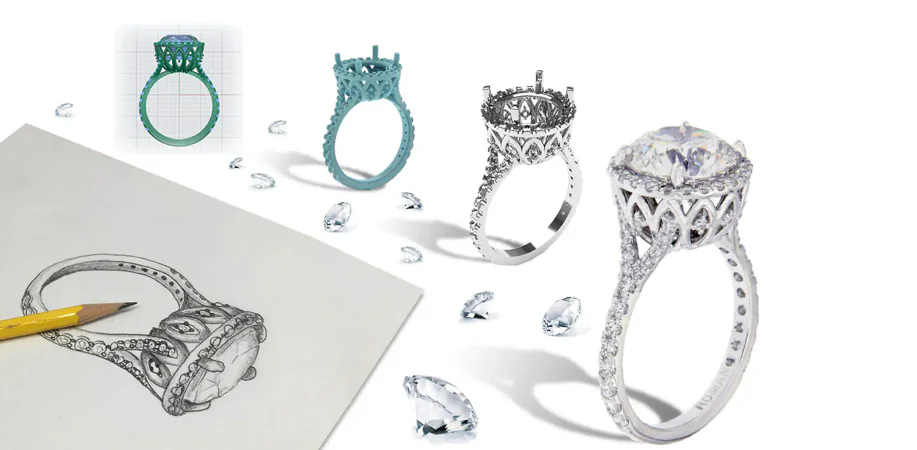
OEM and ODM describe different ways a jewelry product is developed with a manufacturer. In a typical OEM arrangement, the buyer supplies the design or specifications and the manufacturer produces to them. In an ODM arrangement, the manufacturer offers an existing design or product platform that the buyer may select and customize within agreed limits. Exact responsibilities vary by contract, so define them before development begins. OEM jewelry: start with your design OEM can suit a brand that has approved drawings, CAD files, a physical reference, or detailed specifications and needs a supplier to develop and manufacture that concept. The buyer should clarify who creates and approves CAD, prototypes, molds, and production files, and who owns or may reuse each item. ODM jewelry: start with a supplier design ODM can be a practical route when a buyer wants to select from designs the manufacturer already offers and adjust details such as finish, stone, logo, or packaging. Confirm whether the design is exclusive, offered to multiple customers, or subject to a limited customization agreement. “Custom” does not automatically mean exclusive. Compare the work before choosing Design input: buyer-led for OEM; supplier-led starting point for ODM. Development: OEM may require more specification
Jewelry Dropshipping: New Selling Way for Your Business
Jewelry dropshipping lets a retailer take an order and have a supplier ship the item to the customer. It reduces the need to hold inventory, but it does not remove the work of checking product quality, delivery performance, customer service, and unit economics. The seller remains responsible for the promises made on the product page and for handling customer issues. How the order flow works The retailer selects products, publishes listings, receives payment, and sends order details to the supplier or fulfillment partner. The supplier packs and ships the order, while the retailer communicates tracking, answers questions, and manages refunds or replacements under the store’s policy. Confirm how inventory updates and order status are passed between systems before opening the store. Vet the supplier and test fulfillment Order samples to inspect material disclosures, finish, stone settings, clasps, and packaging. Place a test order to your target market and record processing time, delivery time, tracking quality, and whether the parcel or packing slip identifies the supplier. Ask how stockouts, damaged items, address changes, and lost parcels are handled. Do not rely on catalog photos alone. Choose a focused product range Build a small collection for a defined customer rather than listing
How to Price Jewelry — A Complete Guide to Knowing Its True Value
Introduction If you’ve ever tried to sell or value a piece of jewelry, you’ve probably discovered just how confusing pricing can be. Two rings that look almost identical might have very different price tags — and if you’ve ever wondered why, you’re not alone. Learning how to price jewelry accurately is a skill that every seller, collector, and even everyday owner should understand. Knowing your jewelry’s true value matters whether you’re trying to sell online, get insurance, or simply understand what you own. In this guide, we’ll break down every factor that affects jewelry pricing and walk you through a clear, realistic process to evaluate and set a fair price. By the end, you’ll have the confidence to price your jewelry like a professional — not just guess based on what you see in stores. Step 1 – Understand What Determines Jewelry Value Before you can learn how to price jewelry, it’s crucial to understand what gives each piece its value. Jewelry pricing is never just about materials — it’s a blend of craftsmanship, rarity, market demand, and sometimes even emotion. Material Factors The foundation of jewelry value always starts with the materials used. Precious metals like gold, silver, and
How to Buy Jewelry Wholesale and Sell Retail (Complete Beginner Guide)
Buying jewelry wholesale and selling it retail requires more than finding a low unit price. Plan for product fit, landed cost, quality checks, and the time needed to fulfill orders. Start with a small test assortment, learn which pieces your customers respond to, and expand from evidence rather than projected margins. 1. Define the customer and the first assortment Choose a clear customer and use case before comparing suppliers: everyday stainless steel, giftable personalized pieces, or occasion jewelry call for different materials, price points, and product information. Start with a focused range that is manageable to photograph, describe, and replenish. Avoid buying many similar styles before you know which details matter to your audience. 2. Compare wholesale channels and screen suppliers Marketplaces make it easier to compare listings, trade shows let you inspect products and meet vendors, and direct factories may support deeper customization. Each channel still requires supplier checks. Confirm the seller’s business identity, whether it is a factory or intermediary, what is held in stock, and who handles export and after-sales issues. For China sourcing, use this guide to evaluating jewelry suppliers in China as a companion checklist. 3. Request samples and agree on specifications Order samples before
How Do You Start Stainless Steel Jewelry Wholesale?
Introduction The jewelry market has been evolving rapidly, with stainless steel emerging as one of the most popular materials in the industry. Unlike traditional gold or silver pieces, stainless steel jewelry is affordable, modern, and highly durable, making it a favorite for both retailers and consumers. This growing demand opens the door for new entrepreneurs who want to enter the jewelry industry without overwhelming startup costs. But the questions many beginners ask are: How to start a stainless steel jewelry business? How much money do you really need? And what do first-time sellers need to know? In this guide, we’ll walk step by step through the process of starting your stainless steel jewelry wholesale business. From understanding the market to finding the right suppliers, working with manufacturers, exploring customization, and budgeting, you’ll get a complete roadmap to build your business with confidence. 1. Understanding the Stainless Steel Jewelry Market The global stainless steel jewelry industry has been steadily growing over the past decade. Referring from the market reseach report, the global Stainless Steel Jewelry Market size was USD 2.603 Billion in 2025, is expected to rise to USD 2.71 Billion in 2026, and is forecasted to reach USD 3.7476 Billion
Wholesale Charm Bracelets: A Beginner’s Guide (With Real Experience)
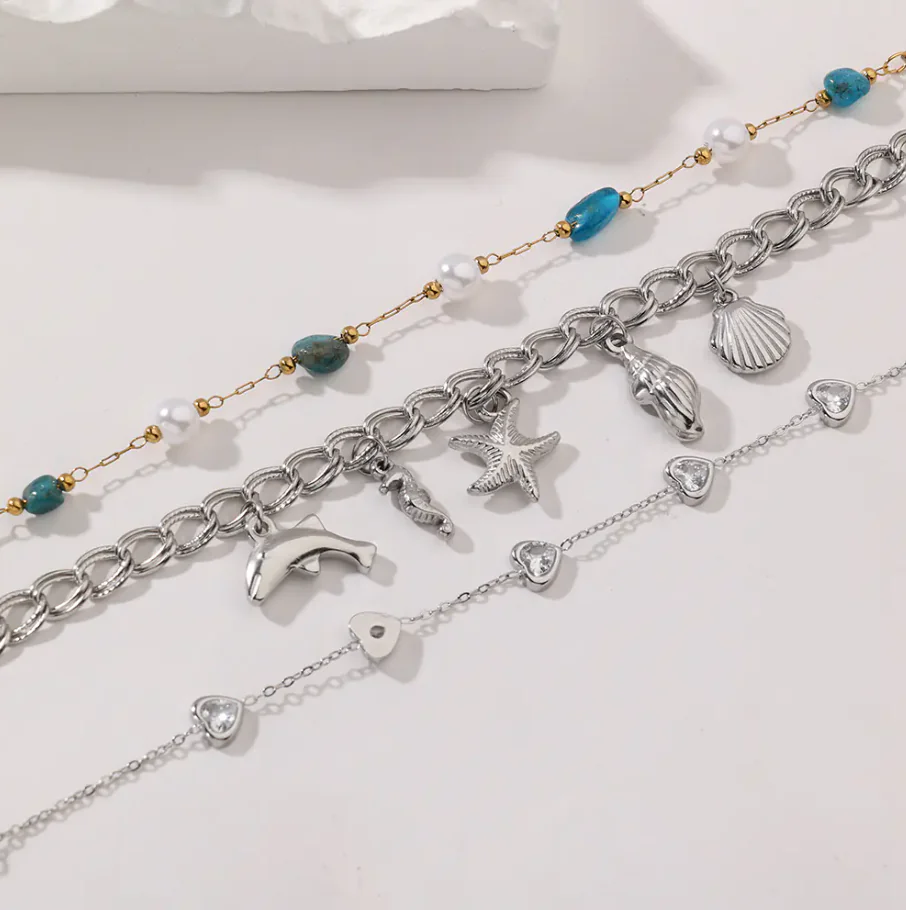
This guest post is written by Emily Johnson, a U.S.-based jewelry sourcing consultant with years of experience in wholesale markets. In this article, she offers practical guidance on finding reliable suppliers, pricing wholesale charm bracelets, and spotting market trends. When I first started looking into the jewelry business, I was overwhelmed by options: necklaces, earrings, rings, and countless materials. But one category kept popping up everywhere — wholesale charm bracelets. Why charm bracelets? They’re timeless, customizable, and surprisingly affordable to buy in bulk. More importantly, they tap into emotion: each charm tells a story, whether it’s a milestone, a memory, or a gift. For retailers, that emotional connection translates directly into repeat customers and higher sales. In this guide, I’ll share not just theory but my own journey. From testing small batches of charms wholesale, to finding suppliers, and to scaling up with wholesale charms for jewelry — I’ve learned lessons (sometimes the hard way) that will help beginners avoid common pitfalls. Along the way, I’ll include market data and a few practical strategies you can implement right away. 1. Understanding Wholesale Charm Bracelets So, what exactly are wholesale charm bracelets? Put simply, they are bracelets designed to hold interchangeable
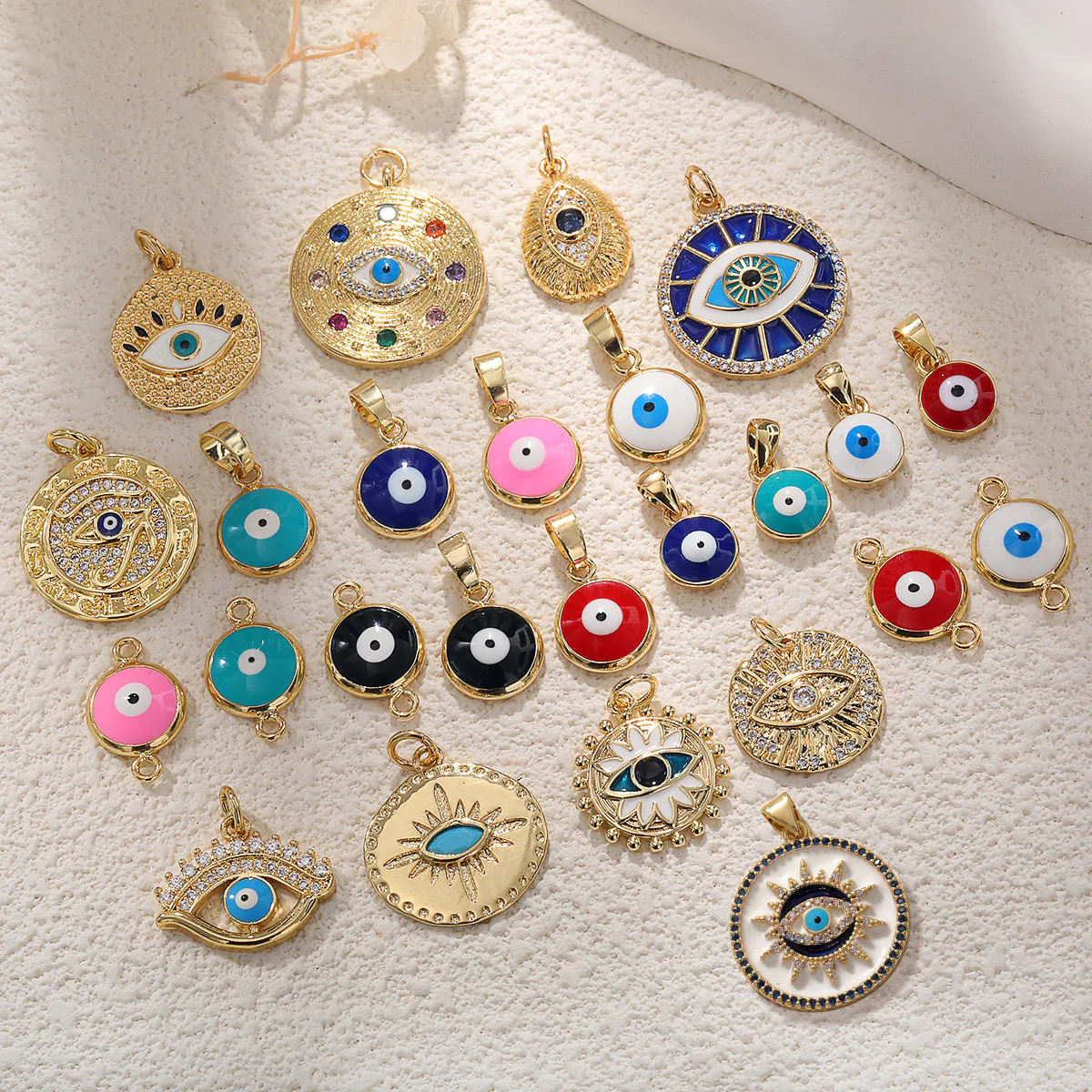
2025 Evil Eye Jewelry Wholesale: What Your Customers Will Be Asking For
1. Introduction: The Growing Popularity of Evil Eye Jewelry Evil eye jewelry is not just a fashion trend—it’s a piece of history, culture, and protection all wrapped in one. Whether it’s a bracelet, pendant, or necklace, evil eye jewelry wholesale has become a staple in both high-end collections and affordable everyday accessories. Consumers are increasingly drawn to these pieces, not only for their aesthetic appeal but also for their deep spiritual significance. Why Customers Are Drawn to Evil Eye Jewelry Wholesale in 2025 In 2025, the popularity of evil eye jewelry continues to surge. The symbolism behind these pieces has universal appeal. People are looking for more than just accessories; they want jewelry that carries meaning. The evil eye is seen as a powerful symbol of protection, warding off negativity and jealousy. For consumers, wearing a piece of evil eye jewelry can offer a sense of comfort, as it serves as a shield against harmful energy. But it’s not just about the symbolism. Evil eye charms wholesale are being crafted with modern designs and innovative materials, allowing retailers to offer a range of stylish options. From evil eye bracelets to evil eye pendants wholesale, the demand for these unique pieces
Everything Your Business Needs to Know About Sourcing Ethical Jewelry
1. What Is Ethical Jewelry? 1.1 Definition and Key Principles Ethical jewelry is more than just a trend—it’s a movement. At its core, ethical jewelry refers to pieces that are made with respect for people, the planet, and fair business practices. This means the entire process—from mining materials to the final polish—aims to minimize harm and maximize positive impact. So, what does this actually look like in practice? It includes using responsibly sourced materials, ensuring fair wages for workers, and avoiding harmful environmental practices. It also means transparency in the supply chain, no child labor, and a commitment to human rights at every level of production. The ethical jewelry movement has grown because people are demanding more than beauty. They want meaning. Consumers today care about how their jewelry is made, who made it, and under what conditions. And businesses that respond to these values are building stronger, more loyal customer bases. Importantly, ethical jewelry doesn’t sacrifice design or quality. On the contrary, many of the most innovative and desirable pieces today are being made by ethical jewelry brands that value both aesthetics and integrity. 1.2 Why Ethical Jewelry Matters Today The demand for ethical jewelry is rising—and it’s not